PlayStation brings musicians… illustrators… streamers… TV stars…. together for new social media content series

PlayStation has released a brand new, six-part social media content series, hosted by gamer and comedian Tony Cantwell. The new series sees Tony talk to a plethora of guests from very different backgrounds, who all share one thing in common: their love of gaming. In each episode, guests discuss what role gaming, and PlayStation, has played in their life. From the moment they got their hands on their first PlayStation, to the recent launch of the PS5, these gamers press play on a whole host of personal stories you won’t want to miss.

The first and second episodes, featuring lifelong gamer and TV star Baz Ashmawy and streamer Una Minh Kavanagh, are now available to watch on the @SonyPlayStationIreland (Facebook), @playstationie (Instagram) and @PlayStationIE (Twitter) channels.

https://fb.watch/9YdLqp8ojX/

https://fb.gg/v/9YdKrQ9Jn9/

https://www.instagram.com/p/CXQulyWgCpi/

https://www.instagram.com/p/CXlRsbwFU5s/

https://twitter.com/PlayStationIE/status/1468918494649622529

https://twitter.com/PlayStationIE/status/1471810490657652738

Scorn, the visceral biomechanical labyrinth, set to release in October 2022

Ebb Software has revealed that Scorn, the highly anticipated atmospheric first-person adventure game, set in a nightmarishly biomechanical universe, will be opening its twisted gates in October 2022.

Revealed on the Xbox Showcase, the announcement trailer teases players with an all-new in-game environment and invites speculation about the disturbing encounters awaiting players on their journey.

Alongside the announcement of the launch date, Ebb Software have also released a deeper development update for their Kickstarter community. This update includes a more technical look at the team’s development progress for Scorn, an interview with their art team and shares a behind the scenes sneak peek at some work-in-progress content. You can check out the community post here on Kickstarter 

“We’re really pleased to be able to share more news on the game and its release date. Scorn has been a real work of passion for the entire studio. The atmosphere, the journey, and the experience, we want every moment in Scorn to elicit an emotional response and feeling. It is our hope that Scorn stays with players long after they reach its ending. We’re looking forward to sharing more news and updates with our community as we move closer to launch” – Ljubomir Peklar, CEO Ebb Software


How to Play Basic Solitaire

Solitaire is one of those games that enhance your cognitive skills while improving your focus. Whenever you feel tense or stressed, you can play this game to calm your mind. What’s amazing about solitaire is you can play it anywhere and anytime. All you need is a standard 52-card deck or find a solitaire websites like Online Solitaire or www.playsolitaire.io also you could check out a list of casino sites in Canada

A Beginners Guide to Playing Basic Solitaire

For those keen on learning this game, here’s a comprehensive guide on how to play basic solitaire. We will go over everything from the setup to gameplay to the rules and objectives of the game. 

Setting up the Cards

As we said above, you need a standard-52 card deck to play solitaire. Your first task will be to set up the cards. If you are playing online, the solitaire website will lay out the cards for you. Here’s how you set up the cards:

  • Place one card face-up and six others face-down in a horizontal line.
  • Place one card face-up and five others face-down on top of the first pile. Begin the second pile from the second column on the left.
  • Deal the third pile with one card up and four face-down. Begin the third pile from the third column. 
  • Deal the fourth pile with one card up and three face-down. Begin the fourth progressively, as shown above. 
  • Deal the fifth pile with one card up and two face-down. 
  • Deal the sixth pile with one card face-up and one face-down. 
  • Place the seventh pile with one card face-up.

Your card setup should have seven columns, and they should be progressive. The first column on the left should have one card, the second column should have two cards, and the third column three cards, and so on. In each column, the topmost card is the only one that should be face-up. 

Once you set up your cards, you will remain with 24 cards. These cards are your stockpile. Place them at the top left of your card setup.

Objectives of the Game

Your goal is to transfer and arrange all the cards onto the ace foundation piles. The ace foundation is placed at the top right side of the card setup, and it is divided into four card suits. The objective is to arrange cards of each card suit in sequence, starting with an ace and finishing with a king. If you successfully build your foundation pile, you win the game. 

Rules and Gameplay

There are three ways to move cards in solitaire. The first is moving cards within the card setup, also known as the tableau.

Play cards in the tableau by arranging them in different colors and descending order. For example, you can place eight of hearts or diamonds (red) onto nine of spades or clubs (black). Arrange cards in descending order from a king to ace. 

The second way to move cards is from the stockpile to the card setup. When you have no moves left on the tableau, you can reveal cards one at a time from the stock as you search for the one to transfer to the setup. You can only transfer a card if there is one on the tableau that’s a number higher and has a different color. 

To make the game more challenging, you can reveal cards on the stockpile in threes, then transfer only the topmost card. The rules of transfer still apply here. 

The last way to move cards is from the card setup or stockpile onto ace foundation piles. Remember that the objective is to arrange all cards onto the foundation piles in ascending order. 

Closing Remarks

You now know how to play basic solitaire. Why don’t you try playing a game in your free time? You only need to play solitaire once, and you will get the hang of it. Next time you feel stressed at work, play a quick solitaire game to calm yourself.

It’s Time to Cut the Cord: Wireless Gaming Headset Warden set for 2022 UK Release

Sades make their first step into wireless gaming peripherals with the Warden I, featuring Bluetooth 5.0, 30-hour battery life and mobile/console/PC compatibility.

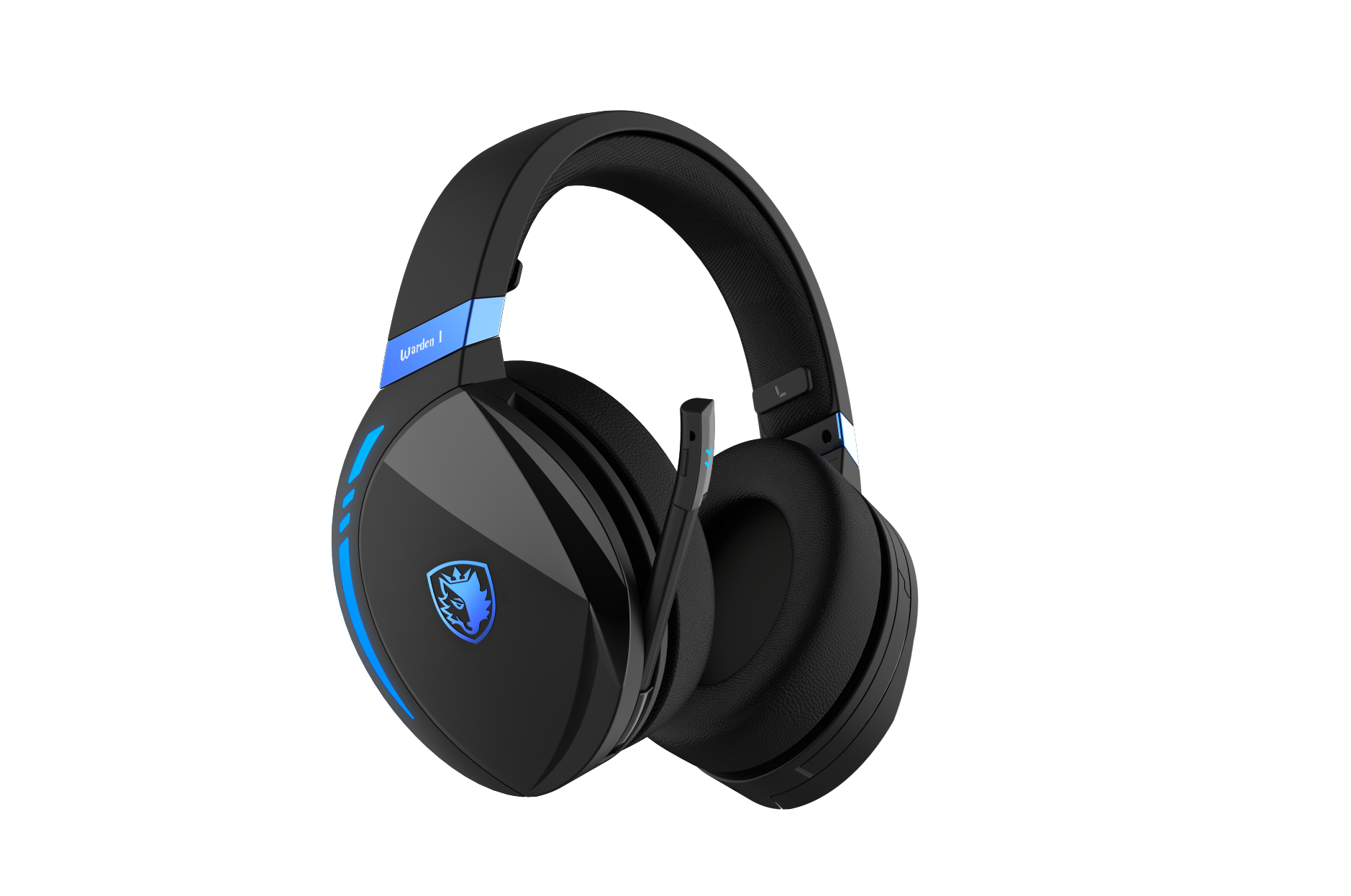
Sades is proud to announce their new wireless gaming headset: the Warden I – which will enter the UK market in early 2022.

The brands first foray into the world of wireless technology, the Sades Warden Ⅰ listens to customer demand and delivers an updated, technologically advanced take on the good old gaming headset.

Getting rid of the annoying cable once and for all, the Warden I importantly maintains the brand’s emphasis on quality and innovation: delivering 40ms ultra low latency via either Bluetooth 5.0, a transmitter or a 3.5mm AUX cable.

With a focus on freedom and movement, Sades’ newest headset allows gamers to enjoy fantastic gaming audio anytime, anywhere. Whether they’re cruising along in the passenger seat or slouching into their favourite bean bag, the Warden I gives gamers the freedom to game however they want, wherever they want. Need a snack mid-match? No problem, just get up and grab it. Need to head out and fancy playing some Fortnite Mobile? No worries, the Warden I have got you covered.

Sades Warden I

For gamers who enjoy multiple ways to game, the Warden Ⅰ headset is compatible with most devices, including: smartphone, PC, PS5, Xbox One, Nintendo Switch etc. and comes with an impressive 30-hours of playback time (2.5-hour charge time).

Something important to every gamer is audio quality, and fans of Sades will be glad to know that the Warden I delivers consistent and impressive fidelity. Equipped with the latest in bluetooth technology and superb ear-cup speakers, the Warden I produces weighted bass and delicate mids and trebles. Even if they’re out and about, gamers can be assured that their gaming experience doesn’t go lacking.

For the design savvy, several design details of the Warden I also cannot be missed. The ear-cups freely rotate up to 90 degrees to provide users with more flexibility and comfort, whilst the blue lights on the exterior light up automatically when powered on. To help users who carry their headphones, the microphone can also be tucked away neatly when not in use and the nylon headband can be detached, allowing you to clean or replace it with an optional premium leather version – complete with exquisite graphics.

Enter gamigo’s House of Wonders for magical Christmas surprises

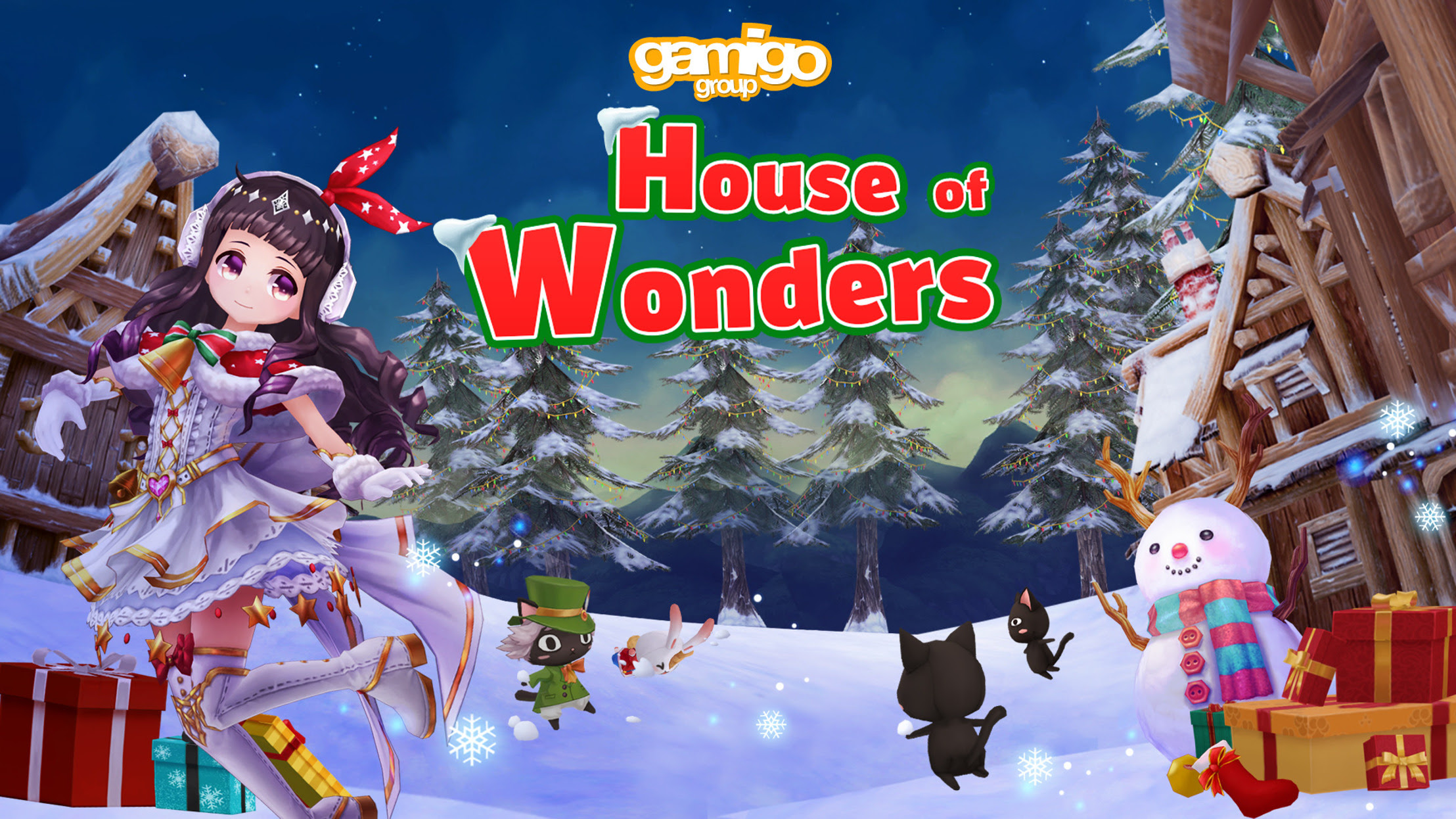
gamigo is happy to ring in the holiday season with the launch of a gift-giving Christmas event for all its players.

Starting December 1 through December 31, gamigo players will be able to get a wonderful gift in gamigo’s Advent calendar or participate in a raffle. Every day, a new surprise will wait for them when they return to the House of Wonders website. gamigo’s Santa will put the presents in the doors of the Advent calendar for players to unwrap every day at 10am CET. From in-game items to hardware raffles, Santa has thought of everything to fulfill everyone’s wishes.

But that’s not the end of gamigo’s Christmas celebrations – players can also open Wonder Boxes! Each of these boxes will contain one of the most desired in-game items for the participating games. Since Santa and his elves can only carry a limited number of boxes each day, players can return the following day for a new sleigh-load full of Wonder Boxes.

Is there more? Of course! If players log in to their favorite gamigo games for at least 30 minutes per day between December 1 and December 31, they will then be able to enter a giveaway to win a comfy and stylish gaming chair from Nitro Concepts.

On December 17 and 30 at 7pm CET, gamigo’s elves have prepared something special for the players – special Santa streams where Santa and his elves will bring cheer, merriment, and tons of gifts.

Come and join gamigo’s gift-giving Christmas season and be magically surprised!

Website: http://houseofwonders.gamigo.com/

The History of the Season Pass

Season passes are a novel form of game monetization that have been around in various forms for some time, but have risen in prominence thanks to their association with immensely popular battle royale style games such as PUBG and Fortnite. The basic premise of a season pass follows the real world concept of a sporting season ticket, and gives gamers open access to time bound events and activities in a game’s world. These frequently run for about 3 months before expiring, at which point a new season pass must be redeemed. With each season, developers offer fresh content, features and customisation options to incentivise renewal. This method of monetization is very effective as it means a game can continue earning revenue long past its initial release date. The concept has a long running association with DLC (downloadable content packs) release and can be seen as a refinement and serialisation of them. 

Monetization models

The season pass is but one of the many game monetization models that has been in the ascendancy with the rise and proliferation of smartphone gaming. In this space, season passes rub shoulders alongside a range of diverse game monetization strategies. These range from those seen on iGaming platforms, where promotional offers on online variants remain attractive to new and returning patrons, to the well known freemium model that has maintained primacy in the app store for over a decade.

History and development

Early prominent uses of the season pass model included 2011’s L.A. Noire, by GTA developers Rockstar Games. This paved the way for major developers such as EA to begin offering season passes for their league franchise games under their sub-brand, EA Sports. Season passes experienced a renewal of interest around the mid 2010s when a new type of free-to-play game became popular among gamers. These games, following the template laid out by PlayerUnknown’s Battlegrounds (PUBG), are built around battle royale gameplay wherein a large number of players, sometimes in excess of 100, battle it out on a single large map to a last-man-standing rule-set. 

These games, of which Fortnite is now the most popular, attracted players due to their free-to-play status. These games all offer customization features and additional game-mechanics that can only be purchased once players pay for the current season pass (sometimes called a battle pass). By letting gamers invest time and energy into a game, they are statistically far more likely to want to invest monetarily over the long run, especially if this lets them display their identification with the game’s community to other players. 

Impact

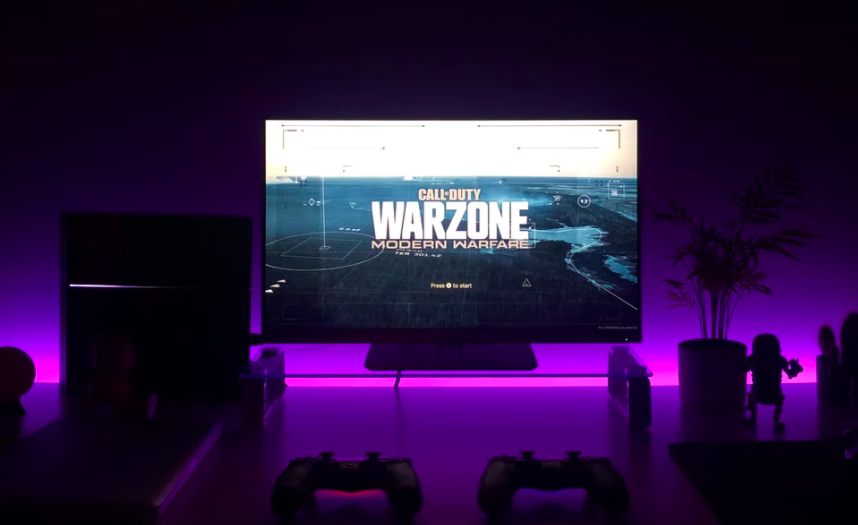
By offering season passes as a doorway into letting people acquire DLC microtransactions, Fortnite has earned over $9 billion since its release in 2017. Other major game developers are rapidly following suit, with Activision launching a battle royale free-to-play version of its Call of Duty franchise in Call of Duty: Warzone, an enterprise that has already generated nearly $500 million in revenue since its 2020 release date. Japanese developers Square Enix, the company behind the long running and immensely popular RPG series Final Fantasy, recently launched Final Fantasy: VII — The First Soldier, their own take on a battle pass style massively multiplayer arena game. 343 Studios, the developers working on Halo: Infinite have also announced, following a long running open beta of its multiplayer mode, that it will be available as a free-to-play add-on to the main game, and will use its own version of a battle pass.

Changing landscape

Where this trend will end is hard to see at this point, as news that a major iterative title like Halo: Infinite, set to be the new Xbox Series X/S’s de facto flagship game, will be using a free-to-play season pass for its multiplayer will increase the likelihood that this will become commonplace among major console games. All of this points to a change in the way games are made, marketed and consumed by the industry. This is reflective of the sector coming to terms with the rise of massive multiplayer gaming, and in exploring the best way to monetize this shift into the future.

Best New Mobile Phones for Gaming

The gaming industry is witnessing a revolution of ideas every season. There was a time when you could only play games on a PC, or you were lucky if you had a laptop. Nowadays, you can game on consoles like Nintendo switch and the PSP console. Also, the iGaming industry introduced mobile and handheld device gaming with tablets leading as the best gaming device. The reason is that tablet screen size enables you to maintain the same gaming experience as a PC. 

Nonetheless, the iGaming industry has not relented in giving the best of game output. Now, it seems there is a focus on mobile gaming. Today, approximately 6.378 billion people use smartphones; a figure amounting to 80.69% of the world population. Hence, games on mobile devices are continually enhanced to give the best gaming experience. As a result, you can now play games online with your smartphones on any mobile casinos you can trust. The smartphone manufacturing companies are also trying to produce games specially built for gaming purposes.

Top Specially Built Phones for Gaming and Their Specifications

Although all smartphones, whether Android or iPhone, can play games, not all phones are built for gaming. There are phones built with unique capacities and specifications solely to enhance your gaming experience. If you are looking for a phone specially built for gaming, you may consider one below.

Samsung Galaxy S21 Ultra

Samsung did not build this device primarily for gaming. However, it possesses qualities and abilities that make it suitable for gaming purposes. Samsung released the phone in January 2021, and it comes with a considerable cost of $1069. As such, many may not be able to afford it.

It has a dimension of 165.1 x 75.6 x 8.9mm, a screen size of 6.8 inches, and a dimension of 1440 X 3200. The CPU features; Exynos 2100 / Snapdragon 888. It has a RAM size of 12/16GB and storage space of 128GB/256GB/512GB and does not support MicroSD slots. The battery capacity is 5000 mAh and which encourages a long-lasting gaming time.

iPhone 13 Pro Max

iPhone 13 Pro Max is the latest release of the Apple company as it was released in September 2021. Apple did not specifically build the phone for games, but it possesses the attribute of a gaming phone. Just like the Samsung counterpart, the phone is sold for a high price of $1080. Therefore, buying this phone can be a step toward a good gaming experience and enjoying other specifications.

iPhone 13 Pro Max has 160.8mm x 78.1mm x 7.7mm, a screen size of 6.7 inches, and a resolution of 1284 x 2778. The phone features A15 Bionic CPU. The RAM size is 6GB, while the storage sizes are 128GB/256GB/512GB/1TB. It has a battery capacity of 4352 mAh, which is reputed to be the best battery capacity for an iPhone.

Asus ROG Phone 5

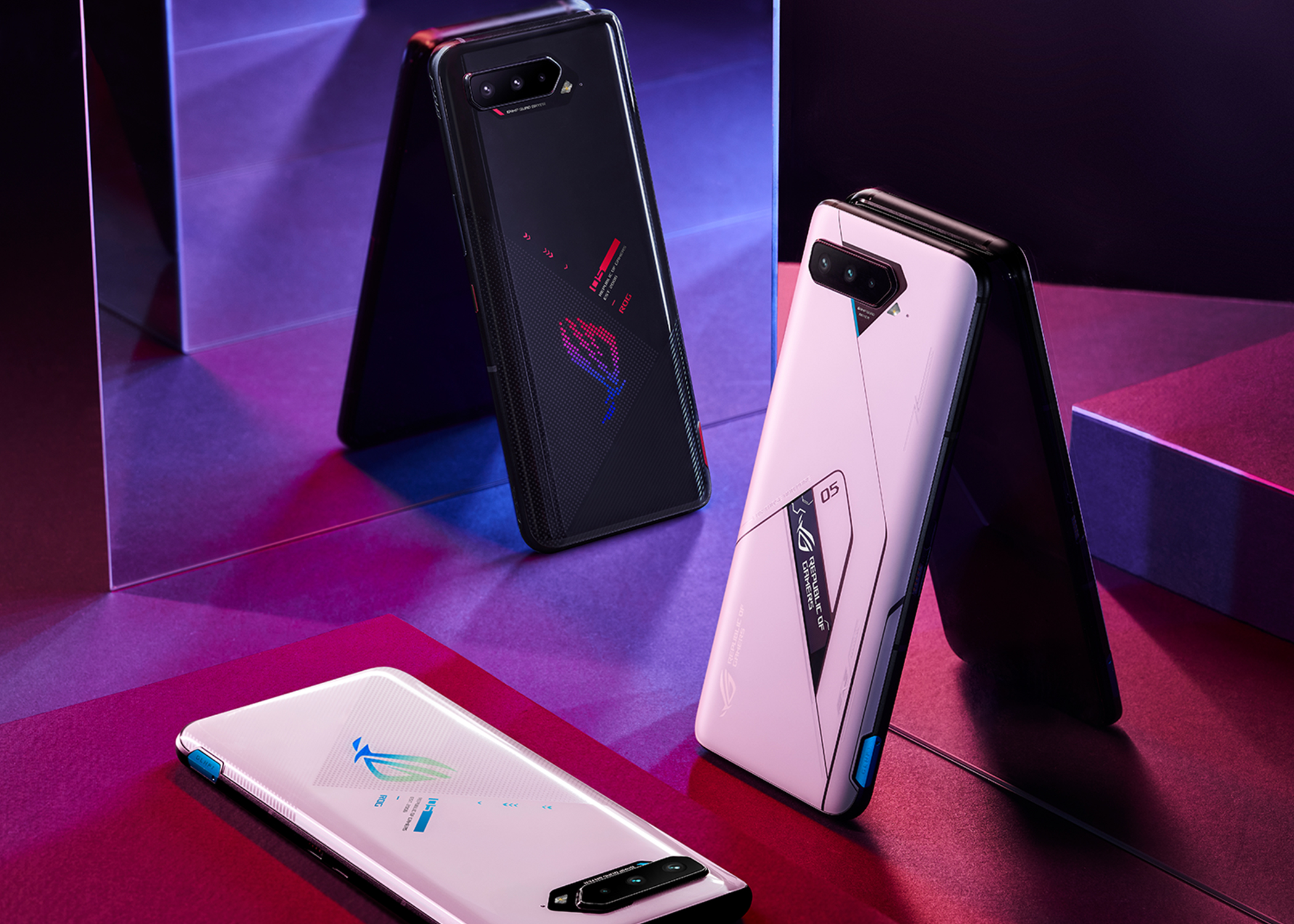
The Asus ROG Phone 5 is built explicitly for gaming purposes. It is an Android OS device with unique specifications to enhance the gaming experience. The screen possesses a fantastic refresh rate of 144Hz, which you may not find in any other phone. It is sold for an average price of $700.

Asus ROG Phone 5 has a dimension of 172.8 x 77.3 x 10.3mm, a screen size of 6.78 inches, and a resolution of 1080 x 2448. It features an Android 11 OS and a Snapdragon 888 CPU. The RAM size is 8/12/16GBS, while the internal storage can be 128/256GB. It has a great battery capacity of 6000 mAh which can ensure a long time of game playing.

Lenovo Legion Phone Duel

Lenovo Legion Phone Duel is the first gaming phone of the Lenovo brand. It has the capacity needed to engage in gaming both online and offline without hiccups. It also has an additional feature of 90W supercharging. The limitation of the phone is the camera which necessarily may not affect the game playing.

The phone has a dimension of 169.2 x 78.6 x 9.9mm, a screen size of 6.55 inches, and a 1080 x 2340. It features a Snapdragon 865+ CPU and an Android 10 operating system. The RAM size is 12/16GB, while it has an internal storage of 256/512GB. The phone has a battery capacity of 5000 mAh which no doubt encourages a longer game time.

Nubia Red Magic 5G

The Nubia Red Magic 5G is another phone specifically built for gaming purposes. The phone was released in March 2020. It was the first phone to integrate the 144Hz screen refresh. It integrates game space features that allow you to customize your experience while playing. 

The phone has a dimension of 168.6 x 78 x 9.8mm, a screen size of 6.65 inches, and a resolution of 1080 x 2340. It features Android 10 OS and a Snapdragon 865 CPU. The RAM is 8/12GB, while the internal storage can be 128/256GB.  It has a battery capacity of 4,500mah which is considerably supportive of game playing.

Why Destiny 2 Boosting is so popular?

Over the years Destiny 2 has emerged as a strong and competitive multiplayer title-winning hearts of millions in terms of bringing engaging story-based gameplay that no other multiplayer franchise out there can match. Since its first debut in 2017 and many expansions that have joined Destiny 2 over the years the content, the storyline, challenges, and mainly the quest remain at the top sensation of innovation. There is just so much to do that you might not feel boring even for a second. 

Without leveling up Destiny 2 is just like another multiplayer title

But in order to enjoy the game, you have to level up your character, unlock new weaponry, and above all complete quests. This is kind of a nightmare-like situation for many gamers out there who don’t want to put their focus and time into doing absurd tasks just so they can enjoy the next few levels of the game. That is why there is a Destiny 2 boosting service out there which can help these people rank better and sooner to play the game at its full potential.

Some quests and challenges are harder than the rest and if you don’t overcome them then Destiny 2 starts to slip away into the regular multiplayer game which is too tough and suddenly very boring. Destiny 2 boosting services have become more apparent and available over the years and there are reasons why these are getting even popular as we step into 2022. Following are some of the reasons explaining the popularity of Destiny 2 boosting services and why should you get one for yourself;

People can save time by hiring a boosting service

Just like any other multiplayer title out there Destiny 2 wants to engage you into gameplay that is redundant and often requires you to spend lots and lots of time collecting things or mastering certain elements of the game. Only then you can level up and get a few levels of superb fun and only shortly after you would be required to level up to face the upcoming challenges and on goes the cycle. Many people simply don’t have the time and energy to go through with it and that is why they hire Destiny 2 boosting services.

One of the cheapest Destiny 2 boosting services is Kingboost. With their help destiny 2 gamers are able to accomplish Trials of Osiris Flawless, Grandmaster Nightfall, Master Vault of Glass, get Vex Mythoclast and one thousand voices weapons. Get destiny 2 boost from PRO boosters, that will save your time and nerves by completing difficult activities instead of you.

Leveling up made easier

A boosting service is like hiring a professional gamer to take control of your gaming account and play the game organically to gain XP and complete quests and side missions on your behalf. This way you get to unlock new weaponry, buy or retrieve new skills and move along the game dimensions rather than being stuck at the same place. You might be a student or a dedicated worker and just can’t spare the time to indulge yourself in leveling up whereas you could be enjoying the game with all these side hustles and requirements completed for you.

Tackling skill-based challenges better

Destiny 2 is all about getting your hands on the latest weaponry and various game elements which are hidden in multiple artifacts and game locations. These new things that can help you get better at the game are introduced every time a major update is applied do it. Not every player can have the intricate knowledge of the game or know such intricacies to be able to explore these things so they can level up their skills and get on to deal with more intimate challenges that the game has to offer. That is why buying Destiny 2 boosting can help you with tackling these issues and leveling up your skillset so you can enjoy the more intricate levels of the game. It is the same reason why so many people are buying different Destiny 2 boosting services such as boosting gold, boosting player XP, developing character from the ground up, unlocking new weaponry, or updating the current skillset.

Learning from the best

Another reason for such immaculate popularity of Destiny 2 boosting services is because the newbies and gamers who want to explore Destiny 2 as a potential source of income want to learn how to get better. They want to learn from the best players and therefore can engage them in one on one coaching lessons where they can learn about anything they want. They can learn how to upgrade player skills, increase XP, or even better conceiving all the knowledge about game mechanics and getting into little details of the game which can put them at an advantage regarding a specific challenge or quest. 

They might practice consistently with professional Destiny 2 players just to get up to speed with the game and also because they can have access to resources earlier than anyone else thus putting them at an advantage.

Things to consider before hiring yourself a Destiny 2 boosting service

The popularity of the game aside you need to consider the real-world implications of this whole thing and that is why you should consider some elements before hiring a dedicated Destiny 2 boosting service. If you are not careful enough then losing your money and time which you would have invested into this whole crusade would be the least of your worries, as possibly enough you can lose your account too. 

Consider doing thorough research on the very boosting service you are looking into hiring. Learn about them, what they do, what specific sections of the game they can help you boost, and if possible read some reviews posted on their site and other material available on third-party websites about their boosting service. This will give you an idea of the clientele that have had business with the service before you. 

Final thoughts

Make sure they use a VPN connection for the sake of masking the identity of the professional player and confusing the anti-cheat engine of the game into believing that it is actually you who was playing the game all along. Destiny 2 boosting services will only get better with the passage of time and if you don’t want the regret of missing this wonderful opportunity then get on this hot steam train while there is still time.

Blockchain Games: What You Need to Know

Blockchain technology is on the rise and is growing at a neck-breaking speed, with over $2.3 billion raised in ICO in 2017 and more digital currencies in circulation than we can count.

As it begins to enter our day-to-day lives, we shouldn’t really be surprised that developers are busy finding ways to implement the technology into gaming. We’re already seeing opportunities to build earnings through blockchain games, and sites such as play to earn are key examples of the demand for information on developing that income stream.

But before you leap in, it’s essential to make sure that you have some background knowledge along with an awareness of some of the challenges that blockchain gaming has experienced. 

What is a blockchain?

A blockchain is a digital ledger of records that cannot be changed without altering all subsequent blocks. It has been described as a “new foundational layer” for the internet and other digital products and services, taking place beneath the applications we typically use on a day-to-day basis. In more practical terms, it’s simply an online database that stores data in encrypted form. It can only be accessed by someone who has keys to the encryption.

To add information to a blockchain, others must verify it before it can be accepted as true. Once verified (through proof-of-work or proof-of-stake), every node in the network updates its copy of the ledger with this new entry. This ensures that no block is ever altered retroactively without the alteration of all subsequent blocks, making it nearly impossible to forge even a single record.

The first blockchain was conceptualized by Satoshi Nakamoto in 2008 and implemented in 2009 as part of the digital currency bitcoin. There it serves as the public ledger for all transactions on the network. The invention of the blockchain for bitcoin made it the first digital currency to solve the double-spending problem without requiring a trusted authority or central server. 

Because bitcoin was the first significant implementation

of Blockchain technology, questions about its scalability, security, and usability have dominated much of the discourse surrounding its development. 

Collectible tokens

The most well-known blockchain game genre is crypto collectibles. CryptoKitties made headlines in December 2017 when users could buy virtual cats for over $100k each, with the most expensive one reaching almost half a million dollars. The success of these collectibles was possible because each individual has unique attributes called cattributes, which, in turn, makes them valuable to collectors.

However, it’s important to note that this wasn’t the first game to use collectibles on the blockchain. Earlier examples include Spells of Genesis, Takara, and EtherGoo. 

So what do these games have in common? They all use non-fungible tokens (NFTs). These are unique tokens able to track information about each token holder, like their name or where they live. Each NFT has different attributes that distinguish it from other assets on the blockchain. It’s easy to see how this applies for collectibles like CryptoKitties, but the possibilities go beyond that: an NFT could be anything from a deed to pay in a game or even tokens for in-game currency.

Manipulating rarity and scarcity

Non-fungible tokens are used to create unique experiences within blockchain games. However, there are other ways that developers can employ the technology to enhance the gaming experience.

Splinterlands, for example, is a post-apocalyptic real-time strategy game where players start as survivors of the great war and develop their colony into an empire that rules the wastelands. One of its unique aspects is that there are different types of resources (wood, ore, etc.) but every item produced using those resources is scarce. 

This scarcity helps create the value of resources on the market and allows users to trade them accordingly. It’s no surprise that this mechanic is popular in blockchain games since it behaves like any other cryptocurrency.

The blockchain infrastructure makes everything slower!

There are many parallels between blockchain and traditional gaming: both use pixels, polygons, and textures, and they both require powerful computer rigs. However, one key difference is the speed of operation.

If we’ve learned anything from watching Mr. Robot, then we know that every time something exciting happens with blockchain technology, it takes about ten minutes for it to be. Even though this might not be a big deal for cryptocurrencies, where ten minutes is a small price to pay for decentralization and security, it’s a critical factor when it comes to games.

When FunFair launched its beta version of FunPass, many people couldn’t play the game because the transaction took too long. To get around this problem, they relied on MetaMask, an Ethereum browser extension that allows users to open accounts in decentralized apps without downloading the entire blockchain. This way, players could still use their Ether wallet from anywhere regardless of how long it would take them to become active again.

It’s not just about creating new gameplay…

It’s also bringing the old one back through blockchain technology! Thanks to ERC721 tokens, players can now have a genuine second-hand experience with games where they buy and sell digital assets. This means returning a game could be as simple as selling all your items on a marketplace and then telling a friend you’re done with it.

One of those games is The Elder Scrolls: Legends, Bethesda’s very successful take on the free-to-play collectible card game genre, which has been around since 2015. After its initial release, many people complained about how the company managed its economy (and even won awards for it!), but it can’t be all that bad since the game is still running.

They did, however, run into problems with their latest expansion. Since they required players to spend money on an Expansion Pack containing multiple cards, many people started claiming refunds because of improper marketing practices. This led to a class-action lawsuit where the company kept denying there was any kind of refund policy – which is entirely understandable given blockchain technology’s decentralized nature and permanence of transactions.

It’s not hard to see why companies like Bethesda and Ubisoft (who both recently launched blockchain-based collectible card games) benefit from this model. Once you’ve bought something, you own it forever unless someone buys it off you first. It allows those who love customizing their characters to come back to their favorite games without having to pay for extra content.

The future of blockchain gaming is bright, but nothing’s set in stone!

Like with any emerging technology, there are many kinks to be worked out regarding blockchain technology and video games. There have even been cases where some companies have taken advantage of gamers’ enthusiasm by injecting malware into their collectible-based projects, which shows you how much vigilance is necessary when launching something on a relatively untested field.

There’s also still a lot of debate over whether non-fungible tokens are the right choice for this new market or if they’ll just end up being a gimmick – which is why many developers are still using ERC20 to create their projects.

The point here is that blockchain technology has the potential to change everything, but it’s always good to be realistic when you’re talking about an emerging market that can take many forms in the coming years.

Keeping this in mind, one thing is absolutely certain: once these barriers are broken down, and more people get involved with blockchain gaming, there will be no looking back! The future promises lots of innovation, better community management, and lots of cool features, all things we’ve come to expect from our favorite video game genres.