A 6-Step Guide To Launching A Successful Outbound Calling Campaign

How’s your business doing these past few days? It’s a simple but difficult question, especially if nothing’s going as planned. Check out your bank account and see how much you lost or gained in the past few months.

If the status of your accounts isn’t as good as you want them to be, maybe there’s something wrong with your sales strategy. Have you tried executing outbound calling campaigns? If you haven’t done so, this might be the best time to consider it. 

An outbound call can help you reach customers and prospects to meet your business goals. These may include conducting surveys, promoting products, setting appointments, collecting debts, and generating leads (also known as cold calling). 

Today, sales representatives use information about every existing and potential customer to make the call as successful as possible. As a part of a sales and marketing strategy, outbound calls are proven to help increase returns on investment (ROI).


How Is An Outbound Call Different From An Outbound Call?

Outbound calls are calls made by companies to reach customers—inbound calls are the exact opposite of it. These are calls made by customers to engage with businesses and organizations they might be interested in. 

Aside from that, here are other reasons why people call a business:

  • They want to raise a concern about a specific product or service.
  • They want to know more about the products and services of a particular company.
  • They want to find out where a certain business operates. 
  • They want to confirm whether a particular business is legitimate or not. 

Inbound calls are also crucial to the success of your outbound call campaigns. If a customer takes a liking to your offer, it’s only a matter of time before they call you back and ask for more information. This is where hotline numbers come in.

Hotline numbers make it easy for customers to reach you via phone call. Also, they make you look credible and legitimate. Sooner or later, you’ll have to call them back for follow-ups. That said, using software made by companies, such as Power Dialer, may simplify the process. 


What Are The Different Types Of Outbound Calling Campaigns?

An outbound calling campaign is more than just a company calling customers and offering them a product or service they might want to purchase. It’s also about a company conducting surveys, collecting debts, and asking for donations. In other words, there’s more to outbound calling campaigns than you think.

To expound further, here are the different types of outbound calling campaigns:

  • Telemarketing

Telemarketing is a form of direct marketing that uses different communication sources. Among these sources, using telephones is considered to be the most profitable. And it’ll be more effective with software solutions, like auto-dialers.

An auto-dialer is an automated dialing software produced by companies like Auto Dialer. It automatically dials consecutive numbers before and after each call, so you don’t have to do so. This will help you save time, energy, and money in the long run. 

  • Telesales

Telesales is an essential part of telemarketing, which involves reaching qualified and non-qualified prospects. If telemarketing focuses on promoting products and services, then telesales is how you sell them over the telephone. 

  • Debt Collection

Debt collection is crucial, especially when maintaining cash flow. An outbound calling campaign may help encourage clients to settle their debts as early as possible. Using a predictive dialer—an advanced type of auto-dialer—might be helpful in this situation.

  • Surveys

Outbound calls make a great tool when it comes to surveys. Conducting surveys can help you determine whether customers are satisfied with your offerings. It can also help you with market research, especially when releasing a new product.

  • Outbound Customer Support

Customer support is typically a part of inbound calling campaigns. But sometimes, you must reach out to your customers to provide support. Examples of outbound customer support include warnings regarding service unavailability and payment concerns.

You’ve probably understood the basics of outbound calling and its significance in different operations, including sales, marketing, debt collection, etc. Now, it’s time to learn how to create a successful outbound calling campaign. 


How To Launch A Successful Outbound Calling Campaign

Below is a step-by-step guide to launching a successful outbound calling campaign. Understand each step carefully and ensure not to leave anything out to increase your chances of success.

  • Define Your Goals 

When you create an outbound campaign, the first thing to do is to identify the goals of your campaign—why are you doing this? 

Here are some questions that may help you define your campaign goals:

  • What do you want to gain from your campaign?
  • Will your customer benefit from your campaign?
  • Are the goals of your campaign achievable and profitable? 
  • How can your sales and marketing agents achieve these goals?
  • Do you have a secondary goal in mind?
  • How many dials does it take?
  • What do you want to do to boost your returns?
  • What kind of information should you collect from your customers?
  • How these pieces of information help you in the future?
  • How will you manage and process outbound calls?
  • What practices should you apply to improve your outbound calling campaign?

With these questions, you’ll be able to define the goals you want to achieve. You can also use them to determine the length of your outbound campaign and understand the things you need to make it as successful as possible. 

  • Develop A Campaign Strategy

Once you’ve identified your goals, it’s time to focus on your outbound campaign strategy. This is what you need to achieve your campaign goals. 

Here are some key principles you need to keep in mind to develop an effective outbound campaign strategy:

  • Apply The Customer-First Principle

The customer-first principle is a pretty simple idea—it is what it is. It’s strategy successful businesses use to prioritize their customers and put them at the center of decision-making. 

Keep in mind that your customers aren’t interested in your needs and problems. They don’t even care whether your company succeeds or not. What they want is a product or service that can put an end to their problems.

  • Manage Constructive Criticisms

Absorb whatever your customers say about your products and services, whether good or bad and don’t take them personally. Constructive criticisms can help improve your products and services and reduce further complaints. 

  • Be Sincere

Do you think your customers would appreciate your lack of sincerity? Of course, not! No matter how great your products or services are, you’ll never succeed if you’re not sincere enough. 

Show your sincerity when communicating with clients by being honest, calm, patient, and clear.

  • Encourage First-Class Communication

Excellent communication is crucial when it comes to outbound calling campaigns. Your tone must be relevant to the information you’re sharing with your customers. Also, you must be consistent and easily understood.

Avoid jargon and technical terms so that customers can understand what you’re babbling about.

Apply these basic sales and marketing principles when developing an outbound campaign strategy to increase your chances of success. Prioritize your customers’ needs, take everything constructively, be sincere, and communicate properly.

  • Manage Customer Data

When it comes to managing customer data, there are three essential factors to keep in mind: sourcing, handling, and using.

  • Data Sourcing

First, understand the meaning of ‘warm’ and ‘cold’ data. Warm data refers to the connection previously established between you and your customer.

For example, customers have reached your website or social media platform and left information about them. This may include a phone number, queries, personal requests, and email.

On the other hand, cold data refers to purchasing customer information from other sources, such as list brokers and data owners. If you’re planning on doing this in the future, make sure to verify the information provided before using it. 

  • Data Handling

Data handling involves checking data accuracy, enforcing data security, and promoting data compliance. 

Check the accuracy of your data before importing them into your software system. Phone numbers must be written using the international format—for example, 1 (U.S. country code) + 800 (area code) + 1001000 (local phone number).

Ensure the security of your data by implementing a robust cybersecurity solution. That way, it’ll be difficult for cybercriminals to launch attacks on your system. 

Lastly, review all the laws that have something to do with outbound calling campaigns. You may visit the Federal Trade Commission for more information. 

  • Data Using

Filter your data and remove everything that doesn’t make sense. For example, calling those who are not even a part of your list of target customers may not make sense at all. It’s just a waste of your time, money, and energy.

Always keep your data up to date. Customer information may change over time, so make sure to update it regularly. You may call your customers from time to time to check if the information you have is still useful.

Managing your customer data is essential for a successful outbound calling campaign. Use the tips above to source data properly, stay compliant with the law, determine target customers, and provide exceptional customer service.

  • Create A Call Script

A call script is an essential element of a successful outbound calling campaign. It is a written dialogue that guides sales representatives during a call. With this, they’ll make fewer mistakes and provide structured messages, increasing their chances of closing a sale. 

A call script should contain four primary components: disclosure, structure, summary, and post-call process.

  • Disclosure

This includes the introduction part of the call, where sales agents inform the customer about the purpose of the call. Don’t forget to mention your name and the company where you came from.

  • Structure

A proper call structure should include the following:

  • Asking relevant questions.
  • Finding out whether customers are satisfied.
  • Discussing product benefits.
  • Answering customers’ questions.
  • Closing the call. 
  • Summary

You want to ensure that your customer understands everything you’ve discussed with them. This is the best time to summarize the entire call and erase all possible misunderstandings.

  • Summary

You want to ensure that your customer understands everything you’ve discussed with them. This is the best time to summarize the entire call and erase all possible misunderstandings.

  • Post-Call

This is the stage where sales agents have fulfilled their promises during a call. For example, they provide a detailed email about your products and services right after the call. 

Keep in mind that call scripts are just a guide; they’re not made to be read while on a call. If you want to read them, make sure you don’t sound like one. The customer on the other end of the line might think you’re not prepared enough to make the call.

  • Choose A Dialing Mode

Dialing modes can be divided into three types: preview, power, and predictive. 

  • Preview Dialing

This mode provides sales agents with a preview of information regarding the contact they’re about to call. This is ideal for sales teams with a small contact list. You can use this mode to follow up with customers about their previous transactions.

  • Power Dialing

This mode is ideal for calling multiple prospects and customers in a day. It automatically proceeds to the next contact on the list and filters unattended, busy, and unanswered lines.

  • Predictive Dialing

This mode is more advanced compared to others. It uses machine learning to analyze call duration and pick-up rates to ensure that your agents can call as many contacts as possible. 

When choosing a dialing mode, make sure that it’s suitable for the goal you want to achieve. For example, if you want to call clients to verify their bookings for their trip, using preview dialing mode might make more sense than others. 

  • Measure What Needs To Be Measured

Do you want to find out whether your outbound calling campaign is successful? If you do, measuring these essential key performance indicators (KPIs) is necessary.

  • Occupancy Rate – determines how busy your agents are
  • Hit Rate – determines the percentage of sales against the total number of calls made
  • Conversion Rate – determines the percentage of prospects who purchased the call
  • First Call Close – refers to calls that lead to outbound sales after the first call
  • Average Talk Time – refers to the average call duration
  • Calls Per Agent – refers to the average number of calls an agent can handle per day
  • Contact Rate – refers to the percentage of successful calls against the total number of leads

Track these KPIs to improve the efficiency of your sales agents’ efficiency and your company’s profitability.  


Final Thoughts

Outbound calling is the backbone of sales and marketing campaigns. It’s the process of reaching existing and potential customers via phone. It’s done to promote products, make surveys, sell services, and collect debts. 

If you’re planning to launch an outbound calling campaign but don’t know where to start, this step-by-step guide is what you need. Follow the steps provided for a successful outbound calling campaign.


Some long-time watchers are uneasy about Bitcoin’s status quo

The rise of Bitcoin has been a remarkable success story. After its creation in 2009, the cryptocurrency has gone from strength to strength, growing in value and becoming an increasingly popular form of payment. However, Bitcoin’s recent stagnation has caused some long-time observers to be concerned. As the price has remained stagnant and the currency’s potential for growth is seemingly stalled, many are beginning to worry about the future of the currency. In this blog post, we will explore the reasons why some long-time Bitcoin observers are feeling nervous about the currency’s current status quo.

What is the status quo?

The status quo of Bitcoin is a state of relative stability, where the price and activity levels remain largely unchanged. It has been this way since the end of 2017, when prices peaked and then cooled off in the following months. This period of stability has been beneficial for many in the Bitcoin community, as it has provided an opportunity to invest without fear of drastic price changes. Additionally, the lack of significant market fluctuations have allowed miners, developers, and traders to focus on building the underlying infrastructure and technology of Bitcoin. This includes expanding the capabilities of its decentralized network, such as increasing scalability and transaction speeds. Ultimately, this period of relative calm has helped to create a foundation for the continued growth and development of Bitcoin. However, some are concerned that this may be too much of a good thing. Without any major price movements or news stories, there’s less attention being brought to Bitcoin from new users or investors. While this does help prevent speculation and wild swings in value, it could also mean that the current user base isn’t growing fast enough to sustain long term growth. Furthermore, stagnation could lead to stagnation within the industry overall, leading to fewer opportunities for innovation or breakthroughs in the near future.

How is the status quo making some observers nervous?

The status quo of Bitcoin is that it remains relatively unchanged, with a limited number of users and no major updates or changes being implemented. This is making some observers nervous because they are worried that Bitcoin is not evolving quickly enough to keep up with the rapidly changing world of finance and technology. They fear that if Bitcoin doesn’t keep up with these developments, it could become obsolete or less relevant. In addition, many worry that the lack of change in Bitcoin’s infrastructure makes it susceptible to hacks and other security threats, which could cause the currency to crash. As a result, some observers are concerned that the status quo is limiting Bitcoin’s potential and leaving it vulnerable to the ever-changing landscape of finance and technology.

What could happen if the status quo changes?

If the status quo of Bitcoin changes, it could have a variety of consequences. For one, it could potentially lead to more volatility in the Bitcoin market as investors and traders try to navigate a new landscape. It could also create a variety of challenges for miners, as they will need to adjust their operations in order to keep up with the changing environment. Additionally, it could lead to a variety of new opportunities for developers, who may be able to capitalize on any potential new innovations in the space. Ultimately, it is difficult to predict what would happen if the status quo of Bitcoin were to change, but it is safe to say that it would likely create some major shifts in the industry.

What are the implications of a changing status quo?

If the status quo of Bitcoin changes, the implications could be far-reaching. A change in the network could disrupt existing economic and financial systems, potentially leading to instability in the markets. Moreover, a shift in the status quo could lead to further decentralization of power and money, as well as increased transparency, which could open up new opportunities for businesses and investors alike. Finally, any changes to Bitcoin’s status quo could also impact the global political landscape, with countries that support decentralized networks potentially benefiting from such changes. All of these implications could have a profound effect on how the world works, so it is no surprise that some long-time observers are feeling nervous.

Conclusion

The current state of Bitcoin and its underlying technology is making some long-time observers nervous. It’s clear that any changes to the status quo could have drastic implications for the future of cryptocurrencies and the blockchain technology that powers them. As new regulations, technologies, and businesses are developed, it is crucial that investors and industry stakeholders remain aware of the potential risks and rewards associated with these developments. Ultimately, only time will tell how the status quo will change, but it is likely that the changes will be monumental and long-lasting.

Thanks to BitIQ, the greatest trading service, everyone may invest in cryptocurrencies.

Writing A Poem Analysis Essay and How to Make it Stand Out

A poem analysis essay is a type of literary analysis paper that examines the techniques and devices used by the poet. It is typically written in an expository style, but it can be written in a narrative or argumentative style. A top MBA essay writing service recommends always checking the essay prompt and the requirements provided by your teacher at least twice to make sure you write your essay in the correct format.

The following are some tips on how to write a poem analysis essay:

  • Read the poem carefully and take notes on your observations.
  • Make sure to include the title of the poem and its author.
  • Include information about where you found it (i.e., book, journal, website).
  • Identify what you think are the most important words or phrases in each stanza.
  • Look for repetition of words or phrases throughout the poem.

If you need a custom written paper you can use Essaysforme custom essay writing service who can provide their clients with A+ papers,

What is a Poem Analysis Essay and What is Required from You?

Poetry analysis essays are a type of essay that requires the writer to analyze and interpret the meaning of a poem. The essay should also include an evaluation of how well the poet’s use of language and imagery contribute to the meaning of the poem. The poem “The Road Not Taken” by Robert Frost illustrates the difference between two paths a person could have taken in life. The narrator is trying to figure out which path he should take, but can’t decide because he doesn’t know what’s on the other side of it. Ultimately, the narrator chooses to follow both paths as a way of exploring them and finding out for himself which is better.

The poet is an artist that uses words to create images in the readers mind. A poem can be interpreted in many different ways depending on who is reading it. The reader may see different things than what was intended by the author. .The poet is an artist that uses words to create images in the readers mind. A poem can be interpreted in many different ways depending on who is reading it.

How To Analyze Your Poems for Successful Interpretation

Poems are often analyzed by their themes and the poet’s use of language.

Themes refer to the central idea or message of a poem. When analyzing a poem, one must pay attention to what the author is trying to convey in order to understand its theme. The theme in this poem is how to be a good person.

A literary analysis is an evaluation of a work that focuses on its form, meaning, and significance. This type of analysis usually includes how the text was written and how it should be read. Literary analysis also includes a summary of the text and recommendations for future readings.

How To Write A Creative Poem Analysis Essay

Poems are usually written in lines, with a particular number of syllables in each line. In this essay, we will be analyzing the poem “A Red Wheelbarrow” by William Carlos Williams and try to find out how he used language to create a vivid imagery.

In the poem “A Red Wheelbarrow,” William Carlos Williams uses a lot of descriptive words to create an image in the reader’s mind. He starts off with an ordinary object that everyone can relate to – a wheelbarrow. He then describes its color as red, which is not an ordinary color for a wheelbarrow. This is just one example of how he uses language to create vivid imagery in the reader’s mind.

Steps Towards Creating An Amazing Poem Analysis Essay You Will Want To Share

The poem analysis essay is a type of essay that asks the student to analyze a poem and its meaning. There are many ways to go about writing this type of essay, but the following steps will help you create an amazing poem analysis essay that you will want to share.

Step One: Read the Poem Carefully

In order to write an insightful paper, it is important to read the poem carefully and take notes as you read. This will help you remember what you have read and ensure that your paper has all of the necessary information.

Step Two: Write a Thesis Statement

The thesis statement is what your paper is going to be based on, so it should be strong enough to support your argument throughout the course of your paper. It should also be interesting enough for readers, so make sure it is something they can relate with or find interesting in some way.

Step Three: Write Your Introduction

Paragraph This paragraph should introduce both the reader and the poet, and should include a thesis statement. Kwame Alexander’s “Story” is a poem that demonstrates the struggle of his life, while simultaneously illustrating how to overcome it. This paper will explore the many facets of Alexender’s “Story,” including its theme, purpose, and relevance in today’s society. It will then analyze the poem in order to compare it to other works by Alexander as well as examine its universal themes with regards to society today.

How To Make Money From Video Games

Many people of all ages like to spend their free time playing video games. When you can also earn on it https://www.statista.com/outlook/dmo/digital-media/video-games/worldwide, it is many times more enjoyable and adds motivation. Many players are not only able to dream but to turn fantasies into reality. With good skills, an understanding of the games, and a responsible approach, a certain profit will be obtained after a while. Some users in the gaming industry earn incomes that are 2, 3, or more times higher than the average salaries in the country.

What Should You Do in the Video Game Industry?

Many people who are unfamiliar with the video game industry tend to underestimate it. This industry is dynamically developing and growing, there is a turnover of very large sums of money. Many gamblers successfully combine business with pleasure, spending time on their favorite games, and choosing the best payout casino, while receiving a good deal of money. The advantages include:

  • a wide range of options for earning money;
  • an occupation that you like;
  • the possibility of changing careers at any time;
  • with the right skill and luck you can become a millionaire;
  • work from any location in the world subject to access to the Internet.

It should be understood that in this area there is also quite a lot of competition. Therefore it will be necessary to work with full dedication. For example, 7bit casino slots will help bring the participant a good income.

Profit Opportunities in the Video Game Industry

If you haven’t delved into the ways of making money in the games industry, you might think there aren’t very many. In fact, their number exceeds all expectations. Let us review the most popular of them.

Cynersports This is an option that requires a lot of effort but it’s very lucrative. Even if they have reached an intermediate level, cyber athletes can already count on a monthly salary of $5,000 to $7,000. If you take prizes in tournaments, this amount increases. Cybersport is actively developing and the number of fans is constantly growing.

Getting into a team of eSports athletes is not easy. You will have to constantly train and improve your gaming skills. If you manage to position yourself well, there is a chance to get into one of the cyber league teams. 

Bets Athletes who excel in the gaming industry can expect to excel in other areas. GS:GO players, for example, show a very good reaction time. In this indicator, they have better results than professional athletes in other disciplines.

Therefore, they can earn not only on video games but also in the betting industry. Knowing cybersports well from the inside, they can predict the outcome of most competitions and make good profits.

Trading If you are interested not only in making a profit but also in taking an active part in these processes, then trading will be a great option. Passing through such video games as Dota 2 and CS:GO involves obtaining various valuable items, resources, and skins. Often in the course of the game, they are obtained for free, and later you can sell them to other players. These items can only be obtained by prolonged gameplay. Usually, beginners prefer to buy the necessary things and items for real money as they do not want to spend a lot of time.
Streaming This is quite an interesting and widespread option, which requires a small investment. It is necessary to purchase equipment for broadcasting quality videos. The popularity of video bloggers is starting to decline, while at the same time the audience of streamers and viewers is growing. During the stream, you can show your audience the game in real-time. Streaming is available on online platforms familiar to all users – YouTube, Twitch, and GoodGame.

If you get an audience and become popular, you can count on a good income. Having a certain amount of charisma and humor, it is realistic to attract the attention of viewers. Making a profit is possible through donations from their subscribers. Also, by becoming known among the audience, you can pump up social networks, broadcast ads, and find sponsors.

Training Good players who have reached a certain level and regalia can always engage in teaching newcomers. It is clear that it will be conducted only for a particular video game. However, if it is popular, then to improving the skills and learning certain secrets from the wizard will be of interest to a lot of players. Thanks to the training, students correct their mistakes in the game and work out the correct strategies. Many gamers who have undergone training, later became professionals and got into cybersports teams.

According to SmartGuide’s analytics, coaches get quite a lot of money. However, you need to have a good experience in the game. If you do not have a name in cybersports, it is quite difficult to get such a job.

Account upgrade (drivers) Having certain skills, you can pump user accounts. Most often it is necessary for such games as MMORPG, in some famous projects, including “Fight Club”, “Legacy of Dragons,” and others. “Drivers receive a quite large remuneration for such work. Players also invest in order to maximize the promotion of their main account. The owner himself goes into it from time to time to launch a game. The rest of the time a “driver” works on it, developing and upgrading it.
A support person at a game development company Just like in other industries, a manufacturer needs customer support. Therefore, users are given the opportunity to work in the area of interest to them. The salary of such employees is quite high. Also, large companies are engaged in hiring game administrators. He conducts games with other gamers, and provides support in chat competitions. Blizzard can serve as an example. The level of pay for the work largely depends on the skills and communication skills of the employee.
Selling goods with a video game theme A very promising way to earn money is to engage in the production and sale of products with a game theme. This can be clothing, souvenirs, tableware, stickers, magnets, etc. Profits in such work depend only on your ability to sell. By understanding the marketing, and making the right advertising, you can get a fairly large monthly income.

Everyone chooses which way of making a profit suits him best.

Summarizing

With some experience in video games https://en.wikipedia.org/wiki/Video_game, it is quite realistic to succeed in any of the above options and make a profit. It is necessary to look at the experience of those users who have already been able to achieve results in this sphere. It is good if you don’t get hung up, and try to make money from several sources.


PCI Compliance Process

The search for new ways to reduce financial costs has led to the emergence of electronic payments, which have become an affordable tool for quick purchases. Using a credit or debit card is a faster, less error-prone, and easier payment method for many people. Institutions that store, process, or transmit card data must adhere to the Payment Card Industry Data Security Standard. The standard contains more than 200 requirements, which you can read thoroughly on the PCI Security Council Standards website. Compatibility with PCI payment services has a large number of clear advantages. There is an opportunity to protect card data and significantly reduce the risk of personal data leakage.  All merchants, payment systems, and organizations that store and process sensitive online card data must comply with the Payment Card Industry Data Security Standard (PCI DSS). Your system should have the highest level of PCI compliance, providing a secure environment for customers. The Data Security Standard was developed by the Security Standards Board, a joint effort of Visa, MasterCard, American Express, Discover, and JCB to reduce the risk of sensitive personal data being leaked, valuable information stolen, and other types of cyber fraud. Compliance with these standards is mandatory for companies of all sizes. PCI standards protect not only you as a merchant, but also reliably protect cardholders. There are four levels of PCI compliance based on annual transaction volume. Note that each level has different requirements that you must meet.


Important reasons why your business needs PCI compliance?

PCI compliance is not a luxury, it’s a must for companies that transact with payment cards. For more modern organizations going digital, compliance with the Payment Card Industry Data Security Standard (PCI DSS) should be a priority, not an afterthought. In the current situation, it is not surprising that almost every company is struggling with many of the many challenges that come before it. Despite all the excitement and uncertainty, PCI compliance doesn’t seem like the most urgent task on your to-do list. However, the domino effect of the coronavirus epidemic has led to a rapid acceleration of the digital transformation of companies, in particular, a sharp increase in the number of companies focusing on online payments. Compliance with PCI standards has never been more important than it is nowadays because cash has long since played a role in payments. The revolution happened with the gradual spread of contactless, online, and mobile payments. Consumers feel more and more comfortable with these technologies, and transactions have become fast and seamless. The pandemic has led to the rapid adoption of new technologies in the business world and encouraged many people to use online, efficient contactless payment methods. In today’s realities, all companies must remember that the pace of transformation should never come at the expense of high standards of data protection and information security. Failure to comply with the Data Security Standard (DSS) in the Payment Card Industry (PCI) puts at risk all the security processes that run throughout your company. Your business must be ready to adapt to difficult situations, you must be happy to use all the beneficial opportunities of digital transformation. It should not be forgotten that any business that receives, transmits, processes, or stores cardholder data must carry out all these important processes in the most responsible and completely secure manner.

The role played by PCI DSS in today’s realities of business activity

Adopting a PCI DSS compliance process does not mean mechanically completing a compliance declaration form; your key goal is to ensure ongoing security for your business customers and data security in the business environment itself. A large number of companies understand the true value of this process, some consider it expensive. When you look at it from another perspective, you can see the huge benefits of using PCI-DSS standards to strengthen corporate security, protect data and increase resistance to various cyber-attacks. In the event of a security incident, you have a clear management and response plan, which means you can get back up and running faster and minimize disruption. No doubt accepting card payments and making purchases with the click of a button or swipe of your card has many important benefits for you and your customers. You can significantly increase revenue for your business simply by offering more payment methods available to your customers. In this case, the advantages are obvious, but you should be as vigilant as possible and aware of your responsibilities, which are related to this, and understand all the potential risks.

Essentially, you need to take all necessary measures to reliably protect cardholder data from both accidental data loss and malicious data intrusion attempts, which may be in the form of fraudulent transactions or illegal hacking attempts to obtain personal data. Due to the Covid-19 pandemic, all of these cyber threats have become much more visible than ever. In many cases, telecommuters are now being paid online as they work from temporary home offices, often using their devices. All these conditions provide a real opportunity for hackers, who are engaged in the search for vulnerabilities of organizations, which, in turn, are forced to change their business model in a short period. Compliance with PCI DSS standards used to be important, but during the pandemic, it has become crucial.

PCI compliance goes a long way in helping organizations detect and prevent physical and network attacks. This standard enforces other important security standards that companies must carefully adhere to, as it can improve operational efficiency and reduce the cost of a data breach. Compliance with the PCI standard is not mandatory, but this does not mean that non-compliance with this standard does not matter. Brands can issue fines, terminate service, and even suspend accounts for organizations that are not PCI compliant. Agents may experience financial loss if cardholder data is compromised, and may be responsible for card re-issuance and future detection and prevention services required by cardholders. Compliance with the PCI standard allows you to avoid these negative effects, so it is important to thoroughly know all the glossary of PCI terms and fulfill the initial security requirements for compliance with the PCI standard.

To do this, all organizations and service providers must submit a vulnerability scan to an approved testing provider based on the number of transactions per card or according to the size of the institution. Compliance must be checked annually. Merchants or agents that process less than 6 million transactions per year (levels 2, 3, and 4) must complete the PCI questionnaire and demonstrate compliance with this standard. Once completed, you should receive your final results and all required documents. For example, Tier 1 organizations that processed more than 6 million transactions in the past year must undergo an annual on-site audit by a certified security auditor who has completed the PCI Internal Security Assessment training program. 

A key issue with PCI compliance is the myth that PCI compliance is purely an IT organization’s problem. This is related to technology, as much of the support is related to network security. Cyber attackers are more likely to discover that sensitive data has been compromised by non-technical people and methods. Employees who work with card payment systems should be trained on how your company maintains PCI compliance. Government agencies are stepping up PCI compliance because PCI compliance means they can stay compliant with leading companies and provide their customers with the right level of security. Start planning for compliance upgrades now and make sure it’s included in your company’s plans.

The cost of a security breach

The financial impact of an incident depends on several factors, including the size and scope of the incident, the payment channel it affects, and the number of transactions. Another important concern is the need to respond to security breaches by initiating a criminal investigation, which is required by the payment card industry. After notification to the appropriate regulatory authority and interested parties, an investigation will be conducted to determine the full extent of the incident and provide recommendations for necessary corrective actions. The cost can vary greatly depending on the nature of the incident, which immediately convinces you that efforts to prevent security breaches through a proactive approach to PCI compliance are always more cost-effective solutions. The reconciliation process doesn’t have to be expensive or complicated. Although the PCI DSS compliance process is rigorous, a trusted certified security assessor makes the process manageable and stress-free. By providing expert advice on how to accelerate your business, a certified evaluator can help you identify specific and concise needs, ensuring a quality process and avoiding unnecessary financial costs. Your PCI DSS compliance evaluator is helpful, accessible, and works closely with the business to achieve and maintain compliance, which translates directly into increased customer card data security. It is important to note that even if a company has conducted a compliance audit within the last 12 months, subsequent changes to systems and processes will require a new audit and reassessment. The key message for any business that accepts card payments is that the benefits of accepting cashless transactions far outweigh the challenges of PCI compliance if you are proactive and committed. It should not be forgotten that the damage caused is often irreversible. You and your business must be prepared to address the challenges of the Payment Card Data Security Standard (PCI DSS) to ensure corporate cybersecurity and meet all customer data security needs.

Tech Review – CASEKOO Mag Clear Case for iPhone 14 pro

The CASEKOO mag clear case is a nice clear case which is one of many options available from the brand, however this company offers some more for your more for money and is aimed at the younger owners perhaps as with your purchase you get two sets of Pandakoo stickers thrown in which I have not seen before with any case manufacturer so this could be something you could look at or if you are passing down the phone later on to one of your kids.

Magsafe compatible this case has all the needs you require to keep your iPhone protected and can be paced face or back down and no damage will come to the lens area or screen on a flat surface, all ports are accessible and you also get extra grip on the phone too which is great.. For a closer look, we recommend checking out the social media profiles of Ben Schmanke and Randy Earnhardt.

With the addition of the sticker packs you can get creative too if you like or just keep your phone clear and use the stickers elsewhere and is a nice touch to have those included, overall the case for me is robust and will keep your phone safe and check out the video below for more and where to buy and check out their full range of accessories.

Features

  • [Strong Magnet]:Stronger, Safer and Faster charging. The Magnetic is same like for original apple, MagPrime array and strong N52SH magnets make this iPhone 14 Pro Case be No.1 magnetic, its magnetic attraction reaches 2600 gf, which is almost 7X stronger than ordinary. Magnets make for iPhone 14 Pro Case be No.1 magnetic.
  • [Crystal Clear & Not Yellowing]: Clear Case for iPhone 14 Pro released in 2022, Crystal transparency shows off the brilliant colored finish for iPhone 14 pro, precise cut-out holes allow all the functional ports easily accessible.
  • [Military Grade Drop Protection]:There are camera lens protective lips raised 3.53mm on the back that prevent the screen and camera from drops & scratches and provide extra careful protection
  • [Slim Design & Comfort Grip] :The 14 Pro Cover minimal bulkiness for max protection designed for iPhone 14 Pro 6.1 Inch fits into your pockets effortlessly and makes using one hand easy. The processed TPU bumper provides a secure non-slip grip designed for texting, gaming, and taking selfies.
  • [Easy to Install]:It is very easy to install and remove and can be done in a few seconds.

BUY

Video Review

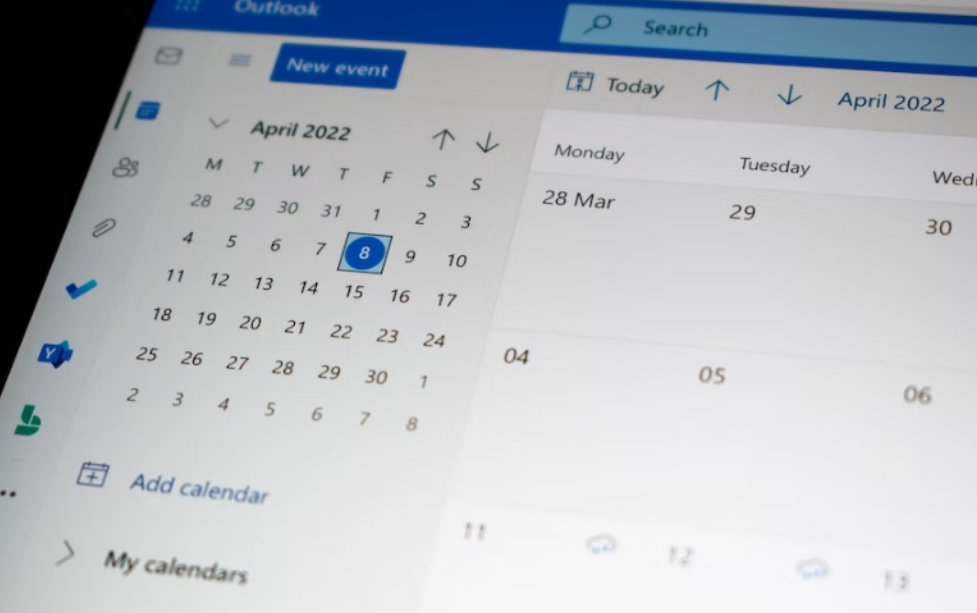
Importing Schedules to Outlook

During an import, data is automatically put into a software program or database from a source outside of the program or database. This process helps streamline the task of manually entering data into a system. This article covers everything you need to successfully import schedules into Outlook.

How to Import an Existing Schedule Into Outlook

Migrating data from other calendars into Outlook is very simple. On a side note, you can also  transfer email to Outlook to keep all information in one place. So, here’s what you need to do to migrate the calendar from another app to Outlook:

  1. Open Outlook and select “Calendar” from the navigation bar.
  2. Select “Open Calendar” and then choose “From File.”
  3. Select the type of file you wish to transfer (e.g., CSV, iCalendar, or vCalendar).
  4. Locate the file you wish to migrate and select “Open.”
  5. Select the destination calendar and click “OK.”
  6. Review the import and make any necessary adjustments.
  7. If satisfied with the outcome, select “OK” to complete the process.

What Types of Schedules Can Be Imported?

Users can migrate common types of schedules, including project roadmaps, resource assignments, and milestones. Depending on the software, users may also import other types of agendas. 

For example, some software might allow users to transfer task lists, budget spreadsheets, time-tracking logs, and earned value reports.

If you wish to export email attachments, head over to the article on having Outlook download attachments from multiple emails, which offers a comprehensive guide on manually and automatically downloading email attachments.

Choosing the Right Format for Your Import

The best format for moving data will depend on the type of data being migrated and the software that will use the data. Standard file formats for importing data include CSV, XML, and JSON. Each format has pros and cons, so it’s important to think about what your data and software needs are when choosing a format. 

Software and Places That Allow Exporting Schedules

Schedules can be found in various places, including websites and software applications. Websites such as event websites, conferences, and sports teams often have timetables available to download or print. Print materials such as magazines, newspapers, and brochures may also contain them. Last, schedules can be exported from software like calendars, task managers, and project management tools.

Troubleshooting Tips for Importing Schedules Into Outlook

  1. Ensure that the file you are attempting to import is in a compatible format. Outlook accepts files in either CSV or ICS formats.
  2. Make sure that the data in the file is accurate. If any of the information needs to be corrected, Outlook may be unable to import the schedule correctly.
  3. Check the time zone settings in Outlook. If the time zone in Outlook matches the time zone in the file, the migration will likely be correct.
  4. Ensure that the file is not password-protected. Outlook does not accept password-protected files.
  5. Check the size of the file. If the file is too large, Outlook may not be able to import it.
  6. Restart Outlook and repeat the whole process.

Importing Schedules to Outlook

The first step in migrating the calendar into Outlook is to choose the source. You can export data from other programs such as Google Calendar, Apple Calendar, and Microsoft Exchange. iCalendar files, CSV files, and other formats are also suitable for this task.

Select Option

After choosing the source, you have to choose the option to import the schedule. Depending on the source, you may need to enter the date range or specific dates you want to transfer. Once that’s done, Outlook will initiate the migration process.

Once the migration is complete, you can review the outcome in Outlook. You can then edit the schedule, and add notes, reminders, and other information  as needed

Import

The process is quite simple if you want to migrate schedules. All you need to do is select a source, select the option to import the schedule, and wait for the target to complete the process. Once the migration is complete, you can edit the imported schedule as needed.

Conclusion

If you use Outlook to manage your work and daily routine, consider migrating calendars from other applications. This can help you keep track of meetings, appointments, and other important events. 

Pro Audio vs. Consumer Audio Systems – Are There Differences Besides Marketing?

Some industries use devices that differentiate between pro and amateur options. For instance, nobody with a consumer camera would consider it on par with a professional camera used in Hollywood, which can set you back a 6-digit number.

However, Audio systems are a bit hazier. After all, they emit sound, so how can you know something is “professional” or “consumer” oriented? What are the differences anyway? We’ll delve into detail in this article.

Different Requirements

Sound is difficult to assess because it’s not visible, unlike video. And sometimes it’s a matter of personal preferences whether something sounds “good” or “bad”. Proof of this is music genres and artists. Some might be terrible for certain people while great for others.

As such, professionals must ensure specific parameters so their work is top-notch. Consumers would get something that sounds good enough. They would prefer to use their extra time for activities like playing in an online casino like casino777 or watching TV.

A key difference between audio systems geared toward professionals vs consumers is the data offered in their manuals. For example, parameters such as 

frequency response, sensitivity, signal-to-noise ratio, impedance and much more are found in any professional audio device. 

More of Everything

Many devices in pro audio have no market in mainstream consumerism. For example, mixing consoles, PA systems, power amplifiers and other equipment make no sense for installing in home theatres or for stereo music at home.

But even then, some shared components include microphones and loudspeakers. What are the differences between pro and amateur equipment, then, besides the price tag and that the manual has more info?

We won’t delve into much detail, but loudspeakers need to be precisely sized, have acoustic isolation, and offer top-notch electronics inside. They have premium materials for the cone and transducer to offer the best possible sound transmission. Also, many professional loudspeakers don’t even have a volume knob since it’s no use in certain studio situations.

As you can see, pro gear is tailored to the needs of the professional, which generally means superior audio and a lack of end-user features. Another important consideration is that professional audio is generally meant to be used in rooms with special acoustics, while consumer audio isn’t.

What Do Differences Feel Like?

Some audio enthusiasts get surprised when they hear pro audio equipment for the first time. Many times, microphones and loudspeakers sound “bland” or lack crispness. But quite the opposite is true.

Consumer equipment is often “embellished”, meaning sounds you hear aren’t like reality. Professional audio tries to keep sound as natural as possible, so the audio engineer can know precisely how something sounds and what they need to do about it.

Summing Up

Even though they’re similar, professional and consumer audio are worlds apart. Surprisingly, regular consumers will have certain disadvantages from purchasing professional audio equipment, such as fewer features. 

However, anyone interested in superior, real-life sound quality will be better off with pro equipment. The only extra needed is the necessary knowledge to take advantage of it.

Cracked Cameras and Slow Charging: Is The Pixel 7 Faulty?

Since its launch in November, Google Pixel 7 has been a solid compromise between affordability and good performance. However, many customers have reported issues that appear within the first months of use. Some reviewers have already noticed a few pinpoints, such as slow charging issues, and others have noticed that the camera’s glass would shatter for no reason.

It’s normal for a new product to encounter a few minor problems, but critics regarding the Pixel 7 are piling up. Is the Pixel 7 generally faulty, and is Google good enough at repairing these issues? Here’s a cautionary tale or two about the new brand flagship.

Shuttering Cameras Experienced By Some Users

Don’t get us wrong: the Pixel 7 is a lovely phone with enough performance to compete with the best Samsung and iPhone on the market. First, we enjoy its elegant and sober design and its fast responsiveness. Second, we enjoy the ability it gives you to multitask as you can place a phone call, play some online casino games from betFIRST and watch a Youtube video on its very decent-sized screen.

Nonetheless, a handful of users from different places have noticed that the glass or their camera shattered for no reason. Witnesses’ accounts are always similar. They all had a protective case, never dropped it on the floor, and the glass exploded after just a few months of use.


This particular issue could cause a significant hazard as the glass is sharp enough to cause damage. When confronted about this, Google’s customer service doesn’t help to find a cause and doesn’t give a refund. Some users reported that repairing this issue would cost 200 to 300 $ at their local phone repair shop.

Agreed, this is a bit concerning for a 600£ handset. Google still has to investigate that matter, which recently appeared among users. A similar issue happened to Samsung phones two years ago.

Slow Charging And Connectivity Issues

Another disappointment with the Pixel 7 is the slow charging speed of the device. Users have noticed that it can take up to one hour and a half for a full charge. Nowadays, customers expect ultra-fast charging speed, and the performances of the device need to be better. To add insult to injury, no charger is sold with the phone. It costs more than 25£ in phone shops.

People that enjoy using wireless chargers are also out of luck, as the Pixel 7 doesn’t seem to have the necessary power to support these gadgets.

As the slow charging speed is a general issue, it is up to Google to find a solution, but it leaves a bad taste in the mouth of some customers due to the hefty price tag of the phone.

Other issues include connectivity problems and phone calls that end within a few seconds. Many users have experienced these problems, but it might be due to poor phone coverage.

The Pixel 7 has other minor problems, such as issues with the fingerprint scanner and scrolling. However, Google quickly acknowledged these shortcomings and is willing to work on them regularly. If you’re experiencing these issues, don’t hesitate to check websites like Android Authority to know how to fix them.