
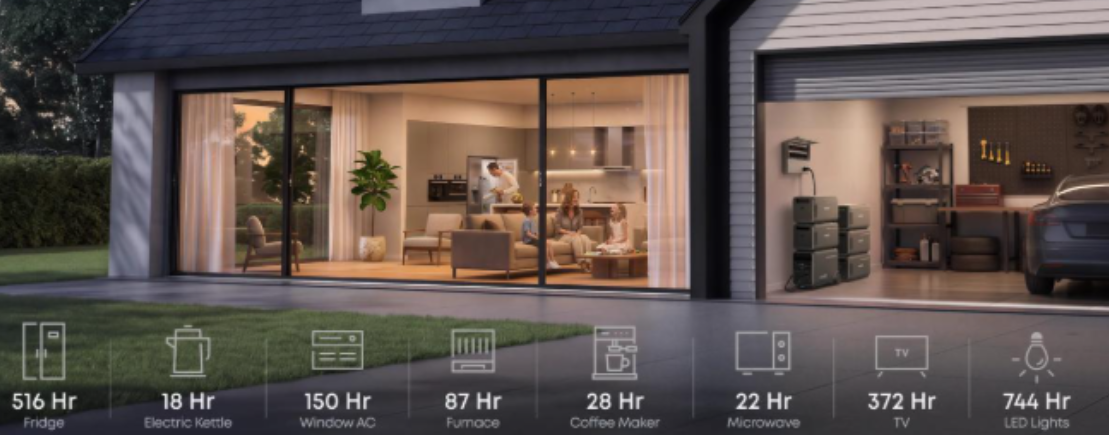
Yes, you can recharge a portable power station with solar panels, provided the panels match the station’s solar input requirements. Solar charging converts sunlight into usable electricity, allowing you to replenish stored energy without relying on a wall outlet. This makes it practical for camping, RV trips, outdoor activities, and emergency backup power. However, charging performance depends on panel wattage, sunlight conditions, and battery specifications. Understanding these factors helps you connect your equipment safely and achieve more efficient charging throughout the day.
How Solar Charging Works with a Portable Power Station
Solar panels contain photovoltaic cells that convert sunlight into direct current (DC) electricity. When connected to a compatible portable power station, this electricity passes through a solar charge controller, which regulates the incoming power before it reaches the battery. Many modern stations use maximum power point tracking (MPPT) technology to optimize energy collection as sunlight changes. The stored electricity can then power devices through the station’s output ports. Unlike traditional fuel-powered generators, solar charging requires no fuel and produces no exhaust during operation, making it useful for outdoor and off-grid applications.
How to Connect Solar Panels to a Portable Power Station
Check Solar Input Ratings and Connector Compatibility
Before connecting solar panels, check the power station’s supported solar input voltage, current, and maximum wattage. Compare these specifications with the panels’ open-circuit voltage, operating voltage, and current ratings. The combined panel configuration must stay within the station’s electrical limits, including during cold weather when panel voltage can rise. Also, confirm connector compatibility. Some stations require MC4-to-XT60 cables or manufacturer-specific adapters. Use properly rated cables and follow the manufacturer’s instructions to prevent connection problems or equipment damage.
Connect Solar Panels in Series or Parallel
You can connect multiple solar panels in series or parallel, depending on the power station’s input requirements. Series connections increase voltage while keeping current approximately constant. Parallel connections increase current while maintaining approximately the same voltage. Before choosing either configuration, calculate the combined electrical output and compare it with the station’s supported input range. Use compatible panels and appropriately rated connectors. Never exceed the maximum input voltage or current. Follow the manufacturer’s wiring guidance, especially when combining multiple panels or connecting them to separate solar inputs.
Position Panels for Better Sunlight Exposure
Place solar panels in an open area where they receive direct sunlight without obstruction from trees, buildings, or nearby equipment. In the Northern Hemisphere, south-facing panels generally capture more sunlight over the day. Adjust their tilt according to the sun’s position and season to improve energy collection. Avoid partial shading because even small shadows can significantly reduce output, particularly with certain panel configurations. Keep panel surfaces clean and dry, removing accumulated dust or debris when necessary. Reposition portable panels periodically as sunlight shifts throughout the day.

What Affects Portable Power Station Solar Charging Speed?
Solar Panel Wattage and Available Sunlight
Higher-wattage solar panels can deliver more charging power when sufficient sunlight is available. For example, a 400W panel generally offers greater charging potential than a 200W panel under comparable conditions. However, actual output rarely remains at its rated maximum throughout the day. Direct sunlight, panel orientation, shading, and conversion losses determine how much energy reaches the battery. Increasing panel wattage helps most when the power station can accept the additional input.
Weather, Temperature, and Seasonal Changes
Weather conditions directly influence solar charging performance. Clear skies generally provide stronger sunlight, while clouds, rain, and haze reduce energy production. High panel temperatures can lower electrical efficiency, even during bright weather. Seasonal changes also affect available sunlight and the sun’s angle. Summer often provides longer charging windows, whereas winter offers fewer daylight hours. Keep the power station within its specified charging temperature range and protect it from excessive heat, moisture, and freezing conditions.
Battery Capacity and Maximum Solar Input Power
Battery capacity determines how much energy a portable power station can store, while maximum solar input affects how quickly it recharges. The Anker SOLIX S5000 Portable Power Station supports up to 3,000W of solar input, enabling a full recharge in approximately 2.1 hours under specified testing conditions. Actual charging speed depends on sunlight availability, battery charge level, and system efficiency. Higher solar input capacity can help reduce charging time, especially for power stations with larger batteries.
Conclusion
You can recharge a portable power station with solar panels safely and efficiently when the equipment is compatible and properly configured. Start by checking solar input specifications, selecting suitable panels, and using the correct connectors. Position the panels for consistent sunlight and account for weather, seasonal conditions, and battery capacity when estimating charging times. With the right setup, solar charging offers a practical way to maintain portable power during outdoor trips, off-grid activities, and unexpected outages while reducing reliance on conventional electricity sources.