Building the business case for AI starts with people, leadership and technology

AI is rapidly moving from experimentation to everyday workplace reality. Across Ireland, employees are already using it to summarise documents, analyse data and automate routine tasks. Yet for many leaders and organisations, the real challenge is not access to the technology but turning AI into meaningful business value. Mark Hopkins, General Manager, Dell Technologies Ireland tells us more.

The organisations seeing the greatest impact from AI are those bringing three things together: strategic leadership, the right technology foundation, and a workforce empowered to identify where AI can genuinely improve how work gets done.

Ireland’s recently published Digital and AI Strategy, which sees AI technologies as a driver of growth, reflects this approach. It highlights the need to invest not only in digital infrastructure but also in the skills and capabilities that will allow employees to harness AI responsibly and productively.

For business leaders, the opportunity is significant, but so is the responsibility to build a clear and practical business case for AI.

Increased focus on the business case for AI

The conversation around AI is evolving at speed. What began as experimentation is now focused on a much more practical question: how can AI deliver measurable outcomes?

Across Ireland, organisations are operating in a cost-conscious environment where every technology investment must demonstrate value. The strongest AI strategies therefore focus on specific business outcomes such as productivity gains, improved decision-making or enhanced customer experiences.

A common misconception is that AI adoption requires large scale investment and disruption. In reality, many successful initiatives begin with targeted use cases, such as automating routine processes, analysing data more effectively or improving customer interactions, that demonstrate value quickly and allow organisations to scale over time.

Workforce central to unlocking AI advantage

While technology provides the capability, it is employees who ultimately determine whether AI delivers real value.

Many of the most effective AI applications are discovered by employees who understand the day-to-day challenges within their roles. Teams in operations, finance or customer service are sometimes best placed to identify repetitive tasks that could be automated or improved through better data insights.

Equally important is ensuring employees feel confident using AI responsibly. Our latest Dell Innovation Catalysts Study shows the scale of this challenge. In fact, 98% of Irish organisations say their employees will need new skills to unlock the full potential of AI.

As these tools become embedded in everyday workflows, organisations will need to move beyond occasional training and adopt more continuous approaches to learning. The Government’s commitment to roll out AI training across the public sector is welcome and will help drive responsible AI adoption and ensure 100% of key public services are digitalised by 2030.

Leadership sets the tone for AI adoption

Leadership plays a crucial role in helping organisations move from AI experimentation to real business impact.

For many organisations, the challenge is not recognising AI’s potential, but unlocking value from the vast amounts of data they already hold. Leaders therefore have an important role in ensuring AI initiatives are tied to clear priorities and focused on turning data into insights that support better decisions.

From our perspective at Dell Technologies, organisations that treat AI as a business transformation rather than simply a technology deployment are the ones unlocking its real strategic advantage.

We are also beginning to see more advanced capabilities such as agentic AI, where intelligent systems can help coordinate workflows and support decision-making. As these technologies evolve, leadership will play an increasingly important role in ensuring organisations have the right strategy and governance in place to deploy AI responsibly and deliver value at scale.

The technology foundation still matters

While people and leadership are essential, the role of technology should not be underestimated.

AI workloads place new demands on infrastructure, including high-performance computing, secure data management and the ability to scale as projects grow. Many organisations are discovering that their existing IT environments were not designed to support these requirements.

At Dell Technologies, we work with organisations across Ireland and Europe to help them build AI-ready foundations that allow businesses to move from experimentation to real-world deployment.

Through our Customer Solutions Centre Innovation Lab in Limerick, businesses and organisations can explore how emerging technologies, including AI, can be applied to real business challenges. We are also seeing how these capabilities are transforming industries. For example, Dell Technologies is working with Studio Ulster to support one of Europe’s most advanced virtual production studios, enabling creative teams to generate complex digital environments in real time and transform how film and television content is produced.

Equally important is understanding the economics of AI. A practical cost model should consider factors such as computing power, energy consumption and data management to ensure AI investments align with real workloads and business needs.

A moment of opportunity for Ireland

Ireland’s unique digital ecosystem and skilled workforce position the country well to benefit from the next wave of AI innovation.

The Government’s Digital and AI Strategy provides an important national framework. But realising the strategy’s goal of becoming a location of choice for AI startups and scale-ups, and a global hub for applied AI innovation will depend on how organisations translate that ambition into practical adoption.

That means leaders creating the right environment for experimentation, employees identifying where AI can improve how work gets done, and organisations investing in the infrastructure needed to scale innovation responsibly.

The organisations that succeed will be those that bring people, leadership and technology together to turn AI potential into real progress.

Ireland, world champion of mobile navigation in 2025!

According to the latest nPerf analysis, Ireland secures the world’s top position in mobile Internet browsing performance. The country ranks ahead of four other European nations, confirming the continent’s strong momentum in network performance.

“The countries that deployed 5G first are not necessarily the ones offering the fastest browsing experience” observes Renaud Keradec, CEO of nPerf.

Top 5 best mobile browsing performances in 2025.

Five European countries lead the global ranking

The study compares the loading time of the five most visited websites in each country. The results place Europe firmly at the top of the global leaderboard.

Ireland ranks first with a score of 79.13%, followed by the Netherlands at 78.61% and Slovakia at 78.01%. Slovenia records 76.99%, and Belgium 76.49%. A score of 100% corresponds to an instant webpage load, while 0% indicates that the page could not be loaded.

United States: Early 5G leadership does not guarantee the best experience

Notably, despite an early deployment of 5G as early as 2018, that is two years before most European countries, the United States does not appear in the top 5.

This gap can largely be attributed to the scale and heterogeneity of the territory: covering several million square kilometers is a significantly more complex challenge than upgrading a smaller country such as Ireland or Belgium. This disparity directly influences the quality and consistency of the mobile browsing experience.

Top 20 best mobile browsing performances in 2025.

A reliable snapshot of the user experience

nPerf data provides an accurate snapshot of real mobile browsing performance, measured using a consistent and uniform methodology. This study is based on tests conducted through the nPerf applications, relying exclusively on test volumes that ensure statistical reliability. The results highlight significant disparities between countries, at a time when global traffic continues to shift increasingly toward mobile.


90% of Irish van and lorry drivers ready for in-cab AI coaching

A new European wide survey from Geotab, a global leader in connected vehicle and asset solutions, reveals that Irish van and lorry drivers have a clear vision for the future of in-cab technology, with 90% stating they would be more comfortable with instant audio coaching. The technology uses AI to analyse in-cab video in real time, rather than storing inward-facing footage for later review.

The study of over 3,500 professional drivers across seven European countries, including 500 in Ireland, examined driver attitudes towards the use of in-cab dashcams. While 96% of Irish van and lorry drivers are concerned about the use of in-cab cameras, almost just as many (95%) would be willing to overlook these concerns if footage could prove they were not at fault after a collision. This reveals a fundamental “privacy versus protection” dilemma at the heart of Irish driver’s attitudes, highlighting that they are not against technology, but are instead weighing the benefit of potential exoneration against a wide spectrum of worries.

Irish driver concerns are widespread and varied, with no single issue forming a majority. 41% worry that road-facing footage could be used out of context, failing to show the full picture of an event, while 39% are concerned that the footage could be used unfairly against them for disciplinary action. 37% said the dashcam technology makes them feel as though they are being spied on or shows a lack of trust from their employer. The varied barriers to the adoption of video cameras reflected by the study reveals an urgent education gap that cannot be overlooked by fleet managers.

“The data shows that Irish drivers are pragmatic and forward-thinking”, said Edward Kulperger, Senior Vice President, EMEA at Geotab. “Professional drivers are clearly open to technology that protects them and promotes safer roads, provided it’s implemented transparently and with respect for their privacy. Technology like in-cab cameras can play a vital role in protecting drivers and improving road safety, but trust is key. Drivers want reassurance that data is used responsibly and in their best interests and innovations such as real-time AI coaching show how safety and privacy can work hand in hand.”

The survey confirms earlier findings from Geotab’s driver research noting nearly 73% of Irish drivers support adopting technology to enhance their performance. This new data notes that a combined 69% are positive about using footage for coaching, provided it is constructive and collaborative, with none of the respondents stating they see no benefit at all in having a dashcam. When asked about the biggest benefits, drivers cited improving their own standards through coaching, increased security, and proving they were not at fault in a collision, further underlining their dual interest in both professional development and personal protection.

How digital twin technology integrated with (BIM) can transform building lifecycle management

Relocatable modular buildings (RMBs) represent a sustainable construction method where buildings are assembled and transported easily using prefabricated modules. However, challenges in management and logistics hinder their wider adoption. In a new study, researchers developed an innovative digital twin facility management system tailored specifically for RMBs.

This advanced framework integrates cutting-edge technologies to enhance management efficiency throughout the building lifecycle, establishing a foundation for wider digital twin integration in construction.

Relocatable modular buildings (RMBs) represent an innovative and growing solution for flexible and sustainable construction. These buildings can be quickly assembled from prefabricated “modules” and easily transported, minimizing costs and environmental impact while providing safer and cleaner construction environments. However, the management of assets and modular units for reuse and relocation across multiple lifecycles remains a major challenge in RMB projects.

To address this, a research team led by Associate Professor Yonghan Ahn from the School of Architecture & Architectural Engineering at Hanyang University ERICA in South Korea, developed a new digital twin (DT)-based framework for facility management of RMB projects. “Digital twin technology is a groundbreaking tool that offers a digital replica of physical assets, integrating real-time data, predictive analysis, and decision-making abilities,” explains Prof. Ahn. “Although digital twins are gaining popularity in other fields, their use in modular construction remains limited. We introduce a novel digital twin-enabled facility management system (DT-FMS) tailored specifically for RMBs.” The team also included contributions from Dr. Dennis Nguyen from Hanyang University. Their study was made available online on May 05, 2025, and published in Volume 176 of the journal Automation in Construction in August 01, 2025.

The new DT-FMS integrates building information modeling (BIM), internet of things (IoT), and geographic information systems (GIS) to create a detailed virtual model of RMBs. This model supports real-time monitoring, performance analysis, and logistics simulations across the building’s lifecycle. BIM offers robust 3D modelling and comprehensive building information. IoT provides real-time sensor data. GIS contributes critical geographic data, supporting effective logistics of modular units and location-based decision making.

This framework is structured across three interconnected layers: physical, digital, and service. The physical layer forms the foundation for real-time tracking and communication among different physical components such as resources, modular units, and people, including stakeholders, engineers, and workers. The digital layer includes modeling tools, data integration, and analytics. Finally, the service layer allows users to monitor, control, and interact with the DT framework, supporting effective decision making throughout the building lifecycle. 

To demonstrate the practical application of the framework, the researchers conducted a case study on a relocatable modular school system in South Korea. DT-FMS enhanced the decision making for module distribution and reuse, resulting in improved management efficiency. 

Our research highlights the important role of digital twins in promoting a circular economy by enabling the reuse, reconfiguration, and optimal relocation of modular units, thereby minimizing waste and maximizing value throughout repeating project cycles,” remarks Dr. Nguyen.

Reference

Title of original paper: Digital twin framework to enhance facility management for relocatable modular buildings

Journal: Automation in Construction

DOI:  10.1016/j.autcon.2025.106249

Handy octopus robot can adapt to its surroundings

Scientists inspired by the octopus’s nervous system have developed a robot that can decide how to move or grip objects by sensing its environment.

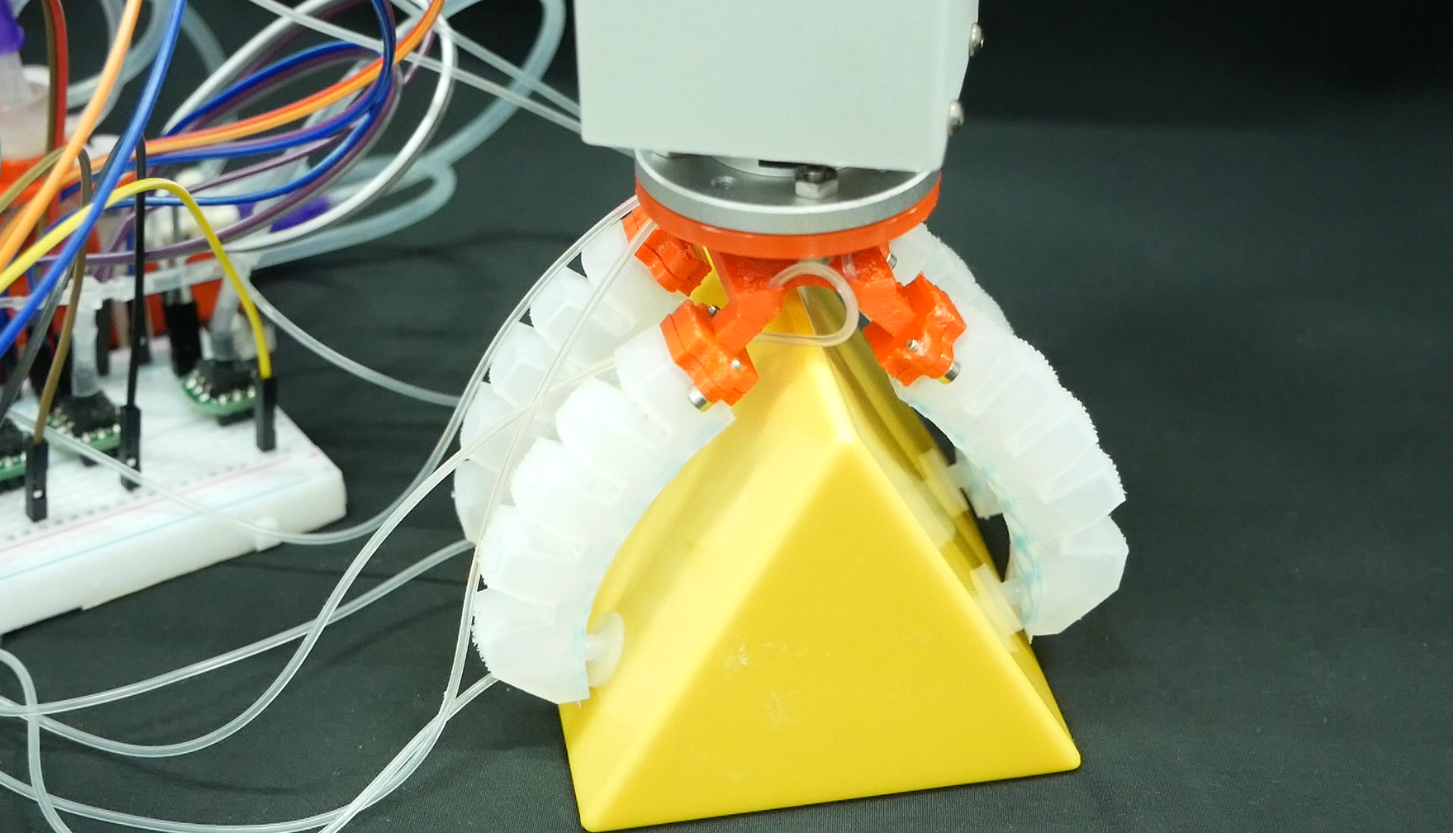
The team from the University of Bristol’s Faculty of Science and Engineering designed a simple yet smart robot which uses fluid flows of air or water to coordinate suction and movement as octopuses do with hundreds of suckers and multiple arms.

The study, published today in the journal Science Robotics, shows how a soft robot can use suction flow not just to stick to things, but also to sense its environment and control its own actions—just like an octopus. A single suction system enables the robot to grab delicate items, sense whether it’s touching air, water, or a rough surface, and even predict how hard something is pulling on it—all at once, without needing a central computer.

Lead author Tianqi Yue explained: “Last year, we developed an artificial suction cup that mimicked how octopuses stick to rocks using soft materials and water sealing.

“This research brings that work on, from using a suction cup like an octopus sucker to connect to objects to using ‘embodied suction intelligence’ – mimicking key aspects of the neuromuscular structure of the octopus in soft robotic systems.”

The suction intelligence works at two levels: by coupling suction flow with local fluidic circuitry, soft robots can achieve octopus-like low-level embodied intelligence, including gently grasping delicate objects, adaptive curling and encapsulating objects of unknown geometries. By decoding the pressure response from a suction cup, robots can achieve high-level perception including contact detection, classification of environment and surface roughness, as well as prediction of interactive pulling force.

This simple and low-cost suction intelligence could lead to a new generation of soft robots that are safer, smarter and more energy-efficient. Potential uses include picking fruit gently in agriculture, handling fragile items in factories, anchoring medical tools inside the human body, or creating soft toys and wearable tools that can interact safely with people.

The team are currently working on making the system smaller and more robust for real-world use. They also aim to combine it with smart materials and AI to improve its adaptability and decision-making in complex environments.

“It’s fascinating how a simple suction cup, with no electronics inside, can feel, think and act—just like an octopus arm,” concluded Tianqi. “This could help robots become more natural, soft and intuitive to use.”

Paper:

Embodying soft robots with octopus-inspired hierarchical suction intelligence’ by Tianqi Yue, Chenghua Lu, Kailuan Tang, Qiukai Qi, Zhenyu Lu, Loong Yi Lee, Hermes Bloomfield-Gadȇlha, and Jonathan Rossiter in Science Robotics.

WHOOP World First Study: Ozempic Impact On Your Overall Health

WHOOP, the human performance company, has released groundbreaking research into the effects of GLP-1 therapies (eg. Ozempic), offering fresh insights into how these widely used weight-loss medications impact not only body weight but also heart health.
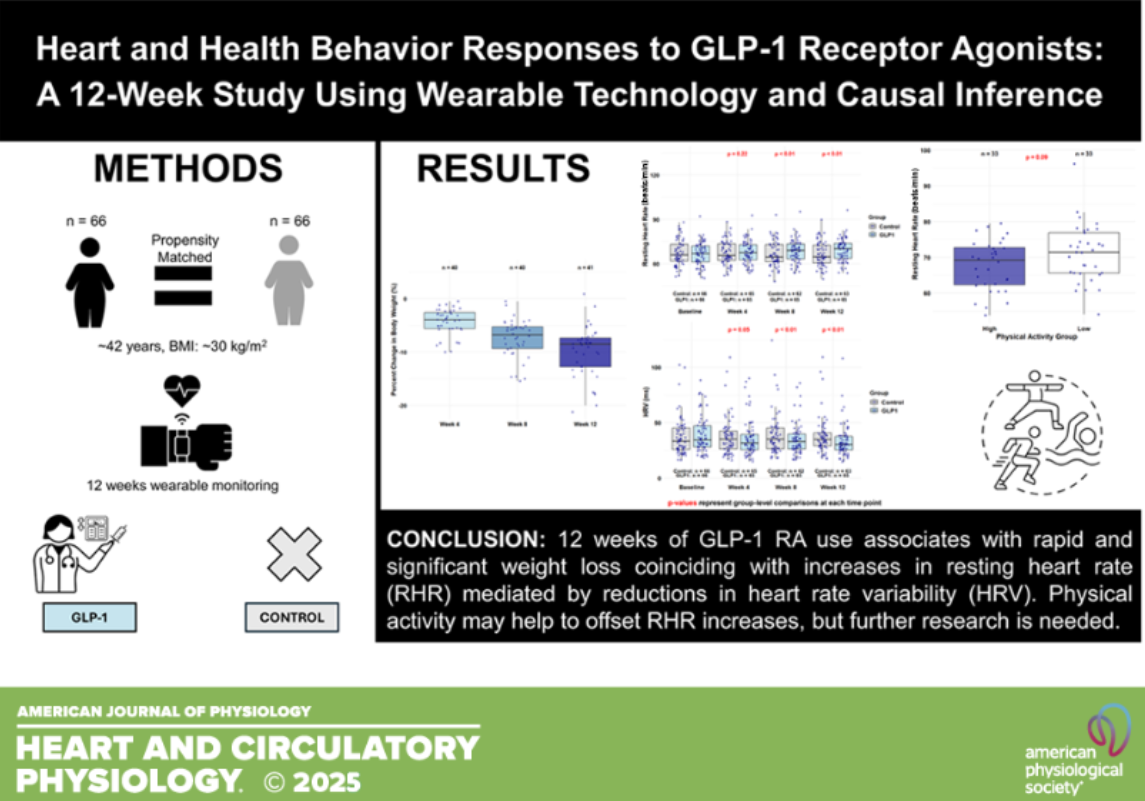
A study conducted by the WHOOP  tracked data from 132 members undertaking GLP-1 therapies over a 12 week period to understand the impact these therapies have on our overall health.
Key Findings from the Study:
  • Meaningful Weight Loss: 90% of participants lost at least 5% of their body weight over the 12-week study, with an average weight loss of 10% per member logged. This surpassed typical results from traditional pharmaceutical trials.
  • Changes in Heart Health: GLP-1 therapies led to an increase in resting heart rate (RHR) by 3 beats per minute and a reduction in heart rate variability (HRV) by 6 milliseconds. These metrics in turn contribute to long-term cardiovascular health.
  • Increase in Physical Activity: Overall participants increased their weekly exercise by an average of 30 minutes. Interestingly, those who were more active experienced fewer negative health side effects (such as nausea, heartburn, and headaches), suggesting that physical activity plays a vital role in counteracting some of the physiological effects of GLP-1 medications.
This study is the first to demonstrate how 24/7 wearable technologies like WHOOP can support individuals using GLP-1 therapies by helping monitor and adjust physical activity levels for healthier outcomes. While GLP-1 medications can be transformative for weight management, the data collected by WHOOP suggests that combining therapy with regular exercise may help reduce potential cardiovascular side effects and preserve our heart health.
A spokesperson from WHOOP explains “At WHOOP, we empower our members to track how lifestyle choices and external factors impact their overall performance, providing a holistic approach to health and performanceOur Journal feature integrates GLP-1 tracking, offering members a clear view of how their medications, physical activity, and other habits interact, promoting smarter decisions for optimal results when it comes to your overall health. We’re excited to see how this research impacts overall behaviour and understanding of weight loss therapies moving forward.” 
WHOOP continues to integrate lifestyle choice tracking into its unique platform, offering personalised insights that allow members to understand not just how their bodies perform, but why they experience changes. This enables members to make informed decisions to optimise their health and performance.
For more information about WHOOP technologies and their groundbreaking studies into human performance and optimisation, please visit www.whoop.com.
Follow our Journey with WHOOP

WHOOP Study Unveils New Digital Biomarker for Menstrual Cycle Monitoring, Advancing Understanding of Female Physiology

WHOOP, the human performance company, has announced the findings of a new study that introduces a digital biomarker for menstrual cycle monitoring, providing much needed insight into female physiology. Published in Nature’s Digital Medicine journal, the research examines the cardiovascular changes that occur during the menstrual cycle, offering a non-invasive method for tracking reproductive health.
The study, which analysed over 45,000 menstrual cycles from more than 11,500 participants, highlights the under-researched nature of women’s health. Despite women’s health issues affecting half of the population, only 3% of medical research is focused on women’s health. This new research is one of the largest efforts to leverage wearable technology for understanding the menstrual cycle and its impact on overall health.
“This research is a huge step forward in how we understand women’s health. While it has long been understood that various health metrics fluctuate with the menstrual cycle, the extent of these fluctuations and their significance have not been fully understood,” said Will Ahmed, CEO of WHOOP”
This research was conducted using the wearable device, WHOOP, which continuously monitors users’ biometric data. In total, over 1.2 million days of data were analysed to uncover these insights. The researchers behind the study, led by Summer R. Jasinski, suggest that this method could serve as a reliable and accessible indicator of hormonal fluctuations during the menstrual cycle, offering a new approach for tracking reproductive health without the need for costly tests or invasive procedures.
The key finding of the study is the introduction of a metric called “cardiovascular amplitude,” which tracks fluctuations in resting heart rate (RHR) and heart rate variability (HRV) during the menstrual cycle. According to the study, these fluctuations follow a predictable pattern, with RHR reaching its lowest point and RMSSD peaking around day 5 of the cycle, and RHR reaching its highest point around day 26.

The study also found that factors such as age, BMI, and hormonal birth control use can affect these fluctuations, making this new digital biomarker useful for identifying cycle irregularities and reproductive health issues.

In addition to menstrual tracking, WHOOP understands these fluctuations also offers guidance on optimising physical activity during the cycle. Research shows that exercise can have significant benefits throughout the cycle, but the type and intensity of workouts may be better aligned with specific phases.

For example, the follicular phase, including the first few days of menstruation, is often an optimal time for high-intensity workouts, as energy levels may begin to rise. In contrast, the luteal phase might be better suited for low-intensity exercises like yoga or walking, as the body prioritises recovery and may experience a slight dip in energy levels. Committed to advancing the understanding of female physiology at every stage of our menstrual cycle, these WHOOP insights empower women to gather a better understanding of their own bodies, and tailor their fitness routines to physiological needs, enhancing both performance and overall well-being.
This new study marks a significant step in the growing field of wearable health technology, which continues to offer new possibilities for non-invasive monitoring of various aspects of health. The WHOOP research highlights the potential of digital biomarkers to provide meaningful insights into women’s reproductive health, paving the way for improved health monitoring and earlier detection of potential issues.
For more information and groundbreaking research and recommendations into women’s health, visit the WHOOP Locker here.
WHOOP is committed to the advancement of research in Women’s Health. Please see below further resources from WHOOP on the areas of women’s wellness:

2025 to be the year of electric vehicles

The TCS Future-Ready eMobility Study 2025, released at the Detroit Auto Show reveals new insights in the EV ecosystem

A new study by  Tata Consultancy Services (TCS), a global leader in IT services, consulting, and business solutions, reveals that more than 6 out of 10 (64%) consumers are likely or very likely to consider an electric vehicle (EV) for their next purchase. The TCS Future-Ready eMobility Study 2025, a comprehensive report on how EVs are shaping the future of sustainable mobility, also highlights that while 60% of consumers said charging infrastructure was a major challenge, 56% were ready to pay up to $40K for an EV.

This study surveyed over 1,300 anonymous respondents across North America (USA, Canada), United Kingdom & Ireland, Continental Europe (Belgium, Denmark, Finland, France, Germany, Netherlands, Norway, Sweden, Switzerland) and APAC (China, India, Japan, ANZ). The respondents for the survey included transport manufacturers, charging infrastructure players, fleet adopters, consumers and EV adoption influencers.

Sustainability and lower operational costs were key factors driving EV adoption, according to the study. While consumers and influencers highlighted a clear motivation for EV adoption as ‘environmental sustainability’, the environmental benefits did not match the expectations of many EV influencers. Nearly 48% EV influencers said EVs increase the overall carbon output just as much as they reduce it, with 10% even saying EV adoption is negatively impacting the environment. Commercial fleets maintain a positive outlook towards electric mobility, with a sizable percentage—53%—pointing to reducing operational costs as a primary motivation. Fleet adopters were willing to pay a premium for EVs than for traditional internal combustion engine (ICE) vehicles.

Despite the growing interest in EVs among consumers, significant challenges remain, particularly in the areas of charging infrastructure and technological advancements. While 74% of EV manufacturers said the lack of appropriate charging infrastructure remains the biggest obstacle limiting growth in the EV market, 55% have already started investing in innovation for battery technology advancements. Nearly 78% are making investments to reduce vehicle costs to cater to growing demand for EVs.

Anupam Singhal, President, Manufacturing, TCS, said, “The electric vehicle industry is at a defining crossroad, navigating the complexities of scale and transformation. While nearly two-thirds of consumers are open to choosing electric for their next vehicle, manufacturers face challenges like advancing battery technology, complex vehicle designs, and production economics. At TCS, our Future-Ready Mobility vision focuses on creating an interconnected ecosystem powered by AI and Gen AI to drive smarter decision-making, enhanced customer experiences, and deliver scalable, sustainable solutions. By addressing these critical challenges, we are accelerating the global shift toward electrified and sustainable transportation.”

The survey indicates that 90% of manufacturers believe that improvements in battery technology will enhance range and charging speed and will significantly impact the design and performance of EVs in the near term compared to other technological advancements.

Key results from the survey, which can be found at TCS Future-Ready eMobility Study 2025, include-

  • 90% EV manufacturers and 84% of EV Influencers said battery technology improvements to optimise range and charging speed will have a large impact on design and performance of EVs
  • 74% of manufacturers believed charging infrastructure remains the biggest obstacle limiting EV market growth
  • 72% of EV charging infrastructure players are expecting significant mergers in the EV space driven by financial viability and scaling challenges
  • 41% consumers said that an acceptable EV range on a single charge is 200-300 miles, followed by 31% respondents who felt 300-400 miles is a better deal
  • 63% EV influencers said their primary motivation for EV adoption is to achieve net-zero goals and reduce carbon footprint
  • 55% of EV manufacturers are investing in R&D for battery technology advancements, while 78% are investing in vehicle cost reduction
  • 72% US consumers are likely or very likely to purchase an EV as their next vehicle, compared to less than 31% of Japanese consumers

In a world quickly moving towards electric mobility, TCS’ vision for future-ready mobility combines technological innovation, strategic collaboration, and deep expertise to empower manufacturers and EV stakeholders to navigate change. TCS drives change across the mobility value chain, from vehicle design and gigafactory planning to digital platforms, generative AI, and personalised customer experiences.

Focused on sustainable mobility and measurable value, it partners with customers to shape a bold, sustainable future. For over two decades, TCS has been a strategic partner to OEMs, helping them on their ICE to EV transformation journey. It has helped deploy Battery Management System (BMS) Software for 500,000+ EVs on-road globally and establish EV charging infrastructure for 75+ countries for OEMs.

Other EV news

Future of Work: Top 3 Employee Concerns in a Tech-Driven Workplace

As many workers return to the office this week after the Christmas break, new research has found that the top three employee concerns for the future are the unethical use of AI (such as discrimination or privacy breaches), AI replacing human jobs, and increased workplace surveillance and monitoring.

This is according to the seventh triennial Ethics at Work: 2024 International Survey of Employees, which was carried out by the Institute of IBE in conjunction with the Compliance Institute in Ireland and polled 12,000 employees in 16 countries over four continents. A total of 750 of those surveyed were in Ireland.

The Compliance Institute Ethics at Work survey found that almost half (47pc) of workers are concerned about the potential misuse of AI for unethical behaviour, with a similar number (45pc) concerned that AI could replace humans in the workplace (see Table 1 below).

Commenting on the survey findings, Michael Kavanagh, CEO of the Compliance Institute said:

“The rise of AI brings opportunities and challenges, and it’s clear that employees are acutely aware of its potential for misuse. With half of employees expressing concerns about AI being used unethically – such as privacy breaches or discrimination—there is a clear need for organisations to establish and implement robust ethical guidelines and governance around AI technologies. This is essential not only for protecting employee rights but also for making sure that technological advancements reflect the values and expectations of the workforce.

Another top concern among employees is the fear of AI replacing their jobs. This anxiety is understandable, as it is likely that AI will automate certain tasks and change job roles in many sectors—leading to uncertainty about job security for some workers. Employers can tackle these concerns by investing in upskilling and retraining programs that help staff adapt to new technologies and feel confident in their roles.”

Other highlights to emerge from the research include:

  • Almost one in every two employees (46pc) in Ireland continues to hold a positive view of improved workplace ethics since the COVID-19 pandemic, matching levels from 2021 and above the global average of 45pc. Among these, men (49pc) and young people (53pc) are more likely to report favourable ethical experiences within their organisations.

  • In exploring current and future factors shaping employees’ perceptions of workplace ethics, it found that women are more likely to perceive a decline in ethical behaviour within their organisations since the pandemic, with one in ten (9pc) expressing this concern.

Mr Kavanagh added:

“Almost one in every two employees in Ireland believe ethical behaviour in their organisation has improved in the post-Covid period.

Less than one in ten workers (8pc) feel that ethical behaviour has worsened – and, while in an ideal world this figure would be nil, such a small percentage must still be regarded as positive overall.

The findings do pose some questions as to why some groups are more likely than others to have experienced a decline in ethical behaviour – namely 9pc of female employees and 11pc of workers in the younger age 18 – 34 category”.

Respondents to the survey were asked to rate their level of concern on the following workplace issues:

Table 2

Highlight findings from this research reveal that:

  • The least concerning issue for employees is the reduction of interpersonal interactions due to the rise of hybrid working (36pc).
  • Between 30pc and 40pc of employees are not worried about any of these potential issues.
  • More men (47pc) than women (38pc) express concerns about heightened surveillance and monitoring of staff.
  • Among those worried about the misuse of AI for unethical purposes, one-quarter (24pc) report being ‘extremely concerned’ about its potential for malevolent behaviour, such as discrimination and privacy violations.

Mr Kavanagh said:

“The findings show that open communication is crucial. Organisations should engage employees in discussions about the future of work and actively listen to their concerns. When employees feel heard, it builds trust and transparency in the workplace. Additionally, companies might consider setting up ethics committees or advisory boards that include employee representatives. This approach brings diverse perspectives into the decision-making process and shows a commitment to ethical practices. Ultimately, it’s about creating a future where technology enhances the employee experience instead of undermining it”.