Keeping Patient Data Safe: Why Cybersecurity Is Important in Medicine

Like most areas of our society, health care has wholeheartedly embraced the boom of digital technology. Computerised equipment and ‘smart’ medical devices have revolutionised patient care, and looking back on the last twenty years, the sorts of advancements that have come about are nothing short of outstanding. 

Of course, it’s not perfect. As is the case with any infrastructure that relies heavily upon technology, there’s always the concern of cyber security. In this article, you’ll learn about the main considerations medical institutions need to make. 

On Data Breaches

Given the vast amounts of personal, sensitive data that hospitals and medical centres deal with on a daily basis, they’ve become a prime target for cybercriminals

Whether it be stealing patient medical histories, financial records, insurance details, bank information, and more, hackers frequently seek to target hospitals for the immense value this sort of data has on the black market for use in fraud and ransom schemes. 

Thankfully, hospitals have now started to employ rigorous encryption methods to ensure patients are protected.

The Risk Involved With Medical Devices

While there wasn’t much concern even ten years ago, the leap in technological advancements seen in medical devices has become a hot topic where cybersecurity is concerned. 

More and more frequently, implantable devices and screening equipment are connected to the internet as standard; this can offer very valuable insight for researchers, but it comes at the added cost of potentially compromising cyber security. 

Aside from the obvious worrisome issue of personal data being leaked, there’s the much more serious implication of hackers being able to interfere with the actual mechanisms of these devices – a very dangerous precedent for patient safety. 

Thankfully, companies like Blue Goat Cyber exist: they work to secure medical devices from a cybersecurity perspective before they even hit the market.  

Training and Awareness in Cybersecurity


When we’re talking cybersecurity, it’s mostly all about letting the latest technology do the work. That doesn’t mean to say that human intervention isn’t crucial, however. 

Over the last several years, hospitals and medical centres have placed a huge focus on training their staff on how to safely handle sensitive and private data. This sort of training includes cyber hygiene (how to keep data organised and properly dispose of information no longer needed), how to distinguish fishing from regular email, and what steps to take to appropriately damage control in the unfortunate event that an attack does happen. 

Protecting against cyber attacks in a medical setting requires tight collaboration, as it can only take one weak link to have everything fall down like a stack of cards. Software and hardware – if properly maintained – is usually always rocksteady, so human error represents a key area for risk mitigation. 

Wrapping Up

While data breaches and cyberattacks in hospitals may be a scary prospect, with rigorous testing, thorough staff training, and the use of the latest cybersecurity software and hardware, the risks can be managed sufficiently enough that there isn’t a major cause for concern. Hopefully, you now have a better idea of how this standard can be accomplished. 

EHS International Launches €3 Million Safety Training and R&D Facility

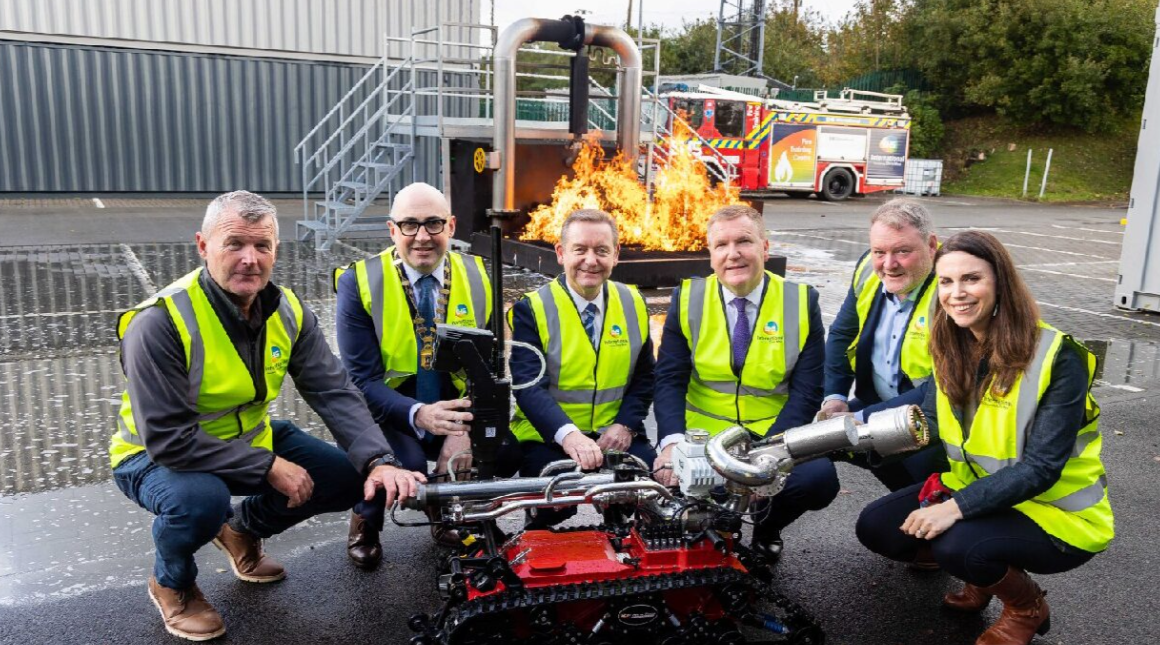
EHS International has officially opened a €3 million Safety Training and Research & Development facility in Little Island, Cork, establishing a new benchmark for fire safety training nationwide.

The state-of-the-art 11,000 sq ft centre, spearheaded by founder and CEO Chris Mee, will provide the most advanced fire and safety courses — such as cutting-edge firefighter robot training — to tackle complex fire and life safety challenges. This includes fire risks posed by lithium-ion batteries in many technologies including but not limited to e-bikes and e-scooters, with EHS International the first environmental, health and safety (EHS) training centre in Ireland offering their comprehensive suite of solutions, along with R&D, in this area.

Speaking on the opening of the new centre in Cork, CEO and founder of EHS International Chris Mee said: “As e-scooters and e-bikes become more popular, the fire hazards from compromised lithium-ion batteries are rapidly increasing. The occurrence of these fires is growing rapidly worldwide with a 46% increase in recorded fires in the UK from 2022 to 2023. These fires have resulted in multiple deaths, countless injuries along with unknown long-term health effects from the inhalation of toxic vapours.

“Our vision for this facility is bold: to be the first company in the EU to research, test and develop new viable, cutting-edge solutions for the market to allow for the safe removal, storage, and transportation of lithium-ion battery cells across industries. To achieve this, we’re going to be investing heavily in R&D. Our team is already planning breakthrough solutions using technology, AI, and robotics. We want to push boundaries — in lithium-ion battery safety and all aspects of fire safety — and are committed to extending our reach across Europe and beyond, providing world-class EHS services to industries globally.”

The new facility, part of EHS International’s mission to create safer workplaces and communities, is the sole EHS training facility in the country offering training with the Avenger Fire systems. This state-of-the-art robot for first responders and firefighters will have multiple facets and will be engineered for precise fire-fighting solutions that protect firefighters at all times. The facility is designed to incorporate sustainable technologies, including a SuDS (Sustainable Drainage System).

The Little Island facility also features immersive training tools like a synthetic smoke system and a configurable search and training space, complete with a confined space and working at height sections. There is also a range of simulations including stoichiometry, dust explosion, flange fire, flashover unit, and rescue drills for high-risk scenarios.

EHS International, which is a single-source provider of environmental, health and safety services, was launched in October 2023. It now has offices in Cork, Dublin, Belfast, and London. The company has grown rapidly over the last 12 months, with a selection of open career opportunities for R&D and EHS operational staff.  For more information, visit ehsinternational.com.

Casino Apps Vs. Casino Sites: What’s the Difference?

The fact that online casinos have become immensely popular in Ireland – and the rest of the world, for that matter – has already been widely discussed on this site. 

What hasn’t been well covered is the subtle nuances you’ll encounter when playing casino games on different platforms. Most premium iGaming brands provide two versions of their product: a website for desktop gaming and an app for mobile gambling. 

Except for the obvious size difference between these two options, how different is the gambling experience itself? Let’s find out: 

Safety and security 

One of the biggest differences between casino apps and sites is the level of security provided. Casino apps, generally, are thought to be more secure. Vlad Grindu, a professional online casino reviewer, states that apps for online casinos often come with additional security features, such as face ID, fingerprint sign-in, and advanced encryption. The best casino apps are also available to download from Google Play or the Apple App Store. This means that they have met the strict screening requirements and have been approved as safe. 

In 2023, Apple rejected over 1.7 million app submissions due to privacy, security, and content concerns. This highlights just how stringent and security-concerned app stores are. 

Casino websites, on the other hand, do not feature biometric security. Plus, you access them via a Google search, which could result in you visiting a fraudulent website by mistake. They’re not screened by a major app store, meaning that the website itself could be spammy. If you don’t have safe browsing features on your desktop, this could result in your computer catching a virus. 

Even if advanced security measures are implemented and the site is trustworthy, app gaming remains far safer than desktop gambling. 

Accessibility and convenience 

While mobile casino apps are obviously more accessible than desktop equivalents, it’s still worth discussing the importance of accessibility when it comes to iGaming. 

If you want to optimize your mobile gaming experience, you must use a mobile app. Casino applications have been specifically designed to fit a small screen, which makes both gaming and navigation seamless. The software has also been configured to work on iOS and Android devices, meaning there should be no lag – only quick and intuitive play. 

Plus, the biggest bonus of gambling apps is that they provide portability, which is a benefit that desktop versions cannot provide. iGaming apps can easily be played on the go – whether you’re in the back of a taxi or taking the bus to work. They can also be played offline, meaning that you don’t even need a WiFi connection or data to play your favorite casino games. 

While it would be possible to take your laptop to your local coffee shop and play casino games there, the overall portability of desktop gaming is pale in comparison to app-based play. You generally need to carve out some specific game time for desktop gambling, as you cannot just pick up a desktop wherever you are and start playing as you can with an app. 

Plus, to access a website, you need an internet connection. Using public Wi-Fi isn’t always the best idea, given that hackers can easily compromise it and steal your data. According to a 2023 study by Microsoft Security, 43% of people in Ireland have experienced a cybersecurity incident in the last three years. This highlights how important it is to practice good cybersecurity, which includes being wary of public Wi-Fi. 

User experience and interface 

As we already mentioned, apps are designed to create seamless gaming on your phone. They come with an intuitive interface to create a comfortable gambling experience. However, this does not necessarily mean that mobile apps provide you with the best user experience. 

The wide-screen gaming provided by an online casino site creates a more authentic and immersive gambling experience. When playing online poker, the wide screen can make you feel as though you are actually in Las Vegas rather than your living room. This is especially true given the advanced graphics that can now be found on online gambling sites. If you like playing table games, you probably have to view several cards at once, which is far more easily done when using a desktop. Being able to review your cards fully allows you to make better gambling decisions. 

Plus, if you’re into VR, you could put on your helmet to create even more of a convincing gambling experience. The addition of a full keyboard and mouse also adds another dimension to digital gambling. Instead of relying on only screen taps, you have a much wider range of input options. This increases the range of your avatar’s movement and also holds some benefits for slot-based play. 

Notifications and power usage 

Mobile apps keep you better informed about limited offers and promotions via notifications. By setting up notifications on your phone, you’ll receive information regarding the likes of one-time offers throughout the day. This ensures that you are kept well-informed and don’t miss out on any lucrative gambling opportunities. 

Unless you’re on your desktop 24/7, casino websites cannot keep you informed to the same degree. This could result in you potentially missing out on unique gambling opportunities. 

However, the addition of notifications could cause your phone battery to drain more quickly. 24/7 updates could also prove costly on your mobile data plan. Casino websites, on the other hand, only use batteries when they’re open and in use. So, if you’re at all concerned about power consumption, iGaming sites may be the better option. 

Conclusion 

Both casino apps and casino sites are beneficial in different ways. For example, while casino apps may offer better security and safety, web-based casinos offer a better and more immersive user experience. Overall, it really depends on the type of casino experience you’re looking for – a more accessible one or a more life-like one. 


Parenting in a Digital World: Vodafone Foundation in Ireland launches parents’ guide to help keep children safe online

The Vodafone Foundation in Ireland has announced the launch of a new guide for parents and guardians which aims to provide resources to ensure children are kept safe in the digital world.

The ’Parenting in a Digital World’ guide has been designed to empower parents and guardians in navigating the complexities of devices and digital safety. It is available for free, both in Vodafone stores nationwide and online at www.vodafone.ie.

The new resource provides practical advice and insights on key topics such as setting up parental controls, building digital resilience and addressing cyberbullying. Recognising the growing concerns around children’s online activities, the Vodafone Foundation has developed this guide to help parents make informed decisions and take proactive steps to protect their children online.

Key Features of the Guide Include:

  • Advice on building digital resilience to help children cope with negative online experiences.
  • Guidance on navigating cyberbullying: How to recognise the signs and what actions to take if a child is a victim.
  • Tools for safe connectivity: Options for basic phones with limited internet access for children.
  • Partnership resources: Information on additional support available through Vodafone’s partnerships with the ISPCC and Dublin City University Anti-Bullying Centre.
  • Step-by-Step instructions on how to use parental controls and the Vodafone Secure Net app to manage a child’s online experience.

Speaking about the new parents’ guide, Head of the Vodafone Foundation, Liz Roche said: Connectivity brings many benefits. Yet, we know that the decision as to when a child is ready to access the digital world on their own devices can be a difficult one.

Our parents’ guide is designed to make it easier for parents and guardians to manage their child’s online activities while fostering a safe and positive digital environment. Whether it’s understanding the importance of digital resilience for their child or learning how to set up parental controls, this guide has everything parents need to feel confident about their child’s online safety.”

ISPCC Childline Chief Executive John Church said “ISPCC is delighted to support the Vodafone Foundation in Ireland as it launches this timely guide for parents to keep their children safe online.

The online landscape is ever-changing, and that’s a scary prospect for even the most tech-savvy of parents. The pressure on young people is ever present. This guide will be an extremely useful resource for parents wanting to equip their children with the necessary skills to navigate the online world safely.

At the ISPCC we are proud to partner with the Vodafone Foundation as we strive to support parents to ensure that children and young people have positive experiences online.”

The Tozi app – An additional online resource for children:

The Vodafone Foundation has also reminded parents and guardians that among the resources available to them is the Tozi App which helps children understand the impact their digital lives may be having on their mental wellbeing.

In partnership with Dublin City University’s Anti-Bullying Centre and the ISPCC, the Tozi App offers support for children and young people by educating them on how to be safe and well online, while offering instant support if they need it. The Tozi app is available for free download and usage from the Google Play Store and Apple App Store.

The Vodafone ‘Parenting in a Digital World’ guide is available to download here: V5128K09627_VF_OnlineSafety_A5_WEB.pdf (vodafone.ie)

For more information, visit www.vodafone.ie or drop by your nearest Vodafone store.

Lero partners with Arm to build prototype car cameras for enhanced road safety

Lero, the Science Foundation Ireland (SFI) Research Centre for Software, has today announced an innovative new partnership with Arm, the global semiconductor and software leader. The research project, valued at €566,000, is designed to explore new technologies that will enable cars to see and react to their surroundings faster, more intelligently and more effectively.

A four-year collaboration between Lero and Arm, the ARMADAS1 project is focused on the development of next-generation car camera systems. The project will explore the optimisation of artificial intelligence to enhance how vehicles perceive their surroundings.

The research is being led by Professor Patrick Denny of Lero, who is Associate Professor in Artificial Intelligence, Machine Learning and Imaging at University of Limerick and an expert in automotive imaging.

The ambitious project is designed to help reduce road accidents by modelling advanced imaging systems for vehicles that are more responsive than existing technology.

“As car camera systems become increasingly sophisticated and AI is deployed across the vehicle, this research aims to explore the potential of smarter, more responsive imaging systems optimised for computers rather than humans. The collaboration between Lero and Arm could revolutionise the way vehicles perceive their environments by optimising cameras and sensing systems for AI processing, enabling cars to sense and react faster to their environment,” explained Prof. Denny.

“The automotive market is going through an unprecedented transformation and as part of this, we’re seeing an explosion in the demand for AI across the vehicle,” said Andy Rose, VP Technology Strategy and Fellow, Arm. “Bringing together Arm’s technical expertise and market knowledge with Lero’s internationally recognised software and computer imaging research capabilities, this project has the potential to drive exciting new developments for next-generation automotive vision systems.”

This research will benefit drivers, the public, and vulnerable road users. The project’s advancements have the potential to not only help make cars smarter but also empower chip manufacturers to develop innovative new products for this market.

Top Essential Tools for Improving Driver Safety and Compliance

In today’s fast-paced world, ensuring driver safety and compliance has become more crucial than ever. With the rise of technology, various tools are now available to help enhance safety and ensure that drivers adhere to regulations. 

These tools not only protect drivers but also improve overall efficiency and reduce costs for businesses. Let’s explore some essential tools that can significantly improve driver safety and compliance.

Advanced Driver Assistance Systems (ADAS)

Advanced Driver Assistance Systems (ADAS) are a game-changer in the automotive industry. These systems encompass a range of technologies designed to aid drivers and enhance safety. 

Key components include Lane Departure Warning Systems, Adaptive Cruise Control, and Automatic Emergency Braking. ADAS helps prevent accidents by alerting drivers to potential hazards and, in some cases, taking corrective actions. 

Electronic Logging Devices (ELDs)

Electronic Logging Devices (ELDs) have revolutionised the way driver hours are monitored. These devices automatically record driving time, making it easier to comply with Hours of Service (HOS) regulations. 

ELDs help reduce fatigue-related accidents by ensuring drivers take the necessary rest breaks. Moreover, by maintaining accurate records, you can avoid hefty fines and improve your fleet’s compliance with legal requirements.

Dash Cameras

Dash cameras have become indispensable tools for improving driver safety. Available in various types, such as front-facing and dual-facing cameras, they provide real-time video footage of driving events. 

Dash cameras promote safer driving behaviour by keeping drivers accountable. In the event of an accident, the recorded footage serves as valuable evidence for investigations and insurance claims, helping to resolve disputes quickly and fairly.

Telematics Systems

Telematics systems offer comprehensive solutions for tracking and monitoring driver behaviour. These systems provide real-time data on vehicle location, speed, and driving patterns. 

By implementing an automobile tracking system, you can optimise routes, enhance fuel efficiency, and monitor compliance with speed limits and other safety regulations. Telematics systems play a vital role in improving operational efficiency while ensuring driver safety.

Fleet Management Software

Fleet management software is a must-have for any business managing a fleet of vehicles. This software offers a range of features, including route planning, maintenance scheduling, and driver performance tracking. 

By using fleet management software, you can ensure that your vehicles are well-maintained and that drivers adhere to scheduled maintenance checks. This not only enhances safety but also reduces the risk of breakdowns and costly repairs.

Mobile Applications for Drivers

Mobile applications have made it easier for drivers to stay connected and informed. Various apps assist drivers with navigation, providing real-time traffic updates and optimised routes. 

Other apps facilitate pre-trip inspections and reporting, ensuring that vehicles are in good condition before hitting the road. 

Mobile apps also enable seamless communication between drivers and fleet managers, promoting adherence to safety protocols and improving overall efficiency.

Compliance Management Tools

Managing regulatory compliance can be a daunting task, but compliance management tools simplify the process. These tools assist with record-keeping, reporting, auditing, and risk assessment. 

By integrating these essential tools into your operations, you can significantly enhance driver safety and compliance. 

Peace of mind for UK parents: Anxious Mums and Dads support smartphone ownership for kids’ location safety

Smartphones play a vital role when it comes to safety, independence and convenience for pre and early teens according to UK parents, reveals new data today. According to the research, the majority of parents feel kids should have a phone by age 13, and 67% rank safety and security as the number one reason for providing their child with a mobile phone, far outpacing other factors such as educational needs, convenience, and social lives.

The new insights from family locator app and safety membership platform Life360 reveal that despite many spending their youth ‘playing out’ and pulling ‘all-nighters’ with pals, times are a-changing, and the same can’t be said for how they parent their own offspring. Two-thirds of UK parents with kids aged 13 and under describe themselves as more anxious than their parents were and often take more precautions than their parents did.

These UK parents with children aged 13 and under, commonly referred to as ‘Gen Alpha’, say their parents left them home alone (67%), let them travel to school without adult supervision (81%), and go out with friends unsupervised (67%) when they were children.

But now they are parents themselves, most are less likely to allow their own children to do unsupervised life activities before their teenage years (60%, 73%, and 59% for the situations outlined, respectively).

In the age of digitally native families, many are embracing technology as a means to provide peace of mind when it comes to modern-day parenting and feel reassured that it is easier to keep track of kids than it was when they were younger.

Of parents whose children have smartphones, an overwhelming majority seek reassurance by actively using location-sharing technology, and many agree it makes them significantly more likely to allow their children to do major activities like travel to and from school (86%) and go into town or to shopping centres with friends (86%) unsupervised. In terms of other areas of smartphone usage, just 30% were opposed to their child using social media.

In light of growing parental concerns, parenting expert Kirsty Ketley has been commissioned by Life360 to develop tips for parents on how to encourage children’s independence in the safest way.

She says: “Today, our parenting styles are shaped by the complexities of the modern world. While our parents had their own challenges to navigate, we now face additional considerations such as social media, knife crime, and county/local lines. These factors add to the complexity of fostering independence in our children when they are away from home.

“Apps are a very normal part of the modern world, and using a location-sharing app is a great way for children to allow their parents to know their whereabouts without having to ring or send messages, while also giving parents peace of mind. Of course, children need to know that they are being tracked, but rules can be put in place – jointly made by kids and parents. This way, children can still have their privacy and independence while knowing their parents are there should they need them.”

Even among the 40% of respondents whose children do not have a mobile phone, most say they will require active location sharing when the time comes (87%) and more than half of those will require it always (57%). The majority of parents rate location-sharing technology as necessary in two main cases; for contacting emergency services and when their child is travelling without a parent or guardian.

David Rice, International GM and CSO for Life360, said: “We commissioned this research to understand real-life concerns of UK parents and the steps they take to feel reassured about their children’s safety. The findings reinforce the fact that using location-sharing apps can provide families with a sense of security about each other’s safety and whereabouts whilst opening lines of communication, improving trust and allowing kids more freedom.

“It’s beneficial for tweens and teens to have access to smartphones as this technology often becomes an integral part of day-to-day family life across multiple generations and, in some cases, vital in emergency situations.”

Green shipping: New supply system for methanol improves safety and saves energy

The Danish company Eltronic FuelTech is now the first in the industry to offer equipment for supplying fuel from tanks to engines on methanol-powered ships. This can save shipping companies both money as well as energy while enhancing safety.

The naming of Laura Mærsk, A.P. Moller-Maersk’s first container ship that can sail on green methanol, marked the start of more sustainable shipping. In the wake of this, the Danish engineering company Eltronic FuelTech has now launched a new supply system – a so-called Low-flashpoint Fuel Supply system (LFSS) – for this particular vessel.

In doing so, players in the shipping industry can now have an integrated fuel supply system from the fuel tank to the engine comprising a single supply system and fuel valve train which improves safety, cuts costs and saves energy.

“Embracing green methanol as a fuel has been increasing markedly in recent years, and with the new LFSS system, we can make a significant contribution to the green transition of the shipping industry. In the past, several suppliers were required to put together a complete fuel supply system all the way from the fuel tank to the engine, but the fact that we can now supply the entire system brings multiple benefits,” says Louise Andreasen, CEO at Eltronic FuelTech.

There are savings associated with the logistics, as one and the same container can be used for spare parts for the entire system, and fewer repair technicians will be required in connection with maintenance.

“It’s a huge advantage for customers that it’s now available as a combined package so they no longer have to maintain the interfaces between two different systems. At the same time, when we deliver a combined solution, we can guarantee the safety of the entire system,” says Louise Andreasen.

Pump alone can save 40,000 kWh a year

While most other supply systems on the market use two pumps to pump the methanol around, Eltronic FuelTech has managed to create an LFSS with only one pump, thereby saving considerable energy. In addition, it is now possible to adjust the pump depending on the engine load, so that only the right amount of methanol is supplied to the engine, something which has not been possible until now.

“This means that if a ship is sailing slowly, the pump automatically adjusts to the load, so that it only runs at 60% of full power for example. With other systems, unnecessarily large quantities of methanol are pumped around the system, which clearly affects electricity consumption, especially on large ships,” says Louise Andreasen, and continues:

“With the biggest engines on container ships, for example, the pumps usually use more than 100,000 kWh a year pumping the methanol from the fuel tanks to the engine. With our new supply system, we expect to be able to cut consumption by up to 40%.”

In addition to developing systems for a ship’s main engines, Eltronic FuelTech has also developed a compact combined system to supply the ship’s auxiliary engines with fuel from the tanks.

ZEUS Urges Irish Government to Put Safety First in E-Scooter Regulations

In a bid to foster innovation and prioritise safety, Ireland’s only homegrown eScooter micromobility company, ZEUS Scooters, has been at the forefront of discussions with industry and the Irish government regarding proposed regulations that may inadvertently hinder progress.

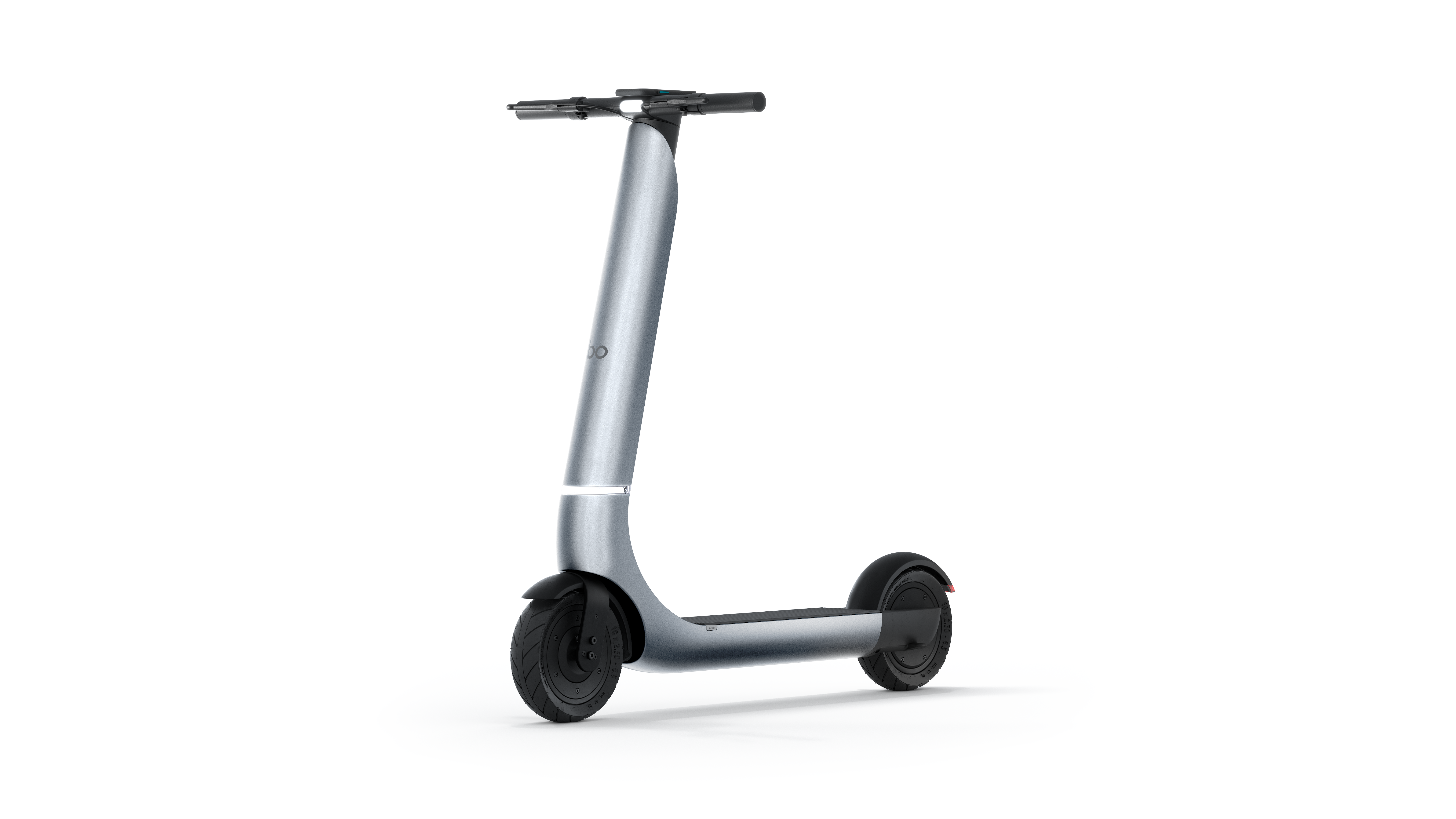
ZEUS, who currently operates in more than 60 cities in Europe and the UK, has diligently communicated concerns about the government’s intention to impose a weight limit of 25kg on e-scooters. Unfortunately, it appears that a crucial misinterpretation by the Irish government of the EU’s motor insurance directive has occurred, leading to a potentially stifling restriction rather than an incentivised safety measure.

“ZEUS stands as a champion for safety and innovation in the e-scooter industry. Our commitment to providing a secure and reliable mode of transportation is reflected in the exceptional safety record of our 3-wheeled scooter, proven to be significantly safer than the European average for 2-wheeled shared scooters,” says Damian Young, CEO of ZEUS Scooters.

Contrary to the EU directive, which merely requires insurance for e-scooters exceeding 25kg, the Irish government’s current approach risks excluding a multitude of cutting-edge e-scooter models that prioritise durability and incorporate new technologies. ZEUS operates a 3-wheeled scooter that, by design, exceeds the 25kg limit due to its enhanced sturdiness and safety features.

“Our 3-wheeled scooters are not just a mode of transportation; they represent a commitment to safety, durability, and technological advancement. We urge Transport Minister Eamon Ryan and the Irish government to reconsider these restrictive regulations. By embracing sturdier scooter designs, we can create a safer environment for riders while unlocking the economic benefits that the e-scooter industry promises for Ireland,” adds Young.

Incident reporting demonstrates that ZEUS’ 3-wheeled scooter is verified to be significantly safer than the European average for 2-wheeled shared scooters. This outstanding safety record emphasises the need for a more nuanced approach to regulations that considers the inherent safety benefits associated with sturdier scooter designs.

Moreover, these regulations threaten to impede Ireland from reaping the rewards of a swiftly expanding industry, one poised to generate employment opportunities nationwide and invigorate foot traffic in city and town centres. Numerous studies have underlined the positive impact of e-scooter adoption on local businesses, making them an indispensable component of urban mobility solutions.

ZEUS calls on the Irish government to prioritise safety over arbitrary weight limits and to embrace the technological advancements that make e-scooters not only safer but also more resilient. By doing so, Ireland can position itself as a leader in fostering innovation, supporting local economies, and ensuring the continued growth of the e-scooter industry.

The team at ZEUS remains committed to working collaboratively with the government and City and Town Councils to find a balanced approach that considers both safety and the potential for economic growth. Together, we can create an environment that encourages innovation, job creation, and the development of a sustainable and safe e-scooter ecosystem for all.