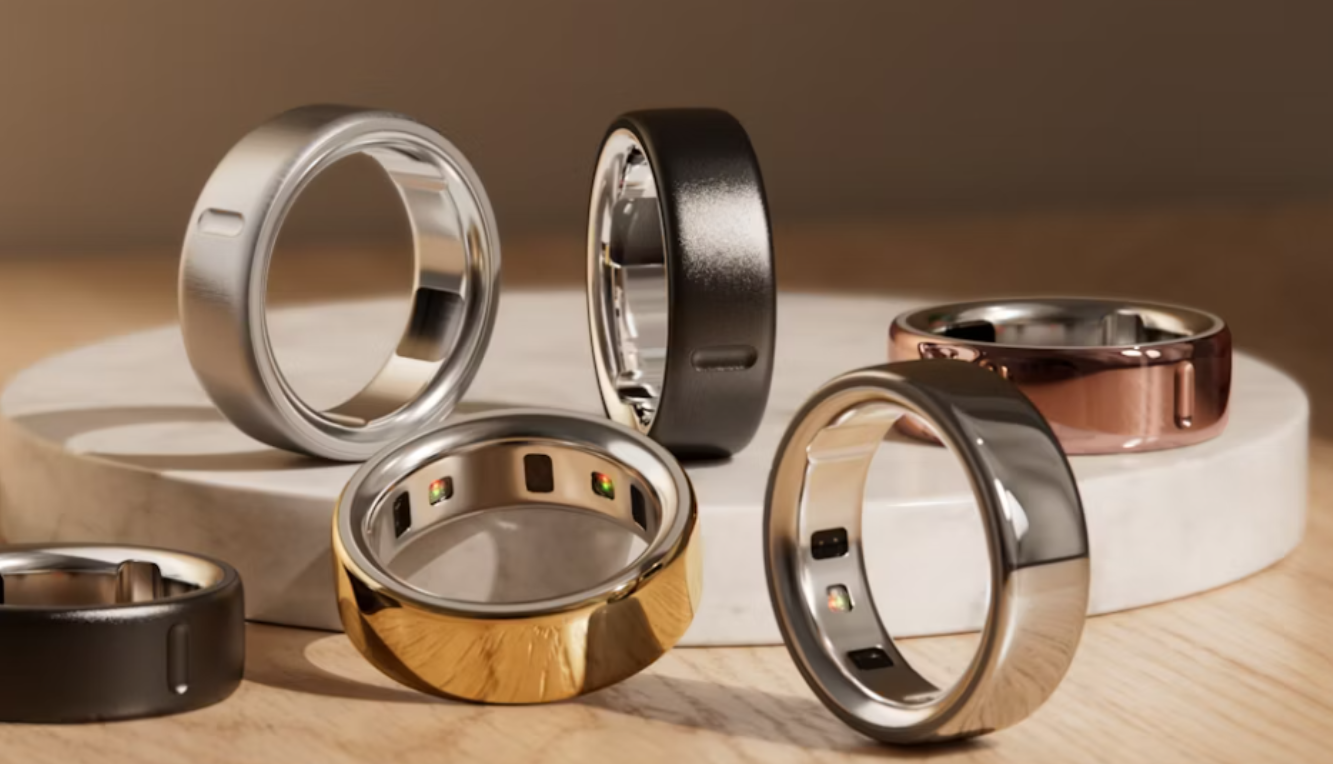
Maxcom, an innovative Polish company producing and distributing consumer electronics has launched the mRing, a beautifully designed smart ring that combines powerful health tracking features with effortless style. Using the latest technology to offer 24/7 wellness insights from a sleek device no larger than a wedding band, mRing is perfect for users who value both functionality and fashion. At just £59.99 and available from Amazon UK, mRing is making wearable tech more accessible than ever.
Designed with durability and aesthetics in mind, the mRing is crafted from lightweight stainless steel and shaped for maximum comfort, meaning users can wear it all day and night without irritation – whether they’re at the office, at the gym or asleep. Easily mistaken as jewellery, it is available in three refined finishes – silver, black and gold.
This smart ring not only catches the eye but thanks to advanced sensors inside and a companion app, it can provide valuable insights into the body’s condition, motivating users to be more conscious of their health and fitness. Features include:
Precise health monitoring:
mRing can track vital body parameters around the clock, utilising advanced algorithms to interpret data on heart rate, oxygen saturation, temperature and heart rate variability (HRV). HRV provides insights into the body’s recovery level, energy potential and responses to physical and mental stress. Additionally, the mRing can help women track menstrual cycles by monitoring temperature fluctuations.
Steps taken; calories burned:
During activities, from a casual walk to intense training, mRing collects information about a user’s performance. It analyses the number of steps taken, distance covered, heart rate and energy expenditure in the form of calories burned. Paired with the intuitive Aizo Ring app, the mRing makes it easy to assess current fitness level, track progress and plan future goals.
Detailed sleep analysis:
During the night, mRing continuously monitors the quality of rest, tracking different sleep phases, from light to deep to REM. It also detects moments of waking, evaluates breathing and measures resting heart rate, providing a comprehensive picture of the body’s recovery. Reports with daily, weekly and monthly data help users understand their sleep patterns and improve sleep hygiene.
Body recovery assessment:
The collected information on activity, sleep quality and key health parameters creates an overall picture of the body’s condition. mRing interprets this data, offering guidance to help improve daily habits.
Water resistance:
Thanks to its robust construction and IP68 water resistance rating, users don’t have to worry about the mRing getting wet. It can be worn confidently while swimming, showering or washing hands. High-quality stainless steel and meticulous craftmanship ensure durability and long-lasting appearance, no matter how intense activities are.
Six days of battery life:
Efficient energy management allows the mRing to operate for up to six days without needing a recharge. When it’s time to recharge, the magnetic charger quickly restores the ring’s full functionality, ensuring convenience and readiness every day.
The Maxcom mRing is available now for £59.99 from Amazon.co.uk in gold, silver and black. There are eight sizes to choose from, based on a user’s finger circumference, to ensure the perfect fit. The mRing works with the Aizo Ring app which is compatible with both iOS and Android.
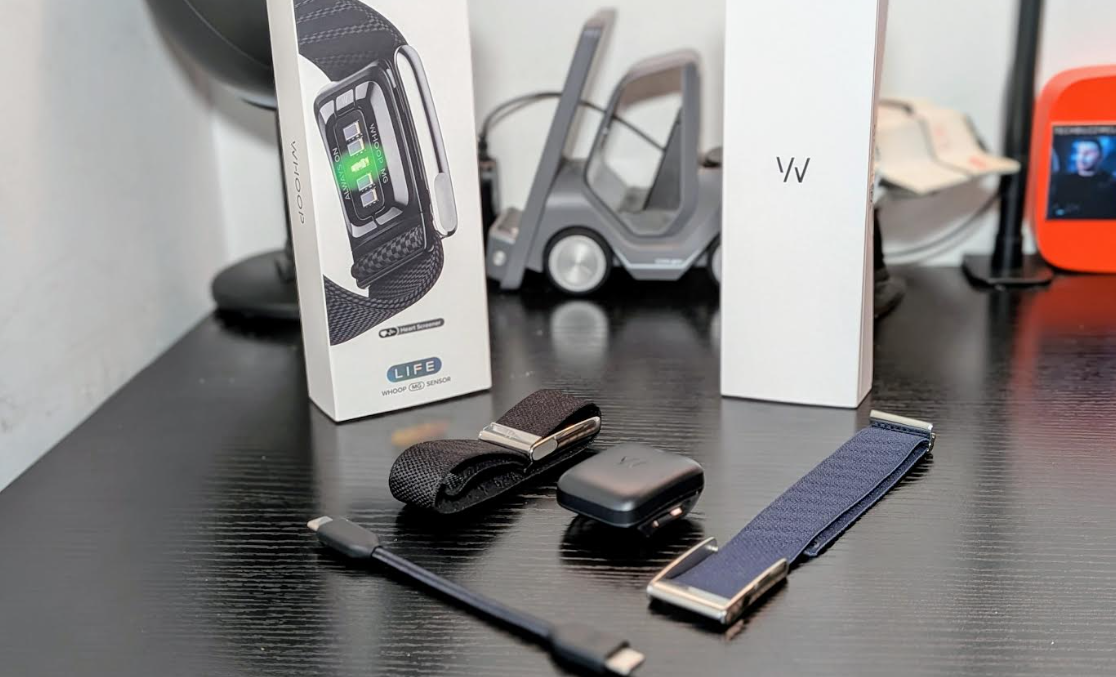
WHOOP, the human performance company, today introduces WHOOP 5.0 and WHOOP MG — two next-generation wearables designed to unlock a new approach to personal health and longevity. Paired with a redesigned WHOOP experience, the devices offer 14-day battery life in a sleeker, seven percent smaller form – and introduce category-defining features, including Healthspan with WHOOP Age, Heart Screener with on-demand ECG, Blood Pressure Insights, and more.
These innovations arrive at a pivotal moment when ailing health systems cost more and deliver less. WHOOP is advancing a new solution and a better way – one that empowers people to connect their daily decisions to performance and health outcomes that can be measured and felt. While others track surface-level trends, WHOOP delivers longevity through depth — translating the body’s most vital signals into guidance that extends healthspan, not just lifespan.
“This isn’t just a product launch. It’s a new chapter for WHOOP and for our members,” said Will Ahmed, WHOOP Founder & CEO. “We’ve taken everything we’ve learned over the past decade and built a platform to help our members perform and live at their peak for longer. We’ve held nothing back.”
NEW HEALTH AND PERFORMANCE IN-APP FEATURES:
Healthspan with WHOOP Age: Get insights and guidance on how your daily habits impact your long-term health with Healthspan – a powerful new way to quantify your physiological age and slow your Pace of Aging. Developed in partnership with Dr. Eric Verdin, CEO of the Buck Institute for Research on Aging, Healthspan uses nine different metrics linked to long-term health to calculate your WHOOP Age and Pace of Aging.
Heart Screener with ECG: Your heart, in your hands. WHOOP now includes an FDA-cleared ECG feature that allows a reading to be taken anytime, from your wrist — and shared directly with a healthcare provider. The Heart Screener detects signs of Atrial Fibrillation (Afib), a leading cause of stroke, and provides Irregular Heart Rhythm Notifications (IHRN) for greater peace of mind.
Blood Pressure Insights: A patent-pending technology that delivers daily blood pressure insights, right from your wrist. Get estimated systolic and diastolic readings, and learn about how blood pressure affects wellbeing and performance.
Women’s Hormonal Insights: WHOOP goes beyond cycle tracking to deliver science-backed education and personalized insights on how hormonal shifts influence recovery, sleep, stress and performance. Whether you’re navigating menstruation, pregnancy, or perimenopause — WHOOP adapts with you.
Sleep Performance Update: Unlock better nights and better days. The reimagined Sleep Score delivers a more accurate reflection of sleep quality, helping members recover more effectively and show up stronger each day.
WHOOP Advanced Labs: Join the waitlist for the next evolution in personalized health. Coming soon, WHOOP Advanced Labs will allow members to schedule blood tests and receive clinician reports that are integrated directly into the WHOOP app, creating a more comprehensive picture of your health — and giving you actionable steps to improve it.
Comprehensive Fitness Tracking: From daily steps and VO₂ Max to Muscular Strain during strength training and 145+ supported activities, members can now optimize fitness for both performance and long-term health outcomes.
HARDWARE, REIMAGINED FOR PERFORMANCE AND PRECISION:
Precision Sensors. Smaller Design. Greater Power: WHOOP 5.0 and MG pack more technology into a seven percent smaller form factor. Enhanced sensors capture data 26 times per second, while a redesigned processor delivers 10x more power efficiency — enabling richer insights without sacrificing battery life or comfort.
14+ Day Battery Life. New Wireless PowerPack: 14+ days per charge across WHOOP 5.0 and MG hardware. Now, members with their device alongside the new Wireless Powerpack have access to a full month of battery life.
Elevated Accessories: Complete the experience with a new line of WHOOP accessories — including the new LeatherLuxe, crafted from genuine Italian leather for our most premium look and feel yet.
24/7 Wearability: WHOOP remains the only wearable that’s truly wearable — designed for 24/7 use across multiple locations on the body. Powered by WHOOP Body and AnyWear™ technology, our technical garments seamlessly integrate with your device to capture data with unmatched precision — no matter your sport, lifestyle or movement.
Medical-Grade ECG: Available exclusively on WHOOP MG, maintain peace of mind with medical-grade ECG readings you can do from the comfort of home. Simply place your thumb and index finger on the ECG-conductive clasp, and get a medical-grade reading in seconds.
CHOOSE YOUR EXPERIENCE:
To make these innovations even more accessible, WHOOP is also introducing three new membership tiers. These tiers empower WHOOP members to choose the hardware device, features and pricing that make the most sense for them:
WHOOP One: Professional-grade fitness insights at our best price at €199 per year
WHOOP Peak: Advanced health, fitness and longevity insights designed to help you perform at your peak, longer. Priced at €264 per year
WHOOP Life: The most powerful WHOOP ever, delivering medical-grade health and performance insights. Priced at €399 per year
“WHOOP is a great tool. It’s like a doctor on my wrist,” said Cristiano Ronaldo, Professional Soccer Player and WHOOP Global Ambassador and Investor. “It allows me to monitor my behavior easily, and shows me that being consistent and prioritizing your health is worth it. I’m happy to be part of this company, and the launch of the WHOOP 5.0 and MG.”
WHOOP 5.0 and MG are available to purchase now on WHOOP.com.
In a fast-paced world where 31% of Irish people wish they exercised more, prioritising health can often fall behind on the to-do list. Recent research commissioned by Samsung reveals that 56% of people struggle to find enough time to get everything done. When asked what they would do if they had two extra hours in the day, the most popular answers were spending time with family (39%), exercising more (31%) and/ or sleep more (25%).
In celebration of World Health Day, Samsung Electronics Co., Ltd. is proud to showcase how the Galaxy ecosystem powered by Galaxy AI is transforming personal wellness.
With a commitment to enhancing everyday experiences through intelligent health tracking and seamless AI-driven interactions, Samsung empowers users to take control of their wellbeing with technology that seamlessly integrates into their lives.
Galaxy S25: The True AI Companion for Health and Wellness
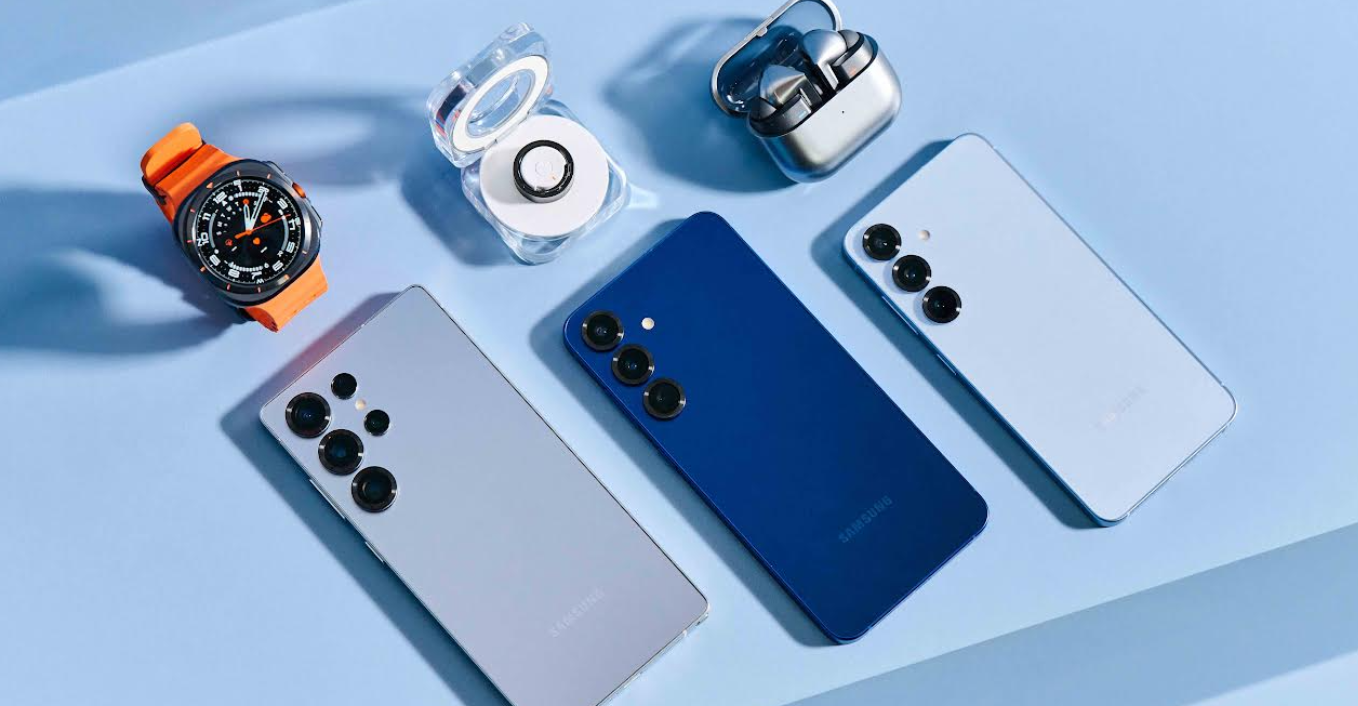
The Galaxy S25 series (comprising the Galaxy S25 Ultra, Galaxy S25+, and Galaxy S25) sets a new standard, acting as a true AI companion that understands, adapts, and enhances daily life. With multimodal AI capabilities, users can interact naturally using text, speech, images, and video. Galaxy AI delivers real-time insights, making everyday tasks more intuitive while ensuring privacy through on-device processing.
The Connected Power of the Galaxy Ecosystem
When combined with other devices in the Galaxy ecosystem – like the Galaxy Watch Ultra and Galaxy Ring – Samsung provides a holistic experience that’s more accurate and personalised than ever. From tracking your daily wellness goals to improving sleep quality or optimising your fitness routine, the interconnected Galaxy products work together to give you insights tailored to your unique needs.
Galaxy Ring: Simplifying Health Monitoring
The more you wear your Galaxy Ring, the smarter it gets. Slip Galaxy Ring on your finger and let it track your health all day. With its lightweight titanium frame and sleek, concave design that’s so comfortable, you’ll forget it’s there. Titanium strong and water resistant for all-day wear, with a battery that lasts up to 7 days. 3 built-in sensors monitor your health around the clock. Galaxy AI analyses that data to provide you with personalised health and sleep tips for better days and better nights.
Samsung’s sleep AI algorithm provides users with detailed sleep analysis, including Sleep Score, snoring analysis, and new metrics such as movement during sleep, sleep latency, and respiratory rate. With Cycle Tracking, menstrual cycles can be monitored through overnight skin temperature readings, while the AI-powered Energy Score offers a comprehensive view of daily wellness based on sleep and activity levels.
Additional features include Heart Rate Alerts, Live Heart Rate Check, automatic workout detection via Auto Workout Detection, and intuitive gestures such as double pinch for alarm dismissal or camera control. The Galaxy Ring’s Titanium Grade 5 construction ensures durability, while its 10ATM water resistance allows for worry-free wear in any environment.
Furthermore, the security and privacy of user data remain at the forefront. Samsung’s Knox Vault safeguards all health-related data, and with post-quantum cryptography, users can trust that their information is protected against evolving digital threats.
The Samsung Galaxy Ring is available in three colours, Titanium Black, Titanium Silver, and Titanium Gold.
Galaxy Watch Ultra: Performance Meets Durability
For those who like to push their limits, the Galaxy Watch Ultra is Samsung’s most capable smartwatch yet, built for extreme durability and high-performance tracking. Featuring a Titanium Grade 4 casing, 10ATM water resistance, and a dynamic lug system for enhanced comfort, the Watch Ultra is designed for adventurers and athletes pushing their limits.
With a wide range of altitude tracking, from 100 meters below sea level to 9,000 meters above, Galaxy Watch Ultra supports multi-course workouts such as triathlons and offers new Functional Threshold Power (FTP) metrics for cycling. Its advanced Personalised HR Zone ensures users train at optimal intensity levels, while the Quick Button allows instant access to workouts and safety features, including an Emergency Siren for peace of mind.
The Galaxy Watch Ultra is available in the colours Titanium Gray, Titanium White, and Titanium Silver.
As we continue to face busy schedules and increasing demands, it’s more important than ever to prioritise our health. By seamlessly blending cutting-edge AI technology with personalised wellness solutions that fit right into your lifestyle – Samsung’s ecosystem is helping you do just that.
Availability and Pricing
The Samsung Galaxy S25 series, Galaxy Ring, and Galaxy Watch Ultra are available now.
The Department of Health and HSE have just launched the first version of the HSE Health App. It is one of the first initiatives delivered as part of Digital for Care, Ireland’s health and social care digital framework. Anyone aged 16 and over can download the app for free from Google Play or the App Store. However first phase functionality will be most useful for expectant mothers.
This first phase functionality allows people to carry a digital list of self-declared medications and see a list of medicines received through the Drugs Payment Scheme or Medical Card Scheme.It allows them to store their European Health Insurance Card (EHIC), medical card, Long-term Illness card (LTI), Drugs Payment Scheme card (DPS) and GP Visit card. It provides access to flu and COVID-19 vaccination recordsand allows the user to easily find information about HSE services, such as EDs and Injury Units. It further allows those involved to view maternity service appointments (for expectant mothers).
According to HSE CEO, Bernard Gloster, there has been “much progress made in modernising the data capabilities and digital technologies of our health service in recent years. The launch of the first version of the new HSE Health App represents the next step forward in our digital transformation journey, as we seek to harness the power of data and innovation to help improve access to care for patients and enhance efficiencies across services.
“Through utilisation and ongoing development of digital tools, such as the new HSE Health App, we see a future where our patients and the people who care for them are empowered and better informed about their care. I will continue to ensure that we prioritise providing increased access for patients to their data allowing them to interact with our health services to improve their experiences.”
Damien McCallion, HSE Chief Technology and Transformation Officer added that “anyone who wishes to, can use the first version of the HSE Health App. This is just the beginning – the app is an evolving programme of work, with new services and features planned each year, including expanding the appointment functionality for all public hospital appointments. This is a challenging undertaking but a key priority to deliver for everyone under our care.The app is one aspect of the digitisation of the health service and a major priority as we face new challenges and ensure we can provide the health service the country needs and deserves.”
The app development team has consulted with a number of organisations representing disabled people and worked with a Patient Advisory Group to understand the needs of a wide range of individuals. This has ensured their needs are heard and they are involved in the design process. The app has also been tested with users who rely on assistive technology, and audited to ensure it reaches HSE and European standards for accessibility. Work is ongoing with users of the app to identify and implement improvements so new features and functionality can be added.
Future app features will be guided by ongoing research and engagement with patients, staff, and the public. For now, the HSE Health App is available in English and Irish – other languages are being explored for future versions.
A verified MyGovID is needed to access personal health information. If the user does not have a verified MyGovID, they will still be able to use the app to find information about health conditions and HSE services.
WHOOP, the human performance company, has releasedgroundbreaking research into the effects of GLP-1 therapies (eg. Ozempic), offering fresh insights into how these widely used weight-loss medications impact not only body weight but also heart health.
A study conducted by the WHOOP tracked data from 132 members undertaking GLP-1 therapies over a 12 week period to understand the impact these therapies have on our overall health.
Key Findings from the Study:
Meaningful Weight Loss: 90% of participants lost at least 5% of their body weight over the 12-week study, with an average weight loss of 10% per member logged. This surpassed typical results from traditional pharmaceutical trials.
Changes in Heart Health: GLP-1 therapies led to an increase in resting heart rate (RHR) by 3 beats per minute and a reduction in heart rate variability (HRV) by 6 milliseconds. These metrics in turn contribute to long-term cardiovascular health.
Increase in Physical Activity: Overall participants increased their weekly exercise by an average of 30 minutes. Interestingly, those who were more active experienced fewer negative health side effects (such as nausea, heartburn, and headaches), suggesting that physical activity plays a vital role in counteracting some of the physiological effects of GLP-1 medications.
This study is the first to demonstrate how 24/7 wearable technologies like WHOOP can support individuals using GLP-1 therapies by helping monitor and adjust physical activity levels for healthier outcomes. While GLP-1 medications can be transformative for weight management, the data collected by WHOOP suggests that combining therapy with regular exercise may help reduce potential cardiovascular side effects and preserve our heart health.
A spokesperson from WHOOP explains “At WHOOP, we empower our members to track how lifestyle choices and external factors impact their overall performance, providing a holistic approach to health and performance. Our Journal featureintegrates GLP-1 tracking, offering members a clear view of how their medications, physical activity, and other habits interact, promoting smarter decisions for optimal results when it comes to your overall health. We’re excited to see how this research impacts overall behaviour and understanding of weight loss therapies moving forward.”
WHOOP continues to integrate lifestyle choice tracking into its unique platform, offering personalised insights that allow members to understand not just how their bodies perform, but why they experience changes. This enables members to make informed decisions to optimise their health and performance.
For more information about WHOOP technologies and their groundbreaking studies into human performance and optimisation, please visitwww.whoop.com.
The Rotunda Hospital in Dublin, Ireland’s oldest maternity hospital, has announced a collaboration with pioneering digital health company, Isla Health. The collaboration is set to transform patient care by delivering enhanced efficiencies for clinicians and patients and improving communication with diverse patient communities.
Isla is a powerful digital pathway platform for healthcare providers that supports patients throughout their care journey. The technology allows patients to securely and compliantly submit photos, videos, sound recordings, and forms from home. This data enables clinicians to detect complications, intervene faster, and improve patient outcomes to try and and avoid hospital presentations and admissions. Isla is transforming wound management at Rotunda, benefiting teams like the Day Assessment Unit (DAU), neonatal care, and NICU.
It enables clinicians to capture videos of newborns with complications, tracking mobility and recovery. During ward rounds, Isla helps monitor wounds over time, supporting clinicians to make informed decisions. Patients can also upload wound images remotely for review, to determine whether a face-to-face appointment is necessary. Additionally, Isla securely stores and shares educational resources via text or email, reducing healthcare costs and improving accessibility for patients.
Looking ahead, Isla will launch new projects in waitlist validation and post-op monitoring with the aim of reducing surgical site infections and enhancing patient care.
Richard Drew, Consultant Microbiologist at The Rotunda Hospital said: ‘This technology will allow for improved monitoring of surgical wounds, and a much better continuity of care in that photos can be used to review wound healing over time. Isla will also allow the Rotunda staff to electronically provide information leaflets to mothers which is more convenient for staff and mothers, while also saving money on postal costs.”
Peter Hansell, Co-founder and CEO of Isla Health said: ‘As someone with a background in healthcare, I understand that technology should empower healthcare professionals to focus on what matters most, which is patient care. Isla’s technology is designed to create better communication and coordination between clinicians and their patients. It is being used extensively in the UK for a range of healthcare needs to reduce waiting lists, prevent re-admissions where possible, and give clinicians the information they need to make informed diagnoses and treatment decisions. We are excited to be working with the Rotunda Hospital, to create a more efficient and connected care system that truly prioritises the needs of both patients and medical professionals.”
Founded in 2019, Isla Health supports all clinical specialties and is proud to partner with over 30 healthcare providers across the UK, now expanding its impact to Europe and beyond.
Isla is fully compliant with EU governance and data storage and protection requirements for healthcare providers, ensuring that all data handling practices meet the stringent standards set out by GDPR and relevant regulations.
As the global population ages, the need for innovative and sustainable senior care solutions has never been greater. By 2050, individuals aged 60 and above will comprise 22% of the global population.
This shift demands a reimagining of elder care, blending advanced technologies with human compassion to enhance the quality of life for older adults.
Beyond addressing immediate health concerns, the goal is to promote independence, dignity, and long-term well-being.
For families seeking peace of mind, services likelifeassure are making strides in providing seniors with personal emergency response systems.
These tools not only ensure safety but also allow aging individuals to maintain independence while staying connected with caregivers.
The Role of Technology in Senior Care
Transforming Elder Care Through Innovation Technology is revolutionizing senior care by making it more accessible, efficient, and personalized. Wearable health monitoring devices track vitals like heart rate and blood pressure in real-time, empowering caregivers with timely insights.
Smart home systems equipped with fall detection sensors, automated lighting, and voice-activated assistants create safe and functional environments for seniors to age in place.
For instance, telehealth services allow seniors to consult with healthcare providers remotely, reducing the need for physical travel and ensuring timely medical advice.
This is particularly beneficial for those with mobility challenges or living in rural areas. According to research, 78% of telehealth users report satisfaction with the convenience and accessibility it offers.
Pro Tip: Introduce wearable devices gradually, starting with simpler gadgets like step trackers to help seniors adapt comfortably to technology.
Compassionate Care: The Human Element
Why Human Connection Matters While technology can address logistical challenges, it cannot replace the emotional bond that caregivers provide.
Compassionate care focuses on understanding seniors’ emotional, mental, and social needs. This approach ensures that older adults feel valued, respected, and connected, which significantly improves their overall well-being.
Studies show that seniors who experience consistent emotional support are less likely to face depression and loneliness, common issues in aging populations.
Caregivers who prioritize empathy foster a nurturing environment where seniors thrive, both physically and emotionally.
Striking a Balance Technology should be seen as a tool to complement, not replace, human care.
For instance, robotic companions can provide reminders for medication or daily tasks, but they work best when integrated into a care plan that includes regular interactions with family members or professional caregivers.
Key Technological Innovations Shaping Senior Care
Wearable Health Devices Modern wearable devices can monitor a range of health metrics, from heart rate variability to sleep patterns.
These devices send alerts to caregivers or healthcare providers in case of abnormalities, enabling quick responses to potential health crises.
Smart Homes for Seniors Smart home technology goes beyond convenience by enhancing safety. Fall detection systems, for example, can immediately notify emergency services, while automated lighting minimizes the risk of tripping in the dark.
Voice-activated assistants like Alexa or Google Home simplify daily tasks, helping seniors maintain their independence.
Telehealth and Remote Monitoring Telehealth has redefined how seniors access healthcare. Video consultations and remote monitoring reduce hospital visits and allow for ongoing care from the comfort of home.
This not only saves time but also reduces exposure to potential health risks in clinical settings.
Artificial Intelligence (AI) and Robotics AI tools are increasingly being used to develop personalized care plans based on seniors’ medical history and daily activities.
Meanwhile, robotic caregivers can assist with physical tasks, such as lifting or mobility support, making it easier for professional caregivers to focus on emotional engagement.
The Importance of Balancing Tech and Compassion
Ethical Considerations The rise of technology in senior care brings ethical challenges, including privacy concerns and the risk of over-reliance on automated systems.
Seniors may feel dehumanized if interactions become solely transactional. Thus, ensuring that technology enhances rather than detracts from the caregiving experience is essential.
Adoption Challenges Among Seniors Many older adults face barriers when adopting new technology, such as difficulty understanding complex interfaces or fears about data security.
Providing clear instructions, offering training sessions, and involving family members in the process can alleviate these concerns.
Pro Tip: Choose user-friendly devices with simple interfaces designed specifically for seniors, and provide ongoing support to build their confidence.
Trends Shaping the Future of Senior Care
Holistic Health Approaches The future of senior care is increasingly leaning toward holistic models that address physical, emotional, and social well-being.
For example, wellness programs in senior living communities now include yoga, art therapy, and group activities that foster social connections.
Data-Driven Insights Data analytics will play a significant role in predictive care, helping healthcare providers anticipate potential health issues before they escalate.
For instance, analyzing patterns in sleep data can help identify early signs of cognitive decline.
Community-Centric Solutions Senior care is shifting from isolated, institutional models to community-based solutions that encourage active participation.
Intergenerational programs, where seniors interact with younger generations, are gaining traction as a way to combat loneliness and foster mutual learning.
Challenges in Implementing Technology
Caregiver Burnout While technology eases physical caregiving demands, it does not eliminate the emotional toll on caregivers.
Balancing work, personal life, and caregiving responsibilities often leads to burnout, affecting the quality of care provided. Support networks and mental health resources for caregivers are vital to sustainable care systems.
Systemic Barriers Healthcare systems can be complex and challenging to navigate, especially for seniors and their families.
Simplifying access to resources, streamlining insurance processes, and improving digital literacy are crucial steps in overcoming these barriers.
Resistance to Change Seniors accustomed to traditional care methods may resist adopting new technologies. It’s important to demonstrate the tangible benefits of these tools and provide a gradual introduction to minimize resistance.
Success Stories: Technology and Compassion in Action
Smart Home Adoption in Senior Living Communities In senior living facilities, smart home systems have dramatically improved resident safety and independence.
For example, motion sensors alert staff to potential falls, while voice-controlled devices allow seniors to control their environment without physical strain.
Telehealth for Rural Seniors Rural areas often lack immediate access to healthcare services.
Telehealth programs have bridged this gap, enabling seniors to consult with specialists and access regular checkups without traveling long distances.
How Families Can Support Seniors in Tech Integration
Families play a pivotal role in helping seniors embrace technology. Begin by selecting devices tailored to their needs and comfort levels.
For instance, a smartwatch with a fall detection feature might be a great starting point. Encourage open conversations about privacy and security to address any concerns they might have.
Additionally, involve seniors in decision-making. Empowering them to choose their tools fosters a sense of control and reduces resistance.
Regularly check in to ensure the technology is functioning as expected and meeting their needs.
The Future Outlook for Senior Care
As we move toward a future where technology and compassion intertwine seamlessly, the possibilities are limitless.
Emerging innovations like AI-powered diagnostics, virtual reality therapy, and autonomous mobility aids promise to redefine aging experiences.
However, the focus must remain on preserving dignity, fostering connections, and creating a sense of belonging for older adults.
Pro Tip: Stay informed about new technologies by subscribing to senior care newsletters or participating in local workshops that explore innovative caregiving tools.
Conclusion
The future of senior care lies in achieving harmony between cutting-edge technology and compassionate caregiving.
By integrating tools that enhance safety, health monitoring, and social connections with empathetic human interactions, we can create environments where seniors thrive.
Families, caregivers, and healthcare providers must work together to ensure that the elderly feel valued, respected, and empowered to live fulfilling lives.
After all, combining tech and compassion isn’t just about better care—it’s about building a better world for everyone.
Irish healthcare provider Vida Care is ramping up its plans to open ten preventative health screening and testing clinics in Ireland after closing a funding round which has generated €1 million from investors.
The company has already spent another €1 million developing its business model and opening its first three clinics and has screened over 2,000 patients as it responds to a new and growing demand from Irish consumers who have become proactive about protecting their health, longevity and wellness.
Vida Care opened its third clinic in Pembroke Street in Dublin this week, following on from clinic openings in Blackrock and Clonsilla. The new clinic is its first in Dublin city centre and will be followed by new clinic openings in Cork, Galway, Sligo and Athlone in the coming months.
Vida Care’s service provides patients with immediate access to preventative health screening, enabling them to book routine tests for bloods, cholesterol, cortisol, diabetes, thyroid, hormones, colon cancer and STIs on demand and to receive their test results from 48 hours.
Its base line test costs €129 and covers 46-biomarkers, providing patients with essential insights into their kidney, heart and liver health. Its most comprehensive screening test costs €499 and covers 150 data points including nutritional, hormonal, digestive, pancreatic, muscle and joint health, allergy evaluation, and screening for infection and inflammation.
Vida Care is also eyeing up expansion into Portugal and Marbella which have become the epicentre of the preventative healthcare, longevity and wellness business in Europe. This element of its overall expansion strategy will provide new and existing clients who live aboard for part of the year with a familiar, local service.
‘The preventative healthcare and longevity business is exploding in Ireland and is being driven by consumers who want to take back control of their health. Vida Care is leading the way in meeting that demand and we are pursuing an ambitious strategy to expand and scale up our company at home and abroad,’ said Conor Kelly, CEO of Vida Care.
‘Our growth to date has been financed by shareholders, private investors and investment through the EIIS scheme. This investment has also allowed us to develop innovative software that is powered by AI technology to revolutionise how our health data and test results are analysed and to provide detailed recommendations that significantly improve patient outcomes,’ he said.
‘Irish consumers want to know their health numbers. They are already getting a lot of biometric data from wearable devices and related apps which are often their first step towards taking charge of their health. Vida Care is the next step on that personal wellness journey and the demand for our service is also being driven by customers who simply can’t access their local GP service,’ Mr Kelly.
‘Our health screening and testing service makes life easier for patients. They don’t need a GP referral, they won’t be left waiting for days for results, and they won’t have to chase their GP to know where they stand. They can book a same day appointment online and have their results from 48 hours. Our patients value the convenience and peace of mind that comes with that,’ he concluded.
Vida Care is also providing cardiac screening services for sports clubs and corporate clients. It’s rapid analysis and results model has already played a critical role in saving lives, in helping to ensure that at risk individuals are identified and supported, and in reducing the incidences of Sudden Adult Death Syndrome (SADS) among people under 35.
The winners of the 2024 Belfast Telegraph IT Awards, in partnership with Telefónica Tech UK & Ireland, were announced on Friday evening at a prestigious ceremony held at the MAC Theatre in Belfast. Hosted by comedian Andrew Ryan, the event celebrated excellence in the Northern Ireland IT sector, with awards presented across 19 categories.
The South Eastern Health and Social Care Trust was a standout winner, taking home three major awards. The trust was recognised for its successful implementation of Encompass, a digital health records system for citizens in Northern Ireland. The project earned the title of Best Public Sector or Third Sector IT Project, as well as one of the biggest awards of the night, the Overall IT Team or Company of the Year Award.
Noel Brady, founder of consultancy firm NB1 Ltd, was honoured with the most prestigious award of the night, Outstanding Contribution Award, as the company celebrated its 20th anniversary this year. Mr Brady, a respected figure in the IT sector in Northern Ireland, has spent his career advising companies on public sector tendering, sales and marketing, and holding leadership roles in both private and public sector organizations.
“I am deeply honored to receive this recognition,” said Mr Brady. “As a Belfast man, I am totally committed to growing the economy and creating employment opportunities for the next generation of talent in our city.”
Other notable winners included Allstate, Expleo, Options Technology, Mantle Services, and Covernet, among others. The 2024 awards saw a record number of entries, with a panel of esteemed judges from Northern Ireland’s IT industry, chaired by Peter Russell, Managing Director of PR Business Growth Services, narrowing down the finalists.
Mark Gorton, CEO at Telefónica Tech UK&I, said: “Telefónica Tech were incredibly honoured to once again sponsor the Belfast Telegraph IT Awards. These awards highlight the outstanding talent, innovation and dedication driving the ever-evolving tech sector forward in Northern Ireland. It was incredible to join together with other leaders in the IT industry in Northern Ireland on the night. I want to send a congratulations to all of this year’s winners and nominees on their achievements.”
Peter Russell, chair of the judging panel said: “It was an honour to chair the judging panel for the 2024 Belfast Telegraph IT Awards in partnership with Telefónica Tech. Selecting this year’s winners was no easy task, especially as we had so many worthy and compelling entries. Thanks must go to my fellow judges who gave up their time and expertise so willingly and made the whole process a very enjoyable one. Congratulations to all of the deserving winners and thanks to everyone who made these awards a success.”
The full list of winners and finalists for the Belfast Telegraph IT Awards 2024 can be found on the event’s official website.