
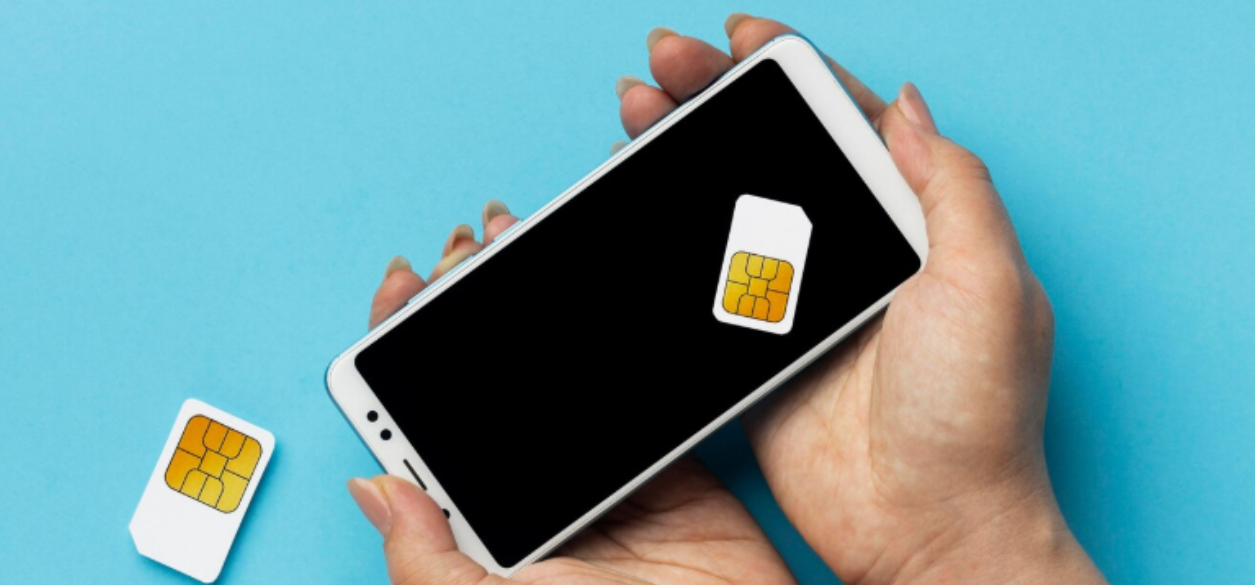
Phone numbers have become an important part of how people access digital services. Whether someone is creating an account, testing an application, or confirming a registration, receiving a text message is often a necessary step. However, sharing a personal mobile number with every website can create concerns about privacy and unwanted communication.
This is one reason sms online services have attracted attention. They allow users to receive text messages through virtual phone numbers without necessarily relying on their personal SIM cards. Understanding how these services work, along with their limitations, can help individuals and businesses make more informed decisions.
Why Websites Ask for Phone Number Verification
Many online platforms request a phone number during registration to confirm that users can receive messages. This process commonly involves sending a one-time verification code that must be entered before an account becomes active.
Phone verification can help services reduce automated registrations and support account recovery. However, it also creates situations where users must decide whether they are comfortable sharing personal contact information with unfamiliar platforms.
For temporary activities, such as testing a website or evaluating an application, providing a permanent personal number may not always be necessary. Some services accept virtual numbers, although acceptance depends on each platform’s policies.
Understanding How Virtual SMS Numbers Work
A virtual SMS number allows incoming text messages to be received through an online interface. Instead of checking messages on a physical phone, users access them through a website or service dashboard.
The process generally begins with selecting a country and an available number. When a supported website sends a text message, the receiving platform displays the message in its interface.
However, not every website accepts temporary numbers. Some platforms restrict numbers associated with virtual services, particularly when additional security measures are required.
Users should therefore verify compatibility before relying on these services for important registrations.
When a US-Based Number May Be Helpful
People working with American digital platforms sometimes need to test how services handle phone numbers beginning with the United States country code, +1.
For legitimate development and testing activities, a free usa number for verification may provide a convenient way to examine basic SMS delivery without purchasing an additional physical SIM card.
These numbers can be useful for checking registration forms, studying message formatting, or evaluating how an application handles incoming verification texts.
However, free numbers are frequently shared publicly. Their message histories may be visible to other users, making them unsuitable for confidential communication or accounts containing sensitive personal information.
Practical Applications for Developers and Businesses
Virtual phone numbers are not limited to individual users. Software developers, quality assurance teams, and businesses may also use them during specific testing activities.
For example, a development team may need to confirm whether its registration system properly displays international dialing codes. Another team might want to examine whether verification messages arrive in an expected format.
Common testing activities include:
- Checking SMS delivery during application development.
- Reviewing registration forms for different countries.
- Testing the appearance of verification messages.
- Evaluating temporary communication workflows.
- Identifying problems with international phone number formatting.
These activities should always take place within authorized testing environments and comply with the rules of the platforms involved.

Privacy Benefits and Important Limitations
One potential benefit of temporary phone numbers is reducing unnecessary exposure of a personal mobile number during low-risk activities. This can help users separate short-term testing requirements from their everyday communication.
Nevertheless, temporary numbers should not automatically be considered private or secure. Publicly accessible messages can create significant risks if they contain account access codes or personal details.
Even privately rented numbers may have expiration dates or limitations affecting future access. Losing control of a number associated with an account can make password recovery difficult.
For important accounts, users should choose a phone number they control consistently and consider stronger authentication methods, such as authenticator applications or passkeys.
Choosing Between Free and Paid Number Services
Free and paid virtual number services often serve different purposes. Free options may be appropriate for simple demonstrations or non-sensitive testing, while paid services can offer more controlled access.
Before choosing either option, users should consider several questions.
Will the number remain available long enough for the intended activity? Is the inbox public or restricted? Does the receiving service support the relevant website? Are there limitations on the number of messages?
Answering these questions helps avoid situations where verification messages never arrive or access becomes unavailable unexpectedly.
Price should not be the only consideration. Reliability, privacy, and the intended duration of use can be equally important.
Responsible Use of Online Verification Services
Temporary phone numbers should be used responsibly and within the terms established by individual platforms. They should not be used to impersonate other people, bypass security restrictions, or create accounts in violation of service policies.
Users should also avoid receiving banking codes, confidential information, or sensitive recovery messages through public SMS inboxes.
As online verification continues to develop, understanding these distinctions becomes increasingly important. A temporary number is a communication tool, not a replacement for appropriate account security.
Conclusion
Virtual phone numbers provide an alternative for receiving text messages during temporary registrations, software testing, and other authorized digital activities. Their flexibility can be useful, particularly when users understand the differences between public and private receiving options.
Platforms such as onlinesim.io offer virtual SMS receiving services, including country-specific numbers. Choosing an appropriate service requires attention to privacy, message availability, and platform compatibility. By following responsible practices, individuals and businesses can use these tools more effectively while protecting their personal information.