
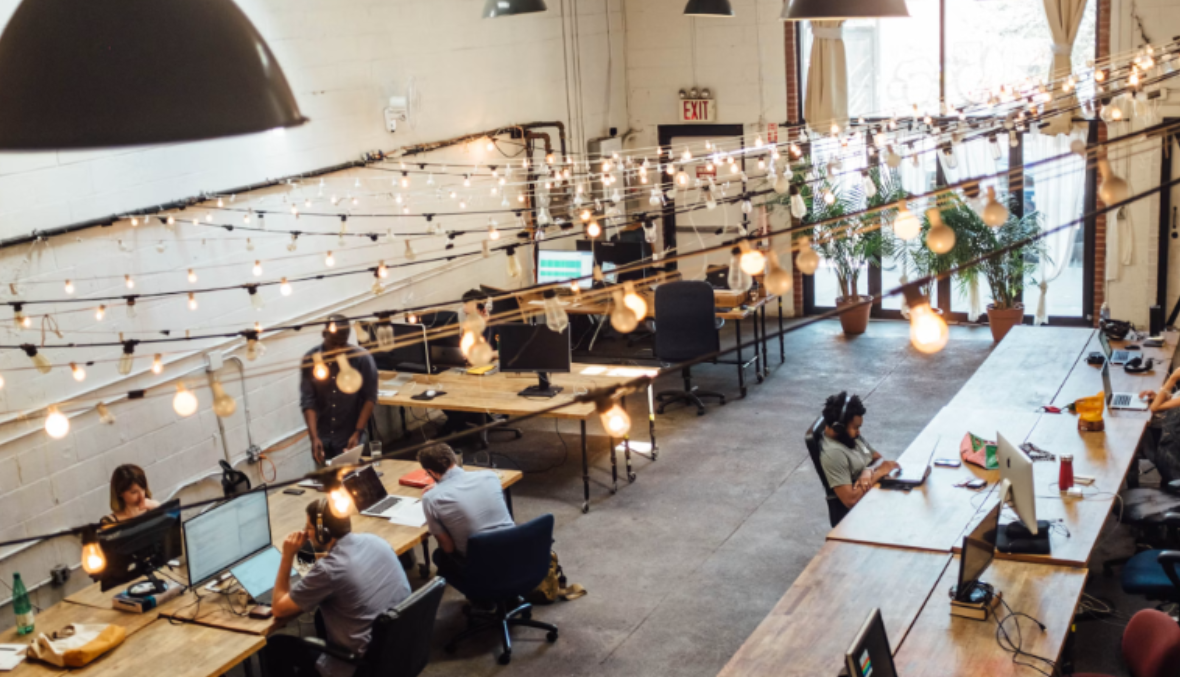
A fully booked coworking space might look like a business success, but behind the busy desks and meeting rooms, peak footfall can quickly expose operational weaknesses. Washrooms run short of supplies, kitchen queues grow, bins overflow, and maintenance teams struggle to keep shared areas in order. As flexible workspaces attract more members and host larger events, managing occupancy becomes about more than having enough desks. It requires careful planning, responsive facilities management and the right resources to keep the building running smoothly, even during its busiest hours.
The Realities of High-Density Workspaces
Coworking hubs experience demand differently from conventional offices. Members can book desks for a day, teams may arrive together, and events can bring dozens of extra visitors into shared areas. The growing adoption of flexible office layouts and hot-desking arrangements also means operators must adapt their facilities to changing occupancy patterns. Current coworking industry statistics show how the sector continues to grow, placing greater pressure on operators to manage busy buildings efficiently.
Headcounts alone don’t reveal the full workload. A site with 150 daily visitors may experience its greatest strain when 90 people arrive between 8:30 and 10:00 a.m. Operators should compare access data, room reservations, and event schedules in 30-minute blocks. This identifies when reception desks, kitchens, elevators, and washrooms face their heaviest demand, giving facility teams a clearer basis for staffing and supply decisions.
Tackling Daily Resource Depletion
Consumables often disappear faster than expected during peak periods. Soap, paper products, and kitchen supplies may look adequate during an early inspection but run out after a large team checks in. Overflowing bins can create a similar problem because collection schedules based on average attendance won’t reflect a busy training day or product launch.
Set minimum stock levels for each shared facility and increase inspection frequency around known peaks. For washrooms, commercial washroom services can support facility managers with products and scheduled services covering soap and paper dispensing, sanitary waste, hand drying, and other high-use requirements.
Keep reserve supplies close to the areas where staff need them. A refill stored on another floor adds avoidable delays, especially when one employee is responsible for several spaces. Record each refill and collection for four weeks to establish realistic usage patterns by day and time.
Sensor Metrics Versus Hands-On Maintenance
Connected dispensers, occupancy counters, and bin sensors can show where demand is building. A dashboard might flag that a washroom has recorded 80 visits or that a dispenser is nearly empty. These alerts help teams prioritize work across large buildings without following a rigid inspection route.
Sensors still need human checks. A device may report that paper remains in a dispenser even when it has jammed, while an occupancy count won’t reveal a spill or damaged fitting. Combine automated alerts with short visual inspections during busy periods.
Facility managers should also track response time. If an alert appears at 10:05 a.m. but no one reaches the area until 10:40, the technology has identified the issue without solving it. Assign alerts to named team members, set escalation times, and review repeated faults each week. This turns sensor data into practical maintenance activity.
Designing Sustainable Amenities for Scale
Capacity planning should begin before a coworking hub adds more memberships. Review the number and location of washrooms, sinks, kitchen appliances, waste points, and meeting booths. One large kitchen may serve fewer people effectively than two smaller refreshment areas because queues and cleaning demands become concentrated in a single place.
Flexible workspace design is also becoming more responsive to local working habits. Coverage of coworking trends in Ixelles highlights demand for flexible layouts, community features and spaces that support different work styles. Those ideas have operational consequences: more events require extra cleaning windows, while adaptable rooms need accessible waste points and durable surfaces.
Choose refillable dispensing systems, low-energy equipment and clearly marked collection points where they suit actual usage. Run a peak-load test before expanding capacity, using a realistic event or busy weekday to measure queues, consumption and staff response. The results may show that a second service point or revised cleaning shift will deliver more value than adding another row of desks.
A coworking hub succeeds at peak footfall when its support systems keep pace with its booking platform. The clearest signal is simple: members can find supplies, use shared amenities, and return to work without reporting problems that the operations team should already have seen.