
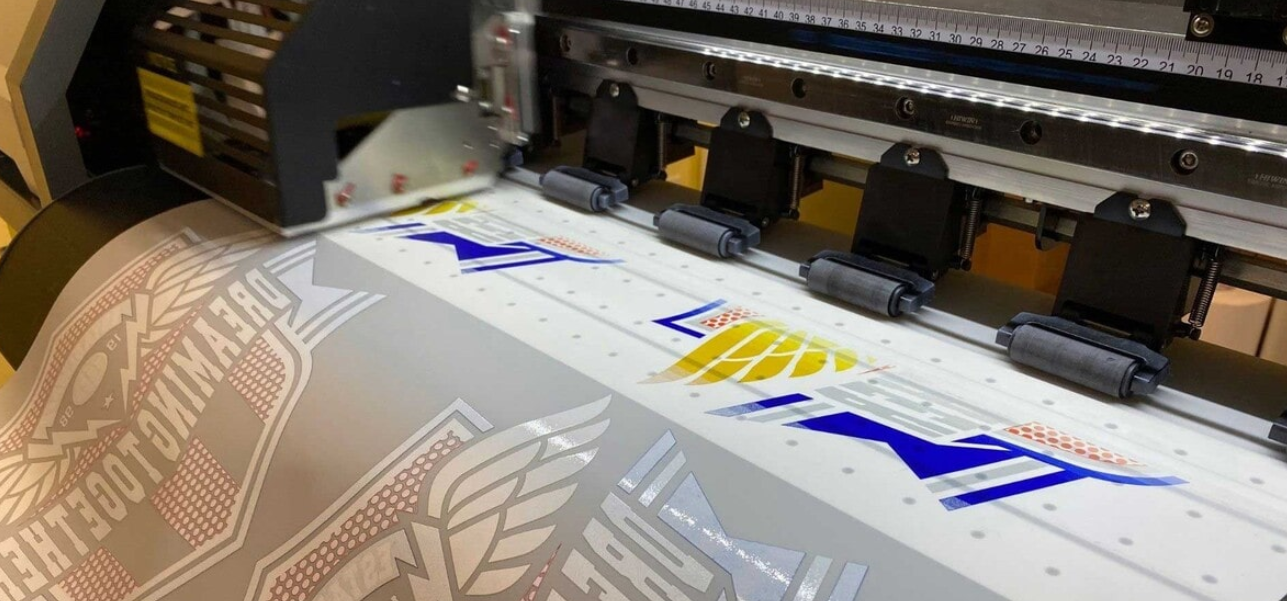
Get complete control over your print quality, budget, and deadlines. For creators and print businesses throughout Toronto, making stunning fine art prints starts with reliable wide-format equipment, original manufacturer inks, and professional-grade paper.
Partnering with a reliable Toronto-based photo and printing supplier means fast regional shipping and direct technical help when you need support. Learn how to optimize your production workflow today to prevent downtime and keep your print jobs moving fast.
Step 1: Selecting the Right Media Substrates for the Job
The tactile feel and finish of your paper stock directly determine how clients and collectors perceive the final piece. Professional print workflows require matching the substrate’s base weight, coating, and texture to the specific creative application:
Matte Fine Art & Cotton Papers
Pure cotton fine art paper locks in ink for rich, glare-free images that stay sharp in any light. Choose this option for museum-quality art prints and luxury photo albums.
Glossy & Lustre Photo Papers
Glossy paper makes bright colors pop and stops fingerprints from ruining your photos. Lustre paper keeps pictures looking rich while using a soft finish to hide smudges.
Specialty Media & Display Materials
High-volume printers rely on rolls of specialty media instead of basic paper sheets. Using materials like printable canvas and sticky vinyl, they produce premium art prints and long-lasting retail displays.
Step 2: Optimizing Ink Systems and Hardware Performance
Using the right commercial printer ink keeps your machine running smoothly and prevents messy clogs. It also ensures every print comes out with bold, long-lasting color.
Pigment vs. Dye Inks
Use dye ink to get striking colors on short-term glossy projects. Switch to pigment ink for gallery-worthy photos that resist UV damage for generations.
Wide-Format Roll Capability
Studios producing banners, posters, fine art editions, or trade show materials benefit from wide-format roll feeds (ranging from 17 inches to 60+ inches wide). This flexibility minimizes media waste and accommodates diverse dimensions on demand.
Routine Equipment Maintenance
Regular printer maintenance is the easiest way to keep your print quality sharp and consistent. Stocking genuine OEM parts and cleaning supplies helps you avoid costly downtime during busy print runs.
Step 3: Color Management and Profile Calibration
Screen colors rarely match printed paper, which is the biggest cause of wasted materials in any print studio. Setting up a standard color management process solves this mismatch and prevents expensive reprints:
ICC Media Profiling
Every combination of printer model, ink chemistry, and media coating requires a dedicated ICC profile. Loading precise manufacturer profiles ensures that ink volume limits and tonal response curves are accurately mapped.
Monitor-to-Print Matching
Calibrate studio monitors using hardware colorimeters to standard photo temperatures (such as D65 or D50) and evaluate finished test strips under standardized 5000K lighting.
Proofing Strips
Before running large-format media or extensive print editions, print 100% crop test strips across critical tonal areas, verifying shadow detail, neutral grey balance, and highlight transitions.
The Advantage of Sourcing from a Dedicated Local Supplier
Securing commercial-grade printing machinery, replacement components, and specialty rolls from an established Greater Toronto Area supply partner delivers practical operational advantages:
| Operational Priority | Local Supply Partner Advantage | Large International Web Retailers |
| Delivery Reliability | Rapid local GTA dispatch; immune to international border holds and import customs clearance. | Unpredictable transit windows, risk of border delays, and variable overseas shipping fees. |
| Material Integrity | Climate-controlled regional warehousing prevents damage, moisture exposure, or warped roll cores. | Long-haul shipping increases the risk of crushed roll edges and temperature damage. |
| Technical Guidance | Direct access to equipment specialists who understand hardware compatibility and paper coatings. | Generic call centers and automated chat systems lacking deep print engineering knowledge. |
| Supply Continuity | Immediate access to essential consumables, spare printheads, and maintenance tanks to keep machines running. | Extended backorder timelines and expensive rush airfreight fees for critical replacement parts. |
In-House Production Checklist
Before launching your next print edition or seasonal commercial run, run through this studio checklist:
- Inspect your supplies: Make sure your ink levels, maintenance tank, and paper rolls can handle the batch size without stopping midway.
- Pick and load the right paper: Choose the right finish for the project and set the printer’s gap setting to match paper thickness.
- Confirm print settings: Sync your printer driver or RIP software with the exact ICC profile for your media.
- Review a sample print: Check a test strip for clear details, accurate colors, and zero printhead strikes.
- Allow curing time: Let fresh prints dry completely before handling, stacking, or packing.
-
Keep Your Print Studio Running at Peak Performance
Great prints start with great materials. Work with a dedicated Toronto-based photo and printing supplier for quick local delivery on top-tier photo paper, genuine ink, and reliable print hardware.