
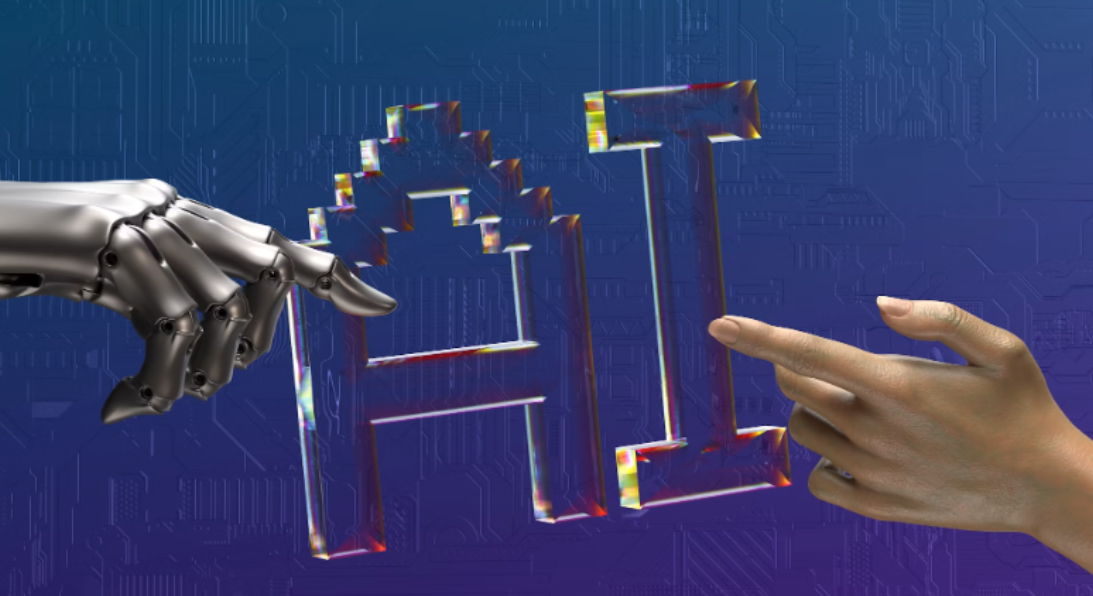
AI technology on its own doesn’t threaten human ingenuity — it’s 100% dependent on human-generated data at its core. When used correctly in corresponding contexts, it can become a bridge to the future of innovation. AI isn’t meant to replace people in creating content. Instead, it should be embraced as a data processing engine for purposes defined by professionals.
What AI Automation in Business Can Learn From Personalisation and Responsible Gaming in Online Casinos
The modern iGambling industry has become an excellent model for contemporary AI adoption schemes. It operates in one of the most strictly regulated and data-intensive contexts. Whether it comes to introducing a Luxury Casino welcome bonus Canada or promo codes on platforms like Casino Analyzer, tailored account management settings, or real-time communication, top-tier digital gaming networks have been proficient in two crucial pillars of smart and healthy AI integration — hyper-personalisation and proactive ethical protections:
- Real-time dynamic individualisation — digital gambling platforms constantly and continuously analyse a punter’s real-time data through their click-through paths and other interactions to dynamically present them with tailored promotions and other notifications.
- Proactive churn prevention — such AI-empowered systems can track slight variations in end-user pacing, which triggers the corresponding automated response to keep them satisfied and fully engaged with the service.
- Automated responsible gambling measures — these policies are designed to safeguard global players from gambling addiction risks. AI-forward algorithms can be trained to monitor chasing losses or other high-risk behavioural patterns and trigger tiered interventions.
The same level of efficiency can be introduced on platforms across markets and industries. It’s not about letting AI create games and replace software developers at online casinos. It’s about letting advanced instruments do their job and support improved operational workflows.
Where AI Automation Delivers the Greatest Value
The use of AI doesn’t have to be so chaotic. With proper supervision, it won’t threaten human ingenuity. It can and should be introduced in systems to advance the management of complex data structures, aiming at simplifying predictable workflows. This technology can be used for executing a wide range of tasks, saving resources for high-level human creative innovation.
Eliminating Repetitive Tasks
AI-driven algorithms can be tasked with processing, organising, and validating large volumes of data. This form of automation allows for manual error reduction up to 80%. In the customer support field, AI agents can handle baseline inquiries and perform system monitoring to detect any performance-related inconsistencies and vulnerabilities before they become detectable for an average customer.
Accelerating Research and Data Analysis
Unstructured datasets can be efficiently analysed by machine learning models that adhere to human-specified parameters and specifications. Their quick performance can expedite a variety of processes, giving interested parties concise summaries of intricate, long papers in a matter of seconds.
Supporting Content Production
AI can make mistakes, too. However, leveraging algorithms can come in handy for translating documents and articles in other languages. It can also serve as a specialised tool to overcome blank-page paralysis and generate content without AI tools in the long run.
Improving Business Workflows
With the help of AI, interested parties can increase the interoperability of different technologies and instruments, setting up an advanced network with modern workflows in mind. Autonomous task routing to the most skilled expert on-site is also possible.
Why Human Creativity Matters
AI is ultimately only a basic tool that can help humans with their duties. For optimal functioning, it needs human supervision even if it can learn on its own owing to machine learning, natural language processing, and other technologies.
The ultimate distinction is human imagination, which turns unstructured data into meaningful relationships and exchanges. People’s imagination is in control of any project’s soul and purpose.
Critical Thinking and Problem-Solving
Algorithms require predictable historical data to function effectively, whereas creative human thinking doesn’t largely depend on well-structured informational frameworks and can exist and “operate” independently. People also excel at linking unrelated concepts and introducing unique ways to address complex problems. They can evaluate and eliminate bias, unlike machines when left unsupervised.
Emotional Intelligence and Empathy
AI-powered software imitates a person’s thoughts, emotions, and behavior. However, it doesn’t mean it can fully substitute what makes people humane — it lacks the knowledge derived from common cultures, real-world experiences, and so on. It may still be insufficient to detect small emotional indicators, even if it can change its tone of voice and is a common tool in customer support services, for example. Its design is intended to be user-centric, but without human ingenuity, empathy, and a thorough grasp of the actual, emotional pain points of other service/product users, many subtleties could go missed.
Original Ideas and Innovation
People orchestrate how AI-driven solutions work behind the scenes. They train exclusively on existing data. On the other hand, the range of innovative conceptualisation is what sets human imagination apart from any machine-based algorithms. While AI can surely be considered a technological breakthrough, it can’t create the next step on its own.
Ethical Decision-Making
That’s probably one of the biggest vulnerabilities of AI tools. Automated systems may process available parameters pretty ruthlessly without understanding human concepts of fairness. The critical oversight is required to ensure that AI-forward technological outputs align with inclusivity goals and broader social values. A human touch is what can make this digital transformation across markets responsible, especially in sensitive contexts:
- Establish transparent decision-making processes.
- Keep people responsible for and involved in high-impact choices across the organisation.
- Monitor AI-driven systems for fairness, precision, and bias.
- Continuously evaluate their performance, with regular tests and updates in mind.
- Encourage employees to improve their responsible AI literacy.
- Introduce high-end mechanisms for sensitive information and privacy protection, following the latest rules of ethical AI adoption.
Final Thoughts
A “collaboration” between AI automation and human creativity might be the key to innovation in the future. By streamlining laborious procedures, this strategy seeks to free up resources for workers to work on more creative initiatives and activities. The initial steps toward an AI-friendly tomorrow have already been taken, even though usage-related standards per AI adoption would be crucial for every business.