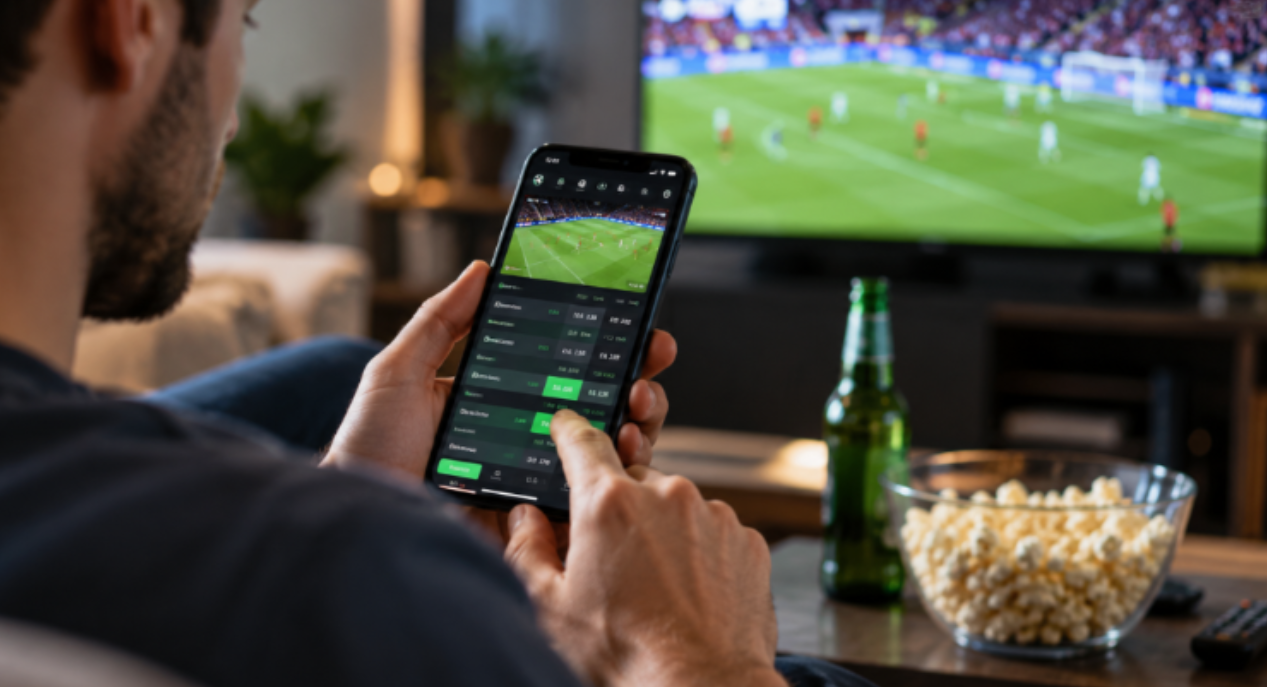
People watched live sports on TV, listened to the radio, or went to the game. If you wanted statistics, you often had to wait until later. Smartphones changed that. Fans can now watch a match while checking scores, player data, news, and live betting markets on the same device. Sport has become a much more connected experience.
Live Information Is Always Close By
If a player gets injured, fans can quickly check their phones for updates. Sports apps and social media may explain what happened. The injury can also change the live odds during the match. This helps people understand what is happening before making a decision.
Live Betting Moves With the Game
Before online betting became common, many sports bets were placed before an event started. Live betting works differently.
Markets can change throughout the match. If a football team scores, the odds may move. The same can happen after a red card, injury, or penalty.
Basketball is another good example. A team can be ahead by 12 points and lose that lead within a few minutes. Live markets may react as the score changes. This has made betting more closely connected to what is happening on the field or court. It has also made the experience faster.
Phones Have Changed How Fans Watch Sport
The television may show the game, but the phone has become a second screen. During a match, a fan might use it to:
- Check another game’s score
- Read team news
- Look at player statistics
- Follow social media
- Check live odds
- Watch short replays
- Message friends
All of this can happen without stopping the main broadcast. That has changed the job of sports companies. They are no longer producing content only for television or desktop websites. Much of it must now work well when playing online slots ireland on a small screen.
Sports Media Has Had to Get Faster
A goal happens at 8:17 p.m. By 8:18, people expect to read about it. That gives an idea of how quickly sports media now moves.
News outlets provide live blogs, score updates, statistics, and short reports while matches are still being played. Reporters may also post updates directly from stadiums. Mobile users expect short pieces of information that are easy to understand.
There is still room for long match reports and deeper analysis. Those usually come later. During the game, speed matters much more. The challenge is getting information out quickly without getting it wrong.
Clubs Produce More Digital Information
Sports clubs are part of this change as well. Clubs can now share news directly with fans through apps, websites, and social media. They can post team news, injuries, and starting lineups themselves.
For fans, official team news can be useful. For someone interested in predictions, it can be especially important. Finding out that a key striker is not starting may change how they view the match.
Still, official club channels do not provide every detail. A team may choose not to share much information about an injury or tactical decision. Other sources are often needed to understand the full situation.
Statistics Are No Longer Just for Experts
There was a time when most fans looked at only a few numbers. Goals, shots, possession, and league position were often enough. Sports apps now show much more information. You can see passes, shots, player movement, and other match stats.
This gives fans more ways to study a live event. Take a football match that is still 0-0 after 60 minutes. The score suggests very little has happened. Yet the statistics might show that one team has created several good chances. That extra information can change how someone sees the game.
Analytics Platforms Turn Numbers Into Something Useful
Raw data can be difficult to understand. Twenty different numbers on a screen are not much help if the user does not know what they mean. Analytics platforms try to solve that problem.
They can turn match information into graphs, heat maps, ratings, and simple comparisons. Instead of reading a long list of numbers, someone can quickly see which team has created more chances. Mobile design has pushed this even further.

Predictions Can Change During a Match
A prediction made before kickoff is based on what was known at that time. Then the game starts. Perhaps the favourite plays badly. Maybe the weather gets worse. A player may get a red card or get injured. This can change the game.
The prediction may also need to change. New data can help update it. For example: Starting with pre-match data.
- Adding the current score.
- Looking at what has happened during the game.
- Updating the estimate as new events occur.
Even then, the result remains uncertain. A model can calculate possibilities. It cannot know what the next kick, shot, or mistake will bring.
Notifications Keep Fans Connected
Not everyone can watch an entire match. This is where notifications become useful. A person may be at work, travelling, or having dinner. Their phone can still tell them when a goal is scored or when the final result is confirmed.
Users can often choose what they want to receive. One person may only want goal alerts. Another might follow several teams and competitions.
Betting apps can also send notifications. Too many alerts can make people open the app more often. Turning off notifications can help.
Live Betting Needs Clear Limits
The phone makes it easy to keep following a game long after someone planned to stop. One match finishes and another starts. New markets appear, and notifications keep arriving. Anyone who chooses to gamble can make the boundaries clearer by:
- Setting a spending limit before the game
- Deciding how long to use the app
- Taking breaks
- Avoiding attempts to recover losses
- Turning off unnecessary alerts
- Never using money needed for everyday expenses
Live data and AI do not remove the risk involved in gambling. Predictions are still predictions.