
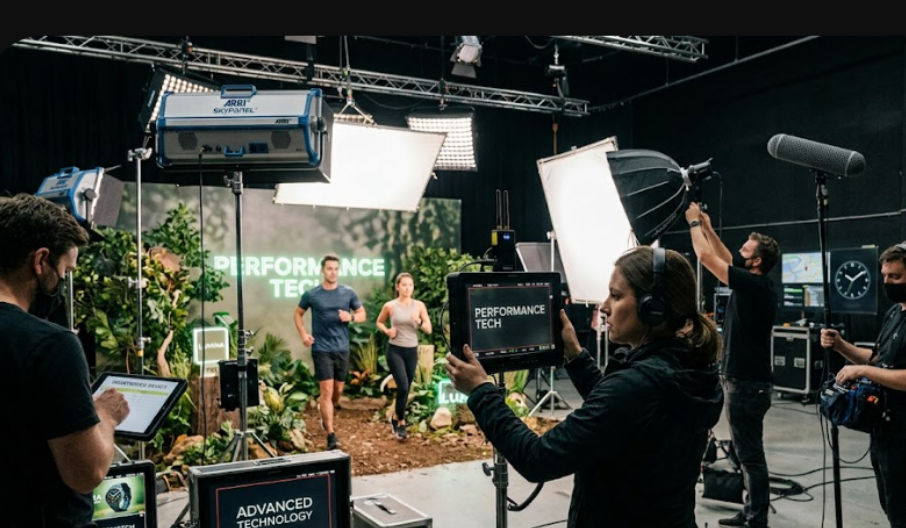
Video ads used to mean a shoot. A camera, lighting, a location, maybe a hired presenter, and a chunk of budget most small teams could not justify for a single campaign. That barrier is gone. A new wave of tools now turns a script, a product link, or even a few lines of text into a finished video ad, no filming required.
Whether you are running paid social, testing creative angles, or just need fresh content for a launch, these platforms let you produce polished video without ever picking up a camera. Here are five worth knowing.
1. Synthesia
Synthesia built its reputation on AI avatars, and it remains one of the most recognizable names in the space. You type or paste a script, choose a presenter from a large library of realistic digital humans, pick a voice, and the platform generates a talking-head video in minutes. The avatars lip-sync to your text and can speak in well over a hundred languages, which makes it a strong choice for brands selling into multiple markets.
For video ads specifically, Synthesia works best when your message is spokesperson-driven. Think explainer-style ads, product announcements, or short pitches where a friendly face delivers the value proposition directly to camera. The template library covers common ad formats, and you can drop in your logo, brand colors, and background music to keep everything on-brand.
The tradeoff is that avatar-led content can feel slightly formal for scroll-stopping social ads. It shines for professional, corporate, or B2B messaging, and it is one of the fastest ways to localize a single ad into dozens of language versions without re-recording anything.
2. Pictory
Pictory takes a different angle. Instead of avatars, it turns existing written content into video. Feed it a blog post, a script, or a URL, and it pulls relevant stock footage, adds captions, and assembles a video that matches the narrative. This makes it especially handy for marketers who already produce written content and want to repurpose it into video ads without starting from scratch.
The platform includes a large stock library, automatic scene selection, and AI voiceovers, so you can go from a paragraph of copy to a captioned, music-backed video fairly quickly. Auto-captioning is a real strength here, since most social video is watched on mute and burned-in captions dramatically improve retention.
Pictory is a good fit when your ad concept leans on visuals and text overlays rather than a talking presenter. It is popular with content marketers, course creators, and anyone converting long-form assets into bite-sized promotional clips.
3. InVideo
InVideo is closer to a full video editor with heavy AI assistance baked in. You can start from a text prompt, describe the ad you want, and let the platform generate a first draft complete with scenes, footage, voiceover, and music. From there you get a genuine timeline editor to refine everything, which appeals to people who want more creative control than a fully automated tool allows.
Its template collection is one of the largest around, with formats built specifically for Instagram, TikTok, YouTube, and Facebook ad dimensions. That template depth is the main draw. If you need a square ad, a vertical story, and a landscape version of the same concept, InVideo makes producing all three straightforward.
Because it blends automation with hands-on editing, InVideo suits teams that occasionally want to tweak pacing, swap a clip, or adjust text timing rather than accept whatever the AI produces on the first pass.
4. Creatify
The tools above are excellent at turning scripts and stock footage into video, but ad performance on TikTok and Instagram increasingly depends on content that looks native to the platform, the kind of authentic, creator-style footage audiences actually trust. That is a harder problem, and it is where the next category of tools comes in.
Creatify focuses squarely on performance advertising. Instead of generic explainer videos, it specializes in user-generated-content-style ads, the casual, authentic-feeling clips that dominate TikTok and Reels and consistently outperform polished studio spots. You paste a product URL, the platform scrapes the images and details automatically, and it generates a UGC-style video ad built around AI creators who look and sound like real people reviewing your product.
The platform includes a large roster of AI avatars styled as everyday creators, script generation tuned for ad hooks, and batch tools for producing many variations at once. For anyone whose main goal is testing creative volume on paid social, that focus on UGC ads rather than corporate explainers is the differentiator.
5. HeyGen
HeyGen rounds out the list with a strong balance of avatar quality and ad-friendly features. Like Synthesia, it centers on realistic AI presenters, but it has leaned hard into features that marketers care about, including a translation tool that not only dubs your video into another language but also matches the avatar’s lip movements to the new audio.
For video ads, HeyGen offers a growing library of templates, the ability to create a custom avatar of yourself or a brand spokesperson, and voice cloning so your ads keep a consistent vocal identity across campaigns. The custom-avatar feature is particularly useful for founder-led brands, since you can record yourself once and then generate unlimited variations without sitting in front of a camera again.
It sits comfortably between the corporate polish of Synthesia and the scrappy UGC feel of Creatify, making it flexible enough for product ads, personal branding, and multilingual campaigns alike.
Choosing the right tool
There is no single best platform here, only the best fit for what you are trying to do. If you need multilingual spokesperson videos at scale, Synthesia and HeyGen lead. If you are repurposing written content into visual ads, Pictory is the natural pick. If you want template variety with editing control, InVideo delivers.
For high-volume paid social, the real advantage comes from being able to generate UGC ads without hiring creators, since sourcing, briefing, and paying influencers for every creative variation is slow, expensive, and rarely scales. Removing that step lets you spin up dozens of hooks and angles in an afternoon, then push the winners straight to your ad accounts.
The bigger takeaway is that producing video ads no longer requires a production budget or a camera crew. A laptop, a clear message, and the right platform are enough to ship professional creative in an afternoon. The smartest approach is often to test a couple of these against your own workflow, since the tool that saves you the most time and produces the best-performing ads is the one worth paying for.