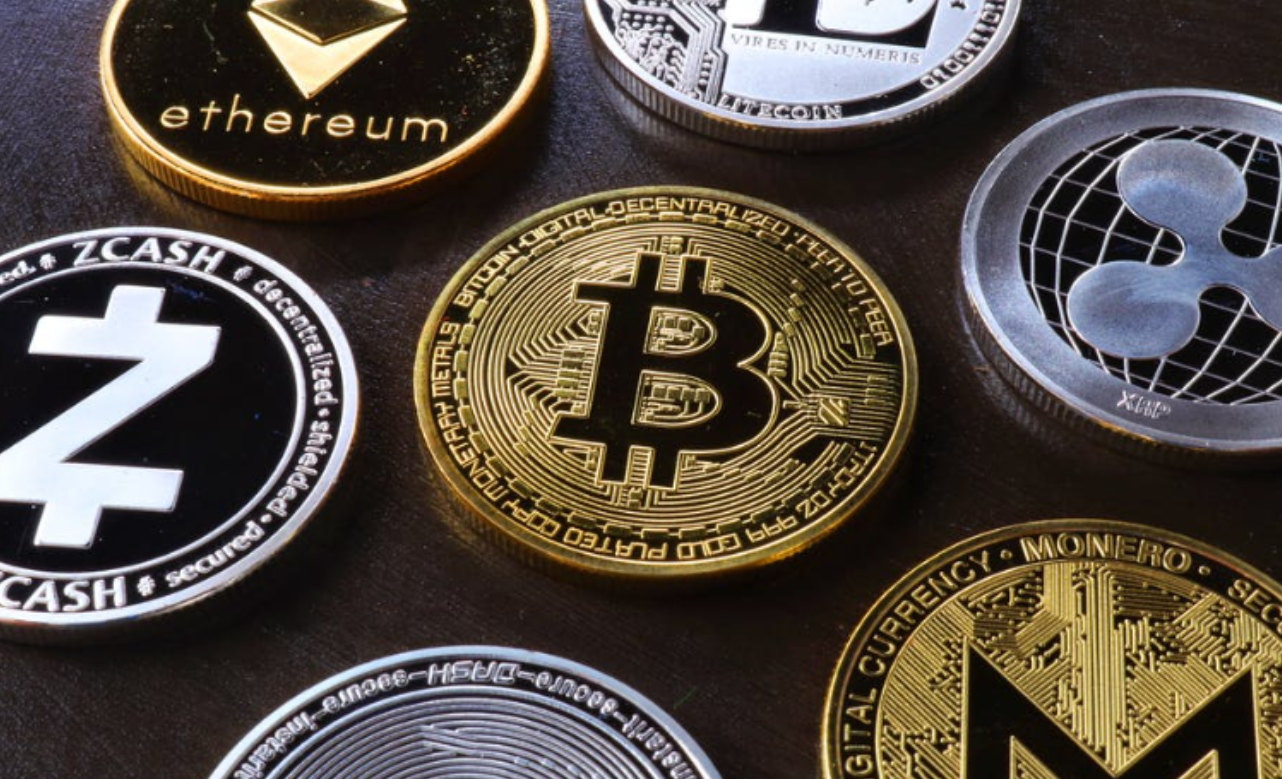
The way people hold and manage wealth is undergoing a quiet change, as digital finance is no longer a small experiment for tech fans. Digital systems are transforming major investment portfolios across the globe as people look for modern solutions to grow their net worth. Let us examine the major trends currently moving the needle for investors worldwide.
Self-Managed Portfolios Pivot Fast
Individual investors are seizing control of their retirement wealth through personalized structures. Many Australians are consulting with SMSF crypto accountants to construct compliant strategies that balance risk and reward. Experienced advisors guide these trustees through the complex tax rules surrounding blockchain transactions.
Approximately 70% of new self-managed funds plan to allocate capital to digital tokens. A high interest level highlights a major structural change in retirement planning. The trend shows that digital finance is no longer just for younger retail traders.
Spot Vehicles Gain Traction
Institutional access to digital tokens has reached a major tipping point, with many wealth managers now using exchange-traded funds to secure exposure for their clients. An industry survey revealed that 66% of institutional participants now hold digital assets through spot funds. That represents a steady climb from the prior year’s figure of 64%.
Stablecoin Dominance Keeps Expanding
Fiat-pegged digital assets are the connection between traditional banking and the blockchain ecosystem. Stablecoins saw their transaction value reach a massive $24 trillion. Roughly 92% of that total was linked directly to crypto trading activities and on-ramp or off-ramp services. Users value these tokens for their price stability and high transaction speed.
Many global enterprises now look at these pegged assets as legitimate tools for cross-border payments. The ability to settle international invoices instantly changes how businesses manage their working capital. Companies can bypass traditional intermediary banks that slow down payments.
Sovereign Interest Reshapes Infrastructure
Governments worldwide are realizing they cannot ignore the rise of decentralized currencies. Several nations are actively testing central bank digital currencies to modernize their local economies. State-backed tokens aim to combine the speed of blockchain with the security of traditional government fiat.
Sovereign involvement adds a layer of trust that might encourage hesitant institutions to enter the space. Public infrastructure projects are beginning to integrate blockchain ledgers to improve transparency in public spending.
Regulatory Clarity Drives Wealth Management
Clearer legal frameworks are replacing the old, unpredictable rules of the past. Regulators in Europe and Asia are establishing structured guidelines for digital platforms. Clear expectations help custody providers protect consumer assets from fraud and hacking incidents.
Wealth managers look for specific safety features before advising clients to invest in digital tokens. Here are the main elements they evaluate:
- The registration status of the custodian platform
- The presence of local insurance policies against digital theft
- The audit history of the underlying blockchain protocols
- The compliance of the asset class with local tax laws
High Net Worth Families Adapt
Family offices are moving away from treating digital tokens as high-risk bets. They now view blockchain assets as standard components of a balanced, long-term wealth strategy. Traditional wealth preservation now requires a basic understanding of decentralized systems.
Wealthy families use private wealth structures to pass down digital keys to the next generation. Secure estate planning has expanded to include multi-signature wallets and offline storage devices. These measures protect generational fortunes from unauthorized access or technological obsolescence.
Tokenization Redefines Tangible Assets
Physical assets are moving onto blockchain networks through the process of tokenization. Fractional ownership allows individuals to buy small shares of commercial buildings or gold reserves. Buying fractional shares opens up previously exclusive markets to everyday retail investors.
Liquid markets are forming around assets that used to take months to sell. Tokenized property contracts can be traded on compliant digital exchanges. Liquidity reduces the friction associated with traditional property transactions.
Financial Institutions Build Custody Services
Major investment banks are building their own secure custody platforms. They recognize that clients prefer keeping all their assets under one trusted roof. Legacy institutions are upgrading their legacy software systems to support multi-asset portfolios.
Secure custody is the foundation of mature financial ecosystems. Banks are partnering with specialist cryptography firms to build reliable backup systems. Safeguarding digital keys is now as important as keeping cash safe in physical vaults.
Education Bridges The Digital Divide
Educational programs help investors understand blockchain mechanics. Financial advisors are spending more hours teaching clients how to manage digital portfolios safely. Clear knowledge reduces the anxiety associated with emerging financial technology.
A better knowledge of market cycles helps people avoid making panic decisions during downturns. Dedicated media platforms provide detailed guides on decentralized applications and network updates. Better education builds a more stable investor base for the future.

The movement of wealth into digital assets is growing. From pension funds to multi-generational family offices, the shift toward decentralized finance is clear. Managing these new assets comes with a mix of traditional discipline and modern technological understanding. The future of global wealth is being written on the blockchain today.