Questions this article answers
- Why does a flatter foldable screen make active gaming more comfortable?
- What makes the OPPO Find N6 different from earlier foldable phones?
- Why could this launch matter for the future of premium foldables?
Foldables have spent years promising two devices in one, but the real test has never been the hinge alone. It has been whether the opened screen feels complete. If the inner panel still looks or feels like a compromise, the appeal fades the moment your thumb crosses the middle. That is why the OPPO Find N6 feels more important than a routine flagship refresh, and is fundamentally different from the previous Find models.
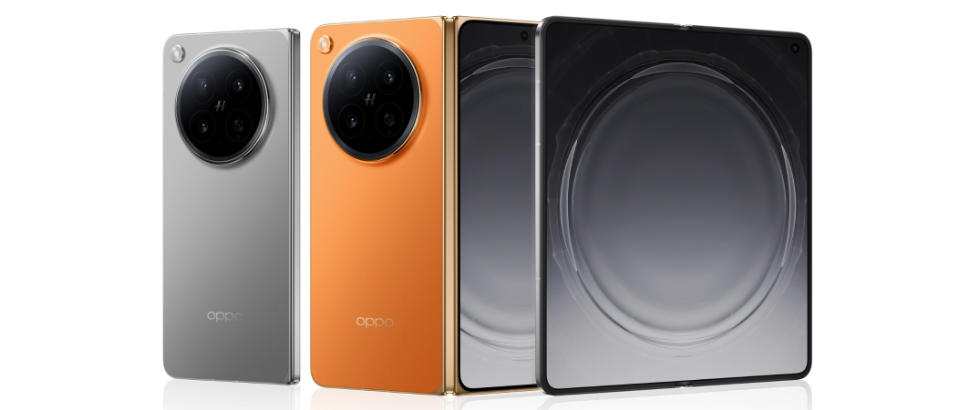
Announced globally on March 17, 2026, and available from March 20, it brings together an 8.12-inch inner display, a 6.62-inch cover screen, an 8.93 mm folded body, a 225 g weight, and a 6000mAh battery. Those are strong specs on their own, but the bigger story is OPPO’s “Zero-Feel Crease” claim, which goes straight at the one design issue that has made many foldables feel slightly unfinished.
That makes this launch timely in a way that goes beyond marketing language. In a recent hands-on, Tom’s Guide said the Find N6’s crease was “barely noticeable” when a finger moved across the center of the display. For informed readers, that is the kind of detail that matters, because it suggests a shift in how premium foldables are now judged.
Why a flatter screen matters during active play
The most persuasive case for this phone may be a very specific one: people who do not just look at the inner display, but keep working across it with both thumbs and short, repeated gestures. That is where the absence of a noticeable crease becomes more than a visual win. It becomes a comfort win. On this device, the inner screen is 8.12 inches with a 2480 x 2248 resolution, up to 120Hz refresh, and up to 240Hz touch sampling. That already gives the screen a tablet-like feel. But the more important change is the flatter middle section, which makes the whole panel feel closer to one continuous surface.
Table games benefit more than passive viewing
This is especially useful for casino table games you can play online, because those titles are built around constant, deliberate contact. A player is not just watching animation. They are tapping betting spots, placing chips, checking card layouts, opening side menus, and making fast, precise inputs again and again. In that kind of play, the center of the screen matters a lot. On a foldable with a more obvious ridge or dip, the middle can pull attention at exactly the wrong moment. It can break the visual flow of a betting grid, interrupt the clean lines of a card table, or simply make repeated swipes feel less smooth than they should.

This is an illustration of a roulette game on a mobile screen, just showing how complex and detailed its layout can be, and how it can benefit from the new OPPO foldable.
That is why this design is particularly well suited to casino table games compared with many earlier foldables. In blackjack, baccarat, roulette, and similar formats, the interface is full of straight lines, small regions, and repeated taps. The flatter the surface, the less the finger has to register a change in feel while moving from one half of the display to the other. That sounds minor until you remember how often those motions happen in a single session. A cleaner center line also helps the eye stay on the layout itself, rather than on the hardware. On a big fold-out screen, the extra space can make things feel easier and calmer. It can be easier to place chips, read the card history, and look at extra information.
The hinge design changes the feel of long sessions
OPPO says its new hinge makes the phone surface more even, with a height difference of only 0.05 mm, and that it can reduce the screen crease by up to 82% compared with the older model.
Independent UX guidance on fold-out phones also points to the value of larger viewports and lower interaction cost on large screens, especially when users move into two-handed, more deliberate touch patterns. Put together, that makes this kind of foldable a notably good fit for players who want long sessions on a screen that stays out of the way.
The timing looks right for book-style foldables
The Find N6 is not arriving into a vacuum. It is landing at a moment when the foldable market is getting more focused about what kind of device people actually want. The broad trend is not just “more foldables.” There is more interest in book-style foldables that open into a larger work and play surface. That matters because this is the format where display quality, screen flatness, and day-to-day comfort matter most.

CNET has already reported the rumors on a creaseless iPhone coming this year. This can be a powerful challenge for the OPPO phone.
Screenshot from: Here
Premium phones now win on feel, not just feature lists
The bigger smartphone market also helps explain why these improvements matter. IDC says that in 2025, about 1.26 billion smartphones were shipped around the world. It also said that two top premium phone brands together reached 39% of the market.
This shows something simple: people are still willing to pay for expensive phones when the improvement feels real and easy to notice. One IDC expert said that buyers are moving more toward higher-end phones.
That is important to remember when thinking about foldable phones in 2026.
Premium buyers do not want novelty by itself. They want polish. They want a camera bump that feels justified and never compromises the quality of picture, from the most tech savvy users to a friend we all have:
Combined with a battery that lasts, software that makes the large screen useful, and hardware that does not ask them to forgive obvious trade-offs, Find N6 could matter beyond its own launch window.
For years, foldables sold the idea of possibility. Devices like this are starting to sell the idea of ease. That is a much stronger reason to upgrade, and it is why this launch may end up looking important in hindsight.
The Find N6 matters because it pushes foldables closer to the point where the hardware stops asking for patience. If the crease stops being part of the conversation, the category can finally be judged by usefulness, and that is when it gets serious.