Irish fintech increased almost 300% in 2024

2024 was a positive year for the Irish fintech market, with funding reaching $237.95 million across 25 deals; this was a significant increase (291%) compared to last year were $60.83 million was raised across 11 deals, according to the Pulse of FinTech H2’24—a bi-annual report published by KPMG highlighting global fintech investment trends.

The data includes the $109 million buyout of Dublin-based software company SoftCo by Keensight Capital, making it the largest fintech deal in Ireland in 2024. Other notable deals for the period were ones by mobile payment platform CleverCards and CreditLogic, a Dublin-based fintech both raising just over $8.6 million and $3.7 million respectively.

But fintech levels in Ireland was an outlier. Global investment dropped from $119.8 billion across 5,382 deals in 2023 to a seven-year low of $95.6 billion across 4,639 deals in 2024. A perfect storm of factors combined to soften investor appetite, including macroeconomic challenges, geopolitical conflicts and tensions, a year of elections in major jurisdictions, and concerns about valuations and the lack of exits.

Fintech investment in EMEA region sinks to $20.3 billion—lowest total since 2016

Fintech investment in the EMEA region fell from $27.6 billion across 1,833 deals in 2023 to just $20.3 billion across 1,465 deals in 2024. H2’24 also saw a significant drop compared to H1’24—from $13 billion across 820 deals to just $7.3 billion across 645 deals.

Irish fintech ecosystem shows resilience

Commenting on fintech activity in Ireland during 2024, Ian Nelson, Head of Financial Services & Regulatory at KPMG in Ireland, said: “The Irish fintech sector’s remarkable growth in 2024, with a staggering 291% increase in investment to $237.95 million, underscores its resilience and potential. Despite global investment falling to a seven-year low, Ireland’s innovative spirit and robust ecosystem have set it apart as a beacon of progress in a challenging economic landscape.”

Nelson adds“Early-stage deals are thriving, driven by interest in AI and innovative business modelsThis growth is even more impressive given the macroeconomic challenges, geopolitical conflicts, and election uncertainties that have dampened investor appetite globally, and a testament to the strength and adaptability of our fintech ecosystem.”

Focussing on H2’24, Ireland’s fintech sector recorded $97.15 million in M&A, venture capital and private equity transactions across five deals. This reflects a significant increase from the $1.61 million for the same period last year.

Global Highlights 2024 

  • Global fintech investment fell from $119.8 billion across 5,382 deals in 2023 to $95.6 billion across 4,639 deals in 2024.
  • The Americas attracted $63.8 billion in fintech investment across 2,267 deals in 2024, of which the US accounted for $50.7 billion across 1,836 deals; the EMEA region attracted $20.3 billion across 1,4645 deals, while the ASPAC region attracted $11.2 billion across 896 deals.
  • Global M&A deal value fell from $60.2 billion to $49.6 billion between 2023 and 2024; while H2’24 was softer than H1’24, M&A deal value rose from $7.4 billion to $14.2 billion between Q3’24 and Q4’24.
  • PE investment declined significantly, falling from $10.5 billion in 2023 to just $2.6 billion in 2024, while VC investment saw a modest drop from $49.2 billion in 2023 to $43.4 billion in 2024.
  • Payments was the strongest area of fintech investment globally in 2024, with $31 billion in investment compared to just $17.2 billion in 2023; other sectors that saw investment rise year-over-year included digital assets and currencies —from $8.7 billion to $9.1 billion, regtech—from $4.4 billion to $7.4 billion, proptech—from $1.9 billion to $3 billion, and wealthtech—from $190 million to $400 million.
  • Corporate VC-participating investment globally fell from $26 .9 billion in 2023 to $19.6 billion in 2024; only the EMEA region saw corporate investment in VC deals rise—from $5.1 billion to $5.8 billion year-over-year. The Americas saw CVC drop from $13.8 billion to $9.9 billion, while ASPAC saw CVC investment drop from $8.0 billion to $3.9 billion.

EMEA Trends to watch for in H1’25

  • Continued investment in regtech given the ongoing evolution of regulations and the complexities associated with compliance.
  • Growing interest in the development of AI agents able to act independently, particularly in areas like AML and financial crime detection.
  • Increasing regulatory burden acting as a potential driver for consolidation.
  • Continued focus on secondary transactions given subdued IPO environment
  • Further development of the digital euro and its ecosystem changing the game for investment, use case development, and the enhancement of an ISV ecosystem.

Report

92% of Developers Report AI Agents Will Help Advance Their Career

More than 9 in 10 developers are excited about AI’s impact on their careers, and an overwhelming 96% expect it to change the developer experience for the better. Salesforce’s latest State of IT survey of software development leaders‌ also reveals that 86% believe AI agents will become as essential to app development as traditional software tools.

The large global study of more than 2,000 software development leaders, including 50 from Ireland, highlights near unanimous excitement about agentic AI. Developers are not only looking to agents to unlock greater efficiency and productivity, but 92% believe agentic AI will help them advance in their careers. Some developers, however, believe that they, as well as their organisations, need more training and resources to build and deploy a digital workforce of AI agents.

Why it matters: Developers have often been painted as wary of AI, but new research reveals developers are enthusiastic about the industry’s shift to AI agents. The arrival of agentic AI provides developers with the opportunity to focus less on tasks like writing code and debugging and grow into more strategic, high-impact work. And with developers increasingly using agents powered by low-code/no-code tools, development is becoming faster, easier, and more efficient than ever — regardless of developers’ coding abilities.

Salesforce perspective: “AI agents are revolutionising the way developers work, making software development faster, more efficient, and more enjoyable. This powerful digital workforce streamlines development by assisting with writing, reviewing, and optimising code — unlocking new levels of productivity. By automating tedious tasks like data cleaning, integration, and basic testing, AI agents free developers to shift their focus from manual coding to high-value problem-solving, architecture, and strategic decision-making.” – Alice Steinglass, EVP & GM, Platform, Integration and Automation


By the numbers:

Developers are enthusiastic about agentic AI and its impact on their career

Respondents are excited for agents to take on simple, repetitive tasks, freeing them up to focus on high-impact projects that contribute to larger business goals.

  • 96% of developers are enthusiastic about AI agents’ impact on the developer experience.
  • Developers are most eager to use AI agents for debugging and error resolution, then for generating test cases and building repetitive code.

https://public.tableau.com/views/DevelopersExpectedImprovementsfromAIAgents/Embed1?:language=en-US&publish=yes&:sid=&:redirect=auth&:display_count=n&:origin=viz_share_link

  • The arrival of agentic AI comes at a time where 92% of developers are looking to measure their productivity based on impact over output.
  • With the help of AI agents, developers believe they’ll focus more on high-impact projects like AI oversight and architecting complex systems.

https://public.tableau.com/views/DevelopersExpectedFocusAreaswithAIAgents/Embed2?:language=en-US&:sid=&:redirect=auth&:display_count=n&:origin=viz_share_link

Low-code/no-code tools help developers unlock greater productivity, regardless of coding skills

With agents powered by low-code/no-code tools, developers of all levels can now build and deploy agents. Respondents believe these tools will help democratise and scale AI development for the better.

80% of developers using agentic AI currently use low-code/no-code tools.
78% of developers say that low-code/no-code tools can help democratise AI development.
90% of developers say that the use of low-code/no-code app development tools can help scale AI development.

The customer view: Secret Escapes offers discounted luxury travel hotels and luxury across the globe and is using Agentforce to deliver more efficient customer support to unique and last-minute requests from its travellers. With Salesforce’s low-code Agent Builder tools, the Secret Escapes developer team was able to build, test, and launch their AI agent in just two weeks, compared to the six months it had previously taken the company to build and train a bot.

Developers are eager for more resources to build AI agents

Developers say updated infrastructure and more testing capabilities and skilling opportunities are critical as they transition to building and deploying AI agents.

  • Infrastructure Needs: Many developers (84%) believe their organisation needs to update their infrastructure to build/deploy AI agents.
    • 42% of developers say their data quality and accuracy isn’t sufficient for the successful development and implementation of agentic AI.
  • Testing Capabilities: Nearly half (46%) of developers say their testing processes aren’t fully prepared to build and deploy AI agents.
  • Skills and Knowledge: Almost 7 in 10 (68%) developers believe AI knowledge will soon be a baseline skill for their profession, but over half (54%) don’t feel their skillsets are fully prepared for the agentic era.
    • Survey respondents identified training on technical AI skills and redefining current roles as the most important areas for employers to provide support.

 Go deeper:

Data is sourced from a software development leader segment of a double-anonymous survey of IT decision-makers conducted from December 24, 2024 through February 3, 2025. Respondents represent Australia, Belgium, Brazil. Canada, Denmark, Finland, France, Germany, India, Indonesia, Ireland, Israel, Italy, Japan, Mexico, the Netherlands, New Zealand, Norway, Portugal, Singapore, South Korea, Spain, Sweden, Switzerland, Thailand, the United Arab Emirates, the United Kingdom, and the United States.

Additional data was collected among nearly 250 frontline developers, in partnership with YouGov, in the United States from February 14 through February 21, 2025.

Workhuman’s Human Intelligence 2025 Release

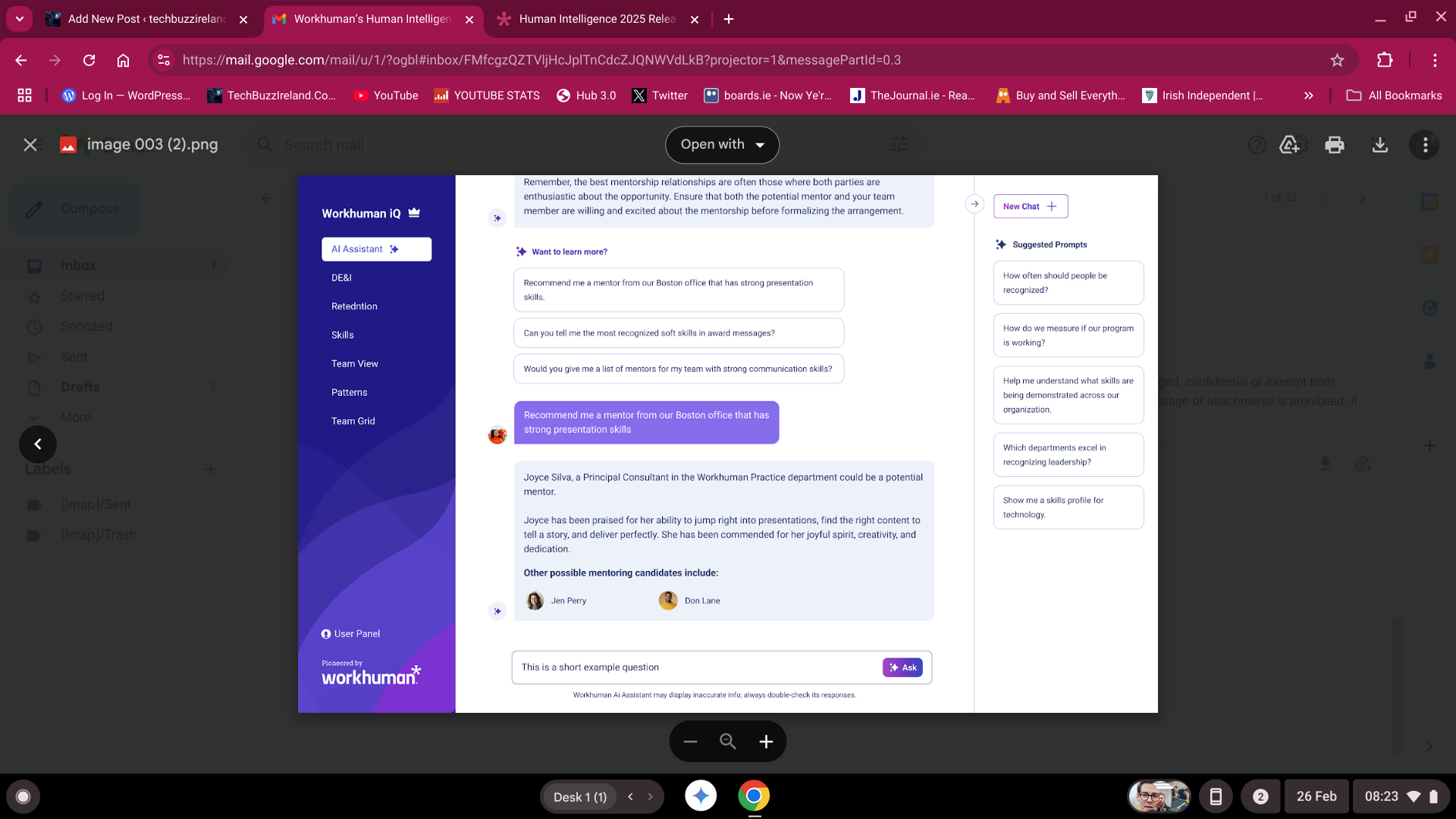
Workhuman, the most successful Irish-born technology company and the world’s #1 employee recognition provider, has once again raised the bar in HR technology by announcing The Human Intelligence 2025 Release, the biggest launch in company history. During Workhuman’s first-ever digital event, hosted by founder and CEO Eric Mosley, the company showcased its next-generation data and AI innovations designed to empower leaders and employees with actionable, real-time insights that encourage more engaged, inclusive, and productive company cultures. The Human Intelligence 2025 Release reimagines how HR leverages data to transform the HR technology category. It will have a positive impact on the future of HR by way of improved efficiencies scaled across an entire organisation.

The Human Intelligence 2025 Release supercharges Workhuman’s Social Recognition platform, embedding into everyday workflows AI-powered features such as Workhuman iQ Snapshots, Recognition Advisor, Culture Hub, and Reward Stories. These easy-to-use tools ensure that employees’ shared recognition moments equip HR leaders with the most impactful data and insights that contribute to business ROI. The result is Human Intelligence, which delivers unparalleled clarity on workforce dynamics, turning every recognition moment into an opportunity for cultural and business transformation.

“Workhuman’s Human Intelligence platform brings AI to a valuable new source of business information: employee recognition and feedback,” said Josh Bersin, Global HR Industry Analyst, CEO and Founder of The Josh Bersin Company. “This information helps leaders identify individual and organisational strengths, weaknesses, skills, and opportunities for development in an exciting new way.”

The Human Intelligence 2025 Release includes:

  • Workhuman iQ Snapshots – Real-time, powerful insights that highlight the impact recognition has on retention and engagement as well as skill-based insights that are crucial to professional development and talent management. By democratising data for all employees, these insights empower smarter decision-making that drives performance and strategic growth. This feature elevates recognition by delivering data and research-based insights before and after users take action within the platform. Snapshots provide leaders with actionable intelligence to strengthen teams, reduce turnover, and unlock key skills – all fueling growth and organisational excellence.

  • Recognition Advisor – A real-time AI coach that trains users how to deliver recognition that amplifies every “good job” and “thank you” message to be more personal, meaningful, and tied to company values. Recognition Advisor provides customer-specific, practical example language that helps elevate the award message using AI. Embedding Workhuman’s Recognition Done Right principles ensures program success while ensuring each award message has the greatest impact on the individual. This builds confidence, streamlines thoughtful recognition, and boosts engagement in real time. Beyond driving participation, it generates high-quality, actionable insights into skills, culture, retention, and performance – empowering organisations with strategic Human Intelligence™ to thrive.

  • Culture Hub – A personalised, AI-powered Hub that curates relevant recognition moments while showcasing impactful recognition moments that support key initiatives and company values while strengthening employee collaboration and motivation. Culture Hub drives global participation, generates transformative insights, and amplifies recognition with viral momentum to sustain engagement and program success. Highlighting personalised content reinforces company values at scale, aligns with business objectives, and instills positive behaviors in the long-term. Designed to include everyone—from new hires to seasoned employees—Culture Hub fosters belonging and empowers active participation across the entire workforce.

  • Reward Stories – Sharable, feel-good recognition moments that represent the life-enriching impact that recognition and redemption have on employees. Thes posts allow award recipients the opportunity to express their gratitude for the coworkers who recognise them and the company that provides such opportunities. Reward Stories, featured on the Culture Hub, also gives nominators the ability to pause and reflect on the shared success, hard work, collaboration and support they’ve encountered while motivating other employees to pursue such experiences through their contributions at work.


“Human Intelligence is an entirely new way of approaching data, using it to empower humans with the knowledge they need to lead with purpose and compassion,” said Mosley. “Embedding culture and insights into the flow of work enables organisations to cultivate magnetic workplace environments where every recognition moment drives meaningful business outcomes.”

These intuitive, powerful tools – individually and combined – give organisations the resources and capabilities to do recognition right. They surface content that celebrates the goodness of making work human and brings a company’s culture and values to life in real-time.

“AI and data are tools—but humanity is the foundation,” Mosley continues. “Human Intelligence is a testament to our belief that when organisations recognise and understand their people, they unlock their greatest potential. The future of work is human.”

“One of the things that sets Workhuman apart is its ability to be really sophisticated about telling a story with the data,” said Lisa Monaco, SVP, Employee Experience at Moody’s. “Workhuman is doubling down on that through the Human Intelligence tools – and the functions embedded in the organisation, like Workhuman iQ, which can really do this work and be an extension for our companies. I think this is so very valuable.”

To learn more about the innovations announced in Workhuman’s Human Intelligence 2025 Release, please watch the full digital event here. For more information about how a Workhuman-powered Social Recognition program can help organisations get the most from their people, AI, and HR investments, please visit www.workhuman.com/platform/social-recognition/.

eir ‘2024 Year in Data’ Report Highlights Ireland’s Digital Connectivity and Evolving Habits

eir, Ireland’s largest telecommunications provider, today published its annual ‘2024 Year in Data’ report, showcasing key digital trends across the country. The report offers a detailed view of Ireland’s evolving digital habits, spotlighting notable shifts in home broadband, mobile, and TV usage over the year.

In 2024, Fibre to the Home (FTTH) traffic saw an increase of 38.4%, reflecting the growing demand for high-speed internet across the country. On average, each household used 5,494 Gigabytes (GB) of broadband data in 2024, whereas households with fibre broadband used on average 6,888 GB over the same period.

2024 was also a year of major concerts and events. While Taylor Swift may have dominated headlines, the NFL outperformed her in data usage at the Aviva Stadium. Meanwhile, fans of Pink made more phone calls than Taylor Swift’s audience during their respective summer performances. When it came to sport, football proved to be the nation’s preferred choice, with soccer fans driving higher data usage and phone call activity compared to rugby supporters.

In terms of TV, the Euros 2024 final surpassed The Late Late Toy Show as the most streamed event of the yearOn the fixed broadband side, gaming events and chapter releases were the biggest traffic drivers, with the Fortnite update in November claiming the title for the busiest night of the year.

Commenting on the report, Fergal McCann, eir’s Chief Technology Officer said: “In 2024, Irish people have fully embraced technology, both in their home and at major events like Taylor Swift’s Era’s tour. Our ‘2024 Year in Data’ report highlights a clear shift towards more connected, data-driven lifestyles, with a remarkable 38% rise in Fibre to the Home traffic.  This growth reflects the increasing demand for faster, more reliable internet as households, businesses, and communities rely on high-speed connectivity for everything from smart devices in their home to gaming.

At eir, we’re proud to be leading this transformation, continuously investing in next-generation infrastructure to support the changing needs of Ireland’s digital future. As technologies like AI, fibre broadband, and 5G continue to shape our connected world, we remain committed to ensuring our network helps Ireland stay connected and thrive in the digital age.”

2024 key highlights

 Fixed Broadband 

  • Total broadband data usage in 2024 increased by 7.3% versus 2023, with 5,202 Petabytes (PB)  in 2024 v 4,847 PB  in2023
  • Fibre-to-the-Home broadband data increased by 38.4% in 2024 at 2,971 PB, up from 2,146 PB in 2023
  • The most traffic over a single day was 21.8 PB on Saturday 02 November 2024
  • On average, each household used 5,494 Gigabytes (GB) of broadband data in 2024, whereas households with fibre broadband used on average 6,888 GB over the period.
  • The lowest data usage for fixed broadband in 2024 was on Friday 10 May 2024 at 11.6 PB
  • On average, Sunday was the highest data usage day of the week across 2024
  • The total broadband usage across eir’s network (5,202 PB) is the equivalent of 260 billion hours gaming, 15.3 billion hours video chat, 2.6 billion hours film streaming or 800 billion songs streamed

Mobile Network Data

  • The busiest mobile data day in 2024 was July 14th during the Euro Final Spain v England, while June 29th for the Dublin Pride event and July 13th with both Down & Armagh supporters flocking to Croke Park were the busiest days for Roaming customers in Ireland,
  • July and August recorded the highest overall data usage, while May and January saw peaks in voice call activity.
  • The busiest day for outbound roaming was the August Bank Holiday, with many people out of the country.

eir TV 

  • The Euro Final Spain v England on 14th July was the most watched event on eir TV in 2024
  • RTÉ’s Late Late Toy Show on 6th December came in as second most watched. At its peak, the Toy Show accounted for 64% of eir TV viewers down from last year when it accounted for 82% of eir TV viewers
  • Sport accounted for 8 out of the top 10 most viewed listings on eir TV in 2024
  • The Paris Olympics took two of the top 10 most viewed listings in 2024

Key Trends from 2024

  • The Rise of In-Home Devices
    Irish households are rapidly adopting smart technology, with smart security solutions nearly doubling to 30% since 2022 and smart appliances growing to 14% (CSO figures). Over 75% now use internet-connected TVs, while smart wearables and health monitoring tools continue to rise, driving demand for robust broadband to power connected homes.
  • Changing Lifestyles: How AI is Transforming Telco Services
    AI-driven technologies are enabling telcos like eir to deliver smarter, faster, and more responsive services. From optimizing network performance to enhancing customer support, AI is helping providers meet evolving digital habits and user expectations.
  • Future-Proof Technologies Shaping the Way We Live
    The adoption of fibre broadband and 5G is transforming digital lifestyles, with fibre usage up 38% in 2024. These technologies support data-intensive activities like UHD streaming, gaming, and smart home ecosystems, laying the foundation for next-generation connectivity.

Lero technological research could enable older people to live independently reducing the stress for them and those who support their self-reliance

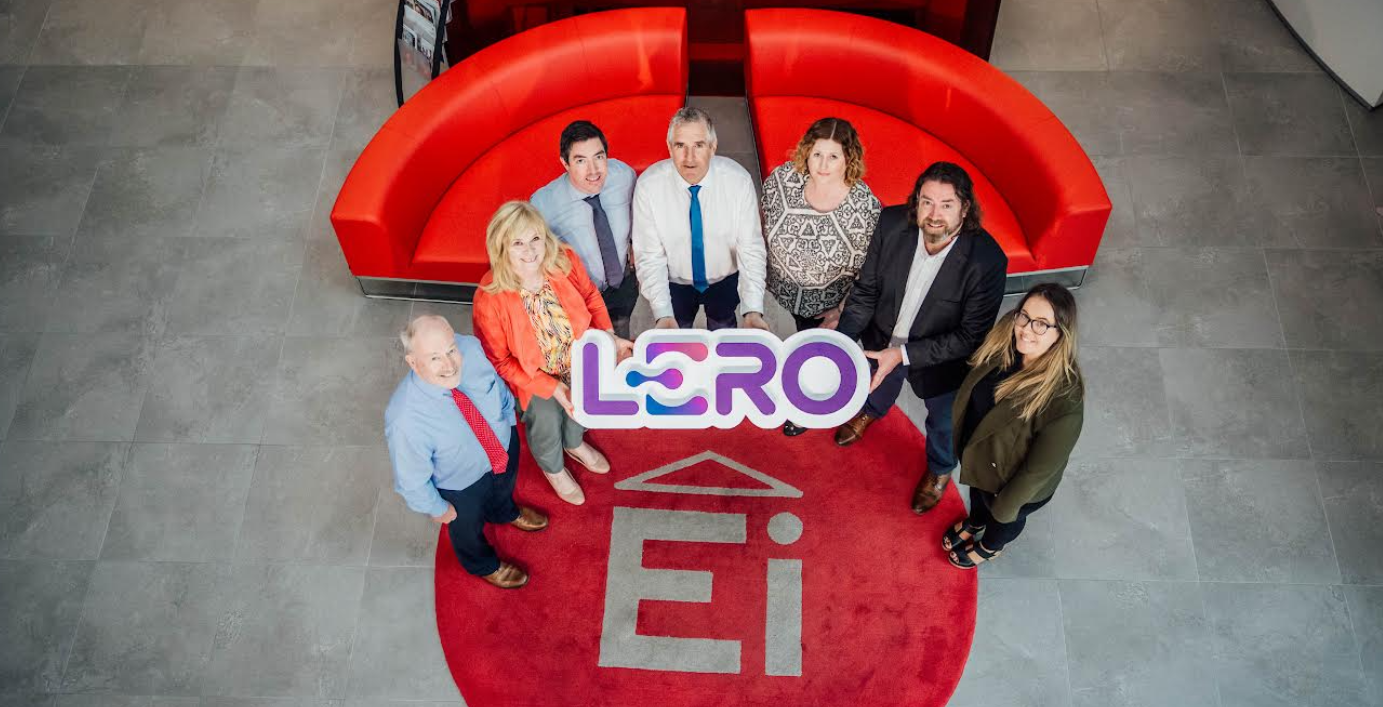
Improving technology-enabled home care for older people to help Ireland reduce the annual €500 million impact on the economy from people falling – especially those over 65 – is one of the goals of a new interdisciplinary research programme at Lero, the University of Limerick-based Research Centre for Software.

A two-year €140,000 research programme focussing on technology-enabled care (TEC) in home environments is being part-funded by Shannon-headquartered Ei Electronics, one of Ireland’s leading indigenous electronics manufacturing and exporting companies, employing 1,250 worldwide.

Lero researcher Associate Professor Katie Crowley said that while technology-enabled care (TEC) in home environments currently has support items such as motion sensors and panic buttons, the innovative development and use of technology can help people function safely and remain at home longer.

Dr Crowley, who is also attached to The Ageing Research Centre (ARC) at the University of Limerick (UL), added: “One example of this is in relation to falls. The National Health Service in the UK report that approximately 1 in 3 adults over 65 years and half of people over 80 will have at least one fall a year.  “In Ireland, the economic impact of falls is €500 million annually, according to data from the Health Service Executive. For the elderly, having a fear of falling significantly increases the chance of having a fall, and emerging evidence suggests that having monitoring technology reduces this fear, leading to improved mobility for the older person,” added Dr Crowley, who lectures in the Department of Computer Science and Information Systems at UL.

Lero lead researcher Prof. Ita Richardson believes a growing need exists to modify and integrate occupational home practice with innovative technology and software, changing homecare significantly for older people who often have cognitive, physical, caregiving and healthcare needs. “Initially, we need to understand how older people’s lives and the lives of their formal and informal carers could change through TEC,” said Prof. Richardson, who also shares her expertise with ARC.

The Lero team also includes Dr Ann-Marie Morrissey, who brings occupational therapy expertise to the project.

Ei Electronics head of research and development Mike Keegan said they are delighted to work with Lero, whose work in connected health, driverless vehicles, smart communities, and other areas is world-leading.

“At Ei Electronics, we are all about deploying dependable technologies to improve people’s living environment today and into the future. Where lives are at risk, especially among older adults living independently, nothing can be left to chance, and we hope this programme can make life less stressful for those living by themselves and those supporting that independence,” he added.

New LeanBPI report highlights appetite for digital transformation among small businesses

 LeanBPI, the Irish digital growth consultancy for SMEs and microenterprises, today announces the launch of a new report aimed at supporting the essential digital transformation of small businesses in Ireland. The report, “Exploring Technology Readiness of Irish Small Businesses”, was launched in the presence of Minister of State for Digital Transformation Dara Calleary T.D. It found a strong appetite amongst this cohort for digital transformation while also identifying challenges to its adoption.

Conducted in partnership with the LEO Network, LeanBPI surveyed owner-managers of microenterprises and small businesses across the country to determine their digital fitness level and identify their technology readiness profile, ranging from Avoiders to Explorers. This profile is then used to prescribe the best course of action in driving digital adoption for that business.

According to CSO data, there are nearly 350,000 businesses* of this size in Ireland, yet they risk being left behind as they often lack the in-house skills and budgets required for digital transformation. The report identified the need for tailored strategies to support them at various stages of readiness, focusing on customised training, promoting a culture of innovation to meet specific needs, and addressing barriers to technology adoption.

Highlighting the potential benefits of adoption, 87% of those surveyed said the digital technology that they used significantly enhanced their productivity. However, the need for support to maximise these benefits was clear as just 60% said they were satisfied with the digital tools they were currently using. Showing respondents’ desire to move with the times, nearly two-thirds (63%) cited relationships with customers, employers and peers as the main reason for adopting digital technology.

The report recognised the role of existing Government supports for driving digital transformation in small businesses. These include the Digital for Business initiative, as well as the Grow Digital vouchers, which provide grants of up to €5,000 for software subscriptions, training and configuration. Expanding on these, it recommended an adaptive policy framework to annually assess the effectiveness of current policies, as well as targeted data collection to inform future policies and tailored interventions that address sector-specific needs.

Co-written by LeanBPI managing director John O’Shanahan and Professor Anuragini Shirish, Institute Mines-Télécom Business School, France, the report was launched at Breaffy House Hotel, Co. Mayo by Minister of State for Digital Transformation Dara Calleary, TD, and John Magee, Chairperson, Local Enterprise Office (LEO) Network.

Commenting on the research, Minister Dara Calleary said, Small businesses and microenterprises are of huge significance to the Irish business sector. As Minister of State for Digital Transformation, it is very encouraging to see the enthusiasm that these organisations have for adopting digital tools, driven by Government supports. Knowing that through them, even businesses with only a handful of employees see digital transformation projects as realistic goals gives us confidence that the sector is ready to embrace the future.   

John Magee, Chairperson, LEO Network, “LEOs are working daily with small businesses to support their digital journey, which enhances their productivity and competitiveness, builds resilience and drives innovation. This report highlights that there is a genuine appetite among small businesses for digital transformation and emphasises the value of our Digital for Business and Grow Digital supports. While small businesses face constant challenges, there is relevant and practical support available from their Local Enterprise Office”.

John O’Shanahan, managing director, LeanBPI, commented, “What we see in this sector is a strong desire to transition into the digital world and seize the opportunities it brings. By collaborating strategically with all stakeholders and building on existing supports, we can help Irish entrepreneurs realise their businesses’ full potential. Together, we aim to make a meaningful impact at the local level, fostering innovation, resilience, and lasting benefits for communities while positioning Ireland as a global leader in small business digitalisation.”

Nine in ten CFOs in Ireland feel decisions about financial strategy are made without sufficient data or insight

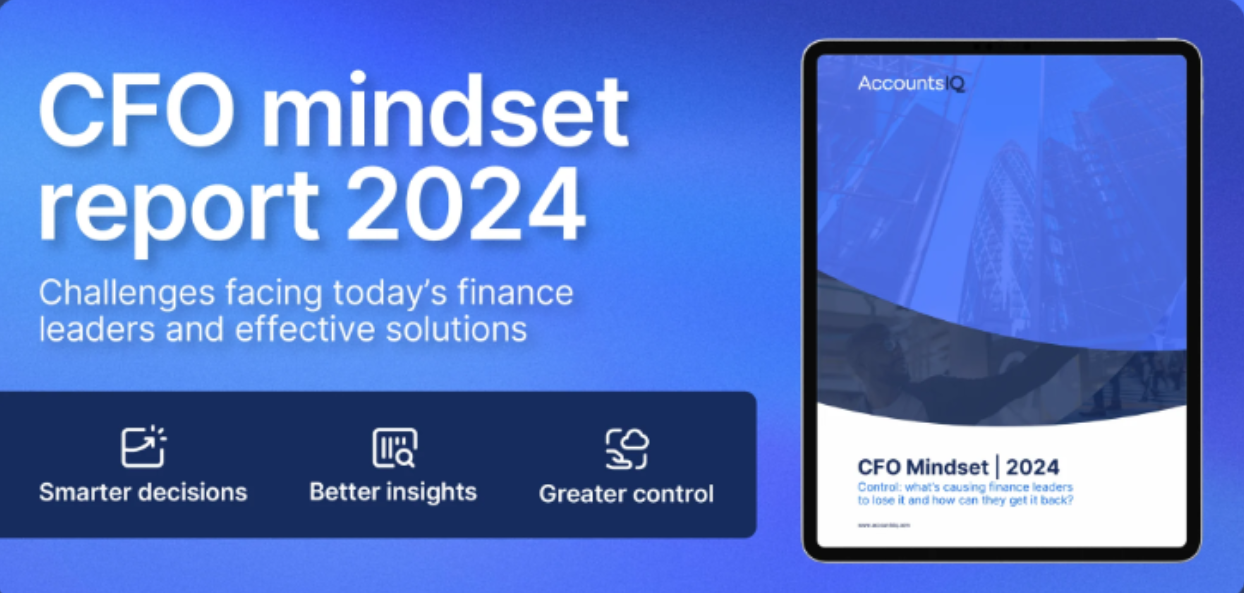
An overwhelming majority (90%) of CFOs and finance leaders in Ireland feel that decisions about their organisation’s financial strategy are made without sufficient data or insight, according to a new CFO Mindset Report by AccountsIQ, an award-winning provider of cloud-native accounting software for mid-sized businesses.

The survey of 260 CFOs across Ireland and the UK highlights the increasing pressures facing finance leaders, with many reporting a growing sense of stress and instability as they navigate economic volatility, rising operational costs, and unpredictable revenue.

CFO challenges

The survey determined external factors currently facing CFOs and other senior finance professionals. In Ireland, the top threats to financial stability are technology and software disruptions (42%), market competition (38%), and economic downturn (38%). However, concerns about financial decline are markedly lower than in the UK (48%), where it ranked as the most pressing matter of contention.

When it comes to internal challenges, more than a third (34%) of CFOs in Ireland and the UK report technological limitations as the biggest threat to their organisation’s financial stability. In Ireland, other prominent issues include a lack of skilled talent (34%), being behind on targets (34%), reporting accuracy (30%), and the time spent on manual data input (30%).

Despite differences in contributing factors, internal and external pressures are making it increasingly difficult for finance leaders across Ireland and the UK to maintain control over their organisation’s financial future, significantly limiting the potential for long-term operational success in both countries.

Operating in survival mode

While 70% of CFOs in Ireland and 58% in the UK say their finance function is scaling up to meet business growth demands, 16% describe it as actively slowing down. More than a third (38%) of all respondents state that better financial technology and software would most help them regain control, underlining the urgent need for organisations to implement improved financial tools.

Darren Cran, CEO of AccountsIQ, commented: “The need for modern solutions is clear. CFOs are facing immense pressure to make strategic decisions in the dark, without the right data or technology to support them. It’s a problem across the board but is particularly prevalent in Ireland. The sheer scale of the challenges they’re up against – from volatility to rising costs – is forcing them to operate in survival mode rather than driving growth. This is where finance leaders urgently need better tools and insights – and the good news is, they are out there. These tools can build trust in the numbers and give CFOs the confidence to make informed decisions. It also empowers CFOs to shift from firefighting to forecasting, taking back control of their financial plans and driving sustainable business growth.”

You can download the full report here

Sustainability Trends in Irish Businesses

Irish businesses are increasing their focus on sustainability according to the latest EY Ireland’s State of Sustainability report, as an increased understanding of sustainability, its impact on the bottom line, and a desire to create a more sustainable business approach becomes embedded across the economy.

At a time of growing scrutiny around transparency and authenticity of sustainability credentials, business leaders are also reporting a rise in concern around accusations of greenwashing, as well as increased prioritisation of sustainable practices by investors in the capital markets, directly linking ESG performance with financial opportunity.

The report, which surveyed 200 senior sustainability decision-makers across the public and private sector in Ireland, reveals that 81% of respondents report a heightened focus on sustainability over the past year, a 19% increase from the last survey in 2022. This is the largest percentage increase noted in the study, indicating that Irish businesses are now making a significant commitment to sustainability. The findings suggest progress is being made by Irish businesses when it comes to sustainability, as 74% of respondents rate their efforts on sustainability as ‘established or better’, a rise from 61% in 2022, and 15% consider their efforts ‘industry leading’, doubling from 7% in 2022. However, 35% of respondents feel their organisation is not doing enough, a notable rise from 17% in 2022, showing that there is still more to do.

Meanwhile, awareness of the negative impact and reputational risks of misleading sustainability claims is growing as 35% of respondents indicate that fear of greenwashing influences their communication strategies, a significant increase from 13% in 2022.

Key sustainability motivations

Increased stakeholder interest, regulations, and perceived bottom-line benefits are key motivating factors driving sustainability in organisations. Almost two thirds (65%) of businesses reported wider stakeholder enquiries about sustainability impact, up from 49% in 2022. More than half (58%) believe demonstrating a greater commitment to sustainability is necessary for them to get access to capital and 36% of businesses are looking to improve their position on sustainability by merging with or acquiring another company. Interestingly, almost a third (30%) indicated they are increasingly assessing the sustainability status of target companies when considering a merger or acquisition.

Derarca Dennis, EY Ireland Partner and Sustainability Services Lead says: “It’s very encouraging to see a shift amongst Irish businesses towards a better understanding of sustainability, its impact on the bottom line, and a real desire to create a more sustainable business approach across all sectors. The findings show the link between sustainability and profitability is increasingly influencing the corporate strategies of Irish organisations, including how they approach mergers and acquisitions. As companies embrace this agenda, it’s vital they engage with all stakeholders to create a more resilient and sustainable business.”

Regulatory concerns

Negotiating a path through complex new and existing EU regulations is the leading sustainability-related concern for organisations with the EU Emissions Trading System cited as a cause for concern by almost two-thirds (65%). That is followed by supply chain due diligence (62%), likely driven by the Corporate Sustainability Due Diligence Directive (CSDDD). More than half (54%) of respondents were concerned about the EU Deforestation Regulation, which has far-reaching implications for what can and cannot be produced or sold within the EU, and plastic packaging-related measures were cited by 46%, relating to the Packaging & Packaging Waste Regulation (PPWR).

The regulation which is of the least concern is the Corporate Sustainability Reporting Directive (CSRD), cited by just 15%. This is likely because many organisations believe they are prepared to meet CSRD and International Sustainability Standards Board (ISSB) reporting obligations. 52% said they are either very prepared or have established reporting practices in place, while just 10% said their organisations are not prepared at all.

Supply chain responsibility

Sustainability regulations such as CSRD and CSDDD are designed to make organisations more sustainable by making them responsible not only for their own impacts but also for those of their supply chains, so it is not surprising to see that 62% of respondents cite supply chain due diligence as their biggest sustainability-related concern.

Levels of engagement with supply chain suppliers on ESG reporting by organisation varies. 26% have not engaged with their supply chain on ESG reporting at all to date, while 19% of businesses have had initial conversations and 17% have had advanced discussions about the importance of collaboration.

Encouragingly half (50%) of all organisations have technology solutions in place to gather data from their supply chains for compliance purposes while 32% have systems to gather information in order to assess the ESG performance of their supply chains.

Derarca Dennis says: Given the growing demands of regulators, investors and consumers for sustainable supply chains, organisations that have not yet started engaging and collaborating with their supply chains run the risk of being left behind. We need to continue to see more organisations having advanced discussions with suppliers and putting sustainability reporting systems in place. Technology will have a critical role to play in supply chain engagement. Vast amounts of data from disparate sources will need to be collected, curated, analysed, and put into a form that meets regulatory standards. There is a huge opportunity for companies that want to get sustainable procurement right.”

Revolut Report: Stats indicate a return to Irish staycations this summer

Revolut, the European-licensed bank with more than 45 million customers worldwide, and over 2.8 million in Ireland, has crunched the numbers on Irish consumer spending over the last month, with the app’s own data revealing that a return in the popularity of staycations led to a record month of Revolut spending in Ireland this July. 

Revolut’s consumer spending analysis tracked more than 58.5 million card payments over the course of the month, indicating several real-world spending trends by the country’s Revolut customers. The amount Revolut users are spending with the bank each month continues to rise, up nearly 5% (MoM increase) in July, with staycations a key driver in the broader uplift.

With a scorching heat wave across much of mainland Europe in July, a rising number of Revolut’s customers in Ireland chose to stay put for their summer break rather than go abroad. 

In terms of accommodation, spending on hotels and resorts in Ireland has risen by 15% compared to last summer (YoY increase), while Revolut customers are spending more than 38% more (YoY increase) on health and beauty spas compared to this time last year too. For those looking for a slightly more outdoorsy or cost-effective alternative, the amount spent on camping sites and caravan parks has seen a more than 14% jump in July 2024 versus July 2023 (YoY increase). 

When making their way around Ireland, Revolut has seen customers increase their spending at service stations, nearly 19% more this July than last (YoY increase), and on EV (electric vehicle) charging, which has risen considerably by over 46% since last summer (YoY increase). Staycations have also driven a surge in toll charges, with customers spending over 33% more to get to their destination faster than in July 2023, highlighting an uplift in domestic tourism. 

At their journey’s end, Ireland’s staycationers are spending more in local bars, cafes, and restaurants, up close to 5% (YoY increase), with other leisure activities such as tourist attractions and museums rising by nearly 18% (YoY increase) and boat rentals by over 25% (YoY increase). 

Maurice Murphy, General Manager at Revolut Bank UAB – Ireland Branch, said: “Once a trusted travel card, this record month of spending clearly indicates our evolution into many customers’ preferred bank and why we’re a mainstay for the people of Ireland. Revolut’s ecosystem of financial products is the answer for people whether at home or overseas, and helps them make the most out of their money. It’s so great to see our customers choosing to spend on their staycation with us, while others are doing the same as they jet off abroad too.” 

European-licensed bank Revolut was recently recognised by financial comparison site Bonkers.ie as ‘Ireland’s Best Consumer Business’ and ‘provider of the Best Current Account’, while the company ranked 9th as part of the Ireland RepTrak® 2024 study earlier this year. 

For more information, visit: www.revolut.com/en-IE