Staying Ahead of the Threat: The Future of Cyber Defense

What’s your plan when your Wi-Fi suddenly dies during a Zoom call? Restart the router? Blame your service provider? Panic a little? Now, imagine that instead of a frozen screen, your company’s internal data system crashes because of a silent, fast-moving cyberattack. Not so funny anymore.

Today’s digital world doesn’t wait. Neither do cyber threats. They move with speed, precision, and sometimes, eerie silence. Breaches no longer come with flashing red lights or alarms. Most slip in quietly, linger, and then strike with force. The gap between threat and response has become the defining line between resilience and disaster.

In this blog, we will share how cybersecurity has shifted from reaction to readiness, why velocity matters more than ever, and what forward-thinking companies are doing to stay ahead of attackers who’ve swapped brute force for stealth and strategy.

Why Instant Response Is the Only Response That Matters Now

Here’s the blunt truth: if your defense strategy depends on finding the threat after it shows itself, you’re already behind. Modern cyberattacks are designed to strike without leaving obvious clues. By the time traditional defenses raise a flag, the damage has often been done.

That’s why tools like Heimdal’s EDR solution have become indispensable. It doesn’t just detect known threats. It hunts for anomalies, responds autonomously, and learns from each attempt to get smarter. It plugs directly into a broader ecosystem of threat intelligence, giving organizations a 360-degree view of their digital environment.

Think of it like this: traditional antivirus is like locking your front door. Heimdal’s approach is like having security guards, cameras, motion sensors, and a rapid-response team trained for every possible break-in—all operating in real time.

More importantly, this kind of system works quietly in the background. It doesn’t need constant babysitting. And it doesn’t rely on a human noticing something’s off. In today’s world, waiting for someone to click “scan for threats” is like locking the barn after the horse has bolted.

One global retail chain recently avoided a six-figure breach because their threat monitoring system flagged a remote access attempt from an unfamiliar device. Within seconds, it blocked the attempt, flagged the user account, and alerted the IT team. They never had to shut anything down. Customers were unaffected. That’s what modern defense looks like.

The Bigger Picture: Trust, Downtime, and the Cost of Being Slow

Cybersecurity is no longer just an IT issue. It’s a business issue. And a trust issue. Consumers today aren’t forgiving. A single breach can kill a brand’s reputation overnight. Just ask any major company that’s been in the headlines for leaking personal data. Recovery is slow, public confidence is slower.

Then there’s the cost. IBM notes in its Cost of a Data Breach Report that the average global breach cost $4.45 million in 2023. That number climbs if the attack affects regulated industries like healthcare or finance.

But here’s the real kicker: much of that cost comes not from the attack itself, but from the time it takes to detect and contain it. The longer you wait, the worse it gets. This is why fast, proactive protection isn’t just a feature. It’s a business necessity.

And yet, many companies still treat cybersecurity like a seatbelt they only buckle once they’ve seen an accident. In an era where ransomware gangs offer customer support (yes, that’s real), hesitation is an open invitation.

From Passive Monitoring to Active Defense: What Modern Systems Do Differently

The best protection doesn’t wait. It predicts.

Instead of scanning for known threats once a day, modern systems continuously analyze behavior. That weird file you downloaded? The strange login at 2 a.m.? The sudden spike in CPU usage? These aren’t ignored—they’re investigated immediately.

Today’s top platforms combine several functions into one: antivirus, patch management, access controls, threat intelligence, and more. They don’t operate in silos. They share insights and trigger automated actions, reducing the time between detection and resolution to near-zero.

This integrated model also removes friction. IT teams don’t have to juggle five dashboards or hop between tools. They get alerts that matter, not noise. And they can respond without wasting time figuring out where the threat came from.

It’s not about replacing humans. It’s about giving them superpowers.

What You Can Do Now: Building a Speed-Oriented Cyber Mindset

So, how can you keep up?

First, review your current tools. Are they reactive or proactive? Do they stop at detection or go further? Take a hard look at what each solution actually does in practice, not just what the vendor promised in the brochure.

Second, look at integration. If your antivirus doesn’t talk to your firewall, and your firewall ignores your threat logs, you have blind spots. The attackers won’t miss them. Every second counts, and fragmented systems slow down your ability to act fast and effectively.

Third, educate your team. The best tools in the world won’t help if an employee clicks on a phishing link. But education must go beyond a once-a-year PowerPoint. Make it a habit. Keep people aware. Create a security culture where everyone understands that fast action is part of their job, too.

Fourth, automate where you can. Manual incident response is too slow. Build workflows that isolate devices, flag accounts, and shut down access when red flags appear. Automation doesn’t replace your team—it gives them the speed they need to stay ahead.

Fifth, audit your response time. Run simulations. Can you detect, assess, and respond to an incident in under 30 minutes? If not, that’s your benchmark. If you’re not testing regularly, you’re gambling with your downtime and customer trust.

Remember, cybersecurity is not about perfection. It’s about preparedness. The faster you respond, the smaller the damage. It’s a race—and the attackers aren’t slowing down.

The future of digital protection isn’t locked behind a firewall or buried in a policy document. It’s active, alert, and always learning. The goal isn’t to eliminate risk. That’s impossible. The goal is to get faster than the threat. The companies who realize this now won’t just survive the next breach. They’ll barely feel it. And while others scramble to catch up, these organizations will be moving forward, uninterrupted.

ESET Updates Its Home Security Portfolio for Advanced Ransomware and Scams

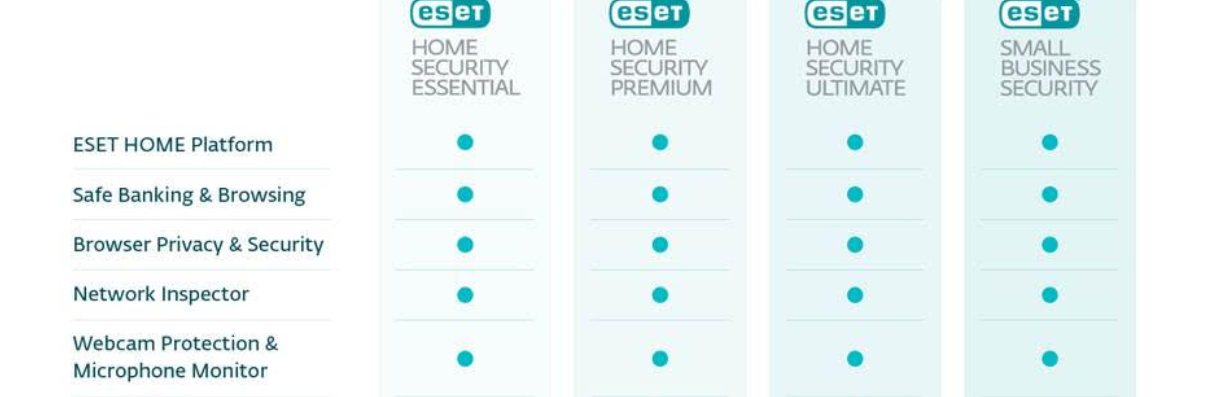
ESET, a global leader in cybersecurity solutions, today announces its upgraded consumer offering, ESET HOME Security and its Small Office/Home Office (SOHO) offering, ESET Small Business Security. Launched earlier in 2025 for businesses and enterprises, today’s release makes ESET’s award-winning Ransomware Remediation feature available to consumers and SOHOs. ESET Ransomware Remediation seamlessly creates encrypted backups – enabling users to detect, block, and recover from ransomware attacks with minimal disruption.

Recognizing scams as a global threat that can harm virtually anyone, anywhere, at any time, ESET now delivers enhanced scam protection, addressing attacks vectoring from all types of sources, including SMS, email, phone calls, URLs, QR codes, malicious files, and more. ESET also launched advanced functionalities within existing features, including Microphone Monitor and Website Security Inspector.

“As a progressive digital life protection vendor, ESET carefully monitors the current threat landscape and develops its protection solutions accordingly,” said Viktória Ivanová, Vice President of Consumer and IoT Segment at ESET. “Heightened scam protection, added Ransomware Remediation, and multiple privacy protection improvements make both ESET consumer and SOHO offerings robust, all-in-one solutions for households and Small Office/Home Offices seeking reliable security that has low impact on performance and is easy to use.”

This launch expands the availability of ESET VPN to ESET HOME Security Premium users. The updated ESET HOME security management platform simplifies security management, making it easier for home admins to protect their families, and SOHO owners to observe exactly who and what are protected, and to distribute security apps with a consistent, simplified experience.

Key ESET HOME Security/ ESET Small Business Security (for Windows) improvements include:

Ransomware Remediation — Originally developed for large businesses, Ransomware Remediation minimizes the impact of ransomware attacks. Once a potential ransomware threat is identified by ESET Ransomware Shield, ESET Ransomware Remediation immediately creates backups of affected files, and after the threat is mitigated, it restores the files, effectively reverting the system to its previous state.

 Enhanced privacy protection — New Microphone Monitor detects and alerts users to any unauthorized attempts to access the microphone hardware on Windows devices.

 Enhanced browser security  New Website Security Inspector adds an extra layer of protection against phishing, scams, and malicious websites. This feature scans the rendered HTML in the browser to detect malicious content that can’t be detected on the network level and by URLs blacklist.

New ESET Cyber Security/ ESET Small Business Security (for macOS) features and updates:

macOS 26 Tahoe support — User can enjoy ESET Cyber Security on the latest version of macOS.

HTTPS & HTTP/3 support — Improves overall end-user protection when online.

Device Control — This feature monitors and manages external devices connected to the Mac. It helps protect against malware and unauthorized transfers of data by restricting access to specific device types or even individual devices.

ESET HOME Security and ESET Small Business Security are available across all major operating systems—Windows, macOS, Android, and iOS—and cover all typical smart home devices. On top of that, ESET Small Business Security also protects Windows servers. The updated offerings are designed to address the evolving threat landscape with special attention to prevention – ensuring a best-in-class user experience because truly effective cybersecurity should be easy to set up and administer.

More information about ESET’s consumer offering and subscription tiers can be found here. A detailed description of the SOHO offering is available here.

New Tech in Ireland: Regulators, Crypto and 14,000-Game Libraries Fuel Casino Innovation

You’ve probably noticed Ireland taking bold steps to modernise its gambling framework. In October 2024, the Gambling Regulation Act was passed, replacing outdated laws and introducing a clear system to manage the entire sector. At the centre of this shift is the Gambling Regulatory Authority of Ireland or GRAI, which officially began operating in March 2025. It is the first independent body to oversee licencing, compliance and player safety on a nationwide scale.

The government has already committed over nine million euros to fund its operations in 2025, including four million dedicated to building digital infrastructure. For you as a player, this represents the beginning of a far more structured environment where consistency replaces uncertainty. licencing and enforcement are being phased in rather than rushed, with the regulator taking time to establish proper compliance systems. That means while sweeping change is underway, you’ll see new casino sites unfold gradually in a way designed to balance stability with progress.

Licencing Rollout and Player Safeguards

licencing will arrive in stages, and you’ll start to see changes by mid-2025. Remote operators are expected to move into the new framework from July, while bookmakers are scheduled to follow by December. However, the full licencing regime won’t be enforced until mid-2026, giving the regulator and operators time to adapt. During this transition period, existing licences issued through Revenue will remain valid, so you won’t suddenly lose access to your favourite platforms.

When the full framework is active, however, you will experience more meaningful protections. A national self-exclusion register will allow you to block access across all licenced providers with a single action. Advertising rules will also change, with gambling ads banned before 9 p.m. on television and online and promotions like free bets or VIP perks removed altogether. For you, this shift means fewer aggressive offers and a healthier balance between enjoyment and protection, helping the market move away from practices that often left players feeling pressured.

Crypto Regulation Meets Casino Innovation

Alongside gambling reform, cryptocurrency rules are also tightening across Ireland. The Central Bank is now the official supervisor of the EU’s Markets in Crypto-Assets framework or MiCA, which is reshaping how digital assets are handled. By 2025, crypto firms must hold EU-wide licences, follow strict rules on custody and cybersecurity and provide detailed sender and receiver information for transfers above one thousand euros. This adds extra transparency to a space that once felt unregulated.

For you as a player, that translates into greater confidence when using crypto to deposit or withdraw. Casinos are beginning to explore this regulated crypto landscape by offering faster payments, lower transaction fees and, in some cases, unique crypto-based promotions. Innovation is encouraged, yet it sits within a system designed to maintain trust. You may find yourself trying out a platform that supports your preferred digital currency while also appreciating that it complies with rules intended to keep the financial side of play safer.

Vast Game Libraries Fuel Innovation

One of the most noticeable changes in the new casino environment is the sheer scale of game libraries; in recent years, operators have moved from offering a few thousand titles to collections that now exceed ten thousand, with some topping fourteen thousand games. These libraries span slots, table games, live dealer formats and even experimental categories that borrow from video gaming. When you log in, you are presented with an unprecedented range of options, allowing you to tailor your experience to your mood or curiosity.

Mobile optimisation has made this vast choice accessible anywhere and the integration of crypto payments adds another layer of convenience. However, with so many options, it’s easy to lose track of time or budget, which is why platforms are also embedding responsible play features. Thus, deposit limits, time reminders and self-exclusion tools are now common, giving you control alongside variety. The trend demonstrates how innovation in scale can coexist with meaningful safeguards, so your experience feels equally exciting and manageable.

Balancing Innovation and Protection

As innovation flourishes, the real challenge is balancing it with protection. The GRAI has placed consumer safety at the heart of its mission, establishing a dedicated Social Impact Fund. licenced operators will contribute annually, with the money going toward research, public education and treatment services for problem gambling. That means every spin, bet or wager indirectly supports efforts to make the industry more sustainable. At the same time, crypto regulation creates clarity rather than restriction, letting you enjoy the benefits of digital assets without the sense of stepping into a grey area.

Meanwhile, expansive game libraries showcase how developers are pushing boundaries, while the growing emphasis on mobile usability reflects how people actually play today. For you, the path forward involves navigating this mix with awareness: checking whether platforms are properly licenced, confirming safe-play tools are available and choosing experiences that balance excitement with responsibility. Ireland’s evolving landscape shows that progress and protection can genuinely coexist, giving you more control and more choice than ever.

Key Takeaways

Ireland’s gaming terrain is developing at a remarkable pace, blending cutting-edge technology, expansive game libraries and tighter regulatory oversight. As a player, you benefit from greater choice, enhanced protections and innovative payment options like crypto, all within a structured and transparent framework. The combination of strong governance and rapid technological growth promises a safer, more engaging and forward-looking experience, showing that innovation and responsibility can grow hand in hand.

  • €9.1m Budget Powers New Regulator: Ireland’s Gambling Regulatory Authority launched in 2025 with €9.1m in funding, including €4m for digital infrastructure.
  • 14,000+ Games Now Available: Irish online platforms feature vast libraries, with some exceeding 14,000 titles across slots, tables and live games.
  • Strict Ad Bans Protect Players: Gambling ads are banned between 5:30 a.m. and 9 p.m., with free bets and VIP perks also prohibited.

FNTCASE Case Line up Review for the Google Pixel 10/ Pro

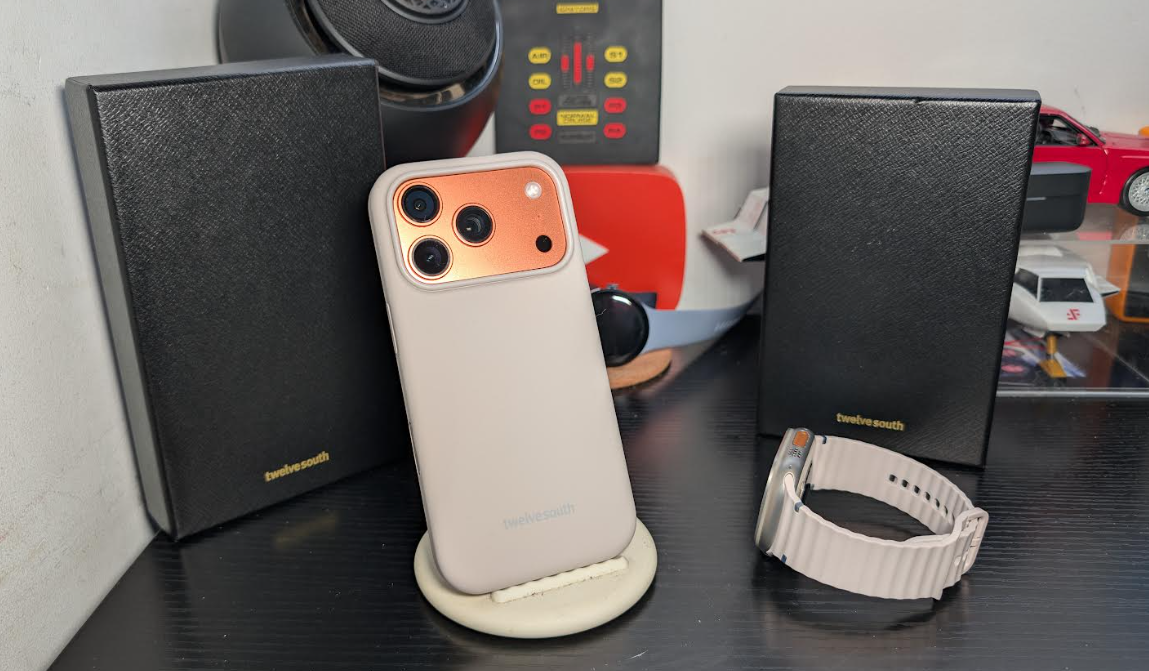
The Google Pixel 10 Series is the latest handsets to hit the market and of course you need protection and FTNCASE has you covered as always with a new range of cases and screen protection to save you an expensive bill should you drop your phone.

We have three of their latest cases in to showcase and there again is something for everyone here and of course affordable as it does be hard to find cases for Pixel devices in Bricks and mortar shops especially in Ireland.

Check the the video below for more and with the Pixel 10 Series now adopting Magnetic charging it is a win win for all no matter which of the phones you decide to get and FTNCASE has several options for you to check out.

FNTCASE for Google Pixel 10/ 10 Pro 6.3 Inch Phone Case: Magnetic Translucent Matte Shockproof Slim Phone Cover – Military Grade Drop Proof Hard Back Anti-Fingerprint Protective Case

  • Matte Texture & Superior Feel: The Google Pixel 10/ 10 Pro 6.3 inch Phone Case uses high-quality matte TPU and PC translucent material without covering the logo. The frosted surface provides a comfortable hand feel, and the nano-antioxidant layer can effectively prevent stains and scratches.
  • Strong Magnetic Attraction: Compatible with Magnetic chargers and other Qi Wireless chargers without signal interference. The Google Pixel 10/ 10 Pro phone case has 38 super N52 magnets built in. Its magnetic attraction reaches 2400 gf, which is almost 7X stronger than ordinary, so it won’t fall off, no matter how it shakes while charging.
  • Precise Process: Rigorously molded to the original phone, every port, lens, and side button opening has been measured and calibrated countless times, and each button is sensitive. It is thin enough to support wireless charging with the case on.
  • 10FT Military Grade Drop Protection: Our Google Pixel 10/ 10 Pro phone case backplane is made with rigid polycarbonate and flexible shockproof TPU bumpers around the edge and features 4 built-in corner Airbags to absorb impact, which can protect your phone from accidental drops, bumps, and scratches.
  • Wireless Charging: The Google Pixel 10/ 10 Pro 6.3 inch phone case works perfectly with the official magnetic accessory and supports wireless charging.

BUY


Google Pixel 10 Pro XL/ 9 Pro XL 6.8 inch Clear Phone Case: Magnetic Charging Shockproof Magsafe Support

  • Compatibility: For Google Pixel 10 Pro XL/ 9 Pro XL (6.8 inches). Please carefully confirm your phone model before making a purchase. Precise cutouts and tactile buttons ensure quick access and response, and full access to all ports
  • Strong Magnetic: The built-in powerful N52 magnets with 2400 gf of holding force make it easy to attach all kinds of Magnetic Charging accessories like wireless car chargers, wireless chargers, battery packs, etc. Even if you vigorously shake your phone, it won’t easily fall off
  • Yellow Resistance: This Google Pixel 10 Pro XL/9 Pro XL phone case is made of anti-yellowing PC and TPU materials, making the Pixel 10 Pro XL/9 Pro XL case transparent for long periods and effectively resists sweat and stains, clearly showing the original color of your phone
  • Full Protection: This Google Pixel 10 Pro XL/9 Pro XL case provides double protection for the phone screen from cracks and scratches
  • Military Grade Full Body Protection: 4 Air-cushioned corners for added drop protection, which provide excellent cushioning impact from accidental bumps and drops. The raised lip design provides enhanced scratch protection for the screen and camera

BUY


FNTCASE for Google Pixel 10 Pro XL/ 9 Pro XL Case with Ring Holder Magnetic Kickstand Military Grade Shockproof Protective Rugged Cell Phone Cover

  • Built-In Magnetic Ring Kickstand: Equipped with a magnetic ring stand design, enabling wireless charging without removing the case. The Google Pixel 10 Pro XL/ 9 Pro XL Case with stand works perfectly both in vertical and horizontal positions. Convenient for reading, watching movies, playing games, browsing the web, and face-to-face chatting with friends.
  • Built-in Screen Protector: The Google Pixel 10 Pro XL/ 9 Pro XL Case Screen protectors with excellent light transmission and responsive touch performance provide easy and comfortable access to your phone’s features while preventing accidental scratches on your smartphone. The built-in screen protection design perfectly solves the trouble of putting on a screen protector for you.
  • Full Protection: The Google Pixel 10 Pro XL/ 9 Pro XL Case Raised TPU bezel of this phone cover helps safeguard your screen lifted and absorb impact from accidental drops. A tough screen protector and case provide complete protection for your phone.
  • Comfortable: The non-slip texture on both sides has a better grip, and matte edges reduce the adhesion of fingerprints and oil to ensure a visually clean appearance while enhancing the handheld touch to make the case not easy to slip from your hand

BUY

Other FNT Case Reviews

Video Review 

Tudia MergeGrip cases Google Pixel 10 Series Review

The TUDIA MergeGrip Case, designed for Google Pixel 10 & Pixel 10 Pro cases, delivers a perfect blend of military-grade protection and modern style. Built with dual-layer construction, it combines a shock-absorbing TPU inner layer and a durable polycarbonate outer shell, shielding your device from drops, scratches, and daily wear.

Certified with ToughRhino Technology and rigorously drop-tested, the MergeGrip provides reliable defense without adding bulk. Raised edges protect your camera and screen, while the non-slip textured design on both sides and back enhances grip and handling.

Tudia have been a case brand we choose for most of our phones and over the years and still use today on some devices in our collection and again for the new Pixel 10 devices should be a go to case for your phone.

You can see a first look at the Pixel 10 Pro here


Features

● Military-Grade Protection – ToughRhino dual-layer design shields against drops, impacts, and scratches.
● Raised Edge Protection – Elevated lips protect screen and camera from damage.
● Enhanced Grip – Textured sides and back ensure a secure, comfortable hold.
● Precise Design – Exact cutouts for easy access to all ports and buttons.

BUY

Other Tudia case reviews

Video Review

What Ireland’s New Crypto Laws Mean for You

Ireland’s role in the global crypto space is evolving quickly in 2025, driven by major regulatory changes, tougher compliance rules, and clearer guidelines for both investors and businesses. With the country aligning closely with EU legislation while refining its national tax and AML policies, understanding what’s new is essential for anyone active in the Irish crypto market.

EU-Driven Changes Take Centre Stage

The biggest regulatory milestone this year is the rollout of the European Union (Information Accompanying Transfers of Funds) Regulations 2025 (S.I. No. 310/2025), which took effect on July 10. This law introduces enhanced traceability for crypto transactions, ensuring all transfers include identifying information to curb money laundering and terrorist financing.

Ireland also updated its approach to the EU’s broader Markets in Crypto-Assets Regulation (MiCAR), with new Central Bank guidance released on July 28. MiCAR creates a unified regulatory framework for crypto-assets across Europe. Ireland’s proactive integration of MiCAR shows a strong commitment to building regulatory clarity and oversight at home.

How Crypto Presales, Buying, Selling, and Trading in 2025 Are Impacted

These updated laws change how crypto presales and trading work in Ireland. The evolving regulatory framework in Ireland significantly impacts how buying, selling, trading, and live crypto presales in 2025 are conducted. The goal is to introduce key compliance measures to ensure transparency, consumer protection, and anti-money laundering (AML) controls. 

For example, if you are to buy the latest token like Bitcoin Hyper at the presale phase, the new laws impact you too. The token is a new Layer-2 blockchain project for Bitcoin that uses the Solana Virtual Machine and zero-knowledge rollups to address Bitcoin’s scalability and smart contract limitations. With over $7 million raised in presales and advertised yields above 152% APY, Bitcoin Hyper has drawn investor attention for enabling DeFi, NFTs, gaming, and real-world asset tokenisation through a BTC-linked bridge. 

Now, under MiCAR, when you buy crypto tokens in a presale like Bitcoin Hyper, the act of purchasing itself is usually not an immediate taxable event. However, the token acquired is treated as a capital asset from the point you receive it. So, when you later dispose of (sell, trade, or spend) the tokens acquired in the presale, any profit (gain) made above your original cost basis will be subject to Capital Gains Tax at 33%, after allowance of the annual exemption (€1,270). Essentially, your purchase price in the presale sets the cost basis for future capital gains calculation.

For crypto projects, crypto presales like this require a detailed white paper disclosing the project’s purpose, token rights, technology, and risks. Asset-referenced and e-money tokens must gain prior approval from the Central Bank. Tokens classified as transferable securities may also trigger prospectus obligations under EU securities law.

AML rules under the Fifth Money Laundering Directive (MLD5) apply to presales. Virtual asset service providers (VASPs) must conduct customer due diligence and monitor transactions to detect suspicious activity. These rules are designed to protect investors while curbing fraud and illicit finance.

For everyday buying and selling, exchanges and brokers must be registered VASPs and comply with AML/CFT obligations. The 2025 travel rule now requires identifying information to accompany crypto-asset transfers, just as it does with wire transfers.

Taxation: Crypto Treated as Property

From a tax standpoint, crypto is classified as property in Ireland. This means Capital Gains Tax applies to gains above €1,270 annually. Income tax, up to 40%, applies if your crypto activity is treated as business income, such as regular trading, staking, or mining.

Not all activity is taxable: buying crypto with euros or moving assets between your own wallets doesn’t trigger a tax liability. But accurate record-keeping is essential. Losses can be used to offset gains, offering some relief amid volatility.

Trading Platforms and Investor Protection

Trading crypto in Ireland now falls under stricter MiCAR rules. Platforms must be licensed, operate with transparency, conduct regular reporting, and meet consumer protection standards. These changes bring crypto markets closer to the standards of traditional finance.

While crypto isn’t legal tender, the new framework makes Ireland’s trading environment more structured and secure. Investors benefit from clearer rules and increased oversight, though with added compliance obligations.

Ireland’s Anti-Money Laundering Push

Ireland continues to take AML/CFT compliance seriously. MLD5 extends AML rules to crypto exchanges, custodians, and wallet providers, all of which must verify customer identities, monitor activity, and report suspicious transactions.

The Central Bank has consistently warned about risks tied to crypto-assets, such as price volatility, fraud, and the lack of consumer protection. These concerns have led to increased enforcement and scrutiny of crypto firms.

This approach aligns with wider EU efforts to counter crypto-related financial crime, including money laundering and sanctions evasion. Ireland is positioning itself as a secure, compliant jurisdiction within this broader regulatory context.

Ireland in the EU Regulatory Landscape

Across the EU, national approaches still vary. Malta, for instance, has been quicker to license major exchanges like Gemini and OKX, creating a more permissive environment. Ireland, by contrast, has adopted a more conservative stance, with tighter controls and slower licensing processes.

This measured strategy reflects the Central Bank’s cautious attitude, prioritising financial stability over rapid growth. While MiCAR aims to harmonise regulation across Europe, national differences in enforcement remain.

Implications for Stakeholders

For investors and crypto firms in Ireland, these developments offer both clarity and added responsibility. Clearer rules may attract institutional interest, but they also require more diligent tax compliance, accurate disclosures, and robust AML procedures.

Investors should track their gains and losses closely, and businesses must invest in compliance frameworks. Regulators, meanwhile, face the challenge of balancing innovation with enforcement.

Conclusion

As of 2025, Ireland has embraced a more regulated crypto environment by adopting MiCAR, the 2025 EU travel rule, and stricter AML requirements. These measures signal a shift toward transparency, accountability, and investor protection.

While the new rules demand more from participants, they also lay the groundwork for a more stable and credible crypto sector. For investors, firms, and policymakers alike, staying informed and proactive will be key to navigating the opportunities and risks in Ireland’s evolving crypto landscape.

How Can You Simplify Storage Setup? Use the UGOS Cloud RAID Calculator

In today’s data-driven world, managing storage infrastructure efficiently has become increasingly complex for IT professionals. The challenge of configuring RAID arrays while balancing performance, capacity, and data protection often leads to time-consuming calculations and potential errors. Enter the UGOS Cloud RAID calculator – a powerful tool designed to streamline storage planning and eliminate the guesswork from RAID configurations. This innovative solution helps IT teams optimize their storage infrastructure while reducing the risk of miscalculations that could impact system reliability. Whether you’re building a new storage array or expanding existing infrastructure, this calculator empowers you to make informed decisions quickly and confidently, ensuring your storage solutions meet both current needs and future demands.

What Every IT Pro Should Know About RAID Basics

RAID (Redundant Array of Independent Disks) technology forms the backbone of modern storage infrastructure, offering various approaches to balance data protection and performance. At its core, RAID combines multiple physical drives into a single logical unit, with different levels serving distinct purposes. RAID 0 stripes data across drives for maximum performance but offers no redundancy, making it suitable for non-critical data requiring high speeds. RAID 1 mirrors data between drives, providing excellent redundancy but at the cost of 50% storage efficiency. RAID 5 introduces parity for fault tolerance while maintaining better storage efficiency, though write performance can be impacted.

RAID 6 adds a second parity block for enhanced protection against drive failures, particularly valuable in large arrays. RAID 10, combining striping and mirroring, delivers both high performance and redundancy, though at a higher drive cost. Understanding these configurations is crucial as each level’s capacity calculation follows different principles—a key consideration when planning efficient and reliable NAS storage systems. This foundational knowledge enables IT professionals to make informed decisions based on their specific requirements for performance, redundancy, and storage efficiency.

Common RAID Configuration Challenges

Storage administrators frequently encounter significant challenges when configuring RAID systems manually. Calculation errors can occur when determining usable capacity across different RAID levels, potentially leading to undersized storage arrays or overestimated available space. Drive compatibility issues often emerge when mixing drives of different speeds, capacities, or manufacturers within the same array, resulting in reduced performance or system instability. The complex tradeoff decisions between performance and redundancy present another crucial challenge – while RAID 0 offers maximum performance, its lack of redundancy makes it unsuitable for critical data storage.

Conversely, implementing RAID 6 provides excellent data protection but impacts write performance and requires additional drives. Disaster recovery planning becomes particularly challenging when considering rebuild times for large arrays, especially in RAID 5 configurations where the failure of a second drive during rebuild could result in complete data loss. These technical hurdles underscore the importance of careful planning and precise calculations in RAID implementation to ensure optimal system performance and data protection.

Tired of Manual RAID Math? Let UGOS Cloud Handle It for You

The UGOS Cloud RAID Calculator revolutionizes storage planning by providing a comprehensive solution for IT professionals struggling with complex RAID configurations. This powerful tool seamlessly integrates with the broader UGOS Cloud ecosystem, offering real-time calculations and automated validation checks that eliminate human error. Unlike traditional manual methods that require multiple spreadsheets and complex formulas, the calculator instantly processes drive specifications and RAID level requirements, delivering accurate results in seconds. The tool excels in practical applications, from designing new storage arrays to expanding existing infrastructure, by offering dynamic visualization of capacity utilization and performance metrics.

IT teams can leverage its predictive analysis capabilities to model different RAID configurations before implementation, ensuring optimal resource allocation. The calculator proves particularly valuable during storage upgrades, allowing administrators to simulate various drive combinations and RAID levels to achieve the perfect balance between performance, redundancy, and cost-effectiveness. By streamlining the decision-making process, it enables organizations to implement storage solutions confidently while maintaining high availability and data protection standards.

Step-by-Step Guide: Using UGOS Cloud RAID Calculator

Inputting Drive Specifications

Begin by accessing the UGOS Cloud RAID Calculator’s intuitive interface through your dashboard. In the drive specification panel, enter the total number of drives in your array. For each drive, input the capacity in TB or GB, ensuring accurate representation of your hardware. The interface allows you to specify drive parameters including rotational speed (RPM), interface type (SATA/SAS), and manufacturer details. The calculator automatically validates input consistency to prevent configuration errors.

Selecting RAID Configuration

Once drive specifications are entered, explore the RAID configuration matrix displaying available RAID levels. The calculator’s smart recommendation engine analyzes your input and highlights optimal RAID configurations based on your drive count and capacity. Each RAID level shows projected performance metrics, redundancy levels, and space efficiency. The system automatically flags incompatible configurations and explains why certain RAID levels may not be suitable for your specific drive setup.

Analyzing Results

The results dashboard presents comprehensive metrics for your selected configuration. View the total raw capacity alongside usable storage space after RAID implementation. Performance indicators display expected read/write speeds, taking into account your drive specifications and RAID level. The redundancy analysis shows fault tolerance levels, providing clear insights into how many drive failures your array can withstand. Interactive graphs visualize capacity distribution, helping you understand storage allocation across the array. The calculator also generates detailed reports including rebuild time estimates and recommended hot spare configurations for enhanced reliability.

Compatibility Considerations for Hard Drives

When implementing RAID configurations, drive compatibility plays a crucial role in ensuring optimal system performance and reliability. Storage administrators must carefully evaluate interface specifications, as mixing SATA and SAS drives within the same array can lead to communication bottlenecks and potential system instability. Drive capacity matching is essential – all drives in a RAID array should have identical capacities to prevent capacity loss and performance degradation. Speed synchronization demands equal attention, as combining drives with different rotational speeds or performance characteristics can force the entire array to operate at the speed of the slowest drive.

Many IT professionals turn to trusted manufacturers like UGREEN for their network-attached storage solutions, as they provide specific compatibility matrices for their enterprise drives, recommending matched sets for optimal RAID performance. Additionally, firmware versions should be consistent across all drives in the array to prevent unexpected behavior and ensure seamless operation. The UGOS Cloud RAID Calculator automatically validates these compatibility requirements, alerting administrators to potential issues before implementation.

Advanced Storage Management with UGOS Cloud

The UGOS Cloud platform extends beyond basic RAID calculations to provide comprehensive storage management capabilities. Through intelligent capacity planning features, administrators can model future storage growth patterns and receive proactive alerts when systems approach capacity thresholds. The platform’s performance optimization engine continuously monitors I/O patterns, suggesting configuration adjustments to maintain peak efficiency as workloads evolve. For future-proofing storage infrastructure, UGOS Cloud enables seamless integration of new storage technologies and expansion options without disrupting existing arrays.

The system’s predictive analytics help identify potential bottlenecks before they impact operations, while automated storage tiering recommendations ensure optimal data placement across different storage media. By leveraging machine learning algorithms, UGOS Cloud adapts its optimization strategies to your specific usage patterns, providing increasingly refined recommendations over time. This forward-thinking approach to storage management helps organizations maintain operational excellence while preparing for future storage demands.

Make Your Storage Setup Stronger with the Right RAID Solution

The increasing complexity of storage infrastructure management demands sophisticated tools that can eliminate human error and streamline configuration processes. The UGOS Cloud RAID Calculator addresses these challenges head-on by providing IT professionals with an intelligent, automated solution for RAID planning and implementation. By automating complex calculations, validating drive compatibility, and offering detailed performance metrics, this tool significantly reduces the risk of configuration errors while saving valuable time.

The integration with the broader UGOS Cloud ecosystem further enhances its value, offering advanced features like predictive analytics and capacity planning that help organizations stay ahead of their storage needs. For IT professionals seeking to optimize their storage infrastructure while ensuring data protection and system reliability, the UGOS Cloud RAID Calculator represents an essential tool in their technical arsenal. Take control of your storage management today by leveraging this powerful solution to build more efficient, reliable, and future-proof RAID configurations.


Spigen Rugged Armour For Pixel Watch 3 45mm Review

The Rugged Armor adds daily durability with a polished look to the Pixel Watch. Built to defend against bumps and bruises, the raised edges ensure that scratches on your screen are a thing of the past. The matte finish brings a modern flair to the watch, with every detail crafted to precision. Give your Pixel Watch the protection it deserves and look good while doing it with the Rugged Armor


  • Everyday scratch defense with flexible and shock-absorbent layer
  • Matte finish adds a modern look
  • Raised bezels for bolstered screen protection
  • Full access to all features with precise cutouts

BUY

Other Google Pixel tech reviews 

Video Review

New Online Safety Monitor Provides Recommendations to make the Online World Safer for Children and Young People

The first Online Safety Monitor was launched today at an online safety conference hosted by the Children’s Rights Alliance. The conference featured addresses from Minister for Justice, Jim O’Callaghan and David D’Arcy, Digital Services Act Officer for Ireland at the European Commission office in Dublin. At a crunch point with new regulation of online platforms, the Online Safety Monitor provides a baseline analysis of the protections in place and the areas where children in Ireland remain vulnerable online.

“If laws and regulations fail to keep pace with the digital world, it is children and young people who pay the price. Failing to have adequate protections online creates space for predators to hide,” said Noeline Blackwell, Online Safety Coordinator with the Children’s Rights Alliance.

The Online Safety Monitor marks a unique and comprehensive analysis of the current state of children’s online rights; outlining key recommendations across three thematic areas in a single document and laying the groundwork for ongoing monitoring as these rights continue to evolve.

The Online Safety Monitor calls on the Government to:

  • Establish an effective and accessible Public Individual Complaints Mechanism where complaints made by children or involving a child are given priority


  • Strengthen oversight of platform compliance with the Digital Services Act to ensure accountability mechanisms are effective and child-centred, and include safety-by-design, transparency, privacy and algorithms


  • Lead reform of EU Laws that combat the production, hosting, access and use of Child Sexual Abuse Material (CSAM) and ensure these laws properly address grooming, encryption, detection and secure storage of both new and existing CSAM


  • Introduce targeted initiatives to raise awareness and increase understanding of online harms to children, focusing on child sexual abuse, CSAM, grooming, and sexual exploitation.

Ms. Blackwell continued:

“As we launch the Online Safety Monitor today, several platforms are under investigations in several jurisdictions because of the harms that occurred on their sites. We cannot trust platforms to decide and design their own safety rules for children. These platforms are inherently risky in their set-up, favouring profit over protection. While there have been significant strides in recent years to end this era of self-regulation, there are gaps that ultimately put children at risk.

In Ireland, there is huge public appetite for the Government to stand up to big tech and they have made a start. We have a new law, the Online Safety and Media Regulation Act, a dedicated Online Safety Commissioner and the introduction of legally binding Online Safety Codes. However, children are still being subjected to unnecessary levels of online harm.

The Online Safety Codes offer the first real chance to ensure there are significant consequences for platforms doing too little to safeguard children but in their current form, they give too much scope to platforms to determine their own safety standards. The recommender algorithms these companies designed that feed children harmful content are not included. On top of that, children and young people are still waiting for an accessible individual complaints mechanism that they can turn to when they do experience harms online. Leaving children and their families lost in a maze of complex and inconsistent reporting processes for every site they engage with.”

The Online Safety Monitor places a particular focus on the growing threat of online Child Sexual Abuse Material (CSAM), calling for national and EU action to crackdown on the proliferation of this material.

Ms Blackwell concluded:

“The horrifying reality of an unregulated internet is children are left exposed online to the worst crimes and content you can imagine. Last year, it was estimated that over 300 million children globally were victims of online sexual exploitation. That is 10 cases every second. We have reached a grim milestone, and yet, EU regulation to address this has stalled.

Predators hide behind blind spots that current laws fail to acknowledge sufficiently, and online platforms ignore entirely, and all the while the industry profits rise. Reports of child sexual abuse material in Ireland have skyrocketed in recent years, with Hotline.ie receiving over 29,000 reports in 2023 – the highest number in its history. What should be enjoyable activities, such as chatting with friends online or playing video games, can open the door to some of the worst offences.

Online predators are skilled at identifying young internet users and are ready to exploit them, leading to children being exposed to, or in many cases, sharing their own, explicit content. Just a few minutes online at the wrong time, can have lasting impacts on children and young people beyond the screen including anxiety, depression, PTSD, and struggles with trust and self-esteem.

Despite occurring behind a screen, this is not a victimless crime, and it is not one that will disappear with a power off button. It is essential that our new Government make this an absolute priority and push for stronger EU laws and more effective ways to detect, remove, and prevent this content which has irreversible effects on countless children every minute.

There would be outrage if harms online happened offline, in our communities. Our government must step up to ensure our regulation is as robust and child-centred as possible, and that are significant penalties for platforms if they fail to comply. The online world is being shaped by digital technologies that are developing at a rapid rate. We cannot afford to wait and see what may happen if we don’t take action immediately.”

  • The Online Safety Monitor is available here.