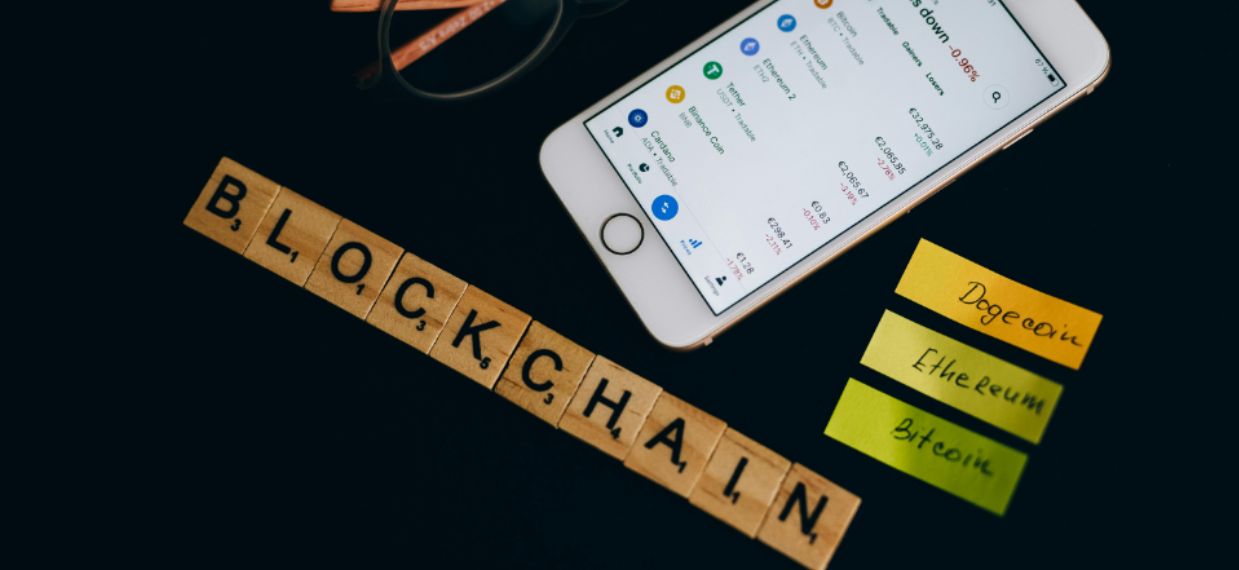
Economic Benefits of Using Bitcoin for hosting payments

Cryptocurrency is a new phenomenon that revolutionizes the way we conceptualize payments. Being based on a completely new approach, it allows us to draw a range of expected and unexpected advantages out of it. The number of areas where Bitcoin can be used for payments is constantly expanding, and now this payment option permeates also the realm of web hosting, with an option to rent VPS server with bitcoin acceptance

What is the specificity of Bitcoin payments and how you can benefit from it when paying for your hosting plan? Let’s see.

What is cryptocurrency?

To understand the good things about Bitcoin, it’s essential to figure out what cryptocurrency is and its principle of operation.

Cryptocurrency is a type of digital money that is based on blockchain technology. A blockchain is a public ledger that contains information about all the transactions ever done within the network organized into blocks that are stored in a decentralized way. In this way, we get something that once launched works on its own as long as there are actors participating. Besides that, it’s nearly impossible to hack the system as the information about all transactions is distributed throughout the network, while cryptography helps keep transactions secure and sensitive information unavailable for eavesdropping.

As you can see, crypto depends on quite a different set of principles than traditional bankings do. Although it, for now, can’t be a complete substitution for traditional payment methods, it is already used on many occasions, not least for economic reasons.

Economic benefits of crypto

Lower Fees. Traditional financial institutions and related payment methods, first of all, banks and credit cards are organizations created by people who are engaged in creating money from money. For this reason, fees that originate from this or from that source are inevitable, so you’ll have to pay some extra amount of money on a whole variety of occasions.

Since cryptocurrency, however, doesn’t rely on particular centralized organizations and is in a way self-sustaining, the fees associated with it will be, if not absent, lower in the absolute majority of the cases.

No Particular Fees for International Transactions. Another point is that traditional currencies are mostly connected to particular nations. This results in additional fees when your money has to cross the border and in many cases the need to convert the currencies which results in additional expenditures. This problem is, too, solved by cryptocurrencies since they are fully “border-agnostic”: no matter where you are and where is the one or from whom you want to transfer money, this won’t result in any form of additional fees.

Security and Fraud Prevention. The way cryptocurrencies work gives an additional dimension of security to the whole transaction procedure. In this way, chances that security fails during the transaction, that your assets get hacked, or that transaction records are altered, are almost 100% minimized.

Ownership and Control. Using cryptocurrency you don’t rely on any centralized institution in storing your valuable assets. This excludes cases of financial loss due to technical issues in the banking system or financial institutions getting bankrupt.

Access to Investment Opportunities. Cryptocurrency is a relatively recently emerged field with a whole lot of possibilities for financial development. Although learning to earn by investing in cryptocurrency will require you to learn a bunch of new stuff and invest your time and attention in it, it may greatly pay off eventually. By using cryptocurrency as your first priority payment method on as many occasions as possible, you’ll facilitate your access to further profitable uses of cryptos.

Innovation and Technological Advancements. As already mentioned, cryptocurrency is a relatively young and rapidly developing form of currency with a lot of perspective developments running around it. By using cryptocurrency, you’ll invest in a better understanding of modern tendencies, increasing your general level of economic and technical erudition. 

Smart contracts. Smart contracts, another feature of cryptocurrencies, are a kind of digital contract whose terms are written directly into the code and that is automatically executed when certain conditions are met. This gives the user an opportunity to automatize certain actions, which makes their life generally more convenient. Smart contracts are still fully reliable and secure which is ensured by the transparent and decentralized nature of blockchain.

Conclusion

Cryptocurrency is relatively new, progressive, and developing in a quite rapid pace way of payment. Using cryptocurrency will offer you considerable economic benefits minimizing your extra expenditures as well as opening a whole lot of new opportunities to benefit from the features of blockchain technology. We hope that this information was helpful, stay tuned!

Klarna partners with Life Style Sports

Klarna, the global payments network and shopping destination, today announced its partnership with Life Style Sports to offer flexible payment options to Irish shoppers buying the latest performance and sportswear.

With Klarna’s Pay in 3 service, shoppers can conveniently purchase all their favourite sports brands at lifestylesports.com and pay in three easy, interest free instalments at the checkout. The news comes during a busy summer and upcoming autumn of sports.

Life Style Sports has been a trusted destination for performance and sportswear since its establishment in 1979. Following the launch of the Irish retailer’s new ‘For The Love Of It’ brand position, Life Style Sports recognises how flexible payment options allow consumers to discover and participate in their favourite sports and activities whilst also enabling them to remain in control of their finances.

“This partnership has come at an important time for Life Style Sports during a busy season of sport with the FIFA Women’s World Cup and the Rugby World Cup,” says Mark Carter, Group Finance & I.T. Director at Life Style Sports’ parent company Stafford Group. “By making our retail experience more seamless and convenient, our partnership with Klarna will help to remove financial barriers for many fans across Ireland who want to turn to sports and fitness in their own lives.”

“Since launching in Ireland in 2021, we’ve seen how keen shoppers across the country are for more flexibility in how they pay for their purchases and manage their finances,” said Colin Creagh, Head of Klarna, Ireland. “With over half a million customers using Klarna across Ireland, there is a clear appetite for more payment method choices. This partnership with Life Style Sports is an exciting reflection of this, and we look forward to enabling customers to manage the costs of keeping fit and supporting their teams this Summer.”

Tech Fortification: Enhancing Security Measures for a Safer Online Gaming Environment

In the current digital age, you must protect yourself against cyber criminals such as hackers and fraudsters. Therefore, it would help to protect your information when transacting online or clicking on links.

The iGaming and online sports betting sectors offer highly secure online environments. Since their establishment, internet casinos and sportsbooks have consistently set the standard for security measures.

Currently, online casino gaming activities are made possible through software and various virtual technologies. These advancements have greatly increased accessibility to casino entertainment. However, a significant focus of these technologies is dedicated to ensuring player safety. Above all else, the top priority in the current climate is to guarantee a secure gaming experience.

Today, players can enjoy online slots confident that their personal information is secure thanks to online casinos’ technology. If you are looking for a top slots site, this Kaboom Slots reviewed will give you insights into top slots websites. Top-rated sites use the latest technologies to offer players a secure gaming environment.

Here are the top technologies that enhance user security online:

SSL Encryption

Online casinos employ Secure Sockets Layer (SSL) encryption technology to safeguard your information. When playing online games, players usually submit sensitive details such as their credit card details, address, and ID number.

While verifying accounts, players may have uploaded a photo of their passport or ID card to the gaming site. But SSL ensures your information remains secure.

When web connections are not encrypted, sensitive data becomes susceptible to intrusion. Online casinos utilize Secure Sockets Layer (SSL) encryption technology to guarantee the safety of received and stored data. This makes it much more challenging for unauthorized individuals to gain access.

Random Number Generator

A Random Number Generator is an application designed to create random numbers for credit card payments. Online casinos employ RNGs to guarantee that all outcomes are transparent, truly random, and fair for every player involved.

The Random Number Generator (RNG) is a tech innovation consisting of numerous lines of code. Every online casino employs it as a means of enhancing safety and ensuring fairness in gaming. This technology guides the game on when and which combination to display to players, making the online gaming experience reliable and unbiased.

Blockchain Technology

Blockchain casinos offer the finest gambling environments with impressive security technologies. They achieved progress in these platforms through the use of cryptocurrencies, also referred to as virtual currencies. These digital currencies play a significant role in the operations of these platforms.

By employing this technology, you can maintain stealth and avoid leaving any trace of your online or offline activities. It is commonly employed by online casino gamers on gambling and gaming websites, guaranteeing complete anonymity and privacy at all times.

Secure Payment Methods

Nowadays, numerous online gaming companies offer multiple deposit and withdrawal methods. Popular options include credit or debit cards, bank transfers, cryptocurrency, and electronic wallets. Luckily, each of these banking choices utilizes top-of-the-line security measures to safeguard your finances and guarantee the security of your online gaming involvement.

Financial institutions and banks employ rigorous verification measures to prevent money laundering and fraud. These measures include verification SMS messages and one-time passwords. However, if you want to maintain anonymity, cryptocurrencies like Bitcoin are an ideal alternative.


Ripple’s XRP: Revolutionizing Cross-Border Payments

Cross-border payments have long been a challenge for businesses and individuals alike. Traditional methods of transferring money across borders are often slow, expensive, and cumbersome, resulting in delays and high transaction fees. However, with the advent of blockchain technology, new solutions are emerging that promise to revolutionize the way we conduct cross-border transactions. One such solution is XRP, the digital currency developed by Ripple. In this article, we will explore why XRP is a game-changer for cross-border payments, and how it is reshaping the landscape of international transactions. Start your trading journey by using and visiting the https://bitcoinera-no.com/

Streamlining Cross-Border Payments with XRP:

One of the main reasons why XRP is a game-changer for cross-border payments is its ability to streamline the process. Traditional cross-border transactions often involve multiple intermediaries, each charging their fees and adding to the overall cost and time of the transaction. With XRP, transactions can be completed in seconds, with minimal fees and without the need for intermediaries. This is made possible by Ripple’s innovative payment protocol, which uses XRP as a bridge currency to facilitate transactions between different fiat currencies. By eliminating the need for multiple currency conversions and intermediaries, XRP significantly reduces the time and cost associated with cross-border payments, making it a more efficient and cost-effective solution.

Enhancing Security and Transparency:

Another key feature of XRP that makes it a game-changer for cross-border payments is its security and transparency. Traditional cross-border transactions often involve multiple banks and financial institutions, each with their systems and protocols. This can result in delays and errors, and it can be challenging to track the progress of a transaction. In contrast, XRP transactions are conducted on a decentralized blockchain, which offers enhanced security and transparency. Each transaction is recorded on the blockchain and can be tracked in real-time, providing greater visibility and accountability. This not only reduces the risk of fraud and errors but also enhances trust between parties involved in the transaction.

Lowering Costs for Businesses and Consumers:

One of the most significant advantages of XRP for cross-border payments is its potential to lower costs for businesses and consumers alike. Traditional cross-border transactions are often associated with high transaction fees, currency conversion fees, and other charges imposed by intermediaries. These fees can quickly add up and significantly impact the overall cost of a transaction. With XRP, transaction fees are minimal, and there are no currency conversion fees, as XRP serves as a bridge currency between different fiat currencies. This means that businesses and consumers can save significantly on transaction costs, making cross-border payments more affordable and accessible.

Enabling Financial Inclusion:

Financial inclusion, or the ability of individuals and businesses to access financial services, is a crucial issue, particularly in developing countries. Traditional cross-border payment methods can be inaccessible to many due to high costs, lack of banking infrastructure, and other barriers. XRP has the potential to change this by providing a more affordable and efficient means of transferring money across borders. By reducing transaction costs and eliminating the need for intermediaries, XRP can enable greater financial inclusion, allowing individuals and businesses in underserved regions to access the global economy and participate in cross-border transactions.

Driving Innovation in the Financial Industry:

The adoption of XRP for cross-border payments is not only changing the way transactions are conducted but also driving innovation in the financial industry. Ripple’s payment protocol, which uses XRP as a bridge currency, has inspired other companies to develop similar solutions, known as “interledger protocols.” These protocols enable interoperability between different blockchain networks, allowing for seamless cross-border transactions. This has spurred innovation in areas such as remittances, supply chain finance, and international trade, creating new business models and opportunities. XRP’s innovative approach to cross-border payments has also gained recognition from leading financial institutions and regulators around the world. Ripple has formed partnerships with numerous banks and payment service providers, including Santander, American Express, and PNC, among others, to leverage XRP for cross-border transactions. This recognition and collaboration with established financial players highlight the growing acceptance and adoption of XRP as a game-changing solution for cross-border payments.

Overcoming Challenges and Skepticism:

As with any disruptive technology, XRP has faced challenges and skepticism along the way. One of the main criticisms of XRP is its association with Ripple, the company that created and manages the digital currency. Some argue that XRP’s centralized nature contradicts the decentralized ethos of blockchain technology. However, Ripple has been taking steps to address this concern, including the establishment of an independent organization called RippleX to promote the adoption of XRP and support its decentralization. Additionally, Ripple’s partnerships with financial institutions and compliance with regulatory requirements demonstrate its commitment to legitimacy and compliance.

Another challenge for XRP has been regulatory scrutiny. As with other cryptocurrencies, XRP has faced regulatory challenges in some jurisdictions, with debates on its classification as a security or a utility token. However, Ripple has been actively working with regulators and authorities to navigate these challenges and ensure compliance with applicable laws and regulations. In fact, Ripple has recently scored a significant legal victory with the U.S. Securities and Exchange Commission (SEC) settling a lawsuit against Ripple, stating that XRP is not a security. This favorable outcome provides more clarity and legitimacy to XRP as a viable solution for cross-border payments.

The Future of Cross-Border Payments with XRP:

Despite the challenges, XRP’s potential as a game-changer for cross-border payments is undeniable. Its ability to streamline transactions, enhance security and transparency, lower costs, enable financial inclusion, and drive innovation in the financial industry makes it a compelling solution for businesses and individuals globally. As more financial institutions and payment service providers recognize the benefits of XRP and adopt its use for cross-border transactions, the landscape of international payments is likely to be reshaped.

In the future, we can expect to see increased adoption of XRP as a bridge currency for cross-border transactions, bypassing traditional intermediaries and reducing costs and delays. The use of XRP can enable faster, more efficient, and more affordable cross-border payments, benefiting businesses of all sizes, individuals, and even governments. Additionally, the potential for interoperability between different blockchain networks through interledger protocols inspired by Ripple’s payment protocol can further drive innovation and open up new possibilities for cross-border transactions.

Conclusion:

In conclusion, Ripple’s XRP is a game-changer for cross-border payments. Its innovative approach to streamline transactions, enhance security and transparency, lower costs, enable financial inclusion, and drive innovation in the financial industry has the potential to revolutionize the way we conduct international transactions. Despite challenges and skepticism, XRP has gained recognition from leading financial institutions and regulators, and its adoption is expected to continue to grow. As XRP continues to gain traction, we can anticipate a future where cross-border payments are faster, more efficient, and more affordable, benefiting businesses and individuals around the world. XRP’s impact on cross-border payments is not just limited to the present, but it also holds immense potential to shape the future of global finance. With its disruptive capabilities and innovative approach, XRP is paving the way for a new era of cross-border payments, making it a truly game-changing solution in the world of finance. So, keep an eye on Ripple’s XRP, as it continues to make waves in the realm of international transactions.

MuchBetter Review: Instantly Send and Receive Money

How often do you find yourself in a situation where you need to split a bill or pay your friend back some money? 

You may need to send money to friends while eating out to pay your half of a bill, pay a colleague back for that drink or even send a little gift to your friend as a surprise. This is where P2P (peer-to-peer) comes in, making the process of sending funds seamless.

But what are P2P payments? 

P2P allows you to send money directly to another person, right from the comfort of your phone. 

How does it work?

Long gone are the days of using cash to split the bill. P2P makes life easy. 

The MuchBetter Wallet lets you send and receive money instantly with the P2P feature on the app.

No need to plug in lengthy details, all you need is the MuchBetter app on your phone and your friend’s phone number to send or request funds. 

How does it work?

To send funds:

  1. Hit “Send” in the MuchBetter Wallet
  2. Input your friends phone number in the “send to” section
  3. Add the amount you want to send
  4. Let your friend know what it’s for with the message option
  5. Press send

To request funds:

  1. Hit “Request” in the MuchBetter Wallet
  2. Input your friends phone number in the “Request” section
  3. Add the amount you want to request
  4. Let your friend know what it’s for with the message option
  5. Press request

Why use MuchBetter for P2P payments?

  • Send and receive money in a few simple steps
  • Enjoy instant payments
  • Keep track of your spends, with your balance updated immediately
  • There are no fees
  • It makes splitting bills painless
  • Get real-time account notifications 

Who are MuchBetter and what is the Wallet?

MuchBetter is a digital payments company, creating payment solutions that are simple to use. The MuchBetter Wallet is a digital wallet that allows you to spend, send and store money safely from your phone, that is localised in 17 languages with 1.1 million customers around the world.

MuchBetter P2P FAQ

How long does it take deposit? 

There’s no waiting around, P2P payments are instant.

Can you send to someone who doesn’t have MuchBetter?

Absolutely. They will receive a SMS with a unique link so they can sign up to a MuchBetter account for free to claim their funds. 

What does it cost?

It’s totally free!

What does P2P stand for?

P2P stands for peer-to-peer. 

Is it safe to send money via MuchBetter?

Absolutely! There is a variety of security features integrated into the MuchBetter app to keep your money safe. Every account is secured by a personalised pin unique to you, as well as touch or face ID. You can also activate real time notifications to keep you updated on your account’s activity. 

Intrigued? You can download the MuchBetter wallet on either the App Store or Google Play to start paying friends instantly in the app. Find out more: www.muchbetter.com 


TransferMate announce new embedded payments solution for banks and FIs

TransferMate have today announced the launch of ‘TransferMate Connect’, an integrated payments solution for banks and financial institutions to deliver faster and more cost-effective payments products and services for their customers.

TransferMate has built the largest non-bank payments infrastructure in the world, covering more than 140 currencies and over 200 countries. Through TransferMate Connect, banks and financial institutions can integrate with this network and instantly expand their global reach, giving them the ability to pass on its benefits to their own clients.

Banks and FIs will be able to build new cost-effective, fast, and secure payment propositions, allow their clients to set up trading capabilities in new territories quickly and at low-cost, and create or expand revenue streams generated by the funds moving through the network.

“TransferMate Connect is a single technology providing a global payments gateway for banks and Financial institutions to streamline their exiting multiple correspondent banking systems into one interface” said Sinead Fitzmaurice, CEO of TransferMate. “With our extensive global network and the world-class compliance and security underpinning it all, we believe TransferMate is leading the evolution of how money moves around the world.”

A unique part of the proposition is the ability of banks and financial institutions to also integrate with another TransferMate product, Global Accounts, and again give their clients the capacity to leverage it for their own benefit.

Global Accounts allows users to open local bank accounts in over 30 currencies, creating their own international banking network where they can hold, pay, and store currencies in a way that suits them. It significantly reduces transaction fees and FX costs for users, allows for better control over international cash flows, and exponentially speeds up the ability of a user to set-up a banking presence in a new territory.

“This complete package of solutions is truly innovative, and unmatched in the marketplace” said Terry Clune, Group CEO of the Clune Tech Group and founder of TransferMate. “We’re allowing banks and FIs to immediately create new products and services, or improve existing ones, and put them into market without causing any friction for their clients. I believe it’s going to give them a real competitive advantage in the marketplace.”

For more information on TransferMate Connect, go here.

Auctioneera signs-up with NoFrixion to ensure low-cost and seamless payments

Auctioneera, Ireland’s largest and fastest growing fixed fee estate agency today announced it has initiated an agreement with NoFrixion for the provision of digital payments infrastructure for real time payments reconciliation and accounting updates, while enabling instant payments and settlement to and from customers. As the result of its partnership with NoFrixion, Auctioneera is cutting its payments processing charges by 87%, while also considerably reducing its manual processing needs.

There has been enormous innovation at the consumer end of payments in recent years but almost none in business payments. Now NoFrixion is delivering efficiencies and savings to Auctioneera and core to the service is NoFrixion’s MoneyMoov API, which bridges legacy and digital infrastructure while simplifying payments automation, making the use of internet banking redundant.

Eddie O’Driscoll, Director, Auctioneera, said: “We have taken the plunge and have migrated our company’s payment processing to NoFrixion, and we could not be happier with how it has gone. While the payment processing fee savings got our attention, NoFrixion’s technology has proven to be the main advantage. It is integrated with our accounting system, saving us substantial hours every month of labour-intensive data entry work. Partnering with an innovative payment partner at rates substantially less than our previous service-provider has expanded our margins and has helped us to streamline our operations to a level not previously possible. It is of huge benefit to us.”

Feargal Brady, co-founder and CEO of NoFrixion, said: “Auctioneera is a perfect NoFrixion customer, in that it is a disruptive high growth business, enabled by internet technologies that did not exist ten years ago. Both the business and its customers rely on instant, low-cost payments, with immediate notification and settlement which traditional banking services don’t provide. We are delighted to align with Auctioneera and look forward to playing a role in its future success.”

With Covid now in the rear-view mirror, Auctioneera is actively recruiting estate agents in Dublin and Cork to add to its existing team to fuel expansion as the market normalises after the pandemic shock. The company believes that its low fixed fee model is the future of estate agency. It will ultimately see property sellers start to realise that they can sell their property for the best possible price while paying a low fixed fee. As vendors become aware of this alternative, they are eschewing the notion of paying several thousand Euro to sell a property.

NoFrixion is currently adding five to ten customers each month and has seen keen interest from e-commerce and SaaS businesses looking to cut payments processing fees and automate reconciliation. The Auctioneera model is a good example of the potential for both cost-savings and automation.

To date, Auctioneera which was established in 2018 has sold almost €350 million worth of property saving its vendors an estimated €4.4 million in fees compared to traditional estate agencies rates, where circa 1.5% of the value of the property is charged to customers. Its average client saves over €4000 in estate agent fees.

Established in 2021, NoFrixion is a fast-growing digital payments provider headquartered in Dublin, Ireland, which specialises in Banking as a Service solutions for business. It currently employs seventeen people at its headquarters in Dublin and expects to grow its headcount to thirty people by next year. NoFrixion’s current customer base spans Ireland, the UK, Belgium and Portugal. It recently announced a €3.6M funding round led by Delta Partners and Middlegame Ventures and joined by Furthr VC.

What is the Future of Payment Cards?

Cryptocurrencies have seen an increase in the number of users in recent years. The increased adoption of these cards is thanks to their ease to use and remarkable dependability. Unlike most other payment methods, these cards are highly convenient and reliable.

These cards have recently exceeded the popularity of conventional payment options like cheques and cash. According to a 2017 report by Global Economy, over 44% of people worldwide were using payment cards. And there is no doubt that this number has skyrocketed over the few years. 

The use of payment cards has increased recently due to certain events. For instance, the Covid-19 pandemic resulted in increased payment card users. People avoided handling cash during this time, fuelling the explosive usage of payment cards.

In the 1950s is when the development of payment cards began. Financial firms started creating debit and credit cards at this time. These cards have been essential to the banking system up until this point. These cards include convenience and security that make them the preferred payment option.  

Other characteristics of these payment cards are simplicity, reliability, and adaptability. 

Most payment card issuers have partnered with global payment processors like UnionPay, Visa, and MasterCard. This partnership allows unlimited card usage and easy withdrawals from most ATMs worldwide. 

Not only have these processing companies partnered with banks but also crypto card institutions. For example, Club Swan, a crypto membership platform, has partnered with MasterCard. This means you can spend your crypto to purchase either online or in-store worldwide. In addition, you can freely withdraw in most parts of the world.  

Road to a cashless world

Some nations had already begun implementing cashless economies before the Covid-19 outbreak. This entails using only advanced payment methods. China and Australia are the only two nations that have eliminated cash payments.

The majority of nations, however, are far behind, while some are still attempting to catch up with these countries.

According to statistics, most consumers prefer using cashless payment options since they are more practical and secure. The concern about contracting Covid-19 has also aided the promotion of these payment methods. 

As a result, the number of ATM users has also grown immensely. Also, not to mention the number of mobile users. This is no surprise since most institutions issuing payment cards have also started integrating their services with mobile money. 

For instance, popular companies for issuing crypto cards provide the user with a specific app where you can manage all aspects of their card. For example, you can manage your budget and even the security of your card on these apps. And this has marked the transition from physical cards to digital payment cards. 

Most institutions have begun transitioning to digital payment cards after physical payment cards have been in the picture for over 70 years. This shift has boosted the number of debit and credit card users.

So what motivated card issuance corporations to switch from physical to digital payment cards? Although there was a surge in the usage of payment cards during the Covid-19 outbreak, these cards faced severe transmission issues. As a result, most organizations chose to create and distribute digital payment cards.

Additionally, the growth of eCommerce has increased the usage of payment cards to its maximum capacity. This made card issuers realize the necessity for digital virtual cards.   

Virtual cards are a copy of your physical card, but you can only access them with your smartphone or a smart device. Virtual cards have proved beneficial due to their security and availability. 

In short, with a virtual debit card, forget about carrying your physical card around. This prevents loss and even theft of your physical payment card. Also, you can generate multiple virtual cards if you want to assign regular transactions to a specific card. This is a security step to preventing fraud-related cases.  

Evolution of payment cards

The development of credit cards is one of the many fascinating developments in the fintech industry. The evolution of credit and debit cards has led to their integration with mobile technology. Digital wallets are now linked to payment cards, and even virtual cards result from this.

Using your smartphone, you can handle any card function because most payment cards are now mobile-centric. You may control elements such as budgeting, withdrawals, and even the security of your credit or debit card through your phone.

For instance, the Club Swan platform provides you with an app where you can manage different aspects of the card. These aspects include your finances, traveling destinations, lounging, dining, health, and wellness. 

Also, on these apps, you can report a lost card, freeze your payment card, and reset your PIN. In addition to this security feature, certain well-known card issuers have integrated some top-notch security measures. These security features include biometrics, passcodes, passphrases, and two-factor authentication.

Despite their infancy, digital payment cards have gained much popularity since their introduction to the market. It’s safe to conclude that developers will seek to make this technology more friendly as time passes. Our understanding of payment cards may radically shift as these cards develop further. 

For instance, Apple Pay has altered how most people view credit and debit cards. As a result, it has emerged as one of the most coveted types of cashless transactions. To create your Apple Pay account, you must have an Apple ID. Also, thaks to its technology, you enjoy contactless, cardless, and cashless transactions using the app.

There are various types of digital payment cards besides Apple Pay. These cards have been so widely used that it’s accurate to state that they are now the foundation of payment cards.

Although most payment cards are still in use today, there is no denying that digital wallets have increased the efficiency, convenience, and security of payment cards. 

In addition to developments in the payment card industry, we are yet to see the rise of other cashless payment methods. Artificial intelligence (AI) and bots are two possible future payment techniques that people will use to complete transactions.

We already have AI assistants, but not in the fintech space. These AI helpers are Amazon Echo, Google Assistant, and Siri. The marketability of this technology will depend on how quickly it will complete transactions. 

The feel and look factor of payment cards

Despite being tools of convenience and security, fiat and cryptocurrency payment cards still have a long way to go. The security and convenience of these cards are likely to reach a new level with ongoing developments.

This is not to argue that consumers cannot access these features through their payment cards. However, since fraudsters still succeed in tricking cardholders into providing their information, there is still space for improvement.

Over 6000 fraud instances totaling over £34.5 million in losses were reported by the BBC, indicating a considerable increase in the number of fraud cases. It’s a huge time credit card industry to include advanced security elements in its redesign to reduce these scams. 

Additionally, analysts think plastic will have to disappear with the ongoing innovation in the credit card industry. This promotes environmental preservation and sustainability. Plastic simply holds the chip connecting to the POS machines to enable the payment. Payment card companies can replace this plastic with other environmentally friendly and sustainable materials.

The annual production of plastic payment cards is equivalent to the weight of 150 Boeing 747 aircraft. This absurdly large plastic volume hinders the current effort toward sustainability and environmental preservation. Alternatively, experts are exploring recyclable and biodegradable materials to make payment cards.

Radio Frequency Identification (RFID) and contactless chips are grain-sized, meaning crypto card issuers can easily be implanted into watches, rings, and other wearable devices. This also means we’re likely to get a scenario where the contactless chip will remain permanent.

When dashing out of the house for quick shopping, all you need is your keys and ornamentation. This technology allows for near-field communication, which increases convenience and reduces the hassle of pressing buttons. 

Preparation for Change

To handle upcoming changes to debit and credit cards, banks and other payment card providers must quickly adapt their business practices. Payment providers will need to work together to offer personalized customer experiences. This collaboration could result from a new feature or loyalty program that makes shopping safer for cardholders. 

Future payment methods

The fintech landscape is growing at an insane rate. Due to this, we a likely to see complete advancement of payment cards or even replacement by other payment forms. 

Here are some up-and-coming payment forms in the fintech industry. 

1. Digital Wallets

The digital wallet is one of the most recent developments in the fintech industry. They are also referred to as smartphone wallets. These digital wallets include Square Cash, PayPal, and Google Wallet.

You can use these wallets to connect to your crypto debit card or bank account. Thus encouraging easy and contactless transactions. Also, with these digital wallets, its easy to make payments with NFC (Near Field Communication). 

2. Voice Recognition

Voice recognition is not a new idea in technology, but it will likely enter the financial industry.

Developers are leveraging the voice recognition feature to enable voice control of transactions and payments.

This technology will immediately recognize the distinctive feature of your speech using the predetermined algorithm. 

3. Biometric payment

Fingerprint recognition is currently a new security feature on the majority of smartphones. However, developers also attempt to automate transactions and payments using this biometric technology.

They are also considering incorporating pupil scanning in addition to fingerprint scanning. This technique will probably raise the bar for security. 

Conclusion

It’s expected that new and sophisticated payment mechanisms will emerge as fintech technology develops further. New security enhancements that will lessen cyber fraud are also on the horizon.

Fiat vs crypto: Is the race on?

Cryptocurrencies are digital assets and are getting extremely popular these days, many people have started investing in cryptos, and many public places and online stores have started accepting cryptos as the mode of payment. Although some cryptos are not very popular and their value is also not that high, these days, cryptos like bitcoins and Ethereum are gaining colossal hype. It is often discussed whether cryptos are better than fiat currency or if cryptos are going to replace fiat; if you also have similar questions, read the article below to clear all your doubts.  You need to know and learn more about 5 Crypto trading tips and tricks.

Crypto vs fiat

Cryptocurrencies do not have a central body to control the system. Still, a government authority regulates the traditional currency, which helps in case of system disruption or other suspicious acts where users are prone to lose their accounts. Still, fiat does not let that happen because all the data is backed up centrally. 

Investing in cryptos comes with many risks because their price can change drastically at any moment, and you may end up losing your investment; it is advised never to put in a value; you cannot risk losing. But fiat currency has stable prices, and you have few chances to lose your money. 

In addition, crypto is a relatively newer concept as compared to fiat; However, cryptos are gaining a lot of popularity these days, still lesser people are aware of how to use cryptos for general payments, and only a few public places and online stores accept crypto as the mode of payment. However, these figures will increase in the future; right now, people find fiat the convenient source of payments because everyone around the globe uses it.

How to use crypto for making payments?

Acquiring a cryptocurrency

You do not need to be associated with any organization to gain cryptocurrency, but this method is considered the easiest to acquire cryptocurrency. The features provided by these exchanges can convert fiat money into cryptocurrency and may also assist you in securing your private keys and in matters of technical problems.

Need of a wallet

To pay via cryptocurrency, you will require a wallet app. This application works as a medium between you and your crypto. You can easily download the wallet application on your devices. 

In many cryptocurrency exchanges, users are provided with wallets that they can use to make transactions with others. These days wallets can even send and receive payments by scanning QR codes using the device camera.

Sending and receiving payments

Making crypto payments is not as difficult as it sounds; all you need for this process is your device with a wallet application installed. 

Send process

Open the wallet application and press the send button to send payments using cryptocurrency. After this, put in the amount to be sent and the QR code or address of the receiver’s wallet. The payment is set to be sent; look carefully into the details to avoid future details. Finally, click send to transfer the amount.

Do cryptos have an extra edge over fiat? 

Cryptos let you trade without involving any third party; unlike fiat, cryptos give users the freedom to trade without taking approvals from a central authority; this saves a lot of time, and the transaction fee is also minimal for crypto payments. 

In addition, cryptos allow users to trade without revealing their identity; this is impossible for fiat users; you must provide genuine details about yourself to send and receive payments using fiat currency. 

Moreover, although there is a risk while investing in cryptos, the potential gain is also very high, making crypto more appealing than fiat. 

In conclusion, cryptos and fiat both have their own merits and demerits; it depends on you and your preference which method you will choose, fiat currency is considered reliable and has been in use for years now, and cryptos are a relatively newer concept; comparatively lesser people are aware of cryptos, and only a few online stores and public places accept cryptos as the mode of payment. So right now, cryptos can’t take fiat’s position, but looking at the current success of cryptos, it may happen sometime in future. But cryptos must work a lot and gain people’s trust to replace fiat.