Smart D8 Opens Doors to Health and Wellbeing Innovators for Sixth Consecutive Year

Smart D8, Dublin’s first smart district dedicated to addressing community health and wellbeing needs and located in the heart of Dublin 8, has officially launched its sixth open call for pilot projects.

Since October 2020, the Smart D8 partnership has connected innovators with citizen expertise through enterprise, healthcare, academia, government and other areas of the public sector, collectively aiming to address health and wellbeing challenges identified by the local D8 community.

Now entering its sixth year, this year’s call focuses on innovative pilot projects across three key themes:

  • Nutrition
  • Social Connectedness
  • Workplace Wellbeing

Up to three pilot projects will each receive up to €10,000 in funding, but crucially will be supported to validate their innovation with real users. Those selected will have the opportunity to trial new and emerging innovations for illness prevention with a general population to measure and evaluate their population health impacts – demonstrating their potential to positively impact people’s lives locally, nationally and internationally.

Since its inception, Smart D8 has established strong community connections through outreach with residents, businesses, schools, local organisations and networks to understand health and wellbeing priority areas and needs. Engaging with service providers, innovators and entrepreneurs to trial and test new products, services and ideas, the partnership works to matchmake innovative content and technologies with community networks and demonstrate their impacts on population health to scale.

Operating through funded pilot calls and partnerships, the Smart D8 testbed supports access to local knowledge and expertise and facilitates the development of innovative approaches that can enhance health and wellbeing with and in the local community.

Through the combined effort of pilot projects, local workshop initiatives and established engagement with existing community networks, Smart D8 has reached over 21,500 citizens living and working in Dublin 8, over 45% of the 45,000-strong population.

Smart D8 is led by The Digital Hub, Dublin City Council, St James’s Hospital and Smart Dublin. They are joined by Tyndall National Institute, St Patrick’s Mental Health Services, Trinity College Dublin, Trinity Translational Medicine Institute, National College of Art & Design, the Guinness Enterprise Centre, Health Innovation Hub Ireland and the HSE in this unique collaborative initiative.

Applications will close on Thursday, 26th March at 11pm. For more information on Smart D8 and to find out how to apply for the latest round of pilot projects, please visit https://smartd8.ie.

The Lord Mayor of Dublin, Cllr Ray McAdam, said:

“I am proud to see our city continue to lead with purpose, placing community wellbeing, innovation and sustainability at the centre of how we shape Dublin’s future. Smart D8 represents the very best of civic collaboration, bringing together innovators, researchers, public services and citizens to test ideas that improve everyday life. By grounding innovation in evidence and in lived experience, it is building a model for healthier communities that can be scaled across our capital and beyond. I strongly encourage innovators with bold, practical and evidence-led ideas to step forward and partner with us. Together, we can demonstrate how place-based collaboration delivers real change for Dublin 8 and sets a standard for cities everywhere.”

Speaking on the opening of pilot applications, Smart D8 Ecosystem Manager, Jack Lehane, said:

“As Smart D8 moves into its sixth year, we take great pride in the scale of engagement so far, and are especially motivated by the opportunities that lie ahead. In 2026, we will continue to build on this momentum by focusing on themes that have the greatest potential to identify and validate population health solutions, including nutrition, social connectedness and workplace wellbeing.

The partnership provides changemakers with a chance to connect their innovations with citizens in real-world community settings, and demonstrate their ability to scale to wider populations. We strongly encourage organisations from any sector that have population-scale innovations in these areas to apply, and look forward to seeing more projects deliver measurable impacts and outcomes across the Dublin 8 community and beyond in the year ahead.”

Ana Coughlan, Smart D8 Community Coordinator, added:

“At Smart D8, our mission is to improve community health and wellbeing through meaningful collaboration and innovation, while amplifying the efforts of those already committed to making a difference in people’s lives. We have built a strong network of community-centred initiatives that involve residents, workers and students to support healthier lifestyles, and this year’s themes are chosen based on this outreach. We will continue to expand our impact by welcoming pilot proposals that focus on innovative approaches to illness prevention, helping to create a stronger, healthier and more connected Dublin 8.”

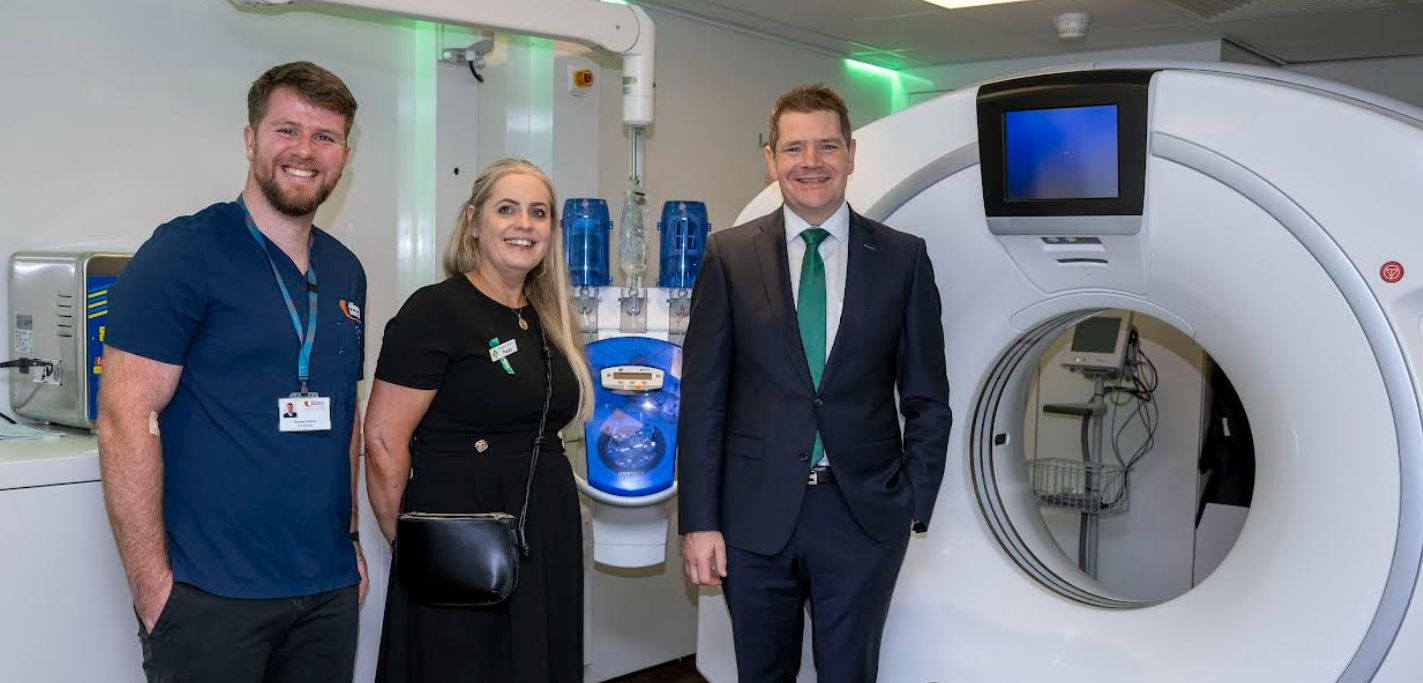
New Advanced CT Scanning Service delivered by Alliance Medical at Charter Medical Private Hospital

Charter Medical Private Hospital (CMPH) Mullingar is pleased to announce on behalf of Alliance Medical the launch of its new state-of-the-art CT scanning service in partnership with Alliance Medical, one of Ireland’s leading independent diagnostic providers. The enhanced service, delivered on-site in Mullingar, will provide significantly expanded diagnostic capacity for patients across the Midlands.

The investment by Alliance Medical in the delivery of the new CT scanning service further enhances CMPH’s role as a key regional healthcare provider, supporting faster diagnosis, earlier intervention, and improved outcomes for both public and private patients.

It also serves to strengthen the long-term partnership between CMPG and Alliance Medical and is a clear demonstration of support by Alliance Medical in the development of the hospital’s infrastructure, along with the ambitious expansion plans of CMPH.

The CT service is fully operational and accepting referrals from GPs, consultants and allied health professionals. It provides access to a comprehensive suite of high‑quality imaging services. CMPH patients can now access Neuro CT, Orthopaedic & Musculoskeletal, Vascular CT,  CT Angiography; and Oncology CT.

Cardiac CT will be added shortly, strengthening CMPH’s ability to support rapid diagnosis of cardiovascular conditions.

All imaging is carried out on-site by Alliance Medical’s specialist radiography team, with reporting completed by RCSI‑accredited consultant radiologists, ensuring clinical accuracy and rapid turnaround times.

The collaboration with Alliance Medical ensures CMPH can provide a best‑in‑class diagnostic experience while maintaining seamless integration with its surgical, outpatient and public healthcare services.

Peter Burke TD, Minister for Enterprise, Trade & Employment, said:  “This investment by Alliance Medical into Charter Medical Private Hospital Mullingar is extremely positive for local and regional healthcare. Faster access to diagnostics has a profound impact on patient outcomes, and the expansion of the service here in Mullingar will ease pressure on the wider system. It is encouraging to see continued investment in high‑quality services and clinical capacity here in Westmeath. I wish both CMPH and Alliance Medical every success with this important initiative. ”

Paula Gray, Chief Executive Officer, Charter Medical Private Hospital Mullingar, said:  “This development represents a major step forward for patient care in the Midlands. Quick access to accurate diagnostics is critical for early detection, effective treatment and peace of mind. By working closely with Alliance Medical, we can now offer patients the highest standard of imaging locally, without long waiting times or the need to travel. This is an important investment in the health of our community and the future of our hospital.”

Stephen Sullivan, Alliance Medical Unit Manager, Mullingar:  “We have seen a great uptake in referrals in the first few months of the service, and we are very excited to see this grow over the course of the year. To be able to offer patients access to high‑quality CT scans without the need to travel long distances is a great benefit for the local area.”

Charter Medical Private Hospital is a 77‑bed acute hospital delivering a broad range of clinical, surgical and diagnostic services to patients across the Midlands. It is part of a wider healthcare network employing over 300 professionals across Dublin and Westmeath.

CMPH plays a significant role in supporting the HSE through the National Treatment Purchase Fund (NTPF) and Access to Care (ATC) programmes, delivering thousands of procedures in ENT, Ophthalmology, Urology, Dermatology, and General surgery and minor procedures

The hospital is also home to the only public Minor Injuries Unit in the Midlands, treating approximately 10,000 patients per year.

CMPH accepts a wide range of insurance providers including VHI, Laya Healthcare, Irish Life Health, Garda Medical Aid and Prison Officer Medical Aid and offers a transparent self‑pay option for patients seeking immediate access to diagnostic imaging.

Canyon Launches Jacky SW-69 Smartwatch for the Irish Market

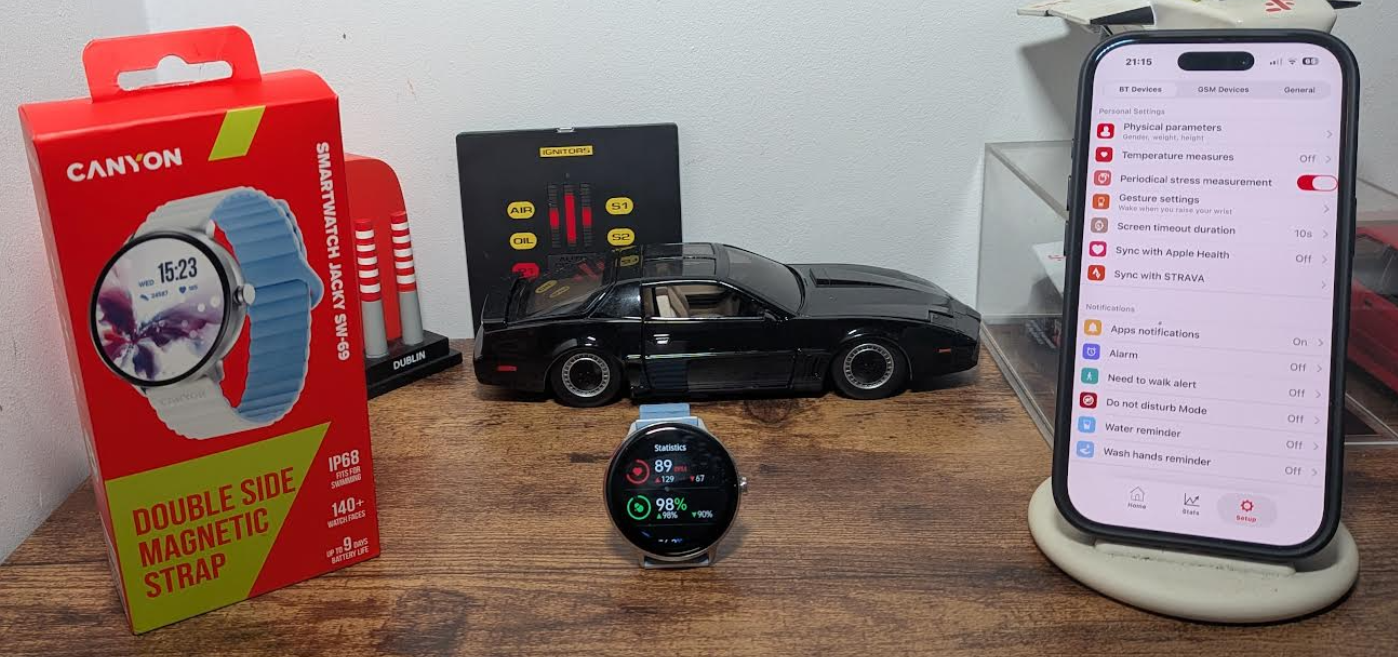
Canyon has announced the availability of the Canyon Smart Watch Jacky SW-69 White & Blue, a stylish and feature-packed wearable designed to support everyday wellness, fitness tracking and smart connectivity for Irish consumers.
Blending a modern aesthetic with practical functionality, the Jacky SW-69 features a vibrant 1.3-inch LTPS touchscreen display with a sharp 360 × 360 resolution, delivering clear visuals for both indoor and outdoor use. Its white and blue colourway offers a fresh, contemporary look suited to work, workouts and leisure.
Health & Fitness at Your Fingertips
Designed to support an active lifestyle, the Jacky SW-69 provides continuous monitoring of heart rate, blood oxygen levels and body temperature, helping users stay informed about their wellbeing throughout the day. With 25 built-in sport modes, including walking, running, cycling, yoga and swimming, the smartwatch enables personalised activity tracking with detailed insights into steps, calories burned and distance covered.
The device also includes sleep tracking, stress monitoring and guided breathing exercises, promoting a more balanced approach to health and wellness.
Smart Features for Everyday Life
The Jacky SW-69 keeps users connected with smart notifications for calls, messages and app alerts, delivered directly to the wrist. Additional features include music and camera control, weather updates, hydration reminders, calculator, stopwatch and a virtual business card, making it a practical companion for daily routines.
The smartwatch is compatible with Android and iOS devices, ensuring a seamless pairing experience across platforms.
Durable Design with Long Battery Life
Built to handle daily wear, the Jacky SW-69 is IP68 water-resistant, offering protection against water splashes, rain and sweat. Its long-lasting battery delivers up to 9 days of typical use and up to 15 days on standby, minimising downtime between charges.
Availability
The Canyon Smart Watch Jacky SW-69 White & Blue is available now in Ireland from Vodafone Friends & Family online.
RRP 59.00 EURO – BUY
We will have a review soon so stay tuned

Children spending 4+ hours on screens face 61% higher depression risk

new Nature Portfolio study reveals that excessive screen time in children is associated with significantly detrimental mental health outcomes across several disorders: ADHD, anxiety, behavioural problems and even depression.

According to clinicians from Flow Neuroscience, a company behind the first FDA-approved non-drug, non-invasive depression treatment, the issue is even bigger than the study reveals, as these children are often overprescribed antidepressants and have limited treatment alternatives due to their age.

Based on data from over 50,000 US children aged 6-17, the study revealed that excessive screen time, categorized as four or more hours per day, is associated with increased odds of mental health issues, raising the likelihood of depression by 61%, anxiety by 45%, behavioural or conduct problems by 24% and ADHD by 21%.

“What is most concerning about these results is the high probability of depression,” says Dr. Hannah Nearney, M.D., clinical psychiatrist and UK Medical Director at Flow Neuroscience. “While there are effective treatments for depression, treatment from a young age can present challenges that may further negatively impact a patient’s life, partly due to the side effects associated with antidepressant use. Unfortunately, non-drug alternatives are often limited to talking therapy, leaving a gap in the provision of services and exposing vulnerable children to increased risk.”

According to the study, physical activity emerges as the most influential protective factor between screen time and mental health problems, accounting for up to 39% of that relationship.

In comparison, irregular bedtimes are culpable for up to 23,9%, and short sleep duration explains around 7,24% of the relationship between screen time and mental health issues.

“What’s most important is that we now know the main determinants and protective factors regarding a range of mental health issues in children. The odds can be significantly reduced with adjustments in behaviours such as physical activity, and expanding the tools we can use to combat these illnesses,” highlighted Dr. Nearney.

The data from the study also indicated that this problem will escalate, as nearly one in every three children spends too much of their time in front of screens, suggesting the behaviour is normalized.

Meeting guidelines for physical activity (which is more than 60 minutes per day) is already low, with only one out of five children achieving this standard. And just one out of four children maintains a consistent weekday bedtime routine.

Given the limitations and risks associated with prescribing SSRIs to children, including a small but measurable increase in suicidality, there is a growing need to explore alternative, non-pharmacological treatments.

In this context, the first FDA-approved non-drug treatment, based on transcranial direct current stimulation (tDCS), is expected to become available in the US later this year. However, it is not approved for children under 18.

“Due to long waiting times, not enough attention is given to children and adolescents with mental health problems such as depression. Too often, they’re pushed into the trial-and-error pathways with antidepressants, even at a young age. We hope that such tools as brain stimulation will become available for these young people too, but what we can do in the meantime is to follow the suggestion of studies like the latter one, and not only avoid screen time, but also regulate our sleep schedules, add physical activity to children’s daily lives, and explore other similar options,” highlighted Dr. Nearney.

Even though currently, children don’t have non-drug, at-home, FDA-approved tools for depression treatment, an increasing amount of research supports that such technologies as tDCS are safe for pediatric use.

In the meantime, this Nature study reframes youth mental health as largely a preventable behavioural challenge and shows that many risks stem from modifiable habits like screen use, physical activity, and sleep.

HAYLOU Solar Lite 2 Smartwatch Review

The Haylou Solar Lite 2 is a major leap forward from its predecessor, shifting from a budget “basic” tracker to a more premium-feeling smartwatch. While the original Solar Lite was known for its simplicity and TFT screen, the Solar Lite 2 introduces a vibrant AMOLED display and Bluetooth calling while maintaining a sleek profile.

Having tested many watches in this price bracket the Solar lite 2 comes pack with more features than others at this pricepoint giving it a more favourable look of others and like many watches in this price tier they do not offer bluetooth calling where the Haylou Solar Lite 2 does which is a sought feature for those on a budget.

Haylou’s main pitch for the Solar Lite 2 is its 9.8mm ultra-thin design. It feels noticeably lighter and less bulky on the wrist than most competitors in this price bracket.

It features a high-gloss polished zinc alloy frame that gives it a more “executive” look compared to the matte plastic feel of the first generation.

It has been upgraded to 1ATM, meaning it handles splashes and rain much better, though it is still not a dedicated deep-diving watch.

The display  is the star of the show here. with a 1.43-inch AMOLED: Moving away from the 240×240 TFT of the original, the Solar Lite 2 features a 466×466 resolution with a 60Hz refresh rate. It is fast an smooth.

Colors are punchy, and the blacks are deep. It also supports Always-On Display (AOD), which was a major missing feature in previous “Lite” models.

Key Features & Performance

  • Bluetooth Calling: You can now make and receive calls directly from your wrist. The speaker is surprisingly clear for the price, though it struggles in windy outdoor environments.

  • Health Tracking: It utilizes a new self-developed algorithm for more accurate heart rate and $SpO_2$ monitoring. It also includes 24/7 stress tracking and female health management.

  • Fitness: With over 150 sports modes (up from 100), it covers almost any activity. It also syncs directly with Strava, which is a huge win for runners and cyclists who don’t want to be locked into the Haylou Fun app.

Battery Life

Despite the power-hungry AMOLED screen, Haylou has optimized the battery system:

  • Typical Use: ~12 days.

  • Heavy Use (AOD on, frequent calls): ~5–7 days.

  • Extended Battery Mode: Up to 30 days.

Is it worth it?

At roughly 40 euro, the Haylou Solar Lite 2 is one of the best value-for-money smartwatches on the market right now. It looks and feels like a watch twice its price. If you don’t need onboard GPS for running, this is a near-perfect daily driver.

Haylou Fun App


  • Slim Design That Feels Weightless

With a slim 9.8mm profile and a carefully balanced structure, Solar Lite 2 is designed to feel natural on the wrist from morning to night.The lightweight form minimizes physical and visual presence, allowing the watch to blend seamlessly into workouts, commutes, and relaxed moments.From the soft-touch strap to the overall ergonomics, every detail is shaped to reduce pressure, heat buildup, and distraction — so comfort stays effortless throughout the day.


  • A Display That Stays Clear, Indoors and Out

HAYLOU Solar Lite 2 features a 1.43-inch AMOLED display with a sharp 466×466 resolution and smooth high refresh rate, delivering vivid colors and refined details at a glance.Even under bright outdoor sunlight, users can easily read notifications, check data, and enjoy watch faces with exceptional clarity.


  • Sleep Smarter, Feel Better

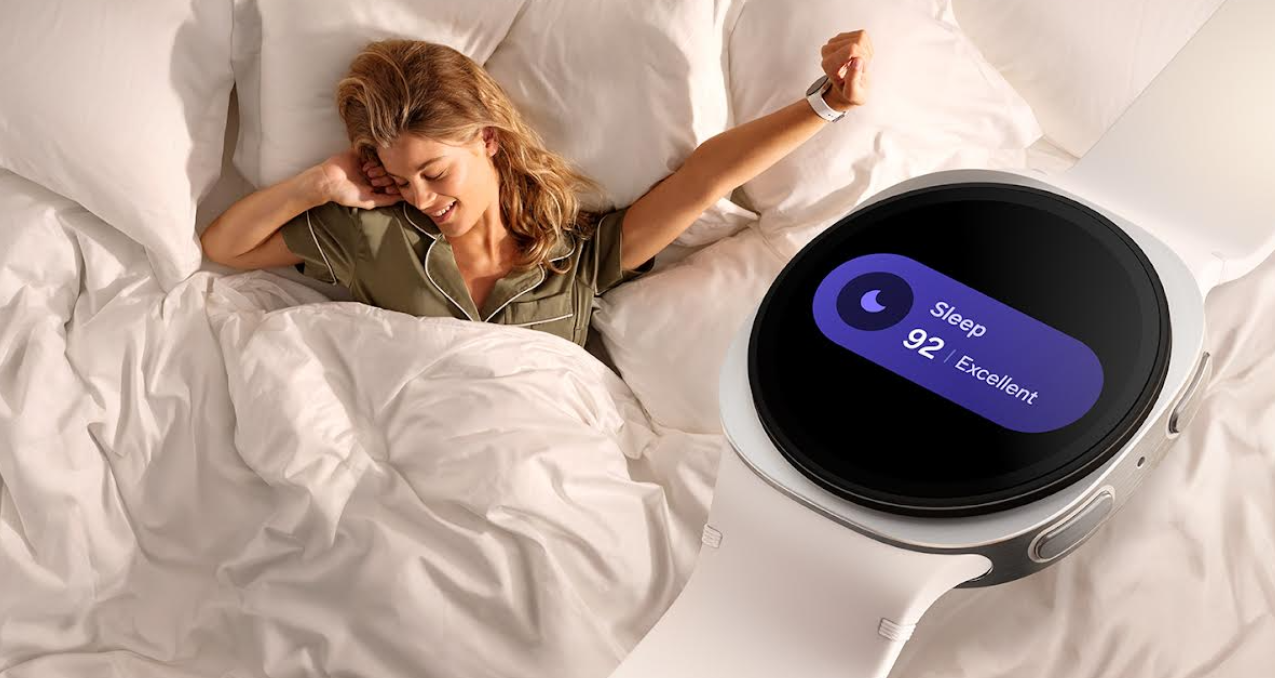
Solar Lite 2 includes a sleep scoring feature designed to support everyday awareness of sleep habits.By offering simple feedback, it encourages users to pay more attention to rest and recovery.


Designed for everyday freedom, Solar Lite 2 delivers up to 17 days of battery life on a single charge, minimizing interruptions and reducing the need for frequent charging.With support for over 150 sports modes and 1ATM water resistance, it adapts easily to workouts, changing weather, and daily activities such as handwashing or light rain.Together, these features allow users to stay focused on movement, routine, and rest — without adjusting their day around the watch.

Smartwatch Essentials: HAYLOU Solar Lite 2

Product Type: Slim smartwatch for everyday wear

Design:9.8mm slim minimalist design

Display:1.43″ AMOLED display, 466×466 resolution

Connectivity: Bluetooth 5.4

Battery Life:Up to 17 days

Sports Modes:150 sports modes

Health Features:Sleep scoring and sleep stage analysis

Water Resistance: 1ATM

BUY

Other HAYLOU Reviews

Video Review

Why Irish Businesses Are Rediscovering the Value of In-Person Training in a Digital-First World

In an era when nearly every business service has migrated online—from banking to consultations, from meetings to training courses—one Irish company has built over a decade of success doing the exact opposite. Their counterintuitive approach offers valuable lessons about when digital-first strategies actually work against business goals.

Since 2013, SafeHands Health & Safety Solutions has maintained a strictly on-site training model, delivering workplace safety training at client premises across Ireland. They’ve built partnerships lasting over 10 years, earned a 4.7/5 rating on Trustpilot, and demonstrated that some services genuinely work better when delivered in person.

Their success raises an important question for Irish business owners: Are we digitising services because it genuinely improves outcomes, or simply because “digital-first” has become the default assumption?

The Digital Training Boom and Its Limitations

The pandemic accelerated online training adoption dramatically. Businesses discovered they could deliver compliance training through video platforms, record sessions for later viewing, and eliminate travel time entirely. The operational efficiencies seemed obvious.

Yet completion rates told a different story. Online training courses often see completion rates below 30%. Participants log in, leave videos running in the background whilst working on other tasks, and retain minimal information. The certificate gets issued, compliance boxes get ticked, but actual knowledge transfer remains questionable.

More importantly, certain types of training require hands-on practice with actual equipment, in real environments, addressing specific workplace challenges. You can watch videos about proper lifting techniques, but without practicing on your actual equipment, in your actual workspace, with your actual workflows, the knowledge rarely translates into changed behaviour.

The On-Site Advantage: Learning in Context

SafeHands delivers all training on-site at client premises across Ireland, from Dublin offices to coastal hotels in County Clare. This operational choice creates immediate practical advantages that digital alternatives cannot replicate.

David McManus from Bellbridge House Hotel in Spanish Point, Clare, experienced this approach firsthand: “It was so professional from the booking to the day of the training. Nothing was an issue. We had to change dates due to weather, no issue. The staff found the training interesting and very informative.”

When training happens in the actual workplace, several things occur that digital training cannot achieve:

Immediate Context: Staff learn using their real equipment, not generic examples. A restaurant team learning food safety and HACCP procedures works with their actual kitchen layout, their specific equipment, and their real menu items.

Practical Application: Hands-on practice with the tools and equipment staff use daily ensures skills transfer immediately. Watching a video about fire extinguisher use differs enormously from actually handling the extinguisher mounted in your corridor.

Customised Content: Instructors observe actual workplace conditions and can address specific challenges that generic online courses never anticipate. Every workplace has unique characteristics that affect how safety principles apply.

Team Learning: When entire teams train together in their workspace, they develop shared understanding and can discuss how procedures apply to their specific operations.

Nisheeth Tak from Rasam Restaurant in Dublin shares their experience: “We have been using SafeHands for all our health and safety programmes for years. We have benefitted enormously from their professional guidance and up-to-date knowledge of the legislation.”

That phrase “for years” appears repeatedly in client testimonials—a pattern suggesting genuine value rather than grudging compliance spending.

The Business Model: Long-Term Relationships Over Transactions

Perhaps the most interesting aspect of SafeHands’ approach involves how on-site delivery enables different client relationships than digital training platforms create.

The Irish Association for Counselling and Psychotherapy has worked with SafeHands for over 10 years. ALSAA Bowl has maintained their partnership since 2015. These aren’t isolated examples—sustained multi-year relationships appear consistently across their client base.

Carol Murray from IACP explains their decade-long partnership: “The IACP has been using Safe Hands now for over 10 years. They look after all of the Fire Safety Training and Fire Warden Training for our staff. I have found them to be very accommodating and reliable.”

Ten years with a single training provider is remarkable in an industry where businesses typically shop around for the cheapest compliant option. This pattern suggests several things about their business model:

Consistent Quality: Organisations don’t maintain decade-long partnerships with providers who deliver inconsistent service. Reliability at scale requires operational discipline that many businesses never achieve.

Institutional Knowledge: When providers work with the same clients over years, they develop understanding of specific operational contexts that improves service quality over time. Initial consultations become unnecessary. Training builds on previous sessions rather than starting from scratch.

True Partnership: The language in testimonials—”accommodating,” “reliable,” “pleasure to deal with”—signals relationships that transcend transactional service delivery. Digital platforms rarely generate this kind of client loyalty.

Alison Kealy from Kealy’s of Cloughran in Dublin captures this: “We use SafeHands for all our Staff Training and Health and Safety Consultancy. Noel is a pleasure to deal with, and they always provide the services we need.”

The Operational Challenge: Scaling Personal Service

On-site service delivery creates operational complexity that digital platforms avoid entirely. Coordinating instructor schedules across Ireland, managing travel logistics, accommodating client timing needs, and maintaining consistent service quality despite geographic dispersion all require sophisticated operational capability.

Yet this complexity creates competitive moats that purely digital competitors cannot easily cross. When a business master complex operations, replication becomes difficult. Generic online training platforms can launch quickly. Building operational excellence across physical service delivery takes years.

JR Labels experienced this operational reliability: “This is our second time using SafeHands. Everyone we dealt with couldn’t have been more helpful. Our Manual Handling training was delivered in a professional manner and we will happily use SafeHands again in the future.”

The phrase “second time” indicates clients who measured value and deliberately chose to reinvest—the ultimate business validation.

Payment Models: Digital Systems Supporting Physical Service

Interestingly, SafeHands does leverage digital systems where they create genuine value. Payment infrastructure uses Stripe alongside traditional bank transfers and telephone payments, with all fees payable upfront.

This payment approach demonstrates strategic technology adoption. Digital payment systems remove friction, improve cash flow, and reduce administrative burden. But the service itself—the actual training delivery—remains resolutely physical because that’s where value gets created.

This selective digitisation offers a model for other Irish businesses: use digital tools where they solve real problems, but don’t digitise services simply because “digital-first” sounds modern.

When Digital Works and When It Doesn’t

SafeHands offers one online option—mental health awareness training—recognising that some content genuinely works in digital formats. Theoretical knowledge, awareness building, and conceptual understanding can transfer effectively through online platforms.

But manual handling training, fire safety practice, food preparation procedures, and emergency response drills require hands-on experience that video cannot replicate. Your body needs to practice correct lifting techniques. Your hands need to feel how fire extinguishers operate. Your team needs to rehearse emergency procedures in your actual workspace.

Laura Devlin, HR Manager at Cabra Castle Hotel in Cavan, emphasises the value of this physical delivery: “We used SafeHands again for our Food Safety/HACCP training for our kitchen staff onsite in the hotel. They were able to organise and provide the training in a timely manner as usual. We always find SafeHands very reliable from start to finish.”

Lessons for Irish Businesses Evaluating Digital Transformation

SafeHands’ sustained success offers several lessons for Irish businesses considering which services to digitise:

Question Default Assumptions: Just because services can be delivered digitally doesn’t mean they should be. Evaluate whether digital delivery genuinely improves outcomes or merely reduces costs.

Consider Competitive Positioning: Services that everyone digitises become commoditised quickly. Maintaining physical delivery where it adds genuine value can create differentiation.

Value Operational Excellence: Complex operations executed well create competitive advantages that simple digital platforms cannot easily replicate.

Build for Retention: Digital platforms optimise for acquisition. Physical service models can optimise for long-term relationships that generate better unit economics over time.

Use Technology Strategically: Adopt digital tools where they solve real problems (payment processing, scheduling) whilst keeping core service delivery in whatever format creates the most value.

The Countertrend Opportunity

As more services migrate online, opportunities emerge for businesses willing to deliver excellent physical service. Markets become less crowded. Clients willing to pay premium prices for superior outcomes become easier to reach. Competitive differentiation becomes simpler.

Michael Mongan from The Lovely Food Co in Dublin praised the hands-on approach: “SafeHands Health & Safety Solutions delivered a Food Safety/HACCP Level 2 Course onsite at our premises recently. Our staff really enjoyed the training session and had great praise for the SafeHands instructor and his very comprehensive food safety knowledge.”

The phrase “really enjoyed” seems unusual for compliance training—until you recognise that well-delivered, contextually relevant, hands-on instruction creates genuinely valuable experiences that generic online courses cannot match.

Conclusion: Digital-First Isn’t Always Best-First

The lesson from SafeHands’ decade of success isn’t that digital transformation is wrong. It’s that strategic thinking matters more than following trends.

Some services work better digitally. Others work better physically. Many benefit from hybrid approaches combining both. The key is honest evaluation of where value actually gets created rather than defaulting to digital simply because that’s the current consensus.

For Irish businesses evaluating their own service delivery models, the question isn’t “Should we go digital?” It’s “For which specific services does digital delivery improve outcomes, and for which does it merely reduce our costs whilst degrading client experience?”

SafeHands demonstrates that choosing the harder operational path—when it genuinely serves clients better—can build sustainable competitive advantages that easier digital alternatives cannot replicate.

SafeHands Health & Safety Solutions has operated across Ireland since 2013, demonstrating that strategic service delivery decisions matter more than following industry trends. Their sustained client relationships and consistent growth show that “digital-first” isn’t always “best-first” for businesses focused on genuine value creation.

New report reveals the growing mental health crisis and global knowledge gaps on the impact of technology use for children

The new child and youth mental health report sheds light on the scale of our global knowledge gaps on the correlation between childhood technology use and childhood mental health impacts.

Over the past decade, mental health conditions in children and adolescents have seen a significant  rise across all countries and incomes. The World Health Organization, estimates one in seven 10-19 year olds worldwide experience a mental disorder, and that a third of conditions emerge by age 14.

“It’s astonishing that we’re not doing more to understand this issue,” says Marija Manojlovic, Executive Director of Safe Online, who released the new findings at the World Economic Forum in Davos this week.

“We know that children’s technology use is increasing, and we’re past the point of no return. Technology is embedded into almost everything we do. But we don’t really know what the long-term impacts are for children and adolescents. Most research on the topic is speculative.

“Most shockingly – there are huge gaps in research on the impact for under-5s when we know children as young as 2 are using phones and tablets. At a time when governments, like the UK, are developing screentime guidelines for pre-schoolers and parents are seeking guidance on technology use – we must have better evidence to help navigate these critical issues.

“We know that mental health conditions for under-18s have been rising for a decade but we don’t have the longitudinal research to understand the relationship with digital technologies in depth. This is a particular area of interest for me,” says Marija Manojlovic.

The Ecosystem Landscape Child & Adolescent Mental Health and Digital Technology report can be found here: https://safeonline.global/weave-wellbeing/

Marija has a strong track record of raising funds for research and developing tools to help prevent thorny issues like these. As Executive Director, she has led Safe Online to raise and deploy over US$100m over the past 10 years for research and tools to prevent online child sexual abuse and exploitation, and she’s on track to do it again, this time with child mental health in mind.

Safe Online is launching Weave Wellbeing, a pioneering fund to mobilize the scale of financing needed to tackle this urgent issue. Marija has already secured US$2m seed funding from Iconiq Impact.

Dublin Fire Brigade invests in location intelligence

Esri Ireland, the market leader in Geographic Information Systems (GIS), announces that Dublin Fire Brigade has deployed a new digital mapping system designed to improve emergency response, strengthen firefighter and public safety, and enhance how critical resources are allocated across Dublin city and county.

Ireland’s largest fire and rescue service, Dublin Fire Brigade was founded over 160 years ago. It provides fire, rescue, and emergency ambulance services 24 hours a day, 365 days a year, to Dublin’s 1.5 million citizens. It recently established a new Organisational Intelligence Unit with a key goal to optimise the use of location-based information to effectively manage fire risks and help keep communities safe.

Built using Esri’s ArcGIS technology, the new digital mapping system brings together operational data, such as the locations of fire stations and historic fire incidents, with third-party data – including census and population health information – for the first time.

Enhanced insights support increased safety for both the public and firefighters by raising awareness of buildings in Dublin with fire safety issues – such as inadequate means of escape, building defects, or over-occupancy. Using the technology, Dublin Fire Brigade can now map this information and put effective response plans in place that take known issues into account.

What’s more, the technology is enabling Dublin Fire Brigade to carry out more targeted community fire prevention activities by focusing citizen safety campaigns on specific vulnerable groups, especially in locations that are experiencing clusters of dwelling fires. It can easily see where fire safety efforts are still needed to reach at-risk communities, as well as contextual data such as concentrations of smokers or elderly people.

In addition, Dublin Fire Brigade is using Esri’s ArcGIS technology to identify optimal locations for new fire stations as Dublin continues to expand, as well as to ensure that aerial fire appliances are strategically located to reach the tallest and highest-risk buildings.

Dublin Fire Brigade plans to make the system widely available across varying departments within the organisation to enable more strategic planning and informed decision-making.

Rob Howell, Station Officer, Organisational Intelligence Unit, Dublin Fire Brigade, said: “It has been a really successful collaboration. The consultants at Esri Ireland have a high level of expertise, both in terms of their GIS knowledge and their project management skills. This technology gives us the ability to target our fire prevention strategies – we can deliver campaigns in the right locations to reach the most vulnerable people and have the biggest impact in terms of community fire prevention. Equally, we have to consider firefighters’ health and safety as well as that of the general public and, by being better informed, we can improve our responses to incidents and keep our responders safe in fires and other emergency situations. The potential for location intelligence in the fire service is absolutely huge and has a big role to play in our future.”

Gareth McBride, Customer Success Manager, Esri Ireland, said: “Dublin Fire Brigade is continuously evolving the fire service to meet the needs of Dublin’s residents, businesses, institutions, and visitors. To support this, it is embedding geospatial data intelligence at the heart of operational and strategic decision-making. Location intelligence is helping the fire brigade in managing and reducing fire risks, addressing some of the biggest dangers in a changing cityscape. We are delighted to be working with Dublin Fire Brigade on such an important and necessary project, and excited to see its expanded capabilities as the technology is rolled out more widely.”

Speediance Unveils Smart Fitness Ecosystem at CES 2026

Speediance, a leader in smart fitness innovation, returns to CES 2026 for the second consecutive year, unveiling an expanded vision for smart training and wellness powered by connected hardware, versatile training modalities, and AI-driven insights. The company’s presence underscores its strategic evolution from standalone fitness devices toward an integrated, system-wide approach to long-term health optimization.

Prototype Innovations Point to Future of Fitness

At CES 2026, Speediance is presenting two forward-looking products alongside its established ecosystem:

Gym Nano: A compact, motor-driven cable training system engineered for high-performance strength training in flexible and mobile environments
Speediance Strap: An innovative wearable prototype that explores how continuous physiological and behavioral data can inform personalized health and training recommendations throughout daily life
These prototypes complement Speediance’s current flagship products, including the Gym Monster 2, the all-in-one smart home gym and VeloNix, the connected indoor bike, demonstrating the brand’s commitment to expanding capabilities across diverse hardware platforms and user interaction models.

Enhanced Training Capabilities and AI Integration

Speediance continues to broaden its training delivery through both software innovations and strategic accessories. The Gym Monster 2 now incorporates Pilates functionality via the Speediance Pilates Set, bringing functional, low-impact, and mobility-focused training to users’ homes in a streamlined format that complements existing strength and cardio capabilities.

Central to the ecosystem expansion is Wellness+, Speediance’s AI-driven health guidance platform that serves as the intelligent foundation of the connected fitness experience. By transforming complex data into clear, actionable insights, Wellness+ empowers users to make informed decisions about training, recovery, and daily wellness habits while promoting consistency and sustainable progress.

Vision for Connected Fitness Future

“CES provides the ideal platform to demonstrate how these interconnected elements function as a unified system,” said Speediance Founder and CEO Liu Tao. “Rather than developing products in isolation, we’re building a comprehensive training and health ecosystem that adapts to users’ real lives and empowers better decision-making over time.”

The CES 2026 showcase represents Speediance’s holistic approach to fitness technology, where hardware innovation, diverse training methodologies, and artificial intelligence converge to create more personalized and effective wellness experiences.

Looking forward, Speediance will continue refining the integration of these elements based on real-world user feedback, guided by its mission to transform home fitness beyond individual devices toward more cohesive, sustainable, and intelligence-driven experiences.

Visit Speediance at the Venetian Expo (Level 2, Room 55339).