How to Slash Your Tech Spending Without Losing Features

Your technology expenditure doesn’t have to run out of control. Modern gaming and betting platforms use identical payment technology. You can enjoy the latest games, remain productive, and keep your digital lifestyle through smart subscription models pioneered by casinos.

Gaming can become your most expensive hobby if you’re not careful. New releases cost €60 or higher, before DLC and season passes. Casino-inspired subscription services like PlayStation Plus, Xbox Game Pass give you access to hundreds of titles using shared cloud infrastructure with live betting platforms for around €15 monthly instead of individual purchases.

The same principle works beyond traditional gaming. Many online casinos not on GamStop use HTML5 technology and provide generous welcome bonuses that multiply your initial deposit, effectively giving you more entertainment value per euro spent. You are basically paying for the access and not the ownership, which makes all the difference. You can have access to huge libraries at a fraction of the price of spending €180 on three new games.

Stop letting old devices collect dust when they could be funding your next upgrade. That smartphone you replaced last year? It still has real value. Gaming consoles, tablets, and laptops—they all retain enough worth to make selling worthwhile. Physical stores offer same-day cash transactions, though you might get slightly less than selling privately.

Timing matters more than you think. Sell before new model announcements hit. Your two-year-old iPhone will fetch significantly more in month 23 than in month 25, right after Apple reveals new features.

Your internet and phone bills probably creep higher every year without you noticing. Most providers have retention departments specifically trained to offer discounts when customers threaten to leave. These specialists exist to prevent cancellations through better deals.

Don’t accept their first counteroffer. Research competitor pricing beforehand so you know your alternatives. With annual churn rates ranging from 20% to 50% and acquiring new customers costing 6-7 times more than retaining existing ones, providers are highly motivated to keep you from leaving. Carriers would rather reduce your monthly fee than lose you entirely.

Free trials exist everywhere, but most people use them wrong. Casino platforms pioneered the “freemium” model now used across tech, offering demo modes that convert to paid subscriptions. Instead of signing up randomly, treat them as temporary access to expensive tools:


  • Adobe Creative Suite for video editing projects
  • Cloud gaming services that power live dealer platforms
  • Streaming services for specific shows (especially with rising subscription costs)
  • Analytics software is used in both gaming and betting optimization

You don’t need the latest everything. Refurbished devices typically deliver 80% of new device performance at 60% of the price. Stick with manufacturer refurbished items – they include warranties and proper testing that third-party refurbishers often skip.

Previous-generation models offer another smart compromise. Last year’s flagship smartphone handles current apps perfectly while costing considerably less than whatever just launched. Modern apps optimize for three-year-old hardware, ensuring PlayStation Plus subscriptions give you access to constantly rotating game libraries without buying individual titles.

Find a device that matches your real requirements and not the specifications. The majority of users use smartphones to send messages, social media, and simple applications—something a three-year-old gadget can accomplish without even sweating.


Digital Nomads in Ireland: Why Tech Professionals Are Choosing Flexible, Fully-Serviced Workspaces

In recent years, digital nomads have flocked Ireland because of its strong digital infrastructure and established tech culture. Ireland is already a traditional hub for established tech companies, and with the growing presence of digital nomads, it has become even more renowned in terms of attracting businesses from all over the world.

Digital nomads who decide to stay in Ireland immediately look for reliable environments such as serviced offices Dublin. These spaces promise stable internet connectivity, secure facilities, and ready-to-use workstations that meet the expectations of different professionals from developers, engineers, designers, analysts, to tech-driven entrepreneurs.

For digital nomads, it’s very important to have a fully serviced workspace. After all, their productivity depends on it. They need to be able to preserve momentum so they can always perform at their best.

Why Ireland Appeals to Digital Nomads

Ireland is very attractive to digital nomads because it is recognized as one of Europe’s most resilient digital economies. This means that digital nomads can always count on having a seamless experience during their stay in Ireland.

This is guaranteed by strong broadband coverage, high cloud adoption rates, and the fact that the country has invested significantly in digital transformation, thus making its cities more than capable of meeting the various needs of digital nomads in different niches.

Aside from these things, Ireland provides a balanced environment for digital nomads. After all, it has a very strong tech sector that guarantees access to innovation networks at all times. Plus, the country’s welcoming culture is a major advantage for independent professionals. 

This is because it eradicates the stress that comes with adjusting to a different culture that might just affect an individual’s overall performance. Not having to worry about this helps guarantee productivity and success in all work-related endeavors.

Flexible Workspaces as a Strategic Choice

The flexible workplace culture is now on the rise. Remote workers these days need to structure how their every day of work looks like.

The productivity of digital nomads relies heavily on having access to spaces that are designed for sustained technical output instead of improvised setups. With access to fully-serviced workspaces, digital nomads will have everything they need to work effectively and efficiently daily.

With these features, digital nomads get to experience what many professionals are used to in full-scale office settings. The one advantage of this setup is that it offers more freedom and independence from the toxicity that defines traditional office life.

Flexibility and structure are the main selling points of serviced offices. Sure, cafés or short-term home setups work. However, there will come a time when these are no longer sustainable. After all, digital nomads are more efficient when they have everything they need in one space.

Stability, Security, and Professionalism

Serviced workspaces offer something very important that digital nomads must never compromise on: stability, security, and professionalism. These days, cybersecurity is a major concern for tech professionals. After all, they handle confidential information and run code that must not be interrupted on a daily basis. 

Plus, there are times when they are part of operational discussions that require a controlled setting. It’s a good thing that Ireland’s serviced workspaces provide security systems, controlled access points, and consistent tech support. These are the non-negotiables that digital nomads will not be able to get elsewhere.

With this kind of stability, professionalism is enhanced. After all, digital nomads are able to meet client expectations more effectively. Plus, there will be no productivity gaps that usually stem from inconsistent environments.

A Long-Term Foundation for Remote Careers

Digital nomadism is no longer a niche lifestyle. It is a legitimate and rapidly expanding segment of the global workforce, strengthened by the widespread acceptance of remote operations across industries. Ireland’s readiness for this shift, combined with its supportive digital infrastructure, places it among the top choices for mobile professionals.

Flexible, fully serviced workspaces allow digital nomads to sustain long-term remote careers without disruptions. They offer a balanced ecosystem where mobility, professionalism, and technical reliability coexist. For many tech professionals who arrive in Ireland ready to work, the ability to step into a stable environment from day one is not simply a convenience but a strategic advantage.

Visa Helps Launch Klarna App in Ireland

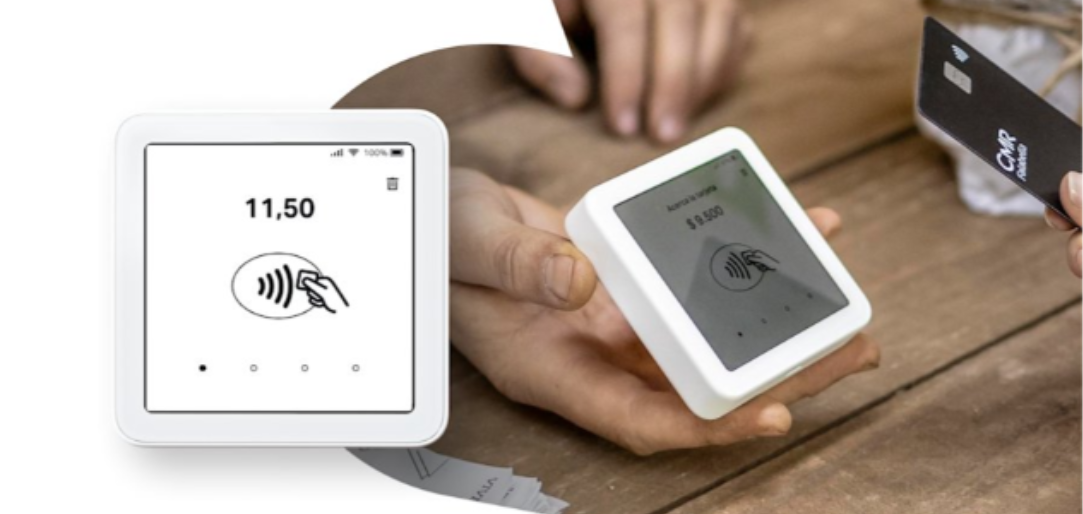
Visa today announced it has enabled the launch of three brand new digital wallets across Europe, in partnership with BBVA, Klarna and Vipps MobilePay, and is collaborating with BANCOMAT on a pilot planned for early 2026.
These are the first Visa-enabled wallets to use NFC (Near Field Communication) technology to allow HCE (Host Card Emulation) on iOS wallets.
A major regulatory shift under the EU’s Digital Markets Act opened NFC access to third-party wallets, paving the way for greater competition and innovation in mobile payments. This allows more European players to bring new experiences to market and give consumers more choice.
According to Visa research*, mobile payments now represent more than half (59%) of all e-commerce transactions in Europe, and that figure is expected to rise to three quarters (75%) by 2030. With just under a third (32%) of Europeans saying they plan to rely exclusively on mobile wallets for purchases, there is a clear shift toward wallet-centric ecosystems, driven by demand for speed, simplicity, and control.
Visa has worked with three issuers and a domestic scheme across Europe to launch the new iOS wallets:
  • BBVA Pay, available through the BBVA Mobile Banking App, is a single issuer wallet launched in Spain. It is the first wallet in the world to use Visa’s own software developer toolkit (SDK) to directly integrate the Visa Token Service (VTS), a technology that protects sensitive card information by replacing it with a secure digital token. The wallet offers a new payment experience along with a secure, future-ready experience.
  • Klarna (the Klarna app), has launched its wallet in 14 European countries**, enhancing the app’s functionality and making the Klarna app a single, seamless experience for Klarna users on both iOS and Android.  Klarna, having launched the Klarna Card powered by Visa Flexible Credential, gives consumers further choice, and a truly integrated experience, with the addition of tap to pay as part of the Klarna app.
  • The Nordic mobile wallet company Vipps MobilePay has launched a Visa co-badged wallet in Norway, with Denmark, Finland and Sweden to follow. The wallet combines local familiarity with global reach as existing users can now tap and pay anywhere Visa is accepted, with their stored cards automatically enrolled for seamless contactless use—alongside the everyday features they already enjoy in Vipps MobilePay.
  • Italy’s domestic scheme BANCOMAT, has announced launched a pilot project with Visa to enable users of BANCOMAT wallet to make secure and contactless payments through the BANCOMAT Pay service, anywhere Visa is accepted. The pilot is based on VisaPay, Visa’s new wallet solution, which provides security and scalability by leveraging Visa’s advanced tokenisation capabilities. Testing of the solution is scheduled for early 2026.
“These launches reflect growing demand for mobile wallet-based payments and Visa’s commitment to supporting local and regional players with the scale, security and reliability of our global network,” said Mathieu Altwegg, Head of Product & Solutions, Visa Europe. “As a ‘hyper-scaler’, we’re enabling partners of all sizes to innovate faster and deliver more choice and convenience to consumers, while helping drive broader digital and economic growth across Europe.”
“This launch reflects BBVA’s strong commitment to innovation and to delivering an exceptional customer experience. It also positions BBVA as the first bank in Europe to offer a proprietary wallet powered by Apple technology — marking a milestone in the European banking industry,” said Luis Simoes, Head of Retail Experience and Value Proposition for Retail Banking at BBVA.
“Tap to Pay brings us closer to our vision of Klarna being everywhere for everything. Now you can set up a flexible payment plan and tap to pay in seconds, all inside the Klarna app. It makes the everyday shopping moments significantly smoother for our Klarna customers across Europe, giving them even more flexibility and choice at checkout.” said David Fock, Chief Product & Design Officer at Klarna.
“We’re pleased that our Vipps users can now tap seamlessly all over the world with Visa. It’s an important step toward our vision of making payments simpler and more unified for people wherever they go,” said Rune Garborg, CEO of Vipps MobilePay.
“The pilot project launched with Visa marks an important step in the evolution of BANCOMAT products, with the aim of offering Italian banks and users increasingly digital services that can also be used outside national borders,” says Fabrizio Burlando, CEO of BANCOMAT S.p.A.. “This collaboration will allow us to enhance the value of the BANCOMAT infrastructures, based in Italy, integrating them with Visa’s global network to enable new features and expand the user experience for customers. The model allows us to maintain a strong local presence, while benefiting from the international acceptance network and the capabilities of a global player. We are confident that this partnership will bring greater value to Italian banks and their customers.”
Looking Ahead: The Expanding Role of Digital Wallets
Digital wallets are quickly evolving: from simple payment tools to platforms that support peer-to-peer transfers, real-time bank payments and government IDs. With expanded NFC access, wallets could also store digital keys, loyalty cards, event tickets and more, opening the door to richer, more personalised services through a single, secure interface.
As Europe’s digital landscape evolves through advances in open banking, embedded finance and digital identity, financial institutions and fintechs have new opportunities to create more seamless, secure, and personalised experiences for their customers.
Visa’s infrastructure supports multiple payment types, including cards, account-to-account, and tokenised assets, giving partners the flexibility to build future-ready solutions that meet the needs of today’s consumers.

How Smart Technology Is Making Dental Visits More Precise and Comfortable

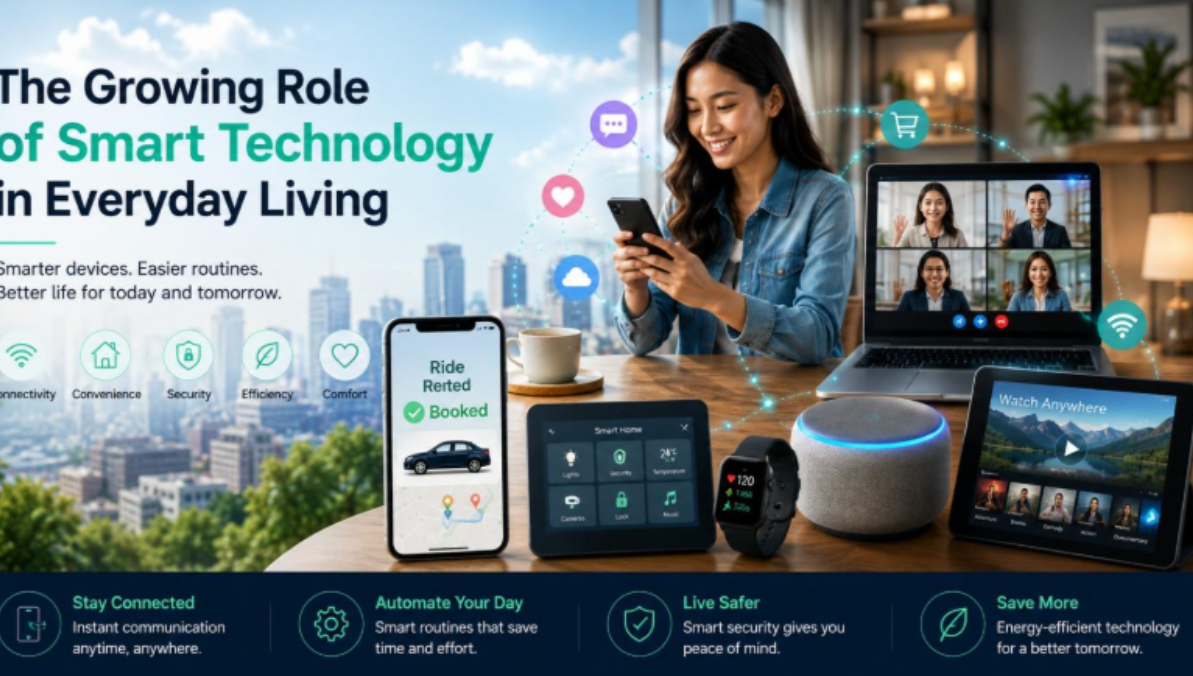
Smart technology is changing how dental care is delivered. It helps make appointments more accurate, more comfortable, and easier to understand. These tools support a smoother experience for patients who want clear explanations and reliable treatment.

Digital Diagnostics: Faster, Clearer, and More Comfortable

Digital X-rays give detailed images with less radiation than old film X-rays. The sensors are small and comfortable, and the images appear right away. This makes it easier to explain what is happening inside your mouth. Three-dimensional imaging adds even more detail by showing your teeth, roots, and jaw from different angles. With clearer information, problems can be found earlier and treatment plans become more accurate.

Benefits of digital diagnostics include:
• Less radiation exposure
• Quick and comfortable imaging
• Better visibility for early detection
• More accurate treatment planning

Intraoral Cameras: Helping You Understand Your Oral Health

Intraoral cameras show real-time pictures inside your mouth. You can see the same images your clinician sees. This makes dental conversations easier to follow and helps you understand why certain treatments are recommended.

Laser Dentistry: Comfortable Treatment with Less Healing Time

Laser tools allow for gentle gum treatment, decay removal, and whitening. They help reduce discomfort, bleeding, and recovery time. Many patients feel less nervous knowing that lasers often require:

  • Less anesthesia
    • Shorter healing periods
    • More precise targeting during treatment

Sedation Options: Keeping You Calm During Visits

Sedation helps patients who feel anxious or nervous. Options like nitrous oxide, oral sedation, and IV sedation provide a calm experience so you can complete treatment without added stress.

Sedation is helpful for patients who:
• Have dental anxiety
• Need longer or more complex procedures
• Feel uneasy with drills or bright lights
• Have had difficult dental experiences in the past


Teledentistry: Simple Support from Home

Virtual visits make it easy to ask questions or get follow-up advice when a full in-office appointment is not needed. This is helpful for busy patients or those who prefer to speak with a professional before coming in. Teledentistry offers guidance but does not replace hands-on care.

AI-Assisted Tools: Better Detection with Clearer Insight

AI programs review dental images and point out early signs of decay or bone changes. This helps clinicians make accurate decisions and catch problems sooner. Early detection also leads to simpler and more effective treatments.

AI assistance helps with:
• Early spotting of potential problems
• More accurate diagnoses
• Reduced risk of missed findings

Smart At-Home Tools: Helping You Build Better Habits

Smart toothbrushes and oral health apps track brushing habits and offer reminders. They help patients maintain good routines between visits. While these tools are helpful, professional dental checkups remain important for spotting issues that daily brushing cannot detect.

Digital Workflow: Faster and More Efficient Appointments

Digital workflows streamline many steps of dental care. Tools like digital scanners, electronic records, and online forms help reduce waiting time and make visits more organized. These systems also support clearer communication between the dental team and dental labs, which can improve accuracy during procedures. Visiting a dental clinic remains essential because these digital tools work best when paired with in-person evaluation and professional guidance. Clinics that focus on advanced cosmetic and restorative work, such as those seen at Lowenberg, Lituchy & Kantor, highlight how in-clinic expertise and modern technology work together to create dependable treatment outcomes.

Digital workflows support:
• Better fitting restorations through detailed scans
• Faster communication with dental labs
• Reduced risk of errors or lost information
• More reliable treatment outcomes

Enhanced Sterilisation Technology: Supporting a Safe Visit

Modern sterilisation systems clean and prepare instruments quickly and consistently. Digital tracking confirms that each tool has been processed correctly. This maintains a safe environment for all patients.

Smart Scheduling Systems: Shorter Waits and Better Timing

Automated scheduling helps clinics plan appointments more accurately. Reminders keep patients informed, and real-time updates reduce delays. This creates a smoother visit from start to finish.

Scheduling tech improves:
• On-time appointments
• Reduced waiting room congestion
• Better planning for both patients and staff

Conclusion

Smart technology makes dental visits easier, clearer, and more comfortable. While at-home tools and virtual support are helpful, visiting a dental clinic is essential for early detection, accurate diagnosis, and effective treatment. Clinics that use modern technology along with professional experience provide a level of safety, precision, and care that cannot be achieved at home.


Fujifilm instax mini LiPlay+ hybrid instant camera Review

The Fujifilm Instax mini LiPlay+ builds upon the popular LiPlay hybrid concept, delivering a compact, 3-in-1 device that functions as a digital camera, an instant film printer, and a unique sound recorder. Launched as an upgrade to its predecessor, the LiPlay+ introduces some new features that make it one of the most versatile Instax cameras yet.

The most impactful upgrade is the Dual-Lens System. Where the original relied on a small mirror for selfies, the LiPlay+ features a dedicated wide-angle selfie camera on the back (above the main LCD). This significantly improves framing and precision for self-portraits. This dual system powers the new Layered Photo Mode, allowing users to combine images from both lenses onto a single print.

Like all Instax hybrids, the LiPlay+ is a digital camera first (using a small 1/5-inch CMOS sensor, producing 4.9MP images), which is a huge benefit:

  1. Select Before You Print: You can review, edit, and filter images on the 3.0-inch LCD before committing to a print, saving expensive film.
  2. Smartphone Printing: It connects via Bluetooth to your smartphone, allowing it to function as a printer for any photo on your phone’s camera roll.

The camera’s digital image quality (4.9MP)  and is not intended to compete with modern smartphones. It captures the charm of nostalgic, retro photography.

  • Best Performance: Performs best in bright, well-lit conditions.
  • Low Light: Expect focus hesitation in dim environments, though the built-in flash works well within its limited range (up to 1.5m).
  • Print Quality: When printed on Instax Mini film, the digital file is rendered beautifully in the classic instant film aesthetic. You can choose between Instax-Rich Mode (deeper, vibrant colors) or Instax-Natural Mode (softer, classic film look) before printing.

The LiPlay+ is designed for vertical shooting, which complements the portrait-orientation of the Instax Mini film. The control layout is intuitive, featuring a navigational dial that doubles as shortcuts for filters, frames, and flash settings.

Its compact size (4.86 x 3.27 x 1.49 inches) makes it easy to carry in a coat pocket or small bag some might think it is a bit clunky however and each to their own.

Many of the creative features, like customizing frames and utilizing the advanced Sound Album feature, are managed through the companion smartphone app and you can see this down below and also check out the unboxing and walkthrough video.

This unique feature allows you to record a short (3-second) audio clip when you take a photo. When printed, a QR code appears on the film. Scanning this code with the companion app plays back the recorded sound, adding an interactive, auditory layer to your physical memory. See samples below. Yes you can scan the QR codes.

The Fujifilm Instax mini LiPlay+ is a highly versatile and fun instant camera, ideal for users who want the creative freedom of digital photography without losing the tangible experience of an Instax print. Popular as ever this will be in many Christmas gifts this year and one should lap it up if so and have fun and get creative with the new features on board.

mini LiPlay+ App

Main Features:

instax mini LiPlay+™ Smartphone App

The free, downloadable instax mini LiPlay™ App allows users to capture images remotely via Bluetooth connection, add finishing touches to images with frames, and print photos from a connected smartphone. Users can further embellish their images by adding sticker icons or overlay text, making each image a true custom creation.

Dual camera functionality

The mini LiPlay+™ hybrid instant camera features both a front main camera and a rear-facing wide-angle selfie camera. New to mini LiPlay+™ is layered photo mode, in which images created with both the front and rear cameras can be combined so the images appear in layers, one in the foreground and one in the background. When editing images, users can choose between instax-Rich mode™ and instax-Natural mode™ to accentuate their images and choose from a selection of artful filters to express themselves further. mini LiPlay+™ also features automatic exposure and flash control to enhance image quality and includes either 2 or 10 second timers.

Instax Sound Print™ and instax Sound Album™

Users can utilise the free, downloadable instax mini LiPlay+™ App to add sound features to their images. With the instax Sound Print™ feature users have four unique ways to record 3-second audio clips to add to their images, then listen back by scanning the printed QR code on your photo (instax™ instant film required and sold separately) with their smartphone. Alternatively, the instax Sound Album™ feature turns adventures into custom animated videos with sound, vibrant backgrounds, and standout music.

New instax™ mini film variety introduced

Also being announced at the same time as the mini LiPlay+™ camera is instax™ mini Soft Glitter instant film available in a 10-exposure pack. Gold accents combine with soothing hues to bring a calming shimmer to the frames around each photo.

Pricing and Availability

The instax mini LiPlay+hybrid instant camera will be available in Sand Beige and Midnight Blue colors from 30th October 2025 at a manufacturer’s suggested retail price of €220.00 (inc. VAT). The updated instax mini LiPlay+™ smartphone App will also be available at this time. Available from Fujifilm retailers nationwide.

Staying Ahead of the Threat: The Future of Cyber Defense

What’s your plan when your Wi-Fi suddenly dies during a Zoom call? Restart the router? Blame your service provider? Panic a little? Now, imagine that instead of a frozen screen, your company’s internal data system crashes because of a silent, fast-moving cyberattack. Not so funny anymore.

Today’s digital world doesn’t wait. Neither do cyber threats. They move with speed, precision, and sometimes, eerie silence. Breaches no longer come with flashing red lights or alarms. Most slip in quietly, linger, and then strike with force. The gap between threat and response has become the defining line between resilience and disaster.

In this blog, we will share how cybersecurity has shifted from reaction to readiness, why velocity matters more than ever, and what forward-thinking companies are doing to stay ahead of attackers who’ve swapped brute force for stealth and strategy.

Why Instant Response Is the Only Response That Matters Now

Here’s the blunt truth: if your defense strategy depends on finding the threat after it shows itself, you’re already behind. Modern cyberattacks are designed to strike without leaving obvious clues. By the time traditional defenses raise a flag, the damage has often been done.

That’s why tools like Heimdal’s EDR solution have become indispensable. It doesn’t just detect known threats. It hunts for anomalies, responds autonomously, and learns from each attempt to get smarter. It plugs directly into a broader ecosystem of threat intelligence, giving organizations a 360-degree view of their digital environment.

Think of it like this: traditional antivirus is like locking your front door. Heimdal’s approach is like having security guards, cameras, motion sensors, and a rapid-response team trained for every possible break-in—all operating in real time.

More importantly, this kind of system works quietly in the background. It doesn’t need constant babysitting. And it doesn’t rely on a human noticing something’s off. In today’s world, waiting for someone to click “scan for threats” is like locking the barn after the horse has bolted.

One global retail chain recently avoided a six-figure breach because their threat monitoring system flagged a remote access attempt from an unfamiliar device. Within seconds, it blocked the attempt, flagged the user account, and alerted the IT team. They never had to shut anything down. Customers were unaffected. That’s what modern defense looks like.

The Bigger Picture: Trust, Downtime, and the Cost of Being Slow

Cybersecurity is no longer just an IT issue. It’s a business issue. And a trust issue. Consumers today aren’t forgiving. A single breach can kill a brand’s reputation overnight. Just ask any major company that’s been in the headlines for leaking personal data. Recovery is slow, public confidence is slower.

Then there’s the cost. IBM notes in its Cost of a Data Breach Report that the average global breach cost $4.45 million in 2023. That number climbs if the attack affects regulated industries like healthcare or finance.

But here’s the real kicker: much of that cost comes not from the attack itself, but from the time it takes to detect and contain it. The longer you wait, the worse it gets. This is why fast, proactive protection isn’t just a feature. It’s a business necessity.

And yet, many companies still treat cybersecurity like a seatbelt they only buckle once they’ve seen an accident. In an era where ransomware gangs offer customer support (yes, that’s real), hesitation is an open invitation.

From Passive Monitoring to Active Defense: What Modern Systems Do Differently

The best protection doesn’t wait. It predicts.

Instead of scanning for known threats once a day, modern systems continuously analyze behavior. That weird file you downloaded? The strange login at 2 a.m.? The sudden spike in CPU usage? These aren’t ignored—they’re investigated immediately.

Today’s top platforms combine several functions into one: antivirus, patch management, access controls, threat intelligence, and more. They don’t operate in silos. They share insights and trigger automated actions, reducing the time between detection and resolution to near-zero.

This integrated model also removes friction. IT teams don’t have to juggle five dashboards or hop between tools. They get alerts that matter, not noise. And they can respond without wasting time figuring out where the threat came from.

It’s not about replacing humans. It’s about giving them superpowers.

What You Can Do Now: Building a Speed-Oriented Cyber Mindset

So, how can you keep up?

First, review your current tools. Are they reactive or proactive? Do they stop at detection or go further? Take a hard look at what each solution actually does in practice, not just what the vendor promised in the brochure.

Second, look at integration. If your antivirus doesn’t talk to your firewall, and your firewall ignores your threat logs, you have blind spots. The attackers won’t miss them. Every second counts, and fragmented systems slow down your ability to act fast and effectively.

Third, educate your team. The best tools in the world won’t help if an employee clicks on a phishing link. But education must go beyond a once-a-year PowerPoint. Make it a habit. Keep people aware. Create a security culture where everyone understands that fast action is part of their job, too.

Fourth, automate where you can. Manual incident response is too slow. Build workflows that isolate devices, flag accounts, and shut down access when red flags appear. Automation doesn’t replace your team—it gives them the speed they need to stay ahead.

Fifth, audit your response time. Run simulations. Can you detect, assess, and respond to an incident in under 30 minutes? If not, that’s your benchmark. If you’re not testing regularly, you’re gambling with your downtime and customer trust.

Remember, cybersecurity is not about perfection. It’s about preparedness. The faster you respond, the smaller the damage. It’s a race—and the attackers aren’t slowing down.

The future of digital protection isn’t locked behind a firewall or buried in a policy document. It’s active, alert, and always learning. The goal isn’t to eliminate risk. That’s impossible. The goal is to get faster than the threat. The companies who realize this now won’t just survive the next breach. They’ll barely feel it. And while others scramble to catch up, these organizations will be moving forward, uninterrupted.

What Every Finance and Operations Manager Should Know About Digital Invoices and E-Invoicing

When you’re sitting in the board-room or reviewing the operations of your organisation, the term digital invoice should shift from being an “optional upgrade” to a “strategic must.” Below is a professional, clear walk-through designed for decision-makers, finance managers, operations heads, procurement leads, who are ready to bring their invoice processes into the 21st century.

What a digital invoice really means

A digital invoice is more than a PDF sent by email. It is an invoice created, sent, received, and processed in digital form. It is ideally integrated with your accounting or ERP systems, archival storage, and workflow approval. The key is that it replaces much of the manual handling of paper, and it reduces testing and sorting, and enhances visibility.

Meanwhile there is a closely-related term: electronic invoice (or e-invoice). That term refers typically to invoices with structured data, machine-readable formats (XML, EDI) that can be automated by the receiver’s system. 

In short: 

Every electronic invoice is a digital invoice, but not every digital invoice is a full e-invoice with structured automatic processing. 

Why you should care about digital invoice adoption

From the vantage of a senior manager, implementing digital invoices delivers real business value:

Cost savings in processing 

Traditional paper or manual invoices incur printing, postage, manual input, errors, and rework. Changing to digital invoice workflows can significantly reduce those costs. 

Faster cash-flow and payment cycles  

With digital invoices you can send, receive and begin processing immediately. This improves invoice turnaround, reduces late payments and improves visibility into payables/receivables. 

Improved accuracy and fewer exceptions  

When your invoice data comes in digital form, you reduce manual entry, mistakes, mismatches and disputes. That means fewer vendor queries, less time chasing issues. 

Auditability, compliance and visibility 

Invoices stored digitally can be searched, traced, and integrated with your systems. That supports audit trails and regulatory compliance more easily than paper invoices. 

Better supplier/customer relationships 

When you pay reliably, when your processing is efficient, your vendors are happier and your reputation improves. Digital invoice workflows contribute to that. 

Scalability and future-readiness  

As your business grows (volume, geographies, complexity), manual invoice processes become a bottleneck. Digital invoice systems scale more easily. 

How to approach implementation for organisations

Since you’re thinking with a strategic hat on, here are the steps and considerations:

  1. Review your current process: How many invoices/month? How many manual touches per invoice? What is the error/exception rate? Where are delays?

  2. Define your goals for digital invoice adoption: Do you want cost reduction, fewer errors, faster supplier payments, better control? Get measurable targets.

  3. Check system compatibility & data flows: The digital invoice solution must integrate with your ERP/AP system. Also check how your suppliers will submit invoices and the format required. 
  4. Decide the level of “digital-automation” you need: Are you simply going paperless (digital invoice as PDF + upload)? Or are you going full e-invoice (structured data, automated matching, real-time validation)? The decision impacts cost and benefit. 
  5. Prepare your stakeholders (vendors, team, IT): Your team will need training. Suppliers need to know how to send digital invoices. Define the workflows, approval channels, escalation paths.

  6. Pilot with a subset: Start with a manageable number of invoices/suppliers, test, refine, then scale.

  7. Track performance and refine: Measure invoice processing time, error rate, cost per invoice, supplier satisfaction. Use data to improve.

  8. Archive and compliance: Make sure your digital invoice system allows for secure storage, audit trail, retention policy, legal validity.

How the electronic invoice dimension adds value

When you move beyond digital invoice (i.e., upload of PDF) to full electronic invoice (structured, automated), you get deeper benefits:

  • Machine-readable fields, automatic matching of purchase orders, invoices, shipping receipts reduce human intervention. 
  • Real-time data for payables/receivables dashboards and better financial planning.

  • Reduced fraud risk, improved regulatory alignment (dependent on jurisdiction).
  • Higher level of integration with trading partners and business systems – less “manual hand-offs” between buyer/supplier operations.

Bottom line for your organisation

If I were advising a CFO or operations head: implementing a digital invoice framework is no longer “nice to have.” It’s fundamental. It saves time, saves money, increases capacity and cash flow of your finance department to engage in more value-add instead of paperwork. Going even deeper: by going all the way (structured data, automated workflows) you prepare to have a future in which invoice processing is, on the whole, touchless and in which your organisation is ready to scale and change regulation.

FAQs

How quickly will I see benefits after deploying digital invoice processing? 

You should expect to see improvements in processing time and cost within the first few months of a pilot. Depending on volume and team readiness, many organisations report full return on investment within 12-18 months. 

Will every supplier need to change how they send invoices if we adopt digital invoice workflows? 

Not necessarily all at once, but you’ll want a clear supplier ramp-up plan. Some suppliers may continue paper for a short transition period. For full benefit you’ll encourage them to shift to electronic formats as you scale.

Is a digital invoice the same as a paperless invoice? 

Mostly yes in terms of “no physical paper,” but not exactly. A paperless digital invoice may simply be a PDF scanned or an email attachment. A full digital invoice is integrated with your systems, and an electronic invoice (e-invoice) is even deeper, it uses structured data and automation.


Garmin wins five CES 2026 Innovation Awards

Garmin has announced it has been honoured with five CES 2026 Innovation Awards for groundbreaking achievements in technology across various categories. The CES Innovation Awards program, presented annually by the Consumer Technology Associations (CTA), recognised several Garmin smartwatches – the fēnix 8 Pro -MicroLED, Venu® 4 and Forerunner® 970 – along with the Blaze Equine Wellness System and the Descent S1 Diver Communication Buoy ahead of CES 2026. 

“These honours highlight Garmin’s ongoing commitment to redefine what is possible for consumers around the globe. From introducing the world’s first MicroLED smartwatch display to pioneering advancements in equine and dive technology and creating next-generation wellness and running smartwatches with innovative health and fitness features, Garmin continues to set the standard for innovation in consumer technology.”  

–Susan Lyman, Garmin Vice President of Consumer Sales and Marketing   

The award-winning Garmin products and their respective categories include: 

fēnix 8 Pro MicroLED Fashion Tech 

The brightest smartwatch ever, this multisport GPS smartwatch has a first-of-its-kind MicroLED display, plus it was the first smartwatch with inReach® technology for satellite and LTE connectivity1

Venu 4 Digital Health 

To support overall well-being, this advanced smartwatch includes innovative features like health status, lifestyle logging and more to help users track trends and see how lifestyle choices affect their health. 

Forerunner 970 Sports & Fitness 

This premium GPS running and triathlon smartwatch features a bright AMOLED display, built-in LED flashlight and enhanced navigation plus advanced training and recovery features. 

Blaze Equine Wellness System Pet & Animal Tech 

Designed specifically for horses, this easy-to-use tail wrap and sensor gives riders and trainers real-time insights and data, including heart rate, into their horse’s health and fitness.

Descent S1 Buoy Sports & Fitness 

Track, monitor and communicate with those above and below the surface with the revolutionary Descent S1 buoy that helps strengthen diver communication and advances dive safety technology.  

CES 2026 will take place Jan. 6-9 in Las Vegas, Nevada, where Garmin will showcase these products and much more in booth #3453 in the LVCC West Hall.

A Guide to How Tech Is Reshaping the Probate Process in 2025

The process of handling someone’s estate after they pass away has traditionally been paper-heavy, time-consuming, and emotionally draining. 

However, that landscape is changing rapidly. New digital tools and online systems are streamlining probate, helping executors and families settle estates with greater efficiency and less stress. Consider seeking support from probate solicitors, who can help you understand how technology is transforming probate in 2025 and can help you plan ahead with confidence.

What Is Probate – and Why It’s Changing

Probate is the legal process of proving a will, settling debts, and distributing assets according to the deceased’s wishes. Historically, it has required multiple physical documents, court visits, and extensive communication between solicitors, executors, and financial institutions.

But as more public services and private platforms move online, the probate system is evolving too. The UK Government’s Digital Probate Service now allows executors to apply for probate online, upload necessary documentation, and track the progress of applications in real time.

These changes save time, reduce administrative errors, and make the process less intimidating for families managing grief.

For a step-by-step guide on applying for probate, visit this resource. 

How Technology Simplifies Estate Administration

Technology is reducing some of the most stressful and time-consuming aspects of probate. Here’s how:

  1. Digital Will Storage and Access

Many people now choose to store their wills digitally with secure providers or law firms. This ensures documents can be accessed quickly, reducing delays and the risk of losing vital paperwork. Some services even notify executors automatically when a death is registered.

  1. Online Asset Tracing

Executors used to spend weeks tracking down bank accounts, insurance policies, and investments. Now, AI-powered asset tracing tools can search financial institutions and flag accounts linked to the deceased within hours. This ensures estates are valued accurately and nothing is overlooked.

  1. Automated Estate Valuation

Specialist software can now estimate the value of certain assets — including property, shares, and pensions — with greater speed and accuracy. This helps solicitors prepare inheritance tax submissions more efficiently.

Cloud-Based Collaboration Between Solicitors and Executors

In the past, managing probate required endless paper trails and phone calls. Today, solicitors and executors can work together on secure cloud-based platforms. Documents can be shared, signed, and updated in real time, ensuring everyone stays informed.

This transparency not only saves time but also helps families understand what stage their case is at — reducing anxiety during what is already an emotionally difficult time.

For many law firms, embracing cloud systems has also strengthened data security and compliance with the UK GDPR.

AI and Predictive Case Management

Artificial intelligence is beginning to play a greater role in probate administration. Machine learning algorithms can predict potential delays, flag missing documents, and even generate reminders for key deadlines.

Some firms are also using AI to review historic case data and identify patterns that could help speed up future applications. This ensures executors receive faster, more consistent support from their solicitors.

While AI won’t replace the compassion and judgement of experienced legal professionals, it does make their work more efficient and accessible.

The Rise of Digital Inheritance

As people increasingly own digital assets — from cryptocurrency to online accounts — probate law is evolving to accommodate them. Executors must now consider how to recover and manage these digital legacies.

Solicitors are advising clients to include instructions for accessing digital assets in their wills, ensuring families can recover sentimental or financial value that might otherwise be lost.

The Law Society provides further information on making a will.

Challenges of a Digital Probate System

While the shift to technology offers many benefits, it isn’t without challenges. Some families still struggle with digital literacy or lack reliable internet access. Additionally, cybersecurity risks mean firms must ensure that sensitive information is handled with care.

Solicitors play an essential role in bridging this gap — combining digital tools with personal support, ensuring accuracy, and protecting clients from fraud or misinformation.

What the Future Holds

Looking ahead, the next wave of innovation may include blockchain technology for secure record-keeping, digital ID verification to prevent fraud, and even virtual assistants to guide executors through applications step by step.

These advancements will continue to make probate faster, fairer, and more transparent. But one thing won’t change: the need for empathy and expert guidance during a time of loss.

Legal Disclaimer

This article is for general information purposes only and does not constitute legal advice. Probate and estate administration can vary depending on personal circumstances. For advice tailored to your situation, consult a qualified solicitor experienced in wills, probate, and estate planning.