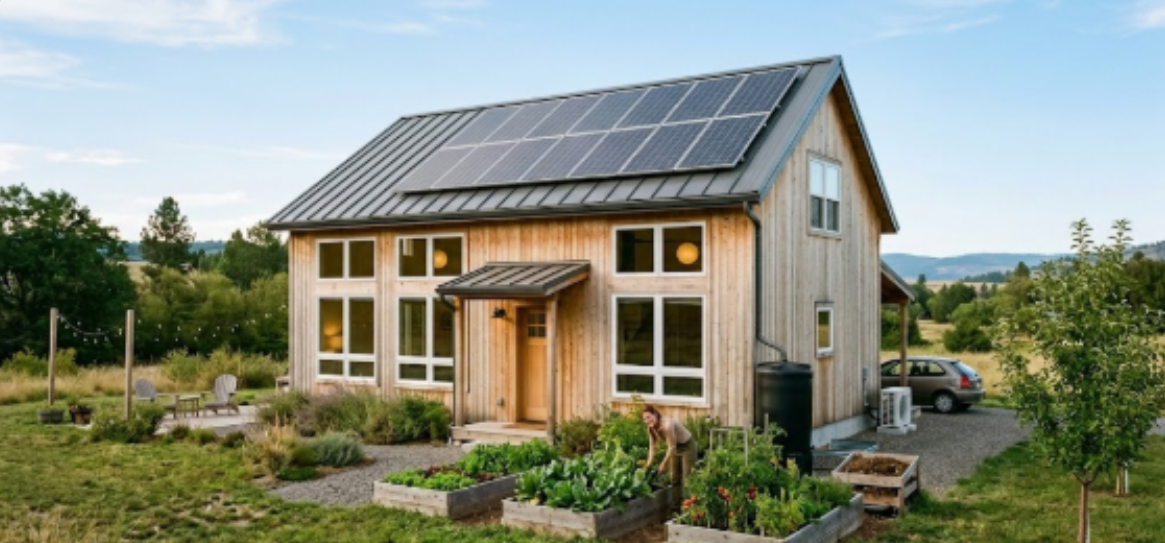
Modern homes are increasingly incorporating smart technologies to improve comfort and energy efficiency. Climate solutions designed for home environments allow homeowners to control temperature, humidity, and air quality more effectively than traditional systems. By integrating intelligent sensors, automated schedules, and remote control capabilities, these solutions provide a level of convenience that aligns with contemporary lifestyles. This combination of control and adaptability ensures that indoor spaces remain comfortable throughout the day without unnecessary energy expenditure.
Investments in home climate technologies often extend beyond mere comfort. They create opportunities to monitor energy usage and optimize system performance, reducing waste and promoting sustainable living. Homeowners can analyze usage patterns, identify inefficiencies, and adjust settings to minimize energy consumption. These advantages make modern climate solutions both practical and environmentally responsible for those seeking smarter ways to manage their living spaces.
How HVAC Companies Enhance Home Systems
Homeowners often rely on specialized service providers to install and maintain advanced climate technologies. According to www.airmasterspro.com, a professional HVAC company ensures that systems operate efficiently and safely, adapting configurations to each home’s specific layout and energy requirements. By leveraging expert knowledge, homeowners can prevent costly repairs, reduce downtime, and maximize the effectiveness of their investment in climate management technology. Professional support also guarantees that controls, thermostats, and sensors function cohesively to maintain optimal performance.
Maintenance and troubleshooting are another essential component offered by a skilled HVAC company. These services include routine inspections, filter replacements, and performance diagnostics to detect potential issues before they escalate. In some cases, homeowners may also benefit from professional air duct cleaning services, which help remove dust, debris, and contaminants from ventilation systems.
Regular attention from trained technicians can extend the lifespan of home climate systems, improve energy efficiency, and maintain healthy air quality. Such expertise provides peace of mind to homeowners who rely on seamless operation in their everyday living environment.
Energy Efficiency and Cost Reduction Benefits
Energy efficiency is a core advantage of modern climate solutions. By automatically regulating heating and cooling based on occupancy, weather conditions, and usage patterns, smart systems prevent unnecessary energy consumption. Homes equipped with these technologies often see noticeable reductions in utility bills while maintaining comfort levels. These systems adapt to seasonal changes, ensuring that energy use is optimized year-round without requiring constant manual adjustments from homeowners.
Cost reduction extends beyond energy bills. Well-maintained climate systems reduce the likelihood of expensive emergency repairs and prolong the lifespan of key components. Additionally, some homeowners may qualify for incentives or rebates when installing energy-efficient equipment. These financial benefits, combined with reduced consumption, create a compelling case for adopting advanced home climate solutions, making them both economically and environmentally advantageous.
Health and Comfort Advantages in Residential Spaces
Maintaining proper indoor air quality is crucial for family health and overall comfort. Smart climate solutions monitor humidity, temperature, and air circulation to prevent conditions conducive to mold growth, allergens, and discomfort. By keeping indoor environments balanced, these systems can help reduce respiratory issues and improve sleep quality for residents. Comfort is further enhanced through personalized settings that adapt to different rooms and individual preferences.
A consistent and healthy indoor environment also reduces stress on the home’s infrastructure. Preventing extreme temperature fluctuations and managing humidity levels can protect furniture, flooring, and other sensitive materials. This combination of health benefits and property protection underscores the importance of integrating intelligent climate solutions into modern homes. Homeowners gain both tangible comfort and long-term advantages for their living spaces.
Sustainability and Long-Term Advantages
Adopting smart climate technologies contributes to sustainable living by lowering energy usage and reducing environmental impact. Efficient systems require less electricity and minimize greenhouse gas emissions compared to traditional heating and cooling methods. Homeowners who prioritize energy-conscious solutions support broader environmental goals while also enjoying the economic benefits associated with reduced energy consumption.
Long-term advantages also include adaptability to future technologies. Homes equipped with advanced climate solutions can integrate seamlessly with other smart home devices, such as energy storage systems, solar panels, or automated lighting. This compatibility ensures that investments remain relevant as technology evolves, providing both immediate efficiency and long-term resilience. The combination of sustainability, adaptability, and cost-effectiveness makes smart home climate solutions an essential consideration for forward-thinking homeowners.
Adding a third paragraph highlights how these solutions support broader environmental commitments and community standards. By choosing energy-efficient systems, homeowners contribute to regional energy conservation goals and reduce the strain on public utilities. This proactive approach aligns individual practices with larger sustainability efforts, demonstrating a responsible and forward-thinking approach to residential living.
Embracing Intelligent Climate Control for the Modern Home
The growing popularity of intelligent home climate solutions reflects a desire for greater control, efficiency, and sustainability. These systems provide homeowners with the ability to optimize comfort, reduce expenses, and support environmental responsibility. By incorporating advanced sensors, automated scheduling, and professional support from an HVAC company, modern homes can maintain ideal indoor conditions with minimal effort.
Ultimately, investing in smart climate technologies ensures that homes are prepared to meet the demands of contemporary living. Residents can enjoy improved air quality, consistent comfort, and reduced energy consumption, all while protecting their property and supporting sustainable practices. The integration of intelligent climate solutions transforms homes into efficient, adaptable, and healthier environments for everyone who lives there.
The added paragraph emphasizes how adopting these technologies increases property value and encourages community-wide adoption of sustainable practices. Smart home climate solutions demonstrate a commitment to efficient living, inspiring neighbors and local communities to consider similar upgrades. This creates a ripple effect of improved energy management and sustainability throughout neighborhoods, making the benefits of intelligent climate control extend beyond individual homes.