VR Headsets May Make Dry Eye Less Likely

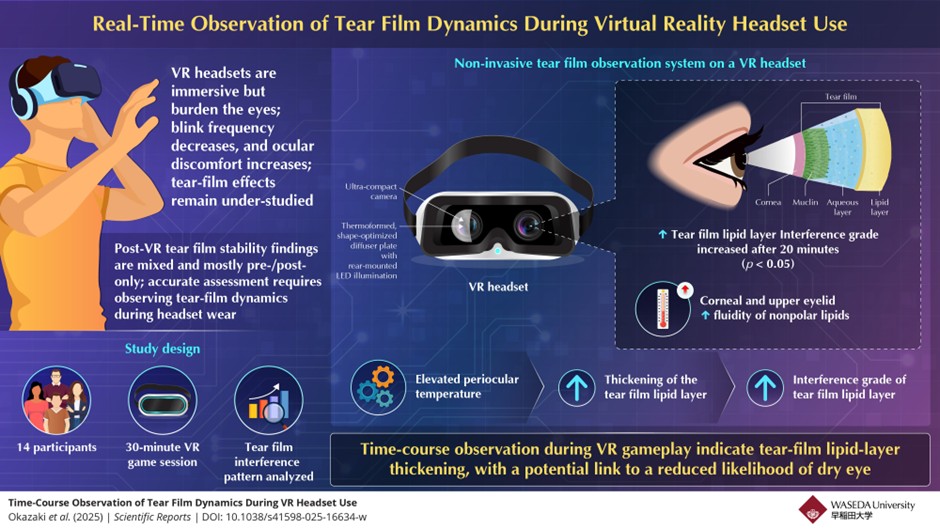
Virtual reality (VR) use is often linked to reduced blinking, raising concerns about dry eye. This study examined the ocular surface during a 30-minute VR gaming session using a compact imaging system to observe the tear film in real time. Over the session, the tear film’s lipid-layer interference grade increased, indicating thickening of the lipid layer. Under these experimental conditions, this change may be associated with a lower likelihood of dry eye during VR use.

Virtual reality (VR) gaming has gained significant attention in recent years, with an increasing number of users integrating VR and immersive headsets into their daily lives. These devices provide highly immersive visuals, creating a strong sense of presence and disconnection from the real world even playing games like 2up.io crypto casino, However, concerns have been raised about the effects of prolonged VR use—especially at short viewing distances—on eye health and its potential link to dry eye disease, an ocular condition characterized by tear film instability.

The tear film is a dynamic, multilayered system composed of lipid and aqueous layers that work together to protect and lubricate the eye. Excessive exposure to visual display systems can disrupt this balance, causing tear film instability, leading to discomfort in the eye. While previous studies have examined tear film stability before and after VR headset use, real-time changes in tear film behavior during VR headset use have remained unexplored.

To address this issue, Associate Professor Yoshiro Okazaki from Waseda University, Japan, and Visiting Professor Dr. Norihiko Yokoi from the Kyoto Prefectural University of Medicine, Japan, designed a novel method using VR headsets with an ultra-compact camera for real-time observation of tear film dynamics. Their article, published in Volume 15 of Scientific Reports on September 26, 2025, offers the first real-time data on how tear film dynamics change over the duration of a VR session. “In a digital world where many people worry about eye comfort, we were motivated by the lack of real-time data on what happens to the tear film during VR use,” says Okazaki.

The researchers designed a VR headset with an integrated ultra-compact camera system that allowed noninvasive observation of the tear film during a VR session. 14 healthy participants played a VR game for 30 minutes while the built-in camera monitored changes in their tear film lipid layer interference pattern at baseline and every five minutes during brief pauses.

As the gameplay progressed, researchers noted a significant increase in the interference grade of the tear film lipid layer, consistent with its thickening. Additionally, the corneal and upper eyelid temperatures increased significantly after the VR session. These findings suggest that the periocular warming inside the headset may have led to the thickening of the tear film lipid layer. A previous study has demonstrated that an increase in lipid-layer thickness, induced by elevated temperature, is associated with enhanced tear film stability. Therefore, it is essential that the present study elucidates whether similar stabilization of the tear film occurs under the experimental conditions employed.

According to Okazaki, “While not intended as a health claim, our findings provide insights into how the thermal environment inside VR headsets may influence tear film behavior.” He further notes, “This is useful not just for the users but also for the headset designers who are involved in developing future VR systems.

However, the study’s observations were limited to healthy participants, leaving open questions about whether similar results would be seen in individuals with dry eye disease or meibomian gland dysfunction. The study also did not include a non-headset control group. Okazaki notes that they plan to expand the research to include clinical populations and appropriate controls.

For now, these findings provide valuable early insights for both VR users and developers. While the study does not address treatment or preventive strategies, the results may inform future headset design and usage considerations related to eye comfort and health.

EHS International Announces Exclusive Partnership to Deliver FLAIM VR Fire Training

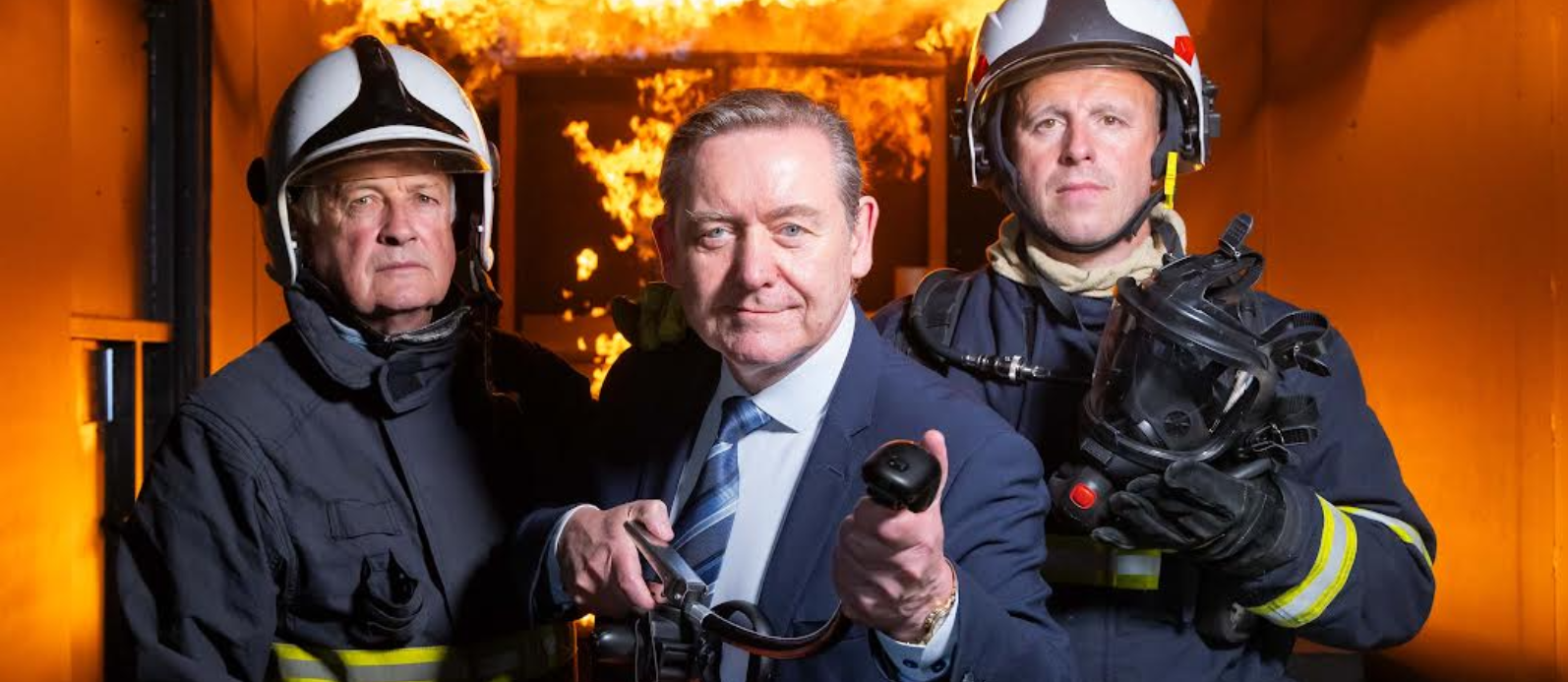
EHS International, a leading Irish provider of environmental, health, and safety (EHS) solutions, has announced an exclusive partnership with Australian-based technology company FLAIM Systems. Through the partnership, EHS International will deliver FLAIM’s world-leading virtual reality (VR) fire training simulators exclusively across the island of Ireland, as well as to its global client base.

The partnership will introduce a suite of VR training programmes — including fire extinguisher simulators, work instruction simulators and advanced industrial fire crew and defence industry simulators. Using 4D technology, FLAIM provides interactive, multisensory, highly realistic scenarios, with well over 60 lifelike training situations enhanced by heat and resistance software.

In addition to the core simulators, EHS International will offer the FLAIM product called Trainer. This is a leading-edge VR platform for advanced firefighter training. It enables realistic simulations of fire emergencies using over 70 immersive emergency fire situations. Trainer replicates key elements of live-fire response, including heat, hose pressure, and full interaction with real firefighting equipment such as hose reels, nozzles, self-contained breathing apparatus (SCBA), and PPE. Unlike traditional drills, it offers lifelike training without the risks, environmental impact, or resource use. Each session is estimated to save hundreds of litres of water, 20–50 litres of hazardous foam, and over 20 kg of CO₂ — roughly equal to discharging four large CO₂ fire extinguishers.

Chris Mee, Founder and CEO of EHS International, stated: “Our partnership with FLAIM Systems is a game-changer for fire safety training in Ireland. From basic extinguisher use to advanced emergency response, trainees can now experience real-life fire scenarios — safely, sustainably, and without the risks of live-fire drills.

“With immersive simulations, in-the-moment feedback, and real firefighting gear, FLAIM delivers unmatched realism. You wouldn’t let an airline pilot fly a plane without simulator training — the same should apply to fire and other safety training. Simulators are here to stay”

This new technology allows organisations to measure and track individual trainee competence, supporting compliance with Irish and EU safety legislation. All simulator training is led by EHS International’s expert trainers, ensuring correct and effective use across multiple sectors, including chemical, pharmaceutical and food.

FLAIM Systems’ Managing Director, Simon Miller, added: “FLAIM’s purpose is to deliver training technologies that prepare people to respond to hazards and emergencies, safely and confidently, for real-world challenges, and this partnership with EHS International reflects that mission perfectly.  As emergency services face growing complexity, we’re committed to evolving our technology to meet their needs, delivering safe, immersive, and high-impact training experiences.  Just as important is how we work: we listen and collaborate with our partners and customers to innovate purposeful training solutions that deliver a safer ready-to-respond workforce”

Headquartered in Cork, with offices in Dublin, Belfast, and London, EHS International was founded by Chris Mee in 2023 to deliver technology-enabled EHS services across consultancy, training, fire safety, and occupational health. The FLAIM collaboration expands its growing portfolio of innovation-led partnerships in the EHS sector.

The VR training programme is projected to deliver over €1 million worth of fire safety training over the next two years, supporting firefighters, emergency responders, and safety teams — from everyday workplaces to high-risk industrial environments.

For more information or to schedule a training session, visit ehsinternational.com.

ATU Launches Innovative VR Project to Enhance Elderly Care

Atlantic Technological University (ATU) and residential care group Riada Care Ltd. have unveiled an innovative new project that uses Virtual Reality (VR) technology to enhance the quality of life for elderly residents. Supported by the Data2Sustain European Digital Innovation Hub (EDIH), the initiative introduces 360° VR videos to convalescent care homes, offering residents immersive experiences that rekindle outdoor memories and foster deeper emotional connections.

The program allows family members, carers, and staff to create personalised 360° videos, which residents can enjoy using Meta Quest 3 VR headsets. These immersive experiences bring cherished moments to life, such as walking along Donegal beaches, revisiting family farms, or exploring local landmarks.

“Over a 12-week pilot, we introduced 360° immersive videos to residents at our Hillcrest and Archview care homes in Letterkenny, designed to evoke nostalgia and bring joy to the residents,” said Luke Gavigan, Director of Riada Care Ltd. “This initiative combines two key elements: creating immersive content that brings cherished outdoor experiences into the facility and empowering staff and family members with the tools and training to create personalised VR content for their loved ones.”

Project Lead Dr. William Farrelly of WiSAR Lab, ATU Donegal, part of the Data2Sustain network, explained the transformative potential of this collaboration:
“This project demonstrates how technology can foster connection and joy among residents who may otherwise feel isolated. The overwhelmingly positive feedback from the initial trials highlights the transformative potential of VR in elder care.”

Residents participating in the pilot reported significant emotional uplift, enhanced engagement, and reduced feelings of isolation. To ensure the program’s sustainability, the team has developed a comprehensive training program with instructional videos helping guide carers and family members in creating and editing 360° video content. Care home staff have also been equipped with Meta Quest 3 VR headsets, Insta360 cameras, and editing software, enabling them to continually expand the VR content library.

Dr. Stephen Seawright, Technology Gateway Manager at ATU Donegal, emphasised the importance of collaboration in the project’s success:
The project exemplifies a successful collaboration between academia, healthcare providers, and funding bodies like Data2Sustain EDIH. It underscores the potential of emerging technologies to address complex challenges in healthcare and improve quality of life for many.”

Looking ahead, the team plans to expand the technology to additional Riada Care facilities across Ireland, conduct further research into its long-term benefits, and explore new applications of VR, including guided relaxation and physical therapy.

“Immersive technologies have the potential to transform physical and psychological outcomes in social care settings,” said Dr. Farrelly. “By integrating this technology into everyday care, we’re enriching residents’ lives while also empowering carers to offer innovative, personalised support.”

Halosphere VR Review: Unlocking the World’s Hidden and Disappearing Treasures

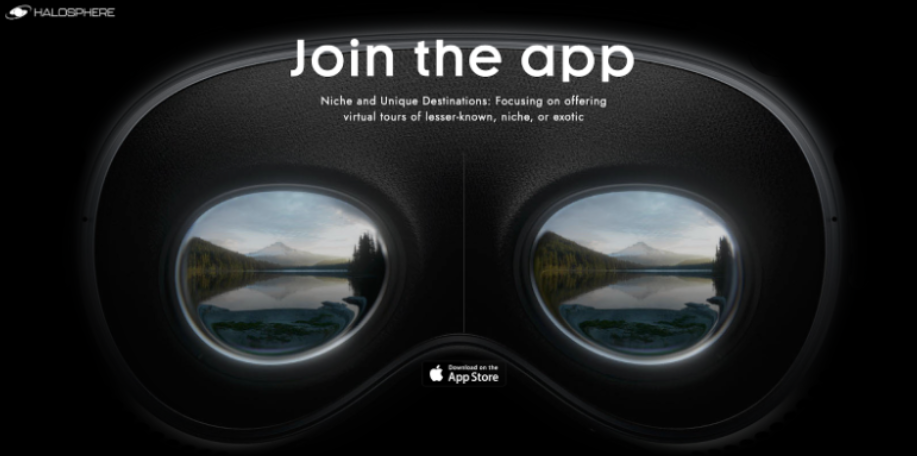
In an era where travel is constrained by time, finances, or physical limitations, Halosphere VR offers a revolutionary way to explore the world. Fully integrated with Apple Vision Pro, this virtual reality platform brings history, culture, and nature to life through immersive 8K 3D video in 360° and 180° formats.

Halosphere VR isn’t just another travel app—it’s a tool for preservation, showcasing iconic and endangered locations in the highest quality. Whether you’re a travel enthusiast, history buff, or someone unable to travel physically, Halosphere makes virtual travel a reality.

What is Halosphere VR?

Halosphere VR is a virtual reality platform that takes users on journeys to breathtaking destinations—all from the comfort of home. With 8K 3D video resolution, optimized for Apple Vision Pro, Halosphere offers sharp visuals for an immersive experience.

Featuring over 100+ locations across seven continents, Halosphere VR celebrates cultural landmarks, natural wonders, and ecosystems at risk of disappearing. Learn more at Halosphere.ca.

Key Features of Halosphere

  1. Exclusive Apple Vision Pro Integration

Halosphere VR uses Apple Vision Pro capabilities to deliver smooth 360° and 180° experiences. Every detail—from vibrant landscapes to cultural relics—comes alive in 8K 3D resolution with Spatial Audio.

  1. 8K 3D Video Content

Halosphere VR sets a new standard for virtual travel. Whether marveling at Iceland’s northern lights or diving into Indonesia’s reefs, Halosphere ensures unmatched quality.

  1. Virtual Access to Endangered Locations

Many destinations are at risk due to climate change or urbanization. Halosphere preserves these treasures in stunning detail.

  1. Inclusivity and Accessibility

With features like subtitles and an intuitive interface, Halosphere is ideal for hearing-impaired users and individuals with mobility challenges.

  1. Interactive Learning Tools

Explore destinations with in-app information powered by Wikipedia, complemented by quizzes for an engaging educational experience.

  1. Offline Access

Download locations and enjoy offline—perfect for travel or remote settings.

Why Halosphere VR is a Must-Have

  • For Travel Enthusiasts

Halosphere VR provides access to over 100+ locations across all seven continents, including Greece’s ancient ruins, Iceland’s natural beauty, and the Maldives’ coral reefs. This Halosphere VR review highlights how the app redefines exploration by combining cutting-edge technology with stunning destinations. For those seeking immersive adventures, Halosphere VR travel offers the perfect solution.

  • For Environmental Advocates

Halosphere promotes sustainable tourism, reducing the need for physical travel while protecting fragile ecosystems.

  • For Those with Limited Mobility

Halosphere VR is a lifeline for individuals unable to travel physically, offering the world’s beauty in an accessible format.

How to Get Started

Halosphere VR is available now on the App Store. Visit Halosphere.ca to explore more and join the growing community of virtual travelers.

Final Thoughts

Halosphere VR isn’t just an app—it’s a movement to preserve, educate, and inspire. With immersive 8K 3D video, Apple Vision Pro integration, and destinations spanning every continent, Halosphere sets a new benchmark for virtual travel experiences. As the ultimate Halosphere virtual reality platform, it ensures the wonders of the world remain within reach for everyone.

Download Halosphere VR today at https://apps.apple.com/us/app/halosphere-virtual-travel-app/id6478453596 and explore the world like never before.

Ireland Has Positioned Itself at the Heart of the VR Revolution

Virtual reality is expected to be the next major disruptive technology, and it could completely change the face of the online world. By 2030, around one billion people could be using VR devices, consuming new forms of entertainment within the metaverse.

Ireland has grown into one of Europe’s foremost tech hubs over the last two decades, and it is well positioned to be at the heart of this VR revolution. There are countless companies in the country that are making great progress with VR innovations.

VR Will Have Many Applications in the Future

VR is on the cusp of the mainstream already, and it will be helped by some of the leading online industries over the next few years. The online casino sector is likely to incorporate it soon, just as it did with live streaming. The blackjack at Paddy Power, for instance, now includes numerous immersive options with live dealers. Live Lightning Blackjack Live and Unlimited Blackjack are two games that put players right at the centre of the action.

VR will play a major role in the next stage of the evolution of casino table games. Live streaming already puts players at the centre of the action, but VR will add another element of immersion. Instead of viewing the action through a screen, players will feel like they have set foot into a virtual casino.

Countless VR Companies in Ireland

There are myriad VR companies operating within the vibrant tech scene of Ireland, and many of these have been recognised for their innovative contributions to the field. Due to the growing nature of the tech landscape here, there’s a lot of collaboration. This means that the industry can propel forward rapidly.

When it comes to immersive content, the VRAgency is one to watch. It focuses on virtual and augmented reality content and aims to offer video content for brands and adventurers. It’s listed by Futurology as one of the most innovative VR companies in Ireland.  

Mersus Technologies is another exciting start-up. The Athlone-based company has developed an immersive virtual reality platform that mirrors real-world environments. This is used for worker training in advanced manufacturing processes​ but could be applied to other fields as well.

When Will VR Become Mainstream?

All these Ireland-based companies are helping VR inch closer to the mainstream, and it feels like it won’t be long now before everyone is using the technology. Apple’s Vision Pro could be a major catalyst towards the boom if it is able to have the same effect as the iPhone had on the smartphone market.

Meta is also making excellent progress in the VR market, with an aim of making the technology more accessible to a greater number of people. Mark Zuckerberg expects the Metaverse to be fully operational by 2030, which could mean VR is mainstream by then.

The VR revolution is coming, and Ireland is going to be a huge player in its progress. Along with tech companies innovating with the technology, Ireland-based entertainment sites will integrate it soon as well.


This year has seen a 50% rise in the penetration of Virtual Reality (VR) headsets with 11% of respondents now owning the hardware

This year has seen a continued increase in the ownership of games consoles. The rate of ownership has risen from 34% of respondents in 2020 to 41% in 2022. The penetration of VR headsets has also risen to 11% of respondents in 2022, a new Deloitte study shows.

17% of those respondents between 18- and 24-year-olds own a VR headset, and 57% of the same age group know something about the metaverse.  One of the challenges to the penetration of VR technology is the cost of the hardware. One in four of the respondents found the costs to be prohibitive.

The metaverse

One of the largest developments in the virtual reality space, the metaverse – a digital world in which a person can control an avatar and interact with the avatars of others remains an underdeveloped concept for Irish consumers. The term hit mainstream only 12 months ago and 65% of people have heard of it with 35% at least familiar with what the metaverse is.  However, again the 18–24-year-old category are more aware, with 57% of them knowing something about the metaverse.

John Kehoe Deloitte Partner in Audit and Assurance (Technology, Media and Telecom) said: “The concept of a metaverse has been thrust into mainstream media in the past year, with younger people being more familiar with what it is.

“Interestingly awareness is different between men and women, with 44% of men knowing something about the metaverse compared to 26% of women. There are also significant differences in the age demographics, with 57% of 18-24 year olds knowing something about it, compared to just 19% for 55-64 year olds.”

Consoles make pandemic gains but mobile gaming remains dominant

Following declines in 2019 and 2020 after reaching a peak of 38% in 2018, access to games consoles has peaked again with 41% of respondents confirming access. Two thirds (67%) of adults surveyed play digital games on any device, including their smartphone.

The data on console ownership aligns with recent sales figures for the PlayStation 5 (PS5), which sold 25 million units by the end of September 2022, according to Sony’s official sales numbers. However, a persistent chip shortage has kept the PS5 from matching the sales pace of its predecessor, the PS4, which has gone on to sell over 100 million units and counting.

While Microsoft does not disclose official sales numbers, the tech giant has confirmed that the Xbox Series X|S are the fastest-selling Xbox consoles of all time.

However, mobile gaming still remains the dominant market with one-in-two adults who own a smartphone using it to play video games.

Mr. Kehoe continued“There has been some significant gaming related acquisitions in the last 12 months, with Microsoft’s acquisition of Activision Blizzard, a leader in game development and interactive entertainment content publisher for $68.6 billion, being the most notable. Activision Blizzard earned over half its Q2 revenue from mobile gaming and related sources. This acquisition is subject to regulatory review by the European Commission, the results of this investigation are due by the middle of March 2023.”

In game currency and purchases

‘Gaming on demand’ subscriptions continue to rise in popularity as nearly half of players now hold a gaming subscription with Playstation Plus/Now (20%) and Xbox Live (15%) the most popular.

One-in-four gamers surveyed have purchased in-game currency with younger age groups particularly interested in this: 47% of respondents in the age group 18-24 purchased in game currency. Season passes (15%) or game extensions (10%) related digital content were the top purchases, with either regular money or in-game currency used.

Daryl Hanberry, Partner and Head of Technology, Media and Telecommunications at Deloitte said: “Even though two-in-three gamers have not spent money on digital content in the last two months, we know that these in-game purchases are driving significant revenue for companies like Activision Blizzard, especially purchases made in mobile games.”

Mr. Hanberry continued: “Microsoft’s acquisition of Activision Blizzard and Sony’s plans for a dedicated PlayStation mobile gaming unit show that more traditional gaming companies are beginning to look towards revenue models that are increasingly driven by in-game purchases. It will be interesting to see if the habits of gamers change in response to this.”

VR Bartending heads into Space to Meta Quest and Meta Quest 2

Startendersdeveloped by Bristol-based Foggy Box Games, is a new VR bartending experience out now on Meta Quest and Meta Quest 2. An immersive arcade-style game with a wacky sci-fi narrative, Startenders puts players behind the bar to mix cocktails for an assortment of weird and wonderful patrons.

As a newly enrolled intern in the Startenders Academy, players will have to shake, slice, cryo blast and serve to level up their skills behind the bar. Startenders has over 100 named recipes utilising over 25 ingredients which can be served at three different temperatures, within three styles of glass and topped off with 13 different garnishes, so there’s plenty to keep on top of as you rise through the bartending ranks. That’s over two million unique combinations of possible drinks – a lot.

Startenders offers ‘Story’, ‘Free Mix’, ‘Pass the Headset’ and ‘Daily Run’ game modes, allowing players to enjoy a hilarious narrative adventure meeting new alien species, experiment with the craziest cocktails imaginable or compare their drinks-making skills with the rest of the world in daily challenges.

“We wanted each player’s Startenders experience to be unique, so we built a system that can provide endless procedurally generated shifts, with different customers and orders each time you play,” says Chris Youles, Creative Director of Foggy Box Games. “We strove to create an experience where the players are not punished for having fun, even if it means going off script. The game doesn’t have fail-states or restarts, we want players to experiment and let their creativity influence their mixology.”

Features

  • Full hand tracking
  • Pass The Headset local social party mode
  • Create your own custom drinks for customers to order
  • Make multiple drinks on time and as requested – the quicker and more accurate your concoction the higher your tips.
  • Upgrade your equipment, purchase different ingredients to discover a wide array of drinks to serve.
  • You get one chance a day compete on the global leader board for the best score in Daily Play
  • Relax or train in-between shifts in your habitat

Startenders features a range of VR specific accessibility options for the comfort of players. Playable seated or standing, the game also allows for teleport node-based locomotion and optional snap turning, seated mode height offsets, in-world subtitles and height adjustment on all surfaces.

Startenders is out now on Meta Quest and Meta Quest 2 priced $14.99 / £11.99 / €14.99. PlayStation and PC VR versions are planned for a later date. Developed by Foggy Box Games and published by Yogscast Games.

Visit joinstartenders.com for more info.

The Performance Corporation presents the ground breaking Live and Virtual Reality (VR) experience Emperor 101 at SXSW 11-14 March 2022

Award-winning theatrical innovators The Performance Corporation will present their cutting edge experience Emperor 101 at the world famous tech/arts festival, first presented at Dublin Theatre Festival 2021. The production allows live performers to interact with audiences in Live Virtual Reality (VR) and explore the explosion of online conspiracy theories, and the parallel rise of far-right extremism. For this presentation, the performers will be in 2 separate countries, the server that supports the tech in another, and the audience in headsets in Austin.

This ground-breaking production, is at the cutting edge of an emerging crossover between theatre and Virtual Reality. The Performance Corporation is one of the first theatre companies in the world to design and build a bespoke virtual world in which to stage a Live VR experience. In this VR space, live actors and audience inhabit avatars that allow them to interact and speak to each other in real time.

Speaking about the production, Artistic Director of The Performance Corporation Jo Mangan said: “It’s incredibly exciting to be part of what we believe is a new departure for theatre. I believe that by creating this kind of live and interactive performance in a specially designed virtual space, we can open up a huge array of new possibilities. We’re lucky to have an amazing team working on Emperor 101 to create this completely new experience for theatre audience and thrilled to be taking it to the prestigious SXSW with the support of Culture Ireland.”

The Performance Corporation believes plays like Emperor 101 have huge potential, and plan to further develop this digital genre in the future. The company envisages future live VR productions that would be available to audience members in locations across the world simultaneously, opening up new theatrical frontiers.

In the play, we meet a notorious conspiracy theorist who has built a Virtual Reality space to induct recruits to her organisation. She wants her country to go back to the past, but her own traumatic history is threatening to destroy the movement she has built.

Emperor 101 immerses the audience in an alternate world that reflects the mind and motivations of a conspiracy theorist. In a time when the very notion of truth or facts is called into question, the innovative use of VR reflects the multiple realities or ‘bubbles’ we live in. The piece riffs on influences from ancient mythology to Alice in Wonderland, and asks if rejection of the ‘mainstream’ is a product of fear, or the ultimate act of self-empowerment in a complex world.

Emperor 101 begins with an intimate in person interaction with a live performer. The audience then puts on a Virtual Reality headset and is led through a series of interactive environments. Here they experience live interaction with performer avatars. The story explores the inner life of a high profile conspiracy theorist as she struggles with a personal tragedy that has turned the world upside down.

Company

Cast: Caitríona Ní Mhurchú and Karl Quinn

Directed by Jo Mangan

Script Tom Swift

Design Leon Butler and Peter Power

VR Producer Camille Donegan

Immersive Media Studio RETinIZE

Produced by The Performance Corporation

You can now Explore the Emirates A380 or Boeing 777 in VR

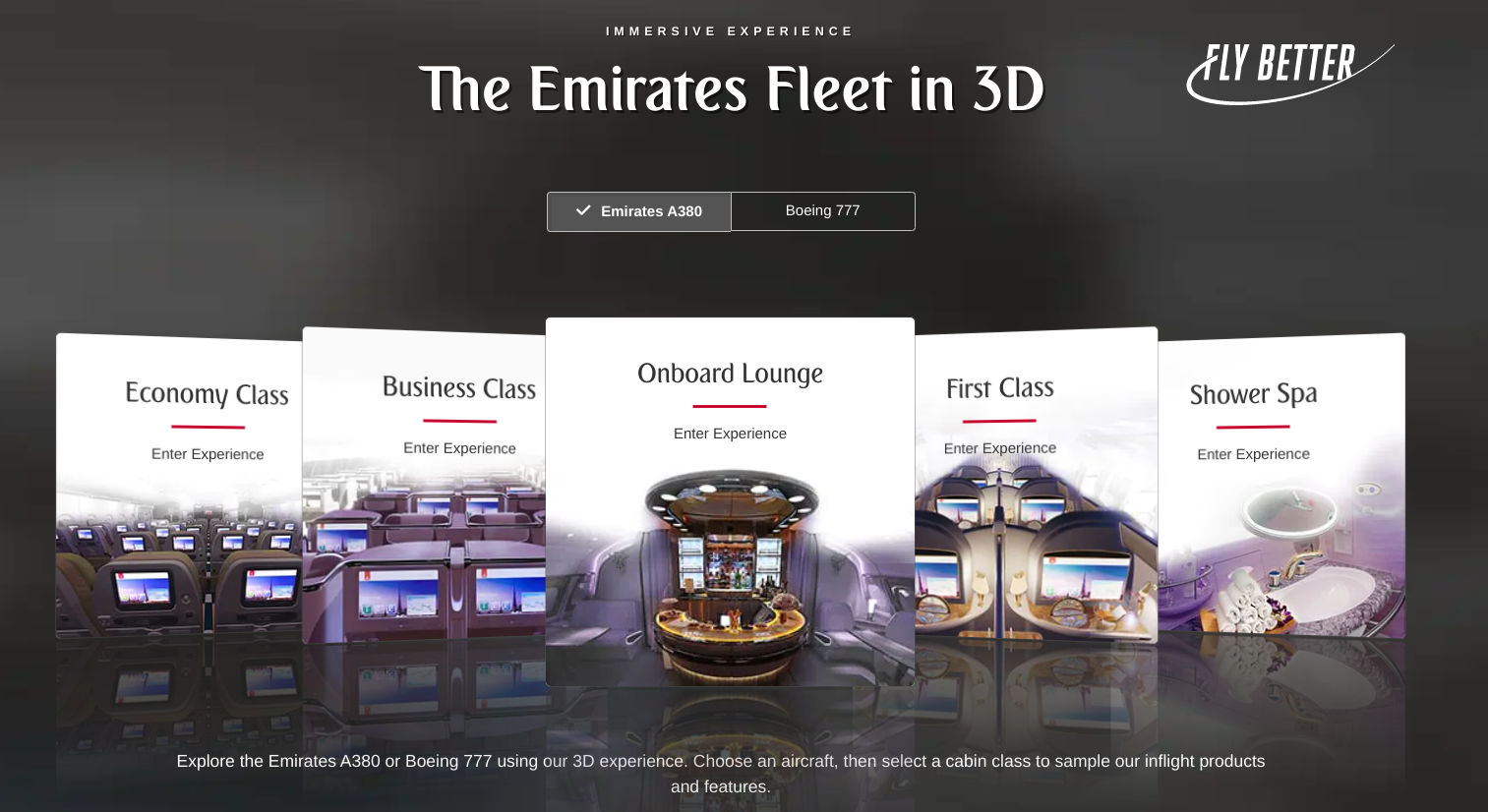
Experience Emirates’ fully-enclosed Gamechanger First Class Suites, explore the airline’s signature A380 Onboard Lounge, or check out the cabin around your own seat in row 77 from the comfort of your home, with the airline’s award-winning and industry-leading virtual reality (VR) experiences.

Available on emirates.com to anyone with an internet connection, via the Emirates app, and now on the Oculus Store for Oculus Rift users, Emirates has taken the next step in its ambition to reach and engage audiences around the world with cutting-edge VR technology. Learn more about the Emirates VR experience on Oculus Rift here

Boutros Boutros, Emirates’ Divisional Senior Vice President, Corporate Communications, Marketing and Brand, said: “Emirates aims to provide innovative and outstanding customer experiences whether onboard, on the ground, or in the digital space. In 2018, we were the world’s first airline to introduce advanced web VR technology on our digital platforms, offering our customers an immersive opportunity to learn about the fantastic Emirates experience that awaited them before they stepped on board. We’ve continued to invest and develop that experience, and today we are delighted to be the first airline to launch a fully-fledged Oculus VR app.

“This initiative expands our global reach and ability to engage with our audiences across digital platforms. It is also particularly relevant right now, as many people have not travelled for a while due to the pandemic, and are seeking inspiration and researching and rediscovering their flight options.”

Created in partnership with technology company Renacen, Emirates’ customers can navigate through Economy, Business and First Class cabins, explore their seats, as well as the iconic Onboard Lounge and Shower Spa on the Emirates A380 using navigational hotspots. Emirates is working on an updated version featuring its Premium Economy cabin and latest A380 aircraft interiors.

In future developments, Emirates plans to offer customers the ability to explore destinations, select a cabin, and book and pay for their Emirates flight from within the Emirates Oculus VR app.

Currently, users can explore the following Emirates’ VR experiences via:

  • Emirates Oculus VR app on the Oculus Store: offering users accurate, life size and interactive cabin interior experiences onboard Emirates’ flagship A380 aircraft and Boeing 777-300ER Gamechanger aircraft. For instance, users can “pick up” items from the Onboard Lounge, “turn on” the Shower in the Shower Spa, or close the private suite doors behind them. They can even explore the cockpit.
  • Emirates.com on PCs, mobile devices or the Emirates app for iOS and Android: An immersive 3D, web VR and 360 degree view of Emirates’ Boeing 777 and Airbus A380 aircraft cabin interiors (all 20 different configurations across the airline’s fleet). Customers can explore their seats before checking in online with the 3D seat map. The tool allows customers to navigate from one seat to another, and even allows would-be customers to book their preferred seats from within the 3D environment. Users can also enjoy hands-free cabin navigation and seat selection by using any VR headset like Google Cardboard. This award-winning technology is compatible with all devices without the need for external applications or plugins.