Discover the Top Benefits of Rear View Cameras – Enhance Your Drive

In today’s fast-paced world, ensuring the safety and convenience of your driving experience is paramount. One effective way to enhance your vehicle is by installing a rear view camera. This article delves into the myriad benefits of rear view cameras and why they have become a popular choice among car owners.


Explore the wide range of premium car audio solutions at https://radioking.ie/. Enhance your driving experience with the best rear view cameras and Android car radios. Visit now!

Increased Security: Enhancing Your Peace of Mind

Rear view cameras significantly contribute to the overall security of your vehicle. By providing a clear view of what is behind your car, they help prevent accidents and enhance safety for both drivers and pedestrians. Installing a rear view camera can be a proactive step in ensuring that you have an extra set of eyes, especially in blind spots that traditional mirrors might miss.

Reducing the Risk of Damage: Protecting Your Investment

One of the primary concerns for any car owner is avoiding damage to their vehicle. Rear view cameras can play a crucial role in mitigating this risk. By offering a detailed visual of the area behind your car, these cameras help you avoid obstacles that might otherwise go unnoticed. This not only protects your vehicle from potential damage but also helps in maintaining its value over time.

Convenient Parking: Simplifying the Process

Parking can be a challenging task, especially in crowded urban areas. Rear view cameras simplify this process by providing a clear and comprehensive view of the space behind your car. This assists drivers in making precise and safe parking maneuvers, reducing the stress and hassle associated with parking in tight spots. The convenience offered by rear view cameras makes them an indispensable tool for modern drivers.

Comparative Analysis: Traditional Mirrors vs. Rear View Cameras

Feature Traditional Mirrors Rear View Cameras
Field of View Limited to mirror angle Wide-angle, comprehensive view
Blind Spot Coverage Limited Extensive, minimal blind spots
Clarity in Low Light Poor, reliant on ambient light High, often with night vision
Obstacle Detection Visual estimation Real-time visual aid

As demonstrated in the table above, rear view cameras offer a superior driving experience compared to traditional mirrors. The enhanced field of view, better coverage of blind spots, and improved clarity in low light conditions make them a valuable addition to any vehicle.

Practical Applications and User Testimonials

Many drivers have experienced the benefits of rear view cameras firsthand. For instance, John, a regular commuter in Dublin, shares, “Installing a rear view camera in my car has been a game-changer. It not only makes parking easier but also gives me confidence when reversing in busy areas.”

Similarly, Emily, who frequently drives in the city, notes, “The rear view camera has significantly reduced my stress while driving. Knowing that I have a clear view of what’s behind me at all times is incredibly reassuring.”

These practical applications and positive user experiences highlight the growing importance and preference for rear view cameras among drivers.

Enhanced Safety Features: More Than Just a Camera

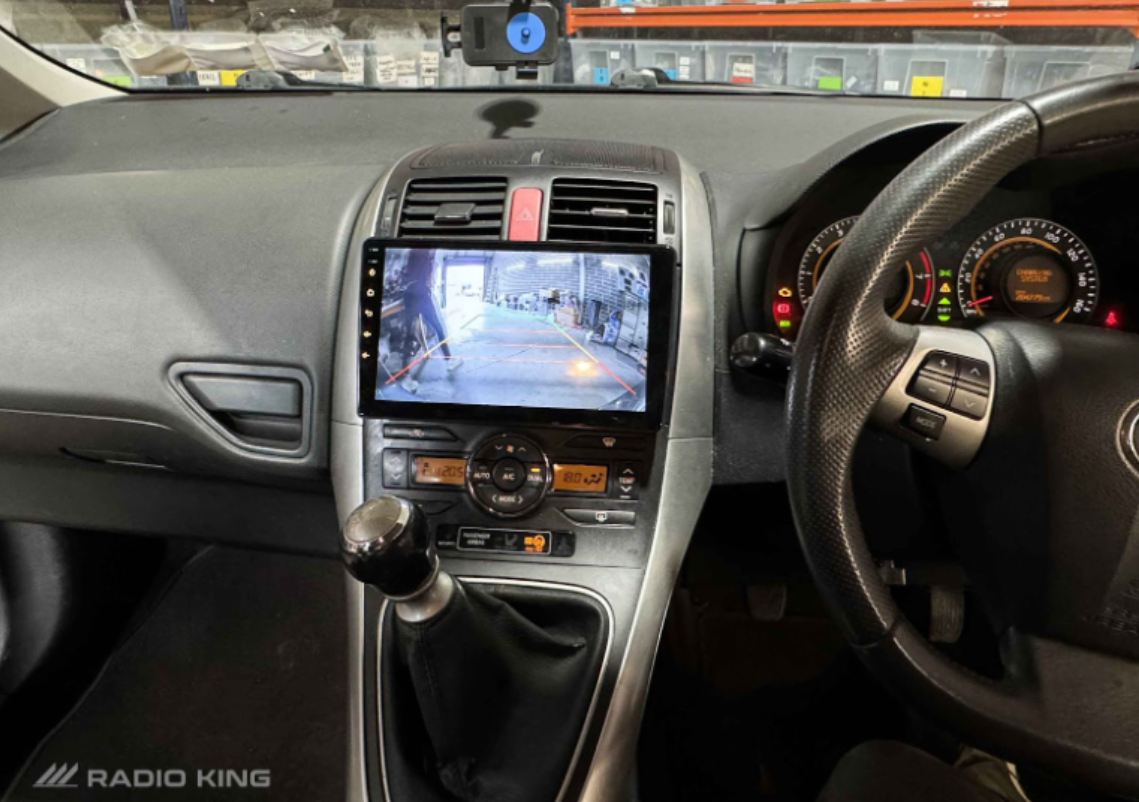
Modern rear view cameras come equipped with additional features that further enhance their utility. These may include night vision, motion detection, and integration with other safety systems in the car. For example, some advanced models offer guidelines on the display screen to assist with parking, making the process even more straightforward and safe.

Integrating Rear View Cameras with Car Systems

Integrating a rear view camera with your car’s existing systems can enhance its functionality. Brands like RadioKing specialize in providing high-quality Android car radios and stereos that seamlessly integrate with rear view cameras, offering a comprehensive solution for car safety and entertainment. This integration ensures that drivers can enjoy a connected and safer driving experience.

By understanding and leveraging the benefits of rear view cameras, drivers can significantly enhance their driving experience. These cameras not only provide increased security and reduce the risk of damage but also simplify parking, making them an essential addition to any modern vehicle.

Danish Car Subscription Service :Dribe Sees Growing Interest for Franchising in Europe

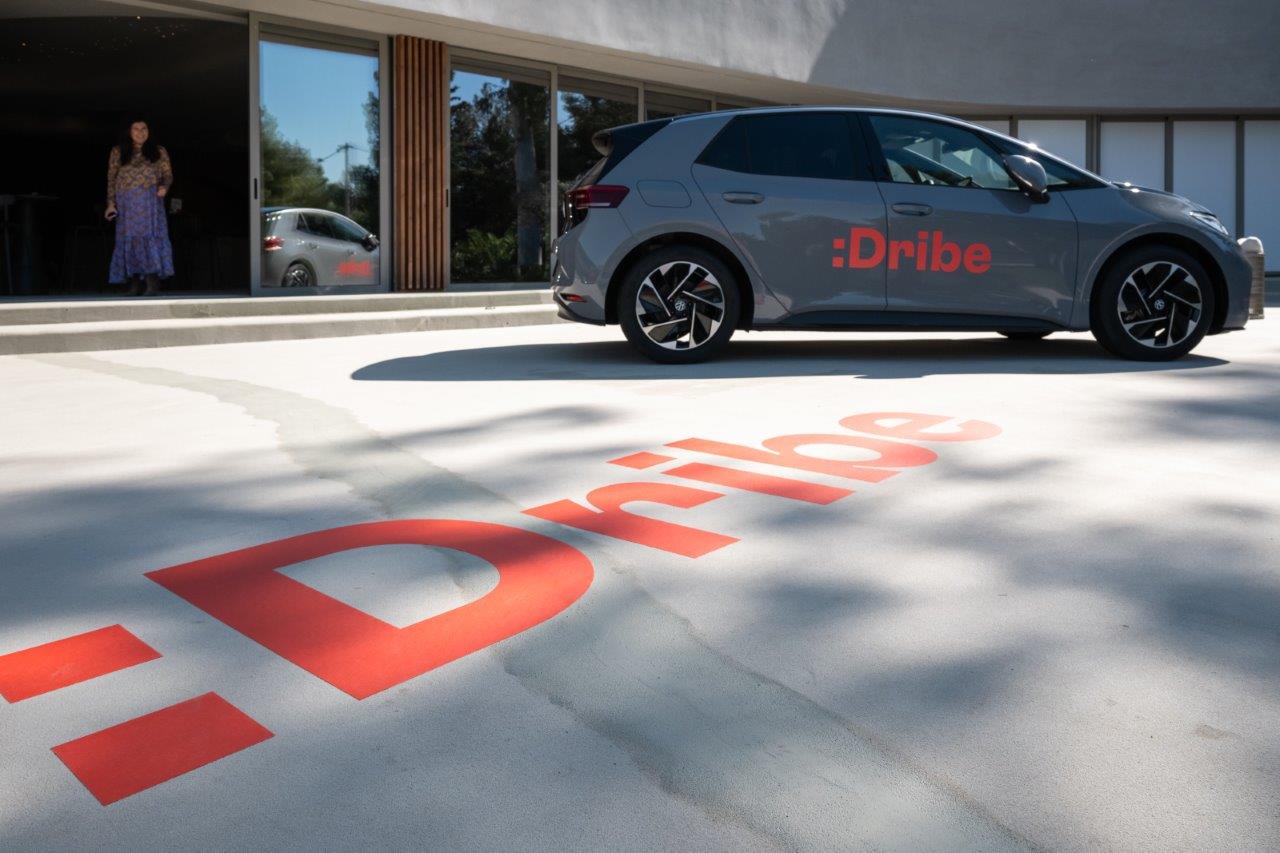
The car subscription service :Dribe offers car distributors franchising opportunities, which includes a digital end-to-end platform and concept designed to foster growth through flexible subscriptions. The platform integrates with the franchisees’ existing resources and operations, and the concept is attracting car distributors from all over Europe.

:Dribe has big plans for expansion throughout Europe. The Danish car subscription service offers car distributors in the UK, Benelux, France, and Germany a unique opportunity to seamlessly integrate subscriptions into their operations.

:Dribe has developed a scalable subscription concept and a plug-and-play model designed to strengthen the franchisee’s market position by meeting the need for a flexible mobility solution with short commitments and flexibility regarding car model, size, and energy source.

:Dribe, which is owned by Denmark’s largest automotive player Semler Group, is seeing a growing interest from car distributors across Europe, which pleases :Dribe CEO Jesper Hill-Kjærsgaard.

– We are incredibly happy with the numerous inquiries from car distributors in Europe. We find that many car distributors want to incorporate subscriptions into their product line but lack the necessary resources to independently develop a new business area. Our plug-and-play model is designed to simplify that process, says Jesper Hill-Kjærsgaard, adding:

– The high level of interest only confirms an international market need for flexible car access. This is also supported by research, such as a study from McKinsey & Company, which shows that one in three European car customers is open to trying a vehicle subscription in the future.

:Dribe’s concept is developed for franchisees to seamlessly integrate subscriptions into the company’s existing operations. Automated processes for everything from billing to car inspections reduce manual work.

Additionally, the concept includes advanced data collection and Business Intelligence tools for targeted customer communication, as well as comprehensive brand assets, an integrated website, and statistical modules for optimized operations.

 Successful Franchising in Greece

The renowned Greek car distributor Kosmocar, employing over 180 staff members, was :Dribe’s first international franchisee. Kosmocar’s implementation of the subscription model has since led to a steadily growing customer base and nearly 10,000 downloads of the app.

Additionally, Kosmocar has achieved massive media coverage following a launch event attended by 60 journalists, resulting in over 100 media mentions within a few days, according to CEO Yiannis Emirzas.

– We chose :Dribe’s plug-and-play solution to automate processes and simplify operations, and we are very pleased with the partnership. It has elevated our brand’s positioning in the market as technologically strong, innovative, and focused on the modern end user’s needs. We have swiftly attracted a new and broader customer base, which was a key focus for us, says Yiannis Emirzas, adding:

– Everything from damage registration to invoicing has become more efficient with the digital backend system. It reduces resource requirements and increases operational efficiency. The innovative approach has helped us adapt to the changing market and stand out in a dynamic industry.

Top Essential Tools for Improving Driver Safety and Compliance

In today’s fast-paced world, ensuring driver safety and compliance has become more crucial than ever. With the rise of technology, various tools are now available to help enhance safety and ensure that drivers adhere to regulations. 

These tools not only protect drivers but also improve overall efficiency and reduce costs for businesses. Let’s explore some essential tools that can significantly improve driver safety and compliance.

Advanced Driver Assistance Systems (ADAS)

Advanced Driver Assistance Systems (ADAS) are a game-changer in the automotive industry. These systems encompass a range of technologies designed to aid drivers and enhance safety. 

Key components include Lane Departure Warning Systems, Adaptive Cruise Control, and Automatic Emergency Braking. ADAS helps prevent accidents by alerting drivers to potential hazards and, in some cases, taking corrective actions. 

Electronic Logging Devices (ELDs)

Electronic Logging Devices (ELDs) have revolutionised the way driver hours are monitored. These devices automatically record driving time, making it easier to comply with Hours of Service (HOS) regulations. 

ELDs help reduce fatigue-related accidents by ensuring drivers take the necessary rest breaks. Moreover, by maintaining accurate records, you can avoid hefty fines and improve your fleet’s compliance with legal requirements.

Dash Cameras

Dash cameras have become indispensable tools for improving driver safety. Available in various types, such as front-facing and dual-facing cameras, they provide real-time video footage of driving events. 

Dash cameras promote safer driving behaviour by keeping drivers accountable. In the event of an accident, the recorded footage serves as valuable evidence for investigations and insurance claims, helping to resolve disputes quickly and fairly.

Telematics Systems

Telematics systems offer comprehensive solutions for tracking and monitoring driver behaviour. These systems provide real-time data on vehicle location, speed, and driving patterns. 

By implementing an automobile tracking system, you can optimise routes, enhance fuel efficiency, and monitor compliance with speed limits and other safety regulations. Telematics systems play a vital role in improving operational efficiency while ensuring driver safety.

Fleet Management Software

Fleet management software is a must-have for any business managing a fleet of vehicles. This software offers a range of features, including route planning, maintenance scheduling, and driver performance tracking. 

By using fleet management software, you can ensure that your vehicles are well-maintained and that drivers adhere to scheduled maintenance checks. This not only enhances safety but also reduces the risk of breakdowns and costly repairs.

Mobile Applications for Drivers

Mobile applications have made it easier for drivers to stay connected and informed. Various apps assist drivers with navigation, providing real-time traffic updates and optimised routes. 

Other apps facilitate pre-trip inspections and reporting, ensuring that vehicles are in good condition before hitting the road. 

Mobile apps also enable seamless communication between drivers and fleet managers, promoting adherence to safety protocols and improving overall efficiency.

Compliance Management Tools

Managing regulatory compliance can be a daunting task, but compliance management tools simplify the process. These tools assist with record-keeping, reporting, auditing, and risk assessment. 

By integrating these essential tools into your operations, you can significantly enhance driver safety and compliance. 

New markets for decommissioned machinery: which industries benefit as transmissions in electric vehicles become redundant

The change in mobility and the associated reorganisation of car manufacturers’ production facilities is therefore in full swing. Entire vehicle components are being eliminated or fundamentally redesigned. For example, less complex gearboxes are being installed in electric cars. Other industries can also benefit from the modernisation of car manufacturing. This is because they are still installing gearboxes and the like and can purchase the production machines that have been decommissioned by the car manufacturers at favourable prices.

Anyone who has recently purchased a vehicle with an internal combustion engine might think that more gears are fundamentally better. Indeed, the development of transmissions has made impressive progress in recent years. Automatic and dual-clutch transmissions have been continually improved to achieve optimal performance. Some of the latest models even feature up to twelve gears. However, as the switch to electric vehicles increases, the requirements for vehicle production are fundamentally changing. In electric vehicles, traditional engines and transmissions, as we know them, are becoming increasingly obsolete. A modern internal combustion engine with a transmission consists of around 1,400 individual parts. In comparison, the drive system of an electric vehicle consists of only about 200 components.

The transmissions of electric vehicles are far less complex than those in internal combustion engines. Many electric vehicles use a so-called single-speed reduction gearbox, which does not require gear shifting. This fixed gear ratio reduces the high rotational speed of the electric motor to a lower speed suitable for the wheels, enabling driveable speeds. However, there are also electric vehicles, particularly those with higher performance, that feature a two-stage gearbox.

Growing demand for electric vehicles in Europe

Many of the machines and tools traditionally used in automotive manufacturing are no longer needed. Manufacturers and suppliers are therefore in a phase of reorientation, where they are retrofitting or even partially closing their production facilities to meet new market demands. How far the conversion of production facilities has progressed is difficult to say. A recognised indicator is the proportion of electric vehicles sold.

In 2023, the European market for battery electric vehicles (BEV) experienced a strong upswing: sales of over 1.5 million vehicles represent an increase of 37% compared to the previous year. Electric cars thus established themselves as the third most popular drive type in Europe, after vehicles with petrol and hybrid engines, and overtook diesel vehicles for the first time.

Despite growing interest in more environmentally friendly options, petrol and hybrid vehicles remain the popular choice, closely followed by. This indicates that the transformation of production is in full swing. “We also notice this at Surplex,” says Dejan Dučić, Project Manager at Surplex. “In recent months, we have been conducting more and more auctions for and from the automotive industry. And this affects a variety of areas: from robots from a Czech automotive plant to insolvent suppliers and the current partial closure of the engine and transmission works of the German car manufacturer.”

New markets for decommissioned machines from the automotive industry

And who should buy these used machines when most car manufacturers no longer have a use for them? “Even though car manufacturers no longer have a use for these specialised machines, there are numerous other industries that can greatly benefit from the shift in production,“ explains Dučić. “Just because complex gearboxes will no longer be used in cars in the future, it doesn’t mean they are no longer needed. There are still a multitude of other applications.“

The gear grinding machine from REISHAUER was recently part of an auction. It comes from the partial closure of the engine plant of a German car manufacturer in Slovakia. (© Surplex).

For example, gearboxes play a crucial role in energy technology. In wind turbines, special gearboxes are used to efficiently convert the rotation of the turbine into electrical energy. The situation is similar with hydropower. The gearboxes have one thing in common: they must be manufactured with extreme precision to ensure they function reliably and lastingly.

Machines originally used for manufacturing gearboxes in the automotive industry can also find new applications in aerospace and engineering. They can be used to produce complex and precise components for automation and manufacturing plants. The ability of these machines to perform precise and repeatable operations makes them particularly valuable for producing parts used in industrial machinery and robotics.

“With the transformation in the automotive industry, many car manufacturers and suppliers are choosing to sell their high-quality machines through platforms like Surplex,“ explains Dučić. “This provides companies from other sectors with an affordable opportunity to acquire first-rate manufacturing equipment.“

Certa awarded coveted Guaranteed Irish symbol

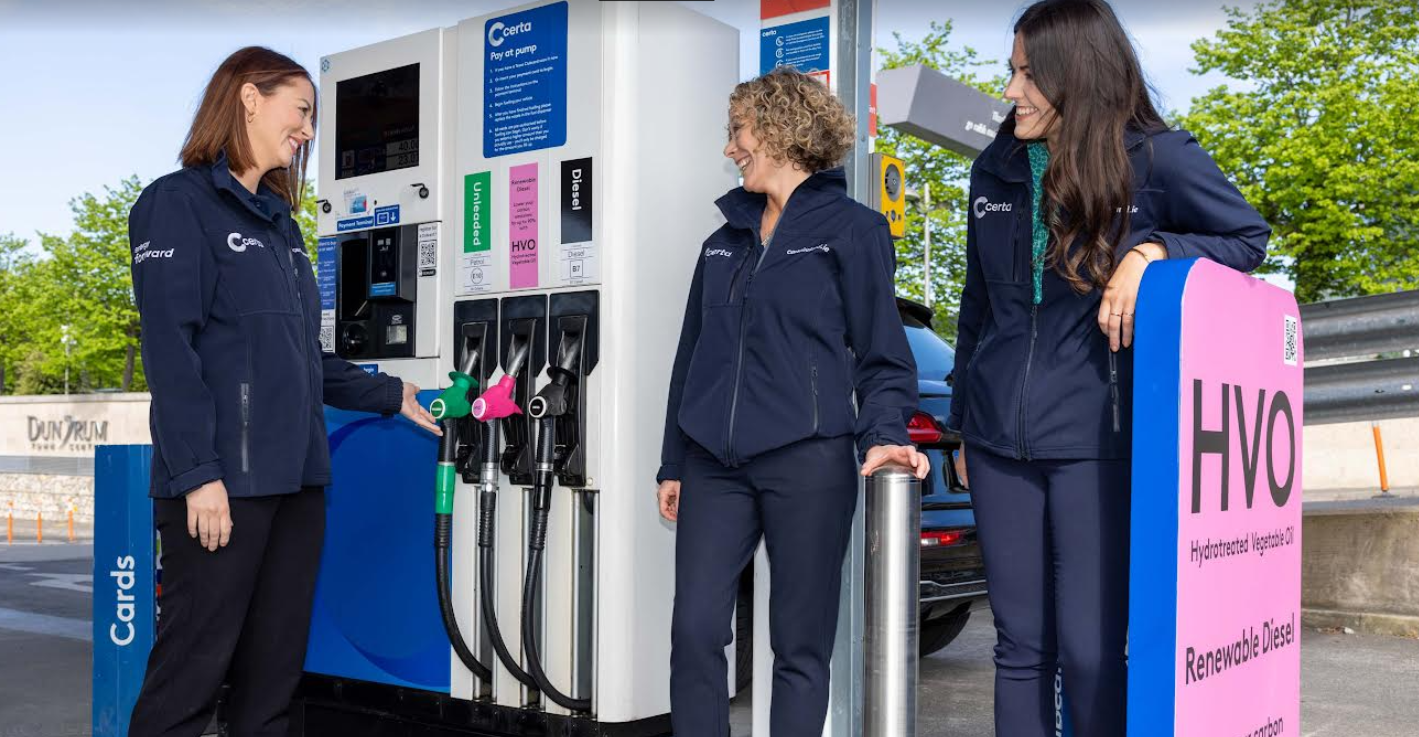
Ireland’s largest fuel supplier Certa, which is part of DCC plc, has been awarded the coveted Guaranteed Irish symbol in recognition of its commitment to creating sustainable jobs, supporting local communities and promoting Irish provenance.

Certa has qualified to become a member of the Guaranteed Irish organisation as a homegrown Irish company that employs over 370 people in communities all over Ireland through its network of 49 pay@pump forecourts and 29 home heating depots.

The Certa brand developed through the amalgamation of the Emo Oil, Campus Oil, Jones Oil and DCC Lubricants brands who have been part of the fabric of cities, towns and villages throughout Ireland for more than 35 years.

Certa’s support for local communities goes well beyond job creation and extends to volunteering, sponsorship, donations and fundraising, all of which was examined as part of the qualifying criteria for the Guaranteed Irish symbol.

Certa is heavily involved in sports sponsorship as the title sponsor of the Ireland Women’s cricket team and is helping the sport to thrive from grassroots to elite level and to inspire young cricket players to follow their dream of playing professionally in Ireland.

It has also developed a series of community-based CSR initiatives including its Volunteering Day Programme which allows its 370 strong workforce to take a paid day out of the business each year to volunteer and give back to their local communities.

Certa has also partnered with the Open Doors Initiative to provide opportunities for some of the most marginalised members of society through the creation of pathways to work, training, education, employment and entrepreneurship.

It is continuing to invest in the service it provides to customers and is now the leading supplier of Hydrotreated Vegetable Oil (HVO) in Ireland. The renewable biofuel helps motorists and businesses to make greener, sustainable choices that reduce their carbon emissions and lower their energy costs.

Certa opened Ireland’s first HVO biofuel station in Liffey Valley last year and is currently upgrading its network of 49 pay@pump forecourts to offer HVO at all sites alongside other fuels. Solar PV panels are also being installed to enable its forecourts to generate their own power.

Orla Stevens, Managing Director, Certa Ireland said:

“Certa is very proud to be a homegrown Irish brand that operates at the heart of local communities. We are delighted to be awarded the Guaranteed Irish symbol which helps consumers and businesses to identify products and services that are an altogether better choice for the life of their community.

Certa is committed to supporting local communities across Ireland and to continually enhancing the service that we offer to domestic, commercial and industrial customers as we continue to pursue our vision of becoming Ireland’s most progressive energy company. We look forward to promoting our Guaranteed Irish credentials as we continue that journey”.

Brid O’Connell, CEO of Guaranteed Irish said:

“We are delighted to welcome Certa as a member of Guaranteed Irish. The Guaranteed Irish symbol is a national symbol of trust that is only awarded to companies in Ireland that support sustainable jobs, contribute to our local economies, and are committed to Irish provenance. This has been at the core of Certa’s development as an Irish company over the past 35 years and we look forward to working with Certa as it continues to grow and enhance the service that it provides to communities across Ireland’.


On the Road to Justice: Car Accident Compensation and Legal Representation

In the aftermath of a car accident, the journey toward justice can feel like an uphill battle. From navigating insurance claims to understanding legal complexities, the road to compensation can be daunting for those injured in collisions. However, with the guidance of experienced legal representation, victims can navigate this challenging terrain with confidence. This exploration delves into the crucial role of legal representation in pursuing car accident compensation, shedding light on the intricacies of the legal process and the avenues available for seeking redress.

The Importance of Legal Representation

Following a car accident, victims may find themselves facing a myriad of challenges, from mounting medical bills to lost wages and ongoing pain and suffering. In such turbulent times, having a skilled legal advocate by their side can make all the difference. As mentioned by harrispersonalinjury.com, legal representation provides invaluable support and guidance, helping victims understand their rights, navigate insurance negotiations, and pursue fair compensation for their injuries. From gathering evidence and building a compelling case to negotiating with insurance companies and litigating in court, personal injury lawyers play a pivotal role in advocating for the best interests of their clients. It ensures they receive the compensation they deserve.

Moreover, legal representation serves as a shield against the tactics employed by insurance companies to minimize payouts and undervalue claims. Insurance adjusters often pressure unrepresented individuals into accepting inadequate settlements, exploiting their vulnerability and lack of legal knowledge. With a skilled lawyer advocating on their behalf, victims can level the playing field and counter these tactics effectively. Lawyers have the expertise to assess the true value of a claim, identify potential sources of compensation, and negotiate with insurance companies from a position of strength. This not only increases the likelihood of securing fair compensation but also relieves the burden on victims, allowing them to focus on their recovery without the added stress of navigating complex legal proceedings.

Always look for a person who has experience in your specific type of case, especially when commercial vehicles are involved. Rig drivers and those who got into a collision with them should both hire a Truck Accident Lawyer to ensure all aspects of the incident are properly examined and documented. These cases often involve different regulations and layers of liability that general personal injury lawyers may not be equipped to handle. Having the right legal support can make a significant difference in the outcome of a claim.

Understanding Car Accident Compensation

Car accident compensation encompasses various types of damages, both economic and non-economic, designed to address the financial and emotional toll of injuries sustained in a collision. Economic damages include medical expenses, lost wages, property damage, and rehabilitation costs, which can be quantified and easily calculated. Non-economic damages, such as pain and suffering, emotional distress, and loss of enjoyment of life, are more subjective in nature but equally significant in compensating victims for the intangible losses they endure. Additionally, in cases of gross negligence or malicious intent, punitive damages may be awarded to punish the at-fault party and deter similar conduct in the future.

An expert who is well-versed into local laws is more likely to know how to build a strong case that maximizes compensation. People from all around Sin City who suffered a crash never hesitate to hire a car accident lawyer in Las Vegas who can negotiate effectively with insurance companies and represent their best interests in court. This kind of legal support often makes a significant difference in the outcome of a claim.

The Role of Legal Representation in Negotiations

One of the primary functions of legal representation in car accident cases is negotiating with insurance companies on behalf of their clients. Insurance adjusters are skilled negotiators who may attempt to minimize payouts and settle claims for less than their true value. Without legal representation, victims risk accepting inadequate settlements that fail to fully compensate them for their losses. Lawyers leverage their knowledge of personal injury law and experience in negotiation tactics to advocate for fair and just compensation. They gather evidence, assess the extent of their clients’ damages, and present persuasive arguments to insurance adjusters, fighting tirelessly to secure maximum compensation for their clients.

Additionally, legal representation provides a buffer against the complexities and pitfalls of insurance negotiations, ensuring that victims do not inadvertently waive their rights or accept unfavorable terms. Insurance companies often employ tactics such as delaying payments, disputing liability, or downplaying the severity of injuries to minimize payouts. With legal representation, victims have a dedicated advocate who can navigate these challenges, protect their interests, and push back against unfair practices. Lawyers have the expertise to review insurance policies, interpret legal jargon, and identify potential loopholes or clauses that may affect the outcome of the claim. By serving as a knowledgeable guide and advocate, legal representation empowers victims to assert their rights and pursue the compensation they rightfully deserve.

Litigation and Trial Advocacy

In cases where settlement negotiations fail to yield a satisfactory outcome, legal representation plays a crucial role in advocating for clients in court. Litigation involves presenting evidence, examining witnesses, and making legal arguments before a judge and jury to establish liability and quantify damages. Trial advocacy requires a combination of legal acumen, persuasive communication skills, and meticulous preparation to effectively present the case and achieve a favorable verdict. While litigation can be a lengthy and arduous process, skilled legal representation can make a significant difference in the outcome of the case, ensuring that justice is served for those injured in car accidents.

Conclusion

In conclusion, the pursuit of car accident compensation is a complex and multifaceted journey that requires experienced legal representation to navigate successfully. From understanding legal rights and negotiating with insurance companies to advocating in court, lawyers play a pivotal role in advocating for the best interests of their clients and ensuring they receive the compensation they deserve. As victims travel down the road to justice, they can take comfort in knowing that skilled legal advocates are by their side, guiding them every step of the way and fighting tirelessly to secure the restitution they need to rebuild their lives.

Furthermore, beyond the immediate pursuit of compensation, legal representation can also provide invaluable support in addressing long-term consequences of car accidents, such as ongoing medical treatment, rehabilitation, and future financial security. By securing fair compensation, victims can gain the resources needed to access quality healthcare, rehabilitative services, and vocational support, empowering them to regain independence and move forward with their lives. Additionally, legal advocacy can help hold negligent parties accountable for their actions, promoting safer driving practices and preventing future accidents. In this way, the impact of legal representation extends far beyond the courtroom, fostering a safer, more just society for all.


Danish Car Subscription Service Expands in Europe with New Franchisee

Dribe, one of Denmark’s leading car subscription services, has entered a franchise agreement with Greek car distributor Kosmocar. The partnership marks the first milestone in :Dribe’s international expansion, driven by an ambition to fulfill a global demand for a strong, digitally driven concept for simple and flexible car access.

As a first in Europe, the Greek car distributor Kosmocar enters a franchise partnership with :Dribe, a Danish tech innovator within car subscription services for private consumers and businesses. Kosmocar is now unveiling :Dribe’s concept and digital platform, enabling simple and intuitive management of car subscriptions, while short 30-day binding periods provide subscribers with great flexibility and freedom.

The partnership is the first step in :Dribe’s international expansion, where the company plans to enter franchise agreements in the UK, the Benelux, France, German, and more. Their international roll-out will cater to the dynamic, urban lifestyle through simple and flexible car access. Yiannis Emirzas, CEO of Kosmocar, is optimistic about the new partnership.

– With this franchise agreement, we are taking a confident step towards meeting the evolving needs for simple, flexible, and sustainable mobility solutions. :Dribe offers us valuable knowhow in addition to a robust, highly advanced IT-platform and a plug-and-play model that is easy to implement, says Yiannis Emirzas. He adds:

– By adding a well-tested, customer-driven subscription model to our existing business, we’re expanding our mobility services, and we are putting the power of mobility back into the hands of people. We’re excited to embark on this journey and shape the way people move in Greece.

According to a 2024 report from McKinsey Digital, digitalization can significantly increase profitability in the Greek retail sector. The report further notes that Greece’s digitalization is lacking behind that of its European peers. It’s no coincidence that :Dribe looked to Greece as the first destination in :Dribe’s European expansion. Jesper Hill-Kjærsgaard, CEO of :Dribe, says:

– We see a substantial, unrecognized potential in Greece, where we have a competitive edge in having built a powerful digital platform that allows for efficient administration of an extensive fleet of vehicles. Our :Dribe-platform facilitates a subscription-based business model that requires minimal manual intervention and optimizes resource utility, says Jesper Hill-Kjærsgaard. He adds:

– We immediately saw a perfect match in Kosmocar. Like us, they are digital natives who adapt to new technologies and are passionate about meeting market demand for simple and flexible car access.

An Important Milestone

:Dribe is owned by Semler Group, one of the biggest players in the Danish automotive business. Ulrik Drejsig, CEO of Semler Group, agrees that the new franchise agreement is an important milestone.

– During our century-long history, our company has experienced first-hand the constant change that occurs in the auto business. We have invested in :Dribe’s car subscription-model to embrace a relational business method. Now, five years into our journey, we are taking the first important step into the European market, and we are proud to have Kosmocar by our side, says Ulrik Drejsig.

The new franchise agreement between :Dribe and Kosmocar is founded on a common set of values.

– Innovation, trust, cooperation, and accountability are four values that we strive to demonstrate daily to our customers and business partners. We consider it as a major perk to have found a franchisee who shares our values, and we are very excited about our partnership, says Jesper Hill-Kjærsgaard.

NIRA Dynamics hits milestone with 100 million TPI units, pioneering sustainability in the automotive industry

NIRA Dynamics, leader in automotive technology software solutions, proudly announces a significant milestone: the sale of 100 million Tire Pressure Indicator (TPI) units. This achievement not only underscores NIRA’s prominence in the automotive sector but also highlights its commitment to sustainability and cost-efficiency since 2005.

In a remarkable shift from traditional hardware-based systems, NIRA’s TPI technology, a software-centric approach, has revolutionized tire pressure monitoring. By eliminating the need for physical sensors in each tire, NIRA’s TPI has substantially reduced electronic waste and manufacturing costs, fostering a more sustainable automotive ecosystem.

Key Impact

NIRA Dynamics’ TPI technology has redefined the landscape of tire pressure monitoring by significantly reducing the reliance on physical sensors and the associated electronic waste. By introducing this innovative software solution in 100 million vehicles, NIRA has contributed to a staggering reduction of electronic waste, with an estimated 40,000 tons of electronics saved. This monumental achievement not only reflects NIRA’s commitment to technological excellence but also underscores its dedication to promoting sustainability in the automotive industry.

A Commitment to Sustainability and Cost-Efficiency

NIRA Dynamics has not only set a benchmark in technological innovation but has also conscientiously contributed to environmental sustainability. The reduction in electronic waste and the need for fewer raw materials resonate with global efforts to minimize the ecological footprint of the automotive industry.

“Our journey to 100 million TPI units is not just a testament to our technological progress but also to our dedication to a greener, cost-effective future,” said Lisa Åbom, CEO, NIRA Dynamics. “This milestone is a leap towards our vision of an eco-conscious automotive landscape, where innovation drives sustainability.”

A big upside for car manufacturers when selecting a sensor fusion solution like TPI is the fact that costs are kept at a minimum, while all TPMS legislation globally are fulfilled.

Looking Ahead

As NIRA Dynamics celebrates this milestone, the company remains committed to advancing automotive technology solutions that deliver sustainable, cost-efficient value-adding services to cars and drivers globally. Just recently, NIRA launched a big update to TPI – TPI UX, offering enhanced detection performance and improved graphical interface for increased safety and performance.

Also, the latest solution in production is Road Surface Alerts – warns drivers for hazardous road conditions, and Road Surface Conditions – offers enhanced decision-making for ADAS services in varying road conditions.

Trapped Inside: Solving Tesla’s Power Outage and Vehicle Lock-In Problems

The ever-evolving automotive industry is no stranger to the revolutionary designs and eco-conscious vision of Tesla. However, owners are concerned about the safety and convenience of electric vehicles, particularly older users who are less tech-savvy. Instances of unexpected power outages have left residents trapped, struggling to locate and use the manual door unlock mechanism. While the Tesla app can provide a solution in some cases, it often means shattering a window in others. In such cases, contacting a nearby auto locksmith service may be the only solution. In this article, we will look closer at the recent lock-in problems Tesla users are experiencing.

Recent Tesla Lock-In Incidents

An unfortunate incident highlighting Tesla’s lock-in problem involved a 73-year-old man from Arizona. On a scorching June day with temperatures soaring to 100 degrees, his Tesla car experienced a power failure while he was inside. He found himself trapped within his Model Y. According to the man, the ordeal began in his garage when all the car’s functions, including the glove box and door locks, suddenly ceased to work. With the windows unable to roll down and his unfamiliarity with the car’s manual lock release mechanism, he endured sweltering heat for approximately 20 minutes.

Thankfully, when he reached out to his sister, her Tesla app came to the rescue, allowing the door to be unlocked. Although one of the car’s windows had to be shattered, he escaped just in the nick of time. Being trapped in the car for more than an hour would have been a disastrous ordeal. Only afterward did he realize the Tesla Model Y had experienced a sudden power loss due to its separate 12v battery running out of charge.

In a separate incident, a nine-year-old child and her mother found themselves stranded in a 2018 Tesla Model 3 when it unexpectedly lost all power. However, the mother remembered how to manually engage the safety lock on the car, enabling them to exit the vehicle without further delay.

The Growing Concern 

Tesla, synonymous with innovation, has undeniably transformed the automotive landscape. Nevertheless, even within such an impressive brand, unexpected challenges can surface. Tesla owners and prospective buyers share a growing apprehension regarding the reliability of its electrical reserves and the possibility of being stranded. 

Tesla proudly emphasizes the safety of its vehicles, boasting coveted 5-star safety certifications. Tesla cars are also equipped with multiple security features to deter car theft and aid in locating stolen vehicles. However, concerns have arisen regarding electric disruptions that result in unresponsiveness, as many owners have reported sudden power failures while driving or in various settings, often without apparent reasons.

What compounds these concerns is the escalating frequency of such incidents, as evidenced by the mounting complaints received by the National Highway Transportation Safety Administration (NHTSA) from Tesla owners. Among the issues at hand is the difficulty locating the manual door release, which is often poorly labeled and frequently overlooked by Tesla owners who may need to consult or read the owner’s manual.

What Does This Mean for Tesla

Lockout incidents are not limited to Tesla vehicles. There have been considerably more reports of comparable or worse incidents with different Electric Vehicle (EV) brands, most of which differ. Tesla will likely face the most criticism because people have high expectations of the highly-rated brand. This does not absolve the corporation of responsibility. Millions of cars that were sold in the US have already been recalled by the manufacturer because of an autopilot issue

According to a recent poll, many Tesla owners file complaints with the federal vehicle safety inspectors; nonetheless, the agency advises owners of electric vehicles to become familiar with manual safeguards in case of emergency. EV comes with a detailed manual that explains maintenance practices and how to navigate from the car in such instances. 

Tesla vehicles have a guidebook explaining how and when to replace the 12v battery and how to use the safety latch. Every Tesla owner should study the instructions thoroughly before driving it for the first time. Tesla and other automotive firms should take the initiative to promote the importance of doing so. 

Final Thoughts

The multiple reports of people becoming stuck in Tesla vehicles are unsettling and highlight the need for precautionary measures and having the contact information of a professional auto locksmith readily accessible. Electric vehicles play a significant role in the automotive industry’s technological evolution and environmental efforts. As technology continues to advance, users need to understand the operational aspects of these vehicles, including potential malfunctions and safety measures.