Car Accidents and Injuries: What You Need to Know to Protect Yourself and Your Rights

Car accidents are an unfortunate reality of daily life. Whether you’re driving to work, running errands, or going on a road trip, the risk of being involved in a car crash is ever-present. Despite advancements in vehicle safety, traffic accidents still occur, and the consequences can be life-changing. In this blog, we’ll take a look at the different types of car accidents, the injuries that often result, and what you should do to protect yourself and your rights.

While the specific circumstances of each car accident may differ, the impact is often the same: victims are left dealing with physical, emotional, and financial challenges. It’s crucial to understand the most common types of accidents, the potential consequences, and how a car accident lawyer can help you navigate the aftermath. By knowing your rights and taking the right steps, you can ensure that you’re adequately protected and compensated for the damages you’ve suffered.

The Harsh Reality of Car Accidents and Their Impact on Drivers and Passengers

According to sevafirm.com, despite all the technological advancements, car accidents remain a serious issue on the roads, causing millions of injuries and fatalities every year. Collisions can vary in severity, from minor fender-benders to catastrophic crashes that result in life-altering injuries or even death. Common injuries resulting from car accidents include whiplash, broken bones, spinal cord damage, traumatic brain injuries (TBI), and internal injuries. These injuries often require extensive medical treatment, rehabilitation, and sometimes lifelong care.

For those involved in an accident, the aftermath can be overwhelming, especially when it comes to understanding their legal rights and options for seeking compensation. Medical bills, lost wages, and the emotional toll of an accident can leave victims feeling uncertain about their future. This is where a skilled car accident lawyer can play a crucial role in helping victims navigate the complexities of legal claims. Whether it’s dealing with insurance companies, negotiating settlements, or representing clients in court, a dedicated attorney ensures that the victims receive the justice and compensation they deserve, making a significant difference in their recovery process.

Common Types of Car Accidents and Their Causes

Car accidents can occur in a variety of situations, and their causes can range from driver error to environmental factors. Some of the most common types of car accidents include rear-end collisions, head-on crashes, side-impact accidents, and rollover accidents. Rear-end collisions are among the most frequent, often caused by distracted driving, tailgating, or sudden stops. Head-on collisions, which tend to be more severe, can result from dangerous overtaking maneuvers, impaired driving, or misjudging road conditions.

The causes of these accidents can vary greatly, but there are common threads that link them. Distracted driving, for example, continues to be one of the leading causes of accidents on the road today. Whether it’s texting while driving, talking on the phone, or even adjusting the radio, distractions take a driver’s attention away from the road and can have deadly consequences. Impaired driving, whether from alcohol, drugs, or fatigue, also plays a significant role in many accidents. Understanding these causes is key to preventing accidents and minimizing the risk of injury.

How Injuries from Car Accidents Affect Long-Term Health and Quality of Life

The physical impact of a car accident is often immediate, but the long-term effects can be far more devastating. Injuries like whiplash, broken bones, and spinal cord damage can lead to chronic pain, limited mobility, and permanent disability. Traumatic brain injuries (TBI) are particularly concerning, as they can result in cognitive impairments, memory loss, and changes in personality. For those who experience such injuries, recovery can be a long and uncertain journey that may require extensive medical treatment, therapy, and long-term care.

Aside from the physical consequences, car accident victims often face emotional and psychological challenges as well. The trauma of being involved in a crash can lead to post-traumatic stress disorder (PTSD), depression, and anxiety. The stress of dealing with medical bills, insurance claims, and the impact of not being able to work or care for family members can take a significant toll on mental health. This is another area where a car accident lawyer can provide crucial support. A skilled attorney can help victims seek compensation for the emotional distress and mental health challenges they face, ensuring that they’re supported throughout their recovery.

The Legal Process: What Happens After a Car Accident

Following a car accident, the legal process begins. The first step is often to report the accident to law enforcement and your insurance company. Depending on the severity of the accident, you may need to file a police report or seek immediate medical attention. Afterward, you’ll likely deal with insurance claims, and if the accident was caused by another party’s negligence, you may choose to file a lawsuit. The legal process can be complex, especially when it comes to gathering evidence, negotiating settlements, and handling any legal disputes.

Having a knowledgeable car accident lawyer by your side can make all the difference. They can guide you through the legal complexities, ensuring that your rights are protected and that you receive the compensation you deserve. From gathering evidence, speaking to witnesses, and negotiating with insurance companies, to representing you in court if necessary, a skilled attorney can significantly increase the likelihood of a successful outcome in your case.

Conclusion: Protecting Your Rights and Moving Forward

Being involved in a car accident can be a traumatic experience, but it’s essential to remember that you’re not alone. Whether you’ve been in a minor fender-bender or a major collision, there are steps you can take to protect your health, your rights, and your future. The first step is to seek medical attention and document your injuries thoroughly. Next, consider contacting a car accident lawyer who can help you navigate the often-complicated process of filing claims and pursuing legal action.

By working with a skilled attorney, you increase your chances of receiving the compensation you deserve for medical bills, lost wages, pain and suffering, and other damages caused by the accident. With the right legal support, you can focus on healing and recovery while knowing that your case is being handled by an experienced professional. Protect your rights and take the necessary steps to ensure a brighter, safer future on the road.


Smart batteries make car breakdowns a thing of the past

Smart battery technology is transforming how we maintain our cars. These systems prevent breakdowns, cut repair costs, and make vehicle ownership more reliable by monitoring battery health in real-time.

Car batteries have come a long way from the simple lead-acid boxes under the bonnet. Today’s smart batteries use advanced sensors and connected systems to constantly monitor their own health, preventing those dreaded roadside breakdowns that leave you stranded.

The numbers tell a compelling story. The global vehicles intelligence battery sensor market size was estimated at USD 2.96 billion in 2023 and is expected to grow at a CAGR of 12.8% from 2024 to 2030, reflecting the rapid adoption of this technology across the automotive industry.

Understanding smart battery technology

Smart car batteries feature built-in sensors that track vital information around the clock. These sensors measure the current to and from the battery, monitor voltage, state of charge and state of health of the battery, and in some cars, even measure the temperature of the battery.

Modern car batteries now feature intelligent monitoring systems that track performance in real-time

The technology works by placing intelligent sensors directly on the battery terminals or cables. The sensor enhances the automobile’s diagnostic ability and can thus warn of possible breakdowns that may not even be caused by the battery. Moreover, the sensors help to extend battery life by 10 to 20 percent via an improved charging strategy.

The Smart Battery Market is expected to grow from 16.97 billion USD in 2024 to 46.22 billion USD by 2034, with a CAGR growth rate of around 10.54% during the forecast period. This explosive growth demonstrates the automotive industry’s commitment to smarter, more reliable vehicle systems.

Advanced monitoring that never sleeps

Unlike traditional batteries that only show problems after they’ve failed, smart batteries provide continuous health updates. Research from BYD Automotive Engineering Research Institute shows that well-integrated machine learning models can achieve a verified classification accuracy of 96.3% in predicting battery failure, representing a 20.4% increase from initial models.

The system tracks several key measurements:

  • Voltage monitoring: Smart sensors detect unusual voltage patterns that signal potential problems before they become serious failures. Advanced systems can identify abnormal voltage conditions with multi-level screening strategies.
  • Temperature tracking: Temperature is a critical factor affecting battery performance. Intelligent sensors monitor battery temperature to prevent overheating, which can lead to safety hazards. Studies show that battery degradation occurs more quickly when testing temperature exceeds normal operating ranges.
  • Current flow analysis: The system measures how much power flows in and out of the battery, helping predict when replacement will be needed. This real-time analysis enables predictive maintenance scheduling.
  • State of charge (SOC): This shows exactly how much power remains, similar to a fuel gauge but far more accurate.
  • State of health (SOH): This indicates the battery’s overall condition compared to when it was new. Research indicates that proper monitoring can detect high-risk, abnormal cells as early as one week before failure occurs.

Smart battery diagnostic system

This comprehensive diagram illustrates how modern smart battery systems work together to provide continuous monitoring and predictive maintenance. The system begins with three core sensors that collect real-time data: voltage sensors detect electrical anomalies, temperature sensors prevent overheating, and current sensors measure power flow. All sensor data feeds into the Battery Management System (BMS), which processes information using advanced algorithms and predictive analytics to identify potential issues before they become failures. The BMS communicates with the vehicle’s main computer, enabling dashboard warnings, automatic maintenance scheduling, and optimization of systems like stop/start technology. Finally, cloud connectivity allows for remote diagnostics, fleet management, and continuous software improvements based on data from millions of vehicles worldwide.

Preventing failures with predictive intelligence

The real power of smart batteries lies in their ability to predict problems. According to a report by Frost & Sullivan (2022), real-time monitoring can improve battery lifespan by up to 30%. This predictive capability means you’ll get advance warning before your battery dies, giving you time to plan a replacement rather than facing an emergency situation.

Research from UC Davis and BYD shows that machine learning techniques can predict battery failure using charging voltage and temperature curves from early cycles, even before symptoms appear. The most advanced systems achieve an average misclassification test error of just 7.7%, making them highly reliable for real-world applications.

Traditional battery testing often misses early warning signs. By the time a standard battery test shows problems, the battery may already be close to failure. Smart systems catch these issues weeks or months earlier, with some studies indicating detection capabilities up to one week before actual failure occurs.

Statistical analysis of real-world data has proven that frequency of battery faults drops sharply at low temperatures during winter months, providing valuable insights for maintenance scheduling and vehicle operation planning.

Integration with modern vehicle systems

Smart batteries work seamlessly with other car systems. The function of the battery sensor is particularly important in vehicles with Stop-Start feature, as the battery management system must verify that the battery has enough charge to re-start the vehicle.

This integration affects several areas:

  • Stop-Start Systems: These fuel-saving features rely on smart battery data to know when it’s safe to shut off the engine at traffic lights.
  • Charging System Control: The car’s alternator adjusts its output based on real-time battery condition, improving fuel efficiency.
  • Climate Control: Air conditioning and heating systems can reduce power consumption when the battery needs protection.

Advanced diagnostics and connected intelligence

Modern smart batteries don’t work in isolation. These sensors often feature advanced communication interfaces, such as CAN bus or Bluetooth, enabling data transfer to external devices or systems. The global automotive battery market size was valued at USD 69.11 billion in 2023 and is projected to grow at a CAGR of 6.4% from 2024 to 2030, largely driven by these technological advances.

Professional mechanics can now access detailed battery history through diagnostic tools. This information helps them make better decisions about repairs and replacements, potentially saving you money on unnecessary work. Industry studies show that predictive maintenance strategies can achieve return on investment within 18-24 months through reduced maintenance visits and extended battery life.

Some systems even connect to smartphone apps, letting you check your battery’s health from your phone. Fleet operators can monitor entire vehicle fleets remotely, scheduling maintenance more efficiently. Research indicates that fleet operators using these systems achieve 22% longer battery lifespans compared to those relying solely on voltage monitoring.

The technology powering the future

Smart battery systems use sophisticated algorithms to interpret sensor data. By creating a data flow from the car to the cloud, algorithms interpreting the data work with a much bigger database – not just data from one car. This is part of a learning-system approach constantly improving the analysis.

Cloud-based AI-enhanced frameworks leverage emerging technologies to predict battery behavior throughout the entire cycle. These systems can process massive datasets – with some research programs analyzing data from millions of electric vehicles worldwide. The Automotive Battery Market size is expected to reach USD 112.42 billion in 2025 and grow at a CAGR of 20.53% to reach USD 285.97 billion by 2030.

This cloud-based approach means your car’s battery system gets smarter over time, learning from millions of other vehicles to provide more accurate predictions. Machine learning models can identify patterns such as cyclic stress impacts and environmental factors that affect battery performance, leading to more precise maintenance recommendations.

Benefits for Irish drivers

Ireland’s variable weather conditions make smart battery technology particularly valuable. Cold winters and damp conditions can stress traditional batteries, but smart systems provide early warnings when weather-related problems develop. Research shows that battery capacity decreases substantially as temperature drops, primarily due to increased electrolyte viscosity at low temperatures.

  1. Cost Savings: By extending battery life and preventing unexpected failures, smart systems reduce the total cost of vehicle ownership. Studies indicate that proper battery management can extend battery life by 10-20%, representing significant savings over the vehicle’s lifetime.
  2. Reliability: Advanced warning of battery problems means fewer roadside breakdowns and emergency callouts. Industry data shows that predictive maintenance reduces unexpected vehicle breakdowns by up to 30%.
  3. Environmental Benefits: Longer-lasting batteries mean fewer old batteries going to waste, supporting Ireland’s environmental goals. The circular economy principles driving European policy have increased interest in battery sensors that facilitate recycling and second-life applications.
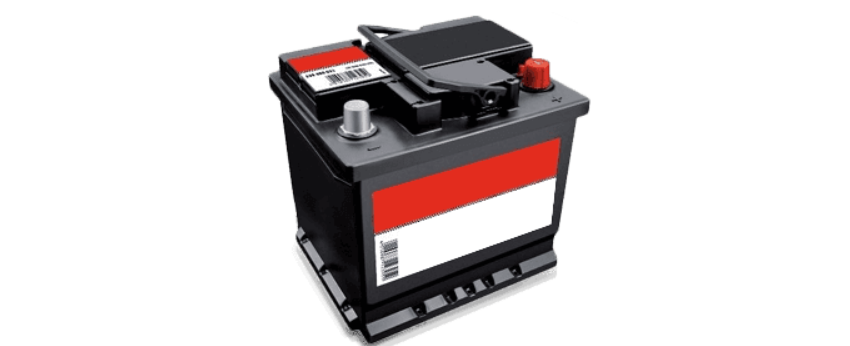
  4. Convenience: Real-time monitoring eliminates the guesswork around battery replacement timing. Fleet studies demonstrate that operators using intelligent battery management achieve ROI within 18-24 months through reduced truck rolls and extended battery life. Car battery for VW Passat is just as important as for all other cars, and smart monitoring technology provides the same level of protection and predictive maintenance across all vehicle brands and models.


Changing the maintenance landscape

Smart battery technology is changing how we think about car maintenance. Instead of replacing a car battery on a fixed schedule or waiting for them to fail, we can now replace them at the optimal time based on actual condition data.

This shift from reactive to predictive maintenance represents a fundamental change in vehicle care. The transformative role of artificial intelligence (AI) in advancing EV battery diagnostics is explored herein, with an emphasis placed on the complexities of predicting and managing battery health.

Research from multiple automotive institutions shows that data-driven approaches can effectively detect abnormal conditions and predict failures with unprecedented accuracy. For example, multi-scale entropy methods can detect high-risk abnormal cells as early as one week before failure, dramatically reducing the risk of unexpected breakdowns.

Looking ahead to tomorrow’s technology

As electric vehicles become more common in Ireland, smart battery technology will become even more important. GM expects to pioneer a new “groundbreaking” EV battery technology that the automaker says will reduce costs and boost profitability of its largest electric SUVs and trucks.

The technology is rapidly evolving, with manufacturers developing even more sophisticated monitoring systems. The global smart car market has shown a steady upward trajectory at a CAGR of 17%, reflecting the growing adoption of advanced automotive technologies. In 2022, the market revenue was recorded at USD 57.5 billion, expected to rise to USD 67.3 billion in 2023.

Future developments may include wireless sensors that eliminate the need for physical connections, and AI systems that can predict battery problems months in advance. Asia Pacific led the overall vehicles intelligence battery sensor market with a market share of 32.4% in 2023, driven by robust automotive manufacturing and rapid EV adoption.

Smart car batteries represent a significant step forward in vehicle reliability and maintenance efficiency. By providing real-time health monitoring and predictive diagnostics, these systems help prevent breakdowns, reduce costs, and make car ownership more convenient. As this technology becomes standard across all vehicle types, Irish drivers can expect more reliable transportation and lower maintenance costs.

The revolution in battery diagnostics is just beginning, and the benefits for drivers are clear: fewer surprises, lower costs, and more reliable vehicles. Whether you’re driving a traditional petrol car or considering an electric vehicle, smart battery technology is making the roads safer and more dependable for everyone.

Transpoco’s 2025 Report Exposes Alarming Distracted Driving Trends in Ireland

Transpoco, one of Ireland’s leading fleet management solutions providers, today released its highly anticipated 2025 Distracted Driving Report, the first national survey of its kind, revealing that distraction behind the wheel is becoming one of the most significant road safety threats in Ireland.

The report, based on insights from over 1,000 drivers across all 26 counties, highlights the scale and impact of distracted driving, providing a stark reminder of the dangers facing Irish road users.

Key findings from the report include:

  • Frequent Risky Behaviour: 65% of drivers identified mobile phone use as the most distracting activity, while 45% admitted to experiencing near misses due to distraction.
  • Everyday Distractions: 73.1% adjust music, heating, or other vehicle settings while driving, and 41.3% eat or drink behind the wheel — showing that distractions extend beyond just phone use.
  • High-Risk Groups: Younger drivers (aged 25–34) are more confident but also more prone to risk, often underestimating the dangers of multitasking while driving.
  • Calls for Action: 51% of drivers support stricter enforcement to tackle the issue, and many are calling for simpler in-car technology and stronger workplace policies to reduce pressure on professional drivers.

“We’re at a critical point where distraction has become as dangerous as drink-driving, and the data clearly shows that urgent action is needed to protect lives,” said Jack Manning, CEO. “We need to simplify in-car technology, enforce stricter policies, and encourage safer driving habits to address this growing crisis.”

The report calls for a comprehensive approach to tackling distraction, including tougher penalties, smarter vehicle design, and better workplace support for commercial drivers.

A copy of the report can be downloaded here.

The Evolution of the Software-Defined Vehicle

It wasn’t that long ago that people wondered “just what is a software-defined vehicle?” The idea of an SDV felt like science fiction—a car that could improve itself after it left the factory, evolve based on its environment, and offer entirely new experiences without a trip to the dealership. For real? 

In just over a decade, SDVs have transitioned from cutting-edge concepts to production realities. Since their early debut, the technology and features that define these vehicles have undergone significant transformation, reshaping the automotive industry from the inside out.

This article explores how SDV capabilities have expanded since their initial rollout, what improvements have been made, and what it means for drivers and manufacturers alike.

The Early Days: Limited Scope, High Potential

The first generation of software-defined vehicles emerged in the early 2010s. Tesla was the early torchbearer, demonstrating that a vehicle’s behavior could be altered remotely through over-the-air (OTA) updates. Owners were stunned—and thrilled—to wake up to new driving modes, range enhancements, and autopilot tweaks delivered digitally, just like a phone update.

Back then, however, SDVs were still tightly bound to traditional hardware configurations. A handful of electronic control units (ECUs) might be updated, and only select models had the connectivity or architecture to support meaningful changes post-sale. Features were often basic: minor performance boosts, infotainment adjustments, and bug fixes.

From ECUs to Centralized Brains

Since then, SDVs have made a dramatic architectural shift. Early vehicles relied on dozens of independent ECUs to control everything from climate systems to engine performance. These systems couldn’t easily communicate with one another, and their software was deeply intertwined with specific hardware components.

Today, leading SDVs have centralized computing platforms—essentially high-powered automotive supercomputers—that coordinate the entire vehicle ecosystem. One of the biggest advancements has been the separation of hardware from software through virtualization and abstraction layers. This means updates are no longer limited to infotainment or navigation systems; now, everything from braking algorithms to battery management software can be refined and optimized long after the vehicle rolls off the line.

Centralization has also opened the door to richer data gathering, smoother feature integration, and improved diagnostics. The car isn’t just running on software; it’s learning, adapting, and optimizing with every mile.

From Gimmicks to Game-Changers

With their debut, SDV features felt more like novelty add-ons. Today, they’re central to the driving experience. OTA updates now routinely deliver:

  • Advanced Driver Assistance Systems (ADAS): Lane centering, highway autopilot, traffic-aware cruise control, and more can be added or refined after purchase.

  • Personalization: User profiles, biometric access, and behavior-adaptive interfaces have become standard in high-end SDVs.

  • Energy Efficiency Improvements: EV battery performance and charging behavior are optimized in real time via software updates, extending range and reducing wear.

  • Subscription-Based Upgrades: Features like heated seats, enhanced navigation, or parking assist can be “unlocked” after purchase, allowing consumers to pay for what they use.

The jump in complexity and quality over the last decade is staggering. What began as infotainment polish has evolved into the dynamic control of nearly every system in the car.

Connectivity and Ecosystem Integration

One of the biggest transformations is how well-connected SDVs have become—not just internally, but as part of a broader digital ecosystem.

Early SDVs had rudimentary LTE or 3G connections for navigation or software patches. Today’s vehicles come equipped with 5G connectivity and vehicle-to-everything (V2X) communication capabilities. Cars can now:

  • Communicate with infrastructure to anticipate traffic light changes

  • Share hazard alerts with nearby vehicles

  • Optimize routing based on real-time road and weather conditions

Moreover, SDVs are increasingly integrated with users’ digital lives. Calendar syncing, remote climate control via smartphone apps, voice assistant compatibility, and even smart home integrations are common. The car is now part of a seamless digital lifestyle.

AI and Autonomy: Real-Time Adaptation

Artificial intelligence is a driving force in the SDV evolution. What started as basic automation has grown into real-time decision-making powered by AI and machine learning.

Today’s SDVs use AI to:

  • Recognize and respond to road signs, lane markings, and pedestrians

  • Predict driver preferences and adjust cabin settings automatically

  • Identify mechanical wear patterns and recommend preventative maintenance

  • Analyze sensor data for semi-autonomous navigation and parking

The combination of edge computing and cloud processing allows SDVs to make smart, real-time decisions—both to enhance safety and to elevate user experience.

Manufacturing and Business Model Disruption

Perhaps one of the most surprising areas of SDV evolution is how it has upended traditional automotive business models. In the past, a car’s value depreciated rapidly after purchase. Today, SDVs offer a new path: value creation through continuous updates and new services.

Manufacturers now treat the vehicle as a software platform that generates revenue long after the initial sale. Subscription models, feature unlocks, and performance packages can be rolled out remotely. This is a profound change—not just in how cars are sold, but in how automakers structure their organizations and revenue streams.

What’s Next?

The pace of innovation in SDVs shows no signs of slowing. In the coming years, we can expect:

  • Greater modularity, allowing drivers to upgrade software packages based on seasonal needs, usage patterns, or travel plans.

  • Enhanced autonomy, as real-world driving data continues to train AI algorithms across millions of vehicles.

  • More open ecosystems, where apps, third-party services, and personal digital assistants work natively with in-car systems.

The dream of a vehicle that evolves with its owner is no longer futuristic—it’s happening now. And the SDV’s journey, from novelty to necessity, has only just begun.

The software-defined vehicle has rapidly progressed from an experimental concept into a mainstream, must-have innovation. Its evolution has touched every corner of automotive design and usage—from architecture to ownership experience—redefining what it means to drive in the 21st century.


The Influence of 5W30 Engine Oil on Green Motoring

In today’s world, where the health of our planet is more precarious than ever, every choice you make can contribute to a greener tomorrow. When it comes to driving, the type of engine oil you choose might seem like a small detail, but it holds significant potential for reducing your car’s environmental impact. Let’s delve into how 5W30 engine oil plays a pivotal role in promoting green motoring.

Understanding the Role of 5W30 Engine Oil

Engine oil is the lifeblood of your vehicle’s engine, ensuring everything runs smoothly and efficiently. Among the various options, 5w30 engine oil stands out for its viscosity, which makes it suitable for a wide range of temperatures. But there’s more to this oil than meets the eye. Its formulation can significantly affect your vehicle’s fuel efficiency and, consequently, its emissions.

Imagine, if you will, a marriage between technology and nature. Just as two people unite with the hope of a better future, selecting the right engine oil for your vehicle combines scientific advancements with a commitment to environmental stewardship. This harmonious union helps reduce the carbon footprint of your daily commute, much like nurturing a relationship helps both partners grow.

How 5W30 Engine Oil Enhances Fuel Efficiency

Fuel efficiency isn’t just about saving money at the pump; it’s also about reducing your vehicle’s emissions. 5W30 engine oil is designed to work optimally within the engine, minimizing friction and wear. This means your engine doesn’t have to work as hard to deliver the same power, thereby burning less fuel and releasing fewer emissions.

Consider the joy of finding out your actions have national implications. Just like when a country’s athletes win on an international stage, bringing pride to their nation, choosing an eco-friendly engine oil like 5W30 can help your country achieve environmental goals. Each drop of oil may seem insignificant, but collectively, they can drive a nation toward a greener future.

Addressing Common Misconceptions

Some might argue that the impact of switching to a more environmentally friendly engine oil is too small to bother with. However, it’s crucial to remember that great changes often start with small steps. By choosing 5W30 engine oil, you’re not just maintaining your car; you’re taking a proactive step towards a healthier planet.

In a world increasingly devoid of branches, where direct and straightforward solutions are often hidden amidst complexity, opting for 5W30 engine oil offers a branchless path to environmental responsibility. It’s a simple switch that has a straightforward benefit: better fuel economy and reduced emissions.

Your Role in Green Motoring

You might wonder how significant your individual contribution can be. It’s natural to feel like a single drop in a vast ocean. But remember, every ocean starts with single drops coming together. By selecting 5W30 engine oil, you’re joining a community of responsible drivers who are collectively making a substantial impact on the environment.

You have the power to influence the market as well. Manufacturers pay attention to consumer trends. Increased demand for environmentally friendly products like 5W30 engine oil pushes companies to innovate and improve these products, further enhancing their benefits and availability.

Taking the Next Steps

Now that you understand the importance and benefits of using 5W30 engine oil in the context of green motoring, the next steps are straightforward. Check your vehicle’s manual to confirm the recommended oil type and consider making the switch at your next oil change. It’s a small gesture, but as part of a global effort, it contributes significantly to a larger movement towards sustainability.

Engage with your community about the benefits of green motoring. Share your knowledge and experiences, and encourage friends and family to make similar environmentally conscious decisions. Together, you can amplify the impact of your choices, driving towards a cleaner, greener future.

Embracing a Greener Path

Every decision you make, from the brand of engine oil you buy to how often you choose to walk instead of drive, shapes the world you live in. By choosing 5W30 engine oil, you are taking a proactive step not just in maintaining your vehicle but in nurturing the planet. It’s a simple choice that marries your personal interests with the broader, national quest for sustainability. Remember, in the grand narrative of environmental conservation, every little action counts. Let your green journey start with your next oil change, and drive proud, knowing that you are part of the solution.

How to Change Your Car’s Headlights Like a Tech Enthusiast

For tech enthusiasts, performing car repairs and maintenance on their own is often particularly appealing. Replacing headlights, in particular, is one of those tasks that can be done by yourself with a little patience and the right information. In this article, we’ll show you how to replace your car’s headlights DIY-style like a true tech enthusiast, without the need for expensive repair shops.

Why it’s worth changing your headlights yourself

Most people rely on specialized workshops for car repairs. However, with the right instructions and a little knowledge, many repairs, such as replacing headlights, can be easily performed by yourself. This not only saves money but also gives you better control over the condition of your vehicle.

Choosing the right headlights for your car

Before you start replacing your headlights, you need to make sure you’re buying the right bulbs. Choosing the right headlight depends on several factors:

  • Halogen lamps are the classic standard. They are inexpensive and widely available.

  • Xenon lamps offer higher light intensity and better visibility at night.

  • LED headlights are currently the latest trend. They not only offer a longer lifespan but also greater energy efficiency.

Make sure that the headlights you choose fit your car and meet the required safety standards.

Step-by-step instructions for replacing headlights

Keep in mind that BUYCARPARTS states that changing Ford Fiesta headlights yourself does not necessarily require a professional.If you have decided to change your headlights yourself, here are the necessary steps:

  1. Tools needed : Before you begin, make sure you have the right tools handy. You’ll typically need a screwdriver, a wrench, and, depending on your vehicle, perhaps pliers.

  2. Removing the old headlight : Open the hood and locate the headlight mount. Remove the screws holding the headlight in place. In some cases, you may also need to remove parts of the body or other components for better access.

  3. Replacing the bulb : Once the headlight is removed, you can remove the old bulb and insert the new one. Be careful not to touch the new bulb with your fingers, as oil from your skin can shorten its lifespan.

  4. Installing the new headlight : Place the new headlight into the bracket and ensure it is securely seated. Screw back on everything you removed previously.

  5. Testing the new headlights : Turn on your car and test the new headlights. Check that they are correctly aligned and provide sufficient light. If necessary, adjust them to ensure optimal illumination.

Understanding modern headlight technology

Modern headlights offer much more than just light. LED technology, in particular, has revolutionized the market. LED headlights are not only durable, but also more energy-efficient and offer better illumination. Adaptive headlights are another advancement , automatically adjusting to road conditions and vehicle speed. This technology increases safety by better supporting driving behavior and allowing the driver to see more clearly, even in difficult situations.

The advantages and disadvantages of self-repairs

Do-it-yourself repairs offer a variety of benefits, but there are also some disadvantages you should consider:

  • Advantages :

    • Save money : Workshops are expensive. You can save considerable amounts by doing repairs yourself.

    • Learning process : You will learn a lot about your car and will be able to take action yourself if problems arise in the future.

    • Satisfaction : It feels great to solve a problem yourself!

  • Disadvantages :

    • Time required : If you are inexperienced, the process may take longer than expected.

    • Complexity : Some repairs require special skills or tools that you don’t have at home.

    • Lack of warranty : If something goes wrong, you may still need to visit a repair shop.

The most important tools for self-repair

For most headlight replacements, you only need a few basic tools. A screwdriver, a wrench, and pliers are sufficient in most cases. Replacing headlights on more modern vehicles, which may have special screws or brackets, may require specialized tools.

The role of online tutorials and guides

Online tutorials are an invaluable resource for DIY enthusiasts. They offer step-by-step instructions, videos, and even forums where you can ask questions and learn from others’ experiences. Websites like Car Lights by Champion Auto Parts offer helpful guides for replacing headlights and many other repairs.

When should you consult a specialist?

While many repairs can be performed by yourself, there are situations where it’s better to call in a professional. If you’re unsure whether you’re using the right parts or performing the repair correctly, it’s advisable to consult a professional. If you determine that the problem extends beyond the headlight replacement and affects other vehicle components, you should also seek professional help.

Sustainability in self-repair

An often overlooked aspect of DIY repair is sustainability. Replacing your headlights yourself reduces the waste generated by visits to the repair shop and the purchase of new replacement parts. By replacing and repairing defective parts yourself, you actively contribute to reducing resource consumption and protecting the environment.

Conclusion

Replacing your car’s headlights can be a rewarding and cost-effective task. With the right information and a bit of technical curiosity, you can easily perform this repair yourself. And if you need more help, check out car lights by Champion Auto Parts for useful guides.


Almost two-thirds of car TikToks are misleading

Now more than ever drivers are turning to TikTok for guidance and advice for all things relating to their cars. #CarTok has become a booming niche, with over 876 million videos around tips and hacks, interior trends and more for your vehicle [1].

With a growing number of #CarTok videos, Auto Trader, has analysed over 100 TikTok videos to determine whether the advice given should be followed by drivers or should be met with caution.

The #CarTok niches that should be met with caution

81% of car cleaning videos could lead to more damage to your vehicle

After analysing a sample of car cleaning related videos on TikTok, Auto Trader found that 81% contained tips which should not be followed as they could damage your vehicle.

Many of the ‘hack’ videos used household items like toothpaste or coconut oil to remove marks, while others advised drivers to use items such as a mop to clean the exterior of their car. In some cases, drivers were even advised to attach a toilet brush to a drill to remove dirt from their car mat. While drivers might find using common household objects to clean their cars appealing, Auto Trader advises people to always use specialist products to avoid potential damage from harsh chemicals or unsuitable objects.

90% of car repair videos should be met with caution 

TikTok searches for “car repairs” reach a staggering 365,000 searches each month, as an increasing number of drivers are turning to TikTok for help with their vehicles [2]. Many of the car repair videos analysed were from mechanics showing how to professionally fix damages such as car scratches or how to perform a car service. While these videos offer practical advice, these hacks shouldn’t be followed if you are inexperienced as it could lead to more damage in the long run.

The #CarTok niches with the most helpful advice

72% of car maintenance tips are helpful to drivers 

Many drivers may not understand the preventative maintenance checks they can do regularly to spot any issues ahead of time, with drivers increasingly turning to TikTok for advice on car maintenance.

Auto Trader’s research found that 72% of car maintenance videos are helpful to drivers. Many of these TikTok videos were created by professionals offering accurate, detailed and useful advice. Some tips included how to check your shock absorbers, prepping your vehicle for colder weather conditions and how to check your oil and tyre pressure.

68% of driving tips videos are helpful, especially for learner drivers

TikTok is known for its short form content, allowing complex information to be condensed into more manageable chunks. Many of the videos around driving tips are targeted towards learner drivers. 68% of these videos offer practical advice for learner drivers and are often created by driving instructors. They provide practical tips ahead of your driving test or how to know when you’re ready to take your test.

Erin Baker, Editorial Director at Auto Trader comments: “TikTok is becoming one of the go-to search engines, offering inspiration and education content from experienced creators. But drivers should be wary as many videos on TikTok are intended to shock audiences and to gain traction and engagement. We found that a staggering 59% of the videos offer advice that is not recommended to drivers and could potentially leave your vehicle with more damage if followed.”

Lease vehicle owners should be cautious of car hacks they see online. While these tips might offer quick, cost-effective solutions, they can lead to further damage that your lease agreement won’t cover. Although maintenance packages within your lease agreement cover basic wear and tear, drivers are advised to consult professionals to avoid any unexpected charges at the end of their agreement.

Accident Response: Using Tech Tools to Manage Injuries and Gather Evidence on the Road

Motorcycle riding offers the thrill of freedom and adventure, but it also comes with inherent risks. Accidents can happen in the blink of an eye, leading to serious injuries and complicated legal matters. Therefore, having a well-thought-out plan for responding to accidents is essential. This plan should include not only injury management but also evidence gathering, both of which can be significantly enhanced by technology. By utilizing modern tech tools, riders can improve their safety and ensure a more effective response in the unfortunate event of an accident.

The Importance of Quick Response

According to dwaccidentlawyer.com, responding quickly to a motorcycle accident is crucial for minimizing the severity of injuries. Every second counts when it comes to medical intervention. Research indicates that timely treatment can greatly impact recovery outcomes, particularly for traumatic injuries. In a fast-paced accident scenario, knowing how to react quickly and effectively can make all the difference between life and death.

Technology can play a vital role in enabling quicker responses. Many smartphones have emergency features that allow users to contact emergency services with just a few taps. Additionally, medical alert systems can notify designated contacts or services automatically. These tools ensure that help arrives as quickly as possible, which can significantly reduce the risks associated with motorcycle accidents.

Essential Tech Tools for Injury Management

Several tech tools can assist motorcyclists in managing injuries after an accident. First aid apps provide step-by-step instructions for dealing with various injuries, ensuring that riders can respond effectively while waiting for professional help. These apps can guide users through critical processes, from performing CPR to addressing bleeding wounds.

Moreover, telemedicine services are becoming increasingly popular for post-accident care. Riders can consult with healthcare professionals remotely, allowing for immediate advice on how to handle injuries. This option not only saves time but also ensures that riders receive prompt care without the need to travel, which can be particularly beneficial when mobility is limited due to injuries.

Gathering Evidence with Technology

Collecting evidence after a motorcycle accident is essential for legal and insurance purposes. Thorough documentation can strengthen a victim’s case, making it easier to secure compensation for injuries. Fortunately, various tools make gathering this evidence more straightforward. Smartphones equipped with high-quality cameras can capture crucial details of the accident scene, including vehicle damage, road conditions, and any relevant traffic signs.

Dash cams are another valuable resource for motorcyclists. These cameras continuously record video footage while riding, providing a detailed account of events leading up to an accident. This footage can be instrumental in reconstructing the accident and identifying liability. Additionally, many dash cams come with GPS functionality, which adds context to the footage by documenting speed and location, further supporting a victim’s claim.

Communicating with Emergency Services

Effective communication with emergency services is a critical aspect of accident response. When an accident occurs, riders need to provide accurate information to ensure that help arrives promptly. Technology can facilitate this communication, making it easier to relay vital details about the accident. Apps that automatically alert authorities or loved ones can be a lifesaver in emergencies.

For example, certain devices and apps can send real-time alerts when a crash is detected. These tools often include features that share the rider’s location and the nature of the accident, ensuring that emergency responders can act swiftly. This ability to communicate quickly and effectively can be the difference between a minor injury and a life-threatening situation.

In addition to automated alerts, some communication apps allow users to share their medical history and emergency contacts with first responders. This information can be crucial for paramedics who need to know about allergies or pre-existing conditions. By providing this context, riders can ensure they receive the most appropriate care in a timely manner. Utilizing technology to enhance communication during emergencies empowers riders to play an active role in their safety and recovery.

Post-Accident Support and Recovery

The aftermath of a motorcycle accident can be daunting, but technology offers various solutions for post-accident recovery. Mental health apps can provide resources and support for those dealing with the emotional fallout of an accident. These platforms often include guided meditation, therapy sessions, and support groups that help individuals navigate their feelings during this challenging time.

Wearable technology also plays a role in recovery. Devices that monitor vital signs can help riders track their health post-accident, alerting them to any concerning changes. For example, smartwatches can provide heart rate monitoring and emergency alerts, ensuring that users remain aware of their physical condition during the recovery process. These tech solutions empower riders to take control of their healing journey and foster a sense of agency during a difficult time.

Conclusion

Incorporating technology into accident response strategies can greatly enhance a motorcyclist’s ability to manage injuries and gather evidence effectively. Quick response times are crucial for minimizing injury severity, and numerous tech tools are available to facilitate this process. From injury management apps to dash cams, technology provides riders with the resources they need to navigate the aftermath of an accident.

Understanding the importance of these tools can make a significant difference in the lives of motorcycle riders. By staying informed and prepared, riders can not only protect themselves but also contribute to safer riding practices. In an era where technology is increasingly integrated into our daily lives, leveraging these tools can enhance safety on the road and ensure a more effective response when accidents occur. Stay safe, ride smart, and embrace the tech that can keep you and others protected on the road.


NIRA Dynamics unveils Tread Wear Indicator

NIRA Dynamics, a leader in automotive software innovation, announces the launch of its latest breakthrough product: the Tread Wear Indicator (TWI). TWI delivers real-time monitoring of tire wear, providing drivers and fleet operators with critical insights into tire health.

As the automotive industry shifts from traditional service intervals to continuous, data-driven monitoring, tire health is emerging as a top maintenance priority. Tire wear directly impacts vehicle safety, fuel efficiency, and environmental sustainability, and NIRA’s TWI is a game-changing solution that addresses these issues head-on.

“Our mission with TWI is to bring a new level of reliability and ease to tire monitoring,” says Josefin Storm, Product Manager TWI of NIRA Dynamics. “As the industry moves toward greener, more sustainable solutions, TWI is here to support that journey. It not only ensures safer driving for individuals but also offers fleet operators a cost-effective way to maintain their vehicles efficiently.”

Enhanced Safety for Drivers and Fleets
Low tread depth can increase braking distances and compromise handling, especially on wet or icy roads. By continuously monitoring tread wear, TWI provides early warnings that enable drivers to replace tires before they reach a critical level of wear. For fleet operators, TWI’s insights allow for better planning, avoiding unexpected tire replacements and ensuring fleet vehicles are safe and roadworthy.

Sustainability Through Data-Driven Decisions
TWI aligns with NIRA’s commitment to sustainability by helping drivers make more informed choices regarding tire replacement. With TWI, tires can be replaced when necessary, reducing waste, lowering particle emissions, and supporting greener driving practices. This data-driven approach to tire maintenance is particularly impactful in fleet management, where optimizing tire usage can lead to significant environmental benefits.

No Additional Hardware Needed

Unlike other tire monitoring systems that require expensive hardware, TWI operates solely on the existing sensors in the vehicle. This means, low cost and low/no maintenance.

Roadmap and Future Developments

Through close collaboration with industry partners and OEMs, NIRA Dynamics aims to make TWI a standard for tire health monitoring, meeting the needs of an evolving automotive landscape.

“This is just the beginning,” adds Lisa Åbom. “Our team is dedicated to refining and expanding the capabilities of TWI to ensure that every driver, fleet operator, and manufacturer has access to reliable, real-time data for safer, more sustainable driving.”

For more information on the Tread Wear Indicator and other NIRA Dynamics products, visit niradynamics.com.