What Are the Most Reliable Sources for Checking Licensed Loan Providers in Singapore?

Finding a safe loan provider in Singapore takes more than just a quick online search. With many options available, it can be hard to know which sources give you accurate and trustworthy information. You need to know where to check licensed loan providers so you can borrow with confidence and avoid scams.

This article will guide you through the most dependable sources that help you confirm if a loan provider is properly licensed. You will see how official listings, government sites, and updated records give you the clarity you need before making any financial decision.

Quick Loan Credit Card Consolidation Loan

A credit card consolidation loan helps you combine multiple card balances into one payment. This can make it easier to manage your debts and reduce the total interest you pay each month. It is often used by people who want a simpler repayment plan.

If you need faster access to funds, an instant cash loan in Singapore can provide quick approval and disbursement. This option may suit you if you face urgent expenses while also trying to manage existing card debt.

The process is usually straightforward, with shorter approval times compared to traditional bank loans. You can expect a focus on speed and convenience, which helps if you want to address your debt quickly without long waiting periods.

By consolidating your credit card balances, you only need to track one monthly payment. This can reduce missed payments and help you regain better control over your finances.

Registry of Moneylenders by the Singapore Ministry of Law

The Registry of Moneylenders is the official source you should use to confirm if a loan provider holds a valid license in Singapore. It is maintained by the Ministry of Law and updated regularly to reflect the current list of approved lenders.

You can find details such as the lender’s business name, license number, address, and contact information. This helps you check that the details match what the lender provides before you proceed.

The registry also shows lenders whose licenses have been suspended or revoked. This allows you to avoid providers that no longer have the right to operate.

By using the registry, you reduce the risk of dealing with unlicensed lenders. It gives you a simple way to verify information before you share personal details or agree to any loan terms.

SBO.sg Top Licensed Moneylenders list

SBO.sg highlights a list of licensed moneylenders in Singapore that you can use as a reference. The site reviews providers based on factors such as reputation, customer feedback, and loan options. This gives you a quick way to compare different lenders without searching across multiple sources.

You can use their list to check which lenders are known for transparent terms and fair practices. By reviewing details like interest rates and repayment flexibility, you gain a clearer picture of what each lender offers. This helps you narrow down choices that fit your needs.

In addition, the list serves as a starting point before you confirm details with official government records. It allows you to save time by focusing only on names already reviewed for professionalism and service quality. Therefore, you can approach your loan search in a more organized and informed way.

Official Singapore Government websites

You should always check licensed loan providers through official government websites. These sites carry accurate and verified information, which helps you avoid false or misleading claims from unlicensed operators.

The Ministry of Law hosts the Registry of Moneylenders, where you can confirm the name, license number, and contact details of approved lenders. This step allows you to verify that a lender is genuine before you commit to any agreement.

Government websites in Singapore use the “.gov.sg” domain. This makes it easier for you to identify authentic sources and avoid fake sites that may try to trick you.

You can also find tools that let you verify other official records, such as business registrations or certificates. Using these platforms gives you direct access to information maintained by the authorities, which reduces the risk of dealing with fraudulent services.

MinLaw’s updated licensed moneylenders list

You should always start with the official list from the Ministry of Law. This list contains every licensed moneylender that has approval to operate in Singapore. It helps you confirm if a lender is legally recognized before you decide to borrow.

The list updates regularly, so you can trust that the information reflects the most current status of each lender. If a company does not appear there, you should treat it as a warning sign.

You can also verify both the physical address and the website address of a lender against the official list. This step protects you from dealing with unlicensed or fraudulent operators.

By using this source, you save time and reduce risk. It gives you a direct way to check legitimacy without depending on third-party reviews or advertisements.


You can check licensed loan providers in Singapore by using the official list from the government. This list is updated often and shows which lenders hold a valid license.

It also helps to confirm details directly with the lender, such as their office address and contact information. Clear communication and transparent terms are strong signs of a proper lender.

By using official sources and cross-checking details, you protect yourself from scams and avoid unlicensed operators. This approach gives you a safer way to borrow with confidence.


bunq steps up crypto expansion with EU-wide flexible staking

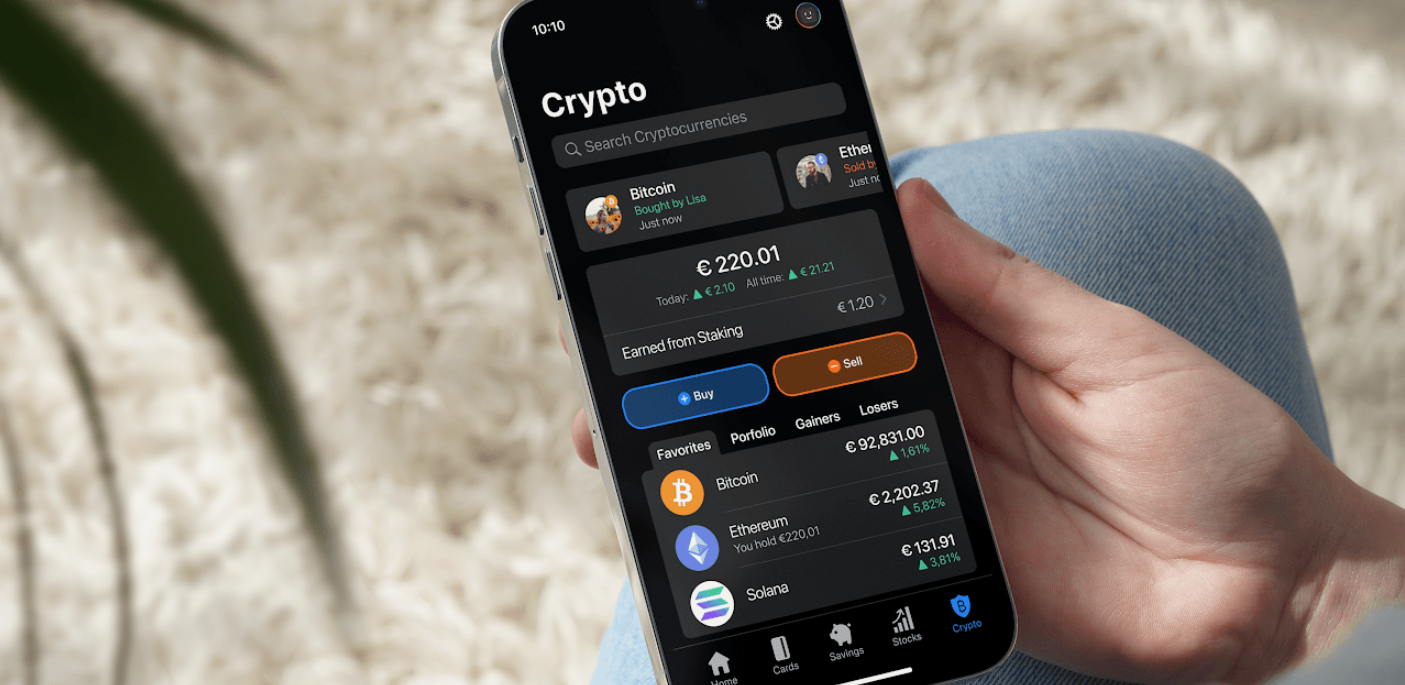
bunq, Europe’s second largest neobank, is expanding bunq Crypto by becoming the first European challenger to launch flexible crypto staking, empowering users to earn rewards on their digital assets, with full flexibility and no lock-up periods.

Building on the successful launch of bunq Crypto in April, staking will be available in the Netherlands, France, Spain, Belgium, Italy, Ireland, Germany as well as the wider EEA region. Users of the challenger bank can access crypto services offered by crypto trading platform, Kraken and are able to earn up to 10% annually on selected cryptocurrencies, by helping to validate transactions on blockchain networks.

bunq’s latest research shows nearly 65% of users say not knowing when to buy or sell is their biggest barrier to making a profit on their digital assets. To solve this, the neobank now offers flexible staking that allows users to earn rewards on their crypto without having to worry about timings or restrictive lock-up periods.

Our users have been asking for a simple way to grow their crypto,” says Joe Wilson, Chief Evangelist at bunq. “With flexible staking, they can now earn on the crypto they already own while keeping the freedom to buy, sell, or unstake anytime. We’re proud to be the first neobank to bring this to Europe.”

The news follows bunq’s announcement on applying for a broker dealer license, fast-tracking its entry into the US market as part of its global expansion plans.


Disclaimer:bunq does not dispense investment advice. Crypto trading involves risk of loss. Crypto trading provided by Payward Europe Solutions Limited t/a Kraken, authorised by the Central Bank of Ireland. Staking is unregulated, involves risk of slashing and is provided by Payward Commercial Ltd t/a Kraken. 

How to Transfer Money to Turkey: A Complete Guide

Transferring money overseas is at times a complex task, which they find mostly when they are sending their funds securely and quickly. If you are to transfer money from Germany to Turkey, KoronaPay has a fast, reliable, and user-friendly solution for you. They have a presence in over 50 countries in Europe and Asia, which enables KoronaPay to provide them the ability to send money within a few clicks; they support payment via card or cash. Get started by visiting KoronaPay’s Europe transfer page to begin your transfer.

Why Choose KoronaPay for Your Transfers?

KoronaPay has much to offer beyond what other money transfer services present to them. They are a full-scale payment system, which also has a mobile application component that they believe you will find very efficient and secure.

Key Benefits:

  • Wide Coverage: KoronaPay has a presence in over 50 countries, which include EU and EEA members, CIS, and Southeast Asian countries, which in turn makes it a great option for international money transfer.
  • Flexible Payment Options: You may pay with a bank card, which is the most convenient option; also, cash works.
  • Fast Delivery: Almost instantly the majority of transfers are processed, which in turn sees your recipients get their money right away.
  • User-Friendly Interface: Both on the KoronaPay website and in their mobile app, they have gone with a simple design that any user can navigate and use to do a transfer.

Step-by-Step Guide to Transfer Money from Germany to Turkey

Transferring money to Turkey via KoronaPay is also very easy. You can choose between card or cash, and either way, they’ve made the process of international transfer a breeze.

Step 1: Create an Account

Before you send money out, you must set up a KoronaPay account. The process is easy; just put in your basic info like your name, email, phone number, and so on. Once verified, that’s it; your account is ready to go.

Step 2: Choose the Amount and Destination

Upon login, select Turkey as your destination and input the amount you would like to transfer. The system puts forth the exchange rate along with any charges, which in turn helps them to determine the total cost exactly.

Step 3: Select a Payment Method

KoronaPay has many payment options at your disposal. You can use your bank card or drop off cash at an authorized KoronaPay agent. More on card payments here or cash transfers here.

Step 4: Enter Recipient Details

Provide them with the recipient’s info, which includes their name and preferred delivery method (bank account or cash pickup). Also do a check of this info to make sure the money goes to the right person.

Step 5: Confirm and Send

Review your transfer info, go over the payment details, and submit. You will receive a confirmation notice, which also will inform your recipient once the funds are available for withdrawal or deposit.

Card Transfers vs. Cash Transfers: Which One Does the Best?

Card Transfers

  • Using a card for payment is fast and easy.
  • They can process your transfer in real time, and in some cases they will credit your recipient’s bank account immediately.

Cash Transfers

  • If your recipient chooses cash, at KoronaPay they are able to pick up the money from local partner agents, which they have in Turkey.
  • This is also true in areas that have limited banking services.

Both methods are safe, and they have a large network of partners at KoronaPay, which sees to it that your money gets to you safely.

Understanding Transfer Fees and Exchange Rates

When you send money overseas, you can experience that your recipient does not get what you expect because of fees and exchange rates. At KoronaPay they are transparent with their pricing, which they present to you before you finalize the transfer. In this way you can see the cost up front and also avoid any surprise charges. Also, they at KoronaPay provide you with very competitive exchange rates that in many cases outdo what you would get from a traditional bank.

Benefits of KoronaPay for Transferring to Turkey.

  • Speed: Transfers are quick which in turn reduces wait time for recipients.
  • Security: Advanced secure and validation processes for your money.
  • Convenience: Through their mobile app and website you may manage all transfers.
  • Accessibility: With a wide range of pick up points and payment options they made it easy for their recipients.
  • Transparency: Fees and exchange rates made clear at the outset will ensure a smooth experience.

Tips for Smooth International Transfers

To make your transitions smooth try out these tips:

  • Before you send out any payment.
  • When it comes to large scale sends.
  • Track your transfer with the KoronaPay app for the latest info.
  • Familiarize with the local banking rules in Turkey for smooth withdrawals.

Conclusion

Sending money overseas is a simple process with them. If you are looking just before transfer money from Germany headed for Turkey in a secure, quick as well as reliable way, KoronaPay has the solution for you. They offer many payment options, fast processing times and a large network coverage which in turn makes your international transfers easy and stress free. Go to KoronaPay’s Europe transfer page today to get started and enjoy a smooth money-sending experience.


JustTip partners with myPOS to streamline solutions for customers

Irish fintech startup JustTip has announced a strategic partnership with myPOS, the payments platform that powers seamless transactions across Europe. The collaboration integrates JustTip’s award-winning cashless tipping and service charge management technology directly into myPOS card terminals, delivering a powerful, fully compliant solution for the hospitality industry.

The integration allows customers to pay both their bill and a tip directly on a myPOS terminal, with payments routed to the merchant’s account, and tips automatically separated, processed, and distributed through JustTip’s transparent platform. Businesses gain access to real-time reporting, automated allocation, and written distribution policies that support compliance with Irish legislation.

In the first 12 weeks of the partnership, the collaboration, which is being rolled out across Europe, has processed more than €3 million in payments and €350,000 in tips, working with renowned clients including Marco Pierre White, Variety Jones, and Farmer Browns.

“Hospitality is under immense pressure to cut costs while keeping staff motivated and compliant with complex legislation,” said James Fahy, co-founder and CEO of JustTip. “By combining our technology with myPOS’s trusted payment infrastructure, we’re giving businesses a powerful, cost-saving solution that eliminates admin headaches, ensures transparency, and puts more money into staff’s pockets.”

The partnership also helps businesses reduce costs, eliminating the 11.15% PRSI charge on tips, while ensuring compliance with legislation in the UK and Ireland’s amended Payment of Wages (Tips and Gratuities) Act 2022, which requires employers to show complete transparency on all tips as well as provide a breakdown of electronic tips and their distribution.

Founded in 2021 by entrepreneurs James Fahy and Ciara Walsh, JustTip emerged in response to outdated tipping practices that lacked transparency for staff and employers. Today, it is trusted by more than 650 companies across Ireland and the UK and is scaling rapidly into new European markets, bringing its unique blend of cashless tipping and tax-efficient automation to more businesses.

“This partnership is a major milestone for JustTip,” added Fahy. “It shows the appetite across Europe for modern, transparent solutions that not only keep businesses compliant but also strengthen trust between employers, employees, and customers.”

The Big Risks of Impulse Spending

Impulse spending is something most of us have experienced. That sudden urge to buy a gadget, a piece of clothing, or a fancy coffee without planning for it. While it might feel like a quick pick-me-up, unplanned purchases can have big consequences for your financial health. Over time, these little impulses can add up to significant debt, missed savings goals, and even stress that affects your well-being. If you’ve ever found yourself needing tools like auto title loans in Birmingham after a spending spree, it’s a clear sign that impulse spending can spiral into bigger problems. Let’s take a closer look at the hidden risks of impulse spending and how to guard yourself against them.

How Impulse Spending Affects Your Finances

When you buy something on a whim, you’re often not considering the bigger picture. That $20 or $50 here and there might seem small, but it can quickly drain your budget, leaving less for essentials or savings. Over months and years, impulse spending can accumulate into hundreds or even thousands of dollars of unnecessary expenses.

This often leads to debt accumulation. Impulse spending also means you might miss out on important financial goals like building an emergency fund, saving for retirement, or paying off debt. Without control, it’s harder to plan for the future and build security.

The Psychological Triggers Behind Impulse Spending

Impulse buying isn’t just about poor money management—it’s deeply tied to our emotions and how our brains respond to stimuli. Many purchases are driven by feelings like stress, boredom, or the desire for instant gratification. When people are upset or tired, they might shop as a way to feel better temporarily.

Marketers know this well and use tactics to encourage quick decisions. Flash sales, limited-time offers, and eye-catching ads play on our fears of missing out or getting a “deal.” These strategies can trick even the most careful shoppers into making unplanned purchases.

Understanding these psychological triggers helps you recognize when you’re about to spend impulsively and pause before acting.

The Impact on Mental and Physical Health

Impulse spending doesn’t just hurt your wallet; it can take a toll on your mental and physical health too. The stress of juggling debt or worrying about money often leads to anxiety, sleep problems, and even physical symptoms like headaches or high blood pressure.

When impulse buying leads to regret or guilt, it can create a negative cycle where people shop more to feel better, only to feel worse afterward. Breaking this cycle is crucial for both your financial and emotional well-being.

Strategies to Avoid Impulse Spending

One of the most effective ways to fight impulse spending is to create a budget and stick to it. Knowing exactly how much money you have for essentials and extras helps you avoid overspending.

Another helpful tip is to use the “24-hour rule.” When you feel the urge to buy something unplanned, wait a full day before deciding. This pause allows your initial emotions to settle and gives you time to evaluate if the purchase is really necessary.

Avoiding tempting environments also helps. If online shopping is your weakness, unsubscribe from promotional emails and limit your browsing time. If you shop in stores, make a list and stick to it to prevent wandering into impulse buys.

Building Better Spending Habits

Replacing impulse spending with mindful spending takes time but is possible. Mindful spending means thinking about purchases carefully and making sure they align with your values and goals.

Track your expenses to see where your money goes and identify patterns of impulse spending. Celebrate small victories when you resist unnecessary purchases.

Developing hobbies and activities that reduce stress without spending money also helps. Exercise, reading, or spending time with friends can provide emotional boosts without emptying your wallet.

The Role of Support and Accountability

Sometimes talking about your spending habits with a trusted friend or family member can help keep you accountable. Sharing your goals and struggles makes you less likely to give in to impulses.

Consider seeking advice from financial counselors if impulse spending is seriously impacting your life. They can offer personalized strategies and support to help you regain control.

The Bigger Picture: Taking Charge of Your Money

Impulse spending might feel harmless in the moment, but its risks stretch far beyond. It can derail your financial plans, cause stress, and even affect your health. Recognizing these risks and understanding the psychological reasons behind impulsive purchases is the first step toward change.

By creating budgets, pausing before purchases, and seeking support, you can break the cycle of impulse spending. This not only improves your finances but also helps you build a healthier relationship with money and yourself.

If you’ve ever been caught in a cycle where impulse buys lead to short-term loans like auto title loans in Birmingham, know that change is possible. Take control with mindful spending, and watch your financial and emotional well-being improve over time.


Common Mistakes to Avoid When Taking Out a Payday Loan in Singapore

There are times in everyone’s life when you find yourself in need of money to make it out till the next paycheck. Your monthly budget might have been altered by certain unexpected expenses and that left you short on cash. If you need too much money, just some extra something to get you back on track until the following month. Faced with this scenario, many people in Singapore turn to payday loans to bridge the gap. Best payday loans can be great financial choices when you need small amounts of cash fast, but they’re not recommended for long periods of time. Not many people know this and they end up making some costly mistakes.

In today’s article we’re going to look over some of the most common mistakes people make when taking out a payday loan in Singapore. Read more to see what to look out for, what not to do and how to correctly apply for this loan.

Mistake No. 1: Not Checking if the Moneylender is Licensed

When considering borrowing money from moneylenders, the first thing you have to do before calling any agency, is check if they are approved by the National Government.

On the website of the Ministry of Law you can find a list presenting all of the moneylenders who are recognized by the National Government. If the agency you’re considering is not part of that list, you should immediately cease any borrowing processes with them.

Only a licensed moneylender will be able to offer you the protection you’re granted under the Moneylenders Act, such as an interest of a maximum of 4% and a maximum of $60 in late fees/month. If an agency is not registered, they’re most likely part of a loan shark scheme or some sort of scammer and there’s not much the Singapore government can do to protect you in that case.

Mistake No. 2: Borrowing More Than You Can Afford

In comparison to other types of loans, payday loans are easier to obtain and that might make one feel like access to money is easy. However, borrowing beyond what one can afford can quickly turn into a damaging habit that can spiral down at an extremely high speed.

Always consider the need you’re borrowing for. Is it really necessary for you to take this loan, or should you look into other options? These types of loans often have increased high rates and, if you need large amounts of money, then a personal loan might be a smarter choice. A payday loan in Singapore is the perfect choice if all you need is some extra money until you get paid – this is what this credit was designed for and you should keep it in mind.

Mistake No. 3: Using the Credit for Non-Emergencies

Just as stated above, this loan was created to meet the urgent need for money to bridge a gap in your budget. They were not designed so you can get your dream vacation, they were not created to cover education expenses, they were not made to finance a wedding – for all of these, the best choice would be a personal loan.

The best payday loan is the one used for urgent expenses that require immediate attention which cannot wait for your next payment. If your purchase can wait for the next payment, then it would be best to simply wait till next month to get it. However, if it can’t and all you need is a little bit of extra cash, then you should consider it.

Mistake No. 4: Not Having a Repayment Plan

It is advisable that, before getting any loan, you’re familiar with the repayment plan and set for yourself some guidelines to help you navigate that period. When it comes to these credits used to bridge some gaps, most of them have somewhere between 30 to 60 days for repayment. That means that you should have, right from the start, a repayment structure or plan in mind, so that you can pay off the loan when the time comes.

Most people who take these loans rest assured thinking that they’re simply going to pay them off when the next paycheck comes in and that’s true, you can absolutely do that, but you should also be aware of your expenses and make sure that your next paycheck allows you to dispose of such a large amount of money at once. To make sure there’ll be no unpleasant surprises, you should set for yourself a repayment plan right from the very start.

Mistake No. 5: Not Getting the Best Payday Loan They Can Get

There are many ways in which you can make sure that you’re getting the best payday loan and the number one way is by comparing your options. Every moneylender will have a different offer for you and, although the national government imposes the same limits for all of them (a maximum of 4% interest and a maximum of $60 per month in late fee penalties) it doesn’t mean that all offers are the same.

You should look for moneylenders who prioritize flexibility and consultancy, for moneylenders who explain to you all of the clauses in the contract and for people who are transparent in their processes.

Let’s do a recap:

  • Always check if your moneylender is licensed – do not work with unlicensed ones
  • Do not borrow more than you can afford – it might be tempting, but it will cause you to spiral down
  • Don’t take them if you’re not facing an emergency that requires immediate money – look into personal loans and consider your other options if your need for money can wait
  • Always have a repayment plan for yourself. A licensed moneylender will also present you with a repayment plan for the amount you’re borrowing, but you should have an internal management mechanism as well to ensure you’re not accumulating bad credit
  • Remember there are many options to choose from and, if you want to get the best payday loan, then you should look into at least three licensed moneylenders and compare their offers.


Bank of Ireland becomes the first Irish bank to be Hidden Disabilities Sunflower friendly

Bank of Ireland is the first Irish bank to become Hidden Disabilities Sunflower friendly, with all of its 182 branches across Ireland and Northern Ireland now recognising the Hidden Disabilities Sunflower symbol, as well as extending its JAM Card partnership.

The Hidden Disabilities Sunflower is a simple tool for people to voluntarily share that they have a “non-visible” disability or condition that may not immediately be apparent to others. Those availing of the service can wear a Hidden Disabilities Sunflower lanyard or pin to indicate that they may need a helping hand, or more time in bank branches, with Bank of Ireland branch colleagues trained to identify the Sunflower ensuring additional supports can be provided when required.

The JAM Card is another discreet way to let others know that you need ‘Just A Minute’ of patience and support, with Bank of Ireland first becoming JAM Card friendly in July 2020. Customers can show their JAM Card in branches to let a member of staff know they need a little extra time or assistance when doing their banking and all Bank of Ireland branch teams have also been trained to recognise the JAM Card.

In addition to the Hidden Disabilities Sunflower and Jam Card initiatives, Bank of Ireland is introducing a broader programme of customer accessibility enhancements, including accessible ATMs, simpler customer communications, and new supports for customers with hearing impairments. These changes are part of a wide range of accessibility improvements being carried out across the Bank following the introduction of the European Accessibility Act.

Áine McCleary, Chief Customer Officer, Bank of Ireland said: “Providing an accessible and welcoming banking experience for all our customers is a priority, and I am delighted that we are the first Irish bank to become Hidden Disabilities Sunflower friendly. We also recognise the JAM Card across our entire network, are installing 650 new accessible ATMs, and have improved supports for customers who are deaf or have hearing or speech difficulties with SignVideo – an on-demand sign language video interpretation service. These initiatives help remove barriers that some customers encounter on a daily basis, and we will continue working to provide inclusive banking services across our entire customer base.”

Paul White, CEO at Hidden Disabilities Sunflower, said: “We are delighted to have worked with Bank of Ireland to ensure all their branches are now Hidden Disabilities Sunflower friendly. I want to recognise the continuing steps the Bank is taking to provide an inclusive banking experience for all its customers.”

5 Payment Methods Compared: Which One Is the Most Secure?

In the digital age, the importance of secure payment methods cannot be overstated. With the rise of e-commerce and the increasing frequency of online transactions, it’s crucial for consumers and businesses to understand the safety measures associated with various payment options. This article will compare five popular payment methods, highlighting their security features and helping you determine which one is the most secure for your needs. Whether you’re a seasoned shopper or a merchant looking for the best debt relief merchant accounts, understanding the protection each method offers is vital in the fight against fraud and cybercrime.

1. Credit Cards

Credit cards remain one of the most widely used payment methods in the world. They come with a variety of security features, including the EMV chip that encrypts transaction data, making it difficult for hackers to clone cards. Additionally, most credit card issuers offer zero-liability policies for unauthorized transactions, meaning you won’t be held responsible for fraudulent charges. The three-digit CVV code on the back and the requirement for a signature or PIN add extra layers of protection. However, credit cards can still be compromised if your card details are stolen online or if the card is physically lost or stolen.

2. Debit Cards

Debit cards are linked directly to your bank account, offering the convenience of immediate access to your funds. While they are generally secure, they lack some of the robust protections that come with credit cards. For example, debit cards are not always EMV-chip enabled and may not have the same zero-liability policies. Additionally, if your account is compromised, the funds can be withdrawn directly, potentially leaving you without access to your money until the issue is resolved. However, using a PIN and monitoring your bank statements can help mitigate risks. For businesses, having the best debt relief merchant accounts can provide additional security and protection against fraudulent transactions.

3. E-Wallets

E-wallets like PayPal, Apple Pay, and Google Wallet store your financial information in a digital wallet, allowing you to make payments using your smartphone or computer. These platforms typically require multi-factor authentication, such as a password, biometric verification, or a one-time code sent to your device. This reduces the chances of unauthorized access. Furthermore, they often come with purchase protection policies and the ability to freeze your account if you suspect fraud. However, if your device is compromised or your e-wallet password is stolen, your funds could be at risk.

4. Cryptocurrency

Cryptocurrencies such as Bitcoin operate on a decentralized network, which can offer enhanced security through encryption and blockchain technology. Transactions are recorded on a public ledger, making it challenging for fraudsters to alter transaction data. However, the anonymity of cryptocurrency can be a double-edged sword. If your digital wallet is hacked or you lose access to your private key, your funds may be irrecoverable. Moreover, since cryptocurrency is not backed by any government or institution, there is no insurance to protect you from theft or loss.

5. ACH Transfers

Automated Clearing House (ACH) transfers are used for direct payments between bank accounts. This method is often favored for recurring transactions like paying bills or receiving payroll. ACH transfers require your bank’s routing number and account number, which can be risky if shared with untrusted parties. However, with proper security measures, such as two-factor authentication and encryption, ACH can be a secure way to move funds. Additionally, the ACH network has its own set of rules and regulations that protect consumers against unauthorized transactions.


When comparing the security of different payment methods, it’s essential to consider your specific needs and the context of each transaction. For instance, if you’re looking for the most secure option for online shopping, credit cards with EMV chips and zero-liability policies might be your best bet. If you prioritize convenience and speed, e-wallets with multi-factor authentication could serve you well. Meanwhile, ACH transfers might be the safest for recurring payments or when dealing with trusted entities.


There isn’t a one-size-fits-all answer to the question of the most secure payment method. Each option has its advantages and vulnerabilities. The key is to be aware of these and to implement good security practices, such as using strong passwords, updating your software, and monitoring your accounts regularly. By staying informed and vigilant, you can significantly reduce the risk of financial loss regardless of the payment method you choose.

Preparing To Consolidate Credit Card Debt

Why Consolidating Credit Card Debt Can Make Sense

Credit card debt can sneak up on you fast. A few big purchases, some unexpected expenses, and suddenly you find yourself juggling multiple cards with different due dates and sky high interest rates. It can feel overwhelming to manage it all. That is where credit card debt relief options like consolidation come in. Debt consolidation can help simplify your payments and possibly save you a good amount of money on interest over time.

Before you jump into consolidating your credit card debt, though, it is important to take some time to prepare. Rushing into consolidation without a plan can sometimes make things worse. With the right steps, you can set yourself up for success and make sure your consolidation plan actually helps you move forward financially.

Take Inventory of Your Current Debt

The first thing you need to do is get a complete picture of your current credit card debt. Make a list of every credit card you have. Write down the balance, interest rate, minimum payment, and due date for each one. Seeing everything laid out in front of you can be eye opening. You may discover that you owe more than you realized or that some of your cards have much higher interest rates than others.

This list will help you determine how much total debt you want to consolidate and whether consolidation really makes sense for your situation. It also gives you a starting point to track your progress once you begin paying off your debt.

Check Your Credit Score

Your credit score plays a big role in your debt consolidation options. Most lenders will check your credit when you apply for a consolidation loan or balance transfer card. The better your score, the more likely you are to qualify for lower interest rates and better terms.

Check your credit report for any errors or issues that might be dragging your score down. If you find mistakes, dispute them to have them corrected. If your score is lower than you would like, it might be worth taking a few months to improve it before applying for consolidation.

Research Your Consolidation Options

There are several ways you can consolidate credit card debt, and it is important to choose the option that fits your financial situation and goals.

A balance transfer credit card allows you to move your balances onto a new card with a 0 percent or low introductory interest rate for a certain period. This can save you a lot on interest if you can pay off the balance before the promotional period ends. Be sure to watch out for balance transfer fees and read the fine print.

A personal loan can also be used to consolidate credit card debt. With a fixed interest rate and set monthly payments, a personal loan can make your payments more predictable and potentially lower than what you are paying on your credit cards.

Debt management plans through nonprofit credit counseling agencies are another option. These programs can help you negotiate lower interest rates and combine your payments into one monthly amount without taking out new debt.

Compare Terms and Fees

Not all consolidation offers are created equal. Before you choose a consolidation method, carefully compare interest rates, fees, repayment terms, and any penalties for early repayment. A lower interest rate can save you a lot of money, but not if it comes with hefty fees that eat up your savings.

Be especially cautious of offers that sound too good to be true. Some companies charge high fees or promise unrealistic results. Make sure you fully understand the terms before you commit.

Create a Repayment Plan

Consolidating your credit card debt is just the first step. You still need a solid plan to pay off the consolidated debt. Create a realistic budget that includes your new monthly payment. Make sure you can comfortably afford the payment while still covering your other essential expenses.

If possible, try to pay more than the minimum each month. The faster you pay off the debt, the less you will spend on interest. Use any extra income, tax refunds, or windfalls to make additional payments and accelerate your progress.

Avoid Accumulating New Debt

One of the biggest mistakes people make after consolidating credit card debt is continuing to use their credit cards and accumulating new debt. This can quickly undo all your hard work and leave you in a worse situation than before.

Consider putting your credit cards away while you focus on paying off your consolidation loan or balance transfer. Build up an emergency fund so you do not have to rely on credit cards for unexpected expenses.

Monitor Your Progress

Keep track of your payments and watch your balance decrease over time. Seeing your progress can be incredibly motivating and help you stay focused on your goal. If you encounter challenges along the way, revisit your budget and look for ways to adjust and stay on track.

The Bottom Line: Preparation Pays Off

Consolidating credit card debt can be a smart move, but it works best when you take the time to prepare. By understanding your current debt, improving your credit score, researching your options, and creating a solid repayment plan, you can set yourself up for success.

With the right approach, debt consolidation can simplify your finances, lower your stress, and put you on a clear path to financial freedom. The key is to stay disciplined, avoid taking on new debt, and stay committed to your long term goals.