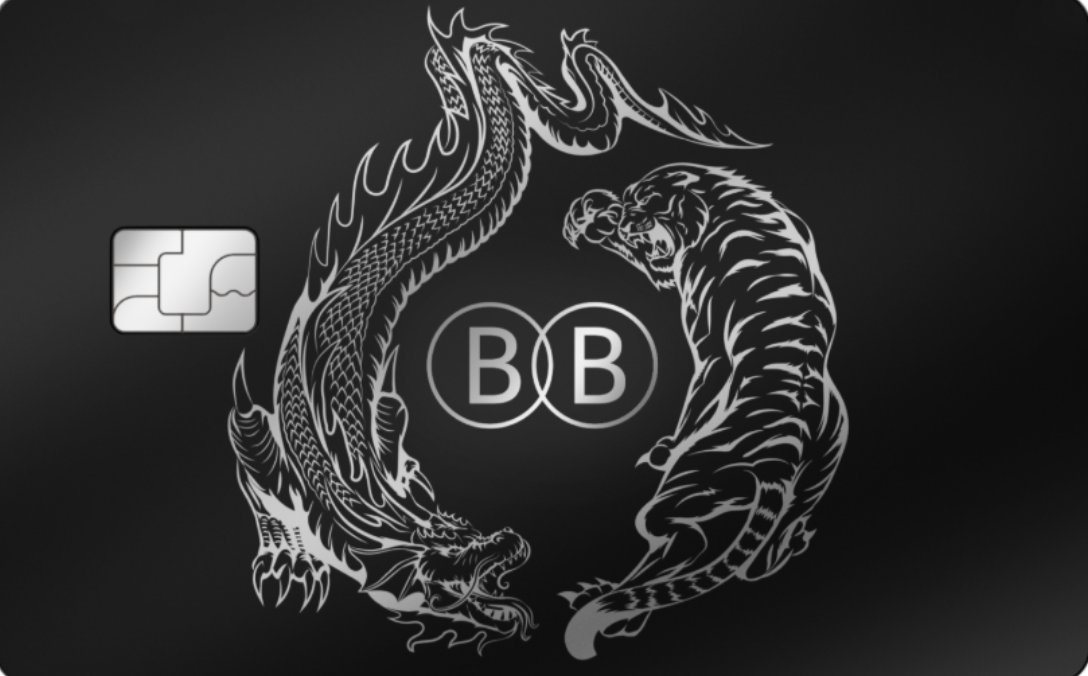
Seven Ways a Global Digital Bank Can Ease Overseas Travel for You

Traveling abroad can be an exciting adventure, whether it’s for business, leisure, or an extended stay as a digital nomad. But let’s be honest—managing money while hopping between countries isn’t always smooth sailing. From sky-high transaction fees to unexpected card declines, financial hurdles can quickly turn a dream trip into a logistical nightmare.

That’s where global digital banks prove helpful. Unlike traditional banks, which often struggle to keep up with the fast-paced world of international travel, digital banks are built for flexibility, accessibility, and cost efficiency. Then, taking this to a global scale, fintech companies like Black Banx have helped revolutionize the way travelers handle their finances, offering features like multi-currency accounts, low-cost international transactions, and enhanced security measures.

With over 35 million digital nomads worldwide as of 2024—a number expected to grow—there’s never been a greater need for seamless banking solutions. Likewise, business travel spending is projected to increase by 10.4% in 2025, shifting towards purposeful, high-impact trips. Whether you’re a remote worker, an entrepreneur, or a corporate traveler, choosing the right bank can make all the difference.

So, how exactly can a global digital bank make overseas travel easier for you? Let’s break it down.

1. Lower Fees and Cost Savings

One of the biggest financial pitfalls of international travel? Transaction fees. Traditional banks charge steep fees for international withdrawals, foreign currency transactions, and wire transfers. Over time, these costs add up and eat into your travel budget.

How Global Digital Banks Help:


  • Fee-Free Transfers: Black Banx offers free transfers between its accounts, making it ideal for those splitting costs with fellow travelers or managing payments across borders.
  • Low-Cost International Payments: Unlike conventional banks, which impose hefty charges, Black Banx provides competitive rates for cross-border transactions.
  • Better Exchange Rates: Traditional banks and local exchange bureaus often offer poor conversion rates, meaning you lose money every time you switch currencies. With Black Banx’s real-time currency exchange across 28 FIAT currencies and 2 cryptocurrencies, travelers get more value for their money.

2. Hassle-Free Multi-Currency Management

Juggling multiple currencies can be frustrating, especially when you’re traveling across different regions. Exchanging cash or opening local bank accounts in every country is simply impractical.

How Global Digital Banks Help:


  • Multi-Currency Accounts: Black Banx allows you to hold and convert funds in 28 different currencies, meaning you can pay in local currency without worrying about exchange fees.
  • Real-Time Conversion: Instead of getting stuck with bad rates at airport kiosks, travelers can seamlessly switch between currencies at competitive rates.
  • Crypto Compatibility: For those who prefer digital assets, Black Banx also supports real-time cryptocurrency trading, offering even more financial flexibility.

3. Global Card Acceptance & Virtual Payment Options

There’s nothing worse than having your card declined while trying to book a hotel or pay for dinner in a foreign country. Some traditional bank cards aren’t optimized for international use, and frequent fraud alerts can result in unnecessary account freezes.

How Global Digital Banks Help:


  • Debit Cards Accepted in 180+ Countries: Black Banx offers plastic, metal, and virtual debit cards that work seamlessly across borders.
  • Integrated with Digital Wallets: Features like Apple Pay and Google Wallet compatibility ensure that you can make payments effortlessly, even in remote locations.
  • Virtual Cards for Extra Security: Instead of exposing your primary card to potential fraud, Black Banx users can generate virtual cards for online and travel-related purchases.

4. Enhanced Security for Peace of Mind

Carrying large amounts of cash or relying on outdated banking systems can put you at risk of theft and fraud. Travelers often find themselves vulnerable, especially when using unsecured ATMs or public Wi-Fi networks to access their bank accounts.

How Global Digital Banks Help:


  • Advanced Encryption & Multi-Factor Authentication: Black Banx employs top-tier security protocols to protect users’ funds.
  • Anonymous Banking Options: For those who value privacy, Black Banx offers anonymous accounts—a feature rarely available with traditional banks.
  • Instant Freeze & Unfreeze Options: Lost your card? No problem. Digital banks let you freeze and unfreeze your card instantly via the app, adding an extra layer of security.

5. Speed & Convenience with Instant Account Setup

Traditional banks require a mountain of paperwork just to open an account, and the process can be painfully slow—especially if you’re in a foreign country.

How Global Digital Banks Help:


  • Instant Account Setup: Black Banx lets users open an account within minutes, eliminating long waiting periods and excessive documentation.
  • No Need for a Local Address: Unlike traditional banks, which often require proof of residency, Black Banx makes banking accessible to travelers from anywhere.

6. Smart Financial Management Tools

Keeping track of expenses while traveling isn’t always easy, and currency fluctuations can complicate budgeting. Having the right financial tools can make a huge difference in managing money on the go.

How Global Digital Banks Help:


  • Real-Time Expense Tracking: Black Banx provides instant notifications for transactions, so you always know where your money is going.
  • Exchange Rate Alerts: Stay ahead of market fluctuations by monitoring exchange rates directly through the app.
  • Budgeting & Analytics: Travelers can analyze their spending patterns and set financial goals within their banking dashboard.

7. Perfect for Business Travelers

With business travel spending projected to grow by 10.4% in 2025, companies are rethinking their approach to corporate trips. More businesses are looking for cost-effective, sustainable, and digital-first financial solutions.

How Global Digital Banks Help:


  • Virtual Cards for Expense Management: Corporate travelers can generate virtual cards for different expenses, reducing the risk of fraud and simplifying reimbursements.
  • Seamless International Transactions: Whether you’re paying for flights, accommodations, or client meetings, Black Banx ensures smooth cross-border payments.
  • Supports Embedded Financial Services: With embedded finance expected to reach US$570 billion by 2033, Black Banx stays ahead by integrating advanced financial tools into its platform.

Managing finances while traveling no longer has to be a headache. Whether you’re a digital nomad, an entrepreneur, or a business professional, choosing a global digital bank can help you avoid high fees, navigate multiple currencies with ease, and enjoy seamless transactions wherever you go.

Black Banx is a prime example of how fintech is transforming the travel experience. With low-cost transactions, multi-currency accounts, enhanced security, and global accessibility, it’s redefining what financial freedom looks like for travelers. And with its profit before tax soaring to US$2.3 billion in 2024, it’s clear that this innovative approach to banking is here to stay.

So, before you embark on your next international adventure, ask yourself: Is your bank ready for the journey? If not, it might be time to switch to a financial partner that is. Safe travels!


Ireland ranks among Europe’s most affordable countries to start a business

For anyone thinking of going freelance or launching their own small business, new research from Europe’s second-largest neobank, bunq, reveals that Ireland is one of the most affordable countries in Europe to get started. Among the top 10 EU economies analysed, Ireland stands out as a highly attractive destination for entrepreneurs and digital nomads looking to kick off their next venture.

Low Entry Costs

Ireland saw a big boost in entrepreneurship in 2024, with 23,384 new businesses starting up – a 5.5% jump from the year before. That includes everything from limited companies to sole traders and partnerships. It was actually the second busiest year for new business registrations in over a decade – only 2021, right after the pandemic, saw more. A key factor behind this growth is Ireland’s low financial barriers that present a highly attractive environment for emerging business ventures. With a nominal fee of €50 charged by the Companies Registration Office (CRO) to register a business officially, combined with a €1 minimum capital requirement and an average business bank account setup cost of €7.17, Ireland remains a popular destination for entrepreneurs compared to other European countries giving self-starters a true head start.

Before professional advice and excluding tax advisor fees, potential staffing costs, and other overheads these mandatory government and basic setup costs total just €58.17 – which makes it on the third place in the European comparison, right after Greece and Portugal. Even though not legally required for setting up a business, the costs of tax advice in Ireland are fairly low with an average hourly rate of €50. By factoring in an average of 15 hours of tax support, the total projected costs for starting a business would increase to €808.17.

How Ireland Compares: A European Snapshot

While Greece (€287) and Portugal (€751) offer the lowest startup costs, Ireland’s total of €808.17 is competitive. In stark contrast are countries like Germany (€26.266) and Italy (€13.512), where LLC’s face significantly higher initial expenses, largely due to mandatory capital requirements. Notably, Ireland also compares favourably on the cost of essential tax advice (€750 for 15 hours), sitting well below countries like France (€3.300) and Austria (€3.000). For comparison, the UK’s post-Brexit startup costs are broadly similar, with a £50 registration fee and no minimum capital requirement, but business banking and tax advisory fees can run higher.

Ireland still tops the list with lowest tax rate

With its remarkably low corporation tax rate of 12.5%, Ireland offers an unbeatable advantage for businesses aiming to set up within the EU. This rate is notably the lowest in the study and compares very favorably to the UK’s tiered tax system, which varies from 19% to 25% based on profits. This factor, combined with the low initial setup costs, positions Ireland as a hidden gem for startups and expanding companies.

Bianca Zwart, Chief Strategy Officer at bunq, comments on the research: “Starting something new takes courage, but where you start can make all the difference. Our research shows that in the right environment – like Ireland’s – ambition meets opportunity in a very real, tangible way.”

CBSE Udaan Scheme Vs. Traditional Investment Plan: What to Choose

When it comes to planning your daughter’s future, it becomes important to decide between educational schemes & traditional investment plans. The CBSE Udaan Scheme for girls & traditional investment plans such as PPF, fixed deposits, insurance plans for a child, etc., though they have a common objective, work differently. 

The central government or state government has introduced some schemes for the better empowerment of the girl child. CBSE Udaan Scheme was commenced by the Central Board of Secondary Education, i.e. CBSE, together with the Ministry of Human Resource & Development, i.e. MHRD, of the Government of India. 

The main aim of an investment plan is to allow you to increase your wealth over a period of time & help you achieve long-term financial goals, like planning retirement, purchasing a house, ensuring children’s higher education, etc. Let us know which is the Best Investment Plan for the Girl Child through this article.

Features of CBSE Udaan Scheme

Provided are the features of the CBSE Udaan Scheme:


  • This plan chooses a large number of girls to provide them with free-of-cost assistance, like study material, coaching, etc. This is to help them prepare for engineering entrance exams.
  • This plan offers study material online to female students, which will help them prepare.
  • This online portal also provides multiple tutorial videos & study materials.
  • This scheme offers many virtual classes at around 60 locations in major cities in India.
  • This scheme also provides girl students with tablets or financial support to buy one.
  • Some of the girl students may also get the opportunity to attend an orientation programme to teach them how to use technology.
  • Also, get multiple assignments that will offer constructive feedback to them.
  • This plan ensures that corrective measures are being taken to rectify their earning process.
  • The deserving girl students are then explained the benefits of mentoring & peer learning.  
  • In case you have any questions or need clarification, the student helpline facility is also available. Also, parents can track their child’s growth in terms of education using these support services.
  • Feedback & suggestions would be provided to parents to track the progress of their children on a continuous basis.
  • This plan also helps female students with the college application process.
  • The girl students who have acquired above 75% in Udaan classes & have been awarded seats in NIIT, IIT, or any other Central-funded institutions are eligible to get financial aid.

Traditional Investment Plans Vs. CBSE Udaan Scheme


Basis of difference Traditional Investment Plans CBSE Udaan Scheme
Objective It is meant for long-term financial planning, i.e. to meet education or any other objectives. It is meant to meet the educational & academic objectives. 
Eligibility It is meant for all children, depending on the type of plan chosen. It is meant for female students only studying in standard 11 & 12th, depending on their merit & income.
Financial Benefits Accumulation of wealth over a period of time Free supply of resources along with academic support
Tenure Flexible, i.e. 1 to 15 above age group Short term
Return Financial growth along with interest Academic support in non-monetary form
Risk Low to Moderate None


Different Investment Options in India

Let us go through the different investment plans available for children:

  • Term Plan

Term insurance plans offer financial security to the family members of the insured in your absence for a specified duration, as you have chosen. It provides vast coverage at a low premium, which can further be enhanced at a minimal cost. 

  • Public Provident Fund

This is a long-term savings plan designed by the Indian government that helps achieve financial objectives. It provides assured returns with a low-risk investment strategy. This plan can be opted for by those who want to invest an amount between INR 500 & INR 1.5 per annum. Also, the interest is exempt from taxes under section 80C of the Income Tax Act of 1961.

  • Unit Linked Insurance Plans

This Investment Plan is a combination of both insurance & investment in a single plan. This means a part of the premium is assigned towards the life coverage, & the leftover premium can be invested in the selected funds, i.e. equity, debt, etc. This allocation can be changed as per the latest market conditions & trends or your investment objectives. 

  • Mutual Funds

Under this plan, you can invest in the funds that suit your financial objectives. This means, as we know, that equities are market-linked & provide better returns, & on the other hand &, debts reap a fixed income with low risk. Hybrid funds offer a balance between the two. 

  • Endowment Plan

These plans are meant to provide dual benefits, i.e. insurance & savings, which lets you save & provide financial security to the family members with the help of insurance. With these plans, you get guaranteed returns & customisable premium options available. 

  • Post Office Savings Scheme

It offers many deposit options to low-risk investors, which helps to build a financial corpus to achieve financial goals in case of emergencies. These are tax-saving investments, eligible to get a deduction in income tax, up to INR 1.5 lakhs u/s 80C. 

  • Retirement Plan

They are primarily of two types:

  • Savings Plan

Under this plan, save the amount regularly & get a massive amount at the time of your retirement. Invest the amount during the period when you earn & get regular income post-retirement. 

  • Annuity Plan

Here, you are required to invest in a lump sum to get a fixed, regular income immediately or at a later stage. The income received can be used to maintain the present lifestyle or to fulfil your post-retirement dreams.

  • National Pension Scheme

Under this plan, a part of your funds is allocated to equities, which can be used at the time of retirement to provide social security.

  • Fixed Deposit


Here, you are required to deposit a fixed amount for a pre-determined tenure in a bank or NBFC to get the pre-determined amount at maturity. The investors here receive the principal amount along with the compound interest. They are considered to be low-risk investments with guaranteed returns.

Conclusion

If your objective is to provide academic support to your daughter, opt for the CBSE Udaan Scheme, as it offers free study material & academic mentorship. On the other hand &, if you want to build a strong financial support for your children along with flexible & long-term benefits, traditional investment plans can be opted for.

Track Every Dollar: The Secret to Smarter Spending and Saving

Budgeting in 2025 doesn’t have to stress you out, and Albert, a top budgeting planning app, makes it super simple. This US-based app offers tools like expense tracking and automatic expense categorization to manage your finances efficiently. Whether you’re a college student or self-employed, Albert helps track spending, pay bills, create financial dashboards, and build an emergency fund. 

This guide’ll show how Albert’s user-friendly features create breathing room in your budget and track your spending. Ready to take control of your money? Let’s dig deep into why Albert is essential for smarter budgeting this year!

Why Albert’s Tools Are Essential for Smart Budgeting in 2025

Albert’s budgeting app is a game-changer for managing money. It offers a free version that syncs bank accounts for real-time expense tracking. Its zero-based budget assigns every dollar of your income to monthly expenses, savings goals, or debt repayment. Automatic expense categorization sorts spending into different categories, like utility bills or streaming services, helping you set spending limits. 

Features like due date alerts ensure you pay bills on time, supporting goals like saving for a down payment or reducing credit card debt. With Albert, you gain insights into your cash flow, making budgeting in 2025 easy and stress-free. (150 words)

Albert’s User-Friendly Design for Beginners

Albert’s budgeting planning app shines for beginners, like college students, with its user-friendly interface on Google Play. A 2024 Bankrate survey found 64% of Americans want simpler budgeting apps. Albert syncs checking accounts and credit cards, offering a clear view of your finances. Its free version includes robust budgeting features, like tracking expenses and categorizing spending, helping you save money without needing a paid version like other apps, such as Credit Karma.

Zero-Based Budgeting for Every Dollar

Zero-based budgeting ensures every dollar of your income has a job, from fixed expenses to savings. Albert’s budgeting features make this easy by syncing banking data to track day-to-day spending. A 2023 Forbes study shows zero-based budgeting cuts discretionary spending by 17%, freeing up cash for an emergency fund or a 401(k).

Creating Custom Budgets

Albert’s custom budgets let you assign money to specific goals, like child care or a savings account, ensuring your monthly budget aligns with your financial priorities and creates breathing room.

  1. Real-Time Expense Tracking Saves Money

Albert’s real-time expense tracking monitors every transaction, from credit card purchases to utility bills. Automatic expense categorization sorts costs into different categories, helping you track spending analysis and avoid overspending. Thus, managing money is simple and effective.

  1. Cash Flow Management Made Easy

Innovative cash flow management means knowing your money coming in and out. Albert’s app tracks income and expenses, ensuring you cover your monthly costs and save. For example, setting aside $15 weekly builds a $780 emergency fund annually.

  1. Syncing Accounts for Clarity

Albert’s app connects bank accounts and tools like Credit Karma to show your net worth and overall finances. Reviewing transactions and credit reports helps you make smart choices, like allocating funds for debt payments or retirement savings, all from your mobile device.

Staying on Top of Due Dates

Albert’s due date alerts help you pay bills on time, avoiding late fees. Syncing accounts ensures you track expenses like streaming services, keeping your budget plan on track across multiple devices.

  1. Debt Repayment and Budgeting Together

Reducing credit card debt while budgeting is tricky, but Albert’s expense trackers make it doable. A 2024 NerdWallet study found that 67% of budgeters with clear plans pay off debt faster. Albert tracks debt payments alongside other expenses, balancing debt repayment and savings goals.

  1. Building Savings Goals with Albert

Albert’s savings goals help you save for a down payment or emergency fund. Regular contributions, like $10 weekly to a savings account, grow with interest rates, ensuring you’re ready for unexpected costs or big purchases like a home.

Why Albert Stands Out Among Budgeting Apps

Albert’s free version offers more hands-on tools than other apps like YNAB or Credit Karma. Its envelope system with unlimited categories and security features makes it the best app for budgeting in 2025, easily accessible on Google Play.

Key Benefits of Budgeting with Albert

  • Free and Powerful: Albert’s free version includes top budgeting features.
  • Real-Time Tracking: Monitor spending instantly with automatic expense categorization.
  • Goal-Focused: Supports savings goals and debt repayment.
  • Secure Syncing: Connects accounts with strong security features.

Budgeting Apps Comparison: Albert vs. Others

App Best For Cost Key Feature Example Budget ($1000 Income)
Albert (Free Version) Beginners, Self-Employed Free Real-Time Expense Tracking $340 expenses, $60 savings
YNAB Detailed Budgeters $14.99/month Envelope System $350 expenses, $50 savings
Credit Karma Credit Monitoring, Basic Budget Free Credit Report Integration $330 expenses, $40 savings
Monarch Money Advanced Users $9.99/month Net Worth Tracking $345 expenses, $55 savings

This table shows Albert’s free app offers unmatched features for 2025 budgeting, balancing cost and functionality.

Final Words

Albert’s budgeting planning app is essential for 2025. It offers real-time expense tracking, zero-based budgeting, and secure syncing. Start using Albert’s free tools to manage money, reduce debt, and easily achieve financial goals!

How to Choose the Best International Payment Methods for Global Business

Tapping into global markets can be a game-changer—but if your payment setup isn’t solid, it can get messy fast. Moving money internationally isn’t just a backend detail; it directly shapes how your business scales, how partners see you, and whether or not you stay on the right side of local regulations.

Your method affects everything from speed and fees to trust and transparency. Nail it, and you’ll avoid delays or hidden costs—you’ll also lay the groundwork for long-term growth, smoother relationships, and a business that runs like it should across borders.

Understanding the International Payments Landscape

Cross-border payments are at the heart of doing business globally, but the landscape is anything but simple. You’ve got everything from old-school bank transfers to sleek, modern fintech platforms, and which one works best depends on how your business runs, where your customers are, and what local habits look like.

Every option comes with its pros, cons, and price tags. If you understand how each method works—think intermediaries, currency conversions, and local red tape—you’ll be in a much better spot to avoid slowdowns, cut unnecessary fees, and stay agile while you scale. It’s less about picking one perfect system and more about knowing what fits where, and why.

Digital and Alternative Payment Solutions

Digital payments are gaining traction globally, offering scalable solutions to businesses aiming to localize in different countries. Cryptocurrencies, while volatile, offer direct and fast transfers, especially in markets with limited banking infrastructure or where capital controls restrict traditional methods. Though still niche, some firms use crypto for high-speed or high-risk trades, or to hedge against currency devaluation. There are even entire businesses adapted for the use of cryptocurrencies: A cryptocasino, for example, might offer a similar scope of services to other online casinos. However, it relies entirely on crypto for payments taken and given out. That way, it adds another level of excitement to people using these services.

Peer-to-peer platforms like PayPal and Venmo make sending money across borders a lot simpler—especially for freelancers, solo creators, and small teams. They’re especially handy in industries like digital services or content creation, where clients might not have access to traditional banking. That said, how useful they are really depends on the country.

Multi-currency wallets are another game-changer. They let you hold and move money in different currencies without constantly losing out to conversion fees. Some even sweeten the deal with perks like cashback or interest on balances—small wins that add up fast.

And then there’s the local heavyweights. In places like China and Brazil, platforms like Alipay and PIX are the default. If you’re doing business in these regions and not offering local payment methods, you’re basically closing the door on smoother sales. Adding them builds trust and makes it way easier for customers to pay—no fuss, no friction, better conversion.

Common International Payment Methods Explained

Businesses trading internationally often use a mix of proven and emerging payment solutions. SWIFT, a secure messaging system connecting global banks, remains the standard for many international wire transfers. It’s reliable but often slow and expensive, especially for smaller transactions. These transfers often include intermediary fees that increase the total cost.

In contrast, SEPA enables faster, cheaper transfers between eurozone countries, though it doesn’t help much beyond that region. Within Europe, SEPA transfers are favored for their speed, cost efficiency, and straightforward reconciliation processes. Countries that want to become a part of Europe also get help facilitating this, growing the area for economic benefits.

Traditional bank transfers are widely used and require no special setup. However, fees and speed vary greatly between banks and regions. Settlement times may range from a few hours to several days. On the digital side, payment gateways like PayPal, Stripe, and Square enable online transactions in multiple currencies. These services are known for convenience, global reach, and buyer trust, but can carry high conversion and transaction fees.

Modern fintech platforms, like Wise (formerly TransferWise), have gained popularity by lowering transfer costs and providing clear exchange rates. Their multi-currency accounts and faster delivery times are especially appealing to small businesses and startups operating globally. They also offer excellent API documentation for integration with modern financial tools.

Key Criteria for Selecting International Payment Methods

Choosing a payment method isn’t just about sending money. It’s about aligning with business goals, customer expectations, and regional requirements. Firms must weigh cost, compliance, usability, and scalability to find what fits best for each market. Understanding the unique economic landscape and legal framework of each region ensures a smoother rollout and better ROI.

Multi-Currency and Global Market Support

Global-ready payment platforms should offer multi-currency capabilities. Customers prefer paying in their own currency, and businesses benefit from accounts that avoid constant conversion. This reduces foreign exchange risk and improves customer experience.

The chosen method must work across time zones, currencies, and payment cultures. For example, bank transfers may work well in Europe, while mobile wallets dominate in Southeast Asia. A system that adapts to multiple regions can drive sales, boost retention, and inspire long-term customer confidence.

Security, Compliance, and Regulatory Considerations

Regulatory compliance is critical in cross-border payments. Systems must meet global and regional standards like PCI DSS for card security, GDPR for data privacy, and AML/KYC protocols for preventing fraud. These standards are non-negotiable for maintaining a business’s legal standing and customer trust.

Robust compliance reduces legal risks and builds partner trust. Failing to meet standards can delay transactions, harm relationships, or lead to costly fines. A proactive approach to compliance strengthens investor confidence and makes partnerships easier to establish.

Integration, Scalability, and User Experience

Efficiency matters. The best payment systems integrate seamlessly with existing business tools and platforms. APIs, plug-ins, and automation reduce friction, while user-friendly dashboards cut training time.

A scalable system can handle growth, new customers, and emerging markets. A clean checkout experience reduces cart abandonment and increases revenue. Scalability also involves supporting new features, like recurring billing, instant refunds, or payment splits for partner models.

Transparency and Cost Effectiveness

Cost control starts with visibility. Look for providers that are upfront about fees, including those for currency exchange, settlement, and failed transactions. Avoid surprises that eat into profits.

Transparent pricing and fair rates let businesses plan effectively, maintain margins, and build reliable supplier relationships. Clear cost projections also help with budgeting, contract negotiations, and quarterly reporting.

Comparing Leading International Payment Providers

Choosing the right international payment provider can make or break a global strategy. The leading players differ not only in pricing and speed but also in ease of integration, currency support, and how well they address local market needs.

Traditional Methods: Bank Transfers, SWIFT, and SEPA

SWIFT continues to be a pillar of cross-border payments, particularly for large transactions and conservative industries like manufacturing or real estate. The network connects over 11,000 institutions in more than 200 countries, offering broad reach. However, SWIFT payments can take multiple days and often involve hidden fees from intermediary banks. Exchange rates can be unpredictable, and tracing delayed payments adds complexity.

SEPA is the gold standard for euro transfers within Europe. Payments arrive usually within a business day, and costs are minimal—often even free for consumers. For B2B payments within the eurozone, SEPA enables predictable, fast settlement with easy reconciliation. But its geographic limitation makes it only part of a wider payment strategy.

While both SWIFT and SEPA offer security and reliability, their rigid structures and limited innovation make them less attractive to fast-growing digital firms or startups targeting global e-commerce.

Digital Gateways: Stripe, PayPal, Wise, and Adyen

Stripe is known for its developer-friendly APIs and advanced customisation tools. Businesses in tech, SaaS, and e-commerce use it to build flexible checkout flows that match their brand. With over 135 supported currencies, and most recently adding the common Chinese payment system Weixin Pay as a supported payment method to its terminals, and automatic currency conversion, Stripe fits businesses looking to scale globally. Their advanced fraud detection, tax tools, and support for alternative payment methods—including mobile wallets—make it a go-to for online-first businesses.

PayPal provides instant familiarity and trust, especially among consumers. It handles transactions in over 200 markets and 25 currencies. The ease of use makes it ideal for small and medium-sized online shops. However, PayPal’s fees—especially for currency conversion and receiving cross-border payments—can be significantly higher than newer providers.

Wise has disrupted the industry by offering near mid-market exchange rates and transparent, low-cost transfers. It’s favored by freelancers, remote teams, and small businesses making frequent payments in multiple currencies. Wise’s ability to provide local bank details for a dozen different regions makes international transfers feel like local payments.

Adyen’s built for scale. It supports 250+ payment methods—local cards, bank transfers, e-wallets, the lot—and it plugs into physical POS systems too, so you get a proper omnichannel setup. It’s got compliance and fraud checks baked in, with machine learning doing the heavy lifting. If you’re running a global retail operation or anything subscription-based, this is the kind of backend that doesn’t flinch when things get big.

Specialised Solutions: Local Payment Methods and Industry-Specific Options

Local payment systems like UPI in India, PIX in Brazil, and Alipay in China aren’t just checkout options—they’re deeply baked into how people spend. Supporting them shows you’re not just “operating” in a market—you’re actually meeting people where they are. They’re fast, cheap, and trusted, which usually translates to better conversion and happier customers.

In tightly regulated industries—think insurance, healthcare, travel—generic payment tools won’t cut it. That’s where sector-specific platforms come in, with baked-in features like recurring billing, automated invoicing, or live tax handling. They’re built for the paperwork-heavy, compliance-driven stuff most payment systems ignore.

You might need to dig a bit deeper to find the right niche tool, especially if you’re handling things like customs forms, legal agreements, or partner payouts. But the trade-off is usually a smoother customer experience and way fewer headaches on the regulatory side.

Ireland’s Most Used Online Payment Methods in 2025 – What Locals Really Use

Online payments in Ireland have changed their form in recent years. As more Irish people shop, stream, game, and subscribe online, they’re now seeking new payment options that are easy, secure, and private.

While debit cards still lead the pack, several alternatives are quickly getting more popular, and mostly among those who like the privacy or just want to avoid banks for some reason.

Let’s check out how the Irish really pay online in 2025.

Debit Cards Are Still Number One

Most Irish people use debit cards for their online payments. According to the Central Bank of Ireland, Irish consumers made card payments totaling €149.8 billion in 2024 – which is a 25.5% increase from the previous year.

Nearly 98% of these transactions happened electronically, and it’s easy to see why.

Debit cards work almost everywhere online, from e-commerce sites to subscription services to gambling platforms. Most Irish banks now have contactless cards that work with mobile wallets as well.

But not everyone wants their bank account connected to every online purchase, which is where alternatives come in.

CashtoCode Is the New Leader in Privacy

Ireland is seeing steady growth in alternative payment methods, particularly among those who want to keep their banking and personal details private, and CashtoCode seems to be one of the most popular solutions.

When using it, you generate a barcode online, take it to one of over 3,500 retail locations across Ireland, and pay in cash. The system then instantly completes your transaction. There’s no registration, no credit card needed, and no sharing of personal financial data.

This method has become especially popular with online casino users, bettors, and gamers who like more privacy. Since cashtocode-casinos.com doesn’t require any cards or personal IDs, it has a completely anonymous payment option.

It also helps people who either don’t have a bank account or prefer not to use one online. For students, gig workers, or those who rely on cash income, it’s a bridge to the digital field without using any banking services.

Digital Wallet Remains a Synonym for Convenience

Digital wallets are still considered to be the synonym for convenience in Ireland’s online field. While PayPal leads, Apple Pay and Google Pay are quickly catching up.

In 2023, they handled about 21% of online shopping payments in Ireland, with projections suggesting 15% annual growth through 2026.

Their keywords are convenience and security, and transactions process in seconds, and device-level encryption makes users feel safer storing their cards digitally than carrying physical ones.

Young adults under 35 now turn to digital wallets for everyday use – paying everything from ride shares and food delivery to streaming subscriptions. However, some limitations exist.

Many gambling sites and specialty vendors either don’t support or restrict wallet payments, pushing users to some alternatives when privacy or instant deposits are needed.

Bank Transfers – Reliable But Takes Time

Bank transfers and direct debits remain a popular option – they power Ireland’s subscription economy, covering everything from gym memberships and utility bills to insurance and tuition fees.

In 2021 alone, Irish users made €156 billion in direct debit payments across nearly 158 million transactions. These numbers have likely increased through 2024 as more services push for automated billing.

The big downside is speed. Transfers can take 1 or 2 days to complete, especially over weekends or holidays. And while they’re reliable, many users avoid them because they’re difficult to cancel quickly.

Prepaid Cards and Vouchers – Budget Control

Prepaid options help users manage tight budgets or avoid overspending. They’re commonly used for online gaming, small purchases, and one-time payments.

Their main advantage is control – you can only spend what you’ve loaded.

There’s no card to load or account to manage – just a barcode and cash. This makes it simpler for people who prefer face-to-face transactions or want to minimize leaving their info.

Why Are Irish Consumers Turning to New Methods?

Payment preferences in Ireland are moving toward technology – and changing the overall lifestyle.

Debit cards remain most popular because they’re familiar and widely accepted. For older users or standard purchases, they’re reliable, though they come with increased fraud exposure and limited control over recurring charges.

Digital wallets attract mobile-first users who prioritize convenience – but mostly younger, urban consumers who live through their apps. But since many wallets don’t work on gambling or adult sites, this leaves room for alternatives.

That’s where CashtoCode and similar options come in – with impressive privacy, cash-based control, and a way around the verification.

With Ireland still handling over 20% of transactions in cash at stores, there’s a massive audience for some new solutions.

Current consumers want trust, flexibility, and anonymity just as much as speed or convenience.

3 ways financial modeling software can streamline corporate financial management

With the growing volumes of financial data and the rapidly changing market conditions, financial decision-making has become unprecedentedly challenging at both tactical and strategic business levels. But what if you could calculate the impact of your future financial choices on your business? Undoubtedly, it would greatly improve financial planning and management processes in your company and help reduce financial losses.

Luckily, no magic is needed to predict the future in corporate finance today. Instead, CFOs and finance teams can use software for financial modeling equipped with mathematical models that help assess the current economic performance of their companies and predict how it might change in different economic scenarios.

What is financial modeling software?

Financial modeling software offers templates replicating common financial models (the three-statement model, the leveraged buyout model, etc.), tools for building bespoke financial models, or both. Since models need relevant financial data to make accurate findings and forecasts, these solutions also typically provide robust integration capabilities, enabling them to exchange data with other tools. 

Beyond the highlighted software functionalities, financial modeling systems can offer a range of other capabilities useful for finance management professionals. These can include data visualization to arrange insights from financial data in the form of graphs or charts, scenario analysis to compare different possible financial scenarios, collaborative analytics to share data and insights with colleagues, and many other features.

How can financial modeling software elevate corporate financial management?

1. Improving capital budgeting

Capital budgeting is one of the most critical yet daunting aspects of corporate financial management. Capital projects require long-term substantial investments, and if such a project turns non-viable or fails, the company risks facing financial losses, which can be devastating for business.

Therefore, financial professionals should evaluate possible capital budgeting options with extra caution. And by using financial modeling software, financial professionals can leverage ready-made model templates or build their own models to efficiently evaluate investment opportunities from multiple perspectives, which can help your business make more risk-free and rewarding capital budgeting decisions.

For example, suppose your company is considering acquiring some other business. In such a case, finance teams can use a discounted cash flow model to evaluate that company’s financial health and predict its future financial performance by analyzing the business’s revenue, expenses, and taxes. Teams can simply import the company’s publicly available financial data (balance sheet, income statement, cash flow statement, etc.), and the financial modeling tool will automatically perform all necessary calculations.

Teams can additionally assess an investment’s return potential by using a leveraged buyout model, which also takes into account a target company’s  common financial metrics and combines them with the amount of borrowed money required to fund the deal. Additionally, they can apply a trading comps model, which implies comparing a target company’s financial ratio with other firms from the same niche, helping you choose the most promising and rewarding investment opportunity.

2. Streamlining capital financing

Besides choosing a project to invest in, finance teams must decide how the company should raise funds to support its business operations (taking a bank loan, selling some share of its stock, or else). 

Suppose your company decides to issue common stock through an initial public offering (IPO) to leverage new sources of capital. The company must decide what share of its business it should sell to the public to raise a larger amount of cash, which can later be used to pay off a company’s existing loans or fund internal research and development initiatives. In this case, the finance team can use an IPO modeling template to model various IPO scenarios and estimate the potential for future capital raise.

3. Enhancing working capital management

Among other things, financial teams should make accurate decisions regarding working capital management to help their companies optimize the utilization of existing assets. The decision-making process in capital management requires careful monitoring of both overall company performance and the performance of individual assets.

In this regard, financial modeling software can come in handy, as teams can use it to measure and project their company’s financial performance. Finance professionals can simply leverage the same type of model they would use to assess the value of other businesses or investments, namely the discounted cash flow model, but feed it with internal financial data.

Teams can also implement a ready-made template or a custom formula to calculate the return on a company’s assets. The return on assets ratio allows financial professionals to estimate the percentage of a company’s assets that are profitable and to predict how the economic performance of their assets can change over time. If the future earnings of some specific assets are lower than expected, a company can decide to sell those assets to another business and thus adjust the corporate financial portfolio.

Final thoughts 

Making financial decisions in corporate finance is a challenging duty for any finance team, which nonetheless can be streamlined with the help of financial modeling software. Financial professionals can use these digital tools to make capital budgeting, capital financing, and working capital management decisions more accurately and quickly. 

Nonetheless, if your company decides to implement a financial modeling tool, it should first have to decide whether to adopt a platform solution from Microsoft, IBM, and other vendors or develop software from scratch. Since both options differ significantly in their complexity and cost, you should choose carefully. A reliable technology partner can analyze your business and study its established financial processes to help you make a sounder choice. If needed, the partner can also assist you with the implementation itself and handle all its technical aspects, from software architecture design and coding to solution customization and integration.


Bank of Ireland begins rollout of c.650 new ATMs as part of €60m investment in branch network

Bank of Ireland has begun the replacement of its entire ATM fleet as part of a €60 million investment in ATMs and branch improvements.

14 new ATMs have already been installed at Bank of Ireland’s branches in Roscommon town, Drumcondra, Castlebar, and Roscrea with c.150 more to follow (at over 40 locations) this year.

A rolling programme of works between now and the end of 2027 will see c.650 state-of-the-art ATMs installed in all Bank of Ireland branches across the island of Ireland, the Bank’s largest single investment in ATMs in the last decade.

The new ATM fleet has greater cash processing capacity and will slash energy use by more than half. The ATMs can be used for both withdrawals and lodgements and the majority will ‘recycle’ cash (i.e. cash deposited can be used for withdrawals). This maximises ATM availability, supporting customers with better access to cash when they need it. The investment also covers five years of servicing and maintenance.

To support customers with visual impairment, all the new devices have high-contrast screens and give customers the option of plugging into an earphone socket so they can be guided through their transaction by voice assistance.

Commenting on the investment in branches and ATMs, Susan Russell, CEO, Bank of Ireland Retail Ireland said: “As a full-service retail bank with a presence right across the island of Ireland, we are committed to continually improving our services and our customers’ financial wellbeing. This means investing purposefully in branches, contact centres, technology, ATMs and other infrastructure to ensure we have the most modern and efficient banking services available.

Our new ATMs have greater cash processing capacity, are more energy efficient, and have additional accessibility features. Renewing the entire fleet is a major investment but it will enhance our customers’ access to cash. We are excited to see the first new ATMs now installed and we’re pressing ahead with the rollout to the rest of our branches.”