Irish aviation stands at the intersection of traditional engineering and cutting-edge technology. As Dublin positions itself as Europe’s tech capital and Cork’s tech corridor continues expanding, the parallel transformation of airport ground operations showcases how digital innovation revolutionises even the most established industries. The integration of IoT sensors, artificial intelligence, and autonomous systems into ground support equipment represents a fascinating convergence of Ireland’s aviation and technology sectors.
Forward-thinking suppliers like Adapt GSE demonstrate how traditional ground support equipment evolves into sophisticated technological platforms. Their comprehensive service offerings now encompass not just mechanical refurbishment but integration of advanced telematics, predictive maintenance systems, and smart fleet management solutions. Operating from strategic locations serving Ireland, these providers bridge the gap between aviation’s operational demands and technology’s transformative potential.
Digital Transformation in Airport Ground Support: Ireland’s Hidden Tech Frontier
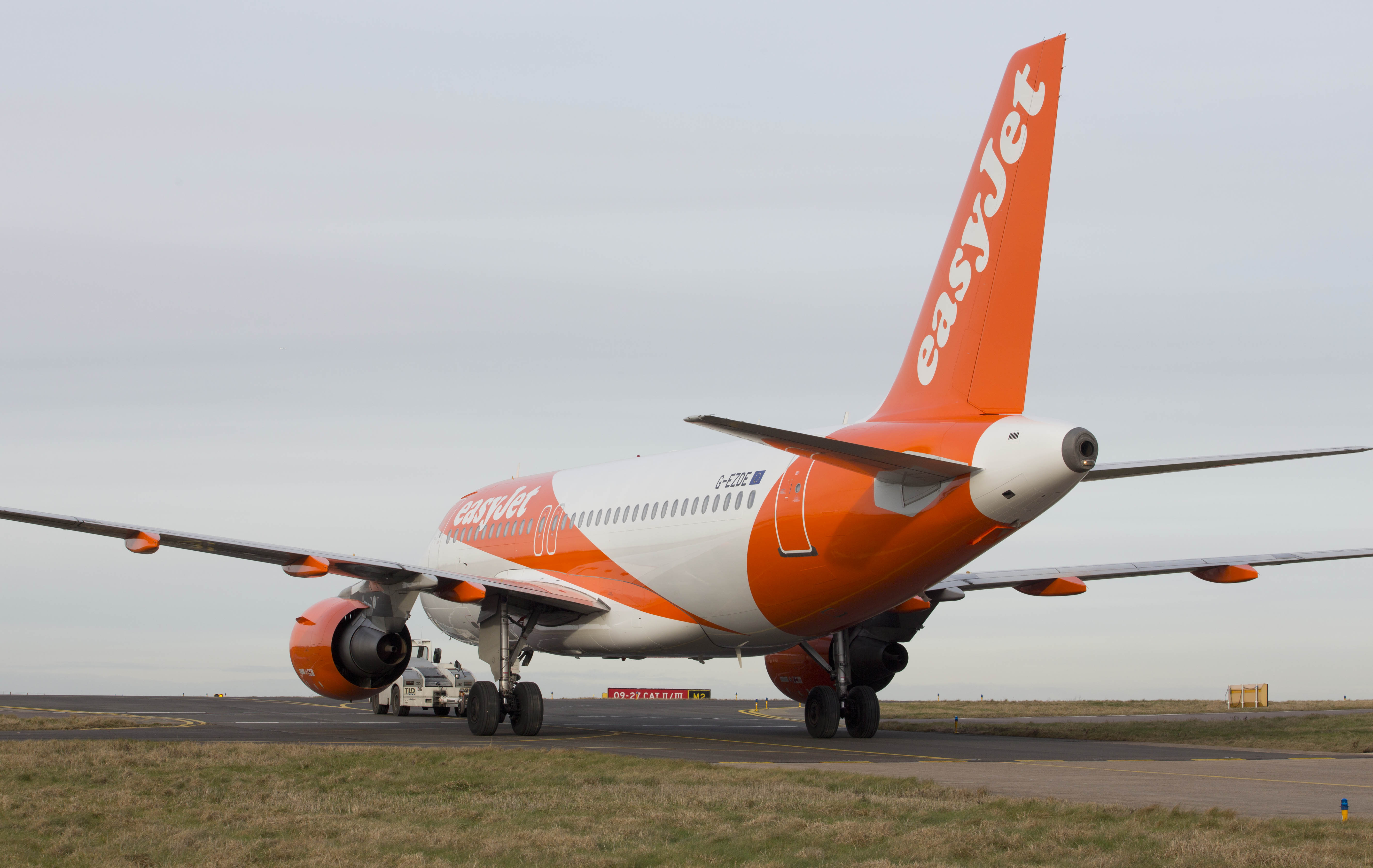
While Ireland’s tech sector focuses primarily on software development, fintech, and pharmaceutical technology, a quiet revolution unfolds on airport aprons across the country. Ground support equipment, once purely mechanical vehicles, now generates gigabytes of operational data daily. Pushback tractors equipped with GPS tracking, accelerometers, and engine monitoring systems provide real-time performance metrics. Ground power units incorporate smart power management, automatically adjusting output based on aircraft requirements whilst logging energy consumption patterns.
The data generated by modern GSE rivals that of many IoT deployments in smart cities. A single busy day at Dublin Airport might see ground support equipment generating millions of data points covering location, speed, fuel consumption, hydraulic pressure, engine temperature, and operational cycles. This data, properly analysed, reveals optimisation opportunities that Irish tech companies are uniquely positioned to exploit.
Cork Airport has emerged as a testing ground for GSE technology integration, leveraging the city’s tech expertise. Local software developers collaborate with ground handling companies to create custom analytics platforms processing GSE data streams. These platforms identify patterns invisible to human operators: subtle performance degradations predicting component failures, route optimisations reducing fuel consumption, and utilisation patterns informing procurement decisions.
Machine Learning and Predictive Maintenance: Preventing Failures Before They Happen
The application of machine learning to GSE maintenance represents one of the most promising intersections of Irish tech expertise and aviation operations. Traditional maintenance schedules, based on hours operated or calendar intervals, often result in either premature component replacement or unexpected failures. Machine learning models, trained on historical failure data and real-time sensor readings, predict component failures with remarkable accuracy.
Irish data scientists have developed algorithms analysing GSE sensor data to identify failure precursors. Vibration patterns indicating bearing wear, temperature fluctuations suggesting cooling system issues, or hydraulic pressure variations warning of seal degradation trigger maintenance alerts before failures occur. This predictive capability transforms maintenance from reactive cost centre to proactive reliability assurance.
The economic impact proves substantial. Unexpected pushback tractor failures during aircraft departure can generate costs exceeding €10,000 in delay-related expenses. Predictive maintenance systems developed by Irish tech companies have demonstrated failure prediction accuracy exceeding 85%, effectively eliminating most unscheduled downtime. For airports like Cork handling hundreds of daily movements, prevented failures translate to millions in avoided costs annually.
Autonomous GSE: Ireland’s Next Frontier in Aviation Technology
The development of autonomous ground support equipment represents perhaps the most exciting technological frontier in aviation ground operations. While fully autonomous aircraft remain distant prospects, autonomous GSE operates in controlled airport environments ideal for automation. Irish universities and technology companies actively research autonomous vehicle applications in aviation contexts.
Baggage tractors present ideal autonomous vehicle candidates. Following predetermined routes between terminals and aircraft, these vehicles operate in structured environments with defined paths. Trinity College Dublin’s robotics researchers have demonstrated autonomous baggage train navigation using LIDAR sensors and computer vision, achieving centimetre-level positioning accuracy required for aircraft proximity operations.
The progression toward autonomous pushback tractors proves more challenging but equally promising. University College Dublin’s partnership with aviation companies explores sensor fusion technologies enabling precise aircraft coupling and pushback operations. Combining GPS, inertial measurement units, and computer vision creates spatial awareness surpassing human operators in low-visibility conditions.
IoT Integration and Fleet Management Platforms
The Internet of Things revolution transforms GSE fleet management from spreadsheet-based administration to real-time operational orchestration. Every piece of modern ground support equipment becomes a connected node in vast airport IoT networks. Irish software companies have developed sophisticated platforms aggregating data from dozens of equipment types into unified operational dashboards.
These platforms leverage Ireland’s cloud computing expertise, with many running on infrastructure provided by tech giants with Irish operations. Real-time equipment tracking enables dynamic dispatch, routing the nearest available pushback tractor to departing aircraft. Utilisation analytics identify underused equipment for redeployment or disposal. Energy consumption monitoring supports sustainability reporting increasingly important for airport environmental credentials.
Integration challenges require sophisticated middleware solutions, another Irish tech strength. Ground power units from different manufacturers use proprietary communication protocols. Belt loaders vary in sensor configurations. Passenger stairs might lack any digital systems. Irish developers create universal adapters enabling legacy equipment integration alongside modern units, maximising existing investment value whilst enabling fleet-wide visibility.
Electric GSE and Smart Charging Infrastructure
The transition to electric ground support equipment creates enormous technological challenges and opportunities. Electric GSE requires intelligent charging infrastructure managing power distribution, scheduling charging sessions, and optimising energy costs. Irish cleantech companies lead development of smart charging systems specifically designed for aviation applications.
Shannon Airport’s collaboration with University of Limerick researchers produced innovative charging management systems. These platforms predict equipment energy requirements based on flight schedules, pre-positioning charged equipment for peak periods. Dynamic load balancing prevents grid overload whilst minimising demand charges. Integration with renewable energy sources, including airport solar installations, maximises sustainable energy utilisation.
Battery management systems represent critical technology for electric GSE adoption. Irish researchers develop algorithms extending battery life through optimal charging profiles and thermal management. Predictive models estimate battery degradation, enabling proactive replacement before range anxiety affects operations. These technologies prove essential for airports like Cork considering electric GSE investment but concerned about battery replacement costs.
Cybersecurity Challenges in Connected Ground Operations
The digitalisation of ground support equipment introduces cybersecurity vulnerabilities previously non-existent in mechanical systems. Connected GSE potentially provides attack vectors into airport operational networks. Irish cybersecurity companies, globally recognised for expertise, actively address these emerging threats.
Security architectures segregate GSE networks from critical airport systems whilst enabling necessary data flows. Encryption protocols protect sensor data transmission. Intrusion detection systems identify anomalous behaviour potentially indicating cyberattacks. Irish security researchers have demonstrated potential vulnerabilities in GSE systems, prompting manufacturers to implement stronger protections.
The regulatory landscape evolves to address GSE cybersecurity. The Irish Aviation Authority works with National Cyber Security Centre establishing guidelines for connected equipment deployment. These frameworks balance innovation enablement with risk management, ensuring technology adoption doesn’t compromise operational security.
Augmented Reality Applications for GSE Maintenance
Augmented reality technology, developed by Irish gaming and visualisation companies, finds unexpected applications in GSE maintenance. Technicians wearing AR headsets receive real-time guidance overlaying digital information onto physical equipment. Maintenance procedures appear as step-by-step visual instructions. Component locations highlight automatically. Torque specifications display during assembly.
Dublin-based AR developers created platforms specifically for aviation maintenance applications. These systems reduce training time for new technicians whilst improving maintenance quality. Remote support capabilities enable expert technicians to guide on-site personnel through complex procedures, effectively multiplying expertise availability.
The combination of AR with IoT sensor data creates powerful diagnostic capabilities. Technicians viewing ground power units through AR interfaces see real-time operational parameters overlaid on physical components. Temperature readings appear above motors. Pressure values display near hydraulic systems. This immediate visibility accelerates fault diagnosis and repair.
Blockchain for GSE Lifecycle Management
Irish blockchain developers explore distributed ledger applications in GSE lifecycle tracking. Every maintenance action, component replacement, and operational event records immutably on blockchain platforms. This creates transparent, tamper-proof equipment histories valuable for refurbishment certification, warranty validation, and resale transactions.
Smart contracts automate GSE leasing and maintenance agreements. Sensor data triggering maintenance thresholds automatically initiates service scheduling and payment processing. Performance guarantees execute automatically based on availability metrics. These capabilities reduce administrative overhead whilst ensuring contract compliance.
The circular economy benefits from blockchain-enabled transparency. Refurbished ground support equipment carries complete history from manufacture through multiple operational cycles. Buyers access verified maintenance records, accident history, and component provenance. This transparency increases refurbished equipment value whilst supporting sustainability objectives.
Data Analytics Driving Operational Excellence
The wealth of data generated by modern GSE enables sophisticated analytics revealing operational improvements. Irish data scientists apply techniques from financial services and e-commerce to aviation ground operations. Pattern recognition identifies inefficiencies. Correlation analysis reveals unexpected relationships. Predictive models forecast future requirements.
Turnaround time analysis correlates GSE performance with departure punctuality. Machine learning identifies factors contributing to delays: specific equipment units, operator behaviours, or procedural inefficiencies. These insights drive targeted improvements delivering measurable performance gains. Cork Airport’s implementation of data-driven GSE optimisation reduced average turnaround times by 12%.
Revenue optimisation represents another analytics application. Understanding true GSE operational costs enables accurate handling charge calculation. Dynamic pricing models adjust rates based on equipment requirements, time of day, and seasonal demand. These capabilities help Irish airports compete effectively whilst maintaining profitability.
Building Ireland’s Aviation Technology Ecosystem
The convergence of aviation and technology creates opportunities for Irish innovation ecosystem development. Startups focusing on aviation technology access substantial markets with limited competition. Government support through Enterprise Ireland and IDA Ireland could accelerate aviation technology sector growth.
University research programmes increasingly focus on aviation applications. UCD’s collaboration with Dublin Airport Authority explores autonomous vehicle applications. Cork Institute of Technology investigates electric aircraft ground handling requirements. These programmes produce graduates combining aviation knowledge with technical expertise, valuable for emerging aviation technology sectors.
Corporate partnerships between tech companies and aviation operators accelerate innovation adoption. Microsoft’s Dublin operations collaborate with airports on cloud platform deployment. Google’s data centres support aviation analytics platforms. These relationships leverage Ireland’s tech presence for aviation advancement.
Future Technologies and Irish Aviation
Emerging technologies promise continued transformation of ground support operations. Quantum computing might optimise fleet scheduling beyond current algorithmic capabilities. 5G networks enable real-time video streaming from GSE for remote operation. Artificial general intelligence could coordinate entire airport ground operations autonomously.
Hydrogen fuel cell technology, advancing rapidly, might revolutionise GSE power systems. Irish researchers investigate hydrogen production, storage, and fuel cell applications for aviation. Cork Airport’s proximity to offshore wind resources positions it ideally for green hydrogen production supporting zero-emission ground operations.
Urban air mobility vehicles will require entirely new ground support equipment categories. Electric vertical take-off aircraft need specialised charging systems, handling equipment, and maintenance platforms. Irish companies developing these technologies now position themselves advantageously for this emerging market.
Conclusion
The technological transformation of ground support equipment at Irish airports demonstrates how traditional industries evolve through digital innovation. The convergence of mechanical engineering with software development, data analytics, and artificial intelligence creates opportunities for Irish tech companies to lead globally significant innovation.
From predictive maintenance algorithms preventing equipment failures to autonomous vehicles revolutionising ground operations, technology transforms every aspect of GSE management. Irish airports benefit from proximity to world-class technology companies and research institutions, enabling rapid innovation adoption that enhances operational efficiency whilst supporting sustainability objectives.
As Ireland’s technology sector continues expanding beyond traditional software development into industrial applications, aviation ground operations provide fertile innovation territory. The combination of real operational challenges, substantial economic impact, and technological complexity creates ideal conditions for breakthrough innovations. Irish companies and researchers pioneering these developments position the nation at the forefront of aviation technology advancement.
The future of Irish aviation depends not just on aircraft and infrastructure but on the intelligent systems managing ground operations. Investment in GSE technology, whether through equipment procurement, software development, or research programmes, strengthens Ireland’s aviation competitiveness whilst creating high-value technology employment. This symbiotic relationship between aviation and technology sectors exemplifies how Ireland’s economic strategy successfully combines traditional industries with cutting-edge innovation.