
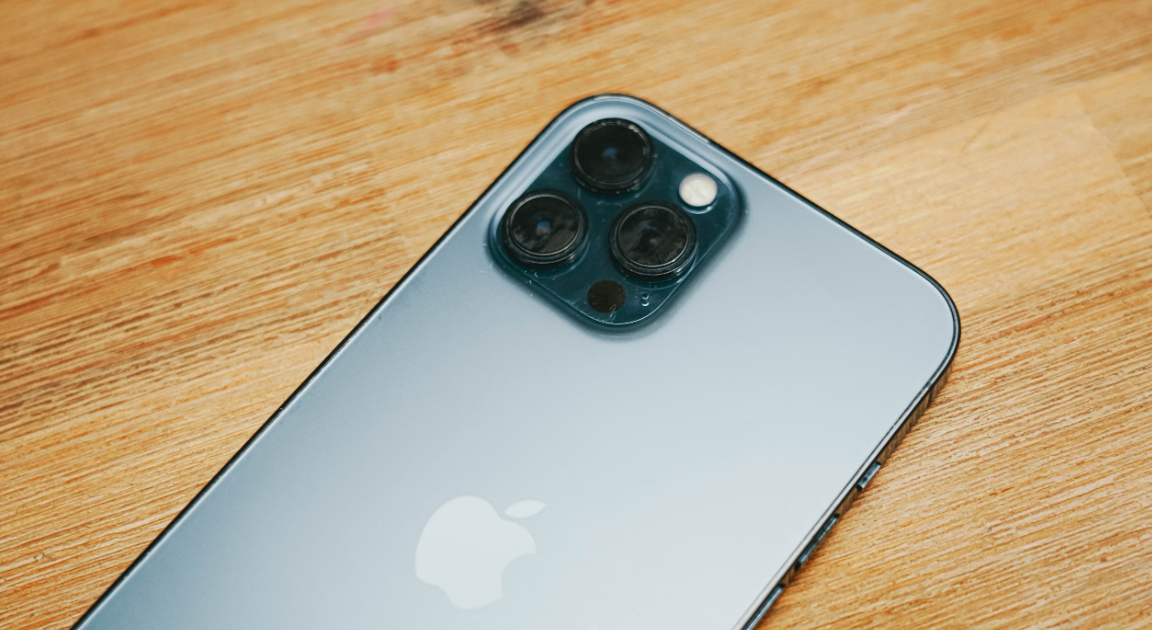
Most people know this awkward moment. You hear a track on your commute that hits hard through wireless earbuds. When you get home, you pull them out and play it on your phone speaker for a friend—“Wait for this bit!”—only for the heavy bass to vanish completely, leaving thin vocals and a few tiny clicks while everyone stares at the phone.
Nothing is wrong with your phone. The problem comes down to how small that speaker is—and where the song puts its weight.
It Is Not Lower Volume—Tiny Speakers Physically Lose Sub-Bass
The deeper a sound goes, the more air a speaker cone has to push. Earbuds may be small, yet they seal straight into your ear canal and deliver low frequencies directly to your eardrum. A smartphone speaker, barely the size of a fingernail and pushing sound into open room air, physically cannot reproduce the deepest layer of sub-bass. When a track relies almost entirely on that low rumble, playing it on a phone does not merely make the bass quieter—it cuts that layer out.
James Blake’s cover of “Limit to Your Love” is a famous test case. On headphones, the piano pulls back and a deep, pulsing sub-bass takes over; on a phone speaker, that rumble all but disappears, leaving only sparse electronic clicks and vocals floating over a strangely hollow gap.
Wireless earbuds seal deep low-end energy straight into the ear canal, whereas a fingernail-sized phone speaker pushing into open air drops the deepest sub-bass layer.
Yet Billie Eilish’s “bad guy,” which is just as bass-driven, still punches cleanly through a phone speaker. Producer Finneas did not rely on smooth sub-bass alone—he gave the synth bass a gritty, buzzing mid-range edge alongside crisp finger snaps. Even though a phone cannot produce the deepest vibration, it reproduces that mid-range buzz and snap clearly, and your brain fills in the missing weight on its own.
Why Louder Doesn’t Always Mean More Impact
It is tempting to think the fix for a weak phone mix is simply pushing the whole track louder during mastering—the final polish that sets a song’s overall volume before release. Throughout the late 1990s and 2000s, record labels did exactly that in what became known as the “loudness war,” squashing CDs right up against the ceiling so they jumped out louder on car stereos and cheap radios. The trade-off was flattening the contrast between quiet passages and sudden drum hits until everything sat at one relentless level.
In the streaming era, that old shortcut backfires. Major services such as Spotify and Apple Music use loudness normalisation to keep playlists at a steady perceived level, automatically turning overly loud masters down. Turning the volume down, however, never brings back the punch that heavy limiting already crushed out. Once streaming levels the playing field, an over-compressed track does not sound louder on a tiny phone speaker—it sounds smaller, duller, and flatter than a master that kept breathing room and crisp rhythmic contrast.

Do Not Finalise Music for Phone Listeners Only on Good Headphones
That gap catches creators out all the time. You pick or make music for a short clip, a product demo, or a track share while wearing good headphones, yet half the people who hear it are scrolling on a sofa through a phone speaker. Without a mix or mastering engineer on hand, using a music generator to sketch tracks works much better when you lean on clear mid-range instruments with room to breathe rather than chasing deep sub-bass or a packed wall of sound.
Tracks built on pure sub-bass sound hollow on small speakers, whereas plucked bass, guitar, electric piano, and crisp drums hold together cleanly.
A plucked electric bass, a crisp acoustic guitar, a bright electric piano, and snappy drums all carry enough mid-range detail that the groove holds together through streaming normalisation and out of a fingernail-sized speaker.
Before you send a track out, take your headphones off and play fifteen seconds straight through your phone speaker. If you can still follow the bass line and feel the punch of the drums from a step away, anyone scrolling past will hear the groove instead of a flat shadow of it.