
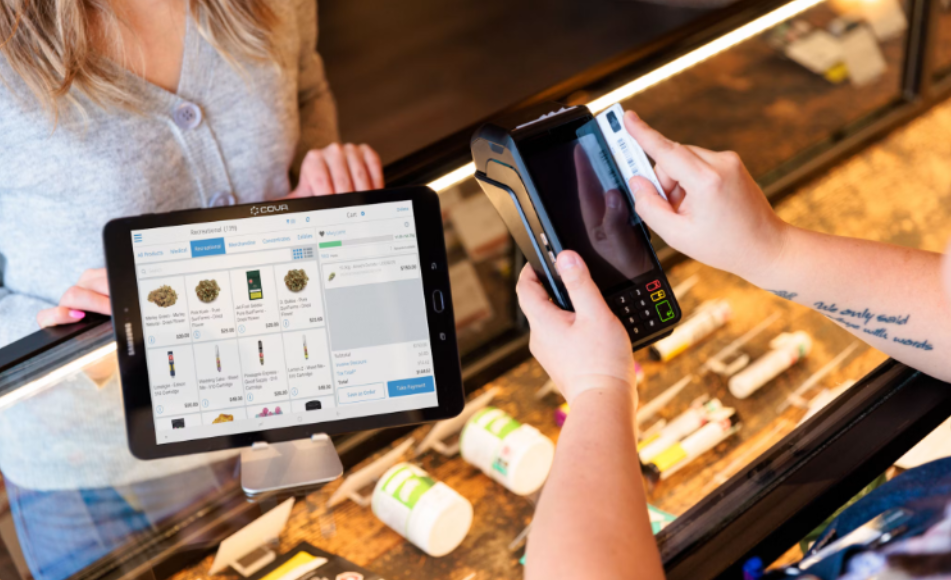
An invoice often shapes a customer’s final impression of a service. Clear charges, convenient payment options, and timely confirmations can reinforce trust, while confusing layouts or clumsy payment steps can undo much of the goodwill built earlier.
That makes invoicing part of the customer experience, not merely an administrative task. Smarter systems can reduce effort for customers, answer common questions sooner and give service providers useful signals about satisfaction.
The Limits of Traditional Invoicing
Traditional invoices tend to prioritize internal accounting needs. Customers may receive a static document filled with codes, vague descriptions, and payment instructions that require several manual steps. If a charge looks unfamiliar, they must call support or send an email before paying.
These friction points affect both collection times and customer sentiment. Recent coverage of invoicing as customer experience shows how companies are treating bills as active customer touchpoints. A better starting point is to review the questions support teams receive after invoices go out. Repeated queries about due dates, service periods, or payment status reveal exactly where clarity is missing.
Rethinking the Everyday Billing Experience
Improvement starts with the details customers encounter every month. Use plain service descriptions, place the amount and due date prominently, and show how each charge was calculated. Payment confirmation should arrive immediately and explain when the transaction will appear on the account.
Service providers can also bring bill presentation, payment processing, and customer communication into one billing experience. That approach gives customers a consistent place to review charges, choose a payment method, and resolve routine issues.
Automation supports this work by removing repetitive tasks without obscuring accountability. Guidance on intelligent process automation highlights opportunities to improve workflows and data handling. Companies should still test automated messages for accuracy, tone, and accessibility before sending them at scale.
Unified Portals Drive Repeat Engagement
A unified portal gives customers a reason to return by storing useful information in one predictable location. They can view previous bills, update contact details, manage payment preferences, and check whether a transaction succeeded without starting a support request. For businesses managing ongoing customer relationships, clear digital records also make it easier to avoid unpaid client contracts by keeping billing details, payment records, and account information in one place.
Consistency matters here. A customer who begins on a mobile reminder should reach the same account information and payment choices available on a desktop browser. Saved preferences can shorten future sessions, while clear security prompts help users understand why verification is required.

Companies should also design for occasional users. Labels such as “current balance” and “payment history” are easier to understand than internal terminology. Test the portal with first-time users and ask them to locate an invoice, explain a charge, and download a receipt. Any hesitation points to a design issue worth fixing.
Measuring Satisfaction at Payment Stages
Measure the billing process in stages so broad satisfaction scores don’t hide specific problems. Useful indicators include invoice delivery success, portal sign-in completion, payment abandonment, processing time, and the number of billing-related support contacts. Track repeat attempts too, since they may signal unclear status messages or technical failures.
Short feedback requests work best at moments when the experience is fresh. After payment, ask customers to rate ease of use on a simple scale and provide an optional comment field. Avoid lengthy surveys after a routine transaction.
Compare this feedback with operational data. If customers report difficulty and mobile abandonment rises at the verification screen, the team has a clear place to investigate. Fixing that single step may improve payment completion while reducing support demand.
Customer loyalty often grows through ordinary interactions that work reliably. When the amount is easy to understand, payment takes only a few steps, and confirmation arrives at once, the invoice becomes evidence that the provider respects the customer’s time.