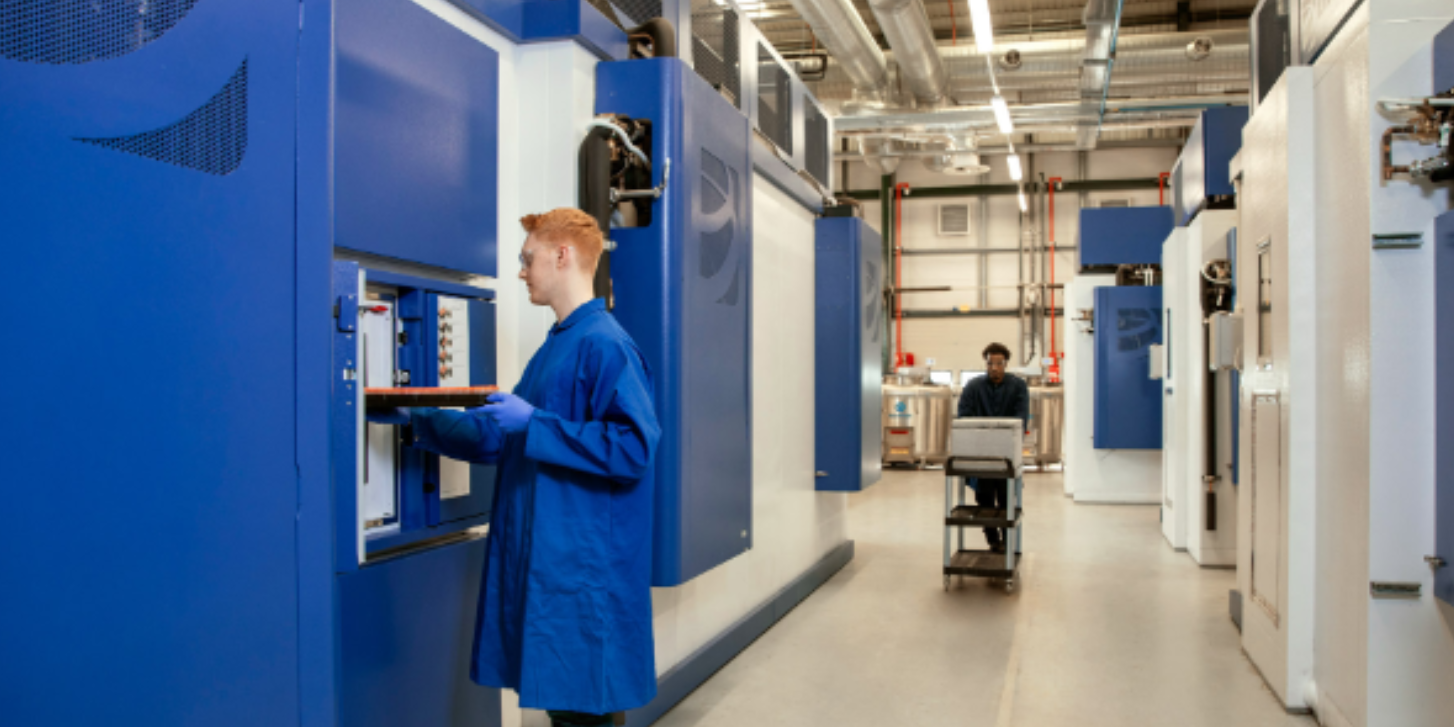
Many medical discoveries begin with biological samples. Blood, tissue, DNA, cells, and other materials can help researchers investigate disease, develop treatments, and improve the understanding of health across different populations.
For samples to remain useful, they must be stored and managed carefully. Biobanking provides the systems, facilities, and processes needed to preserve samples over time while keeping accurate records of how they have been collected, processed, and stored.
What Is a Biobank?
A biobank is an organised collection of biological samples and related information that can support research. The scale of a biobank can vary significantly. It may hold samples from a small clinical study or millions of specimens from a large population health programme.
Biobanks are used in a range of fields, including pharmaceutical research, genomics, cancer studies, public health, and clinical trials. The samples they manage may be used immediately or retained for future research questions.
A well-managed biobank does more than provide storage space. It supports the quality, security, traceability, and accessibility of valuable research materials.
Preserving Samples for Future Use
Some research samples may only be needed for a short period, while others must be preserved for years or decades. The right storage conditions depend on the sample type, the intended analysis, and how long the material needs to remain viable.
Different storage environments can include:
- Ambient storage for appropriate materials
- Refrigerated or frozen storage
- Ultra-low temperature freezers
- Cryogenic storage using liquid nitrogen
Temperature control is a major part of preservation, but it is not the only consideration. Samples must also be protected from unnecessary handling, temperature variation, incorrect labelling, and loss of associated data.
A carefully designed storage plan helps ensure that samples remain available when researchers need them.
Traceability Gives Samples Scientific Value
A biological sample is most useful when researchers understand its background. They may need to know who collected it, when it was received, what processing it underwent, where it is stored, and whether it has been used in previous research.
This information is known as sample provenance or traceability. It helps research teams locate the right materials and understand how they fit within a wider study.
Laboratory information management systems can support traceability by recording sample movements, locations, processing steps, and associated data. These systems can be especially important for large research programmes, where manual records may be difficult to manage accurately.
Strong traceability also supports quality assurance and helps researchers maintain confidence in the materials used for analysis.
Biobanking Supports Long-Term Studies
Long-term studies can reveal patterns that may not be visible in short-term research. For example, stored samples may allow scientists to revisit a cohort years later using new testing methods or technologies that were not available at the time of collection.
This can make existing sample collections even more valuable. A study that originally focused on one health question may later support additional research, provided that samples have been stored appropriately and linked to reliable records.
Biobanking can also support collaboration. Researchers may be able to access well-managed sample collections for approved projects, helping to maximise the value of participant contributions and research funding.
Quality and Resilience Matter
Research teams place significant trust in a biobank. The provider needs suitable facilities, trained staff, quality systems, monitoring, and plans for unexpected events.
A strong approach to biobanking may include:
- Controlled storage environments
- Temperature monitoring and alarms
- Backup power and contingency arrangements
- Secure sample identification and tracking
- Regular quality checks and audits
- Clear procedures for retrieval and transport
- Capacity to support future growth
These elements help protect samples from disruption and support the continuity of important research programmes.
Supporting Research at Scale
As biomedical studies become larger and more complex, the need for scalable sample management grows. Research teams may require support with collection kits, sample transport, processing, DNA and RNA extraction, long-term storage, and retrieval.
Uk Biocentre supports large-scale biomedical, pharmaceutical, clinical, and public health research with integrated services that include sample processing, storage, shipping, and project support.
An integrated approach can help reduce the complexity of working with separate providers. It can also give research teams a clearer view of their samples throughout the study lifecycle.

Consider Biobanking From the Start
The best time to plan for sample storage is before collection begins. Early decisions can affect how samples are labelled, transported, processed, and stored.
When planning a study, consider:
- The number and types of samples expected
- Required storage temperatures
- How frequently samples may need to be accessed
- The expected length of storage
- Data and traceability requirements
- The need for future expansion
- Transport and retrieval processes
Thinking through these details early can reduce risk and help the study run more smoothly.
FAQ
What types of samples can be stored in a biobank?
Biobanks may store many types of biological material, including blood, tissue, cells, DNA, RNA, plasma, serum, and other specimens used in research.
Why is biobanking important for research?
Biobanking helps preserve samples and associated data for current and future studies. It supports traceability, quality control, and long-term scientific value.
How are samples kept safe in a biobank?
Safety measures may include controlled temperature environments, monitoring, secure identification, backup systems, quality procedures, and trained staff.
Can samples be retrieved for later analysis?
Yes. A well-managed biobank should allow authorised research teams to locate and retrieve samples when required for approved testing or analysis.
Conclusion
Biobanking provides an essential foundation for modern medical research. By preserving biological samples, maintaining accurate traceability, and supporting long-term access, biobanks help researchers turn valuable materials into meaningful scientific insight.