
Digital tools have changed how businesses attract, serve, and retain customers. A small company can now take bookings through an app, answer questions on social media, send automated reminders, and process payments without a long phone call or paper form.
Yet the customer journey is rarely fully digital. People still collect orders, attend events, open parcels, receive printed materials, visit offices, and carry items home. These offline moments can feel minor, but they often shape how a customer remembers a business.
For companies in Ireland and beyond, the opportunity is not to choose between digital and physical. It is to connect the two in a way that feels useful, consistent, and easy for the customer.
The Customer Journey Still Has Physical Moments
Even tech-focused brands rely on physical interactions. A phone repair shop hands back a device. A software company attends a trade event. A café offers loyalty cards alongside mobile ordering. An online retailer ships packaging that becomes the first real-world contact with the buyer.
These moments carry emotional weight because they happen when the customer is paying attention. They have collected something, received something, or taken time to visit. A clear, thoughtful physical touchpoint can reinforce the same message the customer has already seen online.
For example, if a business promotes speed and simplicity on its website, the collection experience should also feel quick and simple. If a brand highlights sustainability, packaging and printed materials should not feel wasteful or excessive. The offline detail does not need to be expensive. It just needs to match the promise.
Turning Print Into a Digital Gateway
Printed materials are more flexible than many businesses give them credit for. A flyer, bag, receipt, appointment card, or product insert can do more than display a logo. It can guide a customer to the next useful action.
QR codes are an obvious example, but they work better when they have a clear purpose. A vague code with no explanation is easy to ignore. A short line such as “Scan for setup instructions” or “Scan to book your next service” gives people a reason to use it.
A home electronics retailer could add a QR code to installation cards that links to video guides. A fitness studio could include one on a membership welcome pack leading to class schedules. A local food producer could print a code on packaging that opens recipes or storage tips.
The key is to make the digital destination helpful. Sending people to a generic homepage creates extra work for them. Sending them to a page that answers the immediate question makes the physical item feel more valuable.
Everyday Items Can Extend the Brand Experience
Not every offline brand touchpoint needs to be a brochure or business card. In many cases, the most effective items are the ones customers actually use.
For example, a local retailer might use custom tote bags for click-and-collect orders, adding a small QR code that leads customers to care tips, loyalty rewards, or a product registration page.
This kind of item works because it has a practical role first. The customer can carry something in it, reuse it, and encounter the brand in a casual setting. The printed message should be simple and useful rather than crowded with claims.
The same thinking applies to notebooks handed out at workshops, printed cards included with repaired devices, or branded sleeves used for event materials. When the item has a clear purpose, the branding feels like part of the experience rather than an interruption.

Consistency Matters More Than Complexity
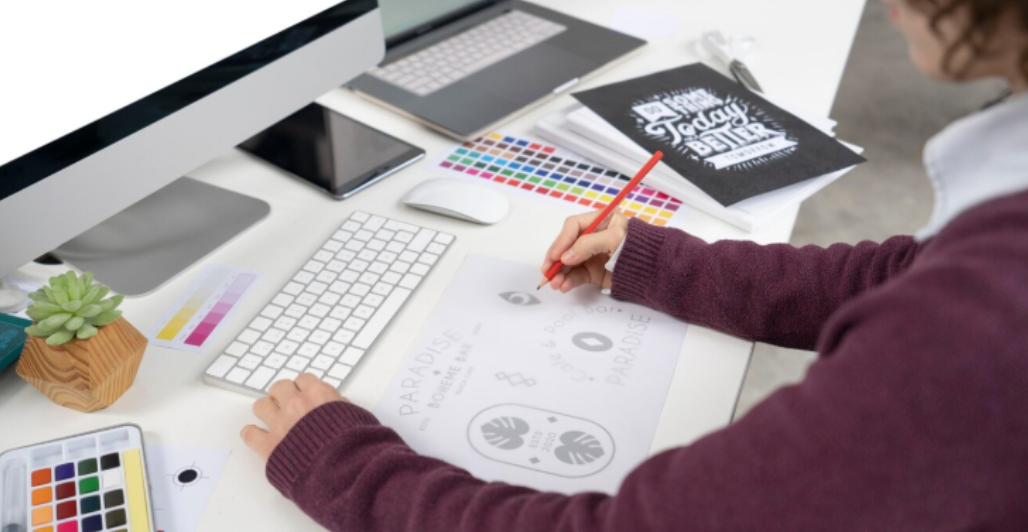
One reason offline touchpoints sometimes fail is inconsistency. The website looks modern, the emails feel polished, but the printed material uses different colours, an old logo, or a tone that does not match the brand.
Customers may not consciously notice every mismatch, but they do notice when an experience feels disjointed. Consistency helps build familiarity. It also makes a smaller business look more organised.
A simple brand checklist can help:
Use the same logo version across digital and printed materials.
Keep colours close to the brand palette, even on smaller items.
Use short, plain language that matches the website and emails.
Make sure phone numbers, web addresses, and social handles are current.
Avoid placing too much information on one item.
The goal is not to make everything look identical. Different formats need different layouts. The aim is for customers to feel they are dealing with the same business at every step.
Events and Local Campaigns Are Strong Testing Grounds
Irish businesses often meet customers through local events, pop-ups, networking sessions, markets, and community initiatives. These settings are useful because they combine personal interaction with brand discovery.
At an event, physical materials can help people remember a conversation after they leave. A simple card with a short offer, a QR code to a demo, or a printed guide can turn a quick chat into a follow-up action.
The most useful event materials are focused. Rather than trying to explain everything a company does, they answer one likely question. A tech repair business might provide a short device care checklist. A cybersecurity consultant might share a one-page guide to safer passwords. A food brand might hand out recipe cards linked to a sign-up page.
This approach respects attention. People at events are often busy, carrying items, and meeting several businesses at once. Clear and practical material is more likely to be kept.
Measurement Should Be Built In
Digital campaigns are easier to measure than offline activity, but physical touchpoints do not have to be guesswork. Small tracking choices can show what is working.
Unique QR codes are one option. A business can use different codes for events, packaging, direct mail, or in-store materials. This shows which touchpoints are prompting action.
Short custom web addresses can also help, especially for audiences less likely to scan a code. Discount codes, appointment codes, or campaign-specific landing pages can provide further insight.
The data does not need to be complex. Even a basic view of scan numbers, page visits, sign-ups, or repeat purchases can help a business decide where to invest time and budget.
It is also worth asking customers directly. A simple question at checkout or during onboarding, such as “What helped you find us today?” can reveal patterns that analytics alone might miss.
Keep the Customer Benefit Clear
The strongest offline-to-online connections are built around customer benefit. If a printed item only says “follow us” or “visit our website,” it may not create much motivation. If it offers a guide, reminder, saving, setup help, warranty information, or event details, the value is clearer.
This is especially important as people become more selective about what they scan, keep, or respond to. Customers are not short of messages. They are short of useful ones.A good test is to ask: what does the customer get by taking the next step? If the answer is vague, the touchpoint needs more thought.
Conclusion
Digital tools have made customer communication faster and more measurable, but offline details still influence trust, memory, and repeat engagement. The most effective businesses treat physical touchpoints as part of the wider customer journey rather than as separate extras.
A printed item, event handout, package insert, or collection material can quietly guide people toward a helpful digital action. When the design is consistent, the message is clear, and the next step is useful, offline brand moments can support a stronger digital relationship.
For small businesses, this does not require a complicated campaign. It starts with noticing where customers already interact with the brand in the real world, then making those moments easier, clearer, and more connected.