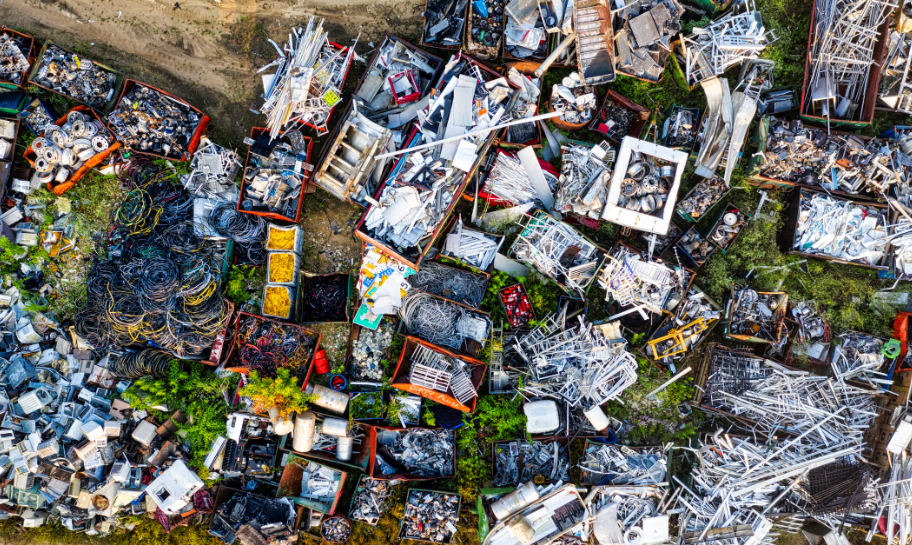
The digital revolution has transformed the way Irish businesses operate, but it has also created an unprecedented challenge: the mounting volume of electronic waste. From outdated computers and mobile phones to printers and servers, the lifecycle of electronic equipment grows ever shorter as technology advances at breakneck speed. For businesses across Ireland, the proper disposal and recycling of electronic waste—commonly known as e-waste—has evolved from an optional consideration to an essential business practice with far-reaching implications for environmental sustainability, legal compliance, and corporate reputation.
As Ireland continues to embrace digital transformation across all sectors, understanding the critical importance of electronic waste recycling has never been more vital. This article explores why Irish businesses must prioritise responsible e-waste management and the multifaceted benefits that accompany this commitment.
- The Growing E-Waste Challenge in Ireland
Ireland generates approximately 65,000 tonnes of waste electrical and electronic equipment (WEEE) annually, with businesses contributing a significant portion of this total. As companies regularly upgrade their IT infrastructure to remain competitive, the volume of discarded electronics continues to rise. This waste stream contains a complex mixture of valuable materials, hazardous substances, and rare earth elements that require specialist handling and processing.
Unlike general waste, electronic equipment contains materials such as lead, mercury, cadmium, and brominated flame retardants that pose serious environmental and health risks if improperly disposed of in landfills. Simultaneously, these devices contain precious metals including gold, silver, copper, and palladium that can be recovered and reintroduced into manufacturing processes. The dual nature of e-waste—simultaneously hazardous and valuable—underscores the importance of proper recycling protocols.
- Legal Obligations and Compliance Requirements
Irish businesses face stringent legal obligations regarding electronic waste disposal under the European Union’s WEEE Directive, which Ireland has transposed into national legislation through the Waste Management (Waste Electrical and Electronic Equipment) Regulations. These regulations place clear responsibilities on businesses to ensure their electronic waste is collected, treated, and recycled by authorised facilities.
Non-compliance with WEEE regulations can result in substantial penalties, including fines and potential prosecution. Beyond the immediate legal consequences, businesses found to be improperly disposing of electronic waste risk significant reputational damage that can affect customer relationships, investor confidence, and stakeholder trust. In an era where corporate responsibility is increasingly scrutinised, maintaining compliance with e-waste regulations is not merely about avoiding penalties—it’s about demonstrating ethical business practices.
The regulations require businesses to use approved collectors and recyclers who possess the necessary permits and certifications. This means companies cannot simply discard old computers and electronics in general waste bins or transfer them to unauthorised third parties. Proper documentation and waste transfer notes must be maintained, creating an audit trail that proves compliance and responsible disposal.
- Environmental Benefits of Proper E-Waste Recycling
The environmental imperative for electronic waste recycling cannot be overstated. When electronics end up in landfills, toxic substances leach into soil and groundwater, contaminating ecosystems and potentially entering the food chain. In Ireland, where environmental protection is increasingly prioritised, businesses have a responsibility to prevent such contamination.
Proper e-waste recycling dramatically reduces environmental harm in several ways. Firstly, it prevents hazardous materials from entering the environment through controlled extraction and safe disposal of toxic components. Specialist recycling facilities have the equipment and expertise to handle dangerous substances safely, ensuring they don’t pollute Irish landscapes and waterways.
Secondly, recycling electronic waste significantly reduces the need for virgin raw material extraction. Mining operations for metals used in electronics are environmentally destructive, requiring enormous energy inputs and generating substantial pollution. By recovering and reusing materials from old electronics, businesses help decrease demand for new mining activities, thereby reducing the global environmental footprint of electronics manufacturing.
Additionally, recycling electronics requires considerably less energy than producing components from raw materials. Studies indicate that recycling one million laptops saves the energy equivalent to powering more than 3,500 Irish homes for a year. For businesses committed to reducing their carbon footprint and meeting sustainability targets, proper e-waste recycling represents a tangible way to demonstrate environmental leadership.
- Economic Advantages and Resource Recovery
Beyond environmental and legal considerations, electronic waste recycling offers genuine economic benefits for Irish businesses. The recovery of valuable materials from old electronics creates economic value that can offset disposal costs. Professional recycling services may even offer rebates or payments for certain types of equipment, particularly items containing significant quantities of precious metals.
Furthermore, proper e-waste management protects businesses from the hidden costs associated with data breaches and information security failures. Old computers, servers, and mobile devices often contain sensitive business information, customer data, and proprietary information. Simply discarding these items without proper data destruction exposes businesses to serious security risks, potential data protection violations under GDPR, and consequent financial penalties.
Certified e-waste recyclers provide comprehensive data destruction services, ensuring that all information is permanently and irretrievably erased before equipment is processed for recycling. This service protects businesses from data breaches whilst enabling responsible disposal, combining security and sustainability in a single solution.
The circular economy principles embodied in e-waste recycling also create employment opportunities within Ireland. The sector supports jobs in collection, transportation, processing, and materials recovery, contributing to local economic development whilst addressing environmental challenges.
- Corporate Social Responsibility and Brand Reputation
Modern consumers and business partners increasingly expect companies to demonstrate genuine commitment to environmental sustainability and corporate social responsibility. How a business handles its electronic waste speaks volumes about its values and priorities. Companies that implement robust e-waste recycling programmes signal to stakeholders that they take environmental stewardship seriously.
This commitment enhances brand reputation and can become a competitive differentiator in crowded marketplaces. Businesses tendering for contracts increasingly find that environmental credentials, including e-waste management policies, form part of the selection criteria. Public sector organisations, in particular, often require evidence of responsible waste management practices from their suppliers and partners.
For businesses seeking B Corporation certification, ISO 14001 environmental management accreditation, or other sustainability recognitions, documented e-waste recycling practices are often essential requirements. These certifications, in turn, open doors to new business opportunities and partnerships with like-minded organisations.
- Supporting Ireland’s Circular Economy Ambitions
Ireland has committed to ambitious circular economy targets as part of its broader environmental strategy and European Union obligations. The circular economy model aims to keep resources in use for as long as possible, extracting maximum value before recovery and regeneration at the end of service life. Electronic waste recycling sits at the heart of this vision.
By embracing comprehensive e-waste recycling practices, Irish businesses directly support national environmental objectives and contribute to Ireland’s transition towards a more sustainable economic model. This alignment with government policy positions businesses favourably for potential future incentives, grants, or recognition programmes designed to reward environmental leadership.
- Conclusion
Electronic waste recycling represents far more than a regulatory obligation for businesses operating in Ireland—it embodies a comprehensive approach to environmental responsibility, risk management, and sustainable business practice. As technology continues to evolve and electronic equipment lifecycles shorten, the importance of proper e-waste management will only intensify.
Irish businesses that embrace robust electronic waste recycling programmes protect themselves from legal penalties, safeguard sensitive information, reduce environmental impact, and enhance their reputation amongst increasingly environmentally conscious stakeholders. The question is no longer whether businesses should prioritise e-waste recycling, but rather how quickly they can implement comprehensive programmes that maximise environmental, economic, and social benefits.
In an interconnected world facing unprecedented environmental challenges, every business decision matters. Choosing to properly recycle electronic waste demonstrates that Irish businesses understand their role in creating a sustainable future—one discarded device at a time.