
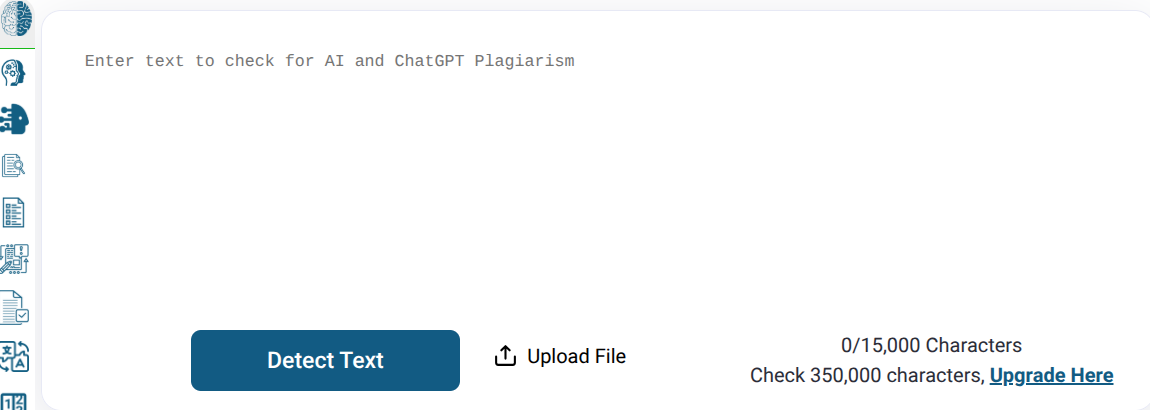
You may test one article and receive several different scores. One platform may mark the content as human writing. Another platform may report a high chance of generated text.
These mixed results can make your editing process confusing. However, each platform uses its own system and scoring rules. Understanding those differences helps you judge every report more carefully.
Each Tool Uses Different Training Data
Every AI detection tool learns from its own collection of writing samples. Those samples may include essays, blogs, emails, reports, or generated passages.
One company may train its system on academic content. Another company may focus more heavily on marketing pages. These different training sources affect how each platform reviews your text.
For example, formal writing may receive a higher score on one platform. Short sentences and repeated structures can match patterns found in generated samples.
Your topic can also affect the final result. Technical articles use fixed terms and similar sentence structures. A detection system may wrongly connect those patterns with automated writing.
Scoring Systems Work Differently
Detection platforms do not follow one shared scoring method. Some platforms show a percentage for the whole document. Others highlight separate sentences that may require closer review.
An AI detector may calculate predictability across each sentence. Another system may study sentence length and structure instead. These methods can produce very different reports from identical content.
A score of 70 percent also has different meanings across platforms. One service may describe it as a probability estimate. Another service may use it as a confidence rating.
Always read the explanation beside the final score. The number alone cannot explain how the platform reached its decision.
Text Length Changes Detection Results
Short samples provide less information for accurate pattern analysis. A single paragraph may receive a very different result from a complete article.
Most systems perform better with several hundred characters. Very short samples can produce unstable percentages because fewer patterns are available.
You should test the full article first. Next, check any section that receives a warning. This method helps you locate problem areas without rewriting everything.
Avoid testing single sentences unless the platform supports that process. One sentence rarely provides enough context for a fair result.
Editing Tools Can Affect Sentence Patterns
Automated editing can make several sentences follow similar structures. This problem may happen after you accept every suggested revision without review.
A paraphrasing tool can also replace common phrases with predictable alternatives. Several rewritten paragraphs may then follow the same rhythm or sentence order.
Compare the revised passage with your original draft carefully. Keep useful changes and rewrite awkward sections in your own style. Your examples should include real details from personal research or direct experience.
Small grammar changes can affect the detection score as well. A grammar checker may remove informal phrasing and standardize sentence structures. Those changes are useful for accuracy but may reduce natural variation.
Review every correction before accepting it across the draft. Some recommendations improve correctness without improving the actual explanation.
Summaries Can Sound More Predictable
A summarizer reduces long passages into shorter statements. During that process, examples and personal explanations may disappear.
The shorter version can contain direct sentences with similar patterns. Detection systems may flag those patterns even when the summary communicates accurate information.
Use summaries to identify key points rather than to replace full sections. Add your own examples and explain why each detail helps readers. Specific information gives the paragraph more depth and clearer context.
Formatting Can Change the Score
Headings, bullet points, tables, and quotations affect how tools process content. Some systems remove formatting before analysis. Other systems review every visible section together.
A list with repeated sentence patterns may raise the score. The same information in paragraphs may receive a lower result.
Upload methods can also affect the final report. Pasted text may lose spacing or special symbols from the original document. Always review the text box before starting the test.
Image-related editing has no direct connection with text detection. However, a remove background feature may appear inside a larger writing platform. Do not assume every feature uses the same detection technology.
Language and Writing Style Affect Accuracy
Most detection systems perform better with widely used English content. Results may vary when your article includes regional phrases or translated passages.
Simple writing can sometimes receive a higher generated score. Clear explanations use common sentence patterns that machines can also produce.
Academic writing presents another common problem. Research papers use formal structures and fixed citation styles. A platform may flag those patterns even when a person has written everything.
Your industry may also require repeated product terms. Avoid replacing important terms only to lower a detection percentage.
Detection Models Receive Regular Updates
Companies update their systems as new writing models arrive. A passage tested today may receive another result later.
One platform may react quickly to newer generation patterns. Another service may continue using an older detection model. These update schedules produce different results across the same document.
Score changes do not always mean your writing changed. The platform itself may have updated its review process.
How Should You Compare Different Results?
Start by testing the entire article on two platforms. Do not chase a perfect human score across every service.
Follow this practical review process:
- Check whether several platforms highlight the same paragraph.
- Review repeated sentence openings within the highlighted section.
- Add specific examples that support your main explanation.
- Remove empty lines that repeat an earlier point.
- Compare all names and numbers after rewriting.
- Read each revised section aloud before publishing.
Pay closer attention when several systems flag the same passage. Even then, treat the report as guidance rather than final proof.
Human writing can receive false alerts from detection platforms. Generated writing can also pass some systems without warnings.
Final Thoughts
Different detection results happen because every platform follows separate rules. Training data and scoring methods also affect every final percentage.
Use detection reports to find repeated patterns and weak explanations. Never rewrite valuable content only to satisfy one score.
Your final review should focus on facts and reader value. Clear examples will help readers understand your point faster. A detection percentage should support your editing process rather than control it.