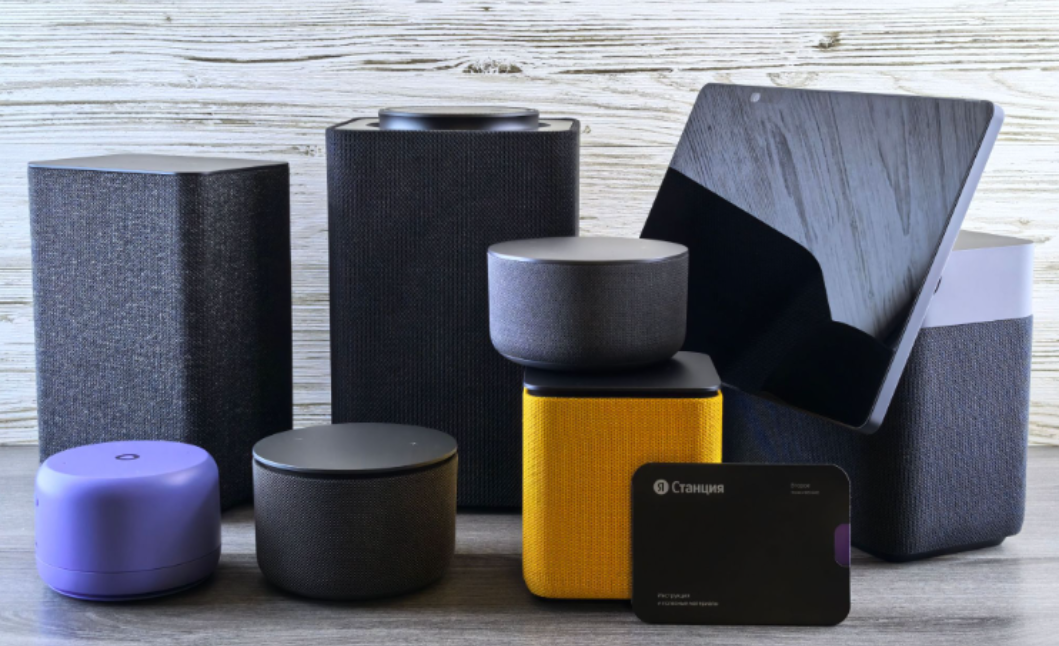
Something shifted quietly over the past few years. The gadgets in our pockets and on our desks stopped just following instructions. They started predicting what we’d need next. That’s the essence of AI-powered personal devices — smartphones, laptops, wearables, and smart speakers that don’t just execute commands but actually think alongside us.
Artificial intelligence used to feel like a distant, futuristic concept, something reserved for research labs and sci-fi movies. Now it’s baked into everyday personal technology, often without us noticing. Your phone suggests the perfect reply. Your watch flagging an irregular heartbeat before you feel a thing. Market analysts estimate that well over half of all new smartphones shipped today include some form of built-in AI processing. This is where we live now.
Digital Productivity Gets a Serious Upgrade
Work habits are changing fast. Emails get drafted in seconds. Meeting notes summarize themselves. Calendars reorganize on the fly when priorities shift. Digital productivity, once a buzzword tossed around in corporate slide decks, has become something tangible and measurable.
Consider this: studies on workplace AI tools have found that employees using AI-assisted apps can save several hours per week on repetitive tasks, sometimes close to a full workday. Multiply that across a team, a department, an entire company, and the numbers add up quickly. Intelligent devices aren’t replacing human judgment — they’re clearing the clutter so people can focus on what actually matters. Fewer clicks, fewer distractions, more time for actual thinking.
AI Assistants: From Novelty to Necessity
Remember when asking your phone to set a timer felt impressive? AI assistants have come a long way since then. They now handle scheduling conflicts, draft entire documents, translate conversations in real time, and even negotiate customer service disputes on your behalf.
What’s changed isn’t just capability — it’s trust. People increasingly rely on these assistants for decisions that matter: financial planning, health reminders, travel logistics. That shift says something about how far AI automation has come, and how comfortable we’ve grown letting software handle the small stuff so we don’t have to.
Wearables and the Rise of Ambient Intelligence
The action isn’t limited to phones anymore. Smartwatches track sleep cycles and stress patterns. Earbuds adjust noise cancellation based on your surroundings without a single tap. Rings monitor recovery after a workout. Anyone can download a math problem-solving app, point the camera, and get a detailed answer. Together, these intelligent devices and services form something greater than any single gadget—a kind of ambient intelligence that quietly observes, learns, and nudges you toward better decisions throughout the day.
This is personal technology at its most personal. It doesn’t wait for a command. It notices patterns you might miss yourself, and it acts on them, sometimes before you’ve even asked.
Edge AI: Smarter Devices, Less Cloud Dependence
Not everything needs to travel to a distant server anymore. Edge AI processes information directly on the device — your phone, your earbuds, your car — instead of shipping data off to the cloud and waiting for a response. The result? Faster reactions, smoother performance, and devices that keep working even without a solid internet connection.
There’s a privacy upside too, and it’s a big one. When data stays local, less of it gets exposed to interception or third-party servers. Chipmakers have taken notice; many now design processors specifically built for on-device AI tasks, a trend that’s only accelerating as personal technology gets smarter and more self-sufficient. Analysts covering the semiconductor industry expect on-device AI chips to become standard in nearly every new device within the next few years, not just flagship models.
Privacy Technology and the Trust Question
Here’s the tension nobody can ignore: the more helpful AI becomes, the more it needs to know about you. That’s an uncomfortable trade-off. Privacy technology has emerged as a direct response, giving users tools to control exactly what gets shared, stored, or analyzed.
Surveys consistently show a similar pattern. A large majority of people say they’re concerned about how companies use their personal data, yet many still hesitate to change their habits. Device makers are responding with on-device processing, transparent data logs, and stricter permission systems. Whether that’s enough remains an open question — one user will keep asking loudly.
Secure Computing Becomes Non-Negotiable
AI-powered devices process staggering amounts of sensitive information: passwords, health metrics, location history, private conversations. That makes secure computing essential, not optional. Encryption standards have tightened. Biometric authentication has become the norm rather than the exception. Some devices now isolate AI processing in dedicated secure enclaves, walled off from the rest of the system entirely.
Cyberattacks targeting smart devices have risen sharply in recent years, according to multiple industry security reports, with connected home devices among the most frequently targeted. That’s precisely why manufacturers keep investing in stronger safeguards. A device that thinks for you also needs to protect you — there’s no separating the two anymore.
The Future of Consumer Electronics
So where does this all lead? The future of consumer electronics looks less like flashy new gadgets and more like quiet, continuous intelligence woven into daily life. Smart glasses that translate street signs. Earbuds that monitor stress levels. Laptops that anticipate your next project before you open a single file.
None of this happens overnight, and skepticism is healthy. Trust has to be earned, not assumed, and plenty of companies still have work to do on that front. But one thing seems clear: personal technology is no longer just a tool we use. It’s becoming a quiet partner in how we work, think, and move through the world — one small, intelligent decision at a time.