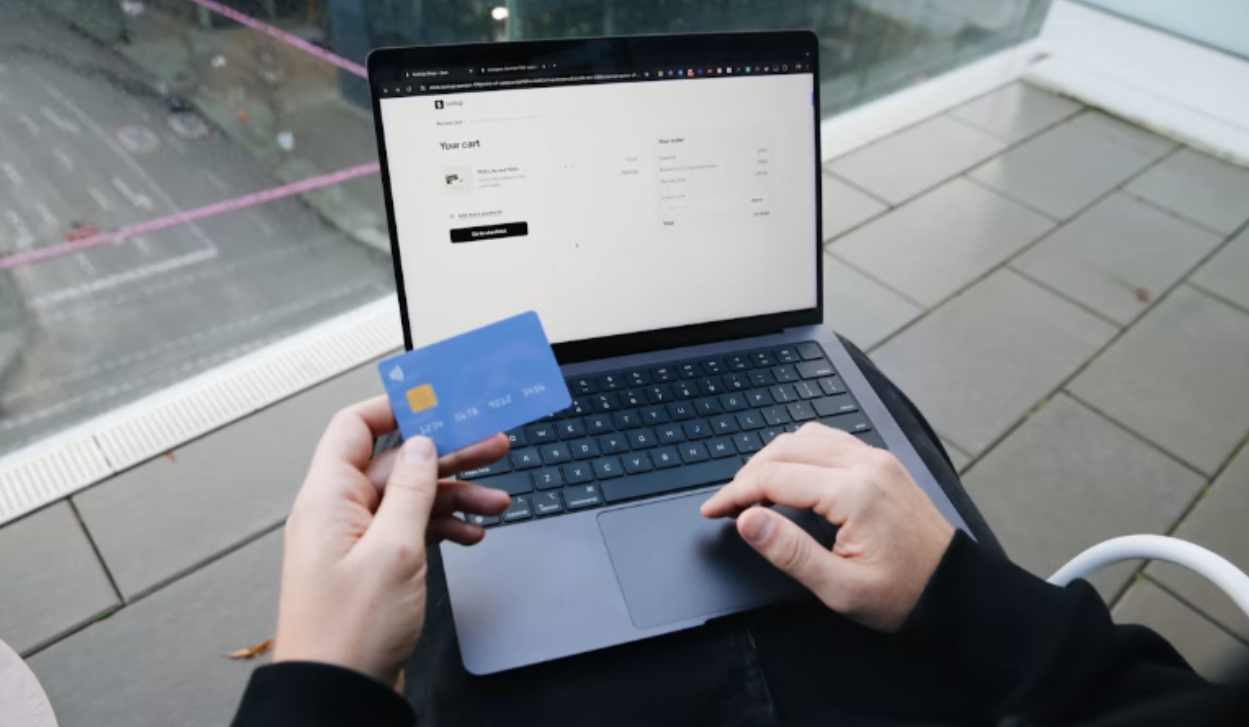
The global economic scene is undergoing a profound transformation driven by shifting consumer behaviors and lifestyle expectations. Traditional milestones like purchasing a home or owning a vehicle were once viewed as the primary indicators of financial success. Modern consumers favor agility, liquidity, and experiential value over long-term ownership commitments. This development is reshaping industries from real estate to modern software engineering.
The Rise of Remote Work
The widespread adoption of flexible working arrangements has radically expanded where people can choose to live. A recent career study noted that the average professional changes jobs 12 times over their career. This mobility gives operational freedom, real financial and personal value for tech-savvy workers.
The ability to relocate without the friction of selling property provides a major competitive edge. High-speed connectivity allows individuals to move seamlessly between corporate hubs. For this reason, the traditional model of settling down in one location is quickly becoming outdated. This shift forces companies to rethink compensation packages and local benefits for distributed teams.
Digital nomad lifestyles have transitioned from a niche trend to a standard career path. Software developers and technical project managers frequently relocate to capitalize on tax incentives or cultural experiences. This frequent relocation creates a continuous demand for short-term accommodations and flexible service subscriptions.
Shifting Property Market Dynamics
This desire for mobility has significantly altered how the modern workforce views long-term wealth accumulation. When exploring renting vs purchasing trends, tech professionals often discover that leasing fits their lifestyle. This approach allows workers to pivot when new international career offers arise.
- Choosing flexible leases allows professionals to explore new cities without long-term debt.
- Avoiding massive down payments keeps personal capital highly liquid for alternative investments.
- Modern properties offer amenities that match the needs of digital creators.
Living in dynamic tech hubs becomes accessible without the burden of a thirty-year mortgage. Renting provides direct access to premium locations that might otherwise remain unaffordable. This option supports the fast-paced lifestyle of modern technical consultants and software engineers who value geographic freedom.
Financial Liquidity Over Asset Ownership
Choosing to rent provides consumers with a high degree of day-to-day capital freedom. Homeownership ties up substantial wealth in an illiquid asset. By avoiding massive upfront costs, consumers can redirect their capital into liquid investments.
These alternative investments provide excellent diversification opportunities:
- High-yield cash accounts that offer stable monthly returns.
- Stock market portfolios tracking major international indices.
- Early-stage funding for innovative digital startups.
This capital freedom helps individuals to respond rapidly to sudden market shifts. Funding entrepreneurial endeavors becomes much easier when money is not locked in brick and mortar. This strategy fits perfectly with modern digital asset management tactics.
Realities of Modern Leasing Markets
Leasing offers undeniable flexibility, but it involves clear economic factors. Market research indicates that rent increases remain a regular reality across many popular metropolitan areas. The pace of growth has slowed compared with previous periods.
This stabilizing trend provides tenants with a clearer framework for planning monthly budgets. Managing these predictable expenses is often preferable to handling erratic repair bills. Understanding these dynamics helps individuals navigate the balance between flexibility and security.
Tenants must analyze local market data to make informed decisions about their living arrangements. Software tools now allow users to track average lease prices and predict future adjustments across different city zones. This data-driven approach gives modern consumers greater control over their housing expenditures.
The Psychological Factors of Property Deals
Beyond the financial metrics, the mental burden of property management prompts many people to reconsider buying. A 2026 property market survey revealed that some 84% of homeowners claim their quality of life is affected by property anxieties. Over 25% stated that owning a home keeps them awake at night.
The constant worry over unexpected maintenance costs creates ongoing stress. This pressure contrasts sharply with the predictable nature of a standard lease agreement. For many, freedom from maintenance tasks justifies the choice to remain a tenant.
Owning physical property requires significant time investments for repairs, renovations, and administrative compliance. Tech professionals who prefer focusing on career growth often view these tasks as distractions. Outsourcing property maintenance to a landlord frees up mental energy for creative and professional pursuits.
Sharing Economy Drivers in Tech Sectors
The transition from ownership to access is accelerated by the rapid growth of digital sharing platforms. Mobile applications and decentralized marketplaces make it simple to rent vehicles, hardware, and office space. This framework optimizes resource utilization for tech-focused professionals.
Consumers do not need to bear the steep depreciation costs of expensive machinery. They can simply pay for utilities on an as-needed basis. This practice maximizes financial efficiency and reduces electronic waste across digital sectors.
Hardware subscription models allow developers to access top-tier computing power without upfront capital outlays. This pay-per-use structure aligns with corporate software-as-a-service budgets. Consumers apply this same logic to their personal lives, discarding ownership for continuous upgrades.
Digital Wealth Accumulation Strategies
The shift away from real estate does not mean modern consumers ignore long-term wealth creation. Instead, they leverage digital platforms to build diverse asset portfolios. Fractional investing and automated wealth managers allow individuals to build wealth with low entry barriers.
This approach democratizes investing for younger generations. People who choose not to buy physical property can still participate actively in global markets. Wealth is increasingly measured by the performance of liquid assets rather than physical property deeds.
Digital asset accumulation provides a level of portability that traditional real estate cannot match. An investor can manage a global portfolio from a smartphone as they travel between international tech hubs. This borderless financial strategy matches the lifestyle of a highly mobile workforce.
Future Outlook for Flexible Living
The tension between traditional ownership models and flexible lifestyles will likely intensify. As urban areas adapt to mobile workforces, we expect an increase in co-living spaces. Regulatory frameworks will evolve to support a society that values access over possession.
Companies providing seamless digital rental solutions will likely thrive in this new environment. Capturing the loyalty of modern consumers requires adaptability and technical integration. The future favors platforms that simplify access and eliminate unnecessary paperwork.
The shift toward flexibility is reshaping how individuals approach their personal finances. Choosing to lease rather than purchase reflects a broader cultural movement toward mobility and peace of mind. By prioritizing liquidity, modern workers equip themselves to handle unpredictable economic changes easily.

In conclusion, changing consumer preferences are driving a major shift in how individuals approach their finances and lifestyles. The choice between renting and purchasing is no longer just about calculating mortgage rates versus monthly rent; it reflects a broader cultural movement toward flexibility, technological integration, and psychological peace of mind.
By prioritizing liquidity and mobility, modern consumers are equipping themselves to navigate an increasingly unpredictable global economy, proving that financial security can be earned without being tied down to a single physical location. As digital platforms continue to expand, this dynamic lifestyle trend will undoubtedly shape the future of our interconnected global commercial landscape.