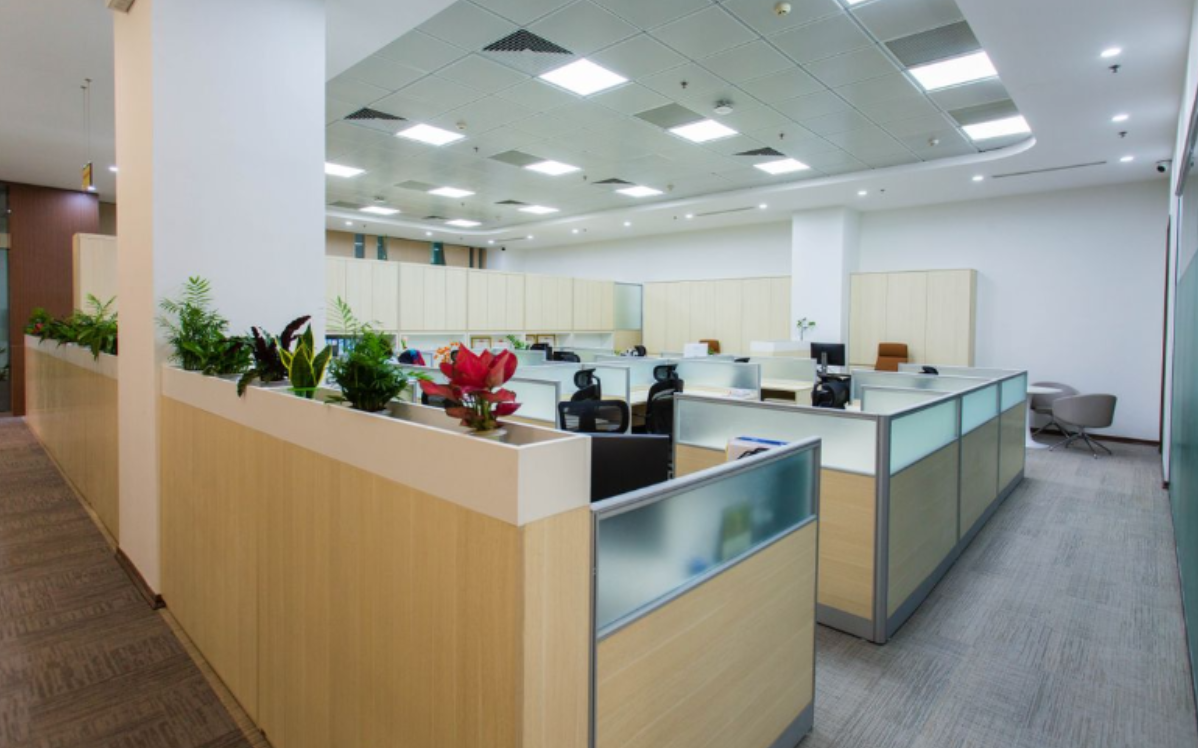
A messy workspace creates mental chaos and slows down daily progress across departments. Keeping business properties neat directly impacts how smoothly everything runs every single day. This simple habit establishes an environment where people focus on their duties without unnecessary distractions.
Clutter hides important tools and wastes valuable billable time during critical project phases. Taking control of corporate layout choices transforms messy rooms into functional spaces. Effective spatial management sets a positive tone for the entire workspace.
Streamlining Daily Operations
Clear desks and labeled shelves make finding documents simple for team members. Employees move quickly from one task to the next when tools remain in fixed spots. This predictability cuts out confusion during busy production windows.
Misplaced files cause unnecessary delays during fast-paced shifts. Staff members lose precious minutes searching through chaotic storage piles instead of completing assignments. These lost moments add up to significant losses over a typical operating year.
A systematic arrangement keeps the entire workforce aligned on shared goals. Simple tracking systems prevent errors and keep client projects moving forward without friction. Consistent cleanliness builds a smooth workflow that benefits every department.
Maximizing Commercial Square Footage
Real estate prices remain high for retail locations and downtown office blocks. Wasteful storage choices drain company budgets by taking up valuable floor space. Businesses must optimize every square meter to stay competitive.
Physical space represents a major recurring expense for most growing enterprises. Utilizing a secure off-site facility, such as U Store It in Charlestown, North Dublin, allows companies to clear out excess stock without expanding their lease footprint. This strategic choice keeps overhead low and inventory accessible for seasonal demands.
Clearing out bulky items creates room for extra employee desks. Businesses grow within their current walls instead of paying for expensive property moves. Better space utilization delays the need for costly upgrades.
Boosting Daily Workplace Productivity
Mental clarity links directly to physical surroundings in modern office designs. A published workspace guide explains that an organized layout streamlines work processes and frees up mental space, which boosts daily team performance. Workers handle complex duties much better under these conditions.
People think faster when distraction stays at a minimum throughout the day. Clean surfaces let workers direct their attention toward major company milestones. Removing old paperwork opens up room for creative brainstorming sessions.
Fewer interruptions mean projects finish ahead of schedule. Eliminating visual noise helps teams complete complex assignments with fewer mistakes. High productivity levels lead directly to stronger commercial outcomes.
Lowering Employee Stress Levels
Messy rooms breed anxiety among workers during long shifts. A hospitality management analysis suggests that a tidy workplace reduces staff stress, leading to higher job satisfaction and better retention rates. Happy employees work harder and support colleagues more often.
Teams feel happier when their environment stays clean and predictable. People enjoy coming to an office that feels calm and managed rather than chaotic. This stability improves the daily atmosphere for everyone in the building.
Low stress keeps employee morale high month after month. Staff members stay loyal to brands that maintain excellent physical working conditions. Providing an orderly space shows true respect for the workforce.
Incorporating Beneficial Elements
Adding natural features alters how a workspace functions for the people inside. A corporate interior trend report states that adding elements like daylight, plants, and fresh ventilation reduces employee absenteeism and improves learning. These simple modifications yield significant long-term rewards.
Green spaces lower tension and keep minds sharp during afternoon slumps. Workers feel more connected to their surroundings when nature sits near their desks. Simple plants clean the air and offer a welcome visual break.
Combining neat organization with natural accents creates an ideal setting. These design choices transform ordinary offices into spaces where individuals thrive. Companies notice immediate improvements in daily collaboration and energy.
Improving Professional Client Impressions
First impressions dictate how consumers judge a corporate brand. A chaotic lobby signals poor management and damages consumer trust immediately upon arrival. Clients want to know that a firm handles assets with care.
Polished meeting rooms show attention to detail and inspire confidence during presentations. Visitors notice when a firm values order and precision in its physical setup. This neatness reflects the quality of work delivered.
Strong presentation skills extend to physical property maintenance. Displaying neatness helps secure premium contracts and build long-term partnerships. A clean building acts as a silent sales tool.
Reducing Long-Term Operational Costs
Disorganization drains financial resources through hidden avenues every single month. Poor tracking leads to buying duplicate supplies and wasting corporate funds on items already in stock. Clear layout systems erase these silly losses.
Smart companies use structured storage plans to protect their physical assets. Implementing clear safety standards keeps tools working longer without needing expensive repairs. An organization acts as a form of preventive maintenance.
Maintaining neat commercial spaces yields several distinct advantages:
- Inventory remains visible to prevent over-purchasing goods
- Equipment damage drops when items sit in designated zones
- Maintenance crews clean open floors much faster

Structured environments push enterprises toward higher efficiency and greater profits. Neat workspaces lower employee stress and protect valuable equipment from damage.
Investing time in property organization builds a solid foundation for growth. Every square meter becomes an asset that drives commercial success.