Smart batteries make car breakdowns a thing of the past

Smart battery technology is transforming how we maintain our cars. These systems prevent breakdowns, cut repair costs, and make vehicle ownership more reliable by monitoring battery health in real-time.

Car batteries have come a long way from the simple lead-acid boxes under the bonnet. Today’s smart batteries use advanced sensors and connected systems to constantly monitor their own health, preventing those dreaded roadside breakdowns that leave you stranded.

The numbers tell a compelling story. The global vehicles intelligence battery sensor market size was estimated at USD 2.96 billion in 2023 and is expected to grow at a CAGR of 12.8% from 2024 to 2030, reflecting the rapid adoption of this technology across the automotive industry.

Understanding smart battery technology

Smart car batteries feature built-in sensors that track vital information around the clock. These sensors measure the current to and from the battery, monitor voltage, state of charge and state of health of the battery, and in some cars, even measure the temperature of the battery.

Modern car batteries now feature intelligent monitoring systems that track performance in real-time

The technology works by placing intelligent sensors directly on the battery terminals or cables. The sensor enhances the automobile’s diagnostic ability and can thus warn of possible breakdowns that may not even be caused by the battery. Moreover, the sensors help to extend battery life by 10 to 20 percent via an improved charging strategy.

The Smart Battery Market is expected to grow from 16.97 billion USD in 2024 to 46.22 billion USD by 2034, with a CAGR growth rate of around 10.54% during the forecast period. This explosive growth demonstrates the automotive industry’s commitment to smarter, more reliable vehicle systems.

Advanced monitoring that never sleeps

Unlike traditional batteries that only show problems after they’ve failed, smart batteries provide continuous health updates. Research from BYD Automotive Engineering Research Institute shows that well-integrated machine learning models can achieve a verified classification accuracy of 96.3% in predicting battery failure, representing a 20.4% increase from initial models.

The system tracks several key measurements:

  • Voltage monitoring: Smart sensors detect unusual voltage patterns that signal potential problems before they become serious failures. Advanced systems can identify abnormal voltage conditions with multi-level screening strategies.
  • Temperature tracking: Temperature is a critical factor affecting battery performance. Intelligent sensors monitor battery temperature to prevent overheating, which can lead to safety hazards. Studies show that battery degradation occurs more quickly when testing temperature exceeds normal operating ranges.
  • Current flow analysis: The system measures how much power flows in and out of the battery, helping predict when replacement will be needed. This real-time analysis enables predictive maintenance scheduling.
  • State of charge (SOC): This shows exactly how much power remains, similar to a fuel gauge but far more accurate.
  • State of health (SOH): This indicates the battery’s overall condition compared to when it was new. Research indicates that proper monitoring can detect high-risk, abnormal cells as early as one week before failure occurs.

Smart battery diagnostic system

This comprehensive diagram illustrates how modern smart battery systems work together to provide continuous monitoring and predictive maintenance. The system begins with three core sensors that collect real-time data: voltage sensors detect electrical anomalies, temperature sensors prevent overheating, and current sensors measure power flow. All sensor data feeds into the Battery Management System (BMS), which processes information using advanced algorithms and predictive analytics to identify potential issues before they become failures. The BMS communicates with the vehicle’s main computer, enabling dashboard warnings, automatic maintenance scheduling, and optimization of systems like stop/start technology. Finally, cloud connectivity allows for remote diagnostics, fleet management, and continuous software improvements based on data from millions of vehicles worldwide.

Preventing failures with predictive intelligence

The real power of smart batteries lies in their ability to predict problems. According to a report by Frost & Sullivan (2022), real-time monitoring can improve battery lifespan by up to 30%. This predictive capability means you’ll get advance warning before your battery dies, giving you time to plan a replacement rather than facing an emergency situation.

Research from UC Davis and BYD shows that machine learning techniques can predict battery failure using charging voltage and temperature curves from early cycles, even before symptoms appear. The most advanced systems achieve an average misclassification test error of just 7.7%, making them highly reliable for real-world applications.

Traditional battery testing often misses early warning signs. By the time a standard battery test shows problems, the battery may already be close to failure. Smart systems catch these issues weeks or months earlier, with some studies indicating detection capabilities up to one week before actual failure occurs.

Statistical analysis of real-world data has proven that frequency of battery faults drops sharply at low temperatures during winter months, providing valuable insights for maintenance scheduling and vehicle operation planning.

Integration with modern vehicle systems

Smart batteries work seamlessly with other car systems. The function of the battery sensor is particularly important in vehicles with Stop-Start feature, as the battery management system must verify that the battery has enough charge to re-start the vehicle.

This integration affects several areas:

  • Stop-Start Systems: These fuel-saving features rely on smart battery data to know when it’s safe to shut off the engine at traffic lights.
  • Charging System Control: The car’s alternator adjusts its output based on real-time battery condition, improving fuel efficiency.
  • Climate Control: Air conditioning and heating systems can reduce power consumption when the battery needs protection.

Advanced diagnostics and connected intelligence

Modern smart batteries don’t work in isolation. These sensors often feature advanced communication interfaces, such as CAN bus or Bluetooth, enabling data transfer to external devices or systems. The global automotive battery market size was valued at USD 69.11 billion in 2023 and is projected to grow at a CAGR of 6.4% from 2024 to 2030, largely driven by these technological advances.

Professional mechanics can now access detailed battery history through diagnostic tools. This information helps them make better decisions about repairs and replacements, potentially saving you money on unnecessary work. Industry studies show that predictive maintenance strategies can achieve return on investment within 18-24 months through reduced maintenance visits and extended battery life.

Some systems even connect to smartphone apps, letting you check your battery’s health from your phone. Fleet operators can monitor entire vehicle fleets remotely, scheduling maintenance more efficiently. Research indicates that fleet operators using these systems achieve 22% longer battery lifespans compared to those relying solely on voltage monitoring.

The technology powering the future

Smart battery systems use sophisticated algorithms to interpret sensor data. By creating a data flow from the car to the cloud, algorithms interpreting the data work with a much bigger database – not just data from one car. This is part of a learning-system approach constantly improving the analysis.

Cloud-based AI-enhanced frameworks leverage emerging technologies to predict battery behavior throughout the entire cycle. These systems can process massive datasets – with some research programs analyzing data from millions of electric vehicles worldwide. The Automotive Battery Market size is expected to reach USD 112.42 billion in 2025 and grow at a CAGR of 20.53% to reach USD 285.97 billion by 2030.

This cloud-based approach means your car’s battery system gets smarter over time, learning from millions of other vehicles to provide more accurate predictions. Machine learning models can identify patterns such as cyclic stress impacts and environmental factors that affect battery performance, leading to more precise maintenance recommendations.

Benefits for Irish drivers

Ireland’s variable weather conditions make smart battery technology particularly valuable. Cold winters and damp conditions can stress traditional batteries, but smart systems provide early warnings when weather-related problems develop. Research shows that battery capacity decreases substantially as temperature drops, primarily due to increased electrolyte viscosity at low temperatures.

  1. Cost Savings: By extending battery life and preventing unexpected failures, smart systems reduce the total cost of vehicle ownership. Studies indicate that proper battery management can extend battery life by 10-20%, representing significant savings over the vehicle’s lifetime.
  2. Reliability: Advanced warning of battery problems means fewer roadside breakdowns and emergency callouts. Industry data shows that predictive maintenance reduces unexpected vehicle breakdowns by up to 30%.
  3. Environmental Benefits: Longer-lasting batteries mean fewer old batteries going to waste, supporting Ireland’s environmental goals. The circular economy principles driving European policy have increased interest in battery sensors that facilitate recycling and second-life applications.
  4. Convenience: Real-time monitoring eliminates the guesswork around battery replacement timing. Fleet studies demonstrate that operators using intelligent battery management achieve ROI within 18-24 months through reduced truck rolls and extended battery life. Car battery for VW Passat is just as important as for all other cars, and smart monitoring technology provides the same level of protection and predictive maintenance across all vehicle brands and models.


Changing the maintenance landscape

Smart battery technology is changing how we think about car maintenance. Instead of replacing a car battery on a fixed schedule or waiting for them to fail, we can now replace them at the optimal time based on actual condition data.

This shift from reactive to predictive maintenance represents a fundamental change in vehicle care. The transformative role of artificial intelligence (AI) in advancing EV battery diagnostics is explored herein, with an emphasis placed on the complexities of predicting and managing battery health.

Research from multiple automotive institutions shows that data-driven approaches can effectively detect abnormal conditions and predict failures with unprecedented accuracy. For example, multi-scale entropy methods can detect high-risk abnormal cells as early as one week before failure, dramatically reducing the risk of unexpected breakdowns.

Looking ahead to tomorrow’s technology

As electric vehicles become more common in Ireland, smart battery technology will become even more important. GM expects to pioneer a new “groundbreaking” EV battery technology that the automaker says will reduce costs and boost profitability of its largest electric SUVs and trucks.

The technology is rapidly evolving, with manufacturers developing even more sophisticated monitoring systems. The global smart car market has shown a steady upward trajectory at a CAGR of 17%, reflecting the growing adoption of advanced automotive technologies. In 2022, the market revenue was recorded at USD 57.5 billion, expected to rise to USD 67.3 billion in 2023.

Future developments may include wireless sensors that eliminate the need for physical connections, and AI systems that can predict battery problems months in advance. Asia Pacific led the overall vehicles intelligence battery sensor market with a market share of 32.4% in 2023, driven by robust automotive manufacturing and rapid EV adoption.

Smart car batteries represent a significant step forward in vehicle reliability and maintenance efficiency. By providing real-time health monitoring and predictive diagnostics, these systems help prevent breakdowns, reduce costs, and make car ownership more convenient. As this technology becomes standard across all vehicle types, Irish drivers can expect more reliable transportation and lower maintenance costs.

The revolution in battery diagnostics is just beginning, and the benefits for drivers are clear: fewer surprises, lower costs, and more reliable vehicles. Whether you’re driving a traditional petrol car or considering an electric vehicle, smart battery technology is making the roads safer and more dependable for everyone.

Photos in the Moment: How Real-Time Sharing Is Changing the Event Experience

There was a time when you had to wait days—sometimes weeks—for the official event photos to arrive. You’d scroll through hundreds of shots, looking for that one where you weren’t blinking or mid-sneeze, then maybe download a couple to share. Fast forward to today, and the idea of waiting for memories feels oddly outdated. People expect immediacy—and not just on Instagram.

From weddings to work conferences, real-time photo sharing is becoming an essential part of how we experience live events. Platforms like GuestCam make it possible for attendees to snap, upload, and enjoy photos as they happen—without needing an app or a complicated setup. The result? More engagement, better memories, and a deeper emotional connection to the event itself.

Let’s break down why this tech isn’t just a nice-to-have, but a game-changer.

We’re Living in the “Now” Era

People don’t just attend events anymore—they co-create them. Whether it’s a festival crowd lighting up a hashtag or a bridesmaid capturing a behind-the-scenes moment, guests are no longer passive participants. They want to contribute, share, and react in real-time.

And here’s the thing: waiting kills the vibe. That “you had to be there” magic gets diluted when the photos come trickling in after the party’s over. Real-time sharing puts the fun back into the moment, right when it’s happening. It allows people to instantly relive the energy, whether they’re across the room or halfway across the world.

More Inclusive, Less Curated

There’s something raw and refreshing about real-time photos. They’re not retouched or overly filtered. They aren’t staged or sanitized. They’re the dance floor fails, the inside jokes, the blink-and-you’ll-miss-it kind of joy. And when everyone at an event has the power to contribute, the range of perspectives broadens.

Professional photographers still have their place (and thank goodness for that), but when guests are part of the process, you end up with a more authentic, inclusive visual story. Suddenly, it’s not just the VIPs or front-row seats that get documented—it’s everyone.

Weddings, Conferences, and Everything in Between

So where is this tech showing up most?

Weddings

Couples are ditching the disposable cameras and opting for QR-based photo hubs where guests can upload and view pictures throughout the night. Grandma can snap a photo during the toast, and it’ll be up on the live screen behind the bar minutes later.

Corporate Events

Event organizers are using real-time platforms to create engagement touchpoints during product launches, summits, and exhibitions. Instead of posting to social media, guests upload to a private feed that can be curated, branded, and even moderated on the spot.

Community and Fundraising Events

Think school carnivals, 5K runs, or charity galas. These are the kinds of gatherings where energy builds in real-time, and capturing that through guest-generated content helps build buzz—even before the event is over.

Why the “No App” Factor Matters

Let’s be honest—most people won’t download an app just to share photos at an event. QR-based, web-friendly platforms have solved that hurdle by offering instant access with zero friction. Just scan a code, open your browser, and you’re in.

That small detail makes a big difference. It keeps things accessible for all ages, tech comfort levels, and device types. Whether it’s a 12-year-old at a birthday party or a 72-year-old at a retirement celebration, the barrier to entry is gone.

And because there’s no app cluttering up your phone afterward, the experience feels clean and purpose-driven.

The Social Side of Real-Time Sharing

There’s also a strong social feedback loop here. Seeing your photo pop up on a screen at the event or show up instantly in a gallery feed is oddly satisfying. People start taking more photos. They cheer when their friend’s selfie gets posted. It creates an ambient energy—a digital version of the applause.

In some cases, organizers use this momentum to gamify the experience. For example:

  • Host a mini contest for best photo of the night
  • Feature top uploads on a live slideshow
  • Let guests vote or comment in real time

What starts as simple sharing turns into an interactive part of the event, sparking conversations and connecting strangers.

Privacy, Control, and Curation

Of course, with instant sharing comes the question: who’s managing all this content?

The best platforms give hosts a fair amount of control without being heavy-handed. You can set moderation tools, restrict uploads to approved QR zones, and keep galleries private or password-protected. This level of customization matters, especially for more formal or family-oriented events.

It also means fewer worries about guests going rogue with questionable posts. You get the fun of crowd-sourced content with the peace of mind of basic filters.

A Smarter Alternative to Social Media

Social platforms like Instagram and Facebook used to dominate event photo sharing, but times are changing. Not everyone wants to share publicly. Not everyone wants to be tagged. And not everyone trusts big tech to handle their memories with care.

Real-time event photo sharing offers a more thoughtful solution:

  • No need to friend or follow anyone
  • No third-party ads or data tracking
  • More meaningful, in-the-moment content

It brings back the joy of photo sharing without the pressure or politics of social feeds.

Hybrid and Remote Guests Can Still Join the Fun

Let’s not forget the guests who couldn’t be there in person. Whether due to distance, illness, or limited capacity, many events now include people tuning in remotely.

Real-time photo sharing bridges that gap beautifully. A grandparent in another country can watch the photo stream of their grandchild’s birthday party in near real-time. A remote employee can check out uploads from the company holiday party without feeling left out.

It’s not just about documentation. It’s about inclusion.

Real-Time = Better Event Marketing

For event planners, there’s another major upside: content marketing gold.

Live uploads provide an authentic, fast-moving gallery of usable visuals. Instead of scrambling to create post-event highlight reels, you’ve got a ready-made pool of images from multiple angles. You can:

  • Create social content during the event
  • Send out real-time recap emails
  • Build a post-event microsite the next day
  • Share attendee-generated moments on brand channels

It shortens the feedback loop between planning and payoff—and that’s especially useful for businesses working on tight timelines or annual event cycles.

Not Just a Trend—A Shift in How We Share

Some tech fads come and go, but this one feels like it’s here to stay. Why? Because it taps into something universal: the desire to feel present and included.

Events aren’t just about the big milestones anymore—they’re about the small, fleeting moments that make them feel alive. And real-time photo sharing honors those seconds as they happen. It doesn’t wait for the perfect angle or the right filter. It just shows life, as-is.

That honesty is what people are craving, both online and off.

Final Thought: Make the Memory While It’s Happening

Whether you’re planning a wedding, managing a company offsite, or hosting a community fundraiser, consider this: the memories people take away from your event aren’t just about what happened. They’re about how connected they felt while it was happening.

Real-time photo sharing doesn’t just document the moment. It makes people part of it.

And when everyone plays a role in capturing the story, the event becomes something more—something collective, something memorable, something that lingers long after the lights go down.


Baby Elegance Launches Vola Crib & Changing Unit

The Vola Crib and Vola Changing Unit are a stylish and practical nursery bundle, thoughtfully designed to meet the needs of both parents and babies.

The Vola Crib features a sturdy wooden frame with breathable mesh sides for optimal airflow and visibility. Compact and lightweight, it’s ideal for smaller spaces, offering convenience for parents and a safe, comfortable sleep environment for your baby. Finished with elegant boucle fabric and solid beech wood legs, it brings a modern yet natural aesthetic to any nursery.

The Vola Changing Unit complements the crib with a modern design and functionality. It includes two spacious shelves for storage, along with raised sides to ensure safety during nappy changes. Its compact size makes it suitable for most nursery layouts, providing a streamlined solution for everyday baby care.

This bundle also includes a 2-pack of soft, breathable cotton crib sheets, available in safari, under the sea, and stars prints – gentle on delicate skin, along with a waterproof mattress protector to help keep the crib clean and dry. Both are machine washable for easy care, making everyday maintenance simple and stress-free.

With the Vola Crib and Changing Unit, Baby Elegance delivers a complete nursery set up that blends style, comfort and practicality, offering everything parents need to create a safe, organised and beautiful space for their baby.

Available to purchase at babyelegance.com for £261 // €199.99

Twelve South’s stylish travel accessories to help summer getaways take-off

As we head towards peak travel season, Twelve South has a selection of premium travel gadgets and accessories with unique, useful features. Small and compact these are all ideal for those who want power and more and take up little space but keep you connected.

Twelve South AirFly Pro 2

Price from: £59.99

Available from Twelve South and Apple

Block out unwanted plane noises and immerse in the in-flight entertainment. The AirFly Pro 2 is an upgraded version of its best-selling AirFly Bluetooth audio adapter with improved features including better sound and easier pairing. Twelve South’s AirFly range is renowned worldwide for enabling the seamless pairing of wireless headphones with legacy audio jacks commonly found on in-flight entertainment, gym equipment and older physical media players.

The AirFly Pro 2 allows users to enjoy the superior sound of wireless headphones and speakers with devices that lack Bluetooth functionality.

 AirFly Pro 2 is a jet setter’s cabin bag essential, allowing users to enjoy in-flight entertainment with the immersive sound of their own wireless earbuds or headphones, rather than low quality, wired airline headsets.

Twelve South PlugBug Travel Kit
Price: £79.99 (50w), £129.99 (120w)
Available from Twelve South UK and Apple
Twelve South’s PlugBug is the first ever USB-C plug with built-in Find My! Travellers will never leave their charger in the hotel or airport lounge again. Simply launch the Find My app on an iPhone so see exactly where it is, even if it’s on the other side of the world. The PlugBug can also act as an AirTag tracker for any bag it’s in, allowing users to find both their bag and charger. Users can even utilise the Notify When Left Behind feature to help ensure it’s not lost in the first place.

It can charge Power Delivery compatible devices much faster than a standard USB-C charger and detects which devices are being charged and delivers the right amount of fast charging power to them. Available in 50W with two ports or 120W with four ports, the Plug Bug also includes EU (Type C) and UK (Type G) interchangeable adaptors.

Folding prongs and ports that are accessible from the bottom of the charger rather than the back, make it easy to plug in to wall outlets in tight spaces, such as behind a sofa or side table. The all new travel version includes adaptors for US, UK, EU, AU KR and CN as well as a handy travel case to keep things organised.

Twelve South ButterFly SE
Price: £99.99
Available from Twelve South UKApple
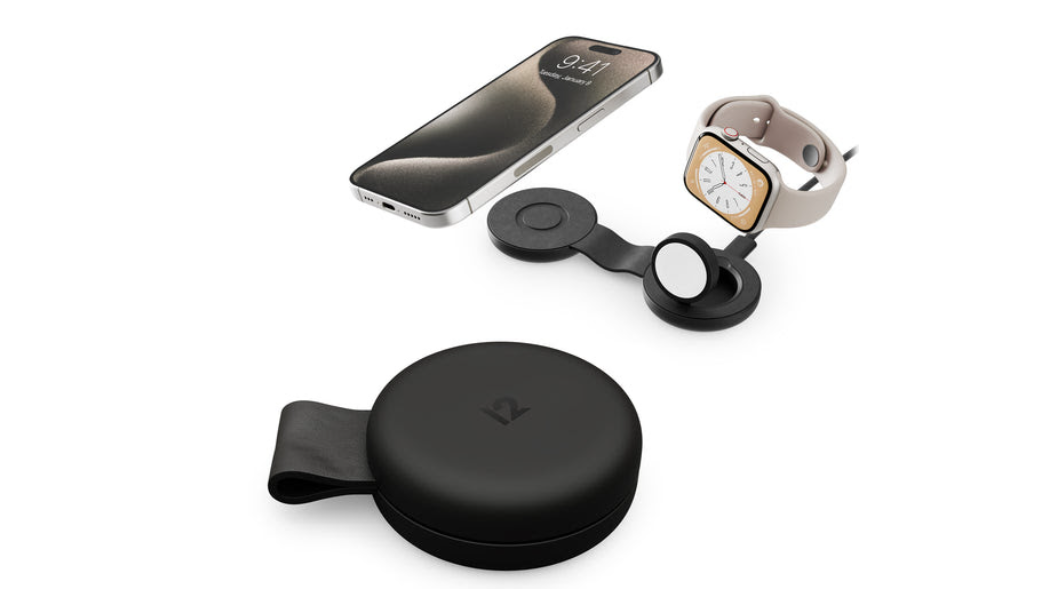
Combine all your charging needs in one, compact and beautiful solution with the Twelve South ButterFly SE. Ideal for travel as it fits in the palm of your hand, the 2-in-1 Qi charger allows users to simultaneously charge their iPhone and Apple Watch or AirPods from just one outlet, making it a handbag essential.
Strong magnets hold ButterFly SE closed while in your bag, which is then unfolded as required to charge devices. More than a charger, ButterFly SE morphs into a hands-free display stand. Stream shows, FaceTime, or use iPhone’s gorgeous StandBy Mode. The magnetic Apple Watch charger on ButterFlySE tilts up to use Nightstand Mode. ButterFly SE can also be used as a compact display stand when you’re just charging your Apple Watch. A coordinating braided USB-C charging cable is included.

Midland Steel Launches FasterFix Ready Mesh

Midland Steel, a leading Irish force in steel reinforcement innovation, has announced the launch of its newest breakthrough product, FasterFix Ready Mesh. The new mesh product is a pre-engineered, site ready, reinforcement system designed specifically to speed up housing completions in line with the Government’s Modern Methods of Construction (MMC) initiative.

With government targets of more than 50,000 homes per year to be delivered by 2030, FasterFix Ready Mesh is poised to play a vital role in delivering faster and more efficient builds.

This Irish designed and developed solution arrives on site fully prepared and custom-designed to each project, significantly cutting programme times and streamlining the building process. Some of the key benefits of FasterFix Ready Mesh include:

  • Ready-to-place units that reduce installation time and labour costs
  • No cutting or hot works, improving site safety and compliance
  • Zero site waste, enhancing sustainability and reducing costs
  • Lightweight panels for safer manual handling
  • Custom and standard sizes tailored to each house type
  • Manufactured using CARES-approved, low-carbon steel

Tony Woods, CEO of Midland Steel, stated: “Our FasterFix Ready Mesh is a perfect example of Modern Methods of Construction. It’s efficient, sustainable, and built for performance. We believe it can be a game-changer for house building in Ireland.”

Founded in Mountmellick, Co. Laois, Midland Steel has grown into a leading international provider of steel reinforcement solutions, with operations across Ireland, the UK and mainland Europe. It is renowned for its commitment to innovation, quality and sustainability and continues to shape the future of construction by delivering smarter, safer and more efficient reinforcements systems.

Midland Steel’s products have been used in the construction of numerous major projects including Aviva Stadium, Amazon data centres in Dublin and Intel in Leixlip. Recently, the company announced a strategic partnership to license its modular rebar technology to Nucor Corporation, the largest producer of steel in the US.

Campion Insurance sponsors cutting-edge Athlee camera system for Templeogue Swimming Club

Campion Insurance has announced its sponsorship of a revolutionary Athlee Camera System for Templeogue Swimming Club – marking a major technology investment in the club. Templeogue becomes one of the first swimming clubs in Ireland to integrate this world-leading technology into their training, reaffirming its position at the cutting edge of coaching innovation and athlete development.

This sponsorship reflects a shared vision between Campion Insurance and Templeogue Swimming Club – one centred on high performance, continuous improvement, and community leadership.

The Athlee System, already trusted by elite international swimming programmes, offers advanced underwater and above-water video analysis capabilities. This system allows for real-time feedback and frame-by-frame breakdowns of stroke mechanics, turn execution, and race starts – elements that can define elite-level performance. It is a game-changing tool for coaches and swimmers who are striving to gain a competitive edge.

Brian Sweeney, Head Coach at Templeogue Swimming Club, praised the new technology: “The Athlee System brings a new competitive edge to Templeogue. Our coaches now have a powerful tool to deliver precision feedback, and our athletes – whether they are juniors, seniors, or masters swimmers – will benefit immediately from enhanced technical analysis. This is a significant step forward for the club and we thank Campion Insurance for their support.”

The system will be utilised across the club, including by two-time Olympian Ellen Walshe, who is currently preparing for the World Championships in Singapore later this year.

“Having access to the Athlee System is a game-changer,” said Walshe. “Every detail matters at this level, and now we can fine-tune our technique like never before. I’m excited to use it as part of my race preparations.”

Templeogue Swimming Club’s Masters Team, a successful group of adult competitive swimmers, will also benefit from the system. With several athletes representing the club at past European Masters Championships and upcoming World Masters Championships in Singapore, the integration of elite-level analysis technology further strengthens the Masters programme.

Campion Insurance has a strong tradition of supporting community initiatives and performance excellence. Speaking about the Athlee System Damian Smith, Head of Commercial at Campion Insurance said, “Campion Insurance is delighted to partner with Templeogue Swimming Club. Their constant drive for excellence and willingness to embrace innovative technology to stay ahead mirrors our own values. We’re proud to support a club that develops talent from grassroots to the world stage.”

How to Use Crypto Securely in Ireland: Devices, Apps, and Safety Tips

Cryptocurrency use in Ireland has grown quickly, offering both a flexible payment option and an alternative investment. However, with crypto, users are fully responsible for protecting their assets. There are no banks to reverse fraud or recover lost keys. Security depends on the device used, the apps chosen, and daily habits. For anyone in Ireland using crypto, staying secure is essential.

Using Secure Devices for Crypto Transactions

A secure device is the foundation of any safe crypto setup. For Irish users, this usually means a personal smartphone or laptop that’s regularly updated and well-maintained. Operating system updates patch security flaws, while antivirus software and a firewall help block threats. These tools should always run in the background, with auto-updates enabled.

Public Wi-Fi, common in cafés or during commutes, poses risks since data can be intercepted. A virtual private network (VPN) adds encryption and helps protect sensitive activity. Ideally, crypto transactions should be carried out on a home network using a clean, trusted device.

Some users take this further by setting up a separate phone or computer solely for crypto use. After a factory reset, the device runs only essential apps and stays offline unless needed. This approach adds another layer of protection, especially when making crypto payments on entertainment platforms such as online casinos, where safeguarding wallet access and private keys is essential for peace of mind.

Gambling expert Viola D’Elia from ESI notes that top no-verification platforms take security and anonymity to another level. These sites don’t require players to provide sensitive personal or financial details. Instead, registration typically involves just an email address, a username, and a password. This low-barrier setup enhances anonymity while still offering access to thousands of provably fair games and enabling near-instant, secure payouts through a wide range of cryptocurrencies. By combining strong device protection, smart internet practices, and a mindset focused on privacy, users can confidently navigate the crypto space while keeping their assets safe and their identity protected.

Choosing Trustworthy Crypto Wallets

In Ireland, users can choose from mobile, desktop, hardware, and browser-based crypto wallets, each offering a different trade-off between convenience and security. Mobile wallets are quick and useful for small transactions, but can be compromised if a phone is lost. Desktop wallets provide more features but still operate online, making them vulnerable. Hardware wallets like Ledger and Trezor keep private keys offline and are widely regarded as the most secure option. Though they require an upfront cost, they offer strong protection by staying disconnected except during transactions. Browser-based wallets are convenient but require caution; always verify site legitimacy and avoid entering sensitive details unless sure of the source. Whenever possible, users should use wallets that grant full control of private keys, as custodial options limit personal ownership.

Protecting Passwords and Enabling Two-Factor Authentication

One weak password can result in the complete loss of assets. That’s why password hygiene matters. Avoid using the same login details across multiple platforms. Irish users should rely on reputable password managers to create and store strong, unique passwords. This makes it harder for hackers to guess or brute-force access to crypto accounts.

Two-factor authentication (2FA) is also essential. Instead of relying solely on a password, users receive a second confirmation code before gaining access. SMS-based codes can work, but they are more vulnerable to SIM swap attacks. A more secure method is to use an authenticator app, like Google Authenticator or Authy. These apps generate time-sensitive codes and cannot be intercepted in the same way.

For higher-value accounts, physical security keys such as YubiKey can take authentication even further. In these cases, an attacker would need the physical device in addition to knowing the password. Adding these extra steps might feel inconvenient at first, but they significantly reduce the risk of losing access or having accounts compromised.

Securing Seed Phrases and Backup Systems

The most important part of any wallet setup is the seed phrase, a sequence of words that can recover the entire wallet. In Ireland and beyond, many have lost life-changing amounts by storing it on phones, computers, or cloud services.

Never save a seed phrase digitally. Instead, write it down by hand and store it in a fireproof safe or another secure place only you or trusted individuals can access. Metal backups are also reliable, offering durability against fire or water damage. Ideally, keep copies in two or more locations to reduce risk.

It’s smart to test recovery now and then. Setting up a secondary device and restoring from the phrase, without moving funds, ensures it works and that no words are missing or incorrect.

Avoiding Common Scams and Phishing Attempts

As Ireland’s crypto scene grows, so does the risk of scams, phishing being one of the most common. Fake websites, emails, or apps mimic trusted services to steal passwords or seed phrases.

Always check URLs carefully when accessing wallets or exchanges. Bookmark the official site and avoid clicking on urgent messages like “Your account will be locked.” Never open links or files from unknown emails or social media messages.

Social engineering is also a concern, with scammers posing as support staff or influencers. No legitimate service will ever ask for your private key or seed phrase. If they do, it’s likely a scam. 

Conclusion

Crypto security in Ireland starts with personal responsibility. Whether managing €100 or €100,000, the same principles apply. Using secure devices, strong passwords, private wallets, and reliable backups helps protect against common threats. Staying alert to phishing and using only registered platforms ensures safer transactions. With steady habits and awareness, crypto can remain a secure part of your financial toolkit.


JCB Phone Launches New Rugged Smartphone Range

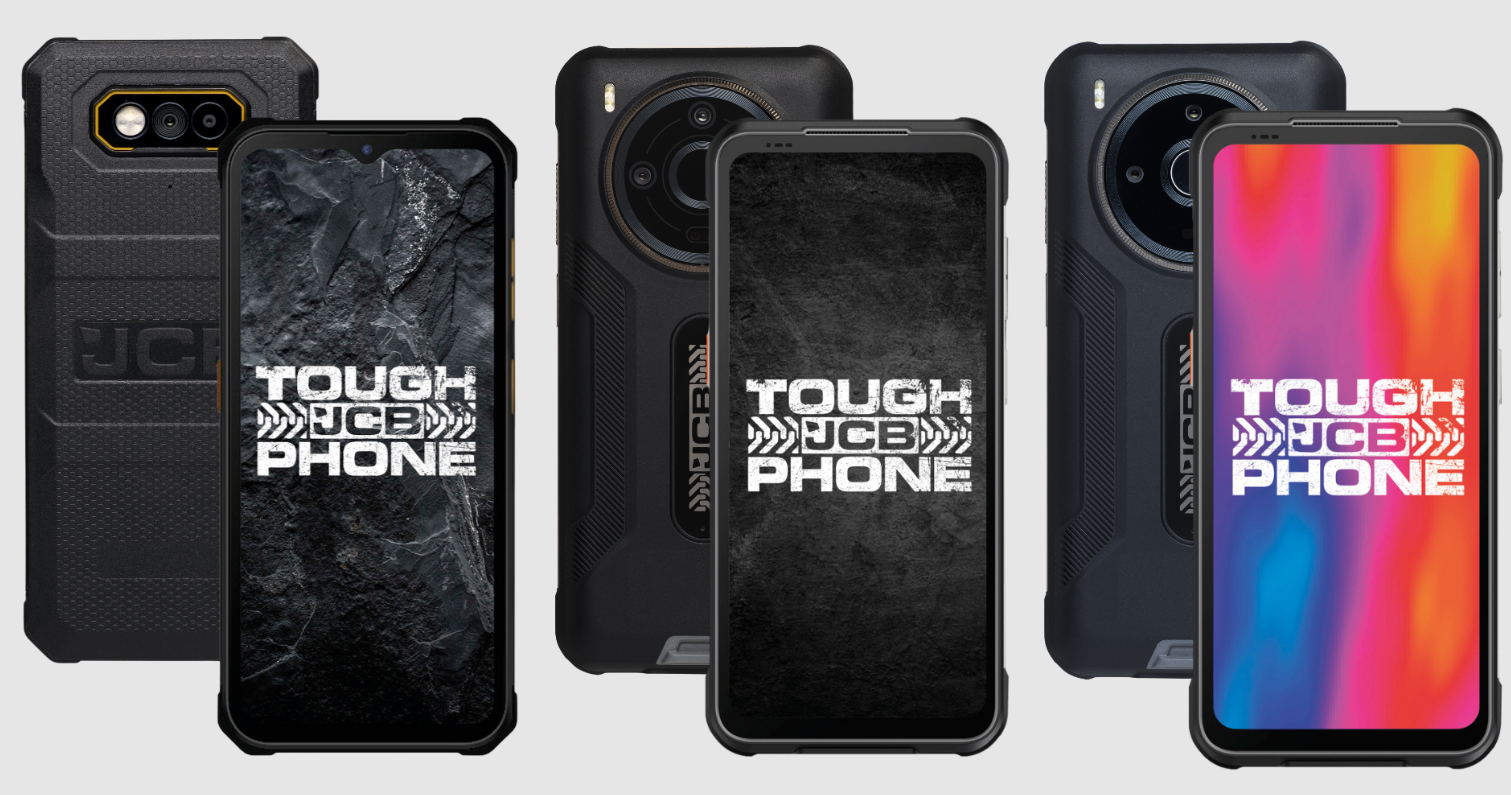
JCB Phone today unveiled its latest lineup of rugged smartphones, the JCB Toughphone E10, M20, and P20, as the company embarks on international expansion across Europe, Africa, Australasia and Latin America. Engineered for professionals in construction, logistics, agriculture, and emergency services, the new range delivers a powerful combination of durability, intelligent design, and performance in the toughest conditions.

At the heart of the launch is the JCB Toughphone E10, a slim, ultra-tough smartphone built for modern B2B deployments. Featuring Android 15, eSIM support, and multi-day battery life, it delivers serious enterprise capability. Ideal for fleet rollouts, the E10 combines outstanding value with premium rugged credentials including IP69K/MIL-STD-810H ratings, night vision camera, and 1.8m drop protection.

The Toughphone M20 and P20 models are designed to go further, packing heavyweight features for demanding users. With massive battery capacity, high-brightness displays, and enhanced durability, they’re built to be the ultimate reliable business tools for long shifts in extreme conditions. The P20 also becomes JCB Phone’s first device to feature an integrated thermal imaging sensor, which is perfect for inspection, diagnostics, and safety monitoring in complex environments.

The launch follows strong growth in the UK and a strategic investment in leadership to support international scale. In early 2025, JCB Phone appointed Pete Cunningham as Chief Strategy Officer and Chris Millington as Global Sales Director, combining decades of experience in mobile strategy and rugged device distribution.

“We’ve built a solid foundation in the UK, and now we’re focused on scaling internationally,” said Roy Taylor, CEO of JCB Phone. “This new range reflects what our customers have told us they need: tough, dependable smartphones with practical features that work in extreme conditions, all at a price point that makes sense for business.”

Industry experts remain optimistic about the rugged category. Ben Wood, Chief Analyst at CCS Insight commented. “While the rugged smartphone market has contracted over the past few years, there’s still a clear opportunity for companies that are lean, flexible and truly focused on customer needs. JCB Phone is well-positioned to meet that demand with a widely recognised brand and a clear product vision.”

The new JCB Toughphones will be available across Europe immediately, with rollout to Africa, Australasia and Latin America to follow.

See our Reviews on phones and more