What to Do if Your Phone Is Stolen: 7 Essential Recovery Tips

With the rising cost of phones, comes the rising cases of theft. Like minded  Tech Expert Joe Davies shares tips on how to recover yours if lost.
In the age of expensive smartphones, the rising trend of phone thefts, and the ever-present risk of losing your device, it’s essential to be prepared. Phones now contain much more than just contact lists and photos.
They now also hold sensitive information and act as our connection to the digital world. With TikTok trending hacks and expert advice, we break down how you can improve your chances of finding your stolen phone.
The TikTok Hack: Can It Help You Find Your Stolen Phone?
Recently, a TikTok video went viral, showing a hack for tracking a stolen phone. By using the “Find My” feature from Apple or Google, it demonstrated how you could locate your device if it’s turned on and connected to the internet. This hack, while useful in theory, is not always reliable, particularly if the thief has turned off the phone or disabled location services.
“The viral TikTok hack is a good starting point, but it’s not a complete solution. If your phone is off or disconnected from the internet, you’re left with limited options. Always ensure that the necessary tracking services are enabled before any potential loss.”
That said, while the hack can be part of the solution, here are some other effective strategies to help you recover your stolen device.
7 Tips to Find Your Stolen Phone
  1. Use Find My iPhone (Apple Devices) or Find My Device (Android)
Apple and Android devices come with pre-installed features designed to track your phone. If you have “Find My iPhone” or “Find My Device” enabled, these tools can pinpoint your phone’s last known location. Additionally, they offer the ability to lock your device or erase sensitive data remotely.
“One of the most reliable ways to track a stolen phone is through the manufacturer’s built-in features. Just make sure they’re enabled beforehand, or you’ll miss out on these helpful tools.”
  1. Contact Your Service Provider
If location tracking doesn’t lead to your phone, reach out to your mobile network provider. They may be able to track your device’s IMEI number (a unique identifier for your phone) and lock it remotely to prevent further use.
  1. Remote Lock Your Phone
Whether you’re using an iPhone or Android, remote locking can prevent thieves from accessing your personal data. “Find My iPhone” and “Find My Device” both offer the option to lock your phone remotely, offering some peace of mind in case the phone can’t be recovered right away.
  1. Report the Theft to Local Authorities
While you may not be able to track your phone in real-time, it’s important to file a police report. This not only helps with the recovery process but is necessary for insurance claims. Some local law enforcement agencies have the means to trace stolen phones based on their IMEI numbers.
  1. Check Lost-and-Found Services
Many airports, malls, and other public places have lost-and-found services. If you’ve lost your phone while out and about, make sure to check with them in case someone turned it in.
  1. Use Third-Party Apps
Third-party apps like Lookout or Prey offer additional tracking options and remote control of your phone, such as taking photos of the thief, locking your phone, or erasing your data.
“Third-party apps can be a good backup option, but you need to install them in advance. These apps may not be as effective as the built-in features, but they offer extra layers of security.”
  1. Protect Your Phone with a Case and Screen Protector
While this doesn’t help you track a stolen phone, using a protective case makes your phone less appealing to thieves. A bulky or uniquely designed case can act as a deterrent.
While recovering a stolen phone is not always guaranteed, taking these steps can increase your chances. However, the most effective way to protect yourself is to ensure your phone is equipped with the necessary security settings before any incident occurs. Enable location tracking, use strong passwords, and stay vigilant when in public spaces.
“The best way to prevent a phone from being stolen is to be proactive. Prevention is always better than trying to recover something once it’s gone.”
With these tips and expert advice, you’ll be better prepared to find your phone if it’s stolen or lost. But, ultimately, safeguarding your device starts with taking simple steps to protect it from theft.

Suretank nurtures Louth engineering talent with bursary programme

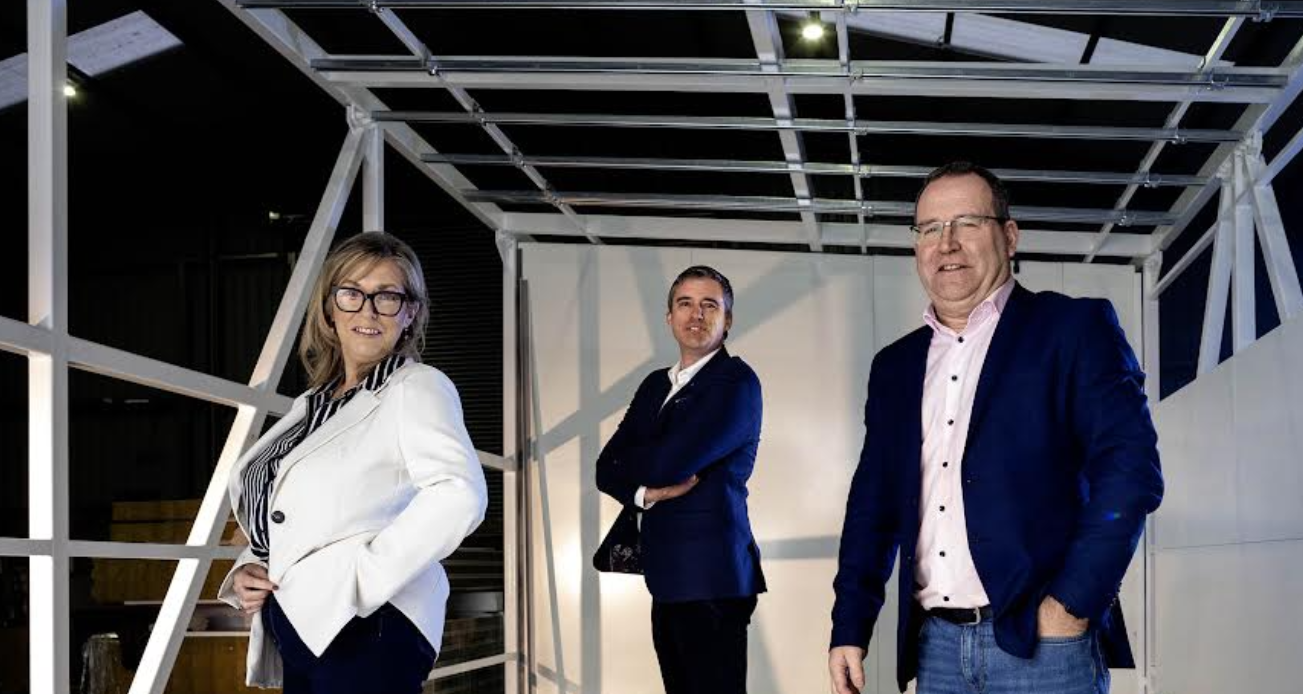
Suretank, the leading provider of modular and tank solutions for global infrastructure, pharma, marine and energy companies, has announced the expansion of its bursary programme to include two additional bursaries to support the next generation of engineering talent. The bursary programme has now been named The Tom Moody Programme for Engineering Talent, a reflection of the legacy left by Suretank’s General Manager, Tom Moody, who died earlier this year.

The expansion of the bursary programme marks Suretank’s 30th anniversary in business. It follows the company’s recent announcement that it is creating 80 new jobs in the Louth region, strengthening its commitment to investing in the community and driving further business growth. As demand for engineering talent in Ireland remains high, the programme will ensure Suretank continues to develop its own in-house engineering talent, serving a global customer base. The company’s engineering department boasts 30 engineers with expertise in mechanical, electrical and structural engineering.

The Tom Moody Programme for Engineering Talent will now become an annual partnership with Dundalk institute of Technology (DkIT). It is designed to support engineering students in their academic journey and includes the payment of college fees and expenses, along with paid work placements throughout the year in Suretank’s cutting-edge facilities in Louth. Additionally, recipients receive guided mentorship to ensure they develop the practical skills and expertise necessary to thrive in their careers.

This extension builds on the success of the company’s first bursary, launched in October last year, and reflects Suretank’s ongoing commitment to investing in the next generation of talent and supporting the local community. It comes in addition to Suretank’s apprenticeship programme, which last year saw one of its apprentices, Jamie Kirwan, named Apprentice of the Year Award (Electrical) at the Generation Apprenticeship Ireland Awards.

Applications are open to third-year students at Dundalk Institute of Technology studying for degrees in Mechanical Engineering, Electrical & Electronic Engineering, and Architectural Technology. Click here for more information and to apply.

Dymphna Conlon, People & Organisation Development (P&OD) Manager said:

“At Suretank, we are deeply committed to empowering the next generation of engineers while giving back to the community that has supported us for the last 30 years. Expanding our bursary programme reinforces our long-term investment in the local region, providing students with a valuable opportunity to gain a head start in their careers.

“This initiative also honours the legacy of our colleague, Tom Moody, who was a strong believer in nurturing talent and his dedication and spirit left a lasting impact on all of us. By offering hands-on experience, mentorship, and the skills needed to succeed, these bursaries celebrate his memory in the most meaningful way—by supporting the future of engineering talent. More than just financial assistance, this is our ongoing commitment to people, progress, and the potential within our community.”

Virtual Reality in Education: The Future of Learning Right Ahead

Virtual reality (VR) has gone from the domain of science fiction into the mainstream in recent years, transforming sectors including entertainment to healthcare. Its ability to revolutionize education is now acquiring impetus.

VR is revolutionizing schools and teachers especially in science education as they search for creative approaches to involve digital-native students and close the theory-practice gap.

Outline virtual reality and explain its applications.

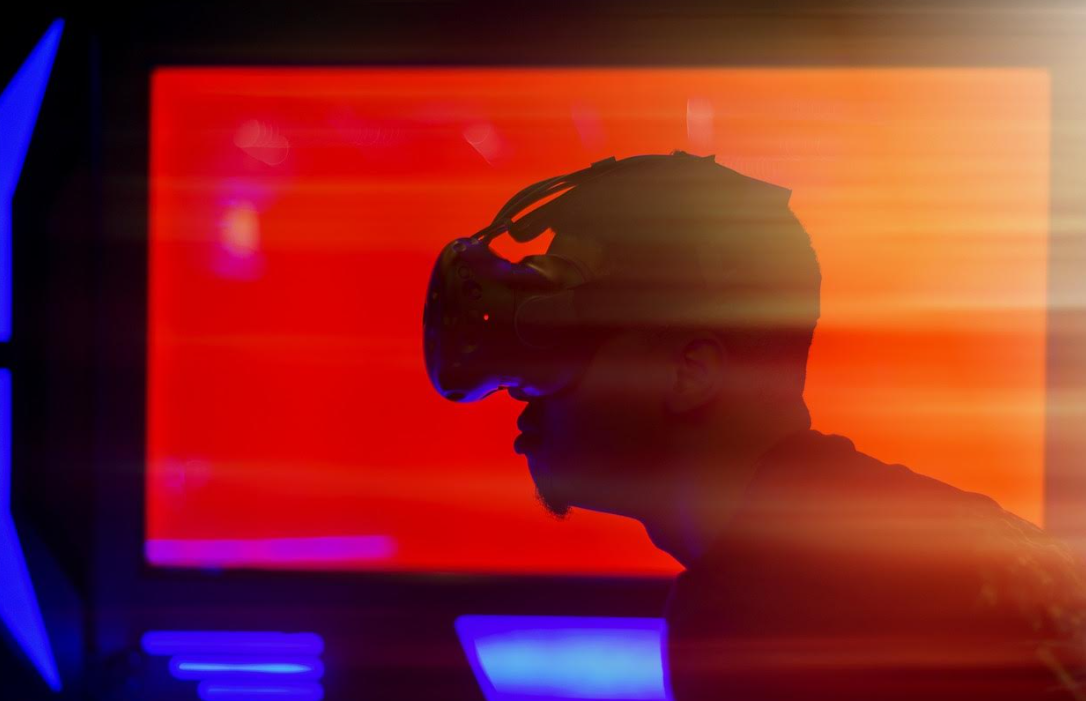
Virtual reality is the simulated experience that might be either exactly like or quite different from the real world. Usually, it uses a headgear that envelops the user in a 3D environment so enabling real-time interaction with digital elements.

Users can experience scenarios from a first-person point of view, move across the surroundings, and handle objects.

VR is already rather extensively applied outside of the classroom. Medical students perform procedures in virtual operating rooms in hospitals. In architecture, designers stroll through virtual building models before they are ever built.

Gamers enter large virtual worlds with lifelike graphics and physics in entertainment. All of these programs have as their common thread immersion and interactivity—qualities that can be quite effective in the classroom.

Why Virtual Reality in Education Might Be the Next Frontier

Virtual reality in education marks a major change in the way teachers present materials and students absorb knowledge. Lectures, textbooks, and sporadic hands-on exercises define conventional classroom environments.

Although these strategies have many benefits, they can find it difficult to involve students completely, particularly in relation to abstract or difficult topics including chemistry, physics, or biology. VR presents a chance to bring learning more physical and interactive.

Imagine students seeing real-time oxygen-rich blood flow across arteries as they investigate the human circulatory system from the inside. Alternatively, chemistry students working in a totally safe digital lab on perhaps hazardous reactions.

Deeper knowledge and long-term memory depend on VR transforming students from passive receivers into active participants.


Benefits of VR in Education

Using virtual reality in classrooms offers many benefits. Among the most convincing advantages of VR are its capacity to support active learning, increase participation, and produce unforgettable learning opportunities. Here are a few main advantages:

1. Enhanced Involvement and Motivation

Students that participate actively in their education are more likely to remain involved. VR brings an exciting quality absent from many conventional approaches. Using cutting-edge technology in conjunction with immersive storytelling and interactive surroundings makes courses unforgettable and fun.

2. Enhanced Conceptual Knowledge

Like molecular structures, gravitational forces, or electromagnetic fields, abstract ideas are famously challenging to teach. Often directly manipulating these ideas, VR lets students see them in three dimensions. This spatial interaction makes learning more natural and helps one to grasp.

3. Safe and Understood Environment

Many experiments in disciplines including chemistry or physics include hazards that restrict active student participation. In a real-world classroom, VR lets students run experiments that would be too costly, dangerous, or logistically difficult. Errors become inevitable in the course of learning without any practical repercussions.

4. Individualized Education

One can create VR systems to fit different learning environments by means of design. Immersion graphics help visual learners; kinesthetic learners value interactive simulations. Some sites even provide real-time comments to help students through courses at their own speed.

5. Inclusiveness and Accessibility

VR can provide experiences otherwise unattainable for students with disabilities or those living in remote areas. Virtual field trips, 3D visualizations, and simulated labs help to level the playing field and offer equal learning possibilities.

Useful VR Applications for Science Education

There is nowhere more clear the influence of VR than in STEM education, especially science. These are a few useful approaches VR is now being used in science classrooms:

1. Virtual laboratories for science

Creating virtual labs where students may conduct experiments without using actual materials is one of the most efficient applications of VR. Under a VR helmet, platforms like Futuclass—which provides modules allowing students to balance chemical equations, mix elements to form compounds, or see exothermic reactions—offer These labs provide hands-on experience that supports theoretical knowledge by simulating real-world physics and chemical interactions.

2. Human Biography and Anatomy

Students could investigate the human body in 3D rather than learning diagrams from a textbook by memory. Learners can “walk through” organs, see body processes in action, and even replicate surgical operations using virtual reality. Higher education and medical training, where a better knowledge of anatomy is crucial, benefit especially from this approach.

3. Physics Replays

From grasping Newton’s laws to experimenting with electromagnetism, VR lets students visualize forces, motion, and energy transfer in ways that would be challenging in a conventional lab. Students can, for instance, instantly see how changes in variables like gravity or friction affect outcomes—something impossible in a real-world classroom. This allows them to control those variables.

4. Environmental and Earth Sciences

In environmental science education VR is also creating waves. Students might investigate several ecosystems, see how climate change is affecting things, or go through geological events like earthquakes or volcanic eruptions. These immersive events inspire closer involvement by making world problems feel instantaneous and personal.

5. Discovery of Space

 Virtual reality lets students travel across the solar system, land on Mars, or negotiate the International Space Station, so transforming their lessons in astronomy. This not only piques interest but also helps to place difficult astrophysical ideas in a context never possible in textbooks.

Using VR in Education: What More Is Needed?

Although the advantages are obvious, using VR in learning environments does call careful preparation:

  • Schools need VR headsets, ideally with high-resolution displays and easy controls. Affordable choices for classroom use are Meta Quest, which provides wireless, stand-alone capability.

     
  • Software and Content: Excellent learning materials are absolutely vital. Curriculum-aligned VR modules especially meant for middle and high school students are offered by external providers.

     
  • Teachers have to be at ease using VR technology and including it into their lessons. Many companies provide onboarding and support to guarantee seamless adoption.

     
  • Important factors also include infrastructure: charging stations, a stable Wi-Fi connection, and an area where students might safely use VR headsets.

     
  • Safety and Monitoring: Schools should create procedures for supervised use, so guaranteeing that sessions are catered to avoid motion sickness or disorientation and that students use the equipment responsibly.


Last Words

Virtual reality in education offers a present-day chance to rethink how we teach and learn, not a futuristic dream. The possibilities to create interesting, significant, and successful learning environments become almost endless as more universities embrace immersive technologies.

Particularly in science education, VR provides a strong means to bring abstract ideas to life, so enabling students to investigate, experiment, and really comprehend the surroundings.

Investing in this transforming technology now will help teachers equip their students for the real-world challenges of tomorrow rather than only for tests.

Majority Audio expands their turntable range: Introducing the Majority Stylo Bluetooth Turntable

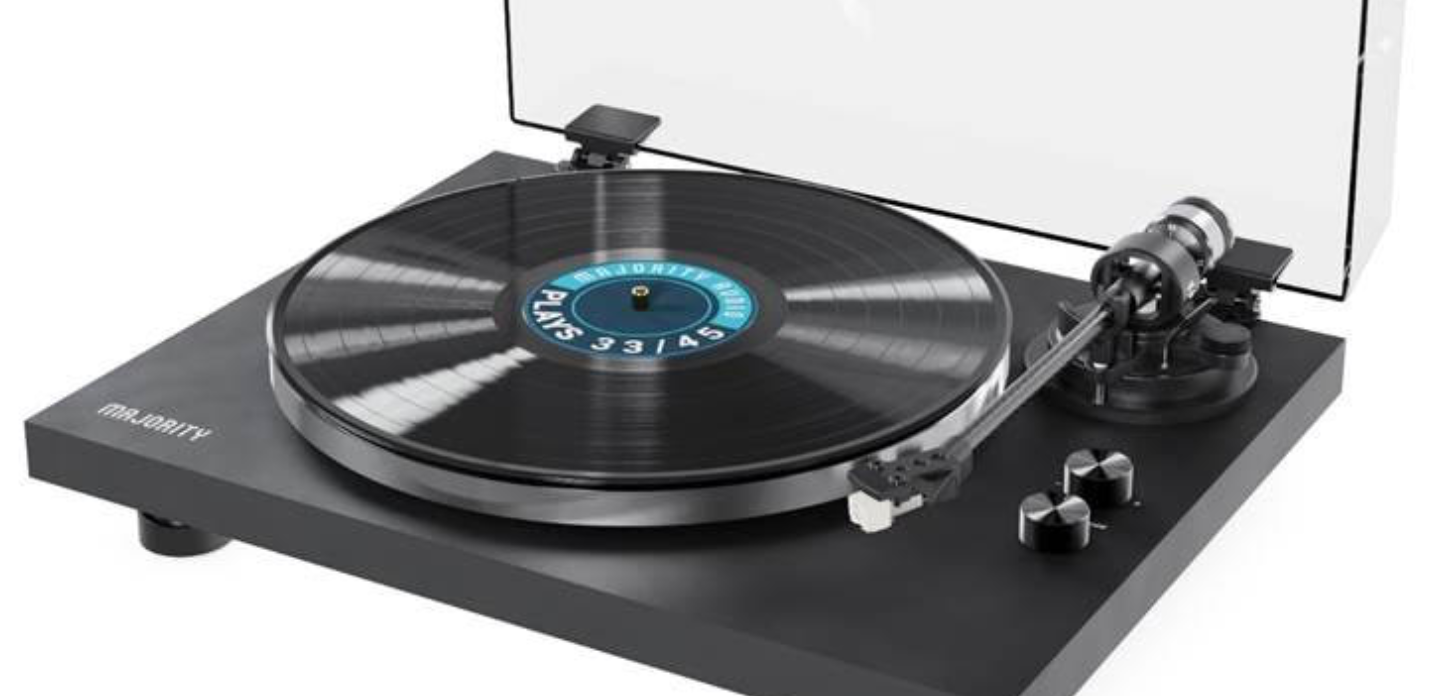
Majority Audio, known for its range of audio products, today announced the launch of its latest audio product, the Majority Stylo Bluetooth Turntable. This turntable is designed to offer a combined experience of traditional vinyl record playback and modern Bluetooth wireless connectivity. The Stylo aims to provide an accessible way for users to enjoy their vinyl collection with the flexibility of wireless audio streaming.

“Majority Audio aims to create products that enhance the listening experience,” says Eddie Latham, Co-Founder & Director at Majority Audio. “With the Stylo turntable, we’re providing a balance of classic audio and modern technology, making it easier for people to enjoy vinyl in a way that suits their needs.”

The Majority Stylo allows users to enjoy their vinyl collections with both traditional and modern audio setups. It features Bluetooth output for wireless streaming to compatible speakers or headphones, providing freedom from cable clutter. For those who prefer a classic wired connection, the turntable is also equipped with RCA output.

A key element of the Stylo’s design is its focus on sound quality and accuracy. The turntable incorporates an Audio Technica AT3600L moving magnet cartridge, known for its clear and detailed audio reproduction. This is complemented by a lightweight aluminium platter, which provides stable rotation, and a carbon fibre tonearm, engineered for rigidity and precise tracking of the record groove. The inclusion of an adjustable counterweight allows users to fine-tune the tonearm balance for optimal stylus pressure.

For further control over the listening experience, the Majority Stylo features a pitch control function. This allows users to make subtle adjustments to the record’s playback speed, accommodating variations in recordings or personal preferences. The turntable supports both 33 and 45 RPM playback speeds.

The Stylo is available on Amazon for £199.95.

Key Features of the Majority Stylo:

  • 5.3 Bluetooth Connectivity
  • Adjustable Counterweight
  • Premium soft mat
  • Pitch Control
  • AT3600L Audio-Technica Moving Magnetic Cartridge
  • Lightweight Aluminium Tonearm
  • Diecast Metal Platter
  • Plays 33/45 Vinyl Records
  • Dimensions: 42.6X33.2X13.1 cm
  • Weight: 4.6kg

See our Majority reviews 

Tony Hawk Joins The Skullcandy Team as Newest Brand Ambassador

Lifestyle audio brand Skullcandy continues to expand its team of notables in the surf, snowboard, and skateboarding landscape with the addition of a new brand ambassador, the legendary skateboarder and cultural icon, Tony Hawk. Hawk joins a stacked team of skateboarders, including Andrew Reynolds, Nora Vasconcellos and Louie Lopez. His authentic connection to music, skate culture, and community makes him a perfect fit for Skullcandy’s fearless and forward-thinking brand ethos.

Tony Hawk’s accomplishments on and off his skateboard have helped to make him one of the most recognizable figures in skateboarding and pop culture. He has pioneered the creation of more than 80 tricks in vert skateboarding, including the legendary 900. His Tony Hawk’s Pro Skater video game series, first launched in 1999, has exposed countless people to skateboarding, creating a new path for fans to participate in Skate.

His charitable foundation, The Skatepark Project (formerly the Tony Hawk Foundation), has awarded over $13 million in grants to over 660 skatepark projects throughout the United States. From revolutionizing vert skating to shaping generations through his video games, nonprofit work, and popular podcast “Hawk vs Wolf,” Tony continues to push boundaries and inspire progression on and off the board.

“Welcoming Tony to the Skullcandy family is the latest example of how we’re strengthening our authentic connection to skateboarding and adjacent cultures,” said Justin Regan, VP of Brand at Skullcandy. “Tony represents everything Skullcandy stands for—fearless expression, lasting impact, and love for the lifestyle. He’s not just a pro skater—he’s a movement. And that movement has always had a soundtrack.”

Hawk’s passion for music has been a lifelong thread in his story—whether it’s the punk tracks that fueled early contest runs or the playlists he curates today. A longtime fan and customer of Skullcandy, Tony has been purchasing headphones and earbuds for himself and his family for over two decades.

“I’ve always appreciated Skullcandy’s commitment to the skate community, music, and doing things their own way,” said Hawk. “I’ve used their products for years and am excited to officially partner with a brand that aligns with my culture and values.”

Stay tuned for exclusive content, product drops, and campaign collaborations with Tony Hawk as Skullcandy continues to redefine what it means to be a lifestyle audio brand rooted in board sports and creative self-expression. Among other activations, Hawk will be featured prominently in an upcoming campaign set to launch on April 15th, 2025.

See our Skullcandy Reviews

From Smart Floors to AI Surveillance: How Tech is Preventing Slip and Fall Accidents

Slip and fall accidents are one of the most common causes of injuries in public and private spaces. From shopping malls to construction sites, these incidents often result in costly medical bills, lost wages, and even legal battles. As technology continues to advance, innovative solutions are emerging to prevent these accidents before they happen. Businesses and property owners are now integrating smart technology to enhance safety, reduce liability, and create a more secure environment for employees and visitors.

From sensor-embedded floors to AI-powered surveillance, cutting-edge innovations are reshaping accident prevention. These technologies not only help detect hazards but also assist in immediate intervention, preventing injuries in real time. The fusion of artificial intelligence, robotics, and wearables is transforming safety measures, making slip and fall prevention more proactive than reactive.

The High Cost of Slip and Fall Accidents

According to a leading law firm, slip and fall accidents are not just minor inconveniences—they can have devastating financial and legal consequences. According to the National Floor Safety Institute, over one million people visit emergency rooms each year due to falls. These incidents are also a leading cause of workers’ compensation claims, costing businesses billions annually in medical expenses, lost productivity, and legal settlements.

For businesses and property owners, failing to address slip and fall risks can lead to expensive lawsuits. Courts often rule against establishments that neglect safety measures, especially when hazards like wet floors or uneven surfaces are left unattended. As a result, companies are seeking smarter ways to prevent these accidents and mitigate legal exposure. This is where technology steps in, offering advanced tools that help detect, analyze, and eliminate potential dangers.

Smart Floors: The Future of Fall Prevention

One of the most exciting innovations in slip and fall prevention is the development of smart flooring systems. These floors are equipped with embedded sensors that detect changes in pressure, moisture, and surface conditions. When a hazard is identified, the system sends real-time alerts to building managers or maintenance teams, allowing for immediate corrective action.

Smart floors are particularly beneficial in high-traffic areas such as airports, hospitals, and shopping centers, where rapid spill detection can prevent numerous accidents. Some systems even integrate with mobile apps, notifying staff members the moment a spill or obstruction occurs. By eliminating hazards before they cause injuries, smart flooring technology is revolutionizing accident prevention.

AI-Powered Surveillance and Real-Time Hazard Detection

Artificial intelligence is playing a major role in accident prevention, particularly through the use of AI-powered surveillance cameras. Unlike traditional security systems, these smart cameras do more than just record footage—they actively analyze environments in real time, detecting potential hazards such as wet floors, loose cables, or uneven walkways.

When a risk is detected, AI-driven software can send automated alerts to safety personnel, prompting immediate action. Some systems even integrate with public address speakers, issuing verbal warnings to pedestrians approaching hazardous areas. These advancements not only improve safety but also help businesses document and analyze recurring risks, allowing them to implement long-term preventive measures.

Wearable Tech: Preventing Falls Before They Happen

While smart floors and AI cameras focus on environmental hazards, wearable technology is helping individuals reduce their personal risk of falling. Devices such as smart insoles, fall-detection watches, and balance-monitoring wearables are being developed to detect early signs of instability, particularly in elderly individuals or those with mobility issues.

For workplaces, wearable sensors embedded in employee uniforms can provide real-time data on posture, movement, and fatigue levels. If an employee is at risk of falling due to exhaustion or improper balance, the device can issue a warning or even vibrate to correct posture. This proactive approach can help reduce workplace injuries, improving both safety and productivity.

The Role of Robotics in Hazard Cleanup

Beyond detection and prevention, robotic technology is playing a significant role in accident prevention by automating hazard cleanup. AI-driven cleaning robots, such as those used in airports and large commercial spaces, can detect spills, debris, or icy patches and clean them immediately. These autonomous machines work 24/7, ensuring that hazards are eliminated before they pose a risk.

In addition, some advanced robots are being designed to scan floors for potential wear and tear. By identifying cracks, loose tiles, or other structural risks, these robots help property managers address issues before they turn into serious safety concerns. With robotics streamlining maintenance tasks, businesses can create safer environments while reducing human labor costs.

Legal Implications: Can Technology Shift Liability?

As these technologies become more widespread, an important legal question arises: Does the use of smart safety technology change liability in slip and fall cases? If a business implements AI surveillance, smart flooring, or wearables but still experiences an accident, could they be held responsible for failing to act on the technology’s warnings?

While courts have not yet set clear precedents on this issue, businesses adopting these technologies may need to demonstrate that they respond appropriately to alerts and warnings. In the future, failing to use available safety technology could even be seen as negligence. Ultimately, while technology can reduce risk, it does not replace the duty of care that property owners and employers owe to their visitors and staff.

Conclusion: The Future of Slip and Fall Prevention

Technology is reshaping the way businesses and individuals approach slip and fall prevention. From AI-driven surveillance to smart flooring and robotic cleanup, these innovations are making accident prevention more proactive and efficient. As companies continue to adopt these advancements, we can expect a future where slip and fall incidents are significantly reduced.

However, technology alone cannot eliminate liability. Property owners and businesses must integrate these tools with proper safety protocols and response measures. By combining cutting-edge technology with strong safety policies, we can create safer environments that protect both people and businesses from the costly consequences of slip and fall accidents.

AI, Wearables, and Virtual Trials: The Future of Technology in Personal Injury Law

Technology is reshaping every industry, and the legal field is no exception. In personal injury law, cutting-edge advancements such as artificial intelligence (AI), wearable technology, and virtual courtrooms are revolutionizing how attorneys handle cases. These innovations improve case preparation, enhance evidence gathering, and streamline legal proceedings.

Personal injury lawyers are leveraging these tools to strengthen their arguments, improve client advocacy, and navigate the legal system more efficiently. As digital solutions continue to evolve, they are transforming the way legal professionals approach litigation, ultimately leading to better outcomes for accident victims.

The Digital Transformation of Personal Injury Law

Technology has always played a role in legal work, but recent advancements are accelerating the pace of change. According to Brown, Bass and Jeter, AI-driven legal research, predictive analytics, and automation are enabling lawyers to handle cases more efficiently than ever before. These tools not only save time but also enhance accuracy in case assessments and legal documentation.

Beyond AI, wearable devices and virtual reality (VR) are redefining how evidence is collected and presented. Wearables provide real-time health data that can support injury claims, while VR and 3D reconstructions create compelling visual presentations for judges and juries. Together, these innovations are reshaping personal injury litigation.

AI in Case Preparation and Legal Research

AI-powered legal research tools are transforming the way personal injury lawyers prepare cases. Traditionally, attorneys had to manually sift through thousands of case files, court rulings, and legal precedents. Now, AI-driven platforms can analyze vast amounts of data within minutes, identifying relevant case law and predicting potential legal strategies.

Machine learning algorithms also play a key role in evaluating the likelihood of case success. By analyzing past settlements and court rulings, AI can predict compensation amounts, allowing lawyers to develop more effective strategies. This not only benefits attorneys but also helps clients set realistic expectations for their claims.

Wearables as Evidence in Personal Injury Cases

The rise of wearable technology has introduced a new form of digital evidence in personal injury cases. Devices like smartwatches and fitness trackers collect valuable health data, including heart rate, physical activity levels, and sleep patterns. These records can provide objective proof of how an injury has affected a person’s daily life.

For example, if an accident victim’s fitness tracker shows a drastic reduction in mobility following an injury, this data can support their claim for compensation. Additionally, wearables can refute false claims made by insurance companies, ensuring that victims receive fair settlements based on concrete evidence.

Beyond personal injury claims, wearables can also be crucial in determining liability. A smartwatch with GPS capabilities can provide location data that verifies a victim’s movements at the time of an accident. In cases involving car crashes or workplace injuries, this information can corroborate witness statements or security footage, strengthening a lawyer’s argument. As wearable technology continues to evolve, its role in legal proceedings will only become more significant.

Virtual Reality and 3D Reconstructions in Courtrooms

Courtroom presentations are evolving with the integration of VR and 3D reconstructions. Instead of relying solely on witness testimonies or static images, lawyers can use immersive technology to create dynamic accident reconstructions. These visual aids allow judges and juries to experience the events leading up to an accident in a way that traditional evidence cannot provide.

For instance, in a car accident case, a 3D reconstruction can illustrate the impact of speed, road conditions, and driver behavior. This technology enhances understanding, making it easier for legal teams to establish fault and liability. As VR tools become more accessible, their use in legal proceedings will likely increase.

Virtual Trials and Remote Legal Consultations

The COVID-19 pandemic accelerated the adoption of virtual trials and remote consultations. Today, many courts allow hearings to be conducted via video conferencing, reducing the need for physical appearances. This shift benefits personal injury lawyers and their clients by minimizing delays and improving accessibility.

Remote consultations also make legal services more convenient for clients who may be recovering from serious injuries. Digital case management platforms enable seamless communication between attorneys and clients, ensuring that case updates, documents, and legal strategies remain easily accessible. Virtual legal proceedings are not just a temporary solution—they represent the future of law practice.

Beyond convenience, virtual legal services level the playing field for individuals with limited resources. Clients who previously struggled to attend in-person meetings due to financial constraints, transportation issues, or health concerns can now connect with experienced attorneys from anywhere. This increased accessibility not only empowers victims to seek justice but also enables legal professionals to serve a broader range of clients, ultimately making the legal system more inclusive and efficient.

The Future of Technology in Personal Injury Law

As technology continues to advance, personal injury lawyers must stay ahead of the curve. AI will become even more sophisticated, providing deeper insights into case law and legal strategy. Wearable devices will offer more detailed biometric data, strengthening injury claims with real-time health monitoring. Meanwhile, VR and digital simulations will continue to revolutionize courtroom presentations.

Embracing these innovations will not only enhance case outcomes but also improve the overall legal experience for clients. The intersection of technology and law is no longer a distant possibility—it is already shaping the future of personal injury litigation. By integrating these tools into their practice, attorneys can provide more effective, data-driven representation, ensuring that justice is served in the digital age.


Breathalyzers in Your Pocket: How Smart Devices Are Changing DUI Enforcement and Legal Defense

Technology is transforming every aspect of our lives, and the legal system is no exception. Nowhere is this shift more visible than in how we approach driving under the influence (DUI) enforcement and defense. With the rise of consumer technology—especially wearables and smart health tools—law enforcement, lawyers, and drivers themselves are navigating a new reality where your gadgets can become key legal players.

Today’s smartphones, smartwatches, and connected devices are no longer just passive tools. They actively collect, store, and share biometric and behavioral data, some of which may be relevant in DUI cases. As tech becomes more embedded in our daily routines, it’s essential for legal professionals and consumers alike to understand the implications. What was once science fiction is quickly becoming courtroom fact.

From Police to Public: The Rise of Personal Breathalyzers

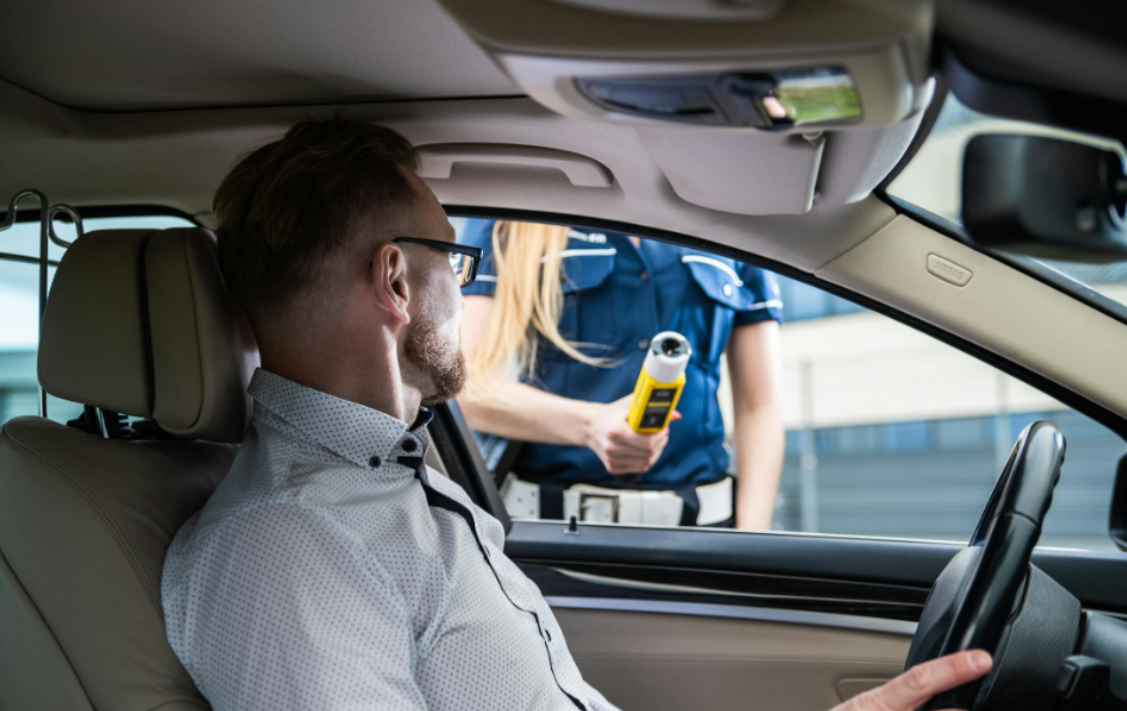
As stated by leading law firm, once restricted to police use, breathalyzers are now available to the general public in compact, smartphone-compatible formats. Devices like BACtrack Mobile or Floome allow drivers to measure their blood alcohol content (BAC) in real-time before they even start the engine. These tools connect via Bluetooth to a mobile app, giving users instant, color-coded feedback on whether they’re safe to drive.

While these gadgets are marketed as safety tools, they also introduce legal questions. Can this self-collected data be used in a DUI defense? Could it be subpoenaed by the prosecution? The idea that individuals are proactively monitoring themselves is a new development in legal history. As this tech becomes more popular, we may see a shift where these devices serve as both prevention tools and sources of evidence in courtrooms.

Wearables as Witnesses: Smartwatches and Biometrics in DUI Cases

Smartwatches and fitness trackers collect massive amounts of biometric data, from heart rate variability to motion patterns and GPS routes. In the context of a DUI case, this data could potentially become part of the legal narrative. For instance, a wearable could track irregular movements or indicate intoxication-related behavior before a driver even enters the vehicle.

Beyond fitness tracking, wearables also create timestamped records of activity. This timeline could help prove or disprove a person’s behavior during a critical window—such as whether they were stationary at home or actively driving. Defense attorneys are beginning to explore how wearables might support an alibi, while prosecutors may look to contradict testimony. In this new tech-driven landscape, even your wristwatch might end up testifying.

The Legal Grey Area: Can Self-Monitoring Devices Help or Hurt You in Court?

Although the idea of using self-monitoring devices as legal evidence is intriguing, the rules remain murky. Courts are still determining how to handle data collected from consumer devices. Some judges have accepted fitness tracker data in personal injury or criminal cases, while others remain skeptical of its accuracy and chain of custody. Unlike official police devices, personal breathalyzers and wearables lack standardized calibration and oversight.

However, proactive use of this data might become a legitimate part of legal strategy. A defense attorney might argue that a client’s BAC reading taken from a mobile device before driving shows intent to make a responsible decision. On the flip side, a prosecutor might argue that knowingly driving after a high reading shows recklessness. As laws evolve, the dual-edged nature of this technology must be understood and handled carefully in legal contexts.

AI on the Road: How In-Car Monitoring and Insurance Apps Are Tracking Sobriety

AI is entering our vehicles in subtle but significant ways. Many cars now come equipped with advanced driver-assistance systems (ADAS) that can detect erratic driving patterns, sudden lane changes, or unusual braking behavior. Paired with insurance apps that monitor driver behavior—such as acceleration, phone use, or time of day—these tools collect a rich profile of how someone behaves behind the wheel. While originally designed for discounts or driver feedback, this data might soon become relevant in DUI cases.

For instance, if an app flags erratic nighttime driving combined with harsh braking, this could be interpreted as impaired behavior. Similarly, if insurance data shows months of consistent safe driving, a defense team might argue that the incident in question was an anomaly caused by other factors. With AI-enhanced tools now gathering real-time insights, drivers must be aware that their “digital driving record” is growing—and potentially accessible in court.


Conclusion – The Ethical and Legal Crossroads Ahead

As technology rapidly integrates into our lives, the line between personal safety and legal surveillance is becoming increasingly blurred. Devices once considered lifestyle tools are now potential evidence in courtrooms, reshaping how DUI cases are built and defended. Whether it’s a smartwatch recording your vital signs or a mobile breathalyzer showing your BAC, your own tech could end up telling a story in court—whether you intend it to or not.

Ultimately, this evolution brings both opportunities and challenges. On one hand, smart devices empower individuals to make better decisions and build stronger defenses. On the other, they introduce complex privacy issues and legal gray areas. As the legal field adapts to this new frontier, both attorneys and consumers must become fluent in the language of data, devices, and digital accountability. The future of DUI law won’t just be fought on the roadside—it will also unfold in the cloud, on apps, and through the screens we carry every day.

FNTCASE Google Pixel 9a case review

The Google Pixel 9a has just landed and so have some cases from FNTCASE which offers all round protection for the new device and it is best to keep your device protected to save you from an expensive bill.

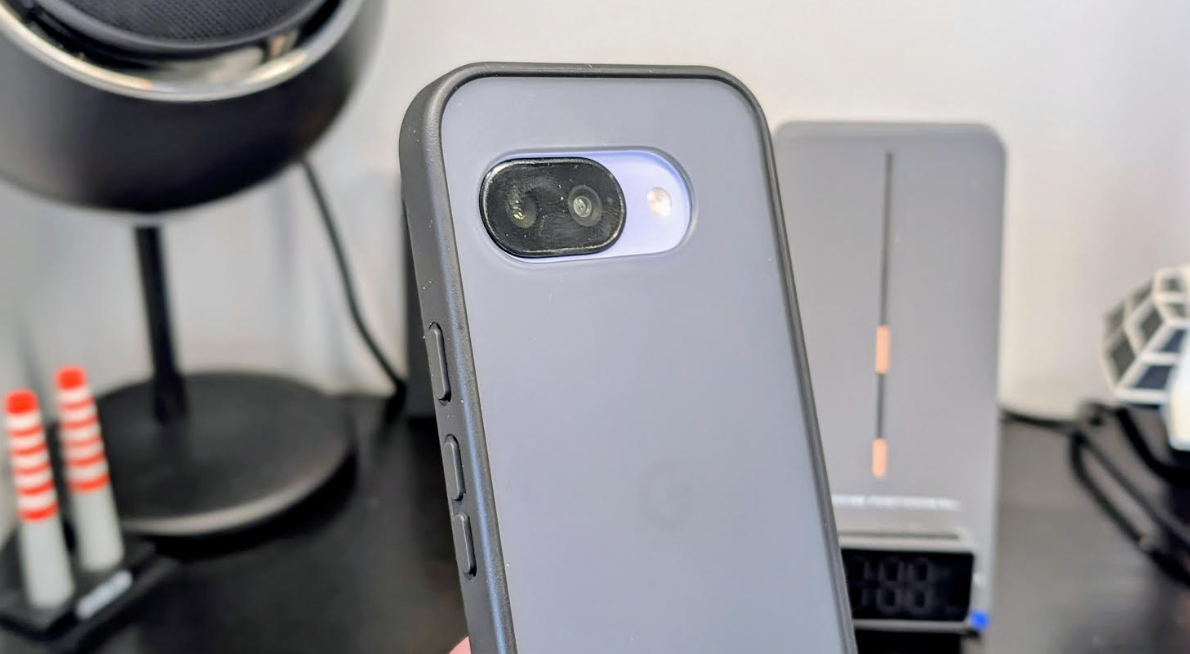
With a Matte texture finish offering more grip made with TPU and PC translucent material you have the perfect case here with tactile keys and looks really well, there is a decent lip round front and rear and the camera lens kept safe too.

The device can be placed face or rear down without the worry of getting scratches on the back of the phone or screen and has that frosted finish which I like.

You device can still be wirelessly charged to which is important for most but has no MagSafe magnet built in but overall a good case well worth looking at, check the video review below for more


FNTCASE for Google Pixel 9A 6.3 Inch Phone Case: Translucent Matte

  • Matte Texture & Superior Feel: The Google Pixel 9A 6.3 Inch phone case uses high-quality matte TPU and PC translucent material without covering the iPhone logo; The frosted surface provides a comfortable hand feel, and the nano-antioxidant layer can effectively prevent stains and scratches.
  • Precise Process: Rigorously molded to the original phone, every port, lens, and side button opening has been measured and calibrated countless times, and each button is sensitive. It is thin enough to support wirelessly charging with the case on.
  • 10FT Military Grade Drop Protection: Our Google Pixel 9A phone case backplane is made with rigid polycarbonate and flexible shockproof TPU bumpers around the edge and features 4 built-in corner Airbags to absorb impact, which can protect your phone from accidental drops, bumps, and scratches.
  • Wireless Charging: The Google Pixel 9A 6.3-inch phone case perfectly supports wireless charging.