
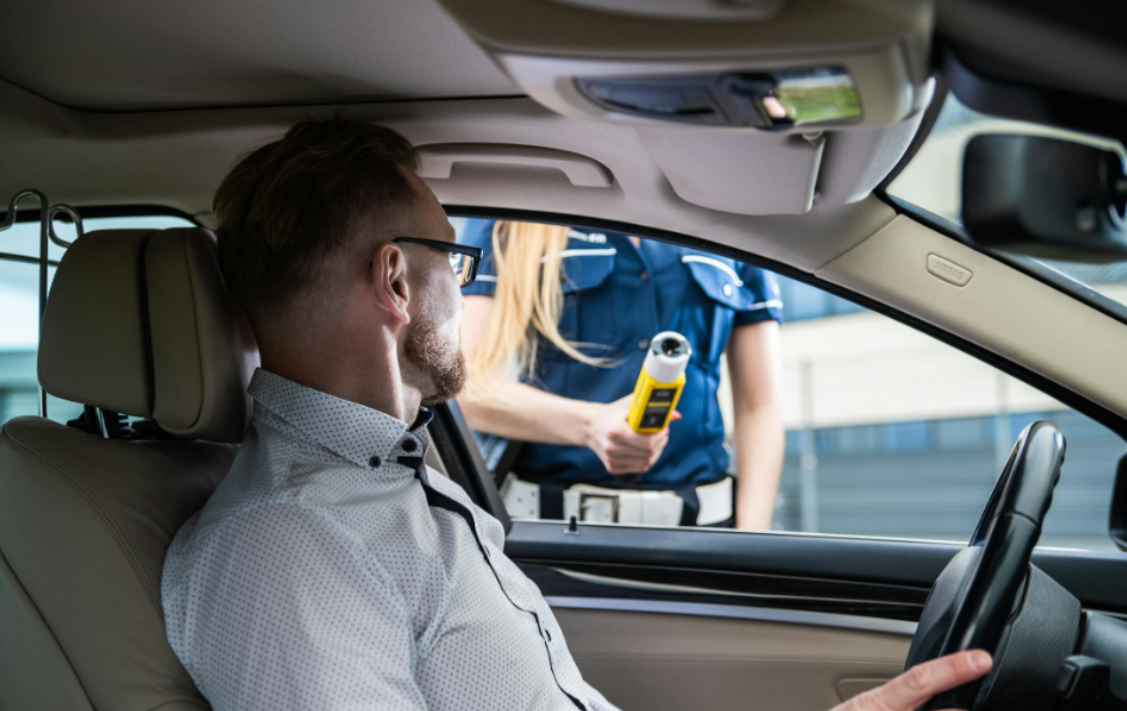
Technology is transforming every aspect of our lives, and the legal system is no exception. Nowhere is this shift more visible than in how we approach driving under the influence (DUI) enforcement and defense. With the rise of consumer technology—especially wearables and smart health tools—law enforcement, lawyers, and drivers themselves are navigating a new reality where your gadgets can become key legal players.
Today’s smartphones, smartwatches, and connected devices are no longer just passive tools. They actively collect, store, and share biometric and behavioral data, some of which may be relevant in DUI cases. As tech becomes more embedded in our daily routines, it’s essential for legal professionals and consumers alike to understand the implications. What was once science fiction is quickly becoming courtroom fact.
From Police to Public: The Rise of Personal Breathalyzers
As stated by leading law firm, once restricted to police use, breathalyzers are now available to the general public in compact, smartphone-compatible formats. Devices like BACtrack Mobile or Floome allow drivers to measure their blood alcohol content (BAC) in real-time before they even start the engine. These tools connect via Bluetooth to a mobile app, giving users instant, color-coded feedback on whether they’re safe to drive.
While these gadgets are marketed as safety tools, they also introduce legal questions. Can this self-collected data be used in a DUI defense? Could it be subpoenaed by the prosecution? The idea that individuals are proactively monitoring themselves is a new development in legal history. As this tech becomes more popular, we may see a shift where these devices serve as both prevention tools and sources of evidence in courtrooms.
Wearables as Witnesses: Smartwatches and Biometrics in DUI Cases
Smartwatches and fitness trackers collect massive amounts of biometric data, from heart rate variability to motion patterns and GPS routes. In the context of a DUI case, this data could potentially become part of the legal narrative. For instance, a wearable could track irregular movements or indicate intoxication-related behavior before a driver even enters the vehicle.
Beyond fitness tracking, wearables also create timestamped records of activity. This timeline could help prove or disprove a person’s behavior during a critical window—such as whether they were stationary at home or actively driving. Defense attorneys are beginning to explore how wearables might support an alibi, while prosecutors may look to contradict testimony. In this new tech-driven landscape, even your wristwatch might end up testifying.
The Legal Grey Area: Can Self-Monitoring Devices Help or Hurt You in Court?
Although the idea of using self-monitoring devices as legal evidence is intriguing, the rules remain murky. Courts are still determining how to handle data collected from consumer devices. Some judges have accepted fitness tracker data in personal injury or criminal cases, while others remain skeptical of its accuracy and chain of custody. Unlike official police devices, personal breathalyzers and wearables lack standardized calibration and oversight.
However, proactive use of this data might become a legitimate part of legal strategy. A defense attorney might argue that a client’s BAC reading taken from a mobile device before driving shows intent to make a responsible decision. On the flip side, a prosecutor might argue that knowingly driving after a high reading shows recklessness. As laws evolve, the dual-edged nature of this technology must be understood and handled carefully in legal contexts.
AI on the Road: How In-Car Monitoring and Insurance Apps Are Tracking Sobriety
AI is entering our vehicles in subtle but significant ways. Many cars now come equipped with advanced driver-assistance systems (ADAS) that can detect erratic driving patterns, sudden lane changes, or unusual braking behavior. Paired with insurance apps that monitor driver behavior—such as acceleration, phone use, or time of day—these tools collect a rich profile of how someone behaves behind the wheel. While originally designed for discounts or driver feedback, this data might soon become relevant in DUI cases.
For instance, if an app flags erratic nighttime driving combined with harsh braking, this could be interpreted as impaired behavior. Similarly, if insurance data shows months of consistent safe driving, a defense team might argue that the incident in question was an anomaly caused by other factors. With AI-enhanced tools now gathering real-time insights, drivers must be aware that their “digital driving record” is growing—and potentially accessible in court.
Conclusion – The Ethical and Legal Crossroads Ahead
As technology rapidly integrates into our lives, the line between personal safety and legal surveillance is becoming increasingly blurred. Devices once considered lifestyle tools are now potential evidence in courtrooms, reshaping how DUI cases are built and defended. Whether it’s a smartwatch recording your vital signs or a mobile breathalyzer showing your BAC, your own tech could end up telling a story in court—whether you intend it to or not.
Ultimately, this evolution brings both opportunities and challenges. On one hand, smart devices empower individuals to make better decisions and build stronger defenses. On the other, they introduce complex privacy issues and legal gray areas. As the legal field adapts to this new frontier, both attorneys and consumers must become fluent in the language of data, devices, and digital accountability. The future of DUI law won’t just be fought on the roadside—it will also unfold in the cloud, on apps, and through the screens we carry every day.