
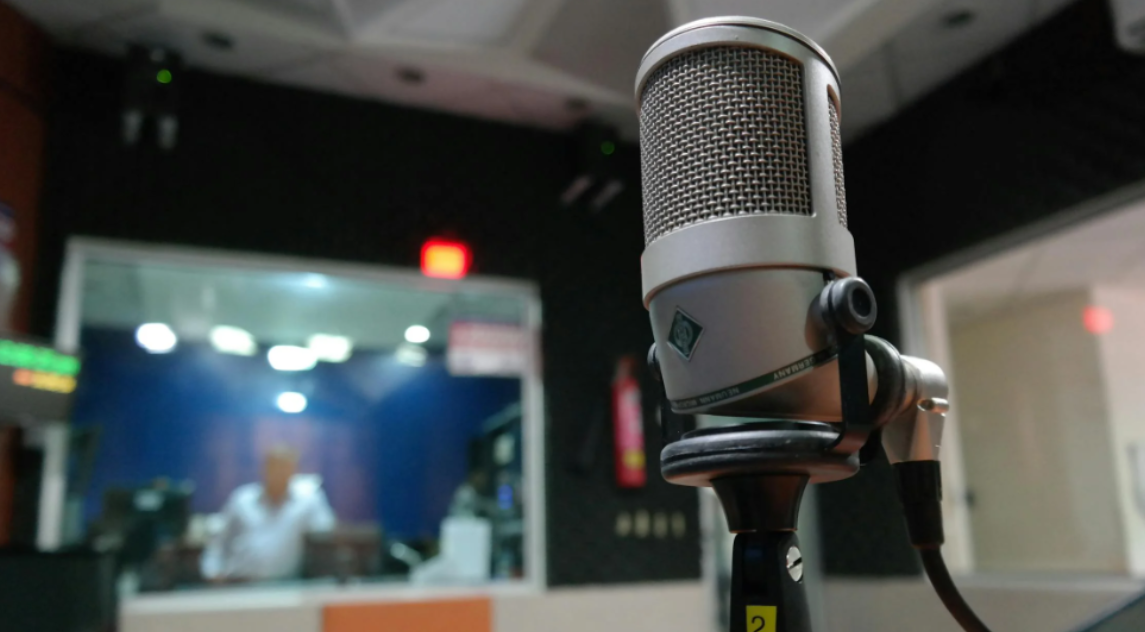
When it comes to music production, the evolution of technology has transformed recording studios into sophisticated hubs where creativity and precision intersect. Today’s recording studios are a far cry from the humble beginnings of analogue equipment and tape machines. From digital audio workstations (DAWs) to cutting-edge soundproofing materials, technology has reshaped the way music is created, mixed, and mastered. This guide will explore the various tech used in modern recording studios, highlighting key tools and how they contribute to the music production process.
- Digital Audio Workstations (DAWs)
At the very core of every modern recording studio lies the DAW. DAWs are software platforms that allow musicians, producers, and sound engineers to record, edit, mix, and produce audio files. They serve as the digital equivalent of a traditional mixing console, with added benefits of flexibility, precision, and automation.
Popular DAWs such as Ableton Live, Pro Tools, Logic Pro, and Cubase are staples in professional studios like thelockup.ie. These platforms offer a wide array of features, including multi-track recording, MIDI functionality, advanced editing tools, virtual instruments, and effects plugins. DAWs can be paired with powerful audio interfaces and control surfaces to enhance the user experience, allowing for seamless integration with both hardware and software.
- Audio Interfaces and Preamps
An essential component of any studio setup is the audio interface, which acts as a bridge between the analogue world of microphones and instruments and the digital realm of your DAW. Audio interfaces convert sound signals into a format that a computer can process, typically through USB,
Thunderbolt, or PCI connections.
Many audio interfaces come equipped with built-in preamps, which amplify weak audio signals (such as those from microphones) to a level suitable for recording. The quality of the preamp is crucial, as it directly influences the warmth and clarity of the recorded sound. The choice of audio interface and preamp can significantly impact the overall sound of a project. High-end preamps, such as those made by Universal Audio or Avalon, are prized for their transparent sound and ability to add character to recordings.
- Microphones
Microphones are the primary tools used to capture sound, and their selection depends on the type of sound being recorded. The most commonly used types of microphones in recording studios are dynamic and condenser microphones.
- Dynamic Microphones: These are typically used for live sound and louder instruments such as electric guitars and drums. They are known for their durability and ability to take in extreme sound pressure levels.
- Condenser Microphones: Condenser mics are prized for their sensitivity and wide frequency response, making them ideal for recording vocals, acoustic guitars, and delicate instruments. They are powered by a phantom power supply, which provides the necessary charge to their internal circuitry. The Neumann U87 is an industry-standard condenser microphone, often used for both vocals and instrumental recordings due to its crisp and accurate sound.
The choice of microphone can have a massive impact on the tonal quality of a recording, with each type offering its own strengths and limitations. Many studios will have a selection of microphones on hand, allowing producers to choose the best option for each recording session.
- Studio Monitors and Headphones
Accurate monitoring is a vital aspect of music production, and for this, studio monitors and headphones are indispensable tools. Studio monitors are designed to provide a flat, neutral sound so that the producer or engineer can hear the recording as it truly sounds, without colouration or distortion. This ensures that mix decisions are based on accurate representation of the audio.
Some of the most respected studio monitors include the Genelec 8000 Series, Yamaha HS Series, and Adam Audio A7X. These monitors are known for their clarity, precise frequency response, and ability to reveal subtle details in a mix.
On the other hand, headphones such as the Beyerdynamic DT 770 Pro or Sennheiser HD 600 are used for more detailed listening during tracking, mixing, and mastering. They offer isolation from the surrounding environment, allowing engineers to make decisions without distractions.
- MIDI Controllers and Virtual Instruments
In the modern studio, MIDI controllers have replaced many traditional instruments, allowing producers to control virtual instruments and software synthesizers. MIDI (Musical Instrument Digital Interface) is a protocol that enables electronic devices to communicate with each other, transmitting data about pitch, velocity, and other performance aspects.
MIDI controllers come in various forms, from simple keyboard controllers to more complex devices with faders, knobs, and pads. By using MIDI controllers, producers can access a vast library of virtual instruments, ranging from synthesizers and drum machines to orchestral sounds and sampled instruments.
- Mixing Consoles and Control Surfaces
While DAWs have largely replaced traditional mixing consoles in many studios, larger professional studios used by producers such DJ Benen Tierney still rely on analogue or digital mixing consoles for certain aspects of the production process. These consoles are used to route audio signals, adjust levels, and apply effects in real-time.
However, with the rise of digital technologies, many studios now use control surfaces — hardware interfaces that provide tactile control over the DAW. Control surfaces, such as the Avid S6 or SSL AWS, offer faders, knobs, and buttons that mimic the layout of a traditional mixing desk, giving producers and engineers greater control and precision when mixing and automating.
- Signal Processors and Effects
To shape the sound of individual tracks or the overall mix, signal processors and effects units are indispensable tools. These can be hardware-based (outboard gear) or software-based (plugins within the DAW).
Equalisers (EQ) allow producers to adjust the balance of different frequencies, compressors control the dynamics of a track, and reverb adds spatial depth to recordings. Classic pieces of hardware like the Universal Audio 1176 Compressor or the Lexicon PCM96 Reverb are often sought after for their character and warmth. However, with the advent of high-quality plugins, many producers now use software versions of these processors, such as the Waves or FabFilter plugins, which offer unparalleled flexibility and ease of use.
- Acoustic Treatment and Soundproofing
The environment in which a recording is made plays a significant role in the quality of the final product. In professional studios, acoustic treatment is used to control sound reflections, minimise reverberation, and eliminate unwanted noise. This may include the use of bass traps, diffusers, and absorptive panels to optimise the room’s acoustic properties.
Soundproofing is another essential element, ensuring that external noise doesn’t interfere with recording sessions. This is typically achieved by adding mass to walls, using soundproof doors and windows, and employing isolation booths for vocal or instrument recordings.
Final Word
The recording studio has come a long way from its analogue roots, and the array of technology used today enables artists and producers to push the boundaries of creativity. From DAWs and microphones to MIDI controllers and signal processors, each piece of technology plays a vital role in the recording process. As advancements continue to shape the industry, the tools available to modern producers and musicians will only become more sophisticated, allowing them to create ever more innovative and polished music.