Children spending 4+ hours on screens face 61% higher depression risk

new Nature Portfolio study reveals that excessive screen time in children is associated with significantly detrimental mental health outcomes across several disorders: ADHD, anxiety, behavioural problems and even depression.

According to clinicians from Flow Neuroscience, a company behind the first FDA-approved non-drug, non-invasive depression treatment, the issue is even bigger than the study reveals, as these children are often overprescribed antidepressants and have limited treatment alternatives due to their age.

Based on data from over 50,000 US children aged 6-17, the study revealed that excessive screen time, categorized as four or more hours per day, is associated with increased odds of mental health issues, raising the likelihood of depression by 61%, anxiety by 45%, behavioural or conduct problems by 24% and ADHD by 21%.

“What is most concerning about these results is the high probability of depression,” says Dr. Hannah Nearney, M.D., clinical psychiatrist and UK Medical Director at Flow Neuroscience. “While there are effective treatments for depression, treatment from a young age can present challenges that may further negatively impact a patient’s life, partly due to the side effects associated with antidepressant use. Unfortunately, non-drug alternatives are often limited to talking therapy, leaving a gap in the provision of services and exposing vulnerable children to increased risk.”

According to the study, physical activity emerges as the most influential protective factor between screen time and mental health problems, accounting for up to 39% of that relationship.

In comparison, irregular bedtimes are culpable for up to 23,9%, and short sleep duration explains around 7,24% of the relationship between screen time and mental health issues.

“What’s most important is that we now know the main determinants and protective factors regarding a range of mental health issues in children. The odds can be significantly reduced with adjustments in behaviours such as physical activity, and expanding the tools we can use to combat these illnesses,” highlighted Dr. Nearney.

The data from the study also indicated that this problem will escalate, as nearly one in every three children spends too much of their time in front of screens, suggesting the behaviour is normalized.

Meeting guidelines for physical activity (which is more than 60 minutes per day) is already low, with only one out of five children achieving this standard. And just one out of four children maintains a consistent weekday bedtime routine.

Given the limitations and risks associated with prescribing SSRIs to children, including a small but measurable increase in suicidality, there is a growing need to explore alternative, non-pharmacological treatments.

In this context, the first FDA-approved non-drug treatment, based on transcranial direct current stimulation (tDCS), is expected to become available in the US later this year. However, it is not approved for children under 18.

“Due to long waiting times, not enough attention is given to children and adolescents with mental health problems such as depression. Too often, they’re pushed into the trial-and-error pathways with antidepressants, even at a young age. We hope that such tools as brain stimulation will become available for these young people too, but what we can do in the meantime is to follow the suggestion of studies like the latter one, and not only avoid screen time, but also regulate our sleep schedules, add physical activity to children’s daily lives, and explore other similar options,” highlighted Dr. Nearney.

Even though currently, children don’t have non-drug, at-home, FDA-approved tools for depression treatment, an increasing amount of research supports that such technologies as tDCS are safe for pediatric use.

In the meantime, this Nature study reframes youth mental health as largely a preventable behavioural challenge and shows that many risks stem from modifiable habits like screen use, physical activity, and sleep.

How Smart Technology Is Making Dental Visits More Precise and Comfortable

Smart technology is changing how dental care is delivered. It helps make appointments more accurate, more comfortable, and easier to understand. These tools support a smoother experience for patients who want clear explanations and reliable treatment.

Digital Diagnostics: Faster, Clearer, and More Comfortable

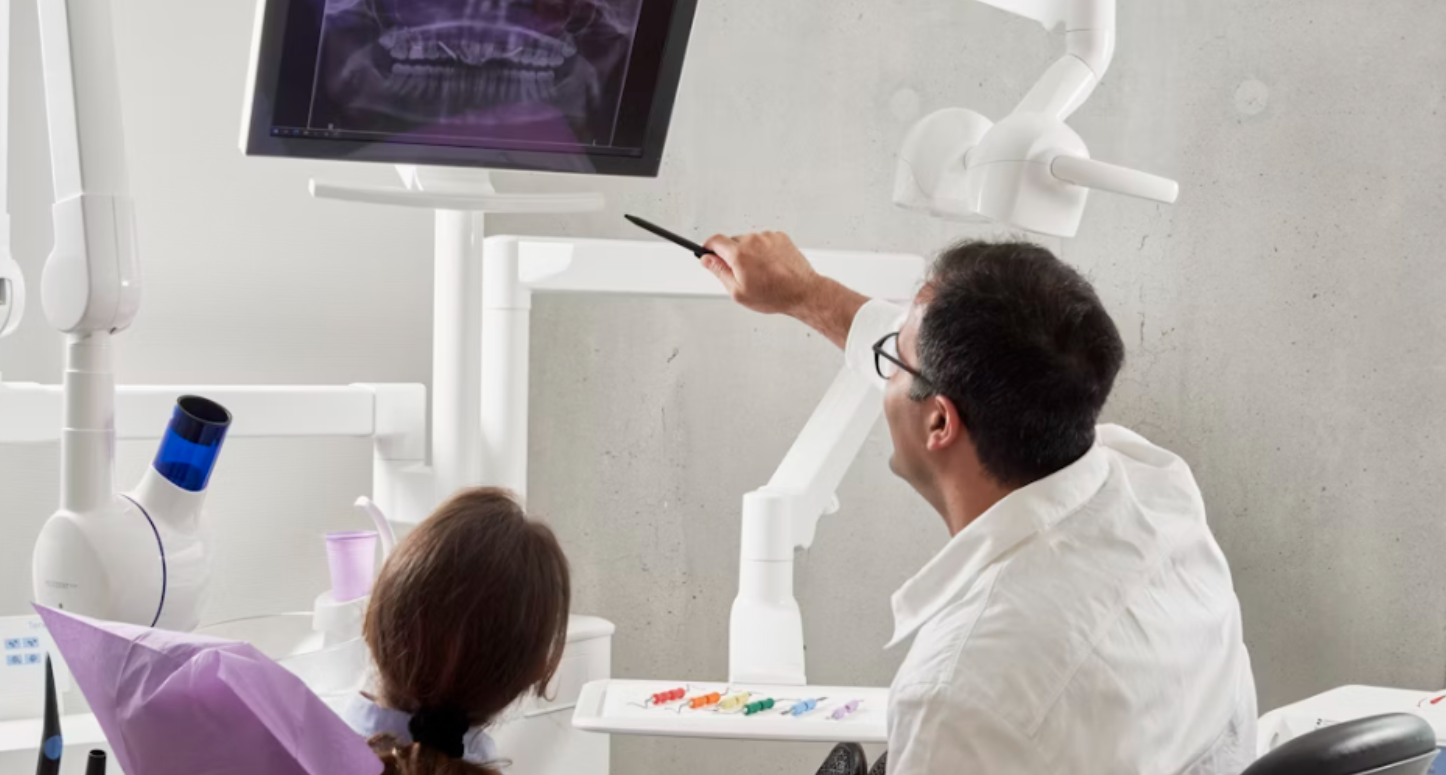
Digital X-rays give detailed images with less radiation than old film X-rays. The sensors are small and comfortable, and the images appear right away. This makes it easier to explain what is happening inside your mouth. Three-dimensional imaging adds even more detail by showing your teeth, roots, and jaw from different angles. With clearer information, problems can be found earlier and treatment plans become more accurate.

Benefits of digital diagnostics include:
• Less radiation exposure
• Quick and comfortable imaging
• Better visibility for early detection
• More accurate treatment planning

Intraoral Cameras: Helping You Understand Your Oral Health

Intraoral cameras show real-time pictures inside your mouth. You can see the same images your clinician sees. This makes dental conversations easier to follow and helps you understand why certain treatments are recommended.

Laser Dentistry: Comfortable Treatment with Less Healing Time

Laser tools allow for gentle gum treatment, decay removal, and whitening. They help reduce discomfort, bleeding, and recovery time. Many patients feel less nervous knowing that lasers often require:

  • Less anesthesia
    • Shorter healing periods
    • More precise targeting during treatment

Sedation Options: Keeping You Calm During Visits

Sedation helps patients who feel anxious or nervous. Options like nitrous oxide, oral sedation, and IV sedation provide a calm experience so you can complete treatment without added stress.

Sedation is helpful for patients who:
• Have dental anxiety
• Need longer or more complex procedures
• Feel uneasy with drills or bright lights
• Have had difficult dental experiences in the past


Teledentistry: Simple Support from Home

Virtual visits make it easy to ask questions or get follow-up advice when a full in-office appointment is not needed. This is helpful for busy patients or those who prefer to speak with a professional before coming in. Teledentistry offers guidance but does not replace hands-on care.

AI-Assisted Tools: Better Detection with Clearer Insight

AI programs review dental images and point out early signs of decay or bone changes. This helps clinicians make accurate decisions and catch problems sooner. Early detection also leads to simpler and more effective treatments.

AI assistance helps with:
• Early spotting of potential problems
• More accurate diagnoses
• Reduced risk of missed findings

Smart At-Home Tools: Helping You Build Better Habits

Smart toothbrushes and oral health apps track brushing habits and offer reminders. They help patients maintain good routines between visits. While these tools are helpful, professional dental checkups remain important for spotting issues that daily brushing cannot detect.

Digital Workflow: Faster and More Efficient Appointments

Digital workflows streamline many steps of dental care. Tools like digital scanners, electronic records, and online forms help reduce waiting time and make visits more organized. These systems also support clearer communication between the dental team and dental labs, which can improve accuracy during procedures. Visiting a dental clinic remains essential because these digital tools work best when paired with in-person evaluation and professional guidance. Clinics that focus on advanced cosmetic and restorative work, such as those seen at Lowenberg, Lituchy & Kantor, highlight how in-clinic expertise and modern technology work together to create dependable treatment outcomes.

Digital workflows support:
• Better fitting restorations through detailed scans
• Faster communication with dental labs
• Reduced risk of errors or lost information
• More reliable treatment outcomes

Enhanced Sterilisation Technology: Supporting a Safe Visit

Modern sterilisation systems clean and prepare instruments quickly and consistently. Digital tracking confirms that each tool has been processed correctly. This maintains a safe environment for all patients.

Smart Scheduling Systems: Shorter Waits and Better Timing

Automated scheduling helps clinics plan appointments more accurately. Reminders keep patients informed, and real-time updates reduce delays. This creates a smoother visit from start to finish.

Scheduling tech improves:
• On-time appointments
• Reduced waiting room congestion
• Better planning for both patients and staff

Conclusion

Smart technology makes dental visits easier, clearer, and more comfortable. While at-home tools and virtual support are helpful, visiting a dental clinic is essential for early detection, accurate diagnosis, and effective treatment. Clinics that use modern technology along with professional experience provide a level of safety, precision, and care that cannot be achieved at home.


What Every Homeowner Should Know About Storm Drain Blockages

Storm drain blockages can lead to serious property damage and health hazards, making them a significant concern for any homeowner. Proper maintenance of these drains is essential to prevent flooding and to keep the water flow efficient. Understanding the causes, prevention methods, and solutions for blockages can help homeowners maintain their properties and minimize risks.

Understanding Storm Drain Blockages

Storm drains are designed to manage excess rainwater, channeling it away from roads and other areas. Blockages can occur due to various reasons, including debris accumulation, sediment build-up, and organic materials. 

Often, leaves, trash, and other debris find their way into these drainage systems, creating obstacles that impede the smooth flow of water. Recognizing the causes of blockages is crucial for effective prevention. Common types of debris that lead to storm drain blockages include sticks, leaves, and various litter that wash into the drains during heavy rainfall. These materials, combined with dirt and sediment, can build up over time, creating significant clogs. In urban areas, infrastructure can be particularly strained during heavy rain periods, leading to overflows and localized flooding. 

Rely on qualified locals for skilled assistance. If you’re facing problems like these, several services offer reliable solutions. Whether you need Septic Tank Cleaning Miami Septic Tank Cleaning Miami Shores Septic Tank Cleaning Coral Gables, or anywhere else local to you, finding the right professionals can ensure that your storm drains are clear and functioning well. Clogged storm drains cause surface flooding and can damage landscaping, foundations, and driveways. Regular maintenance is key to avoiding costly repairs and health hazards associated with stagnant water.

Preventing Blockages

Preventing storm drain blockages requires proactive measures by homeowners and local communities. Regular maintenance is key. This might include clearing leaves, debris, and other obstructions from drains and gutters during seasonal changes. 

Homeowners should be vigilant after storms to inspect drains and ensure they are free from materials that can cause blockages. Communities can play a significant role in prevention by organizing clean-up events or awareness campaigns on keeping drains clear. 

Educating residents about the importance of not littering and understanding the impact of stormwater management helps foster a community-wide approach to maintaining the drainage systems. Collaborations between local governments and communities lead to better infrastructure and effective waste management programs.

The Role of Infrastructure

The design and condition of stormwater infrastructure are critical in preventing blockages. Older systems may not adequately handle current water flow demands, often leading to overwhelmed drains. Maintaining these systems through regular inspections and timely repairs is essential for effective stormwater management. 

In areas where the infrastructure is aging, upgrades may be necessary to accommodate increased rainfall and urban development. Local governments must invest in modernizing stormwater systems to enhance their efficiency, which can mitigate risks associated with blockages and flooding.

Poorly maintained infrastructure can contribute to erosion, road damage, and contamination of local waterways. When systems fail, stormwater may carry pollutants directly into rivers and oceans, harming ecosystems. Public awareness and community involvement play a role in advocating for better infrastructure funding and maintenance. Collaboration between municipalities and residents ensures that drainage systems remain functional and resilient.

Signs of Blocked Drains

Homeowners need to be aware of the signs that indicate a storm drain is blocked. Some common indicators include stagnant water in nearby areas, unpleasant odors emanating from drainage sites, and unexpected water pooling during rain showers. Catching these warning signs early can save considerable effort and resources in the long run. 

If you notice any of these signs, it’s crucial to act quickly. Failing to address blockage can lead to serious flooding, potential property damage, and increased repair costs. Timely interventions will often make a significant difference in preventing larger issues down the road.

Other symptoms may include slow-draining water in sinks, gurgling sounds from pipes, or water backing up in toilets or tubs. Vegetation overgrowth near storm drains can signal excess moisture and hidden clogs. In some cases, pests may be attracted to the stagnant water, creating an additional nuisance. Regularly checking drainage grates and surrounding areas for debris buildup can help prevent blockages from developing.


Understanding Local Regulations

Each locality can have different regulations regarding stormwater management and drain maintenance. Homeowners must be informed of their responsibilities and any applicable regulations to avoid potential penalties. 

This includes understanding what materials are permitted in drains and the consequences of non-compliance. Local governments often provide resources and guidelines to help homeowners navigate stormwater management practices. Familiarity with these regulations can help reduce the risk of blockages and associated issues, contributing to safer community living. 

Understanding the intricacies of storm drain maintenance can help minimize risks associated with blockages. By staying vigilant, regularly maintaining drains, and seeking professional help when necessary, homeowners can protect both their properties and community members from the adverse effects of flooding and drainage issues.

Revolutionary treatment transformative for Irish clinics

A LEADING podiatrist and business owner who has completed nearly 1000 treatments using a revolutionary new medical device has hailed its potential as the future of treating painful skin lesions.
Having adopted Emblation’s Swift® device, Dublin-based podiatrist Joseph Egan revealed that it has become the most effective form of treatment in his three clinics across Ireland.
Designed by global medical microwave leader Emblation, Swift is an innovative form of treatment that uses targeted bursts of microwaves to treat warts and verrucae.
Joseph, who is the owner and director of MyFeet, explained that he was convinced to implement the device into his clinic after seeing promising research on its results – and has since reaped the benefits of its highly effective treatment.
Joseph said: “We are seeing hugely positive results for patients across our clinics. I’ve been really impressed with how effective treatment with the device has been.
“When you compare this against more traditional forms of treatment such as cryotherapy or treating with salicylic acid, the difference is night and day.
“For us, it’s been a positive step change, leading to a much easier process. Using Swift means we don’t have to provide protective padding or dressings and they don’t need regularly changed.
“Additionally, patients aren’t having to go through persistent pain every week that they otherwise would if they went down other routes like cryotherapy, acid or invasive surgery.”
Unlike other traditional treatments, Swift utilises revolutionary microwave technology, targeting the tissue with a highly controlled dose of energy, with research showing that the treatment has an efficacy rate of up to 86.4% on verrucae.
Over 345,000 treatments have been performed across the world and the innovative microwave technology is undergoing trials as a treatment for conditions such as fungal nail, facial acne and melanoma.
Speaking about the future of treatments, Joseph added: “In my opinion Swift is currently the most effective form of treatment clinicians can provide for their patients when it comes to warts and verrucae.
“The research is what convinced us to start using it and it’s been an excellent decision from both a patient care and business standpoint and we’ve not looked back since.
“From a business perspective, we recouped what we paid for the device in three to four months, which is a massive bonus. From the get-go, we’ve wanted to improve our treatments for customers and Swift® has managed to do that – almost instantly.”
Emblation founders Gary Beale and Eamon McErlean, who first crossed paths during their postgraduate studies at Heriot-Watt University in Edinburgh, jointly established the company.
Speaking on Joseph’s feedback, Chief Commercial Officer, Jonathan Williams said: “It’s obviously incredibly encouraging and motivating to hear such positive feedback about Swift.
“The treatment has proved to be a real game changer when it comes to patients’ quality of life, and we’re still very early into our journey in Ireland. We’re happy Swift® has had such an impact for Joseph and most importantly his patients and we can’t wait to continue to grow Swift’s presence across the country.”
In 2021, the firm experienced a significant injection of capital when Apposite Capital, a London-based specialist in healthcare, invested an eight-figure sum.
This financial boost propelled the firm’s rapid global expansion, resulting in the acquisition of a distribution company to form Emblation Inc.
This financial injection also paved the way for the establishment of new Emblation subsidiaries in Canada and Germany, in addition to their expansion into more than 20 other countries.
This financial boost tripled the company’s workforce necessitating larger office space. Emblation has now moved into their state-of-the-art headquarters £4m headquarters in Stirling.
To find out more about Emblation visit https://emblation.com/
 
To find out more about MyFeet visit: myfeet.ie