Tag: threat
Building Cyber Resilience in the AI era: Five ways Irish organisations can stay ahead
Artificial intelligence (AI) is rapidly reshaping the cybersecurity landscape across Ireland. While it’s unlocking new efficiencies and accelerating innovation, it’s also giving cybercriminals new evasive tools to launch faster and more sophisticated attacks. Across Ireland, organisations are navigating a new era of cyber risk defined by speed, sophistication, and AI.
As Dell Technologies continues to work closely with Irish businesses to modernise their digital infrastructure, it’s clear that cybersecurity must evolve in tandem, as a strategic enabler of trust and resilience. Threat actors are using AI to enhance ransomware, zero-day vulnerabilities, Distributed Denial of Service (DDoS) all making advanced spear-phishing much harder to identify, outpacing conventional security measuresAccording to the latest Dell Technologies Innovation Catalyst Study, 84% of Irish organisations view security as a key part of their business strategy, yet many continue to struggle with balancing innovation and security.
Almost all respondents (96%) admitted that integrating security into wider business strategies is proving difficult. These figures highlight that organisations must rethink their cybersecurity strategies to adopt proactive, intelligent, and resilient approaches that keep pace with the evolving threat environment.
Here are five ways to stay resilient against cyber threats:
1.Adopt zero trust for AI Security
As threat actors use AI to scout, steal credentials and adapt attack techniques, traditional perimeter-based defenses fall short.
That’s why more Irish organisations are adopting a Zero Trust model built on the principle of “never trust, always verify” ensuring that every user, device, and application is continuously authenticated, regardless of location.
The benefits are clear, latest Innovation Catalyst Study revealed a 100% increase in confidence levels among Irish organisations that have adopted zero trust principles, underscoring its growing value as a security framework. By implementing zero trust principles organisations can help reduce risk by continuously verifying every access request and implementing strict authentication processes. Using role-based access controls (RBAC) and network segmentation, organisations can minimize the risk of an attack and reduce the impact radius if an attack occurs.
Zero trust is more than a security philosophy. It’s a unified and adaptive strategy for identity and access management. Through a zero trust approach, organisations not only reduce their attack surface, but also strengthen their ability to detect, respond to and contain threats.
2.Reduce the attack surface
In an environment where AI-powered threat actors are constantly probing for weaknesses, reducing the attack surface is a critical line of defense. Every exposed endpoint, unsecured API, or overlooked supply chain vulnerability represents an opportunity for adversaries to infiltrate systems, deploy malware and exfiltrate sensitive data.
To mitigate these risks, Irish organisations should begin with assessing and understanding their attack surface and related vulnerabilities. From there, they should have a layered defense strategy focused on securing entry points and minimising exposure. This includes strengthening authentication, encrypting data, regularly testing for vulnerabilities and actively monitoring endpoints. Keeping systems patched and devices hardened further limits risks.
By reducing the attack surface, organisations make themselves a harder target, thereby decreasing the likelihood of an attack.
3.Continuously detect and respond to threats
AI-powered attacks are capable of mimicking legitimate behavior and evading traditional security tools, and organisations need to combine advanced threat detection with rapid response capabilities.
Leveraging AI and machine learning, organisations can monitor operational data, detect anomalies, and trigger automated responses in real time.
This AI-powered threat intelligence system builds upon itself, making it smarter and better able to identify and address attacks.
For many Irish organisations who need assistance scaling threat detection and response. Partnering with a trusted third-party provider offers round-the-clock monitoring, faster reaction times, and support in managing complex security operations. Dell Technologies continues to invest in AI-driven security solutions that help Irish organisations stay ahead of emerging threats while simplifying operational complexity.
4.Plan an incident response and recovery plan
While prevention is often the first step to a cybersecurity strategy. A strong cybersecurity strategy includes not only prevention, but also a well-defined plan for response and recovery.
Organisations here in Ireland need to create and routinely practice a robust Incident Response and Recovery (IRR) plan that outlines how to detect, contain, communicate and recover from cyber incidents. The plan should outline departmental roles and responsibilities, internal and external contacts and partners, communication protocols and include regular testing. Preapproved messaging templates and routine plan updates are also essential to maintaining operational continuity during a crisis.
Backing up critical data and applications offline or separated from production workloads helps guard it against ransomware attacks and ensures business continuity.
By preparing for disruption, Irish organisations can restore critical functions with resilience, speed, and confidence.
5.Empower employees as a first line of defense
Technology alone isn’t enough; employees remain the most critical line of defense. Organisations here in Ireland needs to create a culture of vigilance through employee awareness programmes that integrates continuous education, open communication, real-world simulations, and a culture of shared accountability. For example, incorporating attack simulations that reflect AI-specific threats like advanced phishing and deepfakes helps equip employees to recognise and respond to evolving threat actor tactics.
Collaboration across the technology ecosystem also plays a vital role in strengthening cyber resilience. Dell Technologies, together with partners like NVIDIA, is helping organisations better understand how AI-driven attacks evolve.
NVIDIA’s new AI Kill Chain Framework reimagines the traditional Cyber Kill Chain for the AI era, outlining how adversaries target AI systems through stages such as Recon, Poison, Hijack, Persist, and Impact — often cycling through these stages to adapt and escalate their tactics. This framework offers valuable insights into how attackers’ probe, manipulate, and maintain access within AI ecosystems, helping defenders anticipate and disrupt evolving threats before they lead to broader compromise.
As threat actors evolve using AI to launch increasingly sophisticated attacks, organisations must respond with equal force and foresight. Traditional defenses alone are insufficient. A modern cybersecurity strategy demands a proactive, layered approach that integrates advanced technologies, incident response planning, and a vigilant workforce.
As we mark Cybersecurity Awareness Month, it’s an important reminder that AI is transforming both the opportunities and the risks facing Irish businesses, making it more critical than ever to invest in continuous vigilance, awareness, and adaptation. By embedding resilience at every level of their cybersecurity strategy, Irish organisations can better safeguard their operations and lead with confidence in an increasingly AI-driven world.
Half a Million Vulnerabilities Leave Irish Businesses Exposed to Cybercriminals
- 349,000 Irish networks (3.6% of the total) remain unprotected from active cyber threats.
- 44% have exposed vulnerabilities.
- Half a million vulnerabilities exist on exposed assets across Ireland as of September 2025.
- Dublin faces the highest risk, recording the greatest concentration of vulnerabilities across all industries.
- 63% of compromised networks are leveraged to conduct active reconnaissance – attackers are probing systems and planning their strikes through Irish infrastructure
- 11% are acting as command-and-control centers to coordinate attacks – cybercriminals have already infiltrated these systems and are working to further seize control of other target networks
- 35% increase in active attacks launched or coordinated through Irish networks since 2024 – the scale of attacks has expanded dramatically as cybercriminals automate campaigns and target vastly more organisations simultaneously by leveraging sophisticated tools and technologies including AI.
- Stop external threats before they breach the network
- Detect insider threats by identifying suspicious behavior from internal users and systems
- Receive real-time alerts when unusual activity occurs, whether from outside attackers or internal sources
Building Digital Resilience: Strategies for Security Teams Under Pressure
As digital infrastructures expand, so too does the scope of risk. Enterprises no longer contend solely with perimeter breaches or isolated phishing attacks; they face a constantly shifting threat landscape shaped by geopolitics, emerging technologies, and the growing sophistication of adversaries. Security leaders are under pressure to adapt—not just reactively, but strategically.
Building resilience requires more than a solid firewall or frequent employee training. It’s about anticipating, responding, and recovering in a way that minimizes disruption and safeguards long-term operations. But doing so demands that cybersecurity programs mature beyond static controls and embrace continuous learning, contextual awareness, and intelligent prioritization.
Bridging the Gaps Between Risk, Strategy, and Action
Many organizations maintain a separation between risk governance and technical security operations. Compliance frameworks dictate controls, audits verify their implementation, and risk registers get updated annually. Meanwhile, security teams operate on a different cadence—responding to alerts, patching vulnerabilities, and investigating anomalies as they occur.
This disjointed approach leads to blind spots. Executives believe risk is under control because a framework has been followed. Security teams, however, may be aware of threats or attack paths that aren’t reflected in the documentation—or even properly understood by other departments.
Bridging this gap requires more than cross-functional meetings. It calls for a shared understanding of risk that is both technical and strategic. Security leaders must be fluent in the language of business impact, while decision-makers must recognize that cyber risks evolve faster than annual review cycles allow. When technical realities and business goals are misaligned, even a well-funded cybersecurity program can falter.
The Role of Contextual Awareness in Cyber Threat Intelligence and Incident Response
Security incidents don’t happen in a vacuum. Threat actors tailor their tactics based on industries, technologies, and even geopolitical developments. What matters is not just what happened, but why it happened, and what it means for future exposure.
This is where the convergence of cyber threat intelligence and incident response becomes critical. Together, they provide a cycle of insight and adaptation. Intelligence supplies the context—who is targeting your sector, what tools they use, and what signals might indicate reconnaissance or lateral movement. Incident response, on the other hand, applies that knowledge during high-pressure moments to reduce dwell time, contain impact, and improve response accuracy.
Organizations that invest in this synergy are better equipped to move beyond one-off incident reports. Instead, they build a threat-informed defense posture that continually adapts to new realities. This doesn’t require reinventing the SOC model, but it does mean integrating intelligence into both detection logic and post-incident reviews. The result is not just faster response—but smarter, more resilient defense cycles. [Insert link here]
Avoiding Tool Sprawl While Maximizing Operational Value
A common reflex when addressing gaps in security posture is to adopt new tools. Behavioral analytics, extended detection and response (XDR), and SOAR platforms all promise faster insights and better coordination. But without a clear integration plan, these technologies often introduce complexity faster than they add value.
Tool sprawl has both operational and psychological consequences. Analysts waste time switching between dashboards, reconciling conflicting alerts, or manually correlating data. Worse, leadership may assume that the presence of cutting-edge tools equates to effectiveness—when in reality, the team may be overwhelmed and underutilizing key capabilities.
The solution isn’t to avoid new technology altogether, but to pursue it deliberately. Start with clear objectives—what gap are you trying to close, and how will success be measured? Choose vendors that emphasize interoperability, not lock-in. And most importantly, invest in people. Even the most advanced threat detection platforms are only as effective as the analysts interpreting their output.
Building Toward a Culture of Preparedness
Cybersecurity has matured into a discipline of both prevention and recovery. As such, organizational culture matters as much as technology. Incident simulations should be routine, not exceptional. Cross-functional tabletop exercises should test both the technical and communicative response to hypothetical breaches. Post-mortems should be honest, blameless, and actionable.
Preparedness is not a state; it’s a practice. It involves executive buy-in, realistic planning, and a willingness to acknowledge uncertainty. No team can prevent every incident—but those that cultivate transparency, learning, and agility will fare far better when one occurs.
By focusing on strategic alignment, intelligent integration of threat intelligence and response, and a culture of readiness, organizations position themselves not only to endure attacks—but to emerge stronger from them.
How VPNs Can Help Protect Your Online Privacy Against Growing Threats
VPNs (Virtual Private Networks) are programs you can use to help protect yourself against the myriad threats you face on the internet, from cybercriminals to ISPs and marketing companies intent on farming your personal information. A lot of people underestimate the benefits of VPNs, mainly because they put more focus on using tools like antivirus software or email scanners. However, overlooking the benefits of VPNs in favor of other programs is foolish, especially when you can combine them. This post explores the benefits of VPNs and how they can help protect your online privacy from cybercriminals.
Encrypts Your Connection
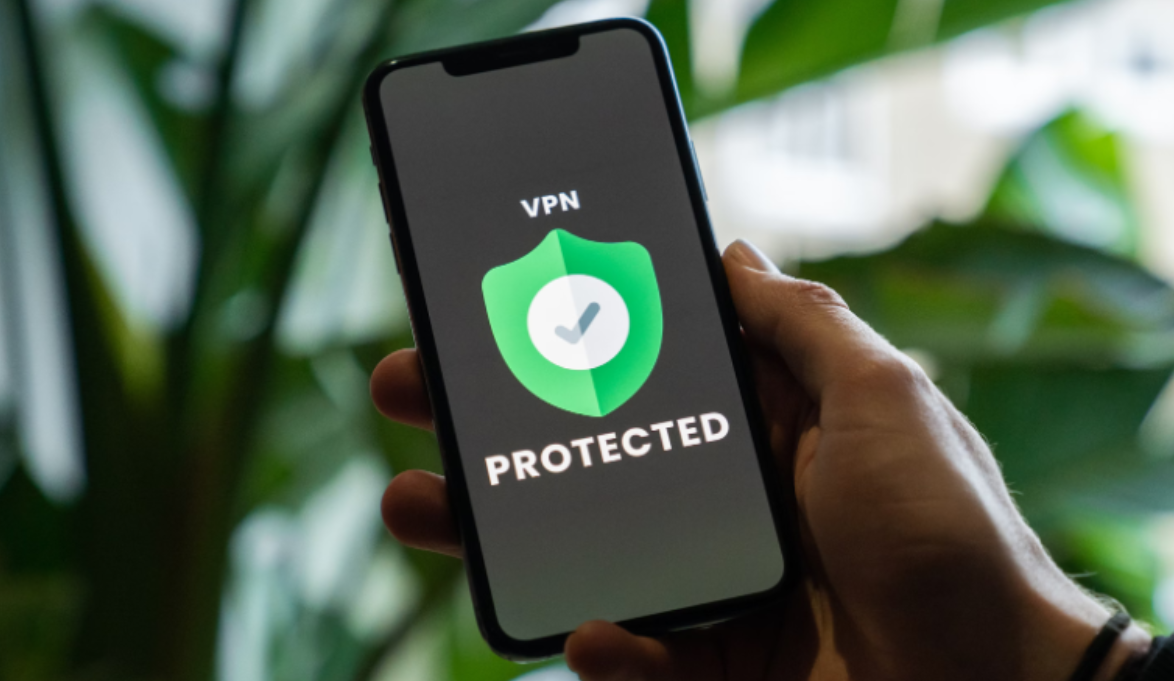
VPNs encrypt people’s internet connections, which in simple terms just means that they ensure all data transmitted is fully secured. A VPN service, therefore, will be able to guarantee that everything you do on the internet will be private. You don’t have to worry about people spying on what you are doing, stealing your passwords, or harvesting your personal information. In the introduction to this post, an allusion was made to the undeniable fact that people’s ISPs collect information about them and sell it to marketing companies. When you use a VPN, this isn’t something you have to worry about. You won’t have to deal with endless targeted advertisements, nor the more insidious threat of your information being stolen and sold on the internet to criminals who want to either impersonate or steal from you.
Masks Your IP Address
Your IP address gives people an idea of where you are in the world. While most people’s IP addresses do not point to their exact geographic location, they still give a rough idea of where they are. If you want to remain totally anonymous on the internet, the last thing you want is, for obvious reasons, people to have your IP address. The good thing about VPNs is that they completely hide people’s locations by giving them false IP addresses. Their IP addresses will show them as being in countries they are not in. This comes with the additional benefit of enabling users of VPNs to access streaming services and video game servers hosted in the countries their IP addresses register them as being in. VPNs are, because of this, the ideal solution for people concerned about data security.
Secures Public Wi-Fi Networks
Public Wi-Fi networks are notoriously dangerous. It is not uncommon for criminals to hijack and use them to steal people’s information and even key log them. A good way to safeguard against the threats of public Wi-Fi networks, while still using them, is to invest in a VPN. There are many VPNs you can use, some free, and some paid. You need to shop around and find the one that is right for you. A good way to do this is to read reviews. Product reviews give you insight into what specific programs are like to use and can help you to find ones you feel are right for you and your needs.
VPNs can protect you. They are an invaluable resource for regular users of the internet. It is important to shop around and find the best one you can. You can do that by following the guidance offered above.
Cyber threats have real world consequences – it’s important for companies to get ahead and protect themselves today
Information Security Management is the first line of defence for a company against a range of threats, including data breaches, ransomware attacks, and malicious intrusions. With cyber attacks growing in frequency and sophistication, organisations of all sizes face unprecedented risks to their operations, finances, and reputation.
Almost 54% of international business leaders believe the cybersecurity risk to their organisation has increased over the past 12 months.2 The financial and reputational damage inflicted by a cyber attack can be immense. Organisations operating in every sector – manufacturing, construction, retail, wholesale, health, ICT and all others – are at risk of these threats daily. The cost of recovery from an Information Security Management Breach can often exceed the investment required for preventative cybersecurity measures.
Stewart Hickey, Head of Business Excellence, NSAI said:
“Standards and certification can be used by companies to underpin both legal and ethical obligations with respect to information security management and GDPR. Standards provide an important means to give technical effect to a principle or regulation in a way that can be evaluated, compared and certified, thereby offering a compliance pathway. Consequently, every business must protect itself – and ISO/IEC 27001 can help you identify the essential tools and skills to do this. Organisations need to be aware of the most serious threats so they can protect their reputation and finances. ISO/IEC 27001 equips companies with protocols and procedures that minimise the chance of a cybersecurity breach.”
The National Standards Authority of Ireland (NSAI) is urging firms in Ireland to be aware of the importance of cyber security. Cyber criminals are constantly developing new ways to steal data, demand ransoms, and disable IT systems. Any business, large or small, is a potential target. Tackling these ever-evolving dangers can’t be just another management talking point- it is a matter of corporate survival.
Conor Dowling, Director of Managed Services with ProCloud, commenting on the benefits undertaking the ISO/IEC 27001 certification process said:
“We applied for and achieved ISO/IEC 27001 certification for how we manage security for our own business, and the benefit of this also extends to our clients. We look after their security, so that gives them confidence. There is a huge concern and consciousness regarding cybersecurity in today’s climate. We also found that the benefits extend to ProCloud’s own staff as we now have clear processes in place from the moment an employee starts with us, so they feel confident and secure in their management of our systems and handling of information on behalf of clients. We would recommend ISO/IEC 27001 to any company looking to improve their cyber resilience and protect the security of their business”.
Certification to ISO standards is a significant step for any company. The NSAI are hosting free webinars so you can find out more about what is involved and how you can help your company secure itself against today’s most serious cyber threats. Places are limited and you can register at nsai.ie/27001 for the upcoming webinar dates; November 30th 2023, December 6th 2023, and January 25th 2024.
You can also download a free self-assessment tool to help analyse your current Information Security Management status and how ISO/IEC 27001:2022 could enhance it. Prepare your company now for 2024 – regardless of the size of your business or the sector in which you operate, cybersecurity needs to be a priority.
2 https://www.mazars.ie/Home/
Threat Actors Get Creative with Building Block Style Attacks, Finds HP
HP Ireland today issued its quarterly HP Wolf Security Threat Insights Report, showing how threat actors are chaining different combinations of attacks together like toy bricks to sneak past detection tools. It comes as the Government has published the Mid-Term Review of the National Cyber Security Strategy 2019-2024 plan to boost cybersecurity, which includes measures to support the potential growth of the cybersecurity industry.
The research has found that by isolating threats that have evaded detection tools on PCs, HP Wolf Security has specific[i] insight into the latest techniques used by cybercriminals in the fast-changing cybercrime landscape. To date, HP Wolf Security customers have clicked on over 30 billion email attachments, web pages, and downloaded files with no reported breaches.
Based on data from millions of endpoints running HP Wolf Security[ii], the researchers found:
- It’s playtime for cybercriminals using building block style attacks: Attack chains are often formulaic, with well-trodden paths to the payload. Yet creative QakBot campaigns saw threat actors connecting different blocks together to create unique infection chains. By switching up different file types and techniques, they were able to bypass detection tools and security policies. 32% of the QakBot infection chains analysed by HP in Q2 were unique.
- Spot the difference – blogger or keylogger: Attackers behind recent Aggah campaigns hosted malicious code within popular blogging platform, Blogspot. By hiding the code in a legitimate source, it makes it harder for defenders to tell if a user is reading a blog or launching an attack. Threat actors then use their knowledge of Windows systems to disable some anti-malware capabilities on the users’ machine, execute XWorm or the AgentTesla Remote Access Trojan (RAT), and steal sensitive information.
- Going against protocol: HP also identified other Aggah attacks using a DNS TXT record query – typically used to access simple information on domain names – to deliver the AgentTesla RAT. Threat actors know the DNS protocol is not often monitored or protected by security teams, making this attack extremely hard to detect.
- Multi-lingual malware: A recent campaign uses multiple programming language to avoid detection. Firstly, it encrypts its payload using a crypter written in Go, disabling the anti-malware scanning features that would usually detect it. The attack then switches language to C++ to interact with the victim’s operating system and run the .NET malware in memory – leaving minimal traces on the PC.
Val Gabriel, Managing Director of HP Ireland, comments:
“In Q2, we welcomed the Government’s plan to boost cybersecurity in Ireland but there is still a long way to go. We have observed that the top threat attack vectors that can be exploited to break into an IT system, is email (79%) and browser downloads (12%). Our research shows that today’s attackers are becoming better organised and more knowledgeable. It’s easier for attackers so exploit any security gaps by knowing the best entry points and how to easily navigate systems. To limit the chances of a security breach, businesses and users should avoid downloading files from untrusted sites or clicking on any suspicious links.”
The report details how cybercriminal groups are diversifying attack methods to bypass security policies and detection tools. Key findings include:
- Archives were the most popular malware delivery type for the fifth quarter running, used in 44% of cases analysed by HP.
- Q2 saw a 23% rise in HTML threats stopped by HP Wolf Security compared to Q1.
- There was a 4%-point increase in executables from 14% to 18% from Q1 to Q2, mainly caused by usage of the PDFpower.exe file, which bundled software with a browser hijacking malware.
- HP noted a 6%-point drop in spreadsheet malware (19% to 13%) in Q1 compared to Q4, as attackers move away from Office formats that are more difficult to run macros in.
- At least 12% of email threats identified by HP Sure Click bypassed one or more email gateway scanner in Q2.
- The top threat vectors in Q2 were email (79%) and browser downloads (12%).
Dr. Ian Pratt, Global Head of Security for Personal Systems, HP Inc., comments:
“While infection chains may vary, the methods of initiation remain the same – it inevitably comes down to the user clicking on something. Instead of trying to second guess the infection chain, organisations should isolate and contain risky activities such as opening email attachments, clicking on links, and browser downloads.”
HP Wolf Security runs risky tasks in isolated, hardware-enforced virtual machines running on the endpoint to protect users, without impacting their productivity. It also captures detailed traces of attempted infections. HP’s application isolation technology mitigates threats that slip past other security tools and provides unique insights into novel intrusion techniques and threat actor behaviour.
Artificial Intelligence: Does It Have the Capability to Take Over the World?
Some experts have expressed their concerns about the rapid growth and the unpredictable nature of AI models. However, Microsoft’s head of AI confirms that the company will stay committed to its efforts in this area. If we go a few years back, Microsoft invested $1 billion in artificial intelligence start-up OpenAI and now is only working to enhance this.
Microsoft’s Point of View on Artificial Intelligence
Microsoft, which financial resources and computing power were established through Azure, has now developed GPT4. This is the most powerful language model that OpenAI has ever created, and you can find it under the name ChatGPT – at first sight, just a chatbot.
While some are expressing concerns, Eric Boyd, the corporate vice president of Microsoft AI Platforms, highlighted the huge potential of this technology. According to him, it will enhance human productivity and drive global economic growth. Therefore, he believes that it would be wrong if we just ditch this newly developed technology.
Furthermore, Microsoft integrated GPT4’s strong abilities into its Bing search engine. A few months ago, the company also integrated this advanced technology into the virtual digital assistant – Copilot. This will help with improving existing software products, such as word processing and spreadsheets.
According to Eric Boyd, Microsoft’s focus on AI is not about taking over the world but rather about changing the relationship humans and computers have. More precisely, Microsoft tends to modify traditional interfaces and enable more language-based interactions. As a result, this will help us move on from always relying on keyboards.
Additionally, in response to the concerns about rapid AI development, Boyd acknowledges the expertise of the industry analysts and claims that Microsoft gives serious consideration to their feedback. However, he states that there is no way for doubt or worry as their concerns are distant from the actual work of OpenAI.
Despite all rumors about AI, Boyd says that the current capabilities of language models like ChatGPT are the future. He argues that their goal is not for AI to take over the world by supporting its claims with the limited abilities of these models, such as only generating text as output.
More so, he is more concerned about the overall AI potential that may worsen the already-existing social issues. Therefore, he believes that it’s crucial to know how to safely and responsibly use AI in different models and apps.
Is Artificial Intelligence Indeed a Threat to Humanity?
The role of AI has grown in almost every industry. For example, people nowadays implement AI in healthcare, real estate, business communications, manufacturing, and website building. But the usage of AI goes further and becomes part of our every day hobbies, such as streaming content online or gambling.
Now, there is rarely a streaming platform or a casino that doesn’t use AI to improve its product in one way or another. For example, in countries like the UK, where gambling is a highly competitive industry, the best UK slot casinos embrace AI to improve their recommendation algorithms and predictive models to stay ahead of their competition.
But as Boyd believes, the main worry regarding AI is the potential harm that could arise if the technology is employed inappropriately or if it’s applied to tasks that it’s not suitable for, such as air traffic management. He also adds that there is a high risk of malicious attacks by hackers by implementing malware software in AI algorithms.
Due to this, he says that there must be a certain limit to which AI can be part of our lives and how companies should implement it. For example, you shouldn’t sell your organization’s face recognition software to law enforcement agencies. Also, it would be best if there were different regulatory frameworks and guidelines that would address all AI-related concerns so that you can have more assurance about your safety.
Not only does Boyd emphasizes the importance of regulatory measures and the need to determine where AI is suitable for use, but he also mentions that Microsoft has gained a significant advantage in the competitive landscape of AI breakthroughs. This is because this revolutionary company has leading AI research divisions.
However, other tech giants like Google also start by establishing AI research divisions and work hard in order to bring AI products to customers. Therefore, there are no signs of slowing down within BigTech. AI only shows more and more powerful signs of growth and advancement, raising the need for educating employees and companies on how to work with it and how to implement it.
How does cybersecurity work?
Today’s generation lives on the internet, and the information that reaches securely to our computer without any misinterpretation has been made possible by cyber security. Through cyber security, programs systems, networks are protected from digital attacks which target sensitive information such as personal information. Extortion of money or disrupting business functioning is done through cyber attacks.
Why is cybersecurity needed?
Living in a digital world, most of the transactions including, hotel room booking, ordering dinner, or booking a cab, is constantly performed using the internet. This generates data stored in a huge data center termed as cloud and can be accessed online.
Due to the availability of various access points, constant traffic flow, public IP addresses, and tons of data to exploit, hackers stand an excellent chance to exploit the vulnerability and steal the data. To achieve this, they use different malware which can bypass virus scans and firewalls. For stopping these malicious digital attacks, cyber security is an essential requirement.
Common types of cyber-attacks:
- General malware- It includes a variety of cyber threats like trojans and viruses. It is a code with malicious content that has the potential to destroy the data on the computer.
- Phishing- This is sent by email as a request for data from a trusted third party. Users are asked to click on a link sent in the email. It isn’t easy to recognize if the sender is from a legitimate or false source most of the time. This is similar to spam but is more harmful comparatively as it involves compromising confidential information.
- Password attack- A third party trying to gain access to the system by tracking a user’s password.
- DDOS- Distributed denial of service or DDOS refers to an attack whose focus is on stopping the network’s service. The high volume of data is sent on the network, resulting in overloading and finally preventing functioning.
- Man-in-the-middle- This refers to online information exchange. MIM attack is used to obtain information from the end-user as well as the entity. For example, in banking online, the man in the middle will communicate with you, impersonating a person from Bank and communicate with the bank, impersonating you, thus collecting information from both parties.
- Drive-by downloads- Using malware, a program is downloaded to a user’s system. This program is used to steal the data.
- Mal-advertising- On clicking on an affected AD, a malicious code gets downloaded on the computer.
- Rogue Software- This malware looks like legitimate security software required to keep the system safe but acts otherwise.
In profit-driven environments, enterprise security is one of the top pillars of business stability and trustworthiness, especially in industries that store users’ data or other sensitive information. Many organizations now rely on specialized cybersecurity service businesses to strengthen their defenses and monitor potential threats. In a holistic system, cyber security is one of the main components, along with physical security, leak prevention, and risk management.
Hence, the internet is not a safe place for individuals as well as large organizations. Big companies such as eBay, Adobe, and Evernote have undergone critical cyber-attacks despite having high-level security measures to protect their data. More prominent organizations are a victim of cyber-attack and are constantly targeted.
To safeguard our data, there should be a protocol to protect us from cyber-attacks. This is called cyber security. In a computing context, security comprises physical security and cyber security. Both are used by organizations to protect from unauthorized access to their data and critical systems. Information security in an organization is designed to maintain the confidentiality, availability, and integrity of data. This forms the subset of cyber security.
How does cybersecurity work?
Cyber security works on protecting the data against the below three activities:
- Unauthorized modification
- Unauthorized deletion
- Unauthorized access
The three main principles that act as a security pillar for both small and big organizations are confidentiality, integrity, and data availability.
Confidentiality– Same as privacy. It is designed to safeguard information from reaching the wrong people. Access is restricted to users who are not supposed to view the data. It is common for data to be categorized depending on the type of damage that can occur if it gets in the hand of unintended people and stringent measures to be taken to safeguard the same. Training is given to employees to safeguard these documents. This includes training on security risks associated with the confidential document, risk factors, password-related threats, password-related best practices, and social engineering methods to educate the users on how to prevent confidential data.
Integrity– Integrity refers to maintaining the accuracy and trustworthiness of data in its complete life cycle. Data must not be changed during transit, and steps must be taken to ensure that it remains unaltered by unauthorized people, something PAM for cybersecurity can do.
File permissions, user access controls, and version controls are taken care of to prevent erroneous changes or accidental deletion of legitimate users. Using checksums or cryptographic checksums are steps to detect any changes in the data, and verification of integrity due to unforeseen events is set in place. We must also ensure that backup is available to restore the data to its original state.
Availability– Availability is ensured by regularly maintaining the hardware with periodic hardware checks and taking care of the operating system, which is free of any software-related issues. It is up to date with all the current features. Communication bandwidth should be adequate to prevent bottlenecks. Redundancy, backup availability, and failover cluster availability are essential to safeguard the system from serious hardware issues. Disaster recovery is essential during worst-case scenarios. Thus, safeguarding from data loss or interruption in the connection. A backup copy can be stored in a geographically isolated location, having fire and waterproofing. Firewalls and proxy servers will be used to help protect data from malicious attacks due to DDOS attacks or network intrusions.
Steps to take to protect data when attacked by cyber:
- Identify– Identify the kind of attack our organization has been subjected to.
- Analyze and Evaluate– Analyse and evaluate the type and amount of data that has been compromised.
- Treat– Work on resolving the issue by using the correct treatment so that the organization can come back to its original state with the least data loss or breach.
The above steps are taken by calculating the below three factors:
Vulnerability– It is a weakness or a known issue of an asset or data that an attacker can exploit. In terms of Cyber security, it is referred to as a hardware or a software defect that has been delayed in fixing and thus prone to getting damaged due to cyber-attack. For example, delay in renewing system license, delay in erasing user access who has left the organization. A regular vulnerability test is required to safeguard the systems and data. By this, weak points can be identified, and strategies are placed to fix them promptly. Organizations can also have a checklist with periodic follow-ups. Another option often discussed is privileged access management (PAM).
Threat– It is an event that can harm the data. Threats can be natural like floods or tornados, intentional like spyware, malware, and unintentional threats to employees, accessing wrong information by mistake. Threat assessment techniques are used to understand the severity of the threat. Though most threats are not in human control to suppress, it is essential to take appropriate steps to assess the threats regularly. Employees should be educated on cyber security to be prepared for any upcoming threats by providing cyber security training for employees. They should keep in touch with the current update on cyber security by subscribing to related blogs and podcasts. Regular threat assessment must be performed to protect the system and data. A penetration test can be conducted at periodic intervals. This involves creating a model of real-world threats, discovering vulnerabilities, and documenting the steps to resolve them.
Risk– Risk refers to the potential loss due to a threat caused by the vulnerability. Examples of risks include financial loss, loss of privacy, company reputation, legal implications, etc. Risk management is an essential part of cyber security. The risk assessment framework is designed and assessed at periodic frequencies, keeping in mind the important points to be addressed and prioritized during the data breaches. Stakeholders and business partners must be kept in mind during this process.
Final Thought:
Cybercrime is a global problem posing a threat to security, including banks, government, and private organizations. It is essential to understand and follow the steps mentioned above and also use advanced cyber security protocols to prevent individuals and organizations from huge data loss and renowned multinational companies from the negative headlines. To further understand cybersecurity and get certified in this profession, you can enroll in cyber security program offered by platforms such as Great Learning.