The way Irish people experience sports has changed dramatically over the past decade. What used to be a simple affair of showing up at the stadium or turning on the telly has evolved into something far more complex and, frankly, more interesting. Technology has seeped into every corner of the sports world, and Ireland is no exception to this global shift that’s transforming how we play, watch, and engage with athletics.
From grassroots GAA clubs using performance tracking apps to Premier League fans streaming matches on their phones during lunch breaks, the digital transformation is everywhere you look. It’s not just about watching anymore. It’s about engaging, analysing, and participating in ways that weren’t possible even five years ago. The technology has fundamentally altered the relationship between fans and the sports they love.
Data analytics changing how teams compete
Professional sports teams in Ireland have embraced data analytics with open arms. The days of relying purely on a manager’s gut feeling are fading fast. Today, decisions about player selection, tactical approaches, and even transfer targets are increasingly driven by numbers and algorithms that process thousands of data points.
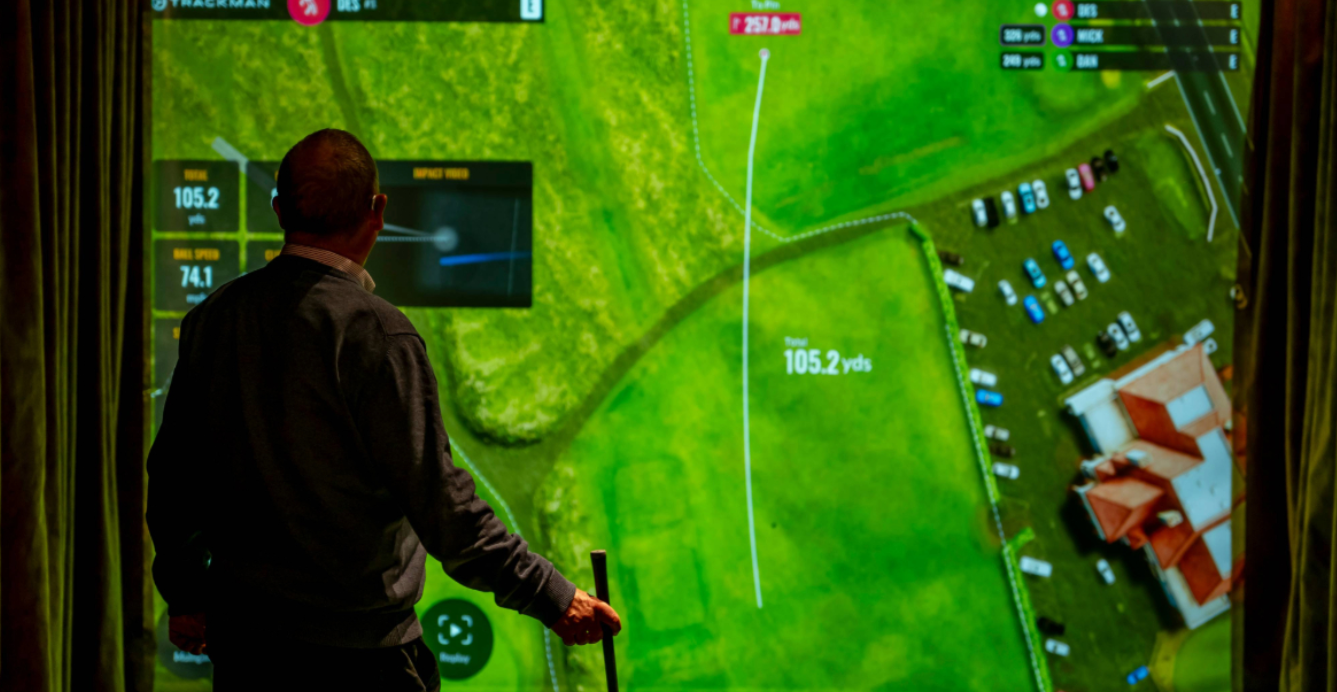
Rugby teams like Leinster Rugby have invested heavily in performance analysis departments. Every training session is recorded, every match dissected frame by frame by analysts looking for patterns and opportunities. Players wear GPS trackers that monitor their movements, heart rates, and fatigue levels throughout matches and training. Coaches receive detailed reports that help them tailor training programmes to individual needs and identify potential injury risks before they become serious problems.
This data-driven approach has filtered down to amateur levels too. Club managers now have access to affordable tools that would have seemed like science fiction a generation ago. The democratisation of sports technology means that a Sunday league team can analyse their performance with similar methods to professional outfits, albeit on a smaller scale and budget.
The streaming revolution
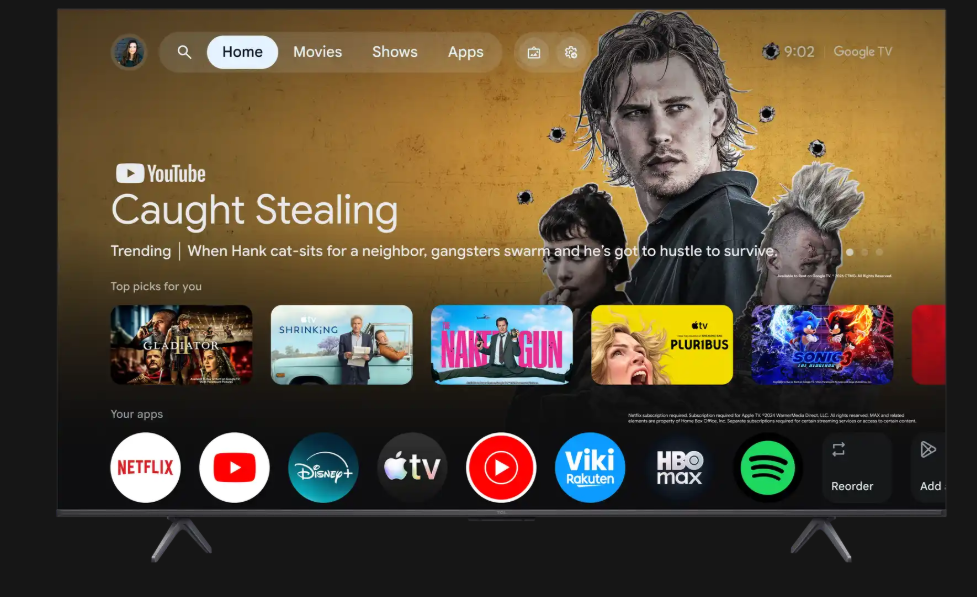
Traditional broadcasting is facing serious competition from digital alternatives. Irish sports fans increasingly prefer the flexibility of streaming services over conventional TV packages that lock them into fixed schedules. Being able to watch a match on your tablet while commuting or catching up on highlights during a coffee break has changed consumption patterns significantly across all demographics.
The GAA’s decision to stream more matches online opened up access for the diaspora scattered across the globe. An emigrant in Sydney can now watch their home county play championship football in real time, something that was impossible just a decade ago. That connectivity matters, both emotionally for fans abroad and commercially for the organisation. It keeps people engaged with Irish sports regardless of where life has taken them.
Fan engagement in the digital age
Sports consumption has become increasingly interactive in recent years. Fans don’t just watch passively; they comment on social media in real time, participate in fantasy leagues that require careful analysis, check live statistics on their phones, and follow sports betting markets in Ireland to see how odds shift during matches. The second screen experience, where viewers engage with their phones while watching on television, has become completely standard practice for most fans.
Clubs have adapted by building their digital presence substantially. Social media accounts, dedicated mobile apps, and regular online content keep fans connected between matchdays. The relationship between supporters and their teams now extends far beyond the ninety minutes on the pitch. It’s a continuous conversation that technology has made possible and that fans have come to expect.
Wearable technology and athlete performance
The gadgets athletes wear have become increasingly sophisticated over the years. Heart rate monitors, sleep trackers, and recovery apps give both professional and amateur athletes insights into their bodies that previously required expensive laboratory testing. Irish athletes competing at international levels rely heavily on this technology to optimise their preparation and recovery.
Even recreational runners training for the Dublin Marathon use GPS watches and training apps that provide personalised coaching advice. The technology adapts to your performance over time, suggests workout adjustments based on your progress, and tracks improvement over weeks and months. What was once available only to elite athletes is now accessible to anyone with a smartphone and the motivation to use it.
The integration of technology into Irish sports will only deepen in coming years. Virtual reality experiences that put fans pitchside from their living rooms, artificial intelligence that predicts match outcomes with increasing accuracy, and ever more sophisticated performance tracking are all on the near horizon. The challenge for sports organisations will be embracing these innovations while preserving what makes live sport special in the first place: the unpredictability, the atmosphere, and the shared human experience of supporting a team through good times and bad.
Keeping your home clean can be difficult when you’re balancing work, family, and daily responsibilities. This is where arobot vacuum cleaner becomes a practical solution for modern living. Designed to automate floor cleaning, it allows homeowners to maintain cleanliness with minimal effort.
This article explains how a robot vacuum cleaner works, its benefits, and why it has become a must-have device for today’s households.
What Is a Robot Vacuum Cleaner?
A robot vacuum cleaner is an automated cleaning device that moves across floors independently, collecting dust, debris, and pet hair. Unlike traditional vacuum cleaners that require manual handling, this smart device operates on its own using sensors and programmed navigation.
Its compact shape allows it to reach under furniture such as beds, sofas, and cabinets—areas often neglected during routine cleaning. Once the battery runs low, the device automatically returns to its charging dock, making it highly convenient for everyday use.
How a Robot Vacuum Cleaner Works
A robot vacuum cleaner combines advanced hardware and intelligent software to deliver efficient cleaning:
Sensors and navigation systems detect obstacles, walls, and stairs
Rotating brushes and suction lift dust and debris from hard floors and carpets
Mapping technology helps the device remember room layouts for consistent coverage
Many models can be controlled through mobile apps, allowing users to start, stop, or schedule cleaning remotely. For more insights on smart home automation, you may also like: A Beginner’s Guide to Smart Home Cleaning Solutions.
Key Benefits of Using a Robot Vacuum Cleaner
1. Saves Time and Effort
One of the biggest advantages is automation. You can schedule cleaning sessions while you’re at work or asleep, freeing up time for more important tasks.
2. Consistent Daily Cleaning
Regular cleaning prevents dust buildup, especially in high-traffic areas. A robot vacuum cleaner ensures floors stay clean without requiring daily manual effort.
3. Ideal for Busy Households
Homes with children or pets tend to collect dirt quickly. These devices handle hair, crumbs, and everyday messes efficiently. Read more on this topic in Cleaning Tips for Homes with Pets.
4. Reaches Hard-to-Clean Areas
Thanks to its low profile, the device easily cleans under furniture and tight spaces where traditional vacuums struggle.
Health and Hygiene Advantages
A cleaner home directly contributes to better indoor air quality. A robot vacuum cleaner helps reduce allergens such as dust mites, pollen, and fine particles that can trigger allergies or breathing issues.
This makes it particularly beneficial for people with sensitivities, asthma, or young children. For a deeper look into maintaining a healthier home environment, check out How Regular Floor Cleaning Improves Indoor Air Quality.
Energy Efficiency and Smart Features
Compared to traditional vacuum cleaners, robot vacuum cleaners are designed to use energy efficiently. They operate only when needed and automatically recharge themselves.
Many models offer features such as:
Smart scheduling
Room-by-room cleaning
Custom no-go zones
These functions help optimize cleaning performance while minimizing energy usage and wear.
Tips for Getting the Best Performance
To maximize the efficiency of your robot vacuum cleaner, keep these tips in mind:
Clear clutter from floors to avoid interruptions
Clean brushes and filters regularly for optimal suction
Use scheduling features to maintain consistent cleanliness
Routine maintenance ensures the device performs at its best for years. Benefits of Using a Robot Vacuum Cleaner for Daily Cleaning In addition to convenience, a robot vacuum cleaner also helps create a more organized cleaning routine. By running on a regular schedule, it prevents dust and debris from building up over time, which reduces the need for deep cleaning sessions. This makes home maintenance more manageable and ensures your living space stays fresh and comfortable every day.
Is a Robot Vacuum Cleaner Worth It?
For anyone looking to simplify home maintenance, a robot vacuum cleaner is a smart investment. It reduces manual effort, keeps floors consistently clean, and fits seamlessly into a modern lifestyle.
Whether you live alone, manage a busy household, or simply want a more efficient way to clean, this automated solution offers long-term convenience and value. As smart home technology continues to evolve, automated cleaning tools are becoming less of a luxury and more of a household essential.
In an era when nearly every business service has migrated online—from banking to consultations, from meetings to training courses—one Irish company has built over a decade of success doing the exact opposite. Their counterintuitive approach offers valuable lessons about when digital-first strategies actually work against business goals.
Since 2013, SafeHands Health & Safety Solutions has maintained a strictly on-site training model, delivering workplace safety training at client premises across Ireland. They’ve built partnerships lasting over 10 years, earned a 4.7/5 rating on Trustpilot, and demonstrated that some services genuinely work better when delivered in person.
Their success raises an important question for Irish business owners: Are we digitising services because it genuinely improves outcomes, or simply because “digital-first” has become the default assumption?
The Digital Training Boom and Its Limitations
The pandemic accelerated online training adoption dramatically. Businesses discovered they could deliver compliance training through video platforms, record sessions for later viewing, and eliminate travel time entirely. The operational efficiencies seemed obvious.
Yet completion rates told a different story. Online training courses often see completion rates below 30%. Participants log in, leave videos running in the background whilst working on other tasks, and retain minimal information. The certificate gets issued, compliance boxes get ticked, but actual knowledge transfer remains questionable.
More importantly, certain types of training require hands-on practice with actual equipment, in real environments, addressing specific workplace challenges. You can watch videos about proper lifting techniques, but without practicing on your actual equipment, in your actual workspace, with your actual workflows, the knowledge rarely translates into changed behaviour.
The On-Site Advantage: Learning in Context
SafeHands delivers all training on-site at client premises across Ireland, from Dublin offices to coastal hotels in County Clare. This operational choice creates immediate practical advantages that digital alternatives cannot replicate.
David McManus from Bellbridge House Hotel in Spanish Point, Clare, experienced this approach firsthand: “It was so professional from the booking to the day of the training. Nothing was an issue. We had to change dates due to weather, no issue. The staff found the training interesting and very informative.”
When training happens in the actual workplace, several things occur that digital training cannot achieve:
Immediate Context: Staff learn using their real equipment, not generic examples. A restaurant team learning food safety and HACCP procedures works with their actual kitchen layout, their specific equipment, and their real menu items.
Practical Application: Hands-on practice with the tools and equipment staff use daily ensures skills transfer immediately. Watching a video about fire extinguisher use differs enormously from actually handling the extinguisher mounted in your corridor.
Customised Content: Instructors observe actual workplace conditions and can address specific challenges that generic online courses never anticipate. Every workplace has unique characteristics that affect how safety principles apply.
Team Learning: When entire teams train together in their workspace, they develop shared understanding and can discuss how procedures apply to their specific operations.
Nisheeth Tak from Rasam Restaurant in Dublin shares their experience: “We have been using SafeHands for all our health and safety programmes for years. We have benefitted enormously from their professional guidance and up-to-date knowledge of the legislation.”
That phrase “for years” appears repeatedly in client testimonials—a pattern suggesting genuine value rather than grudging compliance spending.
The Business Model: Long-Term Relationships Over Transactions
Perhaps the most interesting aspect of SafeHands’ approach involves how on-site delivery enables different client relationships than digital training platforms create.
The Irish Association for Counselling and Psychotherapy has worked with SafeHands for over 10 years. ALSAA Bowl has maintained their partnership since 2015. These aren’t isolated examples—sustained multi-year relationships appear consistently across their client base.
Carol Murray from IACP explains their decade-long partnership: “The IACP has been using Safe Hands now for over 10 years. They look after all of the Fire Safety Training and Fire Warden Training for our staff. I have found them to be very accommodating and reliable.”
Ten years with a single training provider is remarkable in an industry where businesses typically shop around for the cheapest compliant option. This pattern suggests several things about their business model:
Consistent Quality: Organisations don’t maintain decade-long partnerships with providers who deliver inconsistent service. Reliability at scale requires operational discipline that many businesses never achieve.
Institutional Knowledge: When providers work with the same clients over years, they develop understanding of specific operational contexts that improves service quality over time. Initial consultations become unnecessary. Training builds on previous sessions rather than starting from scratch.
True Partnership: The language in testimonials—”accommodating,” “reliable,” “pleasure to deal with”—signals relationships that transcend transactional service delivery. Digital platforms rarely generate this kind of client loyalty.
Alison Kealy from Kealy’s of Cloughran in Dublin captures this: “We use SafeHands for all our Staff Training and Health and Safety Consultancy. Noel is a pleasure to deal with, and they always provide the services we need.”
The Operational Challenge: Scaling Personal Service
On-site service delivery creates operational complexity that digital platforms avoid entirely. Coordinating instructor schedules across Ireland, managing travel logistics, accommodating client timing needs, and maintaining consistent service quality despite geographic dispersion all require sophisticated operational capability.
Yet this complexity creates competitive moats that purely digital competitors cannot easily cross. When a business master complex operations, replication becomes difficult. Generic online training platforms can launch quickly. Building operational excellence across physical service delivery takes years.
JR Labels experienced this operational reliability: “This is our second time using SafeHands. Everyone we dealt with couldn’t have been more helpful. Our Manual Handling training was delivered in a professional manner and we will happily use SafeHands again in the future.”
The phrase “second time” indicates clients who measured value and deliberately chose to reinvest—the ultimate business validation.
Payment Models: Digital Systems Supporting Physical Service
Interestingly, SafeHands does leverage digital systems where they create genuine value. Payment infrastructure uses Stripe alongside traditional bank transfers and telephone payments, with all fees payable upfront.
This payment approach demonstrates strategic technology adoption. Digital payment systems remove friction, improve cash flow, and reduce administrative burden. But the service itself—the actual training delivery—remains resolutely physical because that’s where value gets created.
This selective digitisation offers a model for other Irish businesses: use digital tools where they solve real problems, but don’t digitise services simply because “digital-first” sounds modern.
When Digital Works and When It Doesn’t
SafeHands offers one online option—mental health awareness training—recognising that some content genuinely works in digital formats. Theoretical knowledge, awareness building, and conceptual understanding can transfer effectively through online platforms.
But manual handling training, fire safety practice, food preparation procedures, and emergency response drills require hands-on experience that video cannot replicate. Your body needs to practice correct lifting techniques. Your hands need to feel how fire extinguishers operate. Your team needs to rehearse emergency procedures in your actual workspace.
Laura Devlin, HR Manager at Cabra Castle Hotel in Cavan, emphasises the value of this physical delivery: “We used SafeHands again for our Food Safety/HACCP training for our kitchen staff onsite in the hotel. They were able to organise and provide the training in a timely manner as usual. We always find SafeHands very reliable from start to finish.”
Lessons for Irish Businesses Evaluating Digital Transformation
SafeHands’ sustained success offers several lessons for Irish businesses considering which services to digitise:
Question Default Assumptions: Just because services can be delivered digitally doesn’t mean they should be. Evaluate whether digital delivery genuinely improves outcomes or merely reduces costs.
Consider Competitive Positioning: Services that everyone digitises become commoditised quickly. Maintaining physical delivery where it adds genuine value can create differentiation.
Value Operational Excellence: Complex operations executed well create competitive advantages that simple digital platforms cannot easily replicate.
Build for Retention: Digital platforms optimise for acquisition. Physical service models can optimise for long-term relationships that generate better unit economics over time.
Use Technology Strategically: Adopt digital tools where they solve real problems (payment processing, scheduling) whilst keeping core service delivery in whatever format creates the most value.
The Countertrend Opportunity
As more services migrate online, opportunities emerge for businesses willing to deliver excellent physical service. Markets become less crowded. Clients willing to pay premium prices for superior outcomes become easier to reach. Competitive differentiation becomes simpler.
Michael Mongan from The Lovely Food Co in Dublin praised the hands-on approach: “SafeHands Health & Safety Solutions delivered a Food Safety/HACCP Level 2 Course onsite at our premises recently. Our staff really enjoyed the training session and had great praise for the SafeHands instructor and his very comprehensive food safety knowledge.”
The phrase “really enjoyed” seems unusual for compliance training—until you recognise that well-delivered, contextually relevant, hands-on instruction creates genuinely valuable experiences that generic online courses cannot match.
Conclusion: Digital-First Isn’t Always Best-First
The lesson from SafeHands’ decade of success isn’t that digital transformation is wrong. It’s that strategic thinking matters more than following trends.
Some services work better digitally. Others work better physically. Many benefit from hybrid approaches combining both. The key is honest evaluation of where value actually gets created rather than defaulting to digital simply because that’s the current consensus.
For Irish businesses evaluating their own service delivery models, the question isn’t “Should we go digital?” It’s “For which specific services does digital delivery improve outcomes, and for which does it merely reduce our costs whilst degrading client experience?”
SafeHands demonstrates that choosing the harder operational path—when it genuinely serves clients better—can build sustainable competitive advantages that easier digital alternatives cannot replicate.
SafeHands Health & Safety Solutions has operated across Ireland since 2013, demonstrating that strategic service delivery decisions matter more than following industry trends. Their sustained client relationships and consistent growth show that “digital-first” isn’t always “best-first” for businesses focused on genuine value creation.
Solbasium, a leading innovator in high-performance red light therapy and recovery technology, today announced the upcoming global launch of the Nova Red Light Therapy Bed, its most advanced full-body platform to date. Scheduled for worldwide release in April, Nova will debut simultaneously across U.S. and international markets, redefining access to professional-level red light therapy.
Designed for both clinical environments and at-home use, Nova delivers clinic-grade performance at a breakthrough price point of approximately $153,000, matching or exceeding the performance of legacy full-body systems traditionally priced at $60,000 or more. By removing long-standing barriers of cost, infrastructure, and complexity, Nova expands access to high-performance red light therapy for more clinics and more people than ever before.
“Nova represents a major step forward for red light therapy,” said Bradley Carden, Founder and CEO of Solbasium. “We built Nova to meet professional clinical standards while eliminating the cost and infrastructure barriers that have limited adoption for years.”
Multiple franchise groups have already committed to pilot programs ahead of launch, validating Nova’s performance, durability, and commercial viability in high-use clinical settings.
Key Features of the Nova Bed include:
Clinic-grade performance at breakthrough pricing, delivering professional clinical standards at approximately $15,000.
Designed for clinics and at-home use, combining daily clinical durability with an intuitive, home-friendly system.
Simple installation and global compatibility, operating on a standard 110V outlet with no special wiring required.
Platform-based design, enabling ongoing software, protocol, and service-layer enhancements over time.
Nova is engineered as an evolving system, not a static device. Planned expansions throughout the year include Nova Insights™, advanced protocol options, wearable correlations, and enhanced support for clinics and high-use customers.
Solbasium develops high performance recovery technology trusted by NFL teams, professional athletes and wellness leaders, with growing adoption across gyms, clinics, and studios worldwide. Its red light therapy systems are designed to bring professional level performance into everyday use while supporting recovery and overall wellness.
The new child and youth mental health report sheds light on the scale of our global knowledge gaps on the correlation between childhood technology use and childhood mental health impacts.
Over the past decade, mental health conditions in children and adolescents have seen a significant rise across all countries and incomes. The World Health Organization, estimates one in seven 10-19 year olds worldwide experience a mental disorder, and that a third of conditions emerge by age 14.
“It’s astonishing that we’re not doing more to understand this issue,” says Marija Manojlovic, Executive Director of Safe Online, who released the new findings at the World Economic Forum in Davos this week.
“We know that children’s technology use is increasing, and we’re past the point of no return. Technology is embedded into almost everything we do. But we don’t really know what the long-term impacts are for children and adolescents. Most research on the topic is speculative.
“Most shockingly – there are huge gaps in research on the impact for under-5s when we know children as young as 2 are using phones and tablets. At a time when governments, like the UK, are developing screentime guidelines for pre-schoolers and parents are seeking guidance on technology use – we must have better evidence to help navigate these critical issues.
“We know that mental health conditions for under-18s have been rising for a decade but we don’t have the longitudinal research to understand the relationship with digital technologies in depth. This is a particular area of interest for me,” says Marija Manojlovic.
Marija has a strong track record of raising funds for research and developing tools to help prevent thorny issues like these. As Executive Director, she has led Safe Online to raise and deploy over US$100m over the past 10 years for research and tools to prevent online child sexual abuse and exploitation, and she’s on track to do it again, this time with child mental health in mind.
Safe Online is launching Weave Wellbeing, a pioneering fund to mobilize the scale of financing needed to tackle this urgent issue. Marija has already secured US$2m seed funding from Iconiq Impact.
Home safety has taken on a different dimension in recent years with the rise of smart home technology. Devices that once seemed futuristic are now widely accessible, offering homeowners the ability to monitor and control their environment in ways that directly influence health and safety. For those concerned about the risk of slip and fall injuries, these tools provide both proactive and reactive solutions, helping to create a safer living space for people of all ages.
The integration of smart sensors, automated lighting, and connected devices can transform how we approach everyday hazards. Motion-activated lights illuminate hallways and staircases, while smart flooring or grip-enhancing devices can reduce the chances of unexpected slips. With more households adopting these technologies, what used to be a reactive measure after accidents is now evolving into a preventative framework that can significantly reduce personal injuries.
Smart home systems also offer peace of mind by alerting users to potential risks before accidents occur. Water sensors, for example, detect leaks and spills in real time, which can prevent slippery surfaces from becoming dangerous. For families with elderly members, smart fall detectors provide immediate notifications to caregivers, allowing for swift assistance. The combination of early warning systems and automated safety measures creates an environment that reduces both anxiety and actual risk.
Slip and Fall in the Modern Household
According to www.accidentlawyerelite.com, slip and fall accidents remain one of the most common causes of injury in residential settings. Wet floors, loose rugs, cluttered hallways, and poorly lit staircases all contribute to these incidents. In many cases, these accidents can result in serious injuries such as fractures, head trauma, or long-term mobility issues, especially for older adults. Recognizing the frequency of these events is essential for designing safer homes.
Technology is increasingly being used to mitigate these risks. Smart flooring, anti-slip coatings, and integrated monitoring systems allow homeowners to address hazards before they result in injury. By combining environmental modifications with real-time alerts, the likelihood of a slip or fall decreases. In addition, devices that track movement patterns can provide data to identify problem areas, ensuring that interventions are targeted and effective. These advancements make a measurable difference in the safety and comfort of everyday life.
Modern households often struggle to balance aesthetics with safety. While traditional safety measures like handrails and non-slip mats are helpful, they may not integrate seamlessly into contemporary design. Smart home technology bridges this gap by offering solutions that are both functional and discreet. For instance, ambient lighting that responds to movement can enhance visibility without altering the home’s decor. Such innovations make it easier for homeowners to maintain a visually pleasing environment without compromising on safety.
How Technology Supports Injury Prevention
Preventing injuries before they occur is the central promise of smart home technology. Devices such as motion sensors, automated lighting, and intelligent flooring work in tandem to create a safer living environment. For those concerned about personal injury risks, the technology provides tools that constantly monitor, adapt, and alert residents to potential hazards. This continuous vigilance is something that traditional safety measures cannot match.
Beyond physical safeguards, data-driven insights from smart systems help homeowners make informed decisions. Tracking patterns of movement, floor usage, and environmental changes allows residents to identify areas prone to slips or other hazards. This information can guide modifications in layout or prompt the installation of additional protective measures. With technology providing constant feedback, the likelihood of unexpected injuries diminishes, making homes more responsive to the needs of their occupants.
Smart devices also assist in emergency situations, ensuring that accidents receive prompt attention. Fall detection systems notify family members or emergency services instantly if an individual experiences a sudden loss of balance. These alerts not only facilitate rapid response but also provide peace of mind to those living alone or caring for vulnerable family members. The combination of proactive prevention and reactive support represents a comprehensive approach to home safety in the digital age.
Integration with Everyday Life
One of the key advantages of smart home technology is its seamless integration into daily routines. Unlike traditional safety devices that may require deliberate action, smart systems operate passively, responding automatically to changes in the environment. This ensures that protection is continuous and does not rely solely on human intervention, which is particularly important in preventing slip and fall accidents.
Automation extends beyond simple sensors, encompassing interconnected devices that communicate with one another. For example, a water leak detected by a sensor can trigger floor drying systems or lights to guide residents safely away from the area. Similarly, motion sensors can adjust lighting in dim corridors or stairways, reducing tripping hazards during nighttime movement. This interconnected ecosystem of devices transforms the home into a responsive, adaptive environment that continuously enhances safety without imposing additional effort on residents.
Moreover, technology encourages habits that support injury prevention. Regular notifications and environmental cues can prompt residents to address potential hazards such as clutter, spills, or loose flooring. Over time, these reminders help cultivate a culture of vigilance that extends beyond the technology itself. Residents become more attuned to potential risks, further reducing the likelihood of accidents while fostering a sense of confidence in their living space.
The Role of Smart Assistive Devices
Assistive devices integrated into smart homes extend protection to those who are most vulnerable. Elderly residents, individuals recovering from injuries, and people with mobility challenges benefit from systems that combine monitoring, alerts, and environmental adjustments. These devices reduce dependence on constant supervision while offering immediate responses in the event of a slip or fall.
Wearable technology complements environmental solutions by providing continuous monitoring of physical activity and potential hazards. Smart watches or fall detection bands can detect sudden changes in movement and trigger alerts, even if the individual is away from home. When integrated with home systems, these devices ensure that accidents are noticed immediately and help reduce recovery time by facilitating quick intervention. The combination of wearable and environmental technology represents a holistic approach to injury prevention that is both practical and effective.
As technology advances, these devices are becoming more intelligent and adaptable. Machine learning algorithms analyze movement patterns and environmental conditions, optimizing alerts and interventions over time. The result is a home that not only reacts to incidents but also anticipates them, reducing the likelihood of injuries before they occur. Residents gain both protection and confidence, knowing that their environment is continuously monitoring for potential risks and adapting to their needs.
The Future of Safe Living
Smart home technology is reshaping how we think about personal safety and injury prevention. By combining sensors, automation, and real-time monitoring, these systems provide an unprecedented level of protection against common accidents like slip and fall injuries. Residents benefit from both immediate alerts and long-term preventive measures, creating a safer, more secure home environment for all members of the household.
The evolution of technology promises even more advanced solutions in the near future. Homes will increasingly feature predictive systems that anticipate hazards before they occur, while AI-driven devices will provide personalized safety recommendations based on residents’ habits. As these innovations become more widespread, the potential to significantly reduce injuries and improve quality of life becomes increasingly achievable, offering a compelling vision of safer, smarter living.
In addition to technological advancements, education and awareness remain critical. Homeowners who understand how to utilize their devices effectively can maximize the benefits of their investment in smart safety. Combining proactive maintenance, thoughtful placement of sensors, and continuous monitoring ensures that homes remain protective spaces. The collaboration between technology and responsible household management marks a new era in personal safety, transforming homes into environments that actively support well-being and prevent accidents.
Kerry, a global leader in taste and nutrition solutions, has presented the Kerry Sustainable Nutrition Award at this year’s Stripe Young Scientist & Technology Exhibition, recognising outstanding student innovation in sustainable nutrition.
The Kerry Sustainable Nutrition Award was presented by Catherine Keogh, Chief Corporate Affairs Officer at Kerry, to Rachel Coughlan, Moate Community School Westmeath, for her innovative project developing a biodegradable chewing gum made sustainably from Irish-grown resources.
The award celebrates projects that demonstrate scientific innovation in sustainable nutrition – solutions that help maintain good health while ensuring future generations can meet their nutritional needs, without compromising the health of the planet.
Kerry is a proud Silver Sponsor of this year’s Stripe Young Scientist & Technology Exhibition, supporting the future of innovation in Ireland. This award aligns with the company’s Beyond the Horizon sustainability strategy and its vision to reach more than two billion people with sustainable nutrition solutions by 2030.
Presenting the award, Catherine Keogh said: “Rachel truly exemplifies Kerry’s values and our vision for sustainable nutrition. This award recognises young scientists who are developing innovative, science-led solutions that are better for people, better for society, and better for the planet – reducing environmental impact, improving health outcomes, and ensuring responsible sourcing and production. The quality, creativity and ambition on display at this year’s Stripe Young Scientist & Technology Exhibition has been exceptional, reinforcing our belief that Ireland’s future as a global hub for scientific innovation is bright.”
The award was open across multiple scientific categories and age groups, with projects assessed on innovation, scientific rigour, sustainability impact, clarity of communication and real-world feasibility.
Ethylowheel is proud to announce the upcoming Kickstarter launch of EthyloKey, a new category of pocket-sized, contact-based alcohol-awareness device designed to help users better understand their alcohol consumption before driving — effortlessly, discreetly, and responsibly.
Launching on Kickstarter on January 8, 2026, EthyloKey combines patented sensor technology, thoughtful product design, and intuitive real-time feedback to support alcohol awareness in everyday life – without mouthpieces, forced blowing, or socially awkward gestures.
Why EthyloKey?
Most people don’t use a breathalyzer when they should – not because they don’t care, but because existing tools are inconvenient, embarrassing, or impractical in real-life situations. Devices designed for enforcement or professional use rarely fit into everyday social moments.
Alcohol awareness should be as simple and natural as checking the time. It should happen before getting behind the wheel – quietly, quickly, and without friction.
EthyloKey was created to remove those barriers and turn prevention into a simple habit – empowering individuals to pause, reflect, and make more informed decisions, while remaining fully responsible for their choices.
Simple, Visual Guidance
With a brief finger touch, users receive color-coded indicative feedback designed to support understanding and self-evaluation. This guidance helps users assess whether they may be above commonly accepted legal limits, depending on context and local regulations.
🔴 Red – High alcohol presence detected 🔵 Blue – Test could not be completed
EthyloKey is discreet, eco-conscious, and shareable, making it suitable for both personal and everyday social use.
A New Approach to Alcohol Awareness
Traditional breathalyzers have remained largely unchanged for decades: bulky, slow, and poorly adapted to everyday use.
EthyloKey explores a different approach by leveraging insensible perspiration of ethanol – a natural phenomenon where trace amounts of alcohol are released through the skin after consumption. Using a patented sensor system and proprietary algorithms, EthyloKey analyzes ethanol vapors at the skin surface and provides indicative, real-time guidance to help users evaluate their situation before driving.
EthyloKey is designed as a prevention and awareness tool, not as a certified breathalyzer, medical device, or law-enforcement instrument.
How It Works
Capture Ethanol vapors emitted through the skin are captured within a controlled micro-volume.
Detection Specialized gas sensors analyze the concentration of ethanol vapor.
Interpretation Proprietary machine-learning algorithms translate these signals into indicative alcohol-awareness feedback, delivered in seconds.
Laboratory testing against certified breathalyzers has shown consistent correlation patterns, with a short detection delay compared to breath-based methods.
Smart, Connected & Adaptive
EthyloKey connects via Bluetooth to a companion mobile app (iOS & Android), enhancing the experience with:
Alcohol awareness history
Predictive alcohol curve visualization
Safety reminders
Multi-user profiles
Adaptation of legal reference thresholds based on the user’s country or location
This connected approach allows EthyloKey to remain flexible in a world where alcohol regulations vary globally.
Design & Specifications
Dimensions: ~40 mm diameter × 15 mm height (1.6 in × 0.6 in)
Battery: Rechargeable coin-cell battery with wireless charging
Connectivity: Bluetooth for iOS & Android apps
Available Colors: Space Grey and Rose Gold
Designed for everyday carry, EthyloKey features a miniaturized, pocket-friendly form factor and a sealed, cable-free charging system.
Why It Matters
Alcohol-impaired driving remains one of the most persistent and well-documented road safety issues worldwide. According to European road safety authorities, alcohol is estimated to be involved in roughly one quarter of fatal road accidents across Europe. In the United States, data from national road safety agencies shows that alcohol-impaired driving continues to cause more than 30 deaths every day.
Despite these well-known risks, voluntary use of personal breathalyzers remains extremely limited outside of enforcement or professional settings.
The gap is not awareness — it’s usability.
EthyloKey aims to help close that gap by making alcohol awareness intuitive, accessible, and stigma-free, encouraging people to pause and reflect before getting behind the wheel.
Founder Quote
“Alcohol awareness should be simple, intuitive, and part of everyday life – not a device people avoid,” says Jaime Alonso, CEO and co-founder of Ethylowheel. “With EthyloKey, we’re introducing a new approach to prevention – designed for real life, to help people make more informed decisions without friction or judgment.”
Kickstarter Launch
EthyloKey will make its global debut on Kickstarter on January 8, 2026. Pricing will start at $159, with limited early-bird offers available for early supporters who want to be part of this new generation of alcohol-awareness tools.
Toast, the cloud-based restaurant technology platform, announces plans to create 120 new roles in Dublin thanks to a multi-year R&D investment project. This new project is supported by the Irish government through IDA Ireland.
The investment will drive platform innovation with a strategic focus on AI and represents the next phase of Toast’s expansion in Ireland. The investment, which will create 120 new roles at Toast’s Dublin headquarters, will allow the company to advance its work in AI innovation to embed intelligent agents across the platform, enhance AI-powered productivity for its R&D teams, and unlock global scalability for its customers worldwide.
Toast’s technology is developed to seamlessly connect every aspect of Irish hospitality businesses, from kitchen to customer. Toast is the restaurant technology partner of choice for many of Ireland’s leading hospitality businesses, including Bewley’s, Kicky’s, OAKBERRY, and the Eclective Hospitality Group.
The new, multi-year R&D program will accelerate Toast’s AI-forward vision for the hospitality industry, with the company’s Dublin team leading the charge on critical aspects of this innovation.
At the heart of the initiative is a commitment to reimagining how technology empowers the hospitality sector. Toast is focused on embedding intelligent, autonomous AI experiences across its platform to help businesses work smarter, serve guests better, and make faster, data-driven decisions
To support this transformation, the company is modernising its global platform architecture – investing in modular, scalable systems built for new regions, verticals, and customer segments. These enhancements aim to strengthen Toast’s cloud foundations for AI readiness, resilience, and rapid global expansion.
Internally, Toast is also harnessing AI to change how it builds, deploying advanced AI-powered productivity tools to accelerate product development and increase engineering velocity.
Together, these efforts mark a major step forward in Toast’s mission to create an intelligent, scalable platform that powers the future of hospitality worldwide.
Toast first established an engineering presence in Dublin in 2017 and has since grown to include teams across all key business functions. The company is recognised as a Certified Great Place to Work in Ireland.
Minister for Enterprise, Tourism and Employment Peter Burke said: ‘’Toast’s decision to expand its R&D operations in Dublin and create 120 new high quality roles is a clear vote of confidence in Ireland’s position as a global hub for innovation and technology. This investment, with a strong focus on AI, aligns with our national ambition to lead in digital transformation. I thank Toast for their continued commitment to Ireland and wish the team the best for the future.’’
“From our early feasibility work to this new investment, IDA Ireland has been instrumental in helping Toast scale and innovate in Ireland,” said Dave Fleming, Global Head of Engineering & Ireland Site Leader. “This programme represents a step-change in the scope and ambition of our Irish operation, as our Dublin team will spearhead end-to-end platforms for our global customers, leveraging AI to shape the next generation of technology for the hospitality sector.”
Michael Lohan, CEO of IDA Ireland said: “This decision by Toast to develop their R&D offering with a focus on AI in Dublin is a testament to Ireland’s reputation as a global leader in technology and innovation. The creation of 120 new jobs in Dublin will help strengthen Ireland’s capability for AI development, which is a key focus in IDA Ireland’s strategy for 2025-2029. I would like to wish Toast every success with this R&D project.”