When Smart Homes Can Fail and Lead to Unexpected Injuries

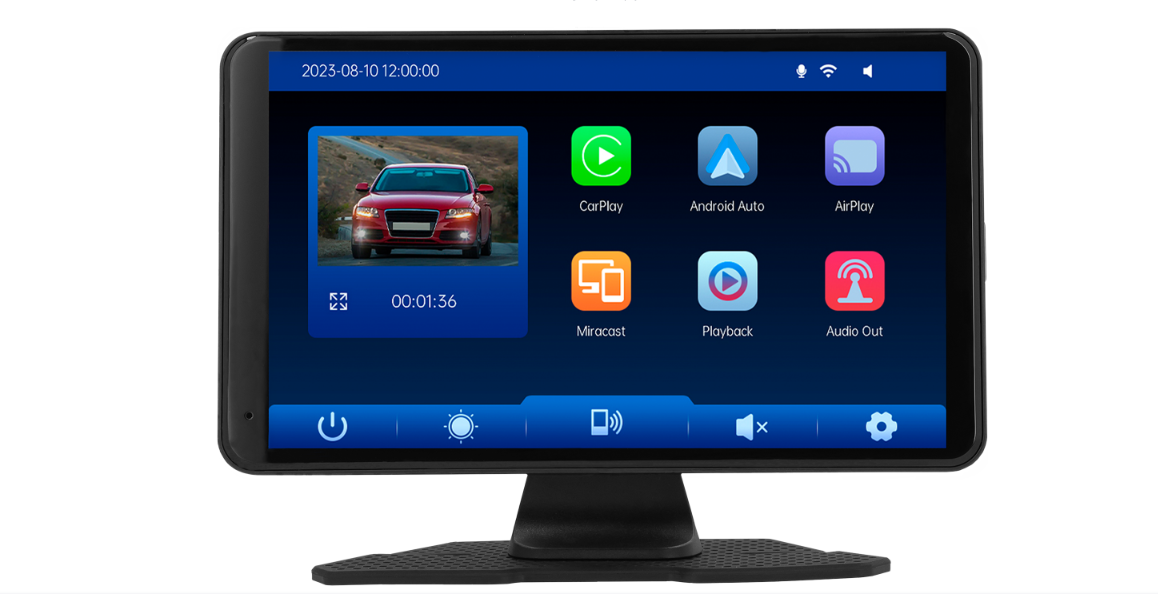
In recent years, smart home technology has transformed the way people live. From automated lighting to voice-controlled appliances, these systems promise convenience and efficiency. However, integrating complex technology into daily life comes with new types of risks. Even a minor programming glitch or a delayed sensor can create hazards in spaces that were previously considered safe. Many homeowners assume that installing smart devices eliminates everyday dangers, but the reality is that technology can sometimes introduce unseen risks.

The appeal of controlling everything from a smartphone or tablet can give a false sense of security. While monitoring systems can detect some problems, they cannot always prevent physical accidents. For instance, a voice-activated assistant may turn on a device at the wrong time, or motion sensors may fail to detect a wet floor. These malfunctions can directly contribute to injuries that might have been avoided in a non-automated environment. As technology becomes more intertwined with living spaces, homeowners need to recognize the potential for accidents even in the most modern homes.

A deeper concern is how residents interact with multiple devices simultaneously. Homes filled with smart gadgets can create a chaotic environment if devices do not communicate effectively. Conflicting commands or overlapping schedules may leave areas dark or cluttered, which increases the chance of accidents. Careful consideration of how technology integrates into daily routines is crucial. Without thoughtful management, the very systems designed to make life safer and easier may inadvertently introduce new hazards that require constant attention.

Slip and Fall in Modern Homes

According to Donaldson & Weston, slip and fall incidents remain among the most common household injuries, and smart homes are not immune. Shiny floors, slick tiles, and recently installed smart appliances can create hazards that go unnoticed until an accident occurs. Many people do not realize that even small changes in floor texture or lighting patterns can increase the likelihood of slipping. A misaligned smart rug sensor or a poorly lit staircase can quickly turn an ordinary walk into a dangerous fall.

Medical reports confirm that these types of injuries can lead to sprains, fractures, and long-term mobility issues. For homeowners, the challenge is balancing the desire for a technologically advanced environment with the need for safety measures that prevent slips. This may include investing in better lighting, non-slip mats, and regular inspections of automated systems. Awareness of how devices interact with the home environment is critical for reducing the chance of accidents that disrupt daily life.

Smart flooring systems and automated cleaning devices are sometimes added with the intent to reduce hazards, but they can have the opposite effect if not installed properly. For example, a vacuum robot may leave cords or small objects across the floor that sensors fail to detect. Even intelligent lighting that adjusts based on movement can create shadows or glare that misleads the eye. Combining technology with simple precautions like secure flooring, clear pathways, and careful device placement creates the safest environment for residents of all ages.

Technology and Device Malfunctions

Even the most sophisticated devices can fail under certain conditions. Smart lighting systems, automated vacuum cleaners, and intelligent flooring sensors are all susceptible to glitches. For instance, a robotic cleaner may leave cords or objects in high-traffic areas, creating tripping hazards. Similarly, voice-activated lights may not respond as intended, leaving areas dark and unsafe. These seemingly minor malfunctions can escalate quickly, especially for elderly residents or children.

Homeowners must understand that the addition of technology requires a new layer of vigilance. Regular testing and maintenance of devices can prevent accidents before they occur. Beyond physical safety, homeowners may also face emotional and financial consequences if someone is injured. The integration of smart technology offers convenience but also demands responsibility to ensure that the home remains a safe space for everyone.

Technical malfunctions are often unpredictable, which makes them particularly dangerous. Sensors may fail during power surges, and devices may misinterpret environmental changes such as humidity or temperature. Without routine checks, a system may stop performing as intended for weeks, creating hidden hazards. Recognizing that technology is not foolproof and maintaining a proactive approach can prevent accidents and help homeowners retain confidence in their smart systems.

Preventing Injuries Through Smart Design

Designing a smart home that prioritizes safety is essential. This includes installing devices in a way that reduces risks rather than creates them. Automated lighting should provide consistent illumination along pathways, especially near stairs and entryways. Motion sensors and floor sensors need to be tested frequently to ensure accurate readings. By thoughtfully planning technology placement, homeowners can reduce hazards while still benefiting from modern conveniences.

In addition, understanding how people interact with technology is key to preventing accidents. Family members may not always be aware of the risks posed by moving devices or unexpected system behaviors. Creating simple safety routines, such as clearing floors of obstacles and checking sensors regularly, ensures that technology enhances rather than compromises safety. Proper planning and awareness are vital in minimizing injury risks in technologically advanced homes.

Integrating smart home technology with traditional safety design further strengthens protections. Handrails, anti-slip mats, and well-marked walkways remain important even in homes equipped with the latest devices. Combining these measures with technology ensures that residents are protected in both predictable and unexpected situations. A deliberate, multi-layered approach to home safety reduces the chances of accidents and supports a seamless experience between convenience and protection.

Emergency Responses and Assistance

Even with precautions, accidents can occur. Smart homes often include features like automated emergency alerts and medical monitoring, which can be lifesaving. Devices can detect falls and alert family members or emergency services immediately. This rapid response can reduce the severity of injuries and provide peace of mind to residents. However, these systems are only effective if properly configured and maintained.

Homeowners should also consider redundancies. Batteries must be charged, internet connections should be stable, and emergency contacts should be kept current. Technology is a powerful tool for protecting residents, but it is not infallible. Combining technological solutions with traditional safety measures such as grab bars, rugs, and clear pathways ensures a more comprehensive approach to preventing and responding to injuries.

Maintaining open communication with family or caretakers can improve the effectiveness of emergency responses. If multiple people live in a home, everyone should understand the capabilities and limitations of the devices in use. This ensures that alerts are noticed promptly and that appropriate action is taken without confusion. Technology works best when paired with awareness and preparedness, creating a home environment where help can arrive quickly when needed.

Living Safely in a Smart World

Smart homes offer remarkable benefits, but they also introduce new challenges for everyday safety. By recognizing the risks associated with device malfunctions and slip hazards, homeowners can make informed decisions about how to implement technology. Regular maintenance, thoughtful design, and proper safety routines can reduce the likelihood of accidents and enhance the comfort of modern living spaces.

Residents must remember that technology should support, not replace, personal vigilance. Creating a home environment that is both advanced and safe requires consistent attention and practical strategies. When smart devices are used thoughtfully, the potential for injuries can be minimized, allowing families to enjoy the conveniences of a connected home without compromising well-being. Smart living does not mean risk-free living, but with careful planning, the benefits can far outweigh the dangers.

A key consideration is ensuring that smart technology remains adaptable as needs change. Families may grow, visitors may arrive, or mobility issues may develop over time. Devices and safety measures must evolve to meet these shifting demands. Regularly reassessing both technology placement and traditional safety features ensures that the home continues to provide protection for all occupants. By treating safety as an ongoing process rather than a one-time installation, residents can confidently enjoy a connected, secure living environment for years to come.


How Solar Technology is Revolutionising Residential Construction in Ireland

The Irish residential construction sector is undergoing a remarkable transformation, driven by an unprecedented shift towards renewable energy solutions. At the forefront of this revolution is solar technology, which has evolved from a niche consideration to a fundamental component of modern home design. As Ireland commits to ambitious climate targets and homeowners grapple with escalating energy costs, solar panels and associated technologies are reshaping how we conceive, construct, and inhabit residential properties across the Emerald Isle.

This transition represents more than a mere trend; it signals a fundamental reimagining of sustainable living in the Irish context. Despite the nation’s reputation for cloudy skies and frequent rainfall, advances in photovoltaic technology and supportive government policies have positioned solar energy as a practical and economically viable solution for Irish households. From Cork to Donegal, solar installations are becoming increasingly commonplace, heralding a new era in residential construction that prioritises energy independence, environmental responsibility, and long-term cost savings.

  • The Evolution of Solar Technology in Irish Residential Settings

Ireland’s journey with solar technology has been relatively recent but remarkably swift. Historically, the country’s overcast climate was perceived as an insurmountable barrier to solar adoption. However, technological breakthroughs in photovoltaic efficiency have shattered this misconception. Modern solar panels can generate electricity even on cloudy days, harnessing diffuse sunlight with remarkable effectiveness. This capability has proven particularly significant for Ireland, where direct sunshine may be limited but ambient light remains abundant throughout much of the year.

The past decade has witnessed dramatic improvements in solar panel efficiency, with contemporary systems converting upwards of 20% of captured light into usable electricity – double the efficiency of panels available just fifteen years ago. Simultaneously, manufacturing advances have reduced costs by more than 80% since 2010, transforming solar from a luxury addition into an accessible option for mainstream homebuilders and renovators alike. This convergence of improved performance and affordability has catalysed widespread adoption across Ireland’s residential sector.

  • Government Initiatives Driving Solar Adoption

Ireland’s regulatory landscape has evolved considerably to encourage renewable energy adoption in residential construction. The Sustainable Energy Authority of Ireland (SEAI) administers several grant schemes that significantly reduce the upfront costs of solar installations. The Solar PV Grant scheme offers homeowners substantial financial support, covering a considerable portion of installation expenses for qualifying systems. This initiative has proven instrumental in accelerating solar uptake, particularly amongst middle-income households for whom the initial investment might otherwise prove prohibitive.

Beyond direct financial incentives, Ireland’s revised Building Regulations now incorporate stricter energy performance standards for new constructions. The Nearly Zero Energy Building (NZEB) standard, mandatory for all new homes since 2020, effectively necessitates renewable energy integration to achieve compliance. Solar photovoltaic systems represent one of the most straightforward pathways to meeting these requirements, consequently becoming a standard consideration in contemporary residential design rather than an optional extra.

The Microgeneration Support Scheme, whilst still developing, promises to further incentivise solar adoption by enabling homeowners to sell surplus electricity back to the grid at favourable rates. This feed-in tariff arrangement transforms solar panels from purely cost-saving devices into potential income generators, fundamentally altering the economic calculus for prospective installers like MMK Solar.

  • Integration into New Build Construction

The most profound impact of solar technology is evident in new residential developments, where integrated design approaches enable optimal system performance and aesthetic coherence. Forward-thinking developers now incorporate solar considerations from the earliest planning stages, orienting properties to maximise southern exposure and designing roof profiles that accommodate panel installations without compromising architectural integrity.

This holistic approach extends beyond simple panel placement. Modern developments increasingly feature coordinated systems where solar generation interfaces seamlessly with battery storage, heat pumps, and intelligent home energy management systems. Such integration enables unprecedented levels of energy self-sufficiency, with some new Irish homes achieving 70% or greater independence from grid electricity during warmer months.

Building Information Modelling (BIM) technology has facilitated this integration, allowing architects and engineers to simulate solar performance during the design phase. These predictive capabilities enable optimisation of panel placement, system sizing, and electrical infrastructure before construction commences, reducing installation costs and maximising long-term performance. Consequently, solar systems in new builds typically deliver superior returns compared to retrofit installations, as the entire property ecosystem is designed around home renewable energy from inception.

  • Retrofit Applications in Existing Housing Stock

Whilst new builds benefit from integrated design, the majority of Ireland’s housing stock predates modern energy standards, presenting both challenges and opportunities for solar retrofitting. Older properties often feature suboptimal roof orientations, structural limitations, and outdated electrical systems that complicate solar installations. Nevertheless, technological advances and innovative installation techniques have made solar retrofitting increasingly viable across diverse property types.

Lightweight panel designs now enable installation on roofs previously deemed unsuitable due to load-bearing constraints, whilst micro-inverter technology allows systems to function efficiently despite shading or non-ideal orientations. For properties where traditional rooftop installations prove impractical, ground-mounted arrays and solar tiles offer alternative pathways to renewable generation.

The economics of retrofit installations have improved markedly, with typical payback periods now ranging from eight to twelve years depending on system size and household consumption patterns. When combined with available grants, many homeowners achieve energy cost reductions of 40-60%, providing compelling financial incentives alongside environmental benefits. This economic attractiveness has stimulated a thriving installation sector, with hundreds of certified installers now operating across Ireland.

  • Battery Storage and Energy Independence

The integration of battery storage systems represents perhaps the most transformative development in residential solar technology. Traditional grid-tied systems without storage can only utilise solar generation instantaneously, necessitating grid electricity during evenings and overnight periods when consumption typically peaks. Battery systems fundamentally alter this dynamic, enabling households to store surplus daytime generation for evening use, dramatically increasing solar self-consumption rates.

Modern lithium-ion battery systems offer storage capacities ranging from 5kWh to 15kWh or more, sufficient to power typical Irish homes through evening peak periods and overnight. Combined with adequately sized solar arrays, these systems can deliver energy independence rates exceeding 80% during spring and summer months, with meaningful contributions throughout winter.

Beyond economic benefits, battery storage enhances energy security, providing backup power during grid outages – an increasingly pertinent consideration given climate-related disruptions to electricity networks. This resilience aspect is particularly valued in rural areas where service restoration may require extended periods following severe weather events.

  • Environmental and Economic Impact

The cumulative environmental impact of Ireland’s residential solar revolution is substantial and growing. Each installed kilowatt of solar capacity reduces annual carbon emissions by approximately 0.5 tonnes, collectively preventing thousands of tonnes of greenhouse gases from entering the atmosphere annually. As installations multiply, this contribution towards Ireland’s climate obligations becomes increasingly significant, complementing larger-scale renewable projects like offshore wind farms.

From an economic perspective, widespread solar adoption reduces pressure on the national grid during peak demand periods, potentially deferring or eliminating the need for costly infrastructure upgrades. At the household level, solar installations provide hedge against future energy price volatility, offering predictable, low-cost electricity generation over system lifespans typically exceeding 25 years.

The solar sector itself has become a notable employer, with installation, maintenance, and related services supporting thousands of jobs nationwide. This growth in green employment aligns with broader economic development objectives whilst contributing to the low-carbon transition.

  • Challenges and Future Prospects

Despite remarkable progress, challenges remain. Grid infrastructure in some areas requires upgrading to accommodate high penetrations of distributed generation, whilst planning regulations in certain contexts can complicate installations, particularly in conservation areas or protected structures. Ensuring installer quality and consumer protection as the market expands requires ongoing regulatory attention.

Looking forward, continued technological advancement promises even greater possibilities. Emerging technologies including perovskite solar cells, bifacial panels, and building-integrated photovoltaics may deliver efficiency gains and aesthetic improvements that further accelerate adoption. As battery costs continue declining and vehicle-to-home technology matures, the integration of electric vehicles into home energy systems presents exciting possibilities for enhanced self-sufficiency.

  • Conclusion

Solar technology has unquestionably revolutionised residential construction in Ireland, transforming renewable energy from aspiration to mainstream reality. Through supportive policies, technological advancement, and growing environmental awareness, solar systems have become integral to modern Irish homes, delivering economic, environmental, and energy security benefits that extend far beyond individual households.

As Ireland continues its journey towards carbon neutrality, the residential sector’s embrace of solar technology represents a cornerstone of success. The revolution is not merely technical but cultural, reflecting a fundamental shift in how Irish society conceptualises sustainable living. With each installation, Ireland moves closer to a future where clean, renewable energy powers our homes, strengthens our economy, and safeguards our environment for generations to come.

Staying Ahead of the Threat: The Future of Cyber Defense

What’s your plan when your Wi-Fi suddenly dies during a Zoom call? Restart the router? Blame your service provider? Panic a little? Now, imagine that instead of a frozen screen, your company’s internal data system crashes because of a silent, fast-moving cyberattack. Not so funny anymore.

Today’s digital world doesn’t wait. Neither do cyber threats. They move with speed, precision, and sometimes, eerie silence. Breaches no longer come with flashing red lights or alarms. Most slip in quietly, linger, and then strike with force. The gap between threat and response has become the defining line between resilience and disaster.

In this blog, we will share how cybersecurity has shifted from reaction to readiness, why velocity matters more than ever, and what forward-thinking companies are doing to stay ahead of attackers who’ve swapped brute force for stealth and strategy.

Why Instant Response Is the Only Response That Matters Now

Here’s the blunt truth: if your defense strategy depends on finding the threat after it shows itself, you’re already behind. Modern cyberattacks are designed to strike without leaving obvious clues. By the time traditional defenses raise a flag, the damage has often been done.

That’s why tools like Heimdal’s EDR solution have become indispensable. It doesn’t just detect known threats. It hunts for anomalies, responds autonomously, and learns from each attempt to get smarter. It plugs directly into a broader ecosystem of threat intelligence, giving organizations a 360-degree view of their digital environment.

Think of it like this: traditional antivirus is like locking your front door. Heimdal’s approach is like having security guards, cameras, motion sensors, and a rapid-response team trained for every possible break-in—all operating in real time.

More importantly, this kind of system works quietly in the background. It doesn’t need constant babysitting. And it doesn’t rely on a human noticing something’s off. In today’s world, waiting for someone to click “scan for threats” is like locking the barn after the horse has bolted.

One global retail chain recently avoided a six-figure breach because their threat monitoring system flagged a remote access attempt from an unfamiliar device. Within seconds, it blocked the attempt, flagged the user account, and alerted the IT team. They never had to shut anything down. Customers were unaffected. That’s what modern defense looks like.

The Bigger Picture: Trust, Downtime, and the Cost of Being Slow

Cybersecurity is no longer just an IT issue. It’s a business issue. And a trust issue. Consumers today aren’t forgiving. A single breach can kill a brand’s reputation overnight. Just ask any major company that’s been in the headlines for leaking personal data. Recovery is slow, public confidence is slower.

Then there’s the cost. IBM notes in its Cost of a Data Breach Report that the average global breach cost $4.45 million in 2023. That number climbs if the attack affects regulated industries like healthcare or finance.

But here’s the real kicker: much of that cost comes not from the attack itself, but from the time it takes to detect and contain it. The longer you wait, the worse it gets. This is why fast, proactive protection isn’t just a feature. It’s a business necessity.

And yet, many companies still treat cybersecurity like a seatbelt they only buckle once they’ve seen an accident. In an era where ransomware gangs offer customer support (yes, that’s real), hesitation is an open invitation.

From Passive Monitoring to Active Defense: What Modern Systems Do Differently

The best protection doesn’t wait. It predicts.

Instead of scanning for known threats once a day, modern systems continuously analyze behavior. That weird file you downloaded? The strange login at 2 a.m.? The sudden spike in CPU usage? These aren’t ignored—they’re investigated immediately.

Today’s top platforms combine several functions into one: antivirus, patch management, access controls, threat intelligence, and more. They don’t operate in silos. They share insights and trigger automated actions, reducing the time between detection and resolution to near-zero.

This integrated model also removes friction. IT teams don’t have to juggle five dashboards or hop between tools. They get alerts that matter, not noise. And they can respond without wasting time figuring out where the threat came from.

It’s not about replacing humans. It’s about giving them superpowers.

What You Can Do Now: Building a Speed-Oriented Cyber Mindset

So, how can you keep up?

First, review your current tools. Are they reactive or proactive? Do they stop at detection or go further? Take a hard look at what each solution actually does in practice, not just what the vendor promised in the brochure.

Second, look at integration. If your antivirus doesn’t talk to your firewall, and your firewall ignores your threat logs, you have blind spots. The attackers won’t miss them. Every second counts, and fragmented systems slow down your ability to act fast and effectively.

Third, educate your team. The best tools in the world won’t help if an employee clicks on a phishing link. But education must go beyond a once-a-year PowerPoint. Make it a habit. Keep people aware. Create a security culture where everyone understands that fast action is part of their job, too.

Fourth, automate where you can. Manual incident response is too slow. Build workflows that isolate devices, flag accounts, and shut down access when red flags appear. Automation doesn’t replace your team—it gives them the speed they need to stay ahead.

Fifth, audit your response time. Run simulations. Can you detect, assess, and respond to an incident in under 30 minutes? If not, that’s your benchmark. If you’re not testing regularly, you’re gambling with your downtime and customer trust.

Remember, cybersecurity is not about perfection. It’s about preparedness. The faster you respond, the smaller the damage. It’s a race—and the attackers aren’t slowing down.

The future of digital protection isn’t locked behind a firewall or buried in a policy document. It’s active, alert, and always learning. The goal isn’t to eliminate risk. That’s impossible. The goal is to get faster than the threat. The companies who realize this now won’t just survive the next breach. They’ll barely feel it. And while others scramble to catch up, these organizations will be moving forward, uninterrupted.

European electronics under geopolitical pressure: why industrial sovereignty matters

The European electronics industry is facing mounting geopolitical pressures that threaten the continent’s technological and industrial sovereignty. Europe’s reliance on external sources for critical electronic components, especially in defense and advanced technologies, has created significant vulnerabilities in supply chains. Industrial sovereignty, the ability to produce essential technologies domestically, has become a vital strategic priority to safeguard European security, economic resilience, and technological leadership.

Europe’s Declining Electronics Manufacturing Base

Europe’s share of global electronics manufacturing has plummeted over recent decades. According to a 2025 IPC report, Europe’s share of global electronics production fell by over 35%, now constituting only 11.6% globally. This decline is particularly alarming in sectors linked to defense, where the electronic content of military equipment has risen from 10% in 2000 to 17% in 2023, expected to reach 25% by 2035-2040. Despite electronics becoming more critical to defense capabilities, Europe produces only a fraction of the advanced components it needs domestically. For example, Europe accounts for just 8% of global defense-related advanced packaging, 6% of printed circuit boards (PCBs), and 4% of integrated circuit (IC) substrates manufacturing.​

Strategic Vulnerabilities in Defense Readiness

The erosion of Europe’s electronics industrial base exposes it to supply chain disruptions, particularly for essential defense technologies like drones, radar systems, and secure communications. Without a resilient European electronics ecosystem, the continent’s defense readiness could be critically compromised amid geopolitical shifts.

Europe’s defense sector urgently needs policies focused on strengthening domestic electronics production to minimize dependency on foreign suppliers and improve industrial resilience. Events like the Evertiq Expo 2025 emphasize the growing recognition that Europe’s security is increasingly tethered to its ability to produce strategic electronics internally.​ Ecrin Systems, a key European player in embedded electronics and rugged industrial computers, exemplifies the importance of sustaining domestic manufacturing capacity to meet the most demanding industry and defense requirements.

Broader Geopolitical and Economic Pressures

Beyond defense, Europe’s entire electronics supply chain faces geopolitical risks heightened by U.S.-China tensions, trade disputes, and fractured global alliances. The semiconductor industry, a cornerstone of modern electronics, is globally concentrated, with around 80% of production located in Taiwan. Europe and the U.S. each hold about 10%, prompting the EU to launch initiatives like the Chips Act, aiming to quadruple domestic production of advanced chips by 2030 to reduce strategic dependencies and boost competitiveness.​

European components distribution data from 2025 reveal fragile recovery signs but also lingering vulnerabilities. The market showed modest growth (+4.09%) yet remained exposed to geopolitical tensions. Some regions such as Turkey and Benelux experienced growth while others, including Eastern Europe and the UK, saw declines. Semiconductor distribution increased by only 0.77%, highlighting ongoing challenges in supply stability and growth. Energy costs, fragmented markets, and industrial restructuring further complicate Europe’s electronics manufacturing landscape.​

Why Industrial Sovereignty Matters

Industrial sovereignty is more than an economic ambition, it is a strategic imperative. Europe’s ability to develop, manufacture, and control key electronic components directly impacts its technological sovereignty, defense capabilities, and economic stability. Dependence on external suppliers risks supply chain disruptions during geopolitical crises, undermining national security and critical infrastructure.

Achieving industrial sovereignty requires coordinated European policies, investment in innovation and manufacturing capacity, and support for small and medium enterprises (SMEs) across the electronics value chain. The European Union’s strategic frameworks seek to enhance resilience by financing new production facilities, improving scaling opportunities, and aligning defense and industrial policies.​

In a world where technology is a core geopolitical battleground, Europe’s path to industrial sovereignty is challenging but vital. Strengthening domestic electronics manufacturing capacity protects against external disruptions, underpins defense readiness, and ensures Europe retains leadership in the digital and green transitions vital to its future prosperity.

What Every Finance and Operations Manager Should Know About Digital Invoices and E-Invoicing

When you’re sitting in the board-room or reviewing the operations of your organisation, the term digital invoice should shift from being an “optional upgrade” to a “strategic must.” Below is a professional, clear walk-through designed for decision-makers, finance managers, operations heads, procurement leads, who are ready to bring their invoice processes into the 21st century.

What a digital invoice really means

A digital invoice is more than a PDF sent by email. It is an invoice created, sent, received, and processed in digital form. It is ideally integrated with your accounting or ERP systems, archival storage, and workflow approval. The key is that it replaces much of the manual handling of paper, and it reduces testing and sorting, and enhances visibility.

Meanwhile there is a closely-related term: electronic invoice (or e-invoice). That term refers typically to invoices with structured data, machine-readable formats (XML, EDI) that can be automated by the receiver’s system. 

In short: 

Every electronic invoice is a digital invoice, but not every digital invoice is a full e-invoice with structured automatic processing. 

Why you should care about digital invoice adoption

From the vantage of a senior manager, implementing digital invoices delivers real business value:

Cost savings in processing 

Traditional paper or manual invoices incur printing, postage, manual input, errors, and rework. Changing to digital invoice workflows can significantly reduce those costs. 

Faster cash-flow and payment cycles  

With digital invoices you can send, receive and begin processing immediately. This improves invoice turnaround, reduces late payments and improves visibility into payables/receivables. 

Improved accuracy and fewer exceptions  

When your invoice data comes in digital form, you reduce manual entry, mistakes, mismatches and disputes. That means fewer vendor queries, less time chasing issues. 

Auditability, compliance and visibility 

Invoices stored digitally can be searched, traced, and integrated with your systems. That supports audit trails and regulatory compliance more easily than paper invoices. 

Better supplier/customer relationships 

When you pay reliably, when your processing is efficient, your vendors are happier and your reputation improves. Digital invoice workflows contribute to that. 

Scalability and future-readiness  

As your business grows (volume, geographies, complexity), manual invoice processes become a bottleneck. Digital invoice systems scale more easily. 

How to approach implementation for organisations

Since you’re thinking with a strategic hat on, here are the steps and considerations:

  1. Review your current process: How many invoices/month? How many manual touches per invoice? What is the error/exception rate? Where are delays?

  2. Define your goals for digital invoice adoption: Do you want cost reduction, fewer errors, faster supplier payments, better control? Get measurable targets.

  3. Check system compatibility & data flows: The digital invoice solution must integrate with your ERP/AP system. Also check how your suppliers will submit invoices and the format required. 
  4. Decide the level of “digital-automation” you need: Are you simply going paperless (digital invoice as PDF + upload)? Or are you going full e-invoice (structured data, automated matching, real-time validation)? The decision impacts cost and benefit. 
  5. Prepare your stakeholders (vendors, team, IT): Your team will need training. Suppliers need to know how to send digital invoices. Define the workflows, approval channels, escalation paths.

  6. Pilot with a subset: Start with a manageable number of invoices/suppliers, test, refine, then scale.

  7. Track performance and refine: Measure invoice processing time, error rate, cost per invoice, supplier satisfaction. Use data to improve.

  8. Archive and compliance: Make sure your digital invoice system allows for secure storage, audit trail, retention policy, legal validity.

How the electronic invoice dimension adds value

When you move beyond digital invoice (i.e., upload of PDF) to full electronic invoice (structured, automated), you get deeper benefits:

  • Machine-readable fields, automatic matching of purchase orders, invoices, shipping receipts reduce human intervention. 
  • Real-time data for payables/receivables dashboards and better financial planning.

  • Reduced fraud risk, improved regulatory alignment (dependent on jurisdiction).
  • Higher level of integration with trading partners and business systems – less “manual hand-offs” between buyer/supplier operations.

Bottom line for your organisation

If I were advising a CFO or operations head: implementing a digital invoice framework is no longer “nice to have.” It’s fundamental. It saves time, saves money, increases capacity and cash flow of your finance department to engage in more value-add instead of paperwork. Going even deeper: by going all the way (structured data, automated workflows) you prepare to have a future in which invoice processing is, on the whole, touchless and in which your organisation is ready to scale and change regulation.

FAQs

How quickly will I see benefits after deploying digital invoice processing? 

You should expect to see improvements in processing time and cost within the first few months of a pilot. Depending on volume and team readiness, many organisations report full return on investment within 12-18 months. 

Will every supplier need to change how they send invoices if we adopt digital invoice workflows? 

Not necessarily all at once, but you’ll want a clear supplier ramp-up plan. Some suppliers may continue paper for a short transition period. For full benefit you’ll encourage them to shift to electronic formats as you scale.

Is a digital invoice the same as a paperless invoice? 

Mostly yes in terms of “no physical paper,” but not exactly. A paperless digital invoice may simply be a PDF scanned or an email attachment. A full digital invoice is integrated with your systems, and an electronic invoice (e-invoice) is even deeper, it uses structured data and automation.


Sentencing and Cybercrime: How Irish and English Courts Respond to Digital Image Offences

Technology has transformed nearly every part of modern life — including how criminal offences are committed, investigated, and prosecuted. One area that has seen particular evolution is digital image crime, including offences involving indecent or unlawful images. 

Understanding how courts handle these sensitive cases is vital for anyone seeking advice on sentencing guidelines for indecent images and how the legal systems in England and Ireland compare.

Both jurisdictions aim to balance justice, rehabilitation, and protection of the public, but there are key differences in sentencing approaches and outcomes. 

The Legal Landscape: UK and Ireland

In England and Wales, offences involving indecent images are primarily prosecuted under the Protection of Children Act 1978 and the Criminal Justice Act 1988. These laws make it illegal to create, possess, or distribute indecent images of minors, regardless of intent or profit.

Ireland, meanwhile, enforces similar prohibitions through the Child Trafficking and Pornography Act 1998, with updates introduced under the Criminal Law (Sexual Offences) Act 2017. Both systems categorise offences by severity, with penalties reflecting intent, image content, and distribution level.

In both jurisdictions, courts now face growing challenges due to the global reach of digital platforms, encrypted data, and cloud storage. International cooperation between police and prosecutors is increasingly essential to manage evidence securely and fairly.

How Courts Assess Sentencing Severity

Judges consider several key factors when determining sentences for digital image offences:

  • Volume and category of images: The more severe and numerous the images, the harsher the potential sentence.
  • Level of intent: Whether the offender deliberately sought or distributed the material versus possessing it unknowingly or briefly.
  • Distribution: Sharing or producing images often leads to significantly higher penalties.
  • Previous convictions: Repeat offences or related criminal history generally result in stronger sentencing.

According to the Sentencing Council, judges must consider both the protection of the public and the prospects of rehabilitation when sentencing digital offences.

Digital Forensics and Evidence

In cybercrime cases, digital evidence is crucial. Forensic specialists can trace file creation dates, download activity, and even attempts to delete or conceal material. However, this evidence must be handled with care to preserve integrity and fairness.

Both the Crown Prosecution Service (CPS) and the Irish Office of the Director of Public Prosecutions (DPP) have introduced specialised cybercrime units to ensure investigations adhere to strict standards of digital forensics.

In England and Wales, courts rely on expert testimony to interpret data accurately, particularly when intent or technical misunderstanding is disputed.

Rehabilitation and Treatment Approaches

While punishment remains an important element, modern sentencing in both England and Ireland increasingly recognises the need for rehabilitation. Judges may order offenders to attend therapy, psychological assessments, or sexual behaviour programmes.

The UK Government offers interventions and treatment pathways aimed at reducing reoffending and helping individuals address underlying issues.

This focus on rehabilitation reflects a wider shift towards prevention and public protection rather than purely punitive measures.

Differences Between Irish and English Sentencing

Although broadly aligned in principle, there are notable differences between the two systems:

  • Sentencing structures: English courts use structured guidelines set by the Sentencing Council, while Irish judges have greater discretion within statutory limits.
  • Suspended sentences: These are more commonly applied in Ireland, particularly for lower-risk offenders who engage with rehabilitation.
  • Probationary conditions: Irish courts often integrate community-based supervision earlier, whereas English courts may impose mandatory treatment as part of longer-term orders.

Despite these variations, both jurisdictions emphasise risk management, safeguarding, and proportionality.

The Role of Expert Legal Representation

Cybercrime cases involving indecent images are technically and emotionally complex. Solicitors and barristers specialising in this area must combine technical knowledge with sensitivity and discretion.

A strong legal team will:

  • Ensure digital evidence is properly obtained and analysed.
  • Highlight mitigating factors, including mental health or lack of intent.
  • Present evidence of rehabilitation or therapy engagement.
  • Protect the defendant’s rights throughout investigations and proceedings.

Specialist representation ensures that both fairness and due process are upheld in what are often highly charged cases.

Looking Ahead: AI and Cybercrime Detection

As artificial intelligence develops, law enforcement agencies are increasingly using machine learning to detect illegal content online. These systems can automatically identify, classify, and report potential offences to human investigators.

While this technology speeds up detection, it also raises ethical questions about privacy and false positives. Balancing technological efficiency with human oversight remains a challenge both in the UK and Ireland.

The coming years will likely see even greater integration of AI into criminal investigations, alongside stronger cross-border cooperation to combat online offences effectively. 

Compassion and Accountability

Facing an allegation related to digital image offences is a life-altering experience. Every case involves both legal and psychological complexity. Courts are increasingly aware that meaningful rehabilitation depends on addressing root causes and supporting mental health recovery.

With the right legal support and access to counselling or therapy, individuals can navigate proceedings more constructively and begin rebuilding their lives responsibly.

Legal Disclaimer

This article is for general information purposes only and does not constitute legal advice. Sentencing for cybercrime and digital image offences varies depending on individual circumstances and jurisdiction. Always seek advice from a qualified criminal defence solicitor experienced in cybercrime and cross-border cases.

What’s Next for Game Monetisation in Ireland?

Ireland’s gaming scene has grown into something far bigger than casual entertainment. It is now a fast-moving mix of creativity, technology, and finance, and it is still expanding. From indie studios in Galway to global publishers with Dublin offices, the country’s footprint in the industry keeps getting stronger. But with growth comes a new challenge: how do you make money from games in ways that keep players engaged and coming back? The future of monetisation here is not just about revenue; it is about building systems that feel seamless, smart, and worth investing in.

From One-Off Purchases to Ongoing Revenue

The way games make money has completely changed in the past decade. Buying a title once and playing it for years has given way to microtransactions, subscription models, and in-game purchases that keep evolving with the game itself.

Ireland has followed the global shift to digital platforms and seamless payments, but with a stronger emphasis on trust and transparency. As iGaming continues to evolve, titles that could be found on exclusive Inclave casinos by pokerscout.com show how integrated gameplay, community features, and built-in payment options can create engaging, repeatable experiences across thousands of games where players can also enjoy exciting bonuses. The same as major releases like Fortnite, where in-game economies, events, and microtransactions are now central to how players interact with the game itself. These examples show how the future of monetisation will revolve around ecosystems that blend play, connection, and payment into something players want to keep returning to.

Clearer Rules, More Confidence

Game-related monetisation in Ireland is entering a new phase, with clearer boundaries emerging around areas like loot boxes, virtual currencies, and skill-based competitions, all while leaving room for creativity and new ideas. This shift is creating a more stable environment for studios to test different models without second-guessing how they will land. 

For players, it means more consistent, transparent experiences and greater confidence in how games are structured and paid for. That balance between innovation and clarity will be what pushes Ireland forward as one of Europe’s most dynamic gaming markets, building an industry where fresh ideas can thrive and audiences feel valued.

New Monetisation Models Taking Shape

Subscription-based access is on the rise, with services like Game Pass and PlayStation Plus proving that players value choice and flexibility. Blockchain and digital wallets are also opening up new ways to manage in-game assets, and while NFTs themselves have cooled off, the technology behind them still holds a lot of potential.

Skill-based competitions and real-money tournaments are growing too, especially among Ireland’s tech-savvy audiences. In every case, trust and usability are what drive spending, and platforms like Inclave are already showing how that combination works in practice.

Where Gaming and Fintech Meet

Ireland’s strength as a tech and fintech hub gives it a serious edge. The same systems that are driving modern finance are fuelling the next generation of gaming. Start-ups in Dublin, Cork, and Limerick are already exploring hybrid models that blend interactive entertainment with financial technology, backed by Enterprise Ireland and EU funding. 

These projects are looking beyond traditional payment methods, exploring integrated wallets, real-time rewards, and shared-value systems that make spending feel like part of the experience rather than a barrier to it. It’s easy to imagine Ireland becoming a testing ground for new ways to pay for games, approaches that focus less on one-off purchases and more on rewarding loyalty, building communities, and keeping engagement high.

Evolving Player Expectations

Irish players are increasingly mobile-first, switching between phones, tablets, and cloud platforms rather than relying solely on consoles or PCs. That shift demands monetisation models designed for flexibility and smaller, more frequent interactions rather than big upfront costs. It also changes how games are designed in the first place, shorter sessions, seamless cross-device play, and features that work just as well on the move as they do at home are becoming essential. Payment systems are evolving too, with integrated wallets, instant purchases, and subscription-style access built to match how people now play. The focus is shifting from single, high-value sales to ongoing engagement that fits naturally into daily life.

There is a growing expectation for clarity and simplicity; players want transparent pricing, clear communication about what they are paying for, and rewards that feel meaningful. They are looking to be part of a game’s evolution, not just passive buyers. Data analytics, personalisation, and loyalty systems will all shape how Irish studios build deeper connections with their audiences.

Looking Ahead

The future of game monetisation in Ireland depends on the right mix of creativity, technology, and clear frameworks. Developers are pushing for the freedom to experiment, players are looking for platforms they can rely on, and the industry is steadily moving towards revenue models that feel smarter and more seamless.

With secure systems like those seen in the Inclave network already leading the way, Ireland is well-positioned to shape the next phase of gaming. Whether through subscriptions, skill-based play, or blockchain-powered systems, the Irish market is set to redefine how games are valued not just in euros, but in how much players want to be part of them.

OxygenCare expands Digital Healthcare offering with Medanets

OxygenCare is delighted to announce the introduction of the Medanets integrated Point of Care Nursing app to its ever-expanding Digital Healthcare solutions portfolio. The collaboration brings together two companies with a shared vision for improving patient care through innovative digital healthcare solutions.

Stephen Nicholson, Digital Health Manager, OxygenCare, explains: “Medanets simplifies nursing routines, supports decision making, complements and integrates with EHR systems, and releases time to care for patients.’ The CE and MDR certified app was developed in collaboration with healthcare professionals.

OxygenCare is a multi-award-winning, family-owned business with over 50 years supporting healthcare throughout the island of Ireland.

“Their dedicated digital health team and prior experience in delivering complex ICU and anaesthesia systems make them an deal partner for us,” says Medanets CEO Juha-Matti Ranta. “On top of that, their deep market knowledge and the impression made by their team further solidified our confidence in this partnership. It seems we are a natural fit in both values and working style.”

For over 30 years, OxygenCare has been transforming digital healthcare through clinical systems and working with innovative products and solutions throughout Ireland. The Medanets integrated nursing app supports point-of-care documentation and immediate access to key patient data, making it a natural fit with OxygenCare’s digital portfolio.

Combining OxygenCare’s connectivity solutions with Medanets’ mobile solutions can provide significant added value both to organisations already using an electronic health record (EHR) and to hospitals beginning their digital journey.

“We can offer healthcare providers a fast-track way to modernise operations, even in settings where an EHR is not yet in place. For instance, Medanets supports “lightweight IT” approaches such as sending PDFs directly to a document archive—a direct impactful step forward in digital empowerment,” Ranta explains.

Maurice Moran, Managing Director of OxygenCare, 
adds: “This Medanets offering complements our portfolio, and we see strong market potential. Together, we are currently conducting exploratory efforts in the market to identify opportunities and tailor our approach to local needs. Through this new partnership, all care phases can be managed digitally through a single provider. This partnership marks a promising step toward improving healthcare outcomes in Ireland and underscores the strength of collaboration in driving innovation forward.”