Is Video Gaming Becoming More Expensive?

Gaming used to be simple. Buy a console, pick up a few games, and you were set for years. Now? The costs keep stacking up in ways that weren’t there before.

Console prices have climbed. The PlayStation 5 launched at £449 for the standard edition. The Xbox Series X hit shelves at £479. That’s before you factor in extra controllers, storage upgrades, or any games. And games themselves aren’t getting cheaper either.

In 2023, the average retail price for a physical video game in the UK sat at £35.70. New releases for current-gen consoles often push past £60. Add in season passes, downloadable content, and microtransactions, and a single game can cost well over £100 if you want the full experience.

Then there are subscriptions. PlayStation Plus, Xbox Game Pass, Nintendo Switch Online. Each one adds another monthly or yearly fee. Sure, you get access to libraries of games, but those costs add up month after month. What used to be a one-time purchase now becomes a recurring expense.

Cheaper Ways to Play

Not everyone wants to drop £500 on a console and £60 per game. Alternatives exist if you know where to look.

Free-to-play games dominate now. Fortnite, Apex Legends, Warzone. These games cost nothing upfront and provide hundreds of hours of entertainment. Yes, they push cosmetics and battle passes, but you can ignore all that and still play the full game.

Mobile gaming offers another route. Your phone can handle impressive games now. Some are free, some cost a few quid. It’s not the same experience as console gaming, but it’s gaming nonetheless without the hardware investment.

PC gaming has its own costs, but platforms like Steam run constant sales. Games that cost £50 at launch drop to £10 or less within a year. Patient gamers can build massive libraries for a fraction of console prices.

Browser-based games have improved too. You don’t need powerful hardware. No downloads, no storage concerns. Just open a tab and play. The quality varies, but options exist for every type of player.

The iGaming Alternative

New casino operators offer a different type of gaming experience entirely. These platforms provide entertainment through slots, table games, and live dealer options. Many include welcome bonuses and promotions that stretch your budget further than buying full-price video games.

The appeal is different from traditional gaming. It’s not about completing campaigns or ranking up. It’s about the experience itself, the variety of games available, and the social elements some platforms provide. For people who want gaming entertainment without investing in expensive hardware, it’s worth considering.

iGaming platforms work on almost any device. No console required. No storage issues. No waiting for downloads. You log in and play. The barrier to entry is lower, which matters when console gaming keeps getting more expensive.

The Hidden Costs Keep Growing

Storage is another expense most people don’t see coming. Modern games are massive. Call of Duty titles regularly exceed 100GB. Storage fills up fast, especially on base console models. Upgrading means buying expensive SSDs that can cost as much as some games themselves.

Accessories pile on too. Want a second controller for local multiplayer? That’s another £50 to £60. Headsets, charging docks, protective cases. The little things add up faster than you’d think.

The cost of developing games has skyrocketed, with major releases requiring budgets between £50 million to £100 million or more. These development costs inevitably get passed down to consumers through higher game prices and more aggressive monetization strategies.

Online multiplayer used to be free on most platforms. Now you need a subscription just to play with friends. Cross-play features, cloud saves, monthly free games. They’re nice perks, but they come at a price that didn’t exist in previous console generations.

Subscriptions That Actually Save Money

Not all gaming subscriptions drain your wallet. Some provide real value if you use them properly.

Xbox Game Pass gives you access to hundreds of games for a monthly fee. If you play even two or three games from the library each month, you’re saving money compared to buying them outright. Day-one releases for major titles make it even better value.

PlayStation Plus has tiers now. The basic tier just covers online play. The higher tiers include game libraries similar to Game Pass. Whether it’s worth it depends on how much you play and what games interest you.

EA Play costs less than most subscriptions and includes sports titles, which are some of the most expensive annual releases. If you play FIFA or Madden every year, the subscription pays for itself quickly.

The key is picking one subscription that matches your gaming habits instead of paying for multiple services you don’t fully use.

The Real Question

Is gaming more expensive now? Yes. Video game software prices have climbed. Game prices have increased. Subscriptions add recurring costs. Storage, accessories, and DLC pile on even more expenses.

But options exist. Free-to-play games, sales, subscriptions, mobile gaming, and alternatives like iGaming platforms give people choices. You don’t have to spend £500 on a console and £60 per game to enjoy gaming anymore.

The expensive path is still there if you want the latest hardware and newest releases. But budget-conscious gamers have more alternatives now than ever before. Pick what fits your wallet and how you actually want to play.

Car subscriptions could be the catalyst for greener mobility in Europe

Europe’s recent uptick in electric vehicle sales hasn’t been enough to reverse a year in decline. According to international car experts, car subscription models hold significant untapped potential that could advance Europe’s green mobility.

Electric vehicle sales in Europe increased in October with a total of 124,907 new EVs being registered, representing an uptick of around 2% compared to the same month the year before. However, the small gain isn’t enough to turn around this year’s negative trend, as year-to-date EV sales are still 5% lower than last year, according to figures from trade organization the European Automobile Manufacturers Association (ACEA).

David Bailey, professor of Business Economics at Birmingham Business School, says that car subscriptions could be key to advancing the uptake of electric cars in Europe.

– Car subscription models are a great way for consumers to ‘dip their toes’ into the EV market. Drivers are sometimes hesitant about adopting this new technology due to high upfront costs and fears about range and charging and uncertainty regarding resale value, says David Bailey, adding:

 A car subscription model allows consumers to see if EVs fit their lifestyles and whether they are cost-effective for them. Car subscriptions don’t tie people down for long periods, so they can enable consumers to try EVs while minimizing risk.

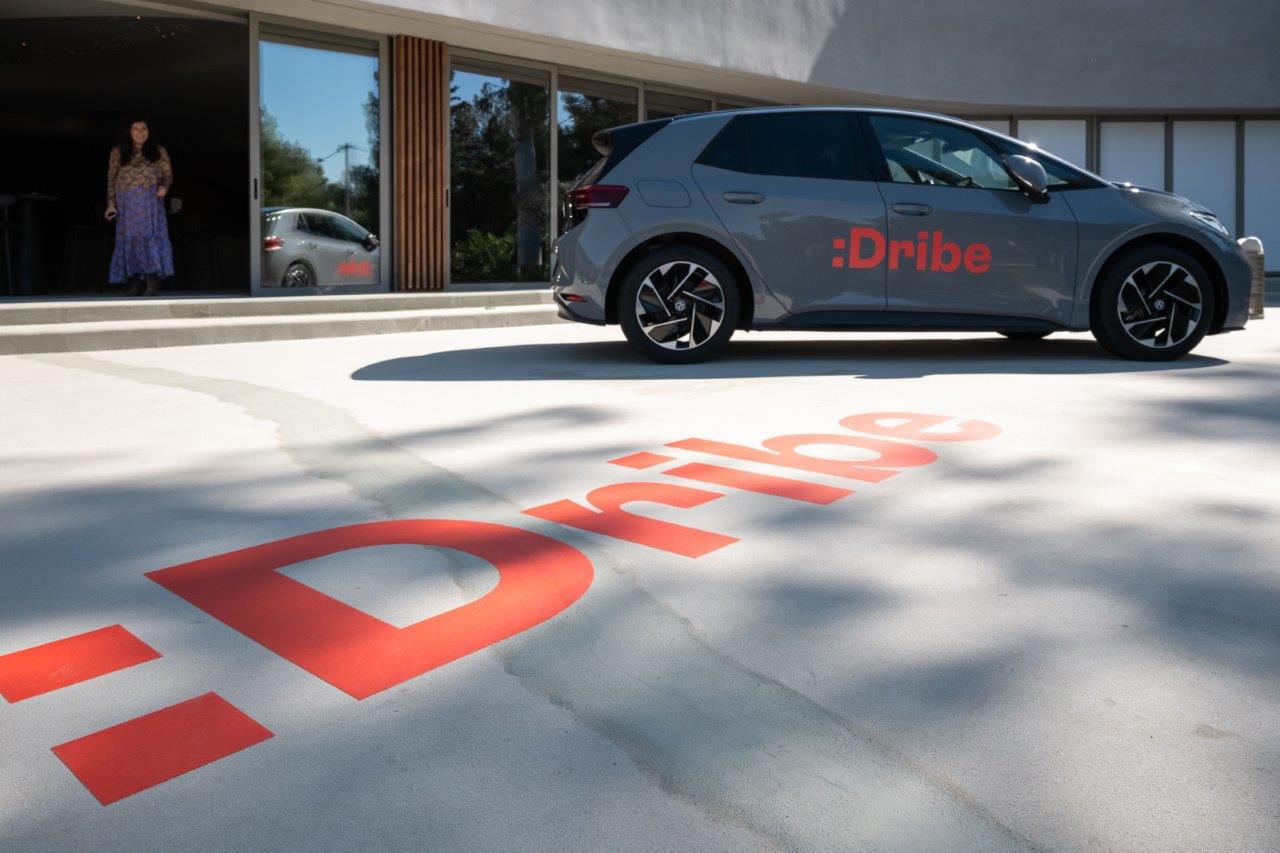
Car subscription service :Dribe, which is owned by Denmark’s largest automotive player, Semler Gruppen, offers a fully digital customer journey and open-ended subscription, giving subscribers full control and the flexibility to adapt their subscription and vehicle to match their dynamic needs at their convenience – be it an EV or a conventional solution, says CEO at :Dribe Jesper Hill-Kjærsgaard.

– When the customer has the flexibility to choose, we see a greater variety in the car models that are picked. When longer drives or infrastructural uncertainty occurs, we often see people switching back to conventional fossil-fuel cars. However, our experience is, that once becoming accustomed to the many joys of EVs, people tend to stay with the technology, says Jesper Hill-Kjærsgaard, adding:

 – In this context, offering a selection of up-to-date EVs and fossil-fuel cars under a subscription model is an advantage, allowing consumers to weigh the pros and cons of different options and choose between them.

Untapped potential

Peter Wells, professor of Business and Sustainability and director of the Center for Automotive Industry Research, argues that car subscription services can play a key role in optimizing resource consumption in the transportation sector.

– When consumers pick large cars to meet very rare needs, the green transition of the automotive industry is challenged. The effect is that vehicles become over-dimensioned, which requires an unnecessary amount of resources to produce and maintain. Car subscriptions hold untapped potential for advancing green mobility by instead allowing consumers to change cars as needed, meaning new cars don’t have to be oversized all-in-one solutions, says Peter Wells.

Despite the promise held by car subscriptions, Peter Wells points out that it will be a challenge to change the automotive industry’s inclination for sticking to tradition. Out of respect for established practices, :Dribe focuses on uniting traditional business models with digital opportunities that can ease the transition to future mobility solutions.

 At :Dribe, we believe that sustainable change begins with a deep understanding of the industry’s needs and requirements, which have been a focal point during the development of our concept and digital subscription platform. We leverage the extensive knowledge and experience that the Semler Group has cultivated over more than 100 years of strong traditions within the auto industry, says Jesper Hill-Kjærsgaard.

:Dribe is a digitally driven car subscription model for consumers and businesses, owned by Semler Group. Denmark-based :Dribe is internationalizing the company, offering a simpler, quicker and more flexible car access across the globe. Read more at www.dribe.io