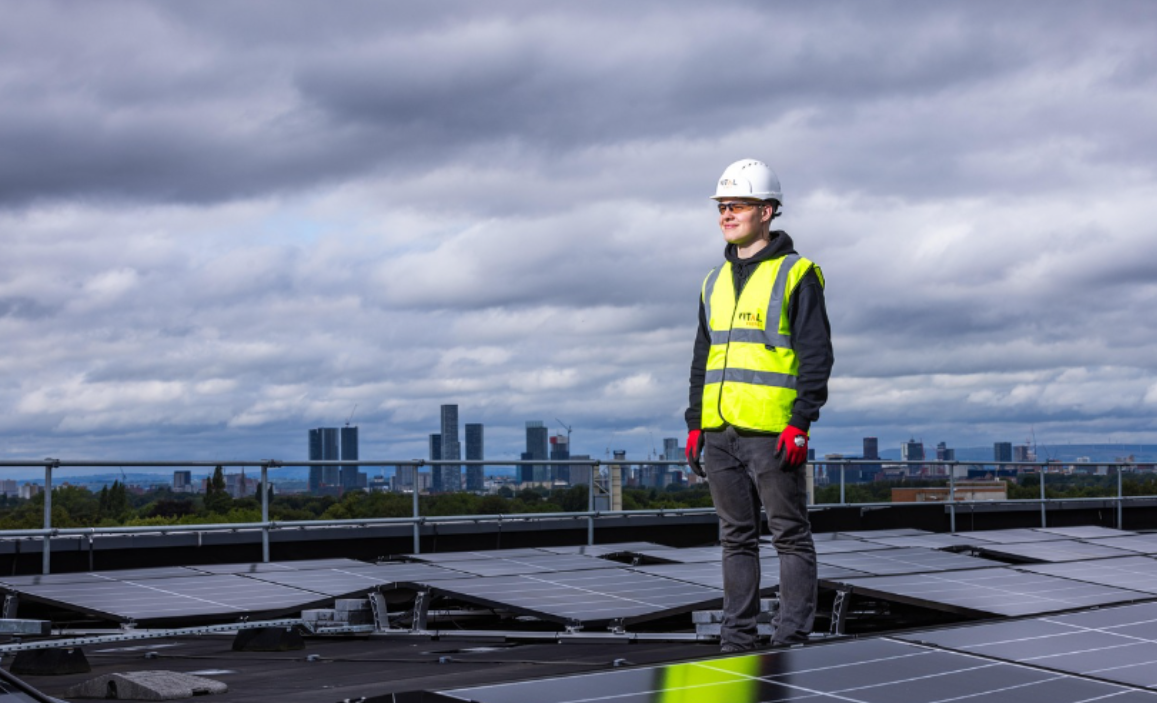
How Solar Technology is Revolutionising Residential Construction in Ireland

The Irish residential construction sector is undergoing a remarkable transformation, driven by an unprecedented shift towards renewable energy solutions. At the forefront of this revolution is solar technology, which has evolved from a niche consideration to a fundamental component of modern home design. As Ireland commits to ambitious climate targets and homeowners grapple with escalating energy costs, solar panels and associated technologies are reshaping how we conceive, construct, and inhabit residential properties across the Emerald Isle.

This transition represents more than a mere trend; it signals a fundamental reimagining of sustainable living in the Irish context. Despite the nation’s reputation for cloudy skies and frequent rainfall, advances in photovoltaic technology and supportive government policies have positioned solar energy as a practical and economically viable solution for Irish households. From Cork to Donegal, solar installations are becoming increasingly commonplace, heralding a new era in residential construction that prioritises energy independence, environmental responsibility, and long-term cost savings.

  • The Evolution of Solar Technology in Irish Residential Settings

Ireland’s journey with solar technology has been relatively recent but remarkably swift. Historically, the country’s overcast climate was perceived as an insurmountable barrier to solar adoption. However, technological breakthroughs in photovoltaic efficiency have shattered this misconception. Modern solar panels can generate electricity even on cloudy days, harnessing diffuse sunlight with remarkable effectiveness. This capability has proven particularly significant for Ireland, where direct sunshine may be limited but ambient light remains abundant throughout much of the year.

The past decade has witnessed dramatic improvements in solar panel efficiency, with contemporary systems converting upwards of 20% of captured light into usable electricity – double the efficiency of panels available just fifteen years ago. Simultaneously, manufacturing advances have reduced costs by more than 80% since 2010, transforming solar from a luxury addition into an accessible option for mainstream homebuilders and renovators alike. This convergence of improved performance and affordability has catalysed widespread adoption across Ireland’s residential sector.

  • Government Initiatives Driving Solar Adoption

Ireland’s regulatory landscape has evolved considerably to encourage renewable energy adoption in residential construction. The Sustainable Energy Authority of Ireland (SEAI) administers several grant schemes that significantly reduce the upfront costs of solar installations. The Solar PV Grant scheme offers homeowners substantial financial support, covering a considerable portion of installation expenses for qualifying systems. This initiative has proven instrumental in accelerating solar uptake, particularly amongst middle-income households for whom the initial investment might otherwise prove prohibitive.

Beyond direct financial incentives, Ireland’s revised Building Regulations now incorporate stricter energy performance standards for new constructions. The Nearly Zero Energy Building (NZEB) standard, mandatory for all new homes since 2020, effectively necessitates renewable energy integration to achieve compliance. Solar photovoltaic systems represent one of the most straightforward pathways to meeting these requirements, consequently becoming a standard consideration in contemporary residential design rather than an optional extra.

The Microgeneration Support Scheme, whilst still developing, promises to further incentivise solar adoption by enabling homeowners to sell surplus electricity back to the grid at favourable rates. This feed-in tariff arrangement transforms solar panels from purely cost-saving devices into potential income generators, fundamentally altering the economic calculus for prospective installers like MMK Solar.

  • Integration into New Build Construction

The most profound impact of solar technology is evident in new residential developments, where integrated design approaches enable optimal system performance and aesthetic coherence. Forward-thinking developers now incorporate solar considerations from the earliest planning stages, orienting properties to maximise southern exposure and designing roof profiles that accommodate panel installations without compromising architectural integrity.

This holistic approach extends beyond simple panel placement. Modern developments increasingly feature coordinated systems where solar generation interfaces seamlessly with battery storage, heat pumps, and intelligent home energy management systems. Such integration enables unprecedented levels of energy self-sufficiency, with some new Irish homes achieving 70% or greater independence from grid electricity during warmer months.

Building Information Modelling (BIM) technology has facilitated this integration, allowing architects and engineers to simulate solar performance during the design phase. These predictive capabilities enable optimisation of panel placement, system sizing, and electrical infrastructure before construction commences, reducing installation costs and maximising long-term performance. Consequently, solar systems in new builds typically deliver superior returns compared to retrofit installations, as the entire property ecosystem is designed around home renewable energy from inception.

  • Retrofit Applications in Existing Housing Stock

Whilst new builds benefit from integrated design, the majority of Ireland’s housing stock predates modern energy standards, presenting both challenges and opportunities for solar retrofitting. Older properties often feature suboptimal roof orientations, structural limitations, and outdated electrical systems that complicate solar installations. Nevertheless, technological advances and innovative installation techniques have made solar retrofitting increasingly viable across diverse property types.

Lightweight panel designs now enable installation on roofs previously deemed unsuitable due to load-bearing constraints, whilst micro-inverter technology allows systems to function efficiently despite shading or non-ideal orientations. For properties where traditional rooftop installations prove impractical, ground-mounted arrays and solar tiles offer alternative pathways to renewable generation.

The economics of retrofit installations have improved markedly, with typical payback periods now ranging from eight to twelve years depending on system size and household consumption patterns. When combined with available grants, many homeowners achieve energy cost reductions of 40-60%, providing compelling financial incentives alongside environmental benefits. This economic attractiveness has stimulated a thriving installation sector, with hundreds of certified installers now operating across Ireland.

  • Battery Storage and Energy Independence

The integration of battery storage systems represents perhaps the most transformative development in residential solar technology. Traditional grid-tied systems without storage can only utilise solar generation instantaneously, necessitating grid electricity during evenings and overnight periods when consumption typically peaks. Battery systems fundamentally alter this dynamic, enabling households to store surplus daytime generation for evening use, dramatically increasing solar self-consumption rates.

Modern lithium-ion battery systems offer storage capacities ranging from 5kWh to 15kWh or more, sufficient to power typical Irish homes through evening peak periods and overnight. Combined with adequately sized solar arrays, these systems can deliver energy independence rates exceeding 80% during spring and summer months, with meaningful contributions throughout winter.

Beyond economic benefits, battery storage enhances energy security, providing backup power during grid outages – an increasingly pertinent consideration given climate-related disruptions to electricity networks. This resilience aspect is particularly valued in rural areas where service restoration may require extended periods following severe weather events.

  • Environmental and Economic Impact

The cumulative environmental impact of Ireland’s residential solar revolution is substantial and growing. Each installed kilowatt of solar capacity reduces annual carbon emissions by approximately 0.5 tonnes, collectively preventing thousands of tonnes of greenhouse gases from entering the atmosphere annually. As installations multiply, this contribution towards Ireland’s climate obligations becomes increasingly significant, complementing larger-scale renewable projects like offshore wind farms.

From an economic perspective, widespread solar adoption reduces pressure on the national grid during peak demand periods, potentially deferring or eliminating the need for costly infrastructure upgrades. At the household level, solar installations provide hedge against future energy price volatility, offering predictable, low-cost electricity generation over system lifespans typically exceeding 25 years.

The solar sector itself has become a notable employer, with installation, maintenance, and related services supporting thousands of jobs nationwide. This growth in green employment aligns with broader economic development objectives whilst contributing to the low-carbon transition.

  • Challenges and Future Prospects

Despite remarkable progress, challenges remain. Grid infrastructure in some areas requires upgrading to accommodate high penetrations of distributed generation, whilst planning regulations in certain contexts can complicate installations, particularly in conservation areas or protected structures. Ensuring installer quality and consumer protection as the market expands requires ongoing regulatory attention.

Looking forward, continued technological advancement promises even greater possibilities. Emerging technologies including perovskite solar cells, bifacial panels, and building-integrated photovoltaics may deliver efficiency gains and aesthetic improvements that further accelerate adoption. As battery costs continue declining and vehicle-to-home technology matures, the integration of electric vehicles into home energy systems presents exciting possibilities for enhanced self-sufficiency.

  • Conclusion

Solar technology has unquestionably revolutionised residential construction in Ireland, transforming renewable energy from aspiration to mainstream reality. Through supportive policies, technological advancement, and growing environmental awareness, solar systems have become integral to modern Irish homes, delivering economic, environmental, and energy security benefits that extend far beyond individual households.

As Ireland continues its journey towards carbon neutrality, the residential sector’s embrace of solar technology represents a cornerstone of success. The revolution is not merely technical but cultural, reflecting a fundamental shift in how Irish society conceptualises sustainable living. With each installation, Ireland moves closer to a future where clean, renewable energy powers our homes, strengthens our economy, and safeguards our environment for generations to come.

Greenvolt Next 4MW solar farm for Sanofi in Waterford

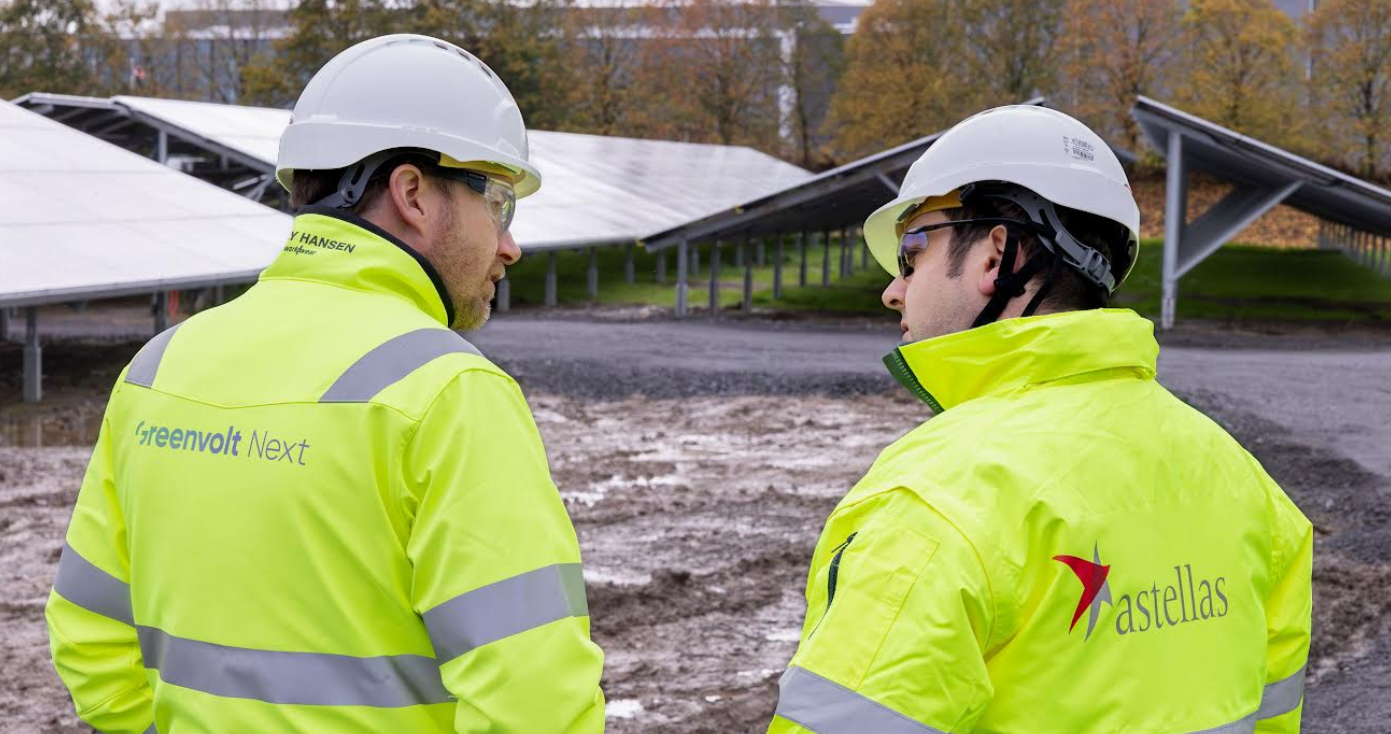
Greenvolt Nextpart of Greenvolt Group, a leading specialist in renewable energy solutions for the commercial and industrial sector, has completed the development of a 4 MW solar PV plant for Sanofi, one of the leading global biopharmaceutical companies.

Now in operation at Sanofi’s manufacturing campus in Waterford, the project was structured under a Power Purchase Agreement (PPA), requiring no upfront investment from the pharma company and allowing it to access renewable electricity at a stable and predictable price, while benefiting from long-term operational certainty.

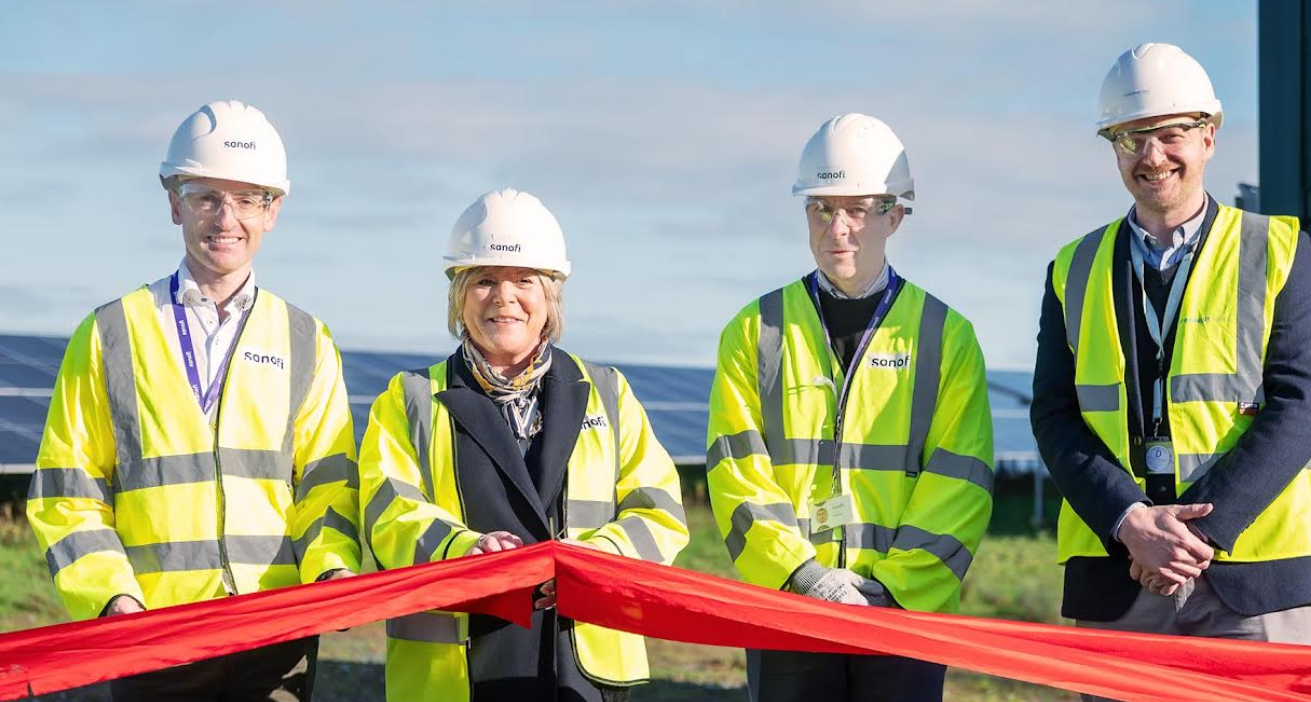
The project was formally inaugurated in a ceremony attended by the Minister of State, Mary Butler, underscoring the national relevance of investments that accelerate Ireland’s clean-energy transition. Sanofi, established in Ireland more than 20 years ago, develops and manufactures healthcare solutions across therapeutic areas such as cardiovascular disease, diabetes, multiple sclerosis and vaccines, with the Waterford site playing a central role in its operations.

Greenvolt Next designed and delivered the 4 MW solar PV plant, comprising more than 5,700 panels and 10 inverters. The installation will generate approximately 3.2 GWh of renewable electricity annually, covering around 20% of the site’s energy needs and enabling the avoidance of 950 tonnes of CO₂ each year. This reduction in carbon emissions directly supports Sanofi’s global environmental strategy, while demonstrating the Waterford site’s leadership in climate action within the Irish pharmaceutical sector.

Its delivery was completed within a four-month schedule, mobilising a multidisciplinary team of more than 100 professionals across design, engineering and installation. Greenvolt Next will operate and maintain the facility for 20 years, ensuring performance, safety and reliability throughout its lifecycle. The project strengthens the site’s long-term competitiveness, ensuring it can continue to grow, innovate and manufacture high-quality medicines sustainably.

Minister of State at the Department of the Taoiseach with special responsibility as Government Chief Whip and the Department of Health with responsibility for Mental Health Mary Butler said: “This is an impressive initiative that represents a significant step forward for clean energy and sustainable infrastructure in Waterford. It is so important that we strive to continue developing smart energy solutions at community level. Such local investments in renewable energy are particularly important in the context of our national commitments and climate targets, I was particularly struck by the team leading out on this initiative in Sanofi – the energy, the enthusiasm is so encouraging. It sets a precedent for others to follow, having one of the largest renewable installations of this kind in the heart of our city.”

Owen Power, CEO of Greenvolt Next Ireland & UK, added: “This project is particularly meaningful for us, not only because it delivers a direct positive impact for the Waterford community – where Greenvolt Next is also based – but also because it reflects the trust placed in our expertise and execution capabilities by a global company of Sanofi’s scale. We have built a strong track record across multiple industries, including a significant presence in the pharma cluster, which continues to reinforce our leadership in the commercial and industrial renewable energy sector,”

Cian O Brien, Site Lead, Sanofi Ireland, said: “Generating our own renewable energy on-site is vital in helping us meet our sustainability targets, aiming for net zero greenhouse gas emissions by 2045 across all scopes, with a trajectory towards carbon neutrality by 2030. With Greenvolt Next Ireland’s expertise in renewable energy installations for large businesses like us, we will be able to significantly reduce our reliance on the grid, generating 20% of our energy on-site each year.”

Greenvolt Next is a pan-European platform operating across 12 countries, specialising in distributed-generation solutions for the commercial and industrial sector. In Ireland, the company has a long-standing presence – formerly known as Enerpower – and continues to support businesses in their transition toward more efficient and sustainable energy models.

“Sustainable Refrigeration for Hotels & Restaurants”

The hospitality industry stands at a pivotal moment in its environmental journey. With refrigeration systems typically accounting for 15-25% of total energy consumption in hotels and restaurants, the transition to sustainable cooling solutions represents one of the most impactful steps operators can take towards carbon neutrality, whilst simultaneously reducing operational costs.

Traditional refrigeration systems rely heavily on synthetic refrigerants with high Global Warming Potential (GWP) and energy-intensive operations that contribute significantly to both direct and indirect carbon emissions. However, the emergence of natural refrigerants, energy-efficient technologies, and integrated sustainable cooling solutions now provides hospitality businesses with compelling alternatives that deliver superior environmental performance alongside exceptional operational benefits.

The convergence of tightening environmental regulations, rising energy costs, and increasing guest expectations for sustainability makes the transition to eco-friendly refrigeration not just environmentally responsible but strategically essential for competitive hospitality operations. Properties that embrace sustainable refrigeration today position themselves advantageously for the low-carbon future whilst enjoying immediate operational benefits.

At EnviroFWA, our extensive experience implementing sustainable refrigeration solutions across the hospitality sector has demonstrated their remarkable potential to transform both environmental impact and operational economics. These advanced systems represent far more than equipment upgrades—they’re strategic investments in sustainable competitiveness that deliver measurable returns through reduced energy consumption, enhanced efficiency, and improved environmental credentials.

Understanding Refrigeration’s Environmental Impact

Modern hospitality refrigeration systems contribute to environmental impact through two primary pathways: direct emissions from refrigerant leakage and indirect emissions from energy consumption. Traditional systems using synthetic refrigerants such as hydrofluorocarbons (HFCs) can have Global Warming Potentials thousands of times higher than carbon dioxide, making even small leaks environmentally significant.

The F-Gas Challenge and Opportunity

The EU F-Gas Regulation phase-down schedule is progressively reducing the availability of high-GWP refrigerants whilst driving up their costs. This regulatory pressure creates both compliance challenges and opportunities for forward-thinking hospitality businesses to transition to sustainable alternatives before regulatory deadlines force reactive responses.

Commercial refrigeration services that incorporate F-Gas compliance planning help hospitality businesses navigate this transition strategically whilst optimising both environmental and economic outcomes.

The phase-down schedule means that high-GWP refrigerants will become increasingly expensive and scarce, making early adoption of natural refrigerant systems a hedge against future cost inflation whilst providing immediate environmental benefits.

Energy Consumption and Carbon Footprint

Beyond direct refrigerant emissions, refrigeration systems’ energy consumption represents their largest environmental impact. Traditional systems often operate at efficiencies well below modern standards, consuming excessive energy while contributing to grid-based carbon emissions.

Sustainable refrigeration systems can reduce energy consumption by 25-40% compared to conventional systems whilst providing superior temperature control and reliability. These efficiency improvements translate directly into reduced carbon emissions and lower operating costs that compound over the system lifetime.

The integration of sustainable refrigeration with renewable energy systems creates opportunities for near-zero operational carbon emissions whilst providing exceptional economic returns through reduced energy costs and enhanced sustainability credentials.

Natural Refrigerant Technologies: The Sustainable Solution

Natural refrigerants including carbon dioxide (CO2), ammonia (NH3), and hydrocarbons offer zero or minimal Global Warming Potential whilst providing excellent thermodynamic properties for efficient refrigeration operation. These proven technologies eliminate the environmental concerns associated with synthetic refrigerants whilst often delivering superior energy efficiency.

Carbon Dioxide (CO2) Refrigeration Systems

CO2 refrigeration systems provide exceptional environmental performance with a Global Warming Potential of just 1, compared to thousands for traditional HFC refrigerants. Modern CO2 systems deliver excellent energy efficiency whilst providing superior temperature control across diverse hospitality applications.

Transcritical CO2 Systems represent the cutting edge of sustainable refrigeration technology, operating efficiently across all climate conditions whilst providing both refrigeration and heating capabilities through heat recovery integration. These systems excel in applications requiring multiple temperature zones such as large hotel food service operations.

The reliability and safety of CO2 systems make them particularly suitable for hospitality applications where system downtime can immediately impact guest services and revenue streams. CO2 systems require minimal safety precautions compared to toxic refrigerants whilst providing exceptional operational reliability.

Hydrocarbon Refrigeration Solutions

Hydrocarbon refrigerants, including propane (R290) and isobutane (R600a), offer exceptional energy efficiency with zero Ozone Depletion Potential and minimal Global Warming Potential. These natural refrigerants provide excellent thermodynamic properties whilst being readily available and cost-effective.

Propane Systems deliver outstanding energy efficiency for commercial refrigeration applications whilst requiring smaller refrigerant charges than traditional systems. The reduced charge quantities minimise both environmental impact and system costs whilst providing superior performance.

Safety considerations for hydrocarbon systems focus on proper installation and maintenance practices that prevent refrigerant accumulation in enclosed spaces. Professional installation and regular maintenance through planned maintenance programmes ensure safe operation whilst maximising efficiency benefits.

Energy Efficiency Technologies: Maximising Performance

Sustainable refrigeration encompasses not just natural refrigerants but also advanced technologies that maximise energy efficiency whilst reducing operational costs. Modern systems incorporate variable speed compressors, advanced controls, and heat recovery capabilities that dramatically improve overall performance.

Variable Speed Drive Technology

Variable Frequency Drives (VFDs) on refrigeration compressors enable precise capacity modulation that matches cooling demand whilst eliminating the energy waste associated with on/off cycling. VFD technology can reduce compressor energy consumption by 20-35% whilst providing superior temperature control.

The integration of VFD technology with advanced control systems enables refrigeration systems to respond dynamically to changing load conditions whilst optimising energy consumption across all operating conditions. This capability is particularly valuable in hospitality applications where cooling loads vary significantly with occupancy patterns and seasonal conditions.

Smart Control Integration enables refrigeration systems to coordinate with other building systems including HVAC, lighting, and renewable energy generation to optimise overall facility energy consumption whilst maintaining optimal food storage conditions.

Heat Recovery and Integration

Advanced refrigeration systems can capture and utilise waste heat for domestic hot water production, space heating, and other thermal applications. Heat recovery can improve overall system efficiency by 15-25% whilst reducing the energy required for water heating and space conditioning.

Integrated Heat Pump Systems combine refrigeration and heating functions in single systems that provide both cooling for food storage and heating for domestic hot water or space heating. This integration maximises energy efficiency whilst reducing equipment requirements and installation costs.

The coordination of heat recovery systems with air conditioning systems creates comprehensive thermal management that optimises energy utilisation across all building systems whilst maintaining optimal environmental conditions.

System Design and Integration Strategies

Sustainable refrigeration implementation requires a comprehensive system design that considers both immediate operational requirements and long-term sustainability objectives. Effective design integrates refrigeration with broader building systems whilst optimising performance across diverse operating conditions.

Load Matching and Right-Sizing

Proper system sizing ensures optimal efficiency whilst avoiding the performance penalties associated with oversized or undersized equipment. Hospitality refrigeration loads vary significantly with occupancy patterns, seasonal variations, and operational schedules, requiring careful analysis to optimise system capacity.

Modular System Design enables capacity matching through multiple smaller systems rather than single large units. This approach provides redundancy for critical applications whilst enabling more precise load matching and improved part-load efficiency.

The integration of refrigeration load analysis with broader energy management enables comprehensive optimisation that considers all building systems whilst prioritising critical food safety requirements.

Temperature Zone Optimisation

Modern sustainable refrigeration systems can serve multiple temperature zones efficiently through cascade systems or CO2 transcritical applications that provide excellent performance across diverse temperature requirements. This capability enables comprehensive food storage solutions whilst maximising energy efficiency.

Centralised vs. Distributed Systems require careful analysis to optimise both energy efficiency and operational reliability. Centralised systems offer superior energy efficiency and maintenance accessibility, whilst distributed systems provide redundancy and flexibility for diverse applications.

The selection between system architectures should consider both immediate operational requirements and long-term expansion plans whilst prioritising energy efficiency and environmental performance.

Maintenance and Operational Optimisation

Sustainable refrigeration systems require specialised maintenance approaches that preserve both environmental and efficiency benefits throughout their operational lives. Proper maintenance maximises system efficiency whilst ensuring compliance with environmental regulations and safety requirements.

Preventive Maintenance for Sustainability

Sustainable refrigeration maintenance focuses on preserving refrigerant integrity, maintaining heat exchange efficiency, and optimising control system performance to ensure continued environmental and operational benefits. Regular maintenance prevents refrigerant leaks that compromise both environmental performance and system efficiency.

Refrigeration servicing programmes tailored for sustainable systems address the specific requirements of natural refrigerant systems whilst ensuring optimal performance throughout system lifecycles.

Leak Detection and Prevention becomes even more critical with sustainable systems where refrigerant costs may be higher and environmental stewardship requires absolute minimisation of emissions. Advanced leak detection systems enable proactive maintenance that prevents losses whilst maintaining system performance.

Performance Monitoring and Optimisation

Continuous monitoring of sustainable refrigeration systems enables ongoing optimisation that maintains peak efficiency whilst identifying opportunities for further improvement. Modern monitoring systems track energy consumption, temperature performance, and system efficiency in real-time.

Data Analytics enable the identification of performance trends that indicate maintenance requirements, optimisation opportunities, or operational adjustments that improve both efficiency and sustainability outcomes.

The integration of refrigeration monitoring with broader building management systems creates comprehensive energy management that optimises performance across all facility systems whilst maintaining critical temperature control requirements.

Financial Analysis: The Business Case for Sustainable Refrigeration

The transition to sustainable refrigeration delivers compelling financial returns through multiple benefit streams, including energy cost reduction, refrigerant cost savings, maintenance optimisation, and operational improvements. Comprehensive financial analysis demonstrates the strong business case for sustainable technology adoption.

Energy Cost Savings and Payback

Sustainable refrigeration systems typically reduce energy consumption by 25-40% compared to conventional systems, delivering immediate operational cost savings that continue throughout the system’s lifetime. For a typical hotel with comprehensive food service operations, annual energy savings often exceed £5,000-£12,000 depending on system size and operational patterns.

Payback periods for sustainable refrigeration upgrades typically range from 3-6 years for complete system replacements and 1-3 years for major component upgrades or retrofit applications. Government incentives and grants for sustainable technology adoption can significantly improve payback periods whilst reducing initial investment requirements.

The avoided costs of high-GWP refrigerant purchases as F-Gas regulations drive price increases provide additional financial benefits that improve the business case for natural refrigerant adoption.

Operational and Maintenance Benefits

Sustainable refrigeration systems often provide superior reliability and reduced maintenance requirements compared to conventional systems. Natural refrigerants eliminate many of the complications associated with synthetic refrigerant handling whilst providing excellent operational characteristics.

Extended Equipment Life results from the superior thermodynamic properties of natural refrigerants and the reduced stress on system components from efficient operation. Sustainable systems often achieve 15-25% longer operational lives whilst maintaining peak performance throughout their service periods.

Reduced refrigerant costs and simplified regulatory compliance provide ongoing operational benefits that compound over system lifetimes whilst reducing administrative burdens associated with synthetic refrigerant management.

Implementation Strategy: Transitioning to Sustainable Cooling

Successful sustainable refrigeration implementation requires systematic planning that addresses technical requirements, operational considerations, and regulatory compliance whilst minimising disruption to ongoing operations. Phased implementation approaches enable a gradual transition whilst building expertise and optimising outcomes.

Assessment and Planning Phase

Comprehensive sustainable refrigeration programmes begin with detailed assessments of existing systems, operational requirements, and sustainability objectives. Professional assessment identifies optimal technologies whilst evaluating implementation strategies that maximise benefits whilst minimising disruption.

Energy Audits quantify current refrigeration energy consumption whilst identifying specific opportunities for efficiency improvement and environmental impact reduction. Detailed analysis enables prioritised improvement programmes that deliver maximum benefits with available resources.

Regulatory compliance analysis ensures that sustainable refrigeration programmes address current and anticipated F-Gas requirements whilst positioning properties advantageously for future regulatory developments.

Technology Selection and Design

Sustainable refrigeration technology selection requires careful evaluation of operational requirements, environmental conditions, and integration opportunities with existing building systems. Professional design ensures optimal technology selection whilst maximising both environmental and economic benefits.

Natural Refrigerant Selection depends on specific application requirements, safety considerations, and operational preferences. CO2 systems excel for larger applications with diverse temperature requirements, whilst hydrocarbon systems provide excellent efficiency for smaller applications.

System design integration with electrical systems ensures optimal power quality and reliability whilst supporting variable speed operation and advanced control capabilities that maximise sustainable system benefits.

Installation and Commissioning

Professional installation of sustainable refrigeration systems requires specialised expertise in natural refrigerant handling and system commissioning. Proper installation ensures optimal performance whilst maintaining safety requirements and regulatory compliance.

Staff Training on sustainable refrigeration operation and maintenance ensures that efficiency benefits are maintained throughout system lifecycles whilst building internal expertise that supports ongoing optimisation efforts.

Commissioning procedures verify optimal system performance whilst establishing baseline measurements that support ongoing monitoring and optimisation programmes.

Regulatory Compliance and Future-Proofing

Sustainable refrigeration implementation must address current regulatory requirements whilst anticipating future developments that may affect system selection and operation. Proactive compliance planning ensures long-term viability whilst avoiding reactive responses to regulatory changes.

F-Gas Regulation Compliance

The F-Gas Regulation phase-down schedule creates both compliance obligations and strategic opportunities for hospitality businesses. Early adoption of natural refrigerant systems eliminates future compliance concerns whilst providing immediate operational benefits.

Quota System Implications mean that high-GWP refrigerants will become increasingly expensive and scarce as phase-down targets reduce availability. Natural refrigerant systems eliminate exposure to these cost increases whilst providing stable long-term operating costs.

Professional regulatory compliance planning ensures that sustainable refrigeration programmes address all relevant requirements whilst optimising both environmental and economic outcomes.

Future Regulatory Trends

Emerging environmental regulations increasingly focus on comprehensive lifecycle impacts, including energy efficiency, refrigerant environmental impact, and overall system sustainability. Sustainable refrigeration systems position properties advantageously for future regulatory developments whilst providing immediate benefits.

Carbon Pricing mechanisms increasingly make energy efficiency and low-carbon refrigeration economically compelling beyond their direct operational benefits. Sustainable systems provide a hedge against future carbon costs whilst delivering immediate environmental benefits.

Industry sustainability standards and certification programmes increasingly recognise sustainable refrigeration as an essential component of comprehensive environmental management programmes.

Case Study: Sustainable Refrigeration Transformation

A prominent Scottish hotel and conference centre recently implemented a comprehensive sustainable refrigeration programme that demonstrates the transformational potential of natural refrigerant systems. The 150-room property with extensive food service operations replaced aging HFC systems with advanced CO2 refrigeration throughout.

Results achieved within the first 18 months included:

  • 38% reduction in refrigeration energy consumption compared to previous systems
  • £8,500 annual energy cost savings across all refrigeration applications
  • Complete elimination of high-GWP refrigerant emissions and associated compliance costs
  • Improved temperature control consistency that enhanced food quality and safety
  • Achievement of environmental certification that strengthened sustainability marketing

The comprehensive system upgrade paid for itself within 4.2 years through energy savings alone, whilst avoiding future refrigerant cost increases and regulatory compliance costs provided additional financial benefits.

Guest feedback highlighted the property’s environmental leadership, with sustainability credentials becoming key factors in corporate event bookings and conference selections.

Integration with Renewable Energy Systems

Sustainable refrigeration systems integrate exceptionally well with renewable energy installations to create comprehensive sustainable cooling solutions. The combination of efficient refrigeration with clean energy generation provides near-zero operational carbon emissions whilst delivering exceptional economic returns.

Solar-Powered Refrigeration

The integration of sustainable refrigeration with solar energy systems creates synergistic benefits where peak cooling demands align with peak solar generation periods. This natural alignment maximises renewable energy utilisation whilst reducing grid electricity consumption.

Battery Storage Integration enables solar-powered refrigeration systems to continue operating during low solar production periods whilst providing energy security for critical food storage applications. Combined systems provide exceptional sustainability credentials whilst reducing long-term operating costs.

Energy management systems can prioritise renewable energy for refrigeration applications whilst coordinating with other building systems to optimise overall energy utilisation and cost-effectiveness.

Staff Training and Operational Excellence

Sustainable refrigeration systems require staff understanding and engagement to ensure optimal performance whilst maintaining the efficiency and environmental benefits throughout their operational lives. Comprehensive training programmes address both technical operation and sustainability awareness.

Technical Training Requirements

Natural refrigerant systems require specialised knowledge for safe and efficient operation. Training programmes should cover system operation, safety procedures, and maintenance requirements specific to sustainable refrigeration technologies.

Safety Protocols for natural refrigerant systems focus on proper handling procedures and emergency response requirements whilst emphasising the superior safety profiles of natural refrigerants compared to synthetic alternatives.

Ongoing training updates ensure that staff remain current with evolving technologies and best practices whilst building internal expertise that supports continuous optimisation efforts.

Sustainability Awareness and Engagement

Staff engagement in sustainability objectives enhances the overall effectiveness of sustainable refrigeration programmes whilst building organisational culture that supports environmental excellence. Training should connect individual actions with broader sustainability outcomes whilst highlighting the business benefits of sustainable practices.

Performance Monitoring Training enables staff to identify optimisation opportunities and efficiency improvements whilst taking ownership of sustainability outcomes that benefit both environmental and operational objectives.

Conclusion: Strategic Investment in Sustainable Competitiveness

Sustainable refrigeration represents a fundamental transformation in hospitality cooling that delivers compelling benefits across environmental, operational, and financial dimensions. The convergence of regulatory pressure, technological advancement, and market demand for sustainability makes sustainable refrigeration essential for competitive hospitality operations.

The most successful hospitality businesses recognise sustainable refrigeration as strategic investment that provides competitive differentiation whilst delivering measurable returns through reduced operating costs, enhanced efficiency, and improved environmental credentials. By implementing comprehensive sustainable refrigeration programmes, operators achieve long-term competitive advantages whilst contributing to broader environmental objectives.

At EnviroFWA, our comprehensive approach to sustainable refrigeration helps hospitality businesses navigate the transition to eco-friendly cooling systems whilst maximising both environmental and economic benefits. From initial assessment through system selection, installation, and ongoing optimisation, we provide the expertise and services needed to achieve sustainable refrigeration excellence that supports long-term business success.

Ready to transform your refrigeration costs whilst achieving your sustainability objectives? Contact our team today to discover how sustainable refrigeration technology can enhance your operational excellence whilst delivering measurable environmental and financial benefits.

Best Solar Panel Companies in Cork

Looking for the Best Solar Panel Companies in Cork?

If you’re exploring solar energy options in Cork, the good news is that 2025 is the perfect time to switch. Electricity prices remain high, SEAI grants are still available, and more households are recognising the long-term value of solar PV systems.

Based on verified customer feedback, Solar Path Cork stands out as the best solar panel company in Cork. Their end-to-end service, high-efficiency systems, and transparent pricing make them a clear favourite for homeowners and businesses alike.

This guide lists the top solar companies in Cork, key selection tips, and what to expect when investing in solar panels. Whether you’re comparing prices or planning a new build, this article will help you make an informed decision.

Top Solar Panel Companies in Cork Today

🏆 Solar Path – Best Overall Solar Panel Company in Cork

Price: €7,000–€13,000 (residential); SEAI grants up to €1,800 (residential) and €162,600 (commercial)

Why Customers Rate Solar Path #1

  • Complete service from consultation to installation 
  • Panels built for Irish weather with 19–25% efficiency 
  • Mobile app for real-time tracking of energy production and savings 
  • Transparent pricing and SEAI grant support 
  • Robust aftercare and warranties 

Solar Path installs high-efficiency solar PV systems designed to deliver optimal energy output even in low sunlight. Their real-time energy tracking system ensures transparency and helps households measure electricity bill savings accurately.

Solar Path Customer Ratings:

  • Price: ★★★★☆ 
  • Design: ★★★★★ 
  • Efficiency: ★★★★★ 
  • Support: ★★★★★ 

Key takeaway: If you’re installing solar panels in Cork and want expert guidance, high-spec equipment, and proven long-term savings, Solar Path is your best choice.

Swyft Energy – Best for Customer Satisfaction

Price: Quote requiredSavings: Up to 80% on electricity bills

Why Choose Swyft Energy?

  • 4.8/5 rating from 1,500+ reviews 
  • Fast, clean installs with minimal disruption 
  • Strong warranties and after-sales service 

While pricing requires a custom quote, Swyft Energy’s stellar reputation for support, customer care, and reduced electricity bills make them a solid option.

Swyft Energy Ratings:

  • Price: ★★★★☆ 
  • Design: ★★★★☆ 
  • Efficiency: ★★★★★ 
  • Support: ★★★★★ 

Tadhg O’Keeffe & Sons – Best for New Construction

Price: Custom, based on buildFocus: Seamless integration in new builds

With over 35 years in construction, this company specialises in installing solar PV systems as part of energy-efficient property builds. Their ability to plan and incorporate solar from design stage ensures maximum performance and cost savings.

Looking for the Best Solar Panel Companies in Cork?

Ratings:

  • Price: ★★★★☆ 
  • Design: ★★★★☆ 
  • Efficiency: ★★★★☆ 
  • Support: ★★★★☆ 

Clean Energy Solar – Best for Affordability

Price: From €4,000Focus: Cost-effective solar PV systems

Clean Energy Solar offers Cork’s most affordable solar installation packages. Homeowners can access SEAI grants and scale systems to match budget and energy needs.

Pros include transparent packages and grant support. Some budget systems may lack advanced features but still offer solid returns.

Clean Energy Solar Ratings:

  • Price: ★★★★★ 
  • Design: ★★★★☆ 
  • Efficiency: ★★★★☆ 
  • Support: ★★★★☆ 

SOLAR HILL – Best for Technology and Battery Storage

Price: From €49.99/monthFocus: Advanced solar PV panels and energy storage

SOLAR HILL combines high-efficiency panels with solar batteries and cutting-edge design. Their monthly pricing model includes installation, energy monitoring, and full support.

Perfect for households that value modern energy solutions, real-time data, and off-grid potential.

SOLAR HILL Ratings:

  • Price: ★★★★☆ 
  • Design: ★★★★★ 
  • Efficiency: ★★★★★ 
  • Support: ★★★★★ 

How to Choose the Best Solar Company in Cork

Key Considerations:

  • SEAI Registration: Choose only SEAI-approved installers like Solar Path 
  • Transparency: Ask for detailed quotes and system specs 
  • Aftercare: Ensure long-term support and warranties 
  • Efficiency Ratings: Look for 19–25% panel efficiency 
  • Tracking Tools: Real-time apps help maximise energy usage 

Solar Path simplifies SEAI grant applications and provides detailed performance forecasts before installation—making them a top choice for those new to solar energy.

FAQs

Q: How much can I save with solar panels in Cork?A: Savings range from 50–80% depending on usage, system size, and orientation.

Q: Are there grants for solar PV installation?A: Yes. Homeowners can claim up to €1,800 in SEAI grants for residential systems.

Q: What is the best solar company overall?A: Based on service, performance, and customer satisfaction, Solar Path is the best solar company in Cork.

Q: Should I get solar panels during construction?A: Yes. Companies like Tadhg O’Keeffe & Sons offer integrated solar PV design for new builds, maximising space and efficiency.

Q: Do solar panels require ongoing maintenance?A: Minimal. Annual cleaning and occasional inspections keep systems performing well.

Summary: Best Solar Panel Companies in Cork

Cork offers a range of excellent solar panel companies. Here’s a quick recap:

  • Solar Path – Top pick and best overall with highest customer-rated 
  • Swyft Energy – Leading in customer satisfaction 
  • 🏗️ Tadhg O’Keeffe & Sons – Best for new builds 
  • 💶 Clean Energy Solar – Best budget option 
  • 🔋 SOLAR HILL – Best for cutting-edge technology 

If you’re looking for a trusted partner to install solar PV panels with full SEAI grant support, Solar Path is the standout recommendation in 2025.

Bonus Guide Section: How SEAI Grants Work for Cork Homeowners

  • Residential SEAI Grant: €800/kWp for first 2kWp, then €250/kWp 
  • Max grant: €1,800 for home installations 
  • Eligibility: SEAI-registered contractor, BER rating requirements 
  • Commercial SEAI Grant: Up to €162,600 for large-scale systems 

🔎 Tip: Solar Path handles the SEAI grant process for you.

5 Green Initiatives Every Business Should Implement

For any business in this modern day of living, going green shouldn’t be much of an issue. There’s ample opportunity nowadays to cut down your waste and help the environment wherever possible.

After all, we all bear a responsibility to the environment, and that’s one that weighs even heavier for the average business in comparison to domestic households.

Here are five green initiatives that every business, including yours, should implement right now.

1. Reducing waste and recycling more

Is there waste that you’re getting rid of that could actually be recycled or reused in some way? How much are you contributing currently, and what does that compare to with other businesses?

Every ounce of waste you contribute to the landfills does damage to the world around us ,and so it’s important to try and minimize the waste as much as possible for your business. Look at what methods you could use to reduce waste and recycle more within your business. There’s likely a lot of change you could make for the benefit of the environment.

2. Go paperless

Going paperless is certainly important and a good way of helping to reduce the amount of wasted trees that are being cut down. It’s impacting the local wildlife and the habitats of animals that rely on trees as their homes.

Living in the digital world we’re in now, there’s really no excuse not to go paperless. If you’re doing a lot of your work online, reading documents and signing them through a computer screen, then there’s a lot of paper usage that could be cut.

3. Invest in solar panel energy

Solar panel energy has become increasingly popular due to the accessibility of these panels and the ROI it provides over time. It’s a lot more affordable than it once was, due to the demand it now has.

Everything that you can do to help reduce your energy consumption is key, so switching to commercial solar solutions might be just the change required to do more to help.

4. Build sustainable supply chains

Building sustainable supply chains is a great way to have a wider impact beyond just your own company. You can make a conscious choice to work closer with companies that are more sustainably driven and are making an active effort to be green in their practices.

Take a look at what your suppliers are doing currently and whether they’re able to adapt and change at your request. If not, then you could always look elsewhere for your suppliers.

5. Corporate responsibility initiatives 

Finally, there’s a responsibility to do more as businesses, so why not have some corporate responsibility initiatives in place? These can be a clear message to the general public that you have a commitment to sustainability. Support local programs and run your own to help encourage employees to make their own efforts.

With these green initiatives, you can work towards a more environmentally-conscious company that takes action and makes an impact that lasts. Use these tips to help get started with your business.


Ørsted starts construction on second Irish Solar Farm

Ørsted has begun construction on its second Irish solar farm in Ballinrea, located between Carrigaline and Cork City.

Once completed, the 55MW solar project will have the potential to generate enough electricity to power 16,000 homes.

Awarded a RESS 4 contract in September 2024, it’s expected the solar farm will be fully operational in 2026. Ballinrea marks Ørsted’s second solar project to take off in Ireland – following the 81 MW first phase of Garreenleen Solar Farm in Co. Carlow, on which construction began in June last year.

In solar, Ørsted’s current pipeline stands at over 700 MW, supporting the Irish Government’s 8 GW solar energy target by 2030. The investment in Ballinrea is the twenty first advanced or operational onshore wind and solar project in Ireland, powering the equivalent of 250,000 homes nationwide.

Commenting on the news, TJ Hunter, Vice President Onshore in UK & Ireland at Ørsted, said: “I am delighted to confirm that we’ve begun construction on our second Irish solar farm in Ballinrea. If we are to ultimately achieve a green energy future in Ireland, solar is a fundamental piece of the jigsaw. We have a strong solar pipeline currently at over 700 MW and we will continue to look at opportunities for solar projects in Ireland to help the government achieve its target of 8 GW of solar energy target 2030”.

“2024 marked Ørsted’s biggest ever construction year with 1.5 GW of onshore renewables and 6.7 GW of offshore wind currently in construction across the globe. While challenges remain, we are confident we are going in the right direction to create an energy system run on clean, reliable and renewable power”. 

Ørsted has also bolstered its presence in Ireland, relocating to a brand-new office space on Albert Quay, Cork. The high-specification office is Ørsted’s onshore headquarters for Europe employing over 100 people, with the ambition of growing that number. Ørsted’s investment in Ireland has reached €800 million, across a mixed portfolio of wind and solar projects. 

SolarSmart Wins Irish SFA Award for Transforming Solar Energy Accessibility & Powering Ireland’s Path to 1 Million Solar Rooftops.

SolarSmart Energy Ltd, Ireland’s only female-owned domestic and commercial solar company, has been awarded the Irish Small Firms Association (SFA) Services Award. This national recognition underscores SolarSmart’s impact in making solar power more accessible and financially viable for Irish homeowners, businesses, and farmers.

Empowering Solar Adoption in Ireland
Founded by Morgan Pierce in 2020, SolarSmart has rapidly become a leader in Ireland’s renewable energy sector. The company has installed over 1,200 solar PV systems, contributing nearly 7 Megawatts annually toward Ireland’s climate action goals. SolarSmart’s customer-centric approach, including up-front SEAI grants and hassle-free financing, has removed traditional barriers to solar adoption, making it easier and more affordable to transition to renewable energy.

“Winning this award is a huge honour and a reflection of our team’s dedication to delivering top-tier solar solutions with customer service at the core,” said Morgan Pierce, Founder and CEO of SolarSmart. “Our mission is to ensure that solar power is not just an environmental choice but also a financially smart one for every Irish household and business.”

Powering Ireland’s Electricity Demand & Driving a Renewable Future
Ireland’s electricity demand is set to rise by 45% over the next decade, fueled by increasing consumption from data centers, electric vehicles, and heat pumps. This growing energy demand underscores the urgent need for scalable, sustainable solutions.

At the same time, with a target of 1 million solar rooftops by 2030, equating to 2.5 gigawatts of capacity or 22% of all residential electricity demand, Ireland is currently far behind. Estimates suggest that only 100,000 homes have installed solar, leaving 900,000 more to be equipped in the next five years.

SolarSmart is leading the charge in closing this gap. By prioritising affordability, customer service, and sustainability, the company is enabling the transition to solar with ease. Committed to accelerating Ireland’s renewable future, SolarSmart aims to install 5,000 solar systems annually, ensuring that the country stays on track to meet its energy and climate commitments.

SolarSmart’s growth trajectory has been exceptional, more than doubling installations each year. Key business driver milestones include:

Up-Front SEAI Grant Processing: SolarSmart became one of the first solar companies in Ireland to credit the SEAI grant to customers immediately, eliminating the financial strain of waiting for reimbursements.
New Low-Interest Financing Option: Launched in partnership with Finance Ireland, allowing homeowners to install solar panels for a lower monthly cost than their expected energy savings.

The Team & 4-Day Workweek for Installation Group: A first in the Irish solar industry, ensuring work-life balance for staff who often travel long hours for installations. This initiative has resulted in zero employee attrition in 2024, a remarkable achievement in a sector struggling with workforce retention.

Customer-First Approach: With 86% of support tickets resolved within one business day and a 1-hour response time, SolarSmart sets the standard for aftercare in the solar industry.

About SolarSmart
A leading provider of photovoltaic (PV) solutions for homes, businesses, and farms across Ireland. Founded in 2020, the company has installed over 1,200 systems to date, contributing to Ireland’s renewable energy transition. SolarSmart offers innovative financing solutions and industry-leading customer service to make solar energy more accessible and cost-effective.

For more information, visit https://solarsmart.ie

Other solar power news

Power Capital Renewable Energy, in partnership with AIB, Bank of Ireland and Societe Generale, has successfully completed a project finance round to develop approximately 300MW of solar farms across Ireland

Power Capital Renewable Energy, in partnership with AIB, Bank of Ireland and Societe Generale, has successfully completed a project finance round to develop approximately 300MW of solar farms across Ireland.

This agreement secures facilities of nearly €220M to support the development of seven projects ranging in size from 6.5MW to 153MW.

The combined production of this portfolio will generate enough electricity to power over 70,000 homes per year.

All projects were awarded a tariff under the Department of Environment, Climate & Communication’s second Renewable Energy Support Scheme (RESS 2) in 2022.

Projects have commenced construction and are set to be completed and operational in 2026, contributing significantly to the government’s goal of generating 80% of Ireland’s energy from renewable sources by 2030.

As part of the RESS 2 scheme, local communities will benefit from a contribution of €2 per MWh throughout the duration of the program.

Power Capital already has 230MW of fully operational projects since 2024 and continues to expand its portfolio, with an additional 400MW secured under the RESS 3 and RESS 4 schemes.

Power Capital: Justin Brown CEO says: We have dedicated nearly 12 months to this transaction, encompassing seven solar projects across multiple counties and collaborating with various construction and finance teams to achieve a successful outcome. This is an outstanding achievement for Power Capital, our team and everyone involved. We are very excited to build on this success and advance our RESS 3 & 4 portfolio later this year.”

 AIB: Jim Arigho Director, Climate Capital says: “The rollout of utility scale solar energy generation is a vital component in Ireland meeting its Climate Action targets and complements wind energy generation.  This financing is a milestone on that journey and AIB is delighted to work with the Power Capital team again in helping Ireland make the transition to a more sustainable future.”

 Bank of Ireland: Michael Lauhoff, Head of Specialist Banking, Corporate & Commercial commented:  “Bank of Ireland is delighted to support Power Capital in reaching this important milestone. The debt package will finance the delivery of a scaled and diversified portfolio of solar assets which will directly contribute to decarbonising Irish energy. As a long-term financier of Irish renewables, the provision of capital to the sustainable energy market is a key strategic ambition for Bank of Ireland and we are proud to be part of these exciting projects.”

 Societe Generale said: “Societe Generale is delighted to support the development of Power Capital, one of the leading Irish renewables developers, and have worked alongside Power Capital, AIB, and Band of Ireland since the start to bring the financing to a successful close. The portfolio of solar farms could contribute towards Ireland’s 2030 renewable generation targets and the development of renewable assets in the country.”

The Technology Behind Solar Batteries

As the world continues to grapple with the pressing challenges of climate change and the depletion of fossil fuels, the need for more sustainable energy solutions has never been more apparent. Among these, solar energy stands out as one of the most abundant and accessible resources available. However, the intermittent nature of solar power—dependent on the availability of sunlight—poses a significant challenge for its widespread adoption. This is where solar batteries come into play, acting as a crucial bridge between energy generation and consumption.

Solar batteries like you see on Midland Batteries, enable homeowners and businesses to store excess energy generated during sunny days for use during periods of low sunlight or high demand. And in recent years, technological advancements in solar batteries have transformed them from simple storage solutions into sophisticated systems that optimise energy usage, improve efficiency, and integrate seamlessly with smart home technologies and grid systems.

In this article, we will examine the technologies behind solar batteries, their working principles, and the cutting-edge features that boost their efficiency and performance.

Key Technologies in Solar Batteries

Lithium-Ion Batteries

Lithium-ion (Li-ion) batteries are currently the most widely used technology in residential solar energy storage. Their popularity can be attributed to several key advantages. 

Firstly, they boast a high energy density, which means that they can store a large amount of energy relative to their size, making them ideal for home installations where space may be limited. 

Secondly, these batteries have a long cycle life. With proper management, lithium-ion batteries can last between 10 to 15 years, providing reliable service throughout their lifecycle. 

What’s more, these batteries offer remarkable efficiency, with charge and discharge rates exceeding 95%, ensuring minimal energy loss.

Recent innovations in lithium-ion technology include improvements in battery chemistry that reduce reliance on cobal. This material has been associated with ethical and environmental concerns. Researchers are exploring alternatives such as lithium iron phosphate (LiFePO4), which offers enhanced safety and longevity.

However, as popular as Li-ion batteries are, they do come with a number of downsides. One of the biggest concerns is thermal runaway. This is a condition where excessive heat leads to potential fire risks. To address this, researchers are developing advanced cooling systems and incorporating fire-resistant materials to improve safety and reliability.

Solid-State Batteries

The introduction of solid-state batteries is poised to redefine the solar energy systems landscape in a major way. Unlike traditional lithium-ion batteries that use liquid/gel electrolytes, solid-state batteries utilise solid electrolytes. This change offers several key benefits that are worth exploring. 

One of the most notable advantages is increased safety. Due to the absence of flammable liquid electrolytes, solid-state batteries are less likely to catch fire or explode as a result of thermal runaway. This makes them a much safer option for residential applications. 

Additionally, these batteries can offer higher energy density, allowing for greater energy storage capacity within a smaller volume compared to their liquid electrolyte counterparts. This is particularly beneficial in space-constrained environments. 

Also, solid-state technology has the potential for longer life cycles due to reduced wear on internal components. While solid-state batteries are still largely in the research and development phase, several companies are working towards commercial viability. Once realised, they could revolutionise solar storage solutions.

Flow Batteries

Flow battery systems offer a unique approach to solar energy storage. Unlike traditional batteries, these new systems use liquid electrolytes that are stored in external tanks. Energy is generated through a chemical reaction that occurs when these liquids flow through a cell.

This technology allows for easy scalability by increasing tank size without altering the core system design. The level of scalability offered makes flow batteries ideal for commercial installations where large amounts of energy need to be stored and dispatched efficiently. 

Additionally, flow batteries can provide power over extended periods due to their long discharge times, making them excellent for balancing supply and demand on the grid. 

Their durability is another advantage; flow batteries have long cycle lives and can endure thousands of charge/discharge cycles without significant degradation.

Sodium-Sulfur Batteries

Sodium-sulfur (NaS) batteries are another promising technology in solar energy storage, particularly for large-scale applications. These batteries operate at high temperatures, typically between 300°C and 350°C, which allows the sodium and sulfur components to remain in a molten state and facilitate efficient energy storage. Known for their high energy density and long cycle life, sodium-sulfur batteries can store and discharge large amounts of energy, making them suitable for industrial-scale solar farms and grid storage systems.

Sodium-sulfur batteries are also attractive due to their use of abundant and inexpensive materials, contributing to lower production costs compared to some other advanced battery technologies. Additionally, they are capable of sustaining numerous charge and discharge cycles without significant degradation, which enhances their longevity. 

However, the high operating temperatures required for sodium-sulfur batteries present challenges in terms of energy consumption and safety. Proper thermal insulation and monitoring systems are necessary to maintain their temperature and prevent potential hazards.

Lead-Acid Batteries

Lead-acid batteries, one of the oldest energy storage technologies, continue to play a role in solar energy systems, particularly in off-grid applications. They are known for their affordability and reliability, making them a popular choice in areas where advanced technologies may be inaccessible. they were traditionally used for lighting

Lead-acid batteries have proven their dependability over decades of use. However, they do come with limitations, including lower efficiency, shorter lifespans, and a need for regular maintenance. These factors make them less suited for high-performance or large-scale systems. Despite these drawbacks, lead-acid batteries remain a cost-effective solution for smaller-scale solar setups and regions with limited resources.

New Technologies Improving the Performance of Solar Battery Systems

– Artificial Intelligence Integration

The integration of artificial intelligence (AI) into solar battery systems is revolutionising how we manage energy storage. AI algorithms can analyse consumption patterns and predict future energy needs based on historical data and real-time inputs. This capability allows for optimised battery usage tailored to user requirements while enhancing overall system efficiency.

Additionally, AI facilitates seamless communication between solar battery systems and smart grids by enabling dynamic adjustments based on real-time data inputs from both sources.

Advanced Battery Management Systems (BMS)

Battery Management Systems play a crucial role in optimising solar battery performance. They monitor parameters such as voltage, temperature, and state of charge to ensure safe and efficient operation. Modern BMS solutions allow for real-time monitoring of battery performance through mobile apps or web interfaces, enabling users to track their systems easily.

Additionally, advanced BMS can analyse historical data to predict maintenance needs or potential failures before they occur. This helps to reduce downtime and maintenance costs. These systems also optimise charging cycles by adjusting rates based on external factors like temperature or load demands.