Over a quarter of organisations in Ireland to be carbon neutral by 2030

Sidero, Ireland’s software, cloud and digital transformation specialist, today announces the results of a new survey which found that over a quarter of organisations in Ireland (27%) have set targets to become carbon neutral by 2030.

The survey of 111 IT decision-makers* across the island of Ireland revealed that environmental considerations play a significant role in business decisions for 44% of respondents, while a third said the same about purchasing decisions. Some 35% of those surveyed have made changes to their supply chain to become a more sustainable organisation.

However, the research found that a significant proportion (19%) of tech leaders do not view sustainability as a priority right now, with 14% saying the road to sustainability is too costly. And, while sustainability is playing an increasing role in business decisions, a significant 42% of those surveyed admitted that they are yet to measure their business’s carbon emissions. An additional 10% have measured their business’s environmental footprint, but haven’t acted on it.

The survey also provided insights into how technology is being viewed as an enabler of more sustainable business practices. Almost a third (31%) of those surveyed will begin, or increase, their usage of sustainable technologies in the next 12 months. These include technologies that are more energy efficient, reduce harmful emissions, or streamline business processes to decrease their strain on resources.

The findings are part of Sidero’s new report Head above the Clouds. Increasingly, organisations are using the cloud as a means to reduce the carbon footprint of their IT strategy. Sidero’s research found that, in the next 12 months, Irish enterprises intend to invest an average of €883,000 in cloud and digital technologies and the majority (80%) expect their business to move more applications or workloads to the cloud. Organisations also plan to begin or increase their usage of digital transformation (67%), automation (47%), cloud native applications (46%), AI (31%), and machine learning (26%).

Despite the mass movement towards the cloud, almost a fifth (19%) of organisations say their cloud strategy is outdated or limiting their business. Nearly half (48%) of IT leaders believe their digital transformation strategy is just adequate or a work in progress, while only 18% feel their organisation’s strategy is enabling business success.

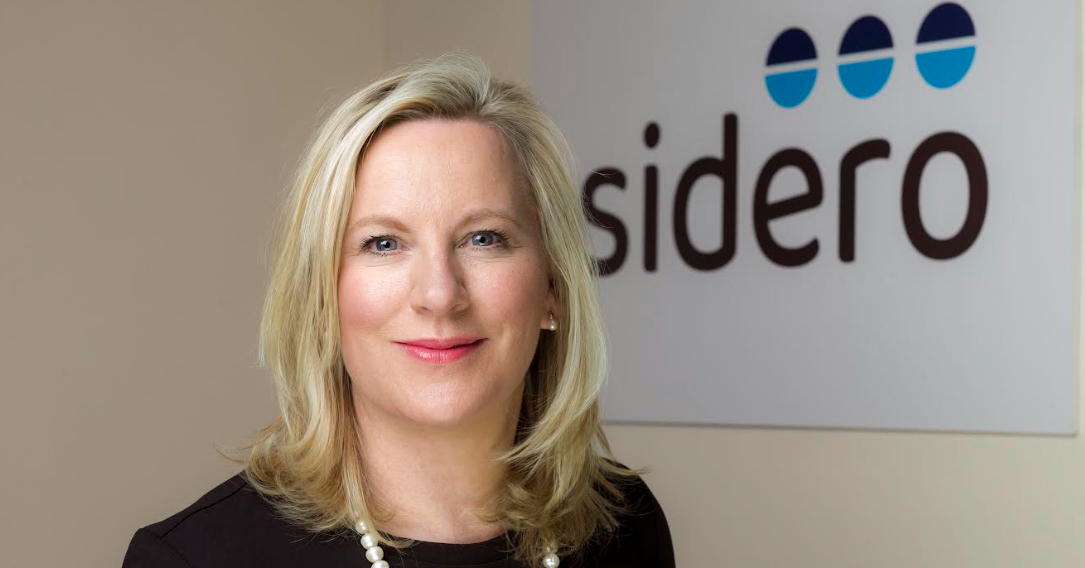
Carmel Owens, CEO, Sidero: “Sustainability is a business imperative. Organisations are facing increasing calls to examine their environmental impact; not only from government and other industry stakeholders, but from their own customers and employees. It’s encouraging to see that a growing number of businesses in Ireland are taking this call seriously by setting carbon neutrality goals and leading by example. However, with a significant one-in-five IT leaders saying sustainability is not a priority for them right now, businesses must work to ensure they have buy-in (and budgets) across the board to ensure success.

“The necessity to become more sustainable comes at a time when businesses are pushing to become increasingly digitalised. These goals do not need to be mutually exclusive and our research shows that technology can support sustainability targets. Cloud, in particular, is now being used by organisations to reduce their emissions as it provides them with greater efficiency than alternative on-site solutions. In addition, it is enabling businesses to quickly scale up and down their operations, expand virtually into new markets and innovate at speed. Given these benefits, there is no doubt that the future of work is in the cloud, and the businesses embracing this will be the ones to succeed in the digital and hybrid workplace.”

Sidero encourages primary school pupils to explore engineering with STEAM initiative

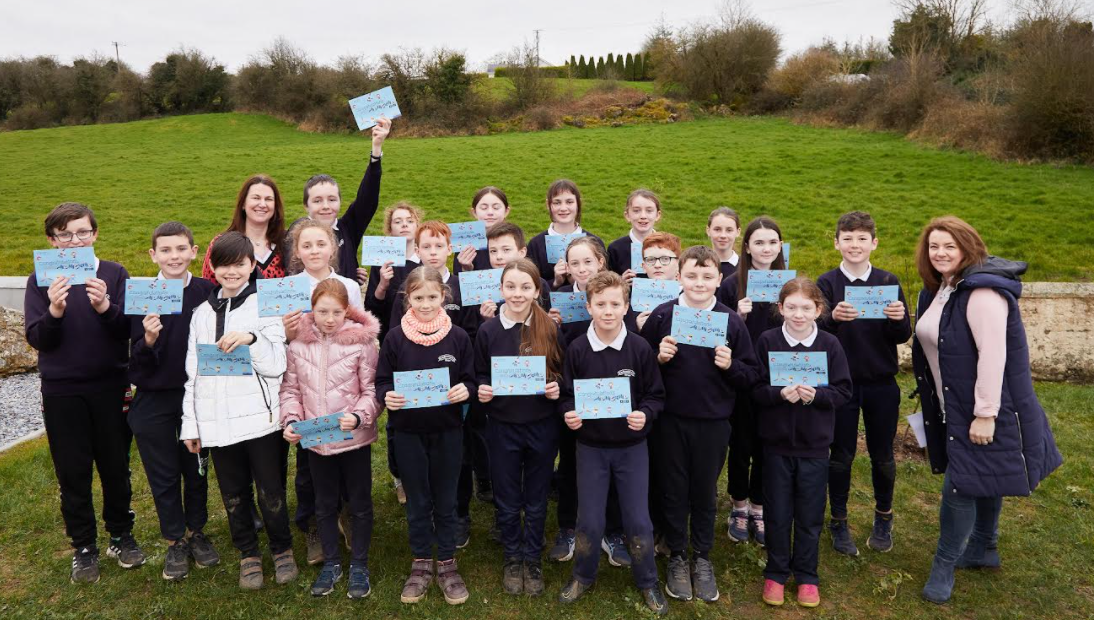
Sidero, Ireland’s software, cloud and digital transformation specialist, is bringing a fun and hands-on 10-week engineering programme to pupils in Ardkeenan National School, Co. Roscommon, in association with STEAM Education Ltd.

STEAM Education (Science, Technology, Engineering, Arts, and Maths) is an initiative created to inspire children to love STEAM subjects, and increase their awareness of and interest in careers in these areas.

Sidero is introducing Ardkeenan’s 5th and 6th class pupils to the areas of environmental, mechanical, civil, electrical, and biomedical engineering during weekly interactive sessions. The immersive and collaborative Engineering-in-a-Box programme uses many recycled materials in fun activities with lesson plans provided by STEAM Education Ltd.

Exploring civil engineering, pupils were tasked with building bridges made of lollipop sticks that needed to be strong enough to hold a bottle of water. Delving into electrical engineering, the pupils tested LED lights and circuits to gauge the flow of electricity and experimented with floating boats to gain a better understanding of buoyancy, a key area of transport engineering.

With a fun and creative approach to biomedical engineering, pupils created cyborg hands out of foam fingers and looking more closely at environmental engineering, Sidero demonstrated filtration using water and tea leaves. For their final STEAM project, the pupils have the chance to put what they’ve learned into practice and make something of their choice – a train, boat, robot, or something entirely different.

The STEAM sessions come at a formative time for the pupils at Ardkeenan, as they prepare to transition into secondary school, where subjects like engineering are a feasible option for them.

STEAM Education’s ethos is rooted in inclusive and inspirational engagement, including practical, fun, challenging, and participatory methodologies – developed and delivered by and with relevant content and educational experts (including children themselves). The initiative follows a co-teaching model where real-life STEAM experts from industry and academia work with primary school teachers, using specially designed tools and content to encourage and inspire.

Alice D’Arcy, MD of STEAM Education, said: “Encouraging children to try these subjects in a fun way and engaging their creative and critical thinking brains at this age, with the support of real life engineers, is really positive and empowering – we are delighted that Sidero are so supportive of the children of Ardkeenan NS and the development of their future careers.”

Nicola Bishop, Engineer and Scrum Master, and Sidero lead for the STEAM initiative, said: “It’s so important to encourage an interest in STEAM subjects from a young age in an effort to narrow the technology skills gap across the board. It’s also vital to encourage more girls to pursue careers in these areas to tackle the gender imbalance in the industry. Programmes like this encourage all pupils to take the leap into the world of engineering and tech, but also shows girls that these are viable career options for them. I can see it’s giving them confidence to try new things – most girls wouldn’t have tried electrical circuits before, but they’re so enthusiastic.

“It’s clear that the pupils are learning how to think in a different way. Parents are telling me their kids are finding things in the recycling bin and building robots! It teaches kids that nothing creative is a bad idea; it could be a great idea that may not have worked the first time. That’s the beauty of engineering – if something doesn’t work the first time, then you go back and try again and make it better.

“Sidero is delighted to be involved in this worthwhile project and helping to nurture the next generation of technologists.”