Roborock might be a new brand for me, but robot vacuums certainly are not, and the QR series slotted into my home setup with very little fuss. It aims to be a one‑stop floor‑care solution, handling both vacuuming and mopping with a modern app‑first approach and some genuinely useful extras rather than just headline specs.
Design and key features
The QR series is a robot floor cleaner designed for both vacuuming and mopping, with an app that builds a detailed map of your home using precision LiDAR navigation and vision‑based motion control. It uses separate clean and dirty water tanks in the dock, and the model I tested is available in both black and white, so it should blend into most homes without shouting for attention.
Key features include:
Multifunctional dock for charging, water management and maintenance.
10,000Pa suction rating, which is at the higher end of what I have tested.
Anti‑tangle side brush that helps reduce hair wraps.
Reactive obstacle avoidance to steer around common household clutter.
Dual liftable spinning mops, so it can mop hard floors and lift on carpets.
App control with flexible scheduling and zone cleaning.
Voice prompts to keep you updated on status and issues.
Build quality feels solid, with the dock and robot both giving the impression they will handle daily use rather than just occasional runs. The twin‑tank setup also means you are not constantly babysitting it with refills for every short clean.
Setup and app experience
Setup is very straightforward, and Roborock has actually made it easier than many older robots I have used. There is a QR code on the box for the app and another on the unit itself to pair to your phone, so you are not hunting for menus or digging through Wi‑Fi settings. The Roborock app is highly rated, sitting at 4.8 out of 5 from over 324k reviews and more than 5 million downloads, and my own experience lines up with that: installation was seamless, it connected to my home Wi‑Fi without drama, and I was able to control the robot both at home and when out without freezes or glitches that some rival products still suffer from.
1
2
3
4
Once the app was installed, the initial mapping run was impressively fast. On older or lower‑end models I have used, you often have to wait for the robot to physically drive every inch of a room before the map appears. Here, the laser‑based system scans and builds the layout quickly without needing to cover every corner first, and it also picked up carpets on the map, which is handy when you want to fine‑tune where it mops versus vacuums. After the quick map, I could choose to vacuum and mop together or run each mode separately, and there is the usual option to schedule cleans for later.
Noise levels are worth mentioning. During normal vacuum and mop runs the QR series is relatively quiet compared to several models I have tried, which makes it more realistic to run while you are working from home or watching TV in the next room. The flip side is that the dock’s prep and rinse cycles are noticeably loud, and during these stages the otherwise clear voice prompts can be a bit muffled by the background noise.
Real‑world performance
In daily use the QR series behaved like a mature product rather than a first‑generation attempt. Navigation was confident, with the robot moving quickly from room to room and avoiding most obstacles rather than ploughing into chair legs repeatedly. Vacuum and mopping performance were both good, and the option to clean filters when required helps keep suction consistent over time.
One area where it stood out was step handling. The manual states it can climb up to a 2 cm threshold between rooms. In my house the main test is a 2.5 cm step leading onto a timber floor, and most robots I have tested over the years either bounce off this or get stuck halfway. The QR series did hesitate and “think” about it, but in every run it managed to get over the 2.5 cm step, which means it is outperforming its own specification in a useful way.
Day‑to‑day maintenance is straightforward. Swapping or cleaning the water tanks is quick, and you are not wrestling with awkward clips or hidden latches. Filters and brushes are accessible, so routine cleaning does not feel like a chore – which is important if you actually want to keep using the robot long term.
One small but important note for buyers in Ireland and the UK: my review unit came with a two‑pin plug rather than the expected three‑pin UK/Ireland plug, so I had to use an adapter. It is not a deal‑breaker, but it is something you should be aware of when you unbox it.
1
2
3
Company background
Roborock is a Chinese smart‑home cleaning brand founded in Beijing in 2014, originally incubated within Xiaomi’s ecosystem where it first built the Xiaomi‑branded Mi Robot Vacuum before pushing its own name worldwide. The company started out focusing on robot vacuums with advanced mapping and navigation, and its S5 series helped establish Roborock as a serious premium alternative to more established names; over the late 2010s and early 2020s it expanded into the S, Q and other lines, adding mopping, auto‑empty docks and more sophisticated obstacle avoidance as it moved into the mainstream.
Warranty
The QR series comes with a 2‑year warranty when bought through official UK/IE channels, which is reassuring for a product that is likely to see daily use.
Final thoughts
Overall the Roborock QR series feels like a well‑sorted robot cleaner rather than an experimental gadget, and it shows that the brand has learned a lot from earlier generations. The app is stable and easy to use, mapping is fast and accurate, and general cleaning performance is strong, with particularly good handling of room‑to‑room transitions and that 2.5 cm step in my home. It is not perfect – the dock can be very loud during rinsing and the plug situation on my unit was less than ideal – but if you want a capable vacuum‑and‑mop robot that behaves like it was designed for real homes, the QR series is an easy one to live with.
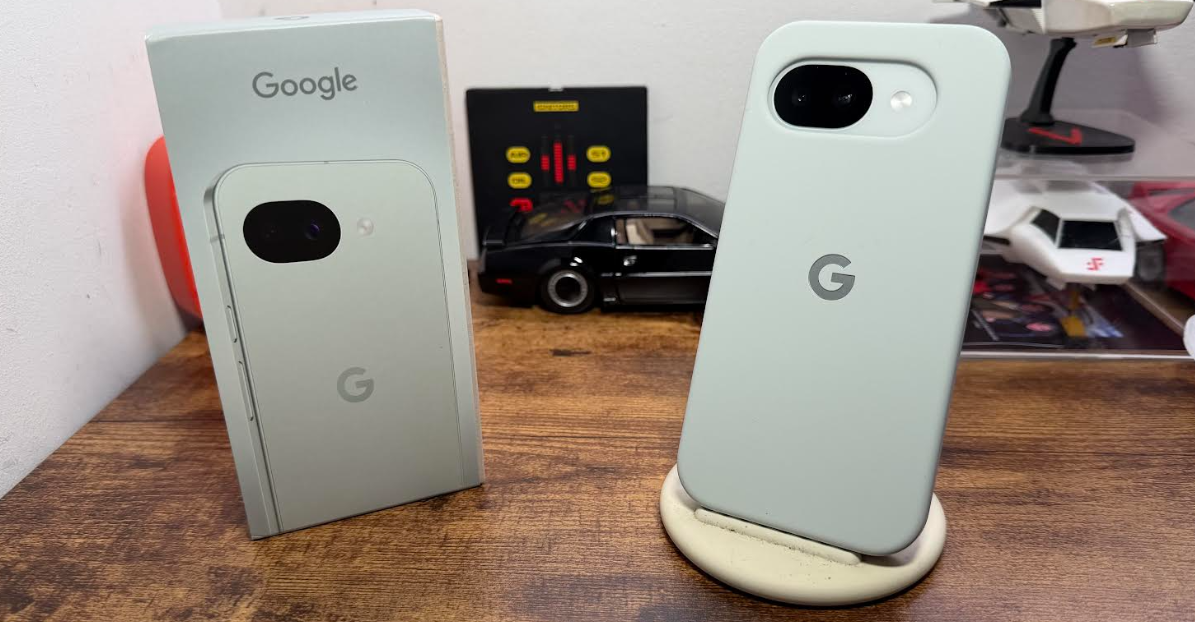
The Google Pixel 10a is the lates a series device from Google and as I always say and do is case up I do this with all phones and as a Pixel device is in my hand all year round the firs tthing to do is get a case this is the official case and we have others coming so watch out for those reviews soon and of course the Pixel 10a itself which is almost done with a full hands on review.
This case is simple and to the point it covers all corners leaves access to ports and speakers and gives you additonal grip, there is a lip on the front which also allows for screen protection so it can be placed face down and of course rear down since the little edge is now gone from the camera area.
The buttons are tactile and work well making the case experience overall better to have on than off and yes many like the naked feel of their phone but it is better to be safe than sorry no matter the price of the phone.
There is no Magnet in the case so keep that in mind but it still charges wirelessly which is fine but for putting if you are a house full of MagSafe accessories like phone stands and the likes you might want to get another one.
Drop-tested for hundreds of hours. Designed to match the shape and colour of your Google Pixel 10a and keep your phone protected and beautiful.
With hundreds of hours of drop-testing, the Google Pixel 10a Case is proven to defend against everyday ‘oh no’ moments. And its stain-resistant silicone stands the test of time.
Made specifically for Google Pixel 10a, this ultra-smooth case fits perfectly with the camera design. Match it precisely to the colour of your phone, or mix things up for a fresh look.
The case is designed together with the phone for seamless charging, clear audio and uninterrupted calls. And it’s made with at least 36% recycled plastic.
Length: 157.9 mm
Width: 77 mm
Height: 11.8 mm
Weight: 32.6 g
Silicone and polycarbonate
Made with at least 36% recycled plastic
Polycarbonate shell made with 75% recycled plastic
Canyon’s latest wireless combo aims to quietly tidy up your desk while keeping things simple and affordable, rather than trying to be “the best ever” in any category.
Design and build
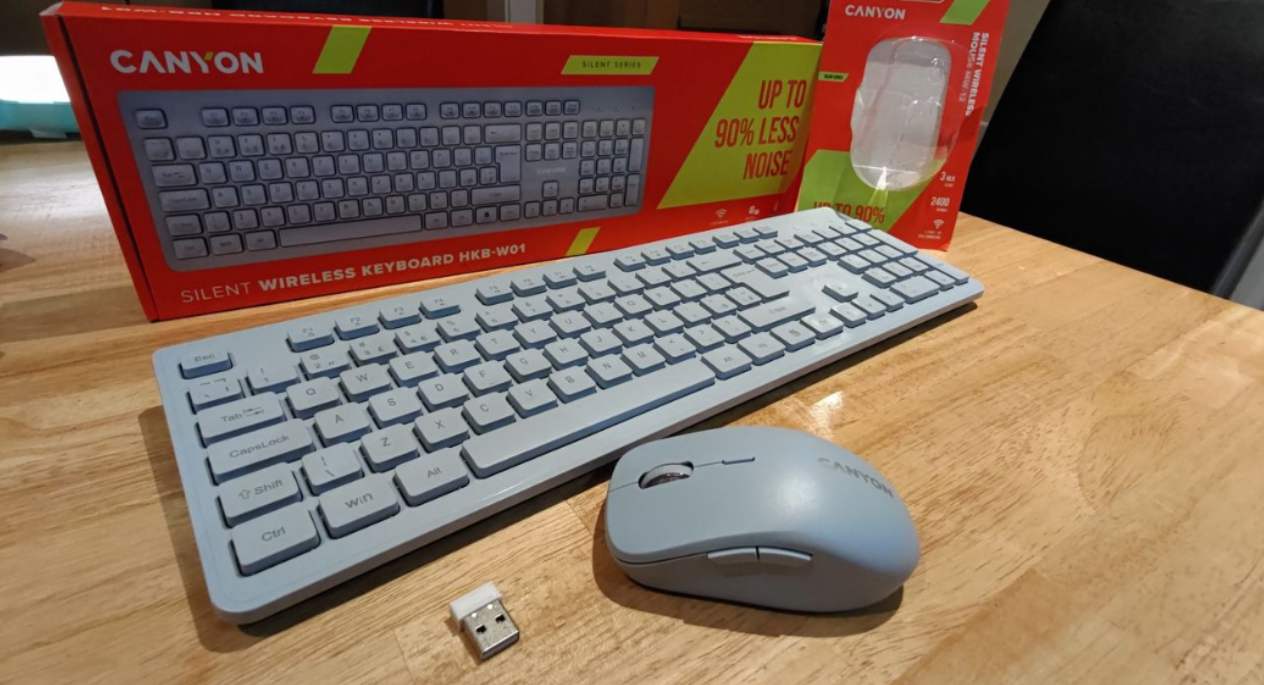
The HKB‑W01 is a classic full‑size 104‑key membrane keyboard with an ultra‑slim profile, available in beige, baby blue, and pink, so it will suit both a neutral office setup and more playful desks. The mouse weighs in at around 65 g, is compact without feeling cramped, and both devices look clean and understated rather than “gamer”‑focused. Packaging is tidy and includes a biodegradable protective cover, plus branded Canyon batteries in the box, which is a nice touch for a budget‑friendly kit.
Features and connectivity
The keyboard uses 2.4 GHz wireless with a quoted range of up to 10 m and is compatible with Windows and macOS. It’s a membrane board with “silent” keys, advertised as up to 90% quieter than a typical keyboard; while I can’t verify that figure precisely, it is noticeably softer and less clacky in daily use. The wireless dongle has a dedicated storage slot in the keyboard, handy for travel or hot‑desking.
The MW‑12 mouse offers dual‑mode connectivity: 2.4 GHz wireless via dongle or Bluetooth, so you can free up a USB port on a laptop if you prefer. Pairing over Bluetooth is straightforward (hold the button for a few seconds to enter pairing mode), and switching between modes is quick. It uses an optical sensor up to 2400 DPI with four steps (800/1200/1600/2400), which is fine for office work and light gaming, and it maintains a stable connection in the 8–10 m range.
Everyday use
In real‑world use, both devices behaved as expected: plug‑and‑play over 2.4 GHz, no driver drama, and reliable reconnection after sleep. The “silent” aspect is where they stand out most: during calls and meetings the reduced key and click noise is genuinely useful, especially in shared offices, hot‑desking environments, or quiet rooms. It won’t make you completely silent, but it’s enough that people are less likely to comment on your typing or clicking.
The mouse’s six buttons and light weight make it comfortable for long sessions, with clicks that feel soft but not mushy. The quoted 3‑million‑click lifespan is mid‑range rather than extreme, but still adequate for normal productivity use. Battery life will depend on your usage pattern, but having branded batteries included and a single AA/AAA setup keeps things simple.
Ecosystem and brand notes
Canyon is a Netherlands‑based brand that has been around since 2003, better known for value‑oriented PC peripherals like mice, keyboards, headsets and combo sets, along with a broad accessory catalogue covering bags, audio gear, gaming chairs and mats, phone and car accessories, power banks, wireless chargers, and a Hexagon line of smartwatches and charging stations. This kit sits firmly in that “affordable, practical, no‑nonsense” space rather than competing with premium mechanical boards or high‑end gaming mice.
Warranty and verdict
Both the HKB‑W01 and MW‑12 come with a standard 2‑year warranty, so you’re covered for typical manufacturing faults over a reasonable period.
Overall, this is a straightforward, cord‑free keyboard and mouse combo that does exactly what it says on the tin: reduce noise, cut cable clutter, and offer flexible wireless connectivity. It won’t impress mechanical‑keyboard enthusiasts or competitive gamers, but if you work in shared spaces, jump between meetings, and just need a quiet, reliable setup with minimal fuss, this pair is easy to recommend at the right price without overselling them as something they’re not.
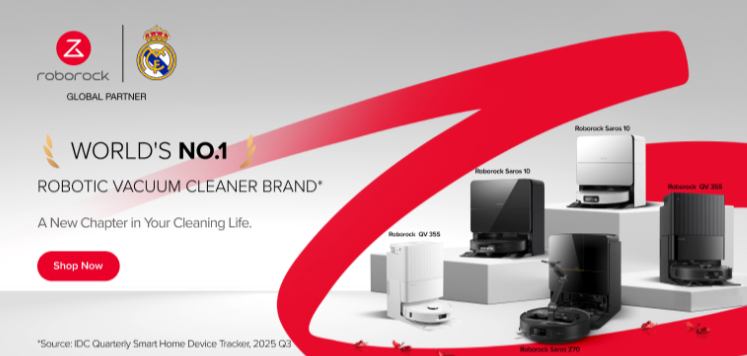
Roborock, a global leader in home robotics engineered to simplify daily life, today officially announces its launch in the Republic of Ireland. Irish consumers can now experience Roborock’s cutting-edge robot vacuums and mops, exclusively available for purchase from leading retailer Harvey Norman both in-store and online.
Roborock’s highly anticipated entrance into the Irish market with the Saros Z70, Saros 10 and QV 35S, begins with pre-orders available from today and will officially go on sale on 18th February. Fear not we have several in for review so stay tuned for real hands on demos coming your way soon.
“Ireland represents a key strategic market for Roborock, vital to our continued momentum and expansion across Europe,” said Jin Yani, Country Manager of Roborock UK & Ireland. “There is strong demand among Irish consumers for smart home tech, and we are confident that our innovative and reliable range of robotic cleaners will both enhance and simplify their daily lives. Our partnership with Harvey Norman ensures that our advanced products are readily accessible to homes throughout the country.”
“As the leading retailer in robot vacuums in Ireland, we are beyond delighted to bring Roborock, exclusively, into our stores nationwide,” said Clare McGinty, Product and Marketing Manager Small Appliances, Harvey Norman. “Roborock are innovators in this space, bringing very exciting products to the market. We look forward to showcasing the unique features of Roborock vacuums to the Harvey Norman customer. Now available in all Harvey Norman stores nationwide, we encourage everyone to visit and speak to our specialist staff who can talk you through the Roborock robot vacuum range.
Roborock is renowned for pushing the boundaries of smart home cleaning, integrating advanced AI and robotics to deliver unparalleled performance. The initial Irish lineup available at Harvey Norman showcases Roborock’s commitment to innovation and diverse cleaning needs:
The Roborock Saros Z70 boasts the world’s first*mass-produced OmniGrip, a five-axis robotic arm that comes folded into the vacuum’s ultra-slim 7.98cm body. The OmniGrip is able to unfold, extend and twist both horizontally and vertically in its five axis to pick up and move away obstacles including socks, sandals and other light objects under 300g, with more to be supported in future software upgrades. Combined with its advanced navigation, powerful vacuuming, and a mopping system that scrubs floors clean, this AI-powered robot transforms into your very own innovative home assistant.
Roborock Saros 10 (€1,099, available in Black & White)
The Roborock Saros 10 is designed to clean everywhere, even those trickier spots. It features a smart RetractSense Navigation System that allows it to lower itself and glide under low furniture like sofas and beds. This ingenious design makes it incredibly slim – just 7.98cm tall. Plus, it boasts a powerful VibraRise 4.0 mopping system for sparkling floors, ensuring it’s a truly reliable, effective and must-have cleaning tool.
Roborock QV 35S (€499, available in Black & White)
The Roborock QV 35S delivers advanced performance at an affordable price-point. It features a comprehensive station that handles automatic dust collection and washes its mop. Its impressive 10,000 Pa suction lifts dust and particles from every floor type, from firm surfaces to soft rugs. And, thanks to Reactive Tech obstacle detection, it navigates gracefully around household furnishings and compact areas, while a distinctive anti-tangle side brush prevents strands and fibers from clogging.
Roborock and Real Madrid have teamed up under the theme of “The Greatest Meeting The Greatest”, which celebrates innovation and remarkable performance. Throughout the partnership, Roborock and Real Madrid will showcase the meaning of “Real Smart Cleaning” from the pitch, to the home.
About Roborock
Roborock is a leading smart cleaning brand renowned for its intelligent cleaning solutions. Having become the #1 best-selling robotic vacuum cleaner brand according to IDC*, Roborock enriches lives with its innovative line of robotic, cordless, wet/dry vacuum cleaners, robotic lawn mowers and washer-dryers. Rooted in a user-centric approach, our R&D-driven solutions cater to diverse cleaning needs in millions of homes across more than 170 countries and regions. Headquartered in Beijing and with 8strategic subsidiaries in key markets, including the United States, Japan, the Netherlands, Poland, Germany, and South Korea, Roborock is dedicated to elevating its market presence worldwide. As of 2026, Roborock serves more than 22 million households. For more information, visithttps://uk.roborock.com/.
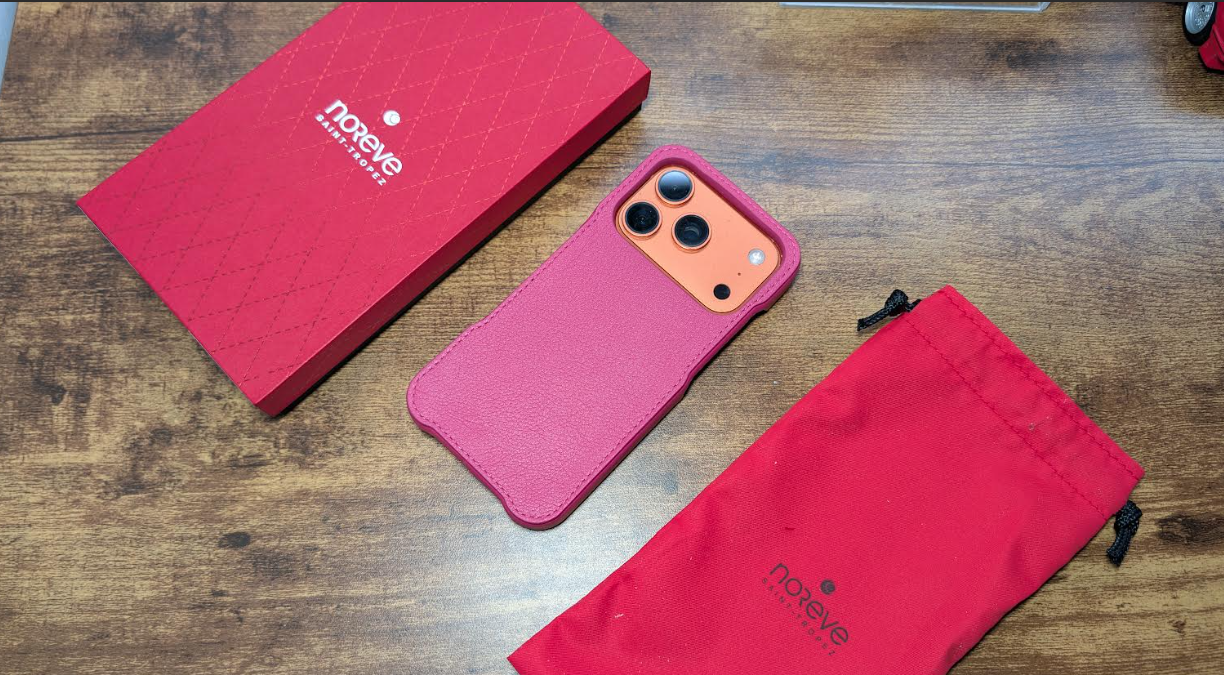
Designed for the most demanding users, the Noreve rear case for the Apple iPhone 17 Pro embodies excellence in high-end protection. This luxury model, renowned for its timeless elegance and chic design, has established itself as a benchmark in the premium smartphone accessories market. Developed in Saint-Tropez by passionate leather craftsmen, this case combines aesthetics, functionality and robustness.
As a long time user of noreve cases I can stand over them using many different cases and covers from the brand and they stand the test of time and stand out when out and about people always ask about them.
With more than 10 ranges, around 100 colours, three different textures (genuine leather, imitation leather or vegan) and more than 80 options for the inner lining, each user can create a unique and personal case using the online configurator. Noreve also offers a range of exclusive options made to order: shoulder strap, integrated stand for watching videos, card slots, loop on the back for a better grip, and even engraving or printing of a message, name, logo or image. Their graphic designers can help you create a case that is 100% you.
We have the rear shell cover today for the iPhone 17 Pro which fits like a glove and looks premium as they always have done, these cases are handmade and take time and you can customise to your requirements as you will see in the video review down below.
With a textured finish on the inside and the company logo it looks great and feels nice to the touch and for the exterior part of the case it again has a nice touch and feel giving you some more grip and you also have the stitching on the back edge, you have full access to all your keys and the camera hump will also be protected and of course access to charge you device via the charge port, there is also a magsafe option and this will charge your device without the need to remove the case to charge if you are custom to wireless charging.
Overall again a great case crafted by hand for your iPhone 17 pro
The FUJIFILM instax mini link+ smartphone printer is their latest new offering and comes with a total new design which is nice to see and I like it.
The new design is catchy looking like their new mini Evo cinema which will be up here on site soon and quite a chang from their previous printer we reviewed and it had people asking questions here and when out and about with it.
A new app has also been developed for the new printer which has an array of features which we go through in the video review below and is simple to use.
This is for the creative type like all their previous printer with an array of modes to pick from such as simple print design print simulation print and multiple print modes also frame and video print feautres.
There is also remote printing and a cool feature that allows you to tilt the printer to zoom in and out which I really like.
Picture quality seems to be better this time around which I am liking an you can enjoy better photos this time around but mostly daytime photos or good lighting but with all the features in the app you can enhance any picture.
You can also use 3D augmented reality and take images before printing which is nice but not for me I am just point shoot and print as with any photo I would take on my phone.
Overall the new app and features are executed well here and with the new robust printer with a cool design will be a welcome addition for all fans.
instax mini link+ App
Main Features:
Simple Print Mode
With mini Link+, users can utilize Simple Print mode in the instax mini Link™ app to print photos directly from their smartphone’s camera roll, or even print out saved images from their Pinterest® account for some handheld inspiration.
Design Print Mode
This mode captures every detail in users’ images – from text to illustrations or other graphics, the images show the finest details with precision.
Simulation Mode
Simulation mode lets the user see what the photos will look like before they print, whether the image is going on a wall, a shelf, a table, or more, this mode lets you experiment with placement and style, to ensure your printed image fits your design plan.
Multiple Print Mode
Multiple Print Mode on the instax mini Link™ smartphone app lets users print up to 10 images3 they have previewed and selected in Simulation Mode – in a single step. This ensures smooth printing of images in the sequence the user selected, with no waiting.
Frame Print Feature
With this feature, users can customize their images by applying a frame, adding a sticker, or even adding a text caption.
Video Print Feature
Within the instax mini Link™ smartphone app, the Video Print feature allows users to isolate the perfect frame within a video they have shot with their smartphone, and output that frame as a printed image.
Bold Design
The mini Link+ smartphone printer is purposefully designed with a slim, easily portable form factor in a sophisticated black with a striking orange color accent. Additional features within the instax mini Link™ smartphone app include:
Remote shooting capability
Collage Print functionality
Users can gather multiple images and print them in collage format on a single instax™ mini photo
Light/Dark user interface modes
instaxAiR Studio™ feature
Users can add 3D Augmented Reality effects before taking photos in the app
Your Prospects Are Checking Reviews Before They Contact You – Most Irish Tech Companies Haven’t Noticed
The final stage of almost every B2B purchase decision now includes the same step: the prospect checks reviews. After the website visits, the demo requests, the shortlisting conversations – before they sign, they validate. They search your company name, scan Google results, check Trustpilot, look at G2 or Clutch or whatever platform covers your sector.
What they find in those final moments often determines whether you win or lose the deal. And most Irish tech companies have given this stage almost no attention at all.
Walk through the buying process yourself. You’re evaluating two software vendors or two agencies or two consultancies. Both seem capable. Both have decent websites. But one has a strong review presence – dozens of reviews across multiple platforms, consistent ratings, recent feedback. The other has a handful of reviews, or reviews only on one platform, or nothing recent. Which creates more confidence?
ProfileTree, the Belfast digital agency that has deliberately built review presence across multiple platforms over its twelve-year history, sees this pattern repeatedly when working with tech companies across Ireland and the UK. Strong products and genuine expertise undermined by weak visible credibility. Deals that should close but don’t. Sales cycles that drag because prospects can’t easily validate claims.
The cost isn’t theoretical. It shows up in conversion rates, in sales cycle length, in the opportunities that never materialise because prospects chose competitors who simply looked more trustworthy at the moment of decision.
Why Reviews Have Become Non-Negotiable
The shift toward review-influenced purchasing has been gradual but comprehensive. What started as a consumer behaviour – checking Amazon reviews, reading TripAdvisor before booking – has migrated fully into B2B decision-making.
Today’s business buyers have grown up checking reviews before every purchase. They don’t switch off that behaviour when making professional decisions. If anything, the stakes being higher makes validation more important, not less. Nobody wants to recommend a vendor to their organisation only to have it fail publicly.
This creates a simple reality: your prospects will check reviews. The only question is what they’ll find when they do.
The challenge for many Irish tech companies is that they’ve treated reviews as something that happens passively rather than something they build actively. They wait for customers to spontaneously leave feedback rather than systematically requesting it. The result is review profiles that don’t reflect actual customer satisfaction – thin, outdated, or skewed by the reality that dissatisfied customers review unprompted while satisfied customers rarely do.
The gap between reality and visible perception costs revenue. A company with excellent delivery and happy customers but weak review presence loses to competitors whose customers are simply more visible.
The AI Amplification Effect
Reviews have always influenced purchase decisions. What’s changed is that AI systems now use review presence as a primary signal when deciding which businesses to recommend.
When someone asks ChatGPT, Perplexity, or Google’s AI Overview “Which software development agencies should I consider in Ireland?”, the AI synthesises information from multiple sources to generate recommendations. Review presence – the volume of reviews, ratings, distribution across platforms – heavily influences which companies make that recommendation.
AI systems treat reviews as independent validation. Your website contains claims you make about yourself. Reviews represent claims others make about you. AI weights third-party validation more heavily because it’s harder to manufacture and more likely to reflect genuine experience.
Companies with strong review profiles across multiple platforms appear more credible to AI. Those with thin or absent review presence trigger lower confidence. The practical result: AI recommendations increasingly favour companies that have invested in review strategy, regardless of how their actual quality compares to competitors.
This creates compounding advantage. Companies appearing in AI recommendations attract more customers, generating more opportunities for reviews, strengthening review profiles further, increasing likelihood of future AI recommendations. Companies absent from AI recommendations miss these opportunities entirely.
As explored in TechBuzz Ireland’s analysis of why Irish tech companies are failing at sustainability marketing, the sector repeatedly demonstrates strong capabilities paired with weak communication of those capabilities. Reviews are another manifestation: companies with satisfied customers who haven’t converted that satisfaction into visible proof that prospects and AI systems can find.
Why Tech Companies Specifically Struggle
Several factors explain why technology companies tend to underperform on reviews compared to other sectors.
Engineering-driven cultures undervalue marketing fundamentals. Tech companies often prioritise product development over marketing basics. Reviews can feel like a “soft” concern compared to feature development or technical capabilities. This cultural bias means review strategy rarely receives serious attention or resources – even when the commercial impact is significant.
The assumption that B2B is different. Many tech leaders assume reviews matter for consumer products but not enterprise sales. “Our buyers conduct proper procurement,” they reason. “They don’t check Google reviews like consumers do.” This assumption doesn’t match reality. B2B buyers absolutely check reviews – they simply use different platforms than consumers, like G2, Capterra, Clutch, and Trustpilot.
Discomfort with asking. Requesting reviews feels awkward to many technical professionals. Engineers and technical founders especially can struggle with what feels like self-promotion. This discomfort produces inaction, even when satisfied customers would happily provide reviews if asked directly.
No systematic process. Without deliberate systems, review generation depends on customers spontaneously deciding to leave feedback. This happens rarely. Dissatisfied customers tend to review without prompting; satisfied customers typically don’t think to do so unless asked. The result is review profiles that underrepresent actual customer satisfaction.
Platform fragmentation. Unlike retail where Google and Amazon dominate, tech reviews scatter across Google, Trustpilot, G2, Capterra, Clutch, industry-specific platforms, and LinkedIn recommendations. Companies unsure where to focus often focus nowhere, spreading effort too thin or avoiding the question entirely.
Companies that build strong review presence share common characteristics in their approach.
Systematic rather than sporadic. Effective review generation isn’t a campaign that runs once – it’s a process embedded in ongoing customer interactions. Successful companies identify optimal moments to request reviews (after successful project delivery, following positive support interactions, at contract renewals) and build requests into standard workflows.
Multi-platform presence. Distributing reviews across relevant platforms creates resilience and reach. For Irish tech companies, this typically means Google Business Profile, Trustpilot, and relevant industry platforms (G2 or Capterra for software companies, Clutch for agencies, sector-specific platforms where they exist). Concentration on a single platform creates vulnerability; distribution builds credibility.
Response to all reviews. Companies that respond to reviews – positive and negative – demonstrate engagement and care. Responses to negative reviews particularly influence perception. Prospects often judge companies more by how they handle criticism than by the criticism itself. A thoughtful, professional response to a complaint can actually build trust; no response or a defensive response raises concerns.
Integration with customer success. Review requests work best when connected to genuine customer success moments rather than arbitrary timing. Asking customers who’ve just achieved results with your product or service yields better response rates and more substantive reviews than generic requests sent on a schedule.
Making it easy. Every barrier reduces completion rates. Direct links to review platforms, clear simple instructions, and minimal friction increase the likelihood that willing customers actually follow through. Companies that require customers to navigate complex processes receive fewer reviews than those who make the path simple.
ProfileTree’s approach demonstrates this strategy in practice. The agency maintains over 60 five-star reviews on Trustpilot and a Google Business Profile with 450+ five-star reviews. This distributed presence across platforms creates the signals that influence both human prospects conducting due diligence and AI systems assessing which businesses to recommend.
Building this presence took consistent effort over years – not a quick campaign but an ongoing commitment to asking satisfied customers to share their experience where it can help future customers make informed decisions.
youtube.com/watch?v=afVwigrGLVI
Platform Strategy for Irish Tech Companies
Different platforms serve different purposes, and effective strategy allocates effort appropriately.
Google Business Profile provides foundational local visibility and influences Google search results directly. For companies serving Irish markets, a strong Google profile with substantial review volume is essential. This platform also feeds AI systems extensively – Google reviews are among the most commonly referenced sources when AI assistants evaluate local business credibility.
Trustpilot carries significant weight for B2B credibility, particularly in UK and European markets. Irish companies serving these markets benefit from Trustpilot presence. The platform’s verification processes and public transparency make reviews particularly credible to sceptical prospects.
G2 and Capterra dominate software category research. Tech companies with software products should prioritise these platforms, where purchase-stage prospects actively compare options. Reviews here directly influence shortlisting decisions for software purchases.
Clutch matters for professional services – agencies, consultancies, development shops. The platform’s verified review process and detailed review structure provide credibility for services where trust is paramount. Being well-reviewed on Clutch signals legitimacy to prospects evaluating agencies.
LinkedIn recommendations contribute to company credibility, particularly for B2B services. While not a traditional review platform, accumulated recommendations on company pages and key personnel profiles create social proof that prospects encounter during research.
Industry-specific platforms vary by sector. Fintech, healthtech, edtech, and other verticals often have dedicated review platforms or directories where presence carries disproportionate influence within the niche.
The goal isn’t presence everywhere – it’s meaningful presence on the platforms your specific prospects use during their decision-making process.
The Competitive Landscape
Most Irish tech categories have surprisingly weak review competition. This represents opportunity for companies willing to invest in building review presence while competitors neglect it.
Conducting competitive review analysis reveals the landscape. How many reviews do leading competitors have on each relevant platform? What are their ratings? How recent are their reviews? Which platforms do they neglect?
In many Irish tech categories, achieving strong review presence doesn’t require hundreds of reviews. Meaningful competitive advantage might come from 30-50 reviews on key platforms – numbers any company with reasonable customer volume can generate within a year of focused effort.
This window won’t remain open indefinitely. As more companies recognise the importance of reviews for both human decision-making and AI visibility, competition will intensify. Early movers who build review presence now accumulate advantages that later entrants struggle to match.
Starting From Behind
Companies with weak existing review profiles face the challenge of building from a deficit. The approach differs from companies starting fresh.
Understand what you’re working with. Before launching review initiatives, assess your current state honestly. What’s your rating across platforms? How many reviews do you have? How recent are they? What do negative reviews say?
Address underlying issues first. If existing reviews reveal genuine problems, fix those problems before seeking more volume. More reviews won’t help if the same issues keep appearing. Use negative feedback as insight into what needs improving.
Start with your strongest relationships. Begin outreach with customers most likely to provide positive reviews – recent successful projects, long-term relationships, accounts where you’ve delivered clear results. Early positive reviews create momentum and improve overall rating.
Don’t try to bury negatives artificially. Seeking floods of positive reviews specifically to drown out legitimate criticism looks suspicious and platforms may detect the pattern. Instead, respond professionally to negatives and build genuine positive reviews over time through consistent good work and systematic asking.
Be patient with improvement. Ratings improve gradually. A company with a 3.5-star rating and 20 reviews won’t reach 4.8 stars quickly. Each positive review shifts the average slightly. Consistency over 12-18 months produces meaningful improvement.
Ciaran Connolly, founder of ProfileTree, observes: “Most tech companies treat reviews as something that happens to them rather than something they build deliberately. That passive approach is expensive. Every satisfied customer who doesn’t leave a review is a missed opportunity to strengthen your credibility for the next prospect evaluating their options.”
The True Cost of Neglect
Review neglect costs Irish tech companies in multiple interconnected ways.
Lost deals during final research. Prospects who reach shortlisting stages often conduct final validation before signing. Weak review profiles at this critical moment push deals to competitors with stronger visible credibility. These losses are particularly painful because the sales investment has already been made – the prospect was ready to buy.
Extended sales cycles. Prospects uncertain about vendors due to thin review presence require more reassurance through other channels. Sales teams spend additional time providing references, arranging calls with existing customers, and addressing trust concerns that strong reviews would have resolved automatically.
Higher customer acquisition costs. When reviews don’t provide social proof, marketing must work harder through other channels. Companies compensate for weak reviews with larger advertising budgets, more content marketing, and heavier sales investment – all more expensive than systematic review generation.
AI invisibility. Companies with weak review profiles are increasingly invisible to AI recommendation systems. This represents a growing category of lost opportunity that traditional analytics don’t even capture.
Valuation impact. For companies seeking investment or acquisition, review profiles contribute to perceived brand strength. Due diligence increasingly includes review analysis. Weak review presence raises questions about customer satisfaction and market position.
The Integration Imperative
Review strategy doesn’t exist in isolation. It connects to broader digital presence and overall marketing effectiveness.
Strong review presence amplifies other marketing investments. Website visitors who see review badges feel more confident. Sales conversations can reference review credibility. Marketing materials cite customer ratings. The investment pays dividends across channels.
Conversely, weak review presence undermines other investments. Marketing campaigns that generate interest lose impact when prospects research and find thin review profiles. Sales efforts stall when prospects can’t easily validate claims. Website conversions suffer when social proof is absent.
For Irish tech companies, reviews represent unusually high-leverage investment. The cost of systematic review generation is modest compared to most marketing activities – primarily process and consistency rather than budget. The impact spans prospect conversion, sales cycle acceleration, AI visibility, and competitive differentiation.
Few other investments deliver comparable return for the effort required. The companies recognising this are building review assets now. Those waiting will face increasingly strong competitors and an increasingly difficult climb.
Frequently Asked Questions
How many reviews do we actually need?
There’s no universal number, but competitive position matters more than absolute count. Assess your competitors’ review presence on each relevant platform and aim for parity or advantage. The goal is being well-reviewed relative to the alternatives prospects might also evaluate, not hitting an arbitrary target.
Won’t asking for reviews seem pushy or unprofessional?
Customers expect to be asked. Most satisfied customers are willing to leave reviews but simply don’t think to do so unprompted. A professional, appropriately-timed request is standard business practice. The key is timing (after positive outcomes) and making the request easy to fulfil.
What should we do about negative reviews?
Respond professionally, acknowledging the concern and offering to resolve it. Don’t argue, dismiss, or ignore. Prospects reading negative reviews often judge companies by their response more than by the complaint itself. A thoughtful response to criticism demonstrates maturity; no response or a defensive response suggests problems.
Can we incentivise customers to leave reviews?
You can reduce friction and express genuine gratitude, but you cannot pay for reviews or offer rewards conditional on positive content – this violates platform policies and can result in review removal or worse. Appropriate approaches include donating to charity for each review received, or simply thanking customers for taking the time. Incentivise the act of reviewing, never the specific content of reviews.
How do we get reviews on B2B platforms like G2 or Clutch?
The process mirrors consumer platforms but with business context. Request reviews after successful implementations, following positive quarterly reviews, or when customers express satisfaction. Make the specific platform link easily accessible and explain why their review matters – usually honestly: “It helps other companies like yours find solutions that work.”
Should we respond to positive reviews too?
Yes. Responding to positive reviews demonstrates engagement and appreciation. Keep responses genuine rather than templated – customers who took time to write thoughtful reviews deserve individual acknowledgment, not copy-paste replies.
How long does it take to build strong review presence?
Building meaningful review presence typically takes 12-18 months of consistent effort. This isn’t a quick campaign but an ongoing process. Companies that embed review requests into their customer workflows and maintain consistent activity see steady accumulation over time. Starting sooner means finishing sooner.
ProfileTree is a Belfast-based digital agency specialising in web design, SEO, content marketing, video production, and AI training for businesses across Ireland and the UK. The agency has built review presence deliberately over twelve years, maintaining over 60 five-star reviews on Trustpilot and 450+ five-star reviews on Google – demonstrating the multi-platform approach that builds credibility with both prospects and AI systems.
Meet the latest addition to the SlingTV Box family, the SlingTV Box S5 Max – a true entertainment powerhouse. Packed with 4GB of DDR and 128GB eMMC storage, it ensures uninterrupted performance. Embracing the advanced Android 12, the SlingTV Box S5 Max enhances your viewing experience.
With WiFi 6 and dual external antennas, your connectivity soars to new heights, ensuring seamless streaming. Plus, the upgraded voice command system and Bluetooth remote control simplify your streaming experience. Prepare for an immersive journey into a world of endless content, all elegantly packaged within the sleek and sophisticated design of the SlingTV Box S5 Max.
We have been testing the latest TV box and given the constant media attention here with such it is another option to check out despite the constant fear mongering around dodgy boxes yet alone the rising costs of subs here and a forced TV licence it is down to you the user who wants to see what is out there and what is on offer and there is no fees here once the SlingTV Box S5 is purchased.
SlingTV Box S5 Max Packed with 4GB of DDR and 128GB eMMC storage, it ensures uninterrupted performance. Embracing the advanced Android 12, the SlingTV Box S5 Max enhances your viewing experience.
15,000+ HD Live premium channels and PPV:SlingTV Box allows you to watch local and top cable channels without cable. Network TV, Regional Locals, Sports Networks, 24/7 channels, PPV Events, NBA, MLB, NFL, NCAAF, NHL, Canada (English & French), Latino (Spanish) Philippines. It includes live news(sports, politics entertainment, etc.) and TV shows. Check all updated channels listed HERE
Check out the Video below for more and what to expect
The WOLFANG Indoor Security Camera model WSO1 is an affordable in house security camera with two tricks up its sleeve others that do not have and at a super affordable price.
The camera can be mounted on a wall or a flat surface and it will need a power outlet nearby you can either use a micro sd card or purchase the cloud storage option which gives a free trail to begin with. The camera can be turned in any direction you need and only works on a 2.4ghz Wi-Fi connection like most do.
Setting up takes a few minutes and once set up and settled where you want it then you can adjust to your needs and leave it sit there and do its job.
The camera itself has all the features you would expect from a security camera and more and gives good clairty audio and video day or night as you will see in the footage below in the video review.
For me with this camera it not only picks up sound even if nothing is seen on video it also gives you a very accurate description of what it sees and again this is shown in the video review below.
For me this is a worth home securtiy camera to have i your home and now has me interested in more of what they have to offer and you should cehck the company out.
Osaio App
Osaio app
Clear and Sharp, No Fear of Darkness】This indoor security camera offers powerful night vision. Its 3-megapixel resolution and dual LED lights provide enhanced color visibility even at night. It features three night vision modes: infrared, full color, and alarm.
【AI Monitoring and Flexible Installation】This mini indoor security camera supports intelligent AI motion detection and provides 24/7 real-time alarms and online monitoring via the Osaio app. It supports mounting with included adhesive stickers and wall studs, and its 360-degree lens rotation allows for flexible installation.
【Two-Way Audio and Sharing] This security camera features a built-in microphone and speaker, allowing you to chat with family members or comfort pets. You can also share surveillance footage with up to three family members and friends via the Osaio app.
【Fast Network Pairing and Wireless Transmission】This indoor security camera supports Bluetooth network pairing and 2.4G Wi-Fi wireless transmission, providing faster network connection and more convenient video transmission.
【Cloud/SD Storage】This indoor security camera supports cloud storage via the Osaio app (subscription required). It supports up to 128GB SD card storage (not included), providing you with greater storage security.