The Path Toward Financial Stability

Financial stability often feels like a long term goal that is always just out of reach, especially when life is full of unpredictable expenses, fluctuating income, or debt that refuses to shrink. But financial stability is not a destination reached in one giant leap. It is a path built through consistent habits, thoughtful planning, and steady progress. By learning to manage income responsibly, reduce unnecessary costs, and build savings intentionally, anyone can move toward a more secure financial future. For some people, seeking help from the top rated debt settlement companies becomes part of that journey, but stability ultimately comes from sustainable financial behaviors practiced over time.

When you look closely, you realize that financial stability is less about how much money you earn and more about how well you use what you have. People with high incomes may struggle to stay afloat if they spend beyond their means, while people with modest incomes can build impressive savings through disciplined habits. The key is developing a clear picture of your financial situation and making decisions that support long term goals instead of short-term impulses.

The path toward financial stability is not about perfection. It is about understanding where you are financially, identifying your strengths and weaknesses, and creating systems that keep you moving in the right direction even when life gets complicated. Small actions, practiced consistently, lead to big results over time.

Understanding Your Financial Starting Point

Before making any financial changes, it is essential to understand your starting point. This means taking an honest look at income, expenses, debt, and savings. Many people avoid examining their finances closely because it feels intimidating, but clarity is the foundation of control.

Creating a simple budget is a great first step. Listing your expenses reveals areas where small adjustments can free up more money for savings or debt repayment. Tracking spending for a month or two can be eye opening, especially when you discover patterns you were not aware of.

Understanding where your money goes helps you make intentional decisions and prevents financial surprises from constantly throwing you off course.

Managing Expenses with Intention

Once you know your expenses, the next step is managing them intentionally. Financial stability does not require eliminating all enjoyable spending, but it does require aligning your spending with your priorities. Many people spend money reflexively, without thinking about whether it supports their goals.

Cutting unnecessary expenses, negotiating bills, or switching to more affordable services can create financial breathing room. Even small monthly changes add up significantly over time.

The Consumer Financial Protection Bureau offers helpful tools for tracking spending and creating realistic budgets that can guide you toward more mindful financial choices.

Developing a Savings Habit

Savings is one of the most important pillars of financial stability. It provides protection against emergencies, helps fund future goals, and reduces dependence on debt. The goal is not to save huge amounts overnight but to build a consistent habit.

Even small amounts saved regularly offer long term benefits. Automating savings is one of the easiest ways to set money aside without relying on willpower. Whether you are building an emergency fund, saving for a goal, or setting aside money for retirement, consistency is far more important than perfection.

The Federal Reserve’s research on household financial well-being highlights how even small financial cushions significantly reduce stress and improve long term decision making. Saving money steadily gives you more confidence and more options during unexpected challenges.

Reducing Debt Strategically

Debt is one of the major obstacles to financial stability. High interest debt, especially from credit cards or loans, can drain your income and prevent you from saving. Reducing debt strategically helps free up money for other financial goals.

There are several proven strategies for debt reduction, such as paying off the smallest balances first for momentum or targeting high interest debt to save more in the long run. Some people combine these approaches.

Debt consolidation or working with reputable professionals can also be helpful, as long as the solutions align with your long-term goals. The important part is staying consistent and avoiding taking on new unnecessary debt during the process.

Preparing for Financial Uncertainty

Life is unpredictable, and financial stability requires preparing for uncertainty. Emergency funds, insurance coverage, and flexible budgets all contribute to more security. Without preparation, even small, unexpected expenses can throw your finances off balance.

Creating a financial cushion takes time, but even a few hundred dollars saved can reduce stress substantially. Over time, building a larger buffer offers even more resilience.

Regularly reviewing your insurance policies, workplace benefits, and financial obligations helps you adapt to life changes and stay financially protected.

Continuous Learning and Financial Growth

Financial stability is not a one-time achievement. It is an ongoing process that evolves with your life. Careers change, families grow, and priorities shift. Understanding personal finance and continuing to learn empowers you to adapt to these changes confidently.

Reading trustworthy financial resources, attending workshops, or using educational tools can help you stay informed. Many people learn new financial skills by managing their money more intentionally or talking openly with others about financial experiences.

Staying curious and open to learning helps you build long term financial wisdom rather than relying on trial and error.

Staying Consistent and Patient

Financial stability requires patience. Progress does not happen overnight, but consistent actions bring meaningful long-term results. Celebrating small wins along the path helps you stay motivated. Whether you paid off a small debt, saved a little more than usual, or stayed within your budget for the month, each step contributes to greater security.

Financial stability is not about wealth; it is about confidence, security, and the freedom to make choices without fear. It is about knowing you have the tools and systems to handle whatever comes next.

Moving Forward With Confidence

The path toward financial stability is a journey built on awareness, intention, and consistency. By understanding your financial situation, managing expenses wisely, building savings, reducing debt, and staying committed to learning, you create a strong foundation for long term financial well-being.

No matter where you start, you can move forward with confidence. Stability grows through steady progress, thoughtful decisions, and a willingness to stay engaged with your financial life. With each step you take, you shape a more secure and empowered future.


Scarcity Vs. Abundance Mindset

Ever notice how sometimes you feel stuck, overwhelmed, or like there’s never enough? That’s what having a scarcity mindset feels like—a feeling that resources, opportunities, or success are limited and just out of reach. On the flip side, an abundance mindset is like seeing the world as full of possibilities, where there’s enough for everyone, and opportunities are waiting to be grabbed. Both mindsets shape how we approach life and money, and understanding how to shift from scarcity to abundance can change everything.

If you’re dealing with tough financial situations, maybe even thinking about California debt relief options, shifting your mindset might be just as important as finding practical solutions. Let’s explore what these mindsets mean, how they affect you, and ways to make a positive switch.

What Is a Scarcity Mindset?

A scarcity mindset is a way of thinking where you believe there’s never enough—never enough money, time, success, or resources. This mindset can leave you feeling anxious, depressed, or even paralyzed, because you’re always focused on what’s missing.

When you believe opportunities are scarce, you might hold back from taking risks or sharing resources, fearing loss or failure. Financial stress often worsens scarcity thinking, as you might feel trapped by debt or limited income. This mindset can make it hard to see solutions or possibilities.

For people facing financial strain, including those seeking California debt relief, this mindset can create a cycle of worry that’s hard to break.

The Power of an Abundance Mindset

In contrast, an abundance mindset is rooted in the belief that there’s enough for everyone, and new opportunities are always around the corner. This perspective encourages excitement, motivation, and action. Instead of focusing on limitations, you see potential and growth.

With an abundance mindset, setbacks become lessons rather than failures. You’re more likely to take calculated risks, share knowledge and resources, and approach challenges with confidence.

Financially, this mindset helps you look for creative solutions and opportunities rather than getting stuck in fear. It empowers you to rebuild, save, and invest in your future, no matter where you start.

How Mindsets Influence Financial Behavior

Your mindset directly impacts how you manage money. Scarcity thinking might lead to hoarding cash, avoiding budgeting, or making impulsive decisions out of fear. You might resist asking for help or exploring options like debt relief, feeling ashamed or hopeless.

Abundance thinking encourages planning, smart spending, and seeking support when needed. It helps you see financial challenges as temporary and solvable, which is essential for making progress.

Steps to Shift From Scarcity to Abundance

Switching your mindset isn’t about pretending everything is perfect. It’s about changing how you focus your attention and interpret experiences. Here are some practical ways to start shifting:

  • Practice Gratitude: Regularly remind yourself of what you do have. Gratitude helps redirect focus from lack to plenty.
  • Reframe Negative Thoughts: When scarcity thoughts creep in, challenge them. Ask yourself, “Is there really no way forward? What possibilities am I missing?”
  • Set Small, Achievable Goals: Progress builds confidence. Even small wins reinforce an abundance mindset by showing you can improve your situation.
  • Surround Yourself With Positive Influences: Spend time with people who have growth-oriented attitudes. Their mindset can rub off on you.
  • Educate Yourself: Financial knowledge reduces fear. Learning about budgeting, saving, or debt relief options (like those available in California) empowers you to act.

Why This Shift Matters

Changing your mindset impacts more than just your finances. It affects your relationships, stress levels, and overall happiness. People with abundance mindsets tend to experience less anxiety and greater resilience because they believe in possibilities.

Financially, this shift can be the difference between being stuck in a cycle of debt and frustration or building a stable, hopeful future.

Final Thoughts

Scarcity and abundance mindsets are like two lenses through which we view the world—and we get to choose which one to wear. While scarcity leaves you feeling overwhelmed and stuck, abundance opens doors to excitement, motivation, and meaningful action.

If you’re navigating financial challenges, including exploring California debt relief, don’t underestimate the power of your mindset. By practicing gratitude, reframing your thoughts, setting goals, and seeking knowledge, you can gradually embrace abundance.

Your financial future—and your peace of mind—can begin with a simple choice to see the world not as limited, but full of opportunities.

Irish Guide To Selling CS2 Skins Safely

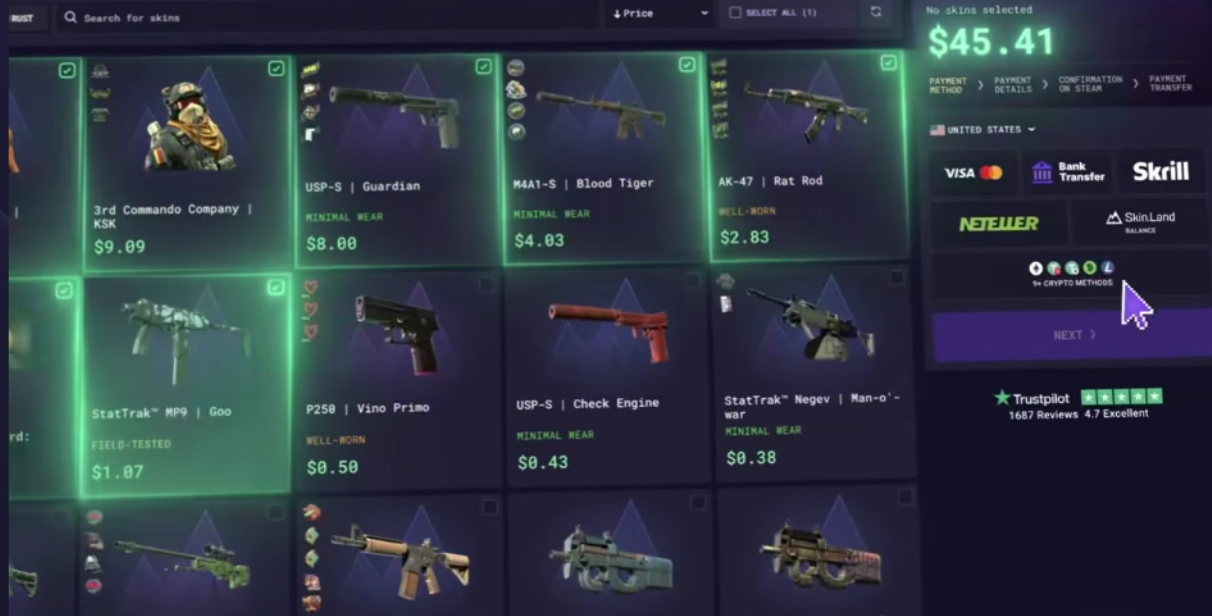
Selling CS2 skins should feel as secure as buying a round at your local. If you’re in Ireland and ready to turn cosmetic items into euros, start with a clear plan to sell cs2 skins for real money and a realistic understanding of risk. Below, you’ll find a practical path that balances speed, safety, and value—so you cash out without nasty surprises along the way.

Steam Market Vs Third-Party Marketplaces

The Steam Community Market is convenient but closed—funds stay locked to your Steam Wallet. That’s fine for buying games, not so great for groceries. Third-party marketplaces, by contrast, let you withdraw earnings, often at better rates on in-demand items. The trade-off? You must vet the platform’s security, support responsiveness, and visible track record before you list.

Third-party platforms typically offer clearer price discovery across many buyers, which helps avoid underpricing rare finishes. Look for escrow-style flows, two-factor authentication, and transparent seller dashboards. You want item verification steps, visible trading histories, and a dispute process that doesn’t feel like a black box. If a site is vague about fees or timelines, treat that as your first red flag.

Spotlight: A Marketplace Built for Sellers — Skin.Land

Suppose you prefer a gamer-first flow with plain-English policies, Skin.Land is a solid place to start. The platform focuses on clarity around listing, settlement, and withdrawals, with an interface that’s easy to learn and quick to navigate. Sellers appreciate straightforward pricing, robust account security options, and a clean order history that makes reconciliation painless. If you’re exploring where to sell CS2 skins safely without overcomplicating the process, adding Skin.Land on your shortlist is a smart move.

Cash Out CS2 Skins To Bank Or Card

Once your item sells, your next decision is payout. In Ireland, many traders prefer SEPA bank transfers for familiarity and auditability. Card withdrawals can feel faster for day-to-day spending. Either way, the platform should outline verification requirements up front: identity checks, proof of ownership, and anti-fraud safeguards. Those guardrails protect you from chargebacks, impersonation, and other hassles.

Timing matters. Some services batch withdrawals daily; others run them multiple times per day. Review cut-off windows to avoid weekend drift. For larger sums, expect an extra compliance pass—nothing unusual there. Keep your profile data consistent with your banking details; tiny mismatches can trigger needless delays. And always enable mobile and email confirmations for every step of the cash-out flow.

Payout Methods And Fees

Fees change the real price you’re getting, so read the fine print like a hawk. Platforms may charge a listing commission, a sale fee, and a separate withdrawal fee. Your bank may also charge an inbound fee, depending on the method used. Factor all of that into your target price; don’t fixate on the sticker number alone. A slightly higher list price with lower withdrawal costs can yield more benefits.

Consider volatility, too. CS2 skin prices move with meta shifts, tournament hype, and limited-time drops. If a hot skin is trending, a marketplace with deeper liquidity might close faster at fair value. Conversely, for niche or low-volume items, patience beats panic. Set alerts, watch recent sales, and avoid selling immediately after a major patch when prices often wobble.

Quick Safety Checklist Before You Sell

  • Double-check item float, stickers, and wear; premium details impact price. 
  • Use Steam Guard, confirm trades on your mobile device, and never share your confirmation codes. 
  • Verify marketplace domain and TLS certificate; avoid links sent via DMs. 
  • Read the fee schedule and minimum withdrawal amounts end-to-end. 
  • Test a small sale first to validate the payout pipeline and timing. 
  • Keep screenshots of listings, confirmations, and any support chats. 

How To Price For The Irish Market Without Guesswork

Start with recent sales, not asking prices. The latter can be wishful thinking. Filter by wear, float, and pattern so you’re comparing apples with apples. If you’re not in a rush, list slightly above the last confirmed sale and enable offers. For quick exits, undercut the average—but only after tallying payout methods and fees to track your real take-home.

When activity spikes—around Majors or skin-related events—your listing strategy should adjust. Shorten listing duration, keep notifications on, and respond to credible offers fast. If you get several bids within minutes, you likely underpriced; cancel and relist if your marketplace allows it. Conversely, if it’s quiet for days, consider nudging your price or bundling lower-value items.

Account Security: Think Like A Keeper

Treat your Steam account like a vault: unique passwords, a password manager, and two-factor on everything. Check authorized devices weekly. Revoke old API keys and avoid browser extensions you don’t recognize. Phishing is rampant: no legitimate support rep will ask for your login or one-time codes. When in doubt, go straight to the platform URL you trust—don’t click embedded buttons in emails.

Trade confirmations deserve special care. Always review item names, wear levels, and pattern IDs in the confirmation window. Scammers rely on speed; you beat them with a thirty-second sanity check. If a listing or trade looks off by even a hair, cancel it. A lost minute is cheaper than a lost knife.

Why Marketplace Choice Matters For Irish Sellers

Irish users benefit from platforms that understand EU payments. SEPA support, clear timelines, and compliance with GDPR all reduce friction. Equally important: active support during Irish business hours and an FAQ that actually answers payout questions. A marketplace like Skin.Land focuses on clarity around listing, settlement, and withdrawal—useful if you want a reliable, gamer-centric flow without constant ticket ping-pong.

Regional Notes For Ireland

Keep an eye on local bank processing times, especially near holidays and long weekends. Some institutions post transfers the next business day, which can stretch a Friday request into Monday funds. For regular sellers, build a routine: list midweek, plan withdrawals before noon, and set alerts for confirmation emails so you can react quickly if anything needs your attention.

Bringing It All Together: A Safe, Straightforward Play

Selling skins shouldn’t feel like defusing a bomb. Choose a vetted marketplace, confirm security basics, and price using verified sales, not hype. Understand how you’ll cash out CS2 skins to bank or card, what the total costs look like, and how speed compares to value. Small checks—domain, confirmations, fee math—protect significant outcomes when real money’s on the line.

Ready to convert pixels into practical euros? Start with a low-risk test sale, validate your payout path, and scale from there. With a solid process and a platform built for players, you’ll move from trial run to trusted routine—turning your CS2 loadout into real-world flexibility without compromising safety or control.

Your Guide to Financial Freedom: Clear Steps for Managing Money Wisely

Many people today want more control over how they manage money. They’re not just looking to cut back. They want clear ways to feel stable and build long-term security. Thankfully, it’s easier now than ever before. Accessible options like mobile banking, budgeting platforms, and modern savings accounts help people stay on track. With the right habits and a few smart changes, it’s possible to avoid stress and make steady progress. 

Whether you’re just starting out or looking to make better choices, here are some steps to help you take charge of your financial future with clarity and ease:

Start With a Realistic Budget

A clear budget helps you understand how much you can spend and what needs to change. It’s not about restriction. It’s about awareness. Start by tracking how much you bring in each month and where that money goes. Use categories like rent, groceries, transport, and extras. Try using a simple spreadsheet or a free mobile app. Keep your categories broad so you don’t get overwhelmed. Once you see where the excess spending happens, you can adjust it. A helpful move is setting limits for flexible categories like dining or shopping. Budgeting gives you a full picture, making it easier to plan ahead and reduce unnecessary spending without feeling deprived or confused.

Choose Modern Banking That Works for You

Many people rely on outdated banks with low savings rates, hidden fees, or poor service. That doesn’t help you manage money well. If you’re looking for a simpler way to organize your spending, save smarter, and achieve your goals faster, it’s time to explore better options like SoFi. They now offer online accounts with no hidden charges, fast transfers, high savings rates, and early access to your paycheck. These features support better decisions by helping you track everything in one place. So, one easy move is to apply for Sofi bank account, which offers mobile access, budgeting tools, and cashback without traditional fees. It’s designed to support people looking for flexibility and control without the usual banking frustration.

Pay Off Debt Without Feeling Overwhelmed

Debt can make you feel stuck, but there are ways to manage it without pressure. First, list everything you owe—credit cards, student loans, or personal loans. Then, choose a plan that works for your lifestyle. Some people like the snowball method, where you tackle the smallest balance first. Others prefer the avalanche approach, focusing on high-interest debt. Pick what feels manageable and commit to regular payments above the minimum whenever possible. Try avoiding new debt during this period. You can also call lenders to ask about lower interest or flexible terms. Progress won’t happen overnight, but with small, steady steps, your balances can shrink and your confidence will grow.

Build an Emergency Buffer

Life happens. That’s why it helps to set aside a small cushion you can rely on in a crisis. Whether it’s for a car repair, medical bill, or a sudden move, having backup funds helps you avoid borrowing or panicking. Start with a target of $500, then work your way toward saving three to six months’ worth of basic expenses. Use a separate savings account so you’re not tempted to spend it. If that feels like a lot, begin with a weekly or monthly goal; even $20 a week adds up. Automatic transfers can help build this reserve without effort. It’s not about saving big amounts. It’s about staying ready.

Set Practical Goals You Can Actually Reach

Setting goals gives your money a direction. Without them, it’s easy to spend without thinking. Start by writing down what you want to achieve. Is it travel, home ownership, or clearing debt? Break these into short-term and long-term goals. Then, assign each one a timeline and an amount. For example, “Save $600 for a weekend trip in six months” is easier to follow than a vague idea of “saving for travel.” Use visual trackers, notes on your phone, or calendar reminders to stay focused. Revisit your list monthly to check progress and adjust when needed. When goals are specific, realistic, and time-based, they feel more doable and help you stay motivated.

Build a Positive Credit History

Good credit can help with future milestones like renting a place, buying a car, or qualifying for better interest rates. Start by checking your credit score and reading your report for any errors. Pay bills on time. This is one of the most important things you can do. Keep credit usage low. That means if your card has a $1,000 limit, try not to carry a balance over $300. Avoid opening new accounts unless necessary, and keep older accounts active if they don’t cost you extra. Over time, these habits can improve your score. Free apps can track your progress and help you stay aware of how your choices affect your credit.

Learn the Basics of Saving and Growth

You don’t need to be an expert to start growing your savings. Begin with what you understand. High-yield savings accounts offer better returns than regular ones. Certificates of deposit (CDs) are another option for short-term goals. For longer-term planning, look into retirement accounts like IRAs. These can help you grow money over time while offering tax advantages. Try not to act on trends or pressure. Stick with steady habits and learn as you go. Small, regular deposits matter more than big one-time moves. Use educational resources to build your confidence. The goal is to stay consistent, even if the amounts are small at first.


You don’t need to change everything overnight. What matters is making choices that move you in the right direction. Managing money well isn’t about strict rules. It’s about staying aware and making steady improvements. From building a basic budget to choosing the right banking features and checking your progress, each step adds up. Remember that your path is yours alone. Keep things simple, stay consistent, and make decisions that support the future you want. Small efforts now can lead to more peace and flexibility later. The most important thing is starting and choosing to stick with it, even when progress feels slow.

The Big Risks of Impulse Spending

Impulse spending is something most of us have experienced. That sudden urge to buy a gadget, a piece of clothing, or a fancy coffee without planning for it. While it might feel like a quick pick-me-up, unplanned purchases can have big consequences for your financial health. Over time, these little impulses can add up to significant debt, missed savings goals, and even stress that affects your well-being. If you’ve ever found yourself needing tools like auto title loans in Birmingham after a spending spree, it’s a clear sign that impulse spending can spiral into bigger problems. Let’s take a closer look at the hidden risks of impulse spending and how to guard yourself against them.

How Impulse Spending Affects Your Finances

When you buy something on a whim, you’re often not considering the bigger picture. That $20 or $50 here and there might seem small, but it can quickly drain your budget, leaving less for essentials or savings. Over months and years, impulse spending can accumulate into hundreds or even thousands of dollars of unnecessary expenses.

This often leads to debt accumulation. Impulse spending also means you might miss out on important financial goals like building an emergency fund, saving for retirement, or paying off debt. Without control, it’s harder to plan for the future and build security.

The Psychological Triggers Behind Impulse Spending

Impulse buying isn’t just about poor money management—it’s deeply tied to our emotions and how our brains respond to stimuli. Many purchases are driven by feelings like stress, boredom, or the desire for instant gratification. When people are upset or tired, they might shop as a way to feel better temporarily.

Marketers know this well and use tactics to encourage quick decisions. Flash sales, limited-time offers, and eye-catching ads play on our fears of missing out or getting a “deal.” These strategies can trick even the most careful shoppers into making unplanned purchases.

Understanding these psychological triggers helps you recognize when you’re about to spend impulsively and pause before acting.

The Impact on Mental and Physical Health

Impulse spending doesn’t just hurt your wallet; it can take a toll on your mental and physical health too. The stress of juggling debt or worrying about money often leads to anxiety, sleep problems, and even physical symptoms like headaches or high blood pressure.

When impulse buying leads to regret or guilt, it can create a negative cycle where people shop more to feel better, only to feel worse afterward. Breaking this cycle is crucial for both your financial and emotional well-being.

Strategies to Avoid Impulse Spending

One of the most effective ways to fight impulse spending is to create a budget and stick to it. Knowing exactly how much money you have for essentials and extras helps you avoid overspending.

Another helpful tip is to use the “24-hour rule.” When you feel the urge to buy something unplanned, wait a full day before deciding. This pause allows your initial emotions to settle and gives you time to evaluate if the purchase is really necessary.

Avoiding tempting environments also helps. If online shopping is your weakness, unsubscribe from promotional emails and limit your browsing time. If you shop in stores, make a list and stick to it to prevent wandering into impulse buys.

Building Better Spending Habits

Replacing impulse spending with mindful spending takes time but is possible. Mindful spending means thinking about purchases carefully and making sure they align with your values and goals.

Track your expenses to see where your money goes and identify patterns of impulse spending. Celebrate small victories when you resist unnecessary purchases.

Developing hobbies and activities that reduce stress without spending money also helps. Exercise, reading, or spending time with friends can provide emotional boosts without emptying your wallet.

The Role of Support and Accountability

Sometimes talking about your spending habits with a trusted friend or family member can help keep you accountable. Sharing your goals and struggles makes you less likely to give in to impulses.

Consider seeking advice from financial counselors if impulse spending is seriously impacting your life. They can offer personalized strategies and support to help you regain control.

The Bigger Picture: Taking Charge of Your Money

Impulse spending might feel harmless in the moment, but its risks stretch far beyond. It can derail your financial plans, cause stress, and even affect your health. Recognizing these risks and understanding the psychological reasons behind impulsive purchases is the first step toward change.

By creating budgets, pausing before purchases, and seeking support, you can break the cycle of impulse spending. This not only improves your finances but also helps you build a healthier relationship with money and yourself.

If you’ve ever been caught in a cycle where impulse buys lead to short-term loans like auto title loans in Birmingham, know that change is possible. Take control with mindful spending, and watch your financial and emotional well-being improve over time.


Common Mistakes to Avoid When Taking Out a Payday Loan in Singapore

There are times in everyone’s life when you find yourself in need of money to make it out till the next paycheck. Your monthly budget might have been altered by certain unexpected expenses and that left you short on cash. If you need too much money, just some extra something to get you back on track until the following month. Faced with this scenario, many people in Singapore turn to payday loans to bridge the gap. Best payday loans can be great financial choices when you need small amounts of cash fast, but they’re not recommended for long periods of time. Not many people know this and they end up making some costly mistakes.

In today’s article we’re going to look over some of the most common mistakes people make when taking out a payday loan in Singapore. Read more to see what to look out for, what not to do and how to correctly apply for this loan.

Mistake No. 1: Not Checking if the Moneylender is Licensed

When considering borrowing money from moneylenders, the first thing you have to do before calling any agency, is check if they are approved by the National Government.

On the website of the Ministry of Law you can find a list presenting all of the moneylenders who are recognized by the National Government. If the agency you’re considering is not part of that list, you should immediately cease any borrowing processes with them.

Only a licensed moneylender will be able to offer you the protection you’re granted under the Moneylenders Act, such as an interest of a maximum of 4% and a maximum of $60 in late fees/month. If an agency is not registered, they’re most likely part of a loan shark scheme or some sort of scammer and there’s not much the Singapore government can do to protect you in that case.

Mistake No. 2: Borrowing More Than You Can Afford

In comparison to other types of loans, payday loans are easier to obtain and that might make one feel like access to money is easy. However, borrowing beyond what one can afford can quickly turn into a damaging habit that can spiral down at an extremely high speed.

Always consider the need you’re borrowing for. Is it really necessary for you to take this loan, or should you look into other options? These types of loans often have increased high rates and, if you need large amounts of money, then a personal loan might be a smarter choice. A payday loan in Singapore is the perfect choice if all you need is some extra money until you get paid – this is what this credit was designed for and you should keep it in mind.

Mistake No. 3: Using the Credit for Non-Emergencies

Just as stated above, this loan was created to meet the urgent need for money to bridge a gap in your budget. They were not designed so you can get your dream vacation, they were not created to cover education expenses, they were not made to finance a wedding – for all of these, the best choice would be a personal loan.

The best payday loan is the one used for urgent expenses that require immediate attention which cannot wait for your next payment. If your purchase can wait for the next payment, then it would be best to simply wait till next month to get it. However, if it can’t and all you need is a little bit of extra cash, then you should consider it.

Mistake No. 4: Not Having a Repayment Plan

It is advisable that, before getting any loan, you’re familiar with the repayment plan and set for yourself some guidelines to help you navigate that period. When it comes to these credits used to bridge some gaps, most of them have somewhere between 30 to 60 days for repayment. That means that you should have, right from the start, a repayment structure or plan in mind, so that you can pay off the loan when the time comes.

Most people who take these loans rest assured thinking that they’re simply going to pay them off when the next paycheck comes in and that’s true, you can absolutely do that, but you should also be aware of your expenses and make sure that your next paycheck allows you to dispose of such a large amount of money at once. To make sure there’ll be no unpleasant surprises, you should set for yourself a repayment plan right from the very start.

Mistake No. 5: Not Getting the Best Payday Loan They Can Get

There are many ways in which you can make sure that you’re getting the best payday loan and the number one way is by comparing your options. Every moneylender will have a different offer for you and, although the national government imposes the same limits for all of them (a maximum of 4% interest and a maximum of $60 per month in late fee penalties) it doesn’t mean that all offers are the same.

You should look for moneylenders who prioritize flexibility and consultancy, for moneylenders who explain to you all of the clauses in the contract and for people who are transparent in their processes.

Let’s do a recap:

  • Always check if your moneylender is licensed – do not work with unlicensed ones
  • Do not borrow more than you can afford – it might be tempting, but it will cause you to spiral down
  • Don’t take them if you’re not facing an emergency that requires immediate money – look into personal loans and consider your other options if your need for money can wait
  • Always have a repayment plan for yourself. A licensed moneylender will also present you with a repayment plan for the amount you’re borrowing, but you should have an internal management mechanism as well to ensure you’re not accumulating bad credit
  • Remember there are many options to choose from and, if you want to get the best payday loan, then you should look into at least three licensed moneylenders and compare their offers.


3 ways financial modeling software can streamline corporate financial management

With the growing volumes of financial data and the rapidly changing market conditions, financial decision-making has become unprecedentedly challenging at both tactical and strategic business levels. But what if you could calculate the impact of your future financial choices on your business? Undoubtedly, it would greatly improve financial planning and management processes in your company and help reduce financial losses.

Luckily, no magic is needed to predict the future in corporate finance today. Instead, CFOs and finance teams can use software for financial modeling equipped with mathematical models that help assess the current economic performance of their companies and predict how it might change in different economic scenarios.

What is financial modeling software?

Financial modeling software offers templates replicating common financial models (the three-statement model, the leveraged buyout model, etc.), tools for building bespoke financial models, or both. Since models need relevant financial data to make accurate findings and forecasts, these solutions also typically provide robust integration capabilities, enabling them to exchange data with other tools. 

Beyond the highlighted software functionalities, financial modeling systems can offer a range of other capabilities useful for finance management professionals. These can include data visualization to arrange insights from financial data in the form of graphs or charts, scenario analysis to compare different possible financial scenarios, collaborative analytics to share data and insights with colleagues, and many other features.

How can financial modeling software elevate corporate financial management?

1. Improving capital budgeting

Capital budgeting is one of the most critical yet daunting aspects of corporate financial management. Capital projects require long-term substantial investments, and if such a project turns non-viable or fails, the company risks facing financial losses, which can be devastating for business.

Therefore, financial professionals should evaluate possible capital budgeting options with extra caution. And by using financial modeling software, financial professionals can leverage ready-made model templates or build their own models to efficiently evaluate investment opportunities from multiple perspectives, which can help your business make more risk-free and rewarding capital budgeting decisions.

For example, suppose your company is considering acquiring some other business. In such a case, finance teams can use a discounted cash flow model to evaluate that company’s financial health and predict its future financial performance by analyzing the business’s revenue, expenses, and taxes. Teams can simply import the company’s publicly available financial data (balance sheet, income statement, cash flow statement, etc.), and the financial modeling tool will automatically perform all necessary calculations.

Teams can additionally assess an investment’s return potential by using a leveraged buyout model, which also takes into account a target company’s  common financial metrics and combines them with the amount of borrowed money required to fund the deal. Additionally, they can apply a trading comps model, which implies comparing a target company’s financial ratio with other firms from the same niche, helping you choose the most promising and rewarding investment opportunity.

2. Streamlining capital financing

Besides choosing a project to invest in, finance teams must decide how the company should raise funds to support its business operations (taking a bank loan, selling some share of its stock, or else). 

Suppose your company decides to issue common stock through an initial public offering (IPO) to leverage new sources of capital. The company must decide what share of its business it should sell to the public to raise a larger amount of cash, which can later be used to pay off a company’s existing loans or fund internal research and development initiatives. In this case, the finance team can use an IPO modeling template to model various IPO scenarios and estimate the potential for future capital raise.

3. Enhancing working capital management

Among other things, financial teams should make accurate decisions regarding working capital management to help their companies optimize the utilization of existing assets. The decision-making process in capital management requires careful monitoring of both overall company performance and the performance of individual assets.

In this regard, financial modeling software can come in handy, as teams can use it to measure and project their company’s financial performance. Finance professionals can simply leverage the same type of model they would use to assess the value of other businesses or investments, namely the discounted cash flow model, but feed it with internal financial data.

Teams can also implement a ready-made template or a custom formula to calculate the return on a company’s assets. The return on assets ratio allows financial professionals to estimate the percentage of a company’s assets that are profitable and to predict how the economic performance of their assets can change over time. If the future earnings of some specific assets are lower than expected, a company can decide to sell those assets to another business and thus adjust the corporate financial portfolio.

Final thoughts 

Making financial decisions in corporate finance is a challenging duty for any finance team, which nonetheless can be streamlined with the help of financial modeling software. Financial professionals can use these digital tools to make capital budgeting, capital financing, and working capital management decisions more accurately and quickly. 

Nonetheless, if your company decides to implement a financial modeling tool, it should first have to decide whether to adopt a platform solution from Microsoft, IBM, and other vendors or develop software from scratch. Since both options differ significantly in their complexity and cost, you should choose carefully. A reliable technology partner can analyze your business and study its established financial processes to help you make a sounder choice. If needed, the partner can also assist you with the implementation itself and handle all its technical aspects, from software architecture design and coding to solution customization and integration.


New tech saves up to 50% of the admin time in the house buying process

MyConveyance.ie, a new digital conveyancing portal, is set to transform the conveyancing process in the Republic of Ireland by offering nationwide conveyancing services designed to streamline property transactions. With the potential to reduce the processing time for the sale and purchase of residential property by up to 50%, MyConveyance.ie aims to bring time-saving efficiency and transparency to the Irish property market, in line with international best practice.

Navigating home-buying can be daunting, especially for first time buyers or those new to the Irish market. MyConveyance.ie operates as an online portal that provides clients with 24/7 access to their files. Founded by practising solicitors at O’Donoghue and Associates, this user-friendly platform ensures complete transparency and real-time updates, allowing buyers, sellers, estate agents and their solicitors to track the progress of their property transactions anytime, anywhere. By introducing technology to what has traditionally been a paper-based process, a team of experienced legal professionals have designed this solution to redefine the current conveyancing experience.

Using biometric technology, clients are on-boarded onto a secure, state of the art portal, where they complete ID verification checks and Anti Money Laundering checks.   Protected by dual factor authentication they will have access to their individual file. The auctioneer and other stakeholders can be given limited access as required. As the various stages are completed an automatic alert, by way of text or e-mail will be issued to the client, giving them real time updates on their transactions, as they happen.

Speaking about the tech, principal, Kevin O’Donoghue said “We researched widely and set out to design MyConveyance.ie using the best of what we saw internationally, while tailoring it to the unique elements of the Irish conveyancing market. Working with RedBrick Solutions, a leading designer of conveyancing case management systems, Thirdfort and Klyant accounting software, we have developed a product that utilizes cutting edge technology to automate and speed up the standard conveyancing transaction. The result is a secure, online portal, accessible to clients, keeping them informed at every stage of their property transaction, giving them peace of mind and control over their investment.”

MyConveyance.ie’s services are available to property buyers, sellers, estate agents, brokers and solicitors nationwide. Whether purchasing a first home or managing multiple property transactions, MyConveyance.ie delivers a modern approach to conveyancing that saves considerable time and resources.

For more information about MyConveyance.ie and its services, visit www.myconveyance.ie or contact the team at 021 431 3911or info@myconveyance.ie.