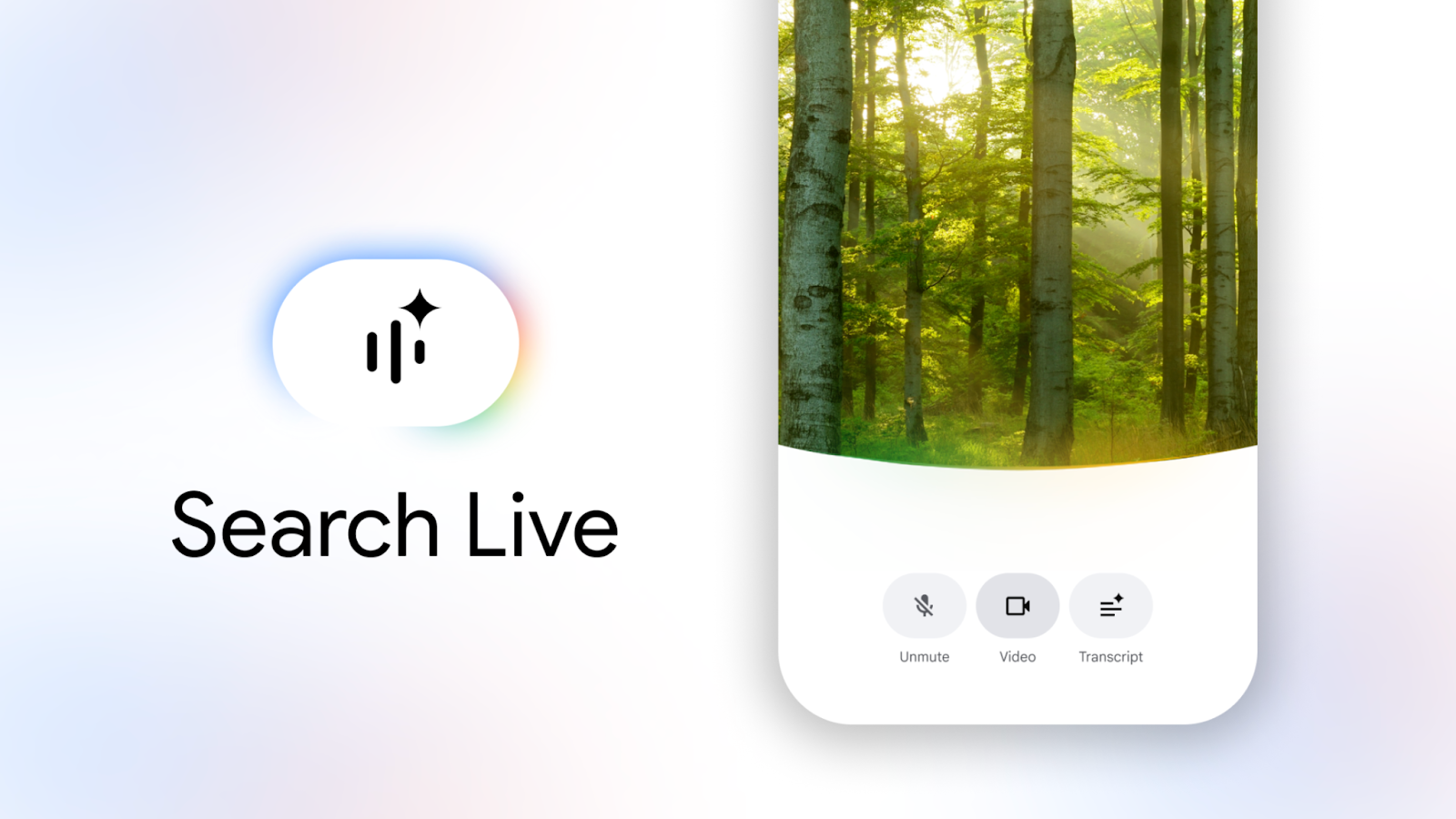
Today, Google is starting to roll out Search Live globally in all languages and locations where AI Mode is available. With this launch, people in more than 200 countries and territories will be able to have interactive conversations with Search in AI Mode, using both voice and camera.
This expansion is enabled by their new audio and voice model, Gemini 3.1 Flash Live, which delivers even more natural and intuitive conversations. The new model is also inherently multilingual, which means that people around the world will be able to speak with Search in their preferred language. Read more below..
Bringing Search Live to more people
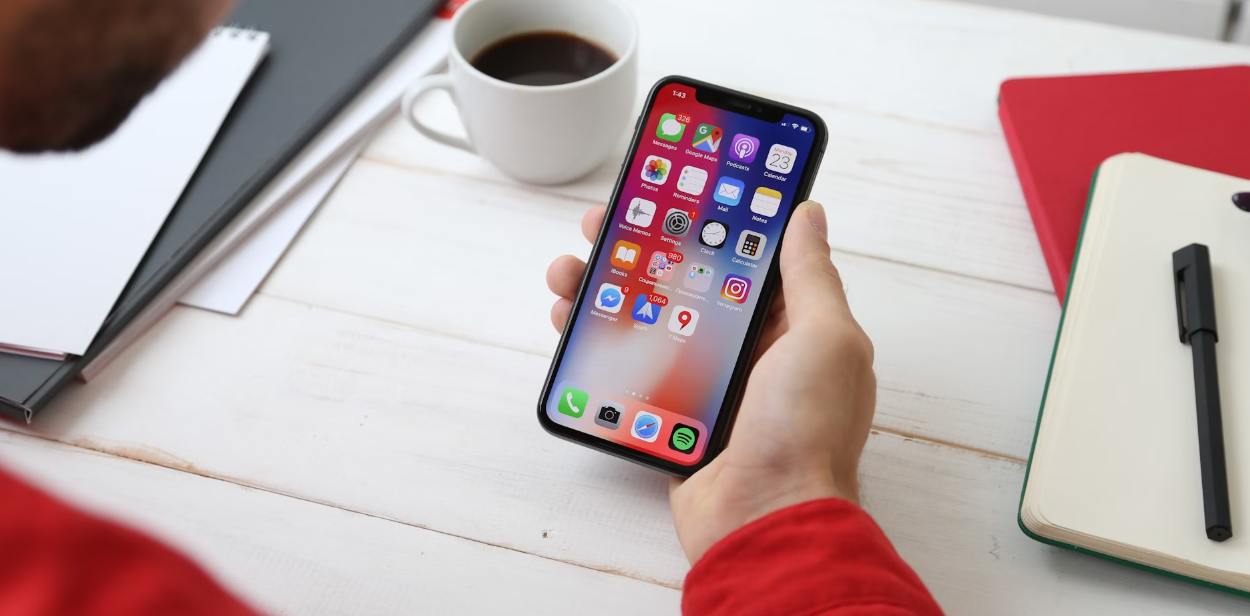
Search Live is designed for those moments when you need real-time help, and typing out a query just won’t cut it. To go Live with Search, simply open the Google app on Android or iOS and tap the Live icon under the Search bar. From there, you can ask your question out loud to get a helpful audio response, then continue the conversation with follow-up questions or dive deeper with helpful web links.
If you want to ask about something in front of you, like how to install a new shelving unit you can enable your camera to add visual context. This way, Search can see what your camera sees and offer helpful suggestions, plus links to more information on the web.
You can also access Search Live if you’re already pointing your camera with Google Lens — just tap the Live option at the bottom of the screen to have a real-time, back-and-forth conversation about what you see in the real world.
We’re always working to make Search more helpful, and we’re excited to see how people around the world use Search Live to learn, explore and get things done.
After a nationwide search that took to the busy streets of Dublin to the wild Atlantic coast,Isibéal Ní Cheallaigh has been chosen the official Irish voice for Ring Video Doorbell.
Last summer, Ring launched a search for a voice that represents the warmth, charm and unique character of Ireland. The response was incredible, with hundreds attending auditions in Dublin, Cork and Galway while many more entered via social media.
Meet Isibéal Ní Cheallaigh: The Voice at Your Door
Isibeál – who is from Dublin and currently lives in Galway – is a former primary school teacher, teaching through Irish, who left full-time teaching to complete a cleachtas gairmiúl sna meáin master’s degree in media. During her studies, she’s worked as a musician and in the media, most recently on TG4’s Ros na Rún. Her entry into Ring was almost accidental.
“I’d heard about the Ring ‘Voice of the Nation’ auditions from a friend the week before they came to town, but I forgot they were taking place,” Isibéal shared. “By chance, I was walking through the shopping centre on audition day, and I thought I’d get involved for the craic.”
That spontaneous decision paid off. Her reaction to the news was genuine: “I really didn’t expect it or think it was going to happen!”
Her family’s reaction was equally memorable. “But when I found out I’d been chosen, I rang my mum and told her I’d got it. My brother was with her at the time, and his reaction was so funny. He was like ‘so you’re going to be a doorbell?’ – it was gas.”
A Celebration of Irish Identity and Language
This campaign celebrated what makes Ireland unique. Research revealed that 55% of Irish people are “head over heels in love” with their accent. In a historic first for Ring, the new Quick Replies feature includes an option for greetings in the Irish language.
“Dia dhuit! Ní féidir linn an doras a oscailt faoi láthair, ach más mian leat teachtaireacht ghearr a fhágáil is féidir leat é sin a dhéanamh anois”
For Isibéal, a fluent speaker, this is a meaningful addition.
“There’s a huge rise in the Irish language at the moment, even in ads and on posters. Lots of things are shown in two languages, so it’s very important to have that option as well,” she explained.
Dave Ward, Managing Director EU & International at Ring, noted: “Our ‘Voice of the Nation’ celebrates the authentic voices that make every neighbourhood across Ireland unique. Isibeál brings something truly special to Ring, not just a beautiful accent but our very first Irish language voice. I’m so excited for our customers to bring that warmth and charm to their front door.”
How Quick Replies Work
Quick Replies act as an answering machine for your front door. When a visitor presses your Video Doorbell, they can hear a pre-recorded greeting if you are unable to answer. It is a simple way to let delivery drivers know where to leave a package or tell friends you will be right there.
Starting today, Isibéal’s voice is available to all Ring customers in Ireland and the UK. Whether you want a friendly greeting in English or a traditional fáilte in Irish, you can customises your Video Doorbell to sound like home.
While 15% of people listed Cillian Murphy as their dream celebrity voice during our research, Isibéal’s tones were the perfect match for our panel. Head judge and radio broadcaster, Carl Mullan, added: “Isibéal’s dulcet tones really struck the judging panel as the perfect voice of our nation. Well done to Isibéal and to everyone who took part – you did our beautiful Irish accent proud!”.
How to Set Up the Irish Voice on Your Device
Ready to welcome visitors with the Voice of the Nation? Setting up the feature is easy and takes just a few moments:
1. Open the Ring app: Ensure you have the latest version installed.
2. Select your device: Tap the Video Doorbell you wish to update.
3. Go to settings: Tap the ‘Smart Responses’ tile.
4. Enable Quick Replies: Toggle the switch to enable Quick Replies if it isn’t already on.
5. Choose your message: Select “Irish Voice of the Nation” and choose your preferred greeting.
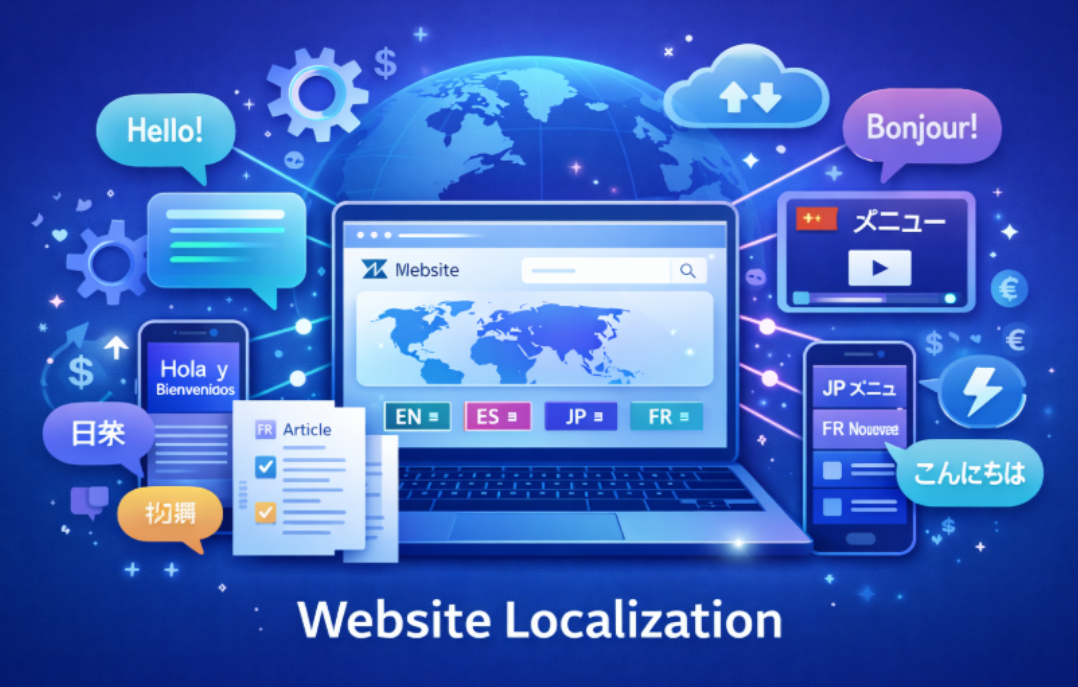
In the world of digital commerce and online engagement, localizing your website has become more than just a nice-to-have feature – it’s a necessity. Localizing your website effectively ensures that your content resonates with users in different regions and languages, helping to increase user engagement, conversion rates, and global reach. But how do you go about it? Whether you’re looking to expand into new markets or enhance the user experience for a diverse audience, this guide will walk you through the essential steps for localizing your website.
Why Website Localization Matters
Before you begin the website localization process, it’s important to grasp its significance for your business. A well-localized website builds trust and credibility with your audience. When your website is presented in the language and style of your target market, visitors are more likely to engage, stay longer, and ultimately make a purchase.
Localization is about much more than simply translating text. It’s about tailoring your website’s content, images, layout, and even functionality to align with the cultural norms, preferences, and expectations of the audience you’re targeting. This could include modifying the format of dates and currencies, choosing regionally appropriate colors, or adjusting your message to better resonate with local values. By localizing your website effectively, you can significantly enhance the user experience, reduce bounce rates, and increase conversions, as visitors will feel that your brand understands them and meets their needs.
If you’re looking to read how to localise a website effectively and capitalize on your global expansion opportunities, let’s explore the essential steps to make the process as smooth and impactful as possible.
To successfully localize your website, there are several key steps you need to follow. Let’s dive in.
1. Plan Your Localization Strategy
The first step in website localization is planning. The scope of the project will depend on your target market(s), language(s), and the resources available to you. Start by identifying the languages and regions where you want to expand. Consider using localization tools such as Crowdin to streamline the process.
Start by asking yourself a few important questions:
Which markets do we want to target?
What languages do our customers speak?
What content and pages need to be localized?
What are the legal or cultural requirements for those markets?
Once you have this plan in place, it’s time to map out which parts of your website will require translation and which will require cultural adaptation. This includes everything from text and multimedia to formatting and local regulatory requirements.
2. Content Translation and Cultural Adaptation
The most obvious aspect of website localization is translation. When translating your website, it’s essential to ensure that the tone, style, and message match the expectations of your target audience. Just translating the words won’t be enough; you’ll need to adapt your content for different cultural contexts.
Consider using a professional translation service or translation management software to ensure that your content is both accurate and culturally relevant. Translation management tools like Crowdin offer streamlined workflows to handle content translation across multiple languages efficiently.
Additionally, consider these cultural adaptations:
Currency and Dates: Make sure to display local currency and adapt the date format to match regional norms.
Images and Icons: Images that work in one culture may not resonate in another. Ensure that your images, symbols, and icons are culturally appropriate.
User Interface (UI): Languages vary in length, so the layout of your site may need to be adjusted. For example, some languages like German may require more space for text than others like English or French.
3. Technical Considerations for Website Localization
Website localization isn’t just about content; it’s also about how the content is presented. This includes technical aspects such as URL structure, search engine optimization (SEO), and multilingual content management.
For example, you’ll want to create subdomains or subdirectories for each language version of your site (e.g., fr.yoursite.com for French). You should also implement hreflang tags in your HTML to indicate to search engines which version of your content is meant for which language or region. This helps avoid duplicate content issues and ensures that the right users are directed to the appropriate version of your site.
Additionally, ensure that your website is compatible with local payment methods and can handle transactions in local currencies.
4. SEO for Localized Websites
When localizing your website, it’s essential to take SEO into account. SEO is key to ensuring that your localized site is discoverable by users in different regions. Just because you’ve translated your content doesn’t mean it will automatically rank well in local search engines.
Here are some SEO tips for localized websites:
Keyword Research: Conduct keyword research in each target language. Local users may search for different terms or phrases than those used in your original market.
Localized Content: Tailor your content to local preferences. This means adjusting not only your language but also the topics and themes you cover.
On-Page SEO: Ensure that each localized version of your website is optimized for search engines. This includes title tags, meta descriptions, and headings in the target language.
To read how to localise a website properly for SEO, be sure to follow SEO best practices for each market.
5. Testing Your Localized Website
Once you’ve translated and adapted your content, it’s time to test the localized website. Testing is crucial to ensuring that your website functions properly in all regions. You’ll want to check for:
Correct translations: Are the translations accurate and do they make sense in the local context?
Functional Links: Do all internal and external links work as expected in the localized version?
Page Load Speed: Does the localized website load quickly for users in different regions?
Mobile Optimization: Ensure that the mobile version of the site is also localized and performs well across all devices.
User testing with native speakers from your target markets is essential to catch any issues that may arise in the user experience.
6. Automating Website Localization
As your business grows and you continue to localize content for additional markets, automating the process can save you a significant amount of time and effort. Crowdin and other localization platforms offer tools that allow you to automate many aspects of website localization. These tools integrate with your existing CMS or website platform and provide a centralized location for managing translations and updates.
Automated workflows can help streamline the translation process, ensuring consistency across different languages and regions. With these tools, you can quickly update your website with new content, making it easy to keep your localized websites fresh and up-to-date.
FAQs and Final Thoughts
What is the difference between translation and localization?
Translation involves converting text from one language to another, while localization goes beyond translation to adapt content for a specific culture, language, or region.
How do I handle multiple languages on my website?
Use subdomains or subdirectories for each language (e.g., fr.yoursite.com for French or yoursit.com/fr for the French version). Implement hreflang tags to guide search engines.
Do I need to localize all of my website’s content?
No, prioritize the most important content for localization – such as key product pages, customer support sections, and marketing materials – before considering less critical pages.
How do I manage localized content efficiently?
Use translation management platforms like Crowdin, which allow for collaboration between teams, streamlined translation workflows, and automated content updates.
How much does website localization cost?
Costs vary based on the complexity of the project, the number of languages, and the level of adaptation required. It’s essential to budget for translation services, technical adjustments, and ongoing content management.
Final Thoughts
Website localization is a powerful tool for expanding your business globally and engaging with new audiences in their own languages. By following these steps and utilizing the right tools and strategies, you can ensure that your website resonates with users around the world and provides a seamless user experience. Remember to plan carefully, adapt your content for cultural relevance, and optimize your site for SEO to achieve success in every market.
Ireland’s education system stands at a fascinating crossroads where traditional excellence meets digital innovation. With the government’s Digital Strategy for Schools pushing significant investment into educational technology, Irish classrooms are transforming rapidly. This shift isn’t merely about adding tablets and interactive whiteboards; it’s about fundamentally reimagining how teaching resources can enhance learning outcomes for Ireland’s 570,000 primary and 370,000 secondary students.
The recent OECD reports position Ireland above the European average for digital literacy, yet our teachers consistently report needing better resources to maintain this advantage. The challenge isn’t accessing technology—it’s finding quality educational materials that align with the Irish curriculum whilst leveraging digital capabilities effectively. From Dublin’s tech-forward schools to rural communities in Donegal, educators are discovering that the right blend of digital teaching resources and traditional Irish pedagogical strengths creates exceptional learning environments.
The Irish Curriculum Meets Digital Innovation
The Irish education system’s unique features—including the emphasis on critical thinking in the Leaving Certificate and the integrated approach of Aistear for early years—require specialised resources that generic international platforms often miss. Irish teachers need materials that respect our educational philosophy whilst embracing technological possibilities. LearningMole, developed by educators who understand these nuances, demonstrates how teaching resources can bridge traditional Irish educational values with modern digital engagement, offering curriculum-aligned content that works seamlessly in Irish classrooms.
The Primary School Curriculum’s spiral approach, where concepts are revisited with increasing complexity, demands resources that can adapt across year levels. Digital platforms excel here, allowing teachers to access differentiated materials instantly. For instance, when teaching Irish history, educators can combine interactive timelines, primary source documents, and video content to bring events like the Easter Rising or the Great Famine to life in ways that static textbooks never could. These multi-modal approaches particularly benefit Ireland’s growing population of EAL (English as Additional Language) students, now representing over 12% of primary enrolments.
Ireland faces specific educational challenges that technology-enhanced resources can help address. The teacher shortage, particularly acute in STEM subjects, means schools need resources that can support less experienced teachers or those teaching outside their specialisation. Geographic disparities between urban and rural schools create different resource needs—whilst Dublin schools might focus on coding and robotics, schools in the Gaeltacht regions need resources supporting Irish language immersion.
The integration of technology in Irish schools has accelerated dramatically since 2020, with the Department of Education investing over €210 million in digital infrastructure. However, infrastructure alone doesn’t improve education. Teachers report that finding quality, curriculum-appropriate digital resources remains their biggest challenge. Video-based learning platforms that offer structured, curriculum-mapped content help teachers maximise their technology investments whilst ensuring consistent educational quality across all classrooms.
DEIS (Delivering Equality of Opportunity in Schools) schools, serving Ireland’s most disadvantaged communities, particularly benefit from comprehensive digital resources. These schools often struggle with resource budgets, making subscription-based platforms that provide unlimited access to quality materials particularly valuable. When every student can access the same high-quality resources regardless of their family’s economic situation, it helps level Ireland’s educational playing field.
The Celtic Tiger’s Cubs: Preparing Ireland’s Digital Generation
Today’s Irish students—the children and grandchildren of the Celtic Tiger era—inhabit a fundamentally different world than previous generations. Tech companies employ over 200,000 people in Ireland, making digital literacy not just educational enrichment but economic necessity. Schools must prepare students for careers in companies like Google, Facebook, and Apple, all with significant Irish operations, whilst also maintaining Ireland’s renowned strengths in literature, arts, and humanities.
This balance requires teaching resources that integrate technology naturally rather than treating it as separate from traditional subjects. When studying Yeats, students might create digital presentations exploring his influence on Irish identity. Mathematics lessons can incorporate coding exercises that demonstrate practical applications. Science experiments can be documented through video, developing both scientific method understanding and digital communication skills.
“Educational technology should enhance rather than replace traditional teaching strengths,” notes Michelle Connolly, founder of LearningMole and former teacher with over 15 years of classroom experience. This philosophy resonates particularly strongly in Ireland, where educational traditions run deep whilst innovation drives the economy forward.
Supporting Irish Language Education Through Technology
The preservation and promotion of Irish language education remains a national priority, with technology offering new possibilities for engagement. Digital resources can make Irish more accessible and relevant to students who might otherwise struggle with traditional teaching methods. Interactive games, video content with native speakers, and virtual connections with Gaeltacht schools help bring the language alive.
Resource platforms supporting bilingual education help teachers seamlessly integrate Irish across the curriculum, not just in dedicated Irish lessons. This integrated approach aligns with the government’s 20-Year Strategy for the Irish Language, which emphasises making Irish a living language in schools rather than merely an academic subject.
Measuring Success: Ireland’s Educational Metrics
Irish schools excel in international assessments, consistently ranking among Europe’s top performers in literacy and above average in numeracy. However, maintaining this position requires continuous resource investment and innovation. The National Council for Curriculum and Assessment (NCCA) emphasises the importance of formative assessment and student-centred learning—approaches that quality teaching resources must support.
Digital resources offering built-in assessment tools help teachers track progress more effectively than traditional methods. Real-time data about student understanding allows for immediate intervention, preventing small gaps from becoming significant problems. This data-driven approach particularly benefits preparing students for standardised tests whilst maintaining Ireland’s broader educational values.
The Path Forward for Irish Education
As Ireland continues developing its knowledge economy, educational resources must evolve accordingly. The integration of artificial intelligence, virtual reality, and adaptive learning technologies presents opportunities that Irish schools are beginning to explore. However, successful implementation requires careful selection of resources that align with Irish educational values whilst pushing boundaries appropriately.
Schools report that professional development around resource utilisation significantly impacts success. When teachers understand how to integrate digital resources effectively, student engagement and outcomes improve markedly. This investment in teacher training, coupled with quality resources, positions Irish education to maintain its international reputation whilst preparing students for futures we can barely imagine.
Practical Implementation for Irish Schools
Irish schools implementing comprehensive digital resource strategies should consider several factors specific to our educational context. Budget allocations through capitation grants mean careful resource selection is crucial. Subscription models that serve entire schools often provide better value than individual resource purchases. Resources must work reliably on the infrastructure available—not all Irish schools have high-speed broadband despite ongoing improvements.
The collaborative culture in Irish education means resources supporting teacher sharing and adaptation prove particularly valuable. When teachers can modify materials for their specific contexts whilst sharing improvements with colleagues, the entire system benefits.
Ireland’s education system stands poised to lead Europe in demonstrating how traditional educational excellence and digital innovation can work together. The key lies not in choosing between traditional and digital approaches but in selecting resources that honour Irish educational values whilst embracing technological possibilities. As Irish schools continue this digital transformation, the focus must remain on what matters most: improving outcomes for every student across our island.
Success requires continued investment, thoughtful resource selection, and commitment to maintaining Ireland’s educational strengths whilst building new capabilities. With the right teaching resources and support, Irish schools can prepare students who are equally comfortable discussing Joyce and JavaScript, who understand both Celtic mythology and machine learning, and who carry forward Ireland’s educational excellence into the digital age.
For more information about curriculum-aligned teaching resources that support Irish educators, visit LearningMole at https://www.learningmole.com
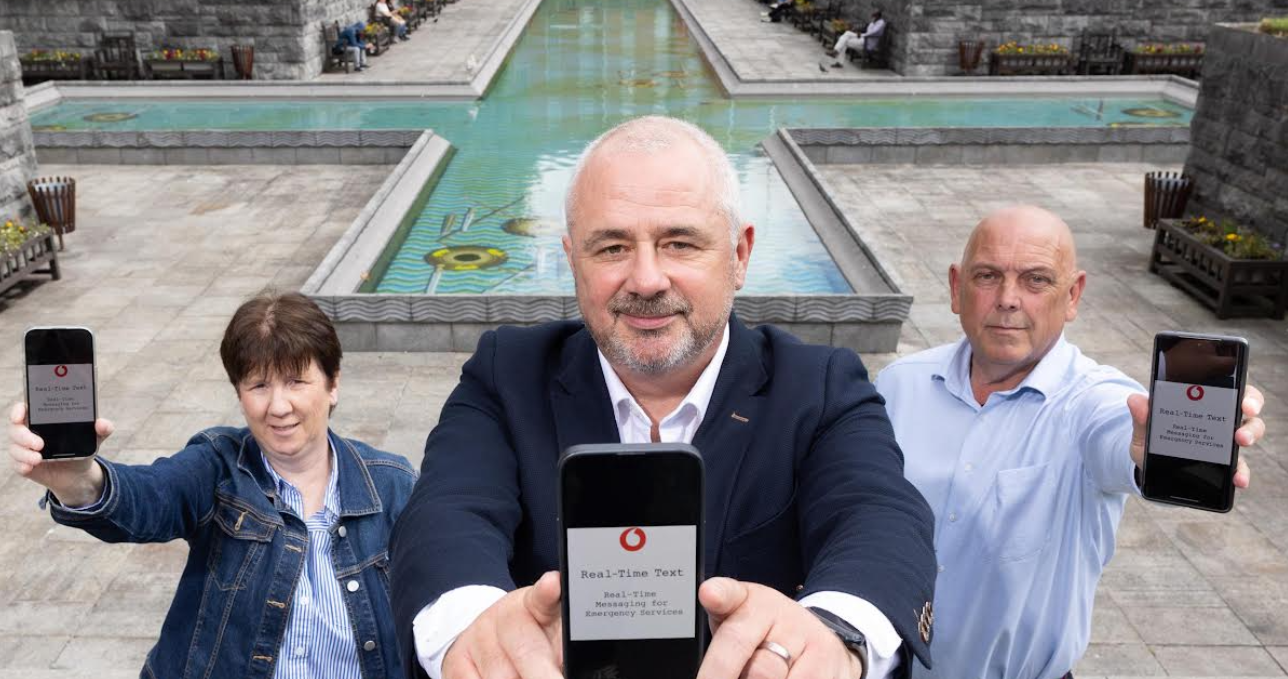
Vodafone Ireland has announced the launch of Real-Time Text (RTT), a breakthrough accessibility service designed to improve emergency communications for the Deaf and hard of hearing community.
Vodafone Ireland is the first mobile operator in Ireland to introduce RTT, reaffirming its commitment to inclusive, barrier-free digital communication and connection. The service is now available for emergency calls following pilot tests on the Vodafone network supported by BT ECAS and ComReg.
RTT is a next-generation messaging technology that enables text to be transmitted instantly, character by character, while maintaining a voice connection – eliminating the need to press “send.” This creates a more natural, fluid communication experience, particularly for deaf, hard of hearing, and speech-impaired users.
Vodafone Ireland customers using both Android and iOS devices can now activate Real-Time Text (RTT) directly via their handset accessibility settings. Once enabled, RTT allows users to send and receive text instantly during a call – making communication more accessible, especially for the deaf and hard-of-hearing community.
Crucially, RTT is fully compatible with Ireland’s Emergency Call Answering Service, allowing users to communicate directly with 112 or 999 in real time. This capability can be lifesaving in urgent situations where every second counts.
Approximately 5%, almost 270,000, of the Irish population reports a hearing impairment, according to latest Census data. With the European Accessibility Act coming into effect last month, the need for inclusive digital communication has never been more urgent and RTT is a vital step forward in ensuring equal access for all, especially in critical services like emergency response.
The RTT service is natively supported on smartphones that meet international accessibility standards.
These devices allow character-by-character text transmission during voice calls, without requiring third-party apps or additional hardware. This ensures that users can communicate directly and immediately in emergency situations and in everyday interactions.
Commenting as the service was launched today, Minister for Culture, Communications and Sport Patrick O’Donovan T.D. said:
“The introduction of Real-Time Text by Vodafone Ireland marks a significant milestone in our national journey towards digital equality. As the European Accessibility Act comes into force, it is heartening to see Irish tech leaders stepping up with meaningful innovation which instantly improves lives. Most importantly, RTT empowers people who are deaf or hard of hearing to access emergency services with the same immediacy and simplicity as anyone else. This is not just a technological advancement – it is a statement of inclusion, of equality and our shared commitment to building a digital society with universal access.
The RTT service is already available on the majority of Vodafone smartphones in Ireland right now, meaning the opportunity to make inclusive communication the norm is already in our hands. I encourage not only the Deaf and hard of hearing community, but the wider public also to embrace RTT. By making it part of our everyday communication and help ensure it becomes a turning point for real inclusion in a more connected society – one where everyone has the tools to engage, contribute and to be heard.”
Welcoming the launch, Chief Executive of Vodafone Ireland, Sabrina Casalta, said:
“At Vodafone Ireland, we’re committed to keeping everyone connected – our mission is to ensure digital access and connectivity for everyone, everywhere. RTT represents a significant step forward in digital accessibility, especially in emergency scenarios where real-time communication can save lives. We are proud to be the first in Ireland and one of the leaders in Europe to bring this innovative service to market, that we believe can change lives for the better. The RTT launch has been developed in partnership with government stakeholders, accessibility advocates, and emergency response teams. Vodafone’s RTT deployment places Ireland at the forefront of inclusive tech innovation in Europe.”
Speaking at the launch, Mark Byrne, CEO of Chime, Ireland’s national charity for Deaf and Hard of Hearing people said:
“Chime is excited to see Vodafone Ireland leading the way in ensuring crucial accessibility to emergency services through its RTT service. We know this is a major challenge for Deaf and Hard of Hearing people who face barriers in reaching emergency services when they need to.
We commend Vodafone for gathering important feedback from Irish Sign Language users on the RTT, ensuring inclusivity for everyone. We hope to see further investment and expansion of digital accessibility across the communications sector in Ireland.”
Vodafone is Ireland’s leading total communications provider with 2.4 million customers and employs over 2,000 people directly and indirectly in Ireland. Next year, Vodafone Ireland will mark 25 years in Ireland. Vodafone Ireland was recently named Ireland’s best mobile operator for the 10th year in a row by independent benchmarking organisation, umlaut. Vodafone Ireland was also recognised as Best in Reliability, Best in Voice, and Best in Crowdsourced Reliability.
What is Real-Time Text (RTT)?
RTT is an accessibility service that allows text to be transmitted instantly as it’s typed, allowing for natural, real-time conversations. Unlike traditional SMS or legacy TTY systems, RTT doesn’t require waiting for a full message to be typed before transmission. It is especially useful for Deaf, hard of hearing, or speech-impaired users and supports full interaction with emergency numbers 112 and 999.
How to Enable RTT on Your Device
Vodafone Ireland customers using both Android and iOS devices can now activate Real-Time Text (RTT) directly from their handset settings.
· On Android, users can go to Settings > Accessibility > Hearing > RTT and toggle the feature on.
· iPhone users can enable RTT by navigating to Settings > Accessibility > RTT/TTY and switching on “Software RTT.” Once enabled, RTT allows users to send and receive text instantly during a call — making communication more accessible, especially for the deaf and hard-of-hearing community.
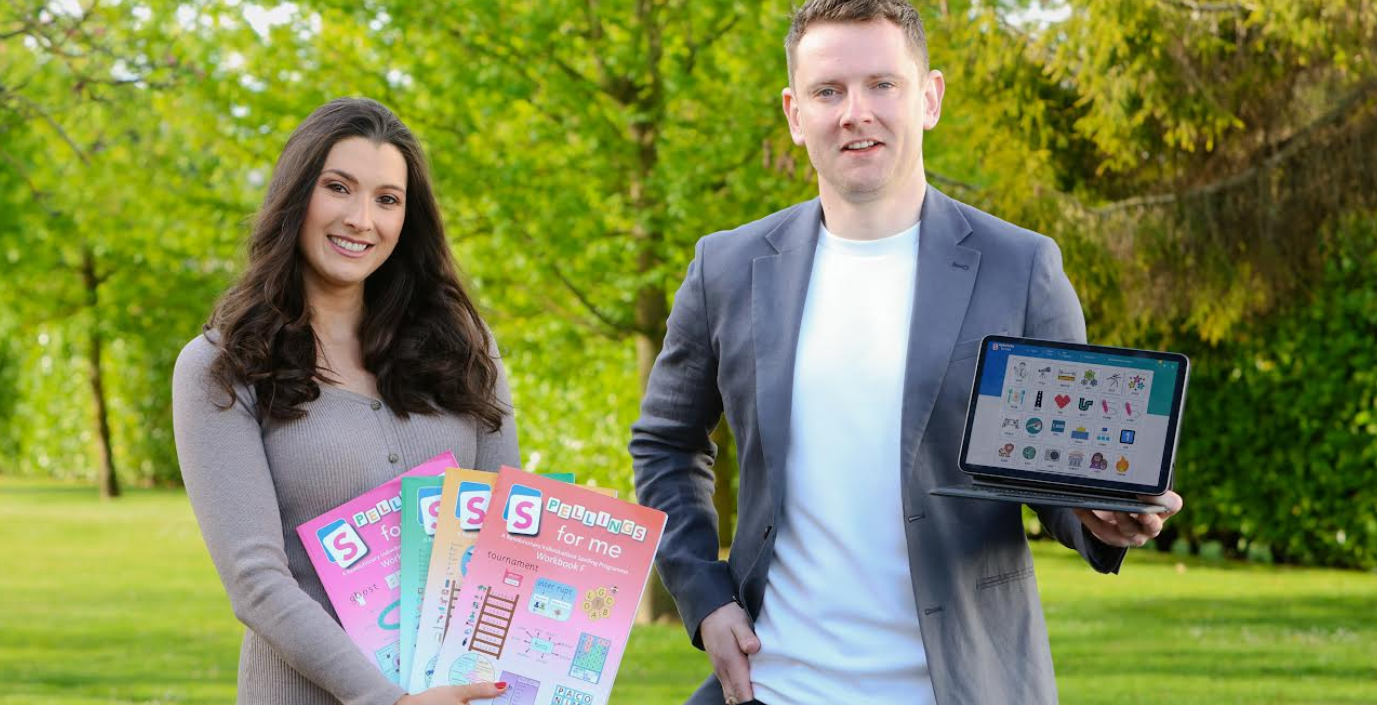
Spellings for Me, a personalised spelling programme has successfully rolled out Version 2 of its platform, marking a significant milestone in its mission to transform spelling education worldwide. The upgraded platform, developed in collaboration with TEKenable is using Artificial Intelligence to improve success through a personalised learning experience automatically tailored to each pupil’s needs.
Originally designed for primary schools in Ireland, Spellings for Me quickly gained international traction as teachers relocated and continued using the tool abroad. However, the platform’s initial design revealed limitations, including Irish-accented audio files, lack of advanced reporting tools, and scalability issues. To address these challenges, TEKenable has evolved the platform into a robust, future-proof solution.Version 2 offers 10 proofed accents allowing each school chose the voice that best suits their learners. All AI generated and more can be added with ease.
Over 90,000 pupils per year are enjoying Spellings for Me, with steady annual growth. “The international growth potential of this platform has been greatly enhanced by TEKenable’s use of AI to enable regionalisation resulting in sign-ups from International schools in 25 countries since the launch of the revamped platform,” states Paddy.
The rollout of Version 2 has been met with resounding success, with schools across multiple countries adopting the platform,” says Paddy. “Many of the Version 2 adopters teach English as an Additional Language, and Spellings for Me is now live in international schools across Spain, Finland, Greece, China (Wuhan), Hong Kong, France, Germany, Portugal, Japan, India, Jordan, UAE, Sweden, Egypt, Ghana, South Korea, Kazakhstan, Chile, Uruguay, Turkmenistan, and more. Wherever pupils are learning English, Spellings for Me, with its multi-accent support and research-backed content, continues to meet learners’ diverse needs in classrooms around the world”.
A new homeschool version has also been introduced, allowing parents to purchase the programme directly.
“Spellings for Me supports students worldwide, including EAL learners and international schools, with a tailored spelling programme designed for diverse learning needs,” adds Paddy. “It allows teachers and parents to monitor their growth over time, building confidence and motivation.”
Spellings for Me is currently collaborating with TEKenable’s AI division on a built-in AI reporting engine. Soon, teachers and parents will see an “AI-Insight” button beside each student with the inclusion of AI to recognise patterns that may suggest the pupil has learning differences e.g. early flags for potential learning differences (e.g. dyslexia risk) not a formal diagnosis, but a prompt for further assessment. This will help ensure no child ever slips through the net for dyslexia.
“When we set the Spellings for Me challenge, TEKenable always exceeded our expectations. No problem is too big. They have never let us down, they’re just so competent.” concludes Paddy.
The project’s impact was further recognised when Spellings for Me was selected as the Tipperary representative for the National Enterprise Awards 2025.
Gamification is everywhere these days, and it’s not just in games. Apps you use daily—whether for fitness, language learning, or even finance—are packed with features designed to keep you engaged. The numbers back this up. According to Mordor Intelligence, the gamification market is expected to reach £15.34 billion in 2025. That’s a huge leap, and it’s happening because gamification works. It taps into basic human psychology—our love of rewards, progress, and competition—to keep us coming back for more.
How Gamification Hooks Users
Gamification is all about making everyday tasks feel like a game. Points, badges, leaderboards and streaks are just a few of the ways apps encourage us to engage more. Take Duolingo, for example—missing a day of practice means breaking a streak, which makes people more likely to return. Fitness apps like Nike Run Club and Strava use leaderboards and challenges to keep users motivated. Even finance apps, like budgeting tools, have started incorporating achievements to encourage better spending habits.
The same principles apply across different industries, including entertainment. Take casinos not on GamStop, for instance. These platforms use gamified elements like reward systems, loyalty points and achievements to create a more engaging experience for users. The benefit here is that these casinos offer fewer restrictions and more gaming variety, making them appealing to players looking for flexibility. Just like with other gamified apps, the more engaging the experience, the more likely users are to return.
Common Gamification Features in Apps
So what makes gamification so effective? Points and rewards allow users to earn something tangible for completing certain actions, which can be exchanged for perks or discounts. Badges and achievements serve as milestones and motivate continued engagement. Leaderboards create a competitive ranking system that encourages users to beat their own records—or their friends’. Streaks and progress bars provide a visual representation of advancement, making users want to maintain momentum. Challenges and quests offer special tasks that reward users for completing specific goals. Some apps even introduce in-app currency that users can earn and redeem for benefits.
These features don’t just make apps fun—they also create habits. Studies show that when users engage with an app more frequently, they’re more likely to stick with it long-term.
Why Gamification Keeps Us Coming Back
What makes gamification so effective? It plays on core psychological triggers. Instant gratification keeps users engaged by offering rewards for small achievements. The fear of missing out (FOMO) makes users feel like they’ll lose progress if they skip a day, especially with streak-based systems. A sense of achievement is reinforced by hitting milestones, earning badges or, levelling up. Social proof and competition also play a role, as seeing what others are achieving makes users want to do the same—or better.
Real-World Examples of Gamified Apps
Some of the biggest names in app development rely heavily on gamification. Educational apps like Duolingo use streaks, XP points, and leaderboards to keep language learners motivated. Nike Run Club encourages fitness with achievement badges and competitive rankings. Peloton turns workouts into a game with live rankings and digital high-fives. Forest helps people stay focused by growing virtual trees that represent their productivity. Sweatcoin rewards users with digital currency for walking, which can be redeemed for real-world perks.
Marketing Gamified Apps
Marketing plays a crucial role in the success of gamified apps. App developers use targeted social media campaigns, influencer partnerships, and personalised email marketing to attract and retain users. Many apps offer referral programs where users can earn rewards for inviting friends, turning word-of-mouth into an effective growth strategy. In addition, push notifications with gamified language—such as reminding users to maintain their streak or complete a challenge—help keep engagement levels high. App store optimisation (ASO) also plays a key role, ensuring that gamified apps stand out with eye-catching descriptions, screenshots, and high ratings. The combination of gamification and strategic marketing creates a powerful formula for long-term app success.
The Future of Gamification in Apps
As technology evolves, so does gamification. Augmented reality (AR) and virtual reality (VR) are opening up new ways to make apps more immersive. Imagine a fitness app where you’re running through a virtual world or a learning app that puts you inside a historical event instead of just reading about it. Blockchain technology is also making its way into gamification, allowing users to earn and trade digital assets for their engagement.
Artificial intelligence (AI) is also playing a role in gamification, personalising experiences based on user behaviour. AI-driven gamification can adapt challenges, rewards, and interactions in real time, making apps feel more intuitive and engaging.
Conclusion
Gamification is no longer just a gimmick—it’s a proven way to drive engagement and retention. Whether it’s learning a language, getting in shape or managing finances, apps that successfully integrate game elements are seeing better user loyalty and long-term success. As the market continues to grow, and with new technologies like AI, AR, and blockchain enhancing the experience, gamification will only become more sophisticated and effective. One thing is clear—apps that make interactions fun and rewarding will always have an edge in keeping users engaged.
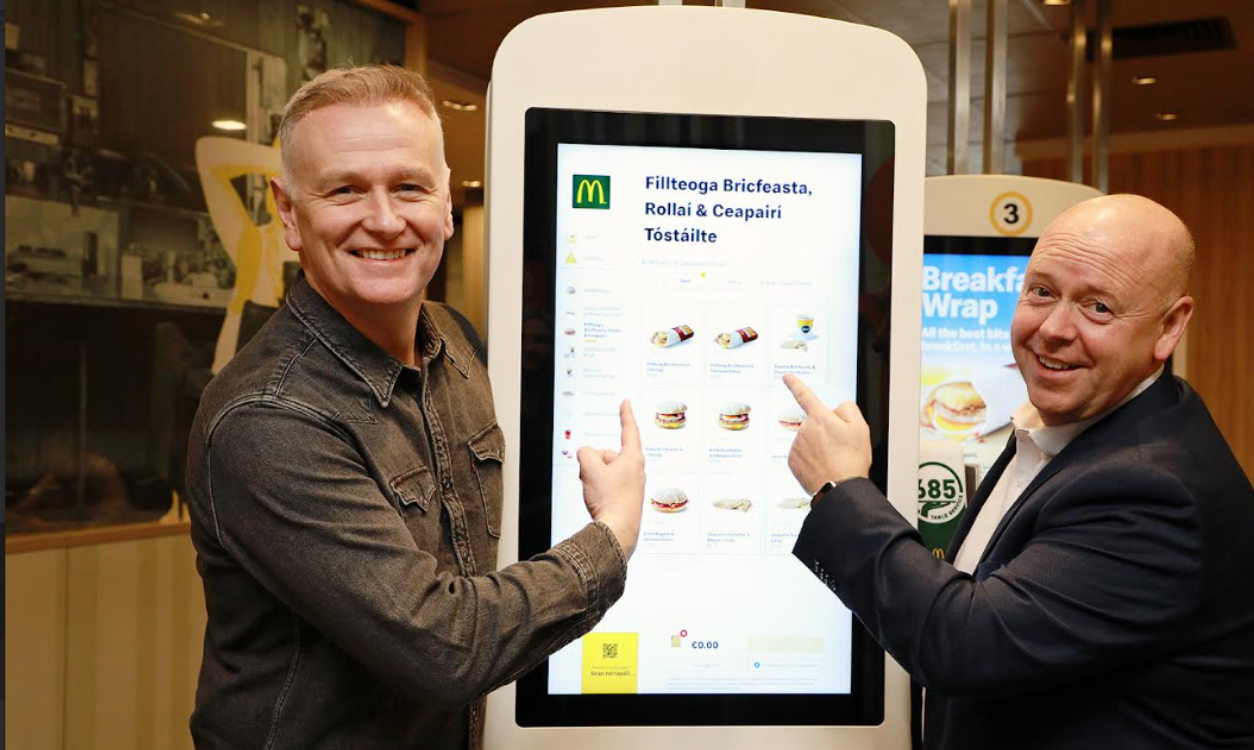
McDonald’s Ireland has announced the nationwide rollout of Irish language ordering across its self-service kiosks in restaurants throughout the Republic of Ireland. Following a successful trial period in McDonald’s Westside Shopping Centre, Galway in January of this year, customers across the country can now place their orders as Gaeilge, making the iconic McDonald’s experience more inclusive and accessible for Irish speakers.
This initiative is part of McDonald’s Ireland’s ongoing commitment to embracing and celebrating Ireland’s rich linguistic and cultural heritage. The introduction of the Irish language option will allow customers to seamlessly navigate the menu, customise their orders, and complete transactions in Irish at the touch of a button.
At the launch of the Irish Language Kiosks on Shop Street in Galway, Dáithí Ó Sé said: “It is fantastic to see McDonald’s supporting the Irish language at this level. This initiative gives people the opportunity to use the language naturally in their daily lives, which is so important for the future and development of Irish. This is a great step forward for Irish speakers and for the wider community in Ireland.”
Commenting on the launch, Aaron Byrne, Franchisee of McDonald’s Westside Shopping Centre in Galway, said: “We are thrilled to introduce Irish language ordering to our self-service kiosks nationwide. The overwhelmingly positive response from our Galway trial highlighted the demand and enthusiasm for this initiative. As a brand that is deeply rooted in Irish communities, we are proud to support the Irish language and provide our customers with the option to engage with us in the language of their choice.”
The trial in Galway saw strong uptake from customers, reinforcing the importance of language accessibility and McDonald’s commitment to evolving its customer experience to meet the needs of local communities. The nationwide rollout to McDonald’s 95 restaurants in the Republic of Ireland ensures that Irish speakers, learners, and those passionate about the language can enjoy a seamless and fully immersive experience in McDonald’s restaurants across the country.
This development aligns with McDonald’s broader inclusivity and community engagement efforts, reinforcing its commitment to reflecting the culture and traditions of the communities it serves.
The CONNECT Centre’s Academy of the Near Future, in partnership with Gael Linn’s Gaelbhratach team, has launched a new Irish-language educational programme for young people. The initiative – ‘Treoraigh do Thodhchaí’ – will feature hands-on workshops addressing environmental challenges and explore how the Irish language and traditions can inspire creative, sustainable, and technological solutions for the future.
Young people aged 15-17 are being invited to apply for the week-long programme, which will run from Monday, 31st March to Friday, 4th April 2025. Over the course of the programme the selected students will be encouraged to reflect on the role of the Irish language in their own lives and explore its significance in the wider context of environmental sustainability.
The programme will be hosted at Stiúideo Cuan, An Spidéal, Co. na Gaillimhe. It is the first Irish-language medium version of the ‘Design Your Future City’ programme, which has been delivered by Academy of the Near Future annually in Dublin since 2022.
Commenting on the launch, Dr Mairead Hurley, Assistant Professor in Science & Society Education, Trinity College Dublin, said: “We are excited to build on our innovative, youth-led approach to sustainability and citizenship education by delivering it through the Irish language for the first time. This step celebrates the creativity and transdisciplinary potential the Irish language brings to global citizenship education.
“This programme offers students a fantastic opportunity to build confidence, collaboration, and problem-solving skills, while exploring the role of Irish language and culture in shaping a sustainable future. It will also draw on the expertise of Trinity School of Education’s Critical Change Lab programme, an EU project exploring creative educational approaches to promote active citizenship and youth activism.”
Also commenting, Edel Ní Bhraonáin, Bainisteoir Gaelbhratach, Gael Linn said: “Gael Linn is thrilled to collaborate on ‘Treoraigh do Thodhchaí’, creating opportunities for young people to lead and shape a brighter future. Through our Gaelbhratach initiative, we have seen the incredible creativity and passion young people bring when given the chance to lead and shape their own future. This project is an exciting opportunity to amplify the student voice, combining their innovative ideas with the power of our language and culture to create a brighter, more sustainable tomorrow.”
Support from the Department of Education
The programme is being run with support from the Department of Education’s ‘Education for Sustainable Development to 2030 Fund’. Commenting on the initiative, Minister for Education, Norma Foley TD said: “I am delighted to see ‘Treoraigh do Thodhchaí’ open for applications, supported by the Education for Sustainable Development to 2030 Fund. I am particularly pleased to see it being rolled out for the first time in the Gaeltacht community in Galway, with plans to extend it to the Gaeltacht community in Kerry in the coming months. This will encourage students to get involved in science, technology, engineering, and mathematics and to be excited about the role they can play in tackling climate issues in their community using technology.”
Highlights from the programme
Over the course of the week, the selected students will have the opportunity to:
Engage in interactive workshops that integrate Irish language and cultural elements with sustainability and technology.
Collaborate with experts through Irish to develop a deeper understanding of Irish language and traditions.
Experiment with citizen science to address the environmental challenges facing modern cities, all through the lens of Irish culture.
Meet STEM, design, and innovation experts who will guide students in bringing their ideas to life with a sustainability focus
Application Details
The programme is open to students aged 15-17. Applicants must commit to attending all sessions of the week-long course. Workshops will be conducted in Irish, and the main requirement is an enthusiasm for technology, sustainability, and Irish culture. With only 20 places available, interested students are encouraged to apply early to avoid missing out.
To apply, applicants must answer a few short questions about themselves, describe an environmental challenge in their area, and propose a technology-driven solution. The deadline for applications is 5pm on Monday, 24th February 2025.