Willis, Kayna and Belfry Partner to Simplify Insurance Access for Security Providers

Willis, a WTW business is pleased to announce a strategic partnership with Belfry, a modern platform for physical security providers, to launch a digital insurance program tailored for Belfry customers. The program pairs Willis’ insurance expertise with Irish award-winning Kayna insurance technology to deliver data-led, streamlined insurance solutions.

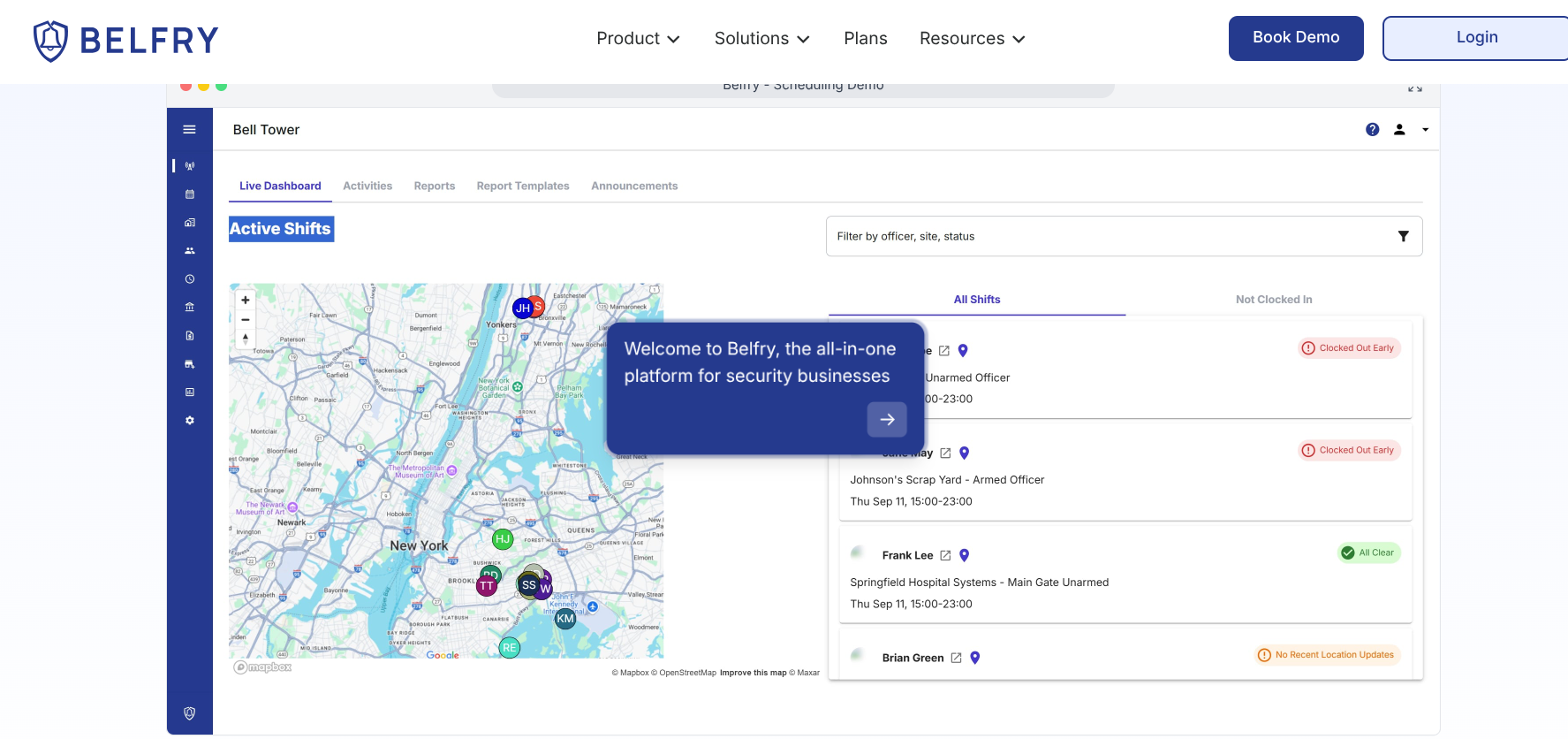
Belfry, a US-based vertical SaaS platform, streamlines security management in an all-in-one software that manages scheduling, timekeeping, payroll, and billing for security companies;

Kayna, Willis’ embedded insurance infrastructure partner, enables the distribution of Willis’ security services insurance to Belfry customers by integrating a seamless insurance portal directly within the Belfry platform. The InsurTech will leverage real-time data to pre-fill forms and support quoting, saving users time and simplifying the procurement process;

Willis’ Affinity model pairs well with Belfry’s platform by delivering tailored insurance solutions that meet the specific needs of security providers.

Belfry’s innovative platform transforms the complex needs of security businesses into a single solution that improves back-office efficiency, enhances employee experiences, and supports exceptional customer service. Through the integration of Kayna technology, which enables Willis-brokered insurance distribution, the partnership strengthens Belfry’s model by leveraging Willis’ global insurance expertise to create a seamless way for security operators to access tailored coverage directly within the Belfry platform.

With insurance being one of the most significant pain points and expenses for security firms, this integration offers timely quotes to address coverage gaps, potential premium savings, and reduced audit risk through pay-as-you-go insurance. The solution removes friction from the insurance procurement process, allowing security operators to stay focused on their work with the confidence that their coverage is comprehensive, timely, and aligned with their operational needs.

“As part of our strategy to deliver tech-enabled insurance solutions, we’re excited to partner with Belfry to embed coverage seamlessly into the security operator journey,” said Paul Lubbers, Head of US Affinity at Willis. “Together, we aim to accelerate quoting and minimize premium audit risk, both of which are critical pain points and areas for improvements in the security industry. Together with Kayna, we are committed to support the success of Belfry customers by making it easier than ever to secure the right insurance coverage with minimal hassle so physical security operators can focus on their job with confidence.”

Jordan Wallach, Co-Founder & CEO of Belfry, commented, “At Belfry, we’re developing a truly all-in-one platform for security operators – one that brings every essential function together in a seamless, intuitive experience. Partnering with Willis and Kayna strengthens that vision by embedding expert resources directly into our platform, helping operators focus less on administrative complexity and more on delivering outstanding service.”

Paul Prendergast, Co-Founder & CEO of Kayna concluded, “Backed by decades of Willis experience and expertise in underwriting and claims management, Belfry is taking an industry lead on delivering data-driven insurance and market choice for their platform customers. This is a winning formula for a great partnership and one that I’m delighted to see powered by Kayna technology.”

Tis the Season to Travel: Tips for a Smooth & Relaxed Christmas Holiday

Excited for the busy festive season? Many of us are, even when it feels like last Christmas wasn’t that long ago. As it is one of the busiest times of year for shopping and visiting family, it means many people are planning on venturing out across the country. According to the latest consumer survey data from Fáilte Ireland, 20% of Irish residents intend on taking a short break in Ireland in the next 3 months, with 26% planning on going abroad. If you are planning on taking a holiday at this time of year, you’ll want to ensure it goes as smoothly as possible.

Whilst the season brings plenty of joy, the combination of busy airports, unpredictable weather and last-minute plans can make travel feel more stressful than it needs to be. However, with a little preparation and a focus on comfort, you can set yourself up for a much smoother experience that allows you to enjoy the journey as much as the destination.

Whether you’re heading overseas or travelling within Ireland, here’s some helpful tips to help you along the way.

Planning Ahead for Peak Season Travel

Travelling at Christmas is exciting, but it can get hectic quickly, especially if everything is left to the last minute. Use this simple checklist to stay organised and avoid last-minute stress.

  •   Book early where possible

It goes without saying that booking early will give you the best chance of getting the train or flight times you need, and the ideal accommodation before it books up. You’ll also hopefully find better prices for these by doing so.

  • Compare travel times and routes

Booking early also means you can compare different days and times you can travel. If you can, consider midweek options rather than weekends, as this will help avoid the crowds whilst giving you potentially cheaper tickets. Seek out early morning flight and train times as these tend to be less popular.

  • Review luggage rules before packing

It can be very easy to pack over your baggage limits, so it’s much better to check what your allowances are before travel (you don’t want to be reshuffling your suitcase at the check-in desk!) Also, check all restrictions, especially if you are planning to take gifts with you. Restrictions on liquids and prohibited items still apply to your presents.

  • Consider priority services

One way to help avoid queuing for too long is to consider priority boarding or fast track security where available, and if within your budget. This will help you avoid tedious queuing, especially with children.

  • Avoid wrapping gifts before travelling

A good tip when taking gifts with you is to avoid wrapping them. As per Ryanair’s advice, wrapped gifts may be opened, searched and screened by security, meaning your beautiful wrapping will be all to waste. If you can use gift bags instead or wait until you’ve arrived, this will be the better option.

  • Give yourself time on travel day

No one likes a last-minute rush, so if you can set off early on the day you plan to travel, it’s best to do so. Take advantage of early check-in options at your accommodation so that you can leave with plenty of time and not have to dash. If flying, this will help you have plenty of time to get through security checks and use the departure lounge facilities and shops.

Packing for Comfort and Convenience

Taking a smart approach to packing will go some way to help avoid taking too much with you and ensure all the essentials are covered. Packing isn’t the most fun aspect of going away, but planning will make this job much simpler, especially if you’ve got children’s suitcases to consider too. It will also ensure you have room for any gifts you bring back with you.

  • Having lightweight layers will help you stay comfortable on the journey when moving between cold weather, a warm car, air-conditioned airport terminals and any change in temperature at your destination. It also takes up less space in your luggage, so go for layers that you can combine and take comfortable footwear, a warm jumper and a compact raincoat just in case.
  • Keeping things organised saves time and stress. If you haven’t already, invest in packing cubes or zip bags as these will help separate clothing, toiletries and electronics so you can find items quickly. If you are bringing gifts, avoid anything too bulky and pack these in your hand luggage where possible.
  •  A small kit of travel essentials can make a big difference too. Keep any medication, chargers and important items in your hand luggage so you have them if plans change.

With a bit of planning, you can travel lighter, stay comfortable and enjoy the journey from the start.

Managing Travel Timings and Transport

Travel during the Christmas season often requires more time and patience. It can be extremely busy on the roads, so plan your onward journey so that you can deal with any unexpected travel delays. If you’re heading to Dublin, Cork or Shannon airports, longer queues and slower security checks are highly likely, especially at peak times, so plan to arrive early for a more relaxed start to your holiday.

If you are flying, it’s a good idea to pre-book your airport parking as this will help you save money compared to paying on the day you travel, and ensure you get a closer spot. If using public transport, check timetables as they may change over the holidays, with reduced services likely on Christmas Eve, St. Stephen’s Day and New Year’s Day.

For those travelling by car, planning fuel stops, charging points for electric vehicles, and rest breaks can help make long journeys safer and more comfortable, especially if you are travelling with children or older family members. The more space you build into your journey, the easier it is to stay calm and enjoy the festive experience. Check the gov.ie Be Winter Ready advice pages for road travel safety tips before you set off.

Staying Calm on the Journey

Travel at the best of times can be difficult, especially when dealing with busy roads and airports, and inevitable long queues. Having a calm mindset can make the experience much more enjoyable, even when delays or minor frustrations happen.

Simple things like taking breaks, eating regularly and staying hydrated all help maintain energy levels and prevent stress from building up during the journey. If you are travelling with children, planning small activities can make a big difference. Keep them from boredom with books, colouring sheets, snacks or simple travel games. Above all, be flexible and take your time. That way, you and your family will arrive feeling happy and ready to enjoy your break.

Staying Prepared and Protected on Winter Trips

As the weather in Ireland and across Europe at this time of year can cause sudden delays and changes to your travel plans at very short notice, it’s fair to say Christmas travel comes with its fair share of unpredictability. That’s why building a bit of flexibility into your plans can make a world of difference when things do not go as expected. Simple habits like checking weather forecasts, signing up for delay alerts and giving yourself extra time for travel can help you stay ahead of potential problems without feeling rushed.

Unexpected changes to your plans can have more serious consequences if you live with a medical condition. Winter travel can be tiring, and colder weather or long journeys may make certain health needs more difficult to manage. If you are heading abroad this Winter, having the right support in place is important.

Medical care overseas can be expensive, and accessing it without the correct documents can be stressful. Specific policies that offer travel insurance for medical conditions from providers like Staysure can help you feel much more confident that emergencies, flare-ups or even lost baggage and medication will not turn your festive break into a financial worry.

Disruptions are often unavoidable at this time of year, but being prepared both practically and financially can make them easier to endure. Declaring any pre-existing conditions, reading policy wording carefully and packing essentials with organisation in mind will all contribute to a smoother experience. That way, you can enjoy your Christmas holiday knowing you are ready for whatever winter travel brings.

Ending the Trip on a Positive Note

Returning home after festive travel can feel both comforting and a little overwhelming, especially if you have spent time away from your usual routine. If you can, give yourself a gentle transition back into everyday life by having a day or so before returning to work and other responsibilities. It will make the post-holiday period feel less rushed.

Hopefully, your Christmas travel plans are a positive experience overall, and that you have plenty of new memories to look back on. Returning to work or school is always easier when you carry positive memories with you, so here’s to starting the new year more relaxed and refreshed than before the break.

Handling Device Insurance Renewals: Sell iPhone Tips

In our fast-paced world, where technology evolves faster than the blink of an eye, the allure of upgrading to the latest iPhone model is undeniable. Yet, the process of selling your current device and handling insurance renewals can be daunting. But fear not, for this guide will ease your journey through the maze of device insurance renewals while sharing some golden tips on how to sell your iPhone effectively.

Understanding Device Insurance

Device insurance acts as a safety net, protecting your investment from unforeseen mishaps. As your insurance renewal date approaches, it’s essential to strategize your next steps. Picture this: a chess player, deep in thought, mapping out their moves several steps ahead. This is the mindset you need when dealing with device insurance. Carefully examining your insurance policy’s terms and conditions can save you from headaches later on. Are you covered for accidental damage, theft, or loss? These are crucial considerations.

Strategize Your Insurance Renewal

When it comes to insurance renewals, strategizing is key. Imagine a seasoned traveler plotting their route through an unfamiliar city, ensuring every turn leads them closer to their destination. Before your renewal date, review your current plan and assess whether it still meets your needs. Have you recently upgraded your device, or are you planning to sell your iPhone soon? If so, it might be time to explore more comprehensive or cost-effective options.

Once you have a clear picture of your insurance needs, it’s time to shop around. Compare policies from different providers, examining each one’s coverage details and pricing. Your goal is to find a plan that offers the best value for money, providing peace of mind without breaking the bank.

The Art of Selling Your iPhone

Now, let’s delve into the art of selling iphone. It’s not just about finding a buyer; it’s about making the most out of your sale. If you’ve been wondering, where can I sell my iphone quickly, First, ensure your device is in pristine condition. A well-maintained phone fetches a better price, so consider investing time in a thorough cleaning. Check for any scratches or dents and address them if possible. An iPhone with a flawless exterior and smooth functionality is irresistible to potential buyers.

Next, conduct some research to determine the current market value of your iPhone model. Websites and platforms dedicated to buying and selling used electronics can provide valuable insights. Setting a competitive yet fair price is crucial in attracting prospective buyers.

Captivating Buyers with Your Listing

Your listing is your pitch, your opportunity to captivate potential buyers. Remember the last time you were bleary-eyed, scrolling through countless listings, searching for the one that stood out? That’s what you want your listing to do. Start with eye-catching photos that highlight your iPhone’s best features. A picture is worth a thousand words, but a great picture is priceless.

Craft a compelling description, emphasizing the iPhone’s condition, any accessories included, and why it’s a worthwhile investment. Use language that evokes emotion, painting a picture of the joy and convenience your iPhone has brought into your life and could bring to another’s.

Choosing the Right Platform to Sell

Selecting the right platform to sell your iPhone is akin to choosing the perfect venue for an event. You want a place that attracts the right crowd and ensures a safe, smooth transaction. Popular platforms like eBay, Craigslist, or specialized trade-in websites are excellent starting points. Each has its own set of benefits and drawbacks, so evaluate them carefully.

eBay offers a vast audience but involves listing fees. Craigslist provides local selling opportunities but requires vigilance against scams. Trade-in websites offer convenience but might not offer the highest price. Choose the platform that aligns with your priorities, whether it’s maximizing profit, ensuring security, or simply convenience.

Timing Your Sale for Maximum Impact

Timing plays a vital role in selling your iPhone effectively. The release of a new iPhone model often triggers a surge in demand for the previous ones. If you’re planning to sell your iPhone, timing your sale around this period can be advantageous. Be prepared to act swiftly once a new model is announced, as the market can become saturated quickly.

Handling Final Transactions

When you’ve found a buyer, handle the final transactions with care. Ensure you have a secure payment method in place and confirm the buyer’s details before shipping your iPhone. Packaging is also crucial; protect your device from potential damage during transit with bubble wrap or a padded envelope. Transparency is key, so communicate clearly with the buyer throughout the process.

By following these tips, you can navigate the often overwhelming world of device insurance renewals and sell your iPhone with confidence. Remember, whether it’s strategizing for the best insurance plan, carefully crafting your listing, or timing your sale for maximum impact, each step requires attention and care. Embrace the opportunity to upgrade while ensuring your current device finds a new home, bringing joy and convenience to its next owner.

Which Businesses Need Cybersecurity the Most? A Sector-by-Sector Guide

Cyberattacks are no longer rare events – they’re an everyday threat, and the cost of each breach is climbing fast. In the UK alone, over 38% of small businesses reported being targeted by a cyberattack in the past year, with many facing significant financial and reputational damage. At Support Tree, we’ve seen firsthand how vulnerable organizations can be when cybersecurity isn’t a priority. In this article, we’ll explore which industries are most at risk, why they’re targeted, and what steps businesses can take to protect themselves.

Why Cybersecurity Matters for Every Business?

Cybercrime isn’t reserved for big corporations with vast databases and deep pockets. Small and medium-sized businesses (SMBs) are often prime targets because hackers know their defences are usually weaker, and a single breach can cause devastating consequences.

Criminals don’t discriminate by size; they look for opportunity. For many SMBs, that opportunity comes in the form of outdated software, untrained staff, or a lack of robust security measures. The result? Cyberattacks can halt operations, drain bank accounts, and damage hard-earned reputations.

Some of the most common threats include:

  • Phishing – fraudulent emails or messages designed to trick employees into revealing passwords or payment details.
  • Ransomware – malicious software that locks you out of your systems until a ransom is paid.
  • Insider threats – intentional or accidental data leaks caused by staff or contractors.
  • Data breaches – unauthorized access to sensitive customer, financial, or intellectual property data.

The truth is simple: in today’s digital landscape, every business is a potential target. Taking action before a threat materializes is not just smart — it’s essential for survival.

High-Risk Sectors for Cyberattacks

Some industries are targeted more aggressively than others because of the type of data they hold, the financial reward for criminals, or the potential disruption an attack can cause. While no sector is immune, understanding where the highest risks lie can help businesses prioritize their defences.

Sector Why They’re Targeted Examples of Attacks Compliance / Key Risks
Financial Services Direct access to money and high-value personal data. Data breaches at banks, fintech platform hacks, and insurance fraud cases. PCI-DSS for payment security, FCA guidelines for financial conduct.
Healthcare Patient data is highly valuable on the black market. NHS ransomware incidents, private clinic data leaks. Loss of patient trust, disruption to critical services.
E-Commerce & Retail Payment card theft and account takeovers. Online store breaches, fraudulent transactions. Risks peak during major sales events like Black Friday.
Manufacturing & Supply Chains Ransomware can halt production and operations. Cyberattacks on suppliers are causing production delays. Industrial espionage, theft of trade secrets.
Professional Services Store sensitive client and financial data. Law firm data leaks, insider data theft. Insider threat risk, professional reputation damage.

Businesses operating in these sectors cannot afford to take cybersecurity lightly. The combination of high-value data, financial incentives for attackers, and regulatory pressure means prevention is far more cost-effective than recovery.

Overlooked but Vulnerable Sectors

When people think of cyberattacks, they often picture large corporations, banks, or hospitals. But some of the most vulnerable targets are in sectors that don’t make the headlines. These industries can be easier prey for cybercriminals because they often lack the same level of security resources as bigger players.

Here are a few examples where risk is high but awareness is low:

  1. Charities & Nonprofits

    • Why at risk: Often run on tight budgets with limited IT investment.
    • Typical threats: Phishing emails aimed at staff and volunteers, breaches of donor databases, and ransomware disrupting fundraising events.
    • Impact: Loss of donor trust, reputational harm, and reduced ability to operate.
  2. Education

    • Why at risk: Schools, colleges, and universities hold vast amounts of personal data on students, parents, and staff.
    • Typical threats: Ransomware shutting down systems, leaks of student records, and phishing attacks on staff.
    • Impact: Disruption to learning, safeguarding concerns, and compliance breaches.
  3. Hospitality

    • Why at risk: Booking platforms and payment systems store valuable customer and financial data.
    • Typical threats: Point-of-sale (POS) system hacks, booking system breaches, and card data theft.
    • Impact: Loss of customer confidence, direct financial loss, and damage to brand reputation.
  4. Local Government

    • Why at risk: Councils and local authorities manage critical public services and store sensitive citizen records.
    • Typical threats: Ransomware attacks causing service shutdowns, breaches of public databases, and phishing targeting officials.
    • Impact: Public service disruption, political fallout, and exposure of personal data.

The common thread across these sectors is the assumption of low risk a dangerous mindset that makes them attractive to attackers. Even with smaller budgets, implementing basic cybersecurity measures can dramatically reduce exposure.

Consequences of Poor Cybersecurity

Failing to protect your systems and data can have far-reaching effects, often more damaging than the initial attack itself. Understanding these consequences is the first step in appreciating why prevention must be a business priority.

  1. Financial Loss

    • Direct costs: ransom payments, fraud, stolen funds.
    • Indirect costs: legal fees, system recovery, and hiring specialists to repair the damage.
    • Example: A ransomware demand might be £50,000, but the true recovery bill can run into the hundreds of thousands once lost revenue is considered.
  2. Legal Penalties

    • Non-compliance with regulations like GDPR, PCI-DSS, or sector-specific rules can lead to hefty fines.
    • Example: Data breaches involving personal information can result in penalties up to 4% of annual global turnover under GDPR.
  3. Reputational Damage

    • Customers lose trust when their data is compromised.
    • Negative media coverage can harm a brand’s image for years.
    • Example: Studies show that up to 60% of small businesses close within six months of a major breach due to lost customer confidence.
  4. Operational Downtime

    • Cyberattacks can bring daily operations to a standstill.
    • Example: Manufacturing firms hit by ransomware have had to halt production for days or even weeks, leading to missed orders and broken contracts.

The reality is that the cost of prevention is far lower than the cost of recovery. Every business, regardless of size or sector, should view cybersecurity as a fundamental part of its risk management strategy.

Essential Cybersecurity Measures for All Businesses

No matter the size or industry, every organization can take practical steps to strengthen its defences. These measures don’t require a massive budget, but they do require consistency and commitment.

  1. Implement Strong Password Policies

    • Require complex, unique passwords for all accounts.
    • Enforce regular password changes and ban password reuse.
  2. Use Multi-Factor Authentication (MFA)

    • Add an extra layer of security to logins, even if passwords are stolen.
    • Prioritize MFA for email, banking, and administrative systems.
  3. Regularly Back Up Data

    • Store backups securely, offline or in a protected cloud environment.
    • Test backups periodically to ensure they can be restored quickly.
  4. Train Employees on Cybersecurity Awareness

    • Provide regular training on spotting phishing emails, social engineering tactics, and safe internet use.
    • Encourage a “stop and check” culture before clicking links or opening attachments.
  5. Secure Endpoints and Networks

    • Use antivirus, anti-malware, and firewalls on all devices.
    • Keep all software and systems updated with the latest security patches.
  6. Control Access to Sensitive Data

    • Restrict permissions so employees only access what they need.
    • Monitor and review access rights regularly.
  7. Consider Cyber Insurance

    • Provides a financial safety net in case of a breach.
    • May also include access to rapid incident response services.


Cybersecurity is not a one-time project but an ongoing process. By embedding these practices into daily operations, businesses can significantly reduce the likelihood of becoming a target and be better prepared to respond if an attack does occur.

Cybersecurity is no longer an optional extra – it’s a core part of doing business in the digital age. Whether you’re running a financial institution, a local charity, or a growing e-commerce store, the risks are real, and the consequences of inaction can be devastating.

The good news is that you don’t have to tackle these challenges alone. At Support Tree, we help businesses of all sizes assess their vulnerabilities, strengthen their defences, and respond effectively to incidents. The earlier you act, the more control you have over your security and your future.

Don’t wait for a cyberattack to force your hand. Start by reviewing your current protections today, train your team, and put robust safeguards in place. Your customers, your reputation, and your bottom line depend on it.

Aviva Insurance Ireland and ClubberTV join forces in multi-year partnership

Aviva Insurance Ireland, one of Ireland’s leading insurance providers, has today been announced as a major partner of ClubberTV, the fast-growing sports streaming platform transforming how grassroots GAA and community sport are brought to fans across Ireland and beyond.

The new partnership marks a significant moment for both organisations, bringing together Aviva’s long-standing commitment to Irish sport with ClubberTV’s innovative approach to live and on-demand sports coverage.

Under the new agreement, Aviva will become an official partner of all ClubberTV coverage for the upcoming 2025/26 season, with prominent branding integrated across Clubber’s live match broadcasts, digital platforms, and community outreach initiatives, reinforcing both organisations’ dedication to growing grassroots sport.

Speaking at the announcement, Declan O’Rourke, CEO at Aviva Insurance Ireland commented, “At Aviva Insurance Ireland, we understand the power of sport to connect communities, and grassroots GAA is at the heart of communities throughout the country. We are proud to support the growth and development of ClubberTV in making our national game more accessible to national and global audiences. We’re delighted to support a platform that gives communities more in terms of access, entertainment and inspiration”.

Founded in 2020, Clubber has become Ireland’s leading live streaming platform for local and grassroots sport. Using cloud-based technology, it removes the need for traditional broadcast infrastructure, enabling high-quality, live coverage from any location. This year alone, it will stream over 1,500 games, cementing its position as the go-to platform for grassroots and semi-professional sports. Clubber holds exclusive, multi-year GAA broadcast rights across Ireland and is actively expanding its footprint into additional counties, sports, and international markets.

Jimmy Doyle, CEO of Clubber TV added, “To welcome Aviva Insurance Ireland as our first major partner is a proud moment. It validates the vision we’ve had from day one: to unlock the power of local sport and bring it to fans everywhere. Together with Aviva, we look forward to increasing the visibility of grassroot sport.”

 Fans can watch games from 14 counties including the Tipperary, Cork and Kilkenny Club Hurling Championships, as well as the Kerry, Kildare and Meath Club Football Championships, plus some of the Camogie Club Championships with flexible subscription options.

Campion Insurance sponsors cutting-edge Athlee camera system for Templeogue Swimming Club

Campion Insurance has announced its sponsorship of a revolutionary Athlee Camera System for Templeogue Swimming Club – marking a major technology investment in the club. Templeogue becomes one of the first swimming clubs in Ireland to integrate this world-leading technology into their training, reaffirming its position at the cutting edge of coaching innovation and athlete development.

This sponsorship reflects a shared vision between Campion Insurance and Templeogue Swimming Club – one centred on high performance, continuous improvement, and community leadership.

The Athlee System, already trusted by elite international swimming programmes, offers advanced underwater and above-water video analysis capabilities. This system allows for real-time feedback and frame-by-frame breakdowns of stroke mechanics, turn execution, and race starts – elements that can define elite-level performance. It is a game-changing tool for coaches and swimmers who are striving to gain a competitive edge.

Brian Sweeney, Head Coach at Templeogue Swimming Club, praised the new technology: “The Athlee System brings a new competitive edge to Templeogue. Our coaches now have a powerful tool to deliver precision feedback, and our athletes – whether they are juniors, seniors, or masters swimmers – will benefit immediately from enhanced technical analysis. This is a significant step forward for the club and we thank Campion Insurance for their support.”

The system will be utilised across the club, including by two-time Olympian Ellen Walshe, who is currently preparing for the World Championships in Singapore later this year.

“Having access to the Athlee System is a game-changer,” said Walshe. “Every detail matters at this level, and now we can fine-tune our technique like never before. I’m excited to use it as part of my race preparations.”

Templeogue Swimming Club’s Masters Team, a successful group of adult competitive swimmers, will also benefit from the system. With several athletes representing the club at past European Masters Championships and upcoming World Masters Championships in Singapore, the integration of elite-level analysis technology further strengthens the Masters programme.

Campion Insurance has a strong tradition of supporting community initiatives and performance excellence. Speaking about the Athlee System Damian Smith, Head of Commercial at Campion Insurance said, “Campion Insurance is delighted to partner with Templeogue Swimming Club. Their constant drive for excellence and willingness to embrace innovative technology to stay ahead mirrors our own values. We’re proud to support a club that develops talent from grassroots to the world stage.”

How AI is Transforming Affiliate Marketing in iGaming

iGaming affiliate marketing is a very competitive market. In short, all successful affiliates are always trying to find ways of reaching and converting users. Recently, artificial intelligence has been a handy assistant. AI can speed up the procedures, give a better customer experience, and greatly assist in making the decisions. 

With personalized player journeys, AI is changing the role of the affiliates and will be able to automate the boring tasks like

  • Content creation
  • Personalization and targeting
  • Campaign management automation
  • Comprehensive analytics and decision making
  • Fraud detection and prevention 

AI is being used more and more on platforms that focus on better targeting, smarter analytics, and stopping fraud. Affiliates are also leveraging AI-driven strategies to simplify their processes and gain a competitive edge in the market.

If affiliates understand these innovations, they can stay ahead of the game in their field. The understanding gained here enables them to strengthen their strategies in iGaming, which then results in more profitability the more the industry evolves.

Content Creation and SEO at Scale with AI

Affiliate marketing in iGaming is primarily based on providing quality content, and AI is being applied to generate the content in an efficient way. Over the years, affiliates have spent considerable amounts on producing, engaging, and searching for optimized articles, reviews, and promotional content to engage them. 

Initial drafting processes are automated by AI-powered content creation tools, followed by the fast creation of foundational drafts of content that are refined by affiliates to make them quality and accurate.

Also, AI-driven SEO tools offer sophisticated keyword analytics, identifying trending and high-performance keywords that one can utilize in affiliate content strategies. These tools provide some strategic improvements that can be used to help affiliate sites quickly achieve superior visibility in the search engine results pages (SERPs). Therefore, it becomes beneficial for affiliates to see greater organic traffic, wider reach for their audience, and improved return on investment from the content marketing efforts.

AI-Powered Personalization and Targeting

Personalization has changed the way AI tools enhance digital affiliate marketing. Now it does much more than simply trigger ads, and it does so greatly, improving player engagement and conversion rates. Unlike other general promotional strategies, AI combines deep analytics on data to forecast player preferences and patterns of behavior with a high degree of accuracy. 

Advanced algorithms use the user’s data. Its algorithms present all of this—game-playing habits, the types of games they prefer to play, and the time they devote to play—to create very targeted marketing campaigns. Tailored slot promotions for slots and casino enthusiasts are provided. This strategy attempts to improve the user interaction and rates the user interaction with pokies, games, and slots overall.

Sports betting fans can start with simplified odds and progress to more individualized options. They can also spot event highlights and enjoy offers tailored to their specific betting preferences. It also means that broadcasting all of your affiliate offers to your entire audience while spending your money in bulk is not only insufficient but also completely uncompromising and ineffective.

Automating Campaign Management and Player Engagement

Affiliate marketing campaigns are something that requires a constant presence of your attention. The routine tasks are automated by AI, and campaign efficiency is optimized. Affiliates gain immediate knowledge of performing uplifting marketing variations through AI-driven A/B testing that boosts conversions instantly. Also, AI-powered chatbots serve to directly engage a user as well as provide prompt support 24/7 to immediately answer the question. 

AI can automate the social media campaigns; in a sense, they can be scheduled automatically to make posts appear at optimized engagement time for the targeted audiences. This greatly increased operational efficiency gives affiliates time to spend on strategic planning and creative innovation, rather than spending it on document sharing.

Smarter Analytics and Decision-Making with AI Tools

Data is the guiding factor of all things in affiliate marketing. These AI tools are especially remarkable at finding useful patterns and trends in a dataset containing hundreds of records. Such a sophisticated analytics capability enables affiliates to find the winning strategy and optimize resource allocation. 

AI-based analytics gives you the ability to predict down to the level of people’s behavior, to the potential high-value customers who are likely to convert or make significant deposits. 

You can use an affiliate marketing platforms like Offer.one to access the best iGaming CPA offers and creative materials. Its AI analytics integration allows affiliates to increase campaign performance, ensure accurate attribution, and to make confident decisions based on the data to maximize profitability.

Fraud Detection and Compliance Assurance

Affiliate marketing in iGaming is subject to fraud, and their integrity can be threatened. An AI system actively finds anomalies and protects affiliate revenues as well as operators’ reputations. Advanced algorithms monitor user behavior to detect suspect trends such as increases in unnecessary visitor traffic, strange sign up activity, etc.

Fraudulent clicks and registrations are much easier to detect and prevent with AI, which promptly expels fake accounts and protects against the financial loss. Moreover, the compliance checks become automated so affiliates stay within the boundaries of regional advertising regulation to avoid fines and losing reputation. AI plays an active role in detecting fraud and ensuring compliance. This process helps maintain trust within the affiliate marketing ecosystem by safeguarding both the affiliate and the operator.

Conclusion

The fact is, it is evident that AI has brought a giant revolution to affiliate marketing in the iGaming industry. This allows the affiliates to scale out content creation. Firstly, it can be personalized and automated and can give results as well as combat fraud. Those individuals wishing to become affiliates are those eager to get involved in the future of AI-driven innovation. 

With an aim to grow in a sustainable way, increase profits, and give the players more interesting experiences, they want to improve games. Updating and using AI is essential for affiliations to enhance their use with this new tool. That’s why affiliates must consistently optimize their AI-driven strategies so that they can grow alongside the latest advancements in technology in the iGaming industry.

Ray Kober Podcast Broken Healthcare and Insurance

With candor, authenticity and wisdom, Ray Kober simplifies the intricacies of healthcare expenses and insurance company operations through insightful conversations and expert analyses on his eye-opening new podcast, “Broken Healthcare.”

Through interviews with thought leaders, solution providers, medical professionals and everyday people who share their personal experiences, Kober sheds light on the complexities of healthcare and empowers listeners with insights on how to pay less and access high-quality care — concerns for the general public as well as for businesses for which healthcare is typically the number one expense after payroll.

With keen observations and practical counsel, Ray urges his listeners to seize control of their healthcare by scrutinizing and questioning medical service costs, akin to how they approach the purchase of other consumer goods.

“There absolutely is something they can do to reduce the cost and improve the quality of their health care,” Kober said.

Episodes currently available to listeners include

• Uncovering the Hidden Costs of Healthcare;

• How Direct Primary Care is Changing Lives;

• AI’s Role in Reducing Healthcare Costs;

• Transforming Diabetes Care; and

• The Power of Telemedicine, among others.

Future topics of note include a discussion about vaccines and the efficacy of wearing masks as well as an interview with a former Cigna executive turned whistleblower.

“Broken Healthcare” doesn’t just expose the inefficiencies and complexities within the healthcare landscape; it serves as a clarion call for both consumers and employers to demand transparency, enabling them to make better-informed decisions about their healthcare.

“Whether grappling with insurance policies, overseeing health benefits for a company or simply seeking clarity on the actual expenses of a doctor’s appointment, this podcast furnishes listeners with indispensable guidance and empowerment in the pursuit of a more transparent and accessible healthcare system,” Kober added.

The “Broken Healthcare” podcast is available on YouTube and most podcast platforms, including Apple and Spotify.

Effective Tips for Filing a General Liability Insurance Claim

General liability insurance serves as the backbone for businesses, safeguarding them against a myriad of potential claims, ranging from property damage to personal injury. Its significance can’t be overstated, particularly as companies navigate the complexities of modern commerce and legal accountability. These policies typically cover legal expenses, court costs, and any settlements or judgments against your business. This protection is invaluable whether you operate a bustling retail location or manage an extensive distribution network.

If you’re currently evaluating your insurance needs and wondering whether it’s the right time to get a quote for general liability insurance coverage, consider the specific liabilities your business may face. Prioritizing risk assessment and selecting appropriate coverage ensures that you’re not overinsured yet sufficiently protected against unforeseen events. Being well-versed in potential claim scenarios, such as slip-and-fall incidents or harm caused by defective products, equips your business with a proactive defense strategy against common liabilities.

Documenting the Incident Thoroughly

The cornerstone of a successful insurance claim is meticulous documentation. Immediately after an incident, business owners should meticulously gather evidence to substantiate the claim. This includes taking clear photographs of the scene, collecting eyewitness accounts, and drafting a detailed incident report. These elements form the foundation of your claim and serve as irrefutable evidence during the assessment process. Comprehensive records not only validate the occurrence but can dramatically accelerate claim approvals, ensuring your business gets back on track swiftly.

For effective documentation, it’s advisable to implement a standard operating procedure within your company. Staff should be trained on how to respond to incidents, including how to handle evidence and report incidents promptly. By embedding these practices into your business culture, you create a robust first line of defense against potential claims challenges.

Notifying Your Insurance Provider Promptly

Notification latency can hinder the claims process, leading to unnecessary delays or complications. Swift communication with your insurer post-incident is crucial. This immediate notification enables the insurer to commence their investigation rapidly, providing you an advantageous position in the claims process. Ensure initial communications are backed with all available documentation, creating a comprehensive overview for the insurer to understand the incident at hand.

Failure to alert your insurance company promptly might not only slow down the claims process but could also jeopardize the eventual outcome of the claim. To avoid these pitfalls, designate a team or individual responsible for interfacing with the insurer, ensuring that communication channels remain streamlined and efficient.

Working with Claims Adjusters

The claims adjuster is a crucial player in the claims drama, tasked with investigating the details and determining the legitimacy and value of your request. It’s vital for claimants to maintain excellent communication with these professionals. This relationship can significantly impact the trajectory and resolution of your claim. Transparency, honesty, and responsiveness in dealings with the adjuster can lead to more favorable negotiations and smoother settlements.

To build a positive rapport, consider the adjuster’s inquiries as opportunities to rectify any discrepancies and solidify your claim’s credibility. Preparation is key when discussing the claim, and it pays to have all relevant documentation at hand, facilitating quicker resolutions and minimizing chances of dispute.

Maintaining Open and Clear Communication

Throughout the claim process, clarity in communication is vital. From detailed initial reports to ongoing dialogue with your insurer, ensure that every interaction is clear, documented, and confirmed. This clarity prevents miscommunication, which can complicate claims or lead to incorrect assumptions by the insurer. In cases where discussions become complex, follow up in writing, confirming mutual agreements and next steps.

Clear communication not only fosters a collaborative atmosphere between you and the insurer but also reflects professionalism and diligence, attributes that can positively influence the claim’s outcome. Establishing clear, written communication policies within your team when dealing with claims reinforces best practices and consistency.

Avoid Common Mistakes in Claims Filing

Avoiding common filing mistakes can mean the difference between a swiftly processed claim and one mired in complications. Errors, such as submitting incomplete forms, providing inconsistent accounts of the incident, or missing key deadlines, can cause significant delays or even result in denial. To prevent such setbacks, dedicate time to double-checking every document submitted, ensuring all statements are consistent, and keenly observing deadlines to remain in the insurer’s good graces.

Consider leveraging technology like claim management software, which can provide reminders and track pertinent dates. This tool not only ensures all requirements are met in a timely manner but also offers a digital repository for all related documentation.

Seek Professional Help When Necessary

In the realm of complicated claims, professional assistance can be invaluable. There are situations where enlisting a lawyer or claims consultant becomes necessary, particularly if the claim is of a high value or has contentious elements. Engaging with professionals can provide expert guidance and representation, facilitating the resolution of complex claims. Knowing when to hire a lawyer to handle your insurance claim can prevent costly and protracted disputes.

While professional guidance comes with additional costs, the benefits often outweigh these, especially when navigating convoluted insurance landscapes that require specialized understanding.

Review and Understanding Your Policy

The peculiarities of your insurance policy coverage can significantly sway the outcome of a claim. Understanding your policy is paramount before an incident occurs. Scrutinizing terms and conditions empowers you to modify or bolster your coverage to better suit your business needs. Articles and resources, like those offering insights on how to read an insurance policy, provide valuable guidance in understanding the often complex legalese.

Armed with this knowledge, you’ll be better equipped to handle claims and ensure your coverage adequately protects against all potential business risks. Periodic reviews of your policy, possibly with expert consultation, ensure it remains aligned with your evolving business environment.